


Which workout truly sculpts your abs faster — classic sit ups or challenging leg raises? If you're wrestling with this common fitness dilemma, uncover the key differences and benefits to supercharge your core training efficiency and achieve those abs you’ve been striving for.

"Sit-ups teach your abs to flex; leg raises teach them to resist — train both, and your core stops choosing sides."
Sit Ups vs Leg Raises: The Great Abs Debate
The battle between sit ups and leg raises has fueled countless fitness conversations and divided gym-goers for decades. When aiming for a strong core and those coveted visible abs, many ask the same question: Is it more effective to crank out reps of classic sit ups, or to challenge yourself with leg raises and leg lifts?
Both exercises promise ab definition and increased core strength, but their mechanics, benefits, and risks differ in critical ways. Understanding which is right for your body and goals can transform your results and help you avoid common pitfalls, especially around back pain and training efficiency.
As we dive deep into the “sit ups vs leg raises” debate, you’ll learn how each move impacts your core muscles, how their difficulty and safety compare, and which is best for fast ab progress. We’ll also cover real-world tips, advanced variations, and expert opinions on maximizing your core workout while preserving the health of your lower back. Get ready to uncover not only which exercise can help you reveal a six-pack but also how to fuse them for sustainable, lifelong fitness gains.
Understanding Sit Ups vs Leg Raises: Key Differences
Definition and form of sit ups: Sit ups begin lying flat with knees bent and feet anchored. The movement involves curling your upper body toward your knees, engaging the rectus abdominis, hip flexors, and stabilizing core muscles. Proper form is crucial—keep feet grounded, avoid pulling on your neck, and lift in a slow, controlled motion.
Definition and form of leg raises: Leg raises, or leg lifts, start lying flat on your back with legs straight. Keeping your legs together, you raise your legs up to a 90-degree angle, contracting your lower abs and hip flexor muscles, then lower your legs back to the starting position, all while keeping your lower back pressed into the floor for support.
-
Comparison of main movement patterns: While both exercises recruit the abdominals, sit ups primarily target upper and middle abs and require hip flexor activation for full motion. Leg raises, on the other hand, are more focused on lower ab activation and demand significant control of the transverse abdominis and rectus femoris. The movement pattern of sit ups involves spinal flexion, whereas leg raises keep the spine neutral and utilize pelvic rotation instead, reducing spinal pressure for some individuals.
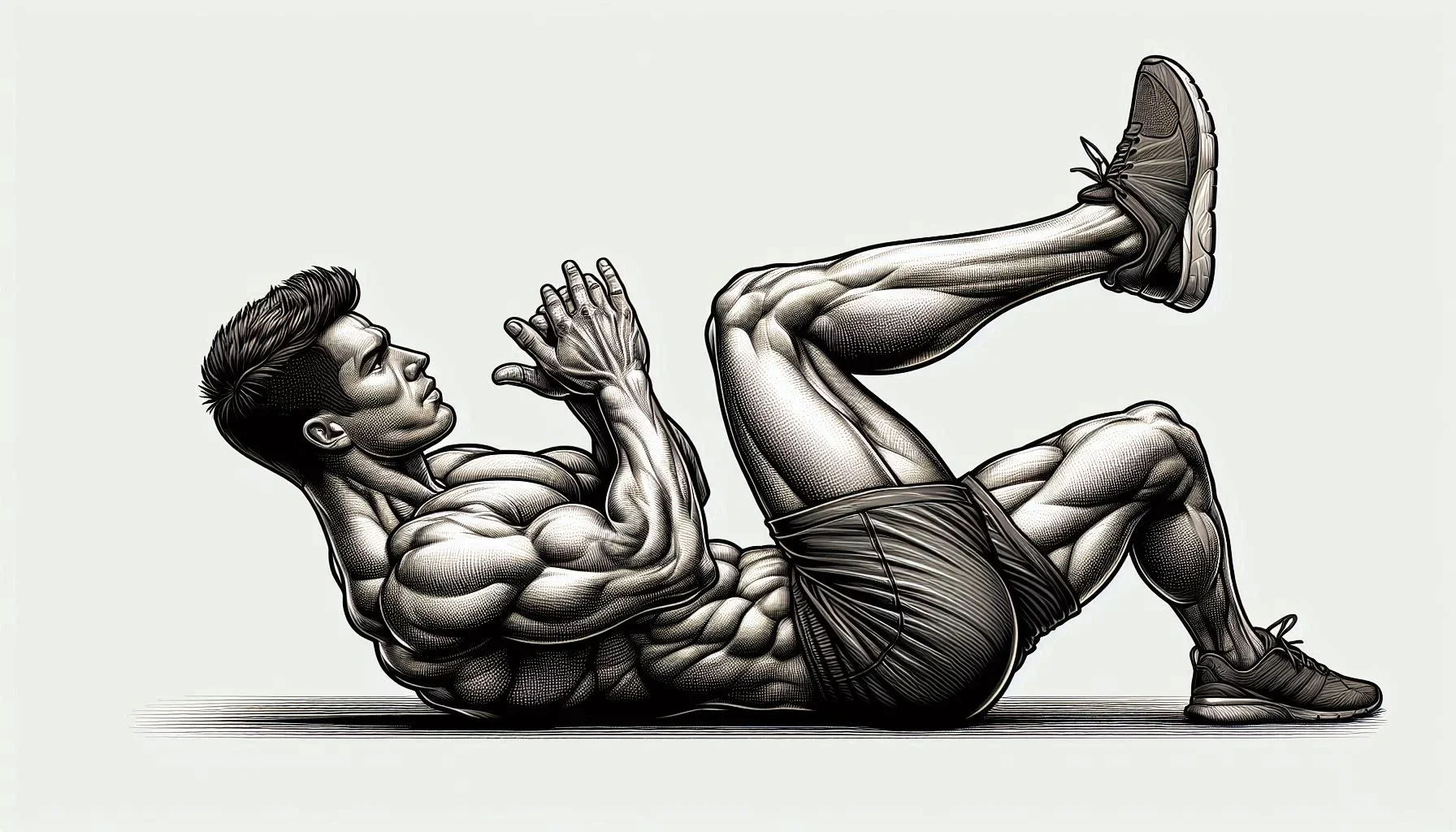
How Sit Ups and Leg Raises Work the Core Muscles
Core muscle engagement in sit ups vs leg raises
Both sit ups and leg raises are staple core workouts for a reason—their unique movements challenge several core muscles and muscle groups crucial for strength and stability. Sit ups primarily engage the rectus abdominis muscle (the six-pack muscle), while also activating the obliques and hip flexors.
The curling motion creates tension from your ribs toward your hips, emphasizing the upper abdominals. Good form demands keeping your lower back pressed gently into the floor to minimize excessive spinal load.
In contrast, leg raises or leg lifts heavily recruit the lower segment of the rectus abdominis and call on the transverse abdominis—the deep core stabilizer—to keep the pelvis stable as your legs move. When performed with legs straight, they also powerfully engage the hip flexors, and even the quadriceps and rectus femoris contribute.
Hanging leg raise variations amplify the lower ab and grip activation, further heating up the core. By mixing both moves, you stimulate more muscle fibers and develop a balanced, strong core.
"Speed chases sweat; tempo chases results — slow leg raises often light the deeper fire your sit-ups can’t reach."
If you're interested in expanding your core routine with exercises like leg lifts and leg raises that support mobility and functional strength, especially for those managing joint concerns, you might find these practical tips for improving mobility with arthritis helpful. Integrating such strategies can complement your ab training and promote overall movement quality.
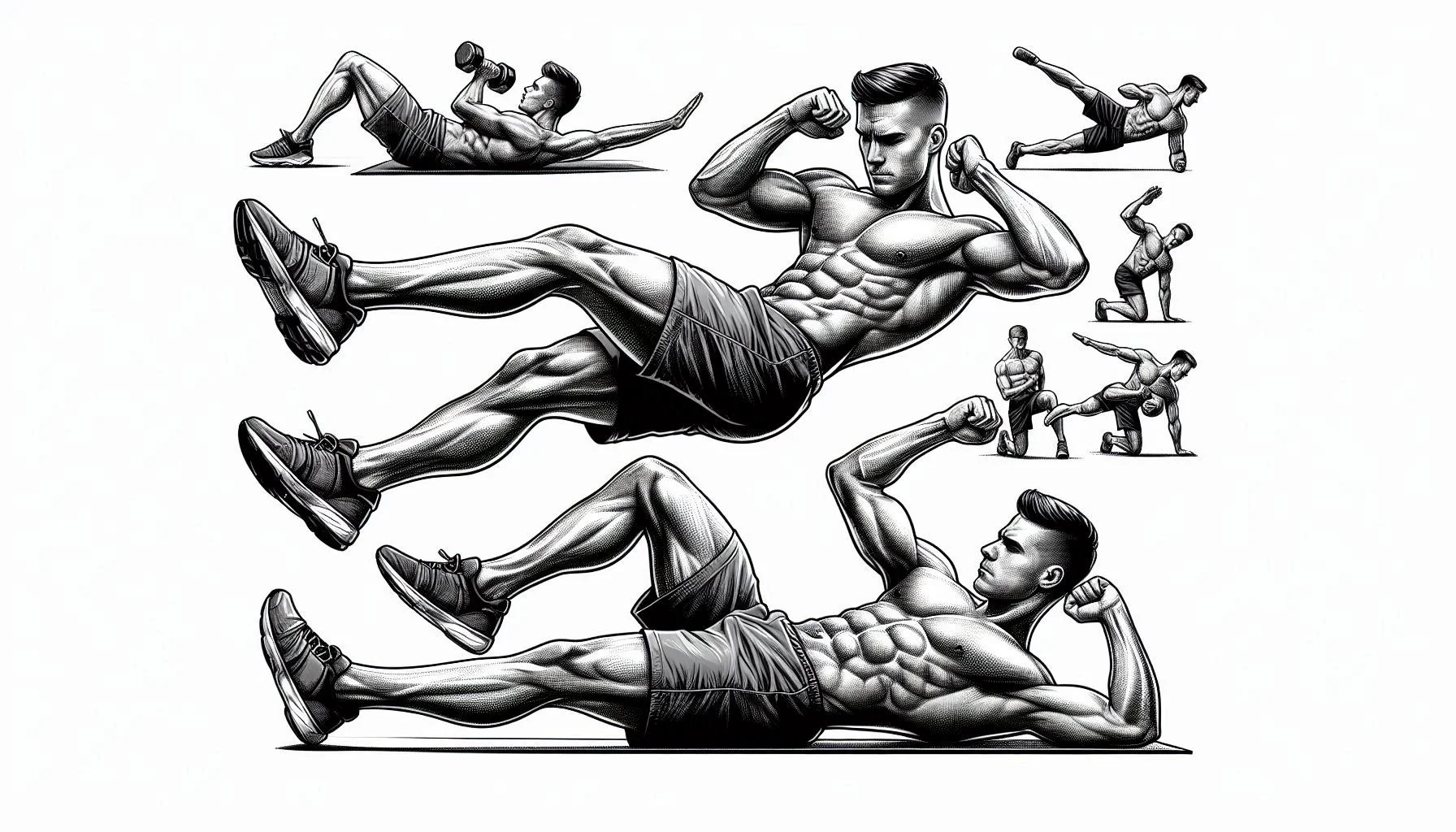
Muscle group activation: leg lift and leg raise techniques
Primary core muscles targeted: Sit ups and leg raises both target the rectus abdominis. Sit ups excel at recruiting the upper abs, while leg raises create intense tension across the lower abs and hip flexors. For both, keeping the spine aligned and avoiding excess momentum increases muscle engagement.
Stabilizing muscle groups involved in each: With sit ups, stabilizers like the transverse abdominis, obliques, and even the spinal erectors are subtly active. Leg raises or straight leg lifts, meanwhile, require powerful engagement of the transverse abdominis, deeply stabilizing your pelvis and spine to prevent arching of the lower back. Proper bracing and muscle control makes both exercises safer and more effective.
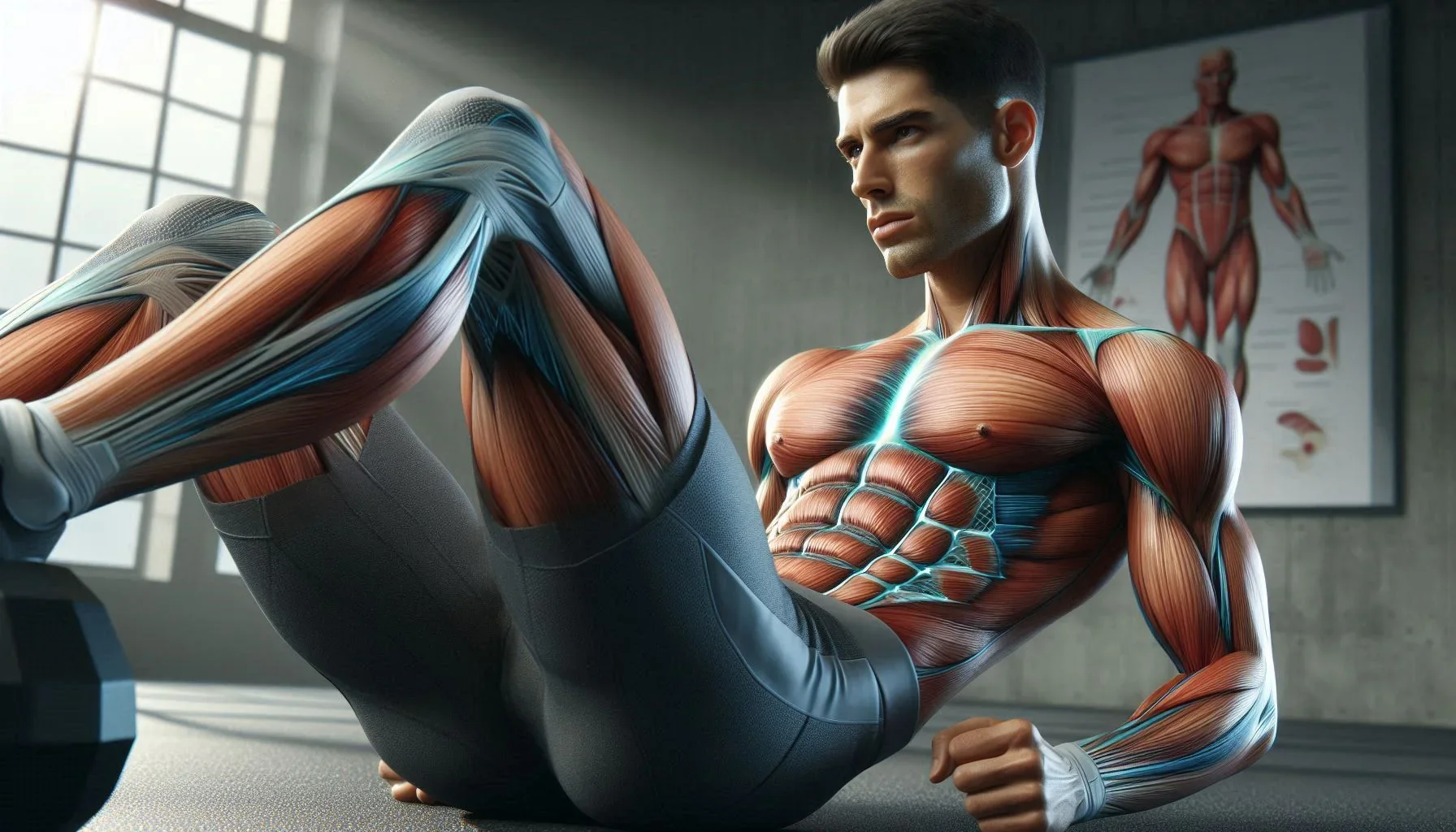
Breaking Down the Effectiveness: Do Leg Raises or Sit Ups Build Abs Faster?
Leg lifts and hanging leg raise variations: Pros and cons
Leg lifts and hanging leg raise variations offer distinct advantages and disadvantages for abs development and core muscle engagement. Straight leg raises performed on the floor or using parallel bars can intensify lower abdominal tension far more than a traditional sit up, especially when the legs are kept perfectly straight and movements are slow and controlled. Hanging leg raises, particularly, challenge your lower abs and hip flexors while also requiring grip and upper body engagement.
However, these advanced moves can overload the hip flexors and increase risk of lower back pain if core stability and proper form are lacking. Beginners may struggle to maintain a stable pelvis, potentially leading to compensation and injury. On the flip side, traditional leg lifts place less direct stress on the spine compared to sit ups but demand strong core muscle activation to prevent the lower back from arching off the floor or hyperextending.
Traditional leg raises vs sit ups for visible results
Traditional leg raises and leg lifts are effective for sculpting the notoriously stubborn lower abs, often the hardest area to define. These lifts generate pronounced contractions in the lower rectus abdominis, leading many to believe they work "faster" for carving visible abs. Sit ups, meanwhile, recruit the full abdominal wall—upper, middle, and lower—but are sometimes dismissed due to their reputation for causing back pain and for using more hip flexor activation than ab work with poor form.
In reality, both moves, when executed with good technique, serve as valuable tools for building visible abs and core strength. The fastest results come from combining both in your core workout to activate various angles and muscle groups, rather than relying on a single movement.
Criteria |
Sit Ups |
Leg Raises (Floor/Hanging) |
|---|---|---|
Ab Development |
Targets upper and mid abs; moderate lower ab activation |
Strong emphasis on lower abs and hip flexors; engages total core |
Difficulty |
Accessible for beginners; scalable with weights |
More challenging; requires core stability and control |
Risk of Back Pain |
Higher if form lapses; stresses low back if overdone |
Moderate; arching lower back is a risk if core stability lacking |
Progression |
Can add weights, reps, or incline |
Progress to hanging and weighted variations |

Sit Ups vs Leg Raises: The Impact on Back Pain and Safety
Low back stress: Sit ups or leg raises?
Back pain is among the biggest concerns when it comes to core exercises, particularly sit ups, leg raises, and leg lifts. Traditional sit ups can stress the low back, especially if the movement relies heavily on hip flexors or if the lower back arches excessively during the upward phase. Overuse combined with poor form may lead to muscle imbalances, lower back pain, or even disc irritation.
Leg raises and leg lifts, when performed with poor form or inadequate core engagement, can also place unwanted strain on the lower back. The risk often increases if you let your legs drop too quickly (using momentum), arch your lumbar spine, or lack the abdominal strength to control the lower portion of the movement.
However, with correct posture—pressing the lower back into the mat during the lift—leg raises may actually pose less risk to spinal health than high-rep sit ups for some individuals.
Who should avoid sit ups or leg raises due to back pain?
Individuals with existing lower back pain or herniated discs should consult a physician or physical therapist before trying sit ups or advanced leg raise variations.
Form tips to reduce back pain: Tuck your pelvis, engage your transverse abdominis (the deep core muscle), and move slowly to avoid excessive momentum. Use mats or supported surfaces for both exercises.
Best practices for safe core strengthening: Ease into these exercises, starting with bent-knee sit ups or supported leg lifts. Never sacrifice form for reps, and progress to advanced moves like hanging leg raises only when you can maintain core control and zero discomfort in your low back.

Advanced Variations: Level Up Your Core Training
Hanging leg raise vs lie-down leg lift: Which targets the strong core best?
The hanging leg raise and leg lift variations are the gold standard for advanced lower ab and hip flexor development. By suspending your body from a bar or dip station, you eliminate ground assistance and force your core muscles to stabilize both your pelvis and spine dynamically.
Hanging leg raises require serious grip, shoulder, and core strength—making them the ultimate challenge for seasoned athletes. In comparison, the lie-down leg lift is more approachable but still demands excellent abdominal control to ensure the lower back stays pressed into the mat.
Both moves can be performed with bent or straight legs and can be further intensified by adding ankle weights, slowing tempo, or incorporating pauses at the top of each rep. As your core strength improves, hanging leg raise variations will unlock new levels of strength and definition across your entire abdominal muscle group.
How to progress your sit ups routine for advanced core muscle development
Weighted sit ups: Hold a weight plate or medicine ball against your chest for increased resistance and muscle growth stimulus.
Hanging leg raises: Transition from lying to hanging as you develop strength—first with bent knees, then to strict straight-leg raises, and eventually to toes-to-bar or L-sit holds.
Inclined leg lifts: Use a decline bench or wedge for leg lifts to further engage the lower abdominals and increase exercise intensity.
Gradually progressing the difficulty—by adding resistance, manipulating angles, or increasing reps in sit ups, leg raises, and leg lifts—will challenge your abs, obliques, and hip flexors, catalyzing definition and overall core strength while keeping your training stimulating and effective.

Sit Ups vs Leg Raises for Different Fitness Goals
Choosing between sit ups and leg raises for muscle group targeting
Not every body or training goal is the same. If your aim is to build a visible six-pack and a strong core, integrating both sit ups and leg raises is your best strategy. However, for those who want to isolate the rectus abdominis muscle, leg raises and hanging leg raises take the spotlight for superior engagement of the lower abs and hip flexors, whereas sit ups shine at the upper ab layer and entire core. If you struggle with lower back or neck pain, modifying the exercise selection and range of motion is critical.
For sport-specific training, sit ups may improve explosive trunk flexion, benefitting sports like wrestling or gymnastics. Leg raises, especially in advanced forms, build powerful core stability and are preferred for athletic disciplines that favor pelvic control and lower body power, such as sprinting or martial arts.
Which exercise supports your athletic performance and core muscles?
A comprehensive core workout should prepare you for more than aesthetics. Sit ups generate power and midsection endurance, which are invaluable for athletes in contact sports and activities demanding repetitive trunk movement, while leg lifts enhance lower ab strength. Meanwhile, leg lifts and hanging leg raises foster pelvic stability, lower body coordination, and even aid in injury prevention by supporting the lower back and hips.
Both exercises should be balanced with planks, anti-rotation moves, and functional strength training. Ultimately, a hybrid approach not only maximizes core strength and muscle group development but also enhances overall athletic performance and daily movement quality.

"The best core routine finely balances a variety of movements—don’t overlook the value of both sit ups and leg raises for building a truly resilient midsection."
Common Mistakes in Sit Ups and Leg Raises (and How to Fix Them)
Incorrect leg lift form: Not keeping the lower back pressed into the floor, leading to hyperextension and possible injury. Always ensure your spine remains neutral and your abs braced as you lower your legs.
Using momentum over core muscle engagement: Swinging the legs during leg lifts or yanking yourself up in a sit up shifts focus from abdominals to hip flexors, reducing results and amplifying injury risk. Move with slow, controlled motions.
Arching your low back: Allowing your back to come off the floor or hyperextend at the top of a sit up or as you lower your legs in a leg lift can cause lower back pain. Tighten your abs, tuck your chin, and breathe out as you contract to maintain optimal form.
Addressing these errors by focusing on quality of movement over quantity helps ensure continual core muscle progress and drastically reduces risk of back pain.

Building a Strong Core: How to Combine Sit Ups and Leg Raises
Sample routine for maximal core muscle and muscle groups activation
To get the best out of both sit ups and leg raises, structure your session for variety and muscle balance. Alternate your sets to challenge the full abdominal muscle group and prevent overuse of a single movement pattern:
Start with 2 sets of 12–15 sit ups, focusing on slow, controlled motion.
Alternate with 2 sets of 10–12 leg raises or hanging leg raises, pausing at the top for a deep abdominal contraction.
Alternating sets for muscle growth: This method distributes fatigue and activation evenly across all ab muscles, maximizing both growth and muscle endurance.
Workout plans to prevent back pain: Finish with core stabilizing exercises like planks or dead bugs. This reinforces spinal alignment and unlocks true core strength while minimizing the risk of lower back pain.
Rotate exercise order and intensity every few weeks for sustained results, and always prioritize quality over sheer repetition count. Consistency and progressive overload are key to building and maintaining a formidable core.

Sit Ups vs Leg Raises: My Personal Experience & Opinion
"After years of training, I’ve found that integrating both sit ups and leg raises delivers the fastest and most balanced results for core strength and definition."
Over the years, I’ve trained with high-rep sit ups, explored advanced hanging leg raises, and coached diverse clients through both movements. In my opinion, there’s no single “winner” in the sit ups vs leg raises debate. Instead, true progress comes from embracing variety. Sit ups offer accessible, scalable challenges and build foundational strength, while leg raises—especially the hanging versions—add intense lower ab activation and functional athleticism.
What’s worked best for me and my clients is a phased approach: starting with easier variations, mastering control and form, and progressing to more advanced lifts as core strength and endurance develop. By alternating between these two power moves and listening to my body—resting whenever back pain signals appear—I’ve achieved lasting results in core muscle tone, strength, and performance. If you want abs that don’t just look strong but help you move better, combine sit ups and leg raises in your program.

People Also Ask: Sit Ups vs Leg Raises FAQs
Are leg raises more effective than situps?
Leg raises tend to engage more of the lower ab muscles and hip flexors compared to sit ups, but both exercises have distinct benefits for overall core muscle development.
Can you get abs with just leg raises?
While leg raises strongly engage lower abs, developing a visible six-pack also depends on diet, overall body fat, and incorporating other core muscle exercises.
Why are sit-ups no longer recommended?
Sit ups can place excessive stress on the low back and spine if performed incorrectly, leading many experts to recommend alternatives like supported crunches and leg lift variations.
What will 100 situps a day do?
Consistently performing 100 sit ups daily may improve core muscle endurance but won’t necessarily result in visible abs without proper nutrition and a balanced workout routine.
Final Verdict: Sit Ups vs Leg Raises for Fast Abs
Both sit ups and leg raises, along with leg lifts, recruit various muscle groups and core muscles for strong core results
Leg raises are effective for lower abdominals, while sit ups target overall core musculature
Proper form and variation reduce risk of low back pain
Combining both exercises offers the most balanced approach to rapid ab development

Conclusion: Craft Your Ultimate Abs Routine
"There’s no single best exercise — true core strength comes from variety and consistency. Try both sit ups and leg raises to see what works best for your body and goals."
FAQs: Sit Ups vs Leg Raises
Are sit ups or leg raises better for beginners?
For most beginners, sit ups with bent knees or supported crunches are easier, but leg raises with bent knees can help develop lower ab control. Start with gentle forms and progress as strength improves.How can I avoid back pain with these exercises?
Practice perfect form: keep your lower back pressed into the floor, move slowly, and prioritize control over reps. Stop any movement that triggers discomfort and substitute with supported or isometric core exercises.Should I add weights to sit ups or leg raises for faster results?
Once you can do 15–20 reps with perfect form, adding weight can further challenge your abdominals and spur growth. Always focus on technique and avoid using heavy weight that could compromise your form or spine.How often should I train abs for the best results?
Two to three focused sessions per week, allowing for rest days, best promote muscle growth and recovery. Ab muscles respond well to consistency and variety, but avoid working them every day without rest.Is it safe to do sit ups and leg raises every day?
Most experts recommend against daily maximal ab training to prevent overuse injuries and lingering fatigue. Focus on quality, progressive overload, and rest for sustainable, injury-free progress.When should I progress to advanced variations?
If you can perform your basic sit up and leg raise sets with perfect control and no strain, you’re ready to add resistance (weights, inclines) or move to more complex moves like hanging leg raises and v-ups.
If you’re ready to take your fitness journey even further, consider exploring a broader approach to longevity and wellness. Building a strong core is just one piece of the puzzle—incorporating a variety of energizing exercises can help you stay active, resilient, and motivated for years to come.
Discover how a well-rounded routine can boost your overall health and vitality by checking out these top exercises for longevity and lifelong fitness. Embrace the next level of your training and unlock the benefits of a truly holistic fitness plan.
Sources
National Institutes of Health – https://www.ncbi.nlm.nih.gov/pmc/articles/PMC3690737/
Men’s Health – https://www.menshealth.com/fitness/a19527989/leg-raises-abs-exercise/
When comparing sit-ups and leg raises for abdominal development, it’s essential to understand how each exercise targets different muscle groups and their potential impact on the body.
Muscle Activation:
Sit-Ups: Primarily engage the rectus abdominis (the “six-pack” muscles) and the hip flexors. However, they can place significant stress on the lower back due to the involvement of the hip flexors, which may lead to discomfort or injury if not performed correctly. (goodrx.com)
Leg Raises: Focus more on the lower abdominal muscles and hip flexors. They are effective in enhancing hip flexibility and mobility while placing minimal strain on the neck and lower back, reducing the risk of injury. (sportcbds.com)
Effectiveness and Safety:
Research indicates that while sit-ups can strengthen the core, they often lead to overactivation of the hip flexors, potentially causing lower back strain. In contrast, leg raises, especially when performed with proper form, can effectively target the lower abs without undue stress on the spine. (businessinsider.com)
Conclusion:
Both exercises have their merits, but for those concerned about lower back health or seeking to target the lower abdominal region more effectively, leg raises may be the preferable option. It’s crucial to perform any exercise with proper form and to consider individual fitness levels and goals when designing a core workout routine. NCWellnessHub.com




Write A Comment