


When Emma hesitated before her first school play, her parents wondered how to help her overcome shyness. This guide shares practical steps to build your child's confidence, transforming nervous whispers into proud voices, unlocking their true potential, and turning quiet moments into shining achievements.
Through supportive parenting, proven activities, and expert-backed advice, you’ll discover the tools your family needs to help your child overcome shyness and build a joyful, confident social life.

Unlocking Confidence: What is Shyness and How to Overcome Shyness in Children?
Shyness in children is much more than avoiding small talk or feeling quiet in a room full of strangers. It’s a complex reaction to social situations that can impact a child's emotional well-being, their ability to make friends, and their overall confidence in social interactions. Understanding what shyness is, and knowing how to help a child overcome shyness, offers crucial benefits for both their mental health and future success.
At its core, overcoming shyness is about helping young people move beyond their comfort zone in a supportive, gradual way. This starts with recognizing that shyness can arise from family dynamics, genetics, and personal temperament. Children who feel shy may withdraw in new settings or during group activities, sometimes missing out on valuable experiences.
By offering practical strategies and consistently encouraging effort, parents and caregivers can help children build real social skills, embrace new social situations, and gradually become more confident in social settings.
The journey to overcome shyness is different for each child, but the right mix of empathy, patience, and structured support can transform a hesitant child into one who is able to step forward with pride during a social event—just like Emma in her school play. This article will equip you with the knowledge, case studies, and expert guidance you need to nurture confident, resilient kids.
What You'll Learn
A clear definition of shyness and its impact on children
Practical tools to overcome shyness
How to build a social life and social skills in young people
Supporting children in real social situations and social interactions
Recognizing when shyness crosses into anxiety disorder or social anxiety
Understanding Shyness: Why Some Children Feel Shy
Shyness often shows up as discomfort or hesitation in new or unfamiliar social settings. While it’s natural for children to feel shy when meeting new people or entering a room full of strangers, ongoing shyness may impact their confidence and willingness to participate in social situations. Understanding why some children are shy is crucial to help them overcome shyness and build resilience in the long term.
Importantly, not all shyness is the same. Some kids simply prefer quiet activities, while others experience deeper discomfort that limits their ability to branch out socially. Shyness is influenced not only by a child’s inherent temperament but also by family members’ interactions, early childhood experiences, and environmental factors—like frequent moves or changing schools. Over time, unresolved shyness may even contribute to social isolation or develop into social anxiety.
What causes children to feel shy?
Genetics, temperament, and environment
Role of family and early experiences
Social anxiety and potential links to anxiety disorder
"Children who experience shyness aren't simply 'quiet'—they're often navigating a heightened sensitivity to social situations," says Dr. Alyssa Nguyen, Child Psychologist.
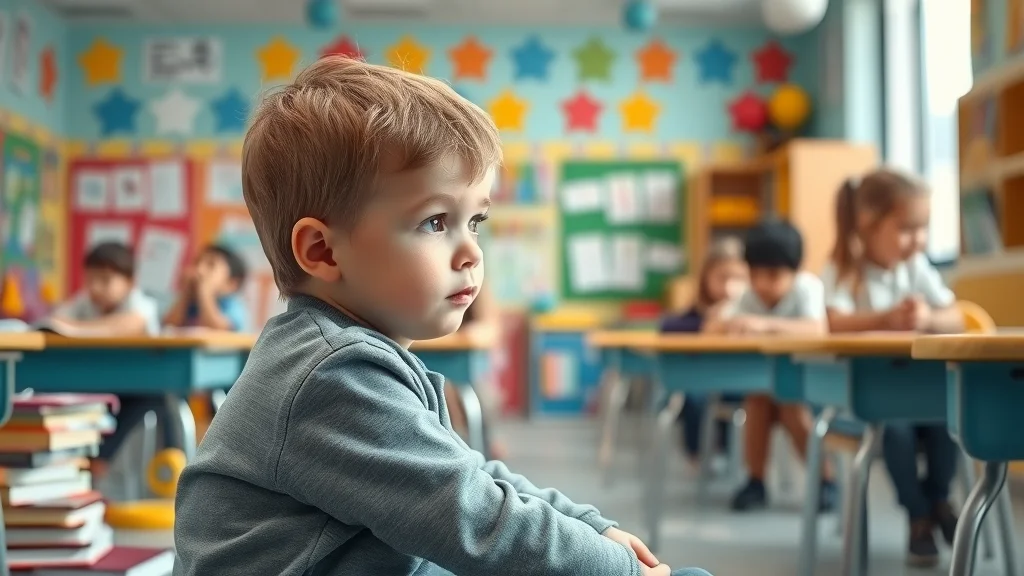
Recognizing the Signs: Overcoming Shyness in Social Situations
Recognizing when your child needs help to overcome shyness is an essential part of parenting. Behavioral cues that signal shyness may include avoiding eye contact, clinging to family members during social events, or frequently seeking out familiar faces rather than engaging with peers. Sometimes, shy people become quiet observers instead of participants in new social situations, which can restrict their social growth.
It’s also important to distinguish between typical shyness, social anxiety, and social isolation. While many people feel shy in new situations, persistent avoidance or distress during social interactions can be a sign of an underlying anxiety disorder or social anxiety disorder. Parents should look out for patterns of extreme withdrawal or fear that make you feel your child is missing out on important social experiences, as these may require extra support.
Behavioral cues in social interactions
Difference between social anxiety, social isolation, and shyness
Observing when shyness becomes an obstacle
For families navigating shyness, it's helpful to remember that social challenges can sometimes overlap with other developmental differences. If you're interested in understanding how social skills and communication can be affected by conditions like autism, you may find valuable insights in our article on autism science, common misconceptions, and the latest research.
Case Study: Emma’s Journey to Overcome Shyness

Emma’s first school play experience
Practical steps her parents used to encourage social interaction and social skills
Transformation through real social situations
Emma’s journey began just like many children’s—the prospect of stepping on stage for her first school play made her feel shy and anxious. In a room full of noisy excitement, Emma hung back, clinging to her parents and avoiding the spotlight. Recognizing how much this moment mattered, her parents took a proactive approach to help her overcome shyness and embrace new social situations.
They began by normalizing her feelings and gently encouraging small steps, such as reading lines together at home, practicing introductions, and inviting a supportive friend to join her during rehearsals. With each effort, Emma’s hesitance dwindled. By the time of the play, she was able to smile confidently at her classmates, take her marks on stage, and even initiate small talk backstage. This gradual transformation not only built her confidence but also enriched her social life, demonstrating how overcoming shyness is possible with the right support and patience from family members.
Essential Strategies to Help Your Child Overcome Shyness
Encourage gradual exposure to social situations
Model confident body language and communication
Create low-pressure opportunities for social interactions
Praise effort, not just results
Teach coping strategies for managing social anxiety
Helping your child overcome shyness is not a one-time fix—it’s a gradual process that relies on continuous guidance and encouragement. Begin by exposing your child to manageable social situations, like small playgroups or family gatherings, to expand their comfort zone.
Modeling confident behavior and positive communication equips children with the tools they need, while creating low-pressure environments lets them practice new skills without fear of embarrassment. Overcoming shy tendencies means rewarding effort as much as achievement: Celebrate every attempt at joining in or saying hello.
Most importantly, teach your child specific techniques to handle anxiety—such as deep breathing or positive self-talk—to boost their resilience in overwhelming moments. When setbacks occur, remain patient and focus on steady progress, not perfection. As Dr. Benjamin Flores, Licensed Clinical Counselor, explains:
"Building confidence is a process—small achievements in overcoming shyness set the foundation for future success."
Building Social Skills: Activities That Boost Confidence and Reduce Shyness

Role-playing social situations at home
Team sports, clubs, and group projects
Practice introductions and conversation starters to improve social life
Activities that strengthen social skills are instrumental in helping children overcome shyness and feel more confident. Role-playing everyday social situations—such as introducing oneself or asking to join in a game—can equip children with scripts and strategies for real-life interactions.
Participation in team sports, collaborative arts and crafts, or joining clubs cultivates communication, teamwork, and problem-solving in a low-pressure group setting, which is essential for shy people.
Practicing conversation starters and learning how to make small talk enables children to navigate a room full of unfamiliar faces. These routine exercises, repeated over time, not only develop practical social interaction skills but also expand their comfort zone, leading to ongoing improvements in their social life and ease at social events.
Table: Social Skill Activities and Their Impact on Overcoming Shyness
Activity |
Skill Developed |
Best for Age Group |
|---|---|---|
Role-playing |
Social interaction, empathy |
4-10 |
Group arts & crafts |
Communication, collaboration |
5-12 |
Team sports |
Confidence, teamwork |
7-15 |
Storytelling or reciting |
Public speaking, expression |
5-12 |
Overcoming Shyness at School: Partnering with Teachers and Counselors
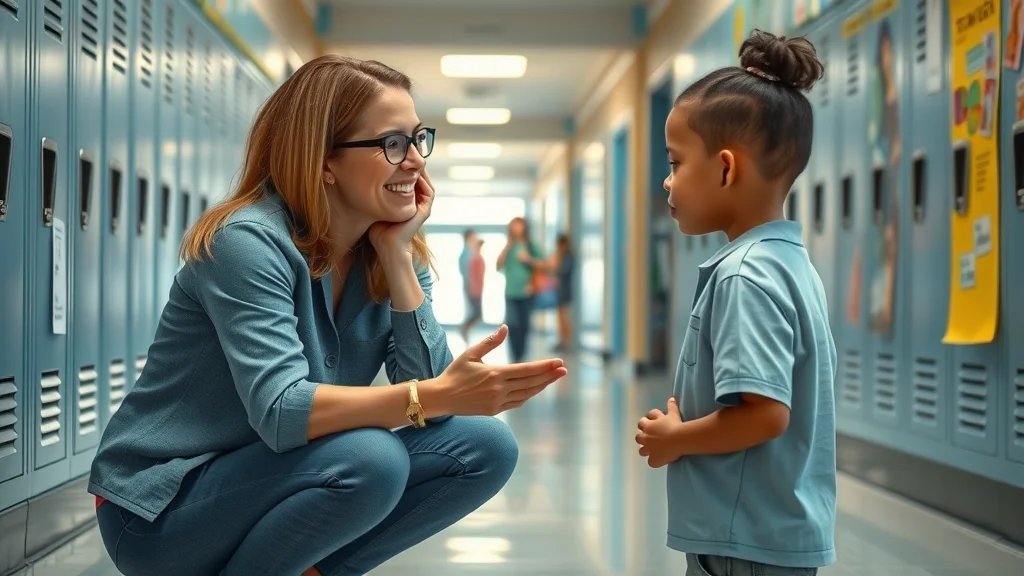
Communicate with teachers about social anxiety, shyness, and social skills
School resources to encourage participation
Customized plans for social situations
Schools play a crucial role in helping children overcome shyness. Proactive communication with teachers and school counselors ensures your child’s needs are recognized and supported in the classroom. Educators can offer a wealth of resources—from peer buddy systems to guided group projects—that provide low-risk opportunities for social interaction. Sharing your child’s specific triggers and strengths allows staff to tailor strategies and foster a nurturing learning environment.
By working together, families and schools can create customized support plans that gently stretch your child’s social abilities without overwhelming them. Encouragement and positive feedback from teachers and community members further reinforce your child’s progress, making each new social setting a springboard for growth and confidence in social life.
How to Address Social Anxiety and Anxiety Disorders Linked to Shyness
Recognizing signs of social anxiety disorder
Difference between shyness and anxiety disorder
When to seek professional support
Treatment options for overcoming shyness rooted in clinical anxiety
While shyness is a common part of childhood, it’s important to know when it has become something more. Social anxiety disorder is characterized by persistent, intense fear of social situations, which interferes with daily life and leads to avoidance behaviors. Unlike typical shyness, children with social anxiety disorder may experience physical symptoms (like sweating, dizziness, or racing heart) and struggle significantly during routine social interactions.
If your child’s shyness leads to social isolation, intense distress in social settings, or noticeable impairment in their personal and professional school life, it’s time to consult a licensed mental health professional. Early intervention—such as cognitive-behavioral therapy, family counseling, or social skills training—can help children manage anxiety disorders, move beyond their comfort zone, and overcome shyness. As Dr. Priya Kapoor, Pediatric Psychiatrist, strongly advises:
"If social isolation or anxiety disorder is suspected, early intervention is crucial."
Supporting Your Child Through Challenging Social Interactions
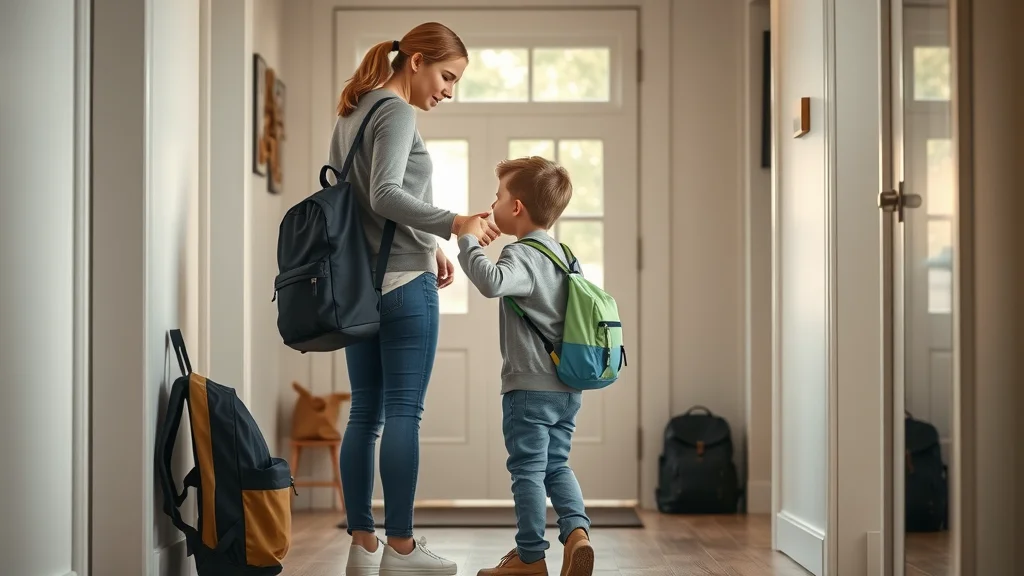
Managing setbacks and celebrating progress
Remaining patient with slow improvement
Building resilience in new social interactions
For many children, tackling new social settings will come with ups and downs. Emphasize each achievement, no matter how small, and help your child view setbacks as learning opportunities rather than failures. This mindset encourages resilience, confidence, and the courage to persist in future social situations.
Remember: Children overcome shyness at their own pace, and sustained support from parents, teachers, and friends can make all the difference. Your patience and understanding, coupled with readiness to adjust strategies as needed, lay the foundation for lifelong confidence and positive self-esteem.
Monitoring Progress: When Is Overcoming Shyness Successful?
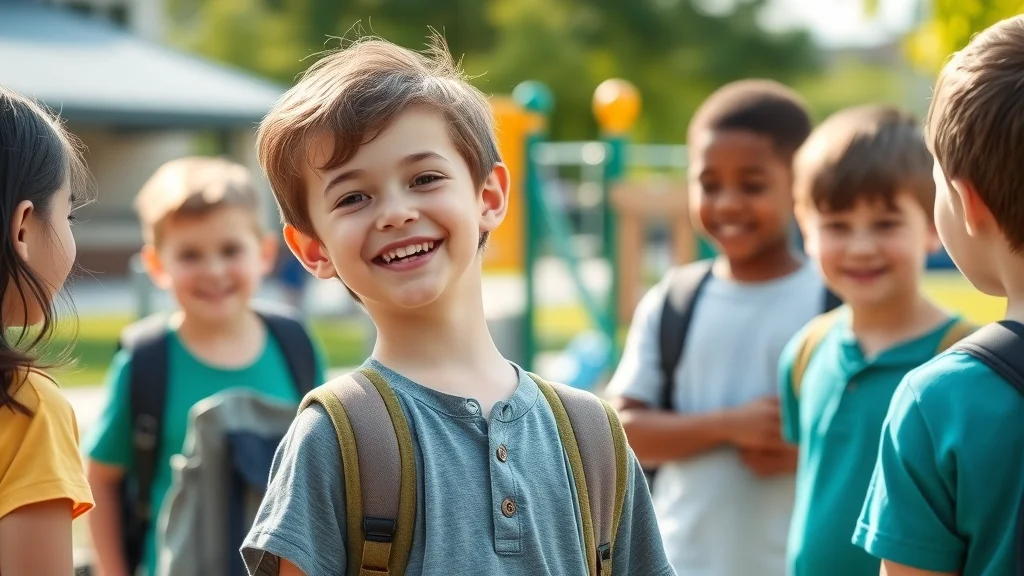
Signs of improved social life
Self-reported confidence in social situations
Reduced symptoms of social anxiety
Success in overcoming shyness doesn’t mean your child has to become the life of every party. Instead, it is measured by their comfort in navigating social situations, willingness to try new social interactions, and their growing sense of self-assurance among peers. Many children will still feel shy from time to time, but with increased confidence, those moments are brief and manageable.
Celebrate signs of progress, such as initiating conversation, participating in group activities, or expressing excitement about meeting new people. Encourage your child to reflect on their journey—this builds self-awareness and fuels continued development in their social life.
Watch this short video where a renowned child psychologist explains the most effective strategies to help children overcome shyness. Learn which routines, activities, and approaches are scientifically proven to build social confidence and reduce social anxiety disorder symptoms.
See how families can practice real-life social situations at home! This demonstration shows parents coaching their child through introductions, joining a new group, and handling setbacks in safe, friendly environments—key to overcoming shyness through repetition and encouragement.
People Also Ask – Overcoming Shyness FAQs
How do I stop being shy?
Overcoming shyness involves gradual exposure to social situations, practicing social skills regularly, and building a support network through positive experiences and encouragement. Each step you take outside your comfort zone, whether in a social setting or with trusted family members, helps you feel more confident and more at home in any room full of people.
What is the root cause of shyness?
The root causes of shyness can include genetics, upbringing, early social experiences, and, in some cases, underlying social anxiety or anxiety disorders. Children who grow up in nurturing environments with positive social interactions are less likely to feel persistently shy than those who experience unpredictable family dynamics or stressful early life events.
What is the best treatment for shyness?
The best treatments for overcoming shyness are evidence-based: cognitive-behavioral strategies, social skills training, gradual exposure therapy, and, when appropriate, professional therapy for social anxiety disorder. Building these skills over time, both at home and in structured settings, equips children and teens to better handle all types of social situations.
What is the shyness disorder?
Shyness disorder often refers to social anxiety disorder, which is characterized by intense fear and avoidance of social interactions and may require dedicated attention from mental health professionals. Early identification and treatment can greatly improve outcomes and help young people overcome their shyness for good.
Key Takeaways on Helping Your Child Overcome Shyness
Overcoming shyness requires empathy, patience, and structured support
Social skills and social interactions can be practiced and improved over time
Seeking help early can prevent social isolation or more serious anxiety disorders
Ready to help your child build lifelong confidence? Explore professional counseling services to help your child overcome shyness and unlock their potential today!
Conclusion
Helping your child overcome shyness and build confidence is a nurturing journey—give them support, celebrate every milestone, and seek professional help early if needed.
As you continue supporting your child’s growth, remember that emotional well-being is a cornerstone of lifelong health. If you’re interested in how broader wellness issues—like sleep, stress, or even state health policies—can impact your family’s daily life, our feature on how legislative changes in North Carolina may influence your wellness journey offers a strategic perspective.
Exploring these topics can help you anticipate challenges and advocate for your child’s needs both at home and in the community. By staying informed and proactive, you’ll be better equipped to nurture resilience and confidence in every aspect of your child’s development.
Sources
To further support your efforts in helping your child overcome shyness and build confidence, consider exploring these valuable resources:
“13 Tips for Overcoming Shyness”: This article offers practical strategies such as gradual exposure to social situations and positive self-talk, which can be adapted to assist children in becoming more comfortable and confident in social settings. (betterhelp.com)
“5 Steps for Helping Youth Overcome Shyness”: This resource provides specific steps tailored for young individuals, including techniques like the Ask-Listen-Respond method, to enhance their social skills and ease in interactions. (firsttee.org)
By integrating these approaches, you can create a supportive environment that encourages your child to engage more freely and confidently with others. NCWellnessHub.com



Write A Comment