 Add Row
  Add
Add 


What if the resentment you've held onto for years is the real barrier to your happiness? Discover how letting go can free your mind and heart, even when it feels impossible, unlocking a lighter, more peaceful you.
This guide will empower you with psychology-backed methods, practical advice from health experts, and tools to help you break free from the chronic resentment that holds so many back, so you can truly make peace and reclaim happy relationships.

Why Learning How to Let Go of Resentment Matters More Than You Realize
Is Resentment Blocking Your Path to True Happiness?
Many people who struggle with chronic resentment might not realize the impact it has on every aspect of their life. Holding on to resentment and anger doesn’t just strain your relationships—it manifests as harmful negative emotions that affect your mental health, physical well-being, and even your day-to-day mood. Research shows that chronic resentment raises blood pressure and heart rate, increases stress hormones, and contributes to anxiety and depression.
Left unchecked, this habit of thought can shape your responses to the world, keep you stuck in a cycle of negativity, and block you from making peace with the past. By learning how to let go of resentment, you’re not just improving one part of your life—you’re setting the stage for greater freedom, resilience, and happiness across everything you value.
This comprehensive guide addresses the real root of anger and resentment, providing evidence-based strategies and real-life success stories to show it’s possible to change—even if you feel stuck. Whether you’re holding on to resentment towards a person, yourself, or a situation, this process offers a path to creating connected, happy relationships and a healthier mindset. Let’s dive into exactly what you’ll learn and how this knowledge can help you finally feel free again.
What You'll Learn in This Guide on How to Let Go of Resentment
The psychological impact of resentment and negative emotions
Step-by-step methods for letting go of resentment and anger
Expert-driven insights and cited sources on lasting change
Tools for releasing deep resentment, even if you’ve tried everything
Understanding Resentment: The Roots of Anger and Resentment
Resentment Defined: The Psychology Behind Negative Emotion
Resentment is a complex negative emotion fueled by underlying hurt, perceived injustice, or longstanding disappointment. Unlike fleeting anger, resentment becomes a habit of ruminating—a loop where your mind replays painful events, building a wall between you and the people or experiences you care about. Psychologists define resentment as a combination of anger, bitterness, and frustration held over time. This emotional cocktail can develop into chronic resentment, affecting people who struggle to make peace with the past or with patterns of unfairness.
Primary emotions like pain, sadness, or betrayal often morph into resentment when they aren't addressed. This defensive posture may feel protective, yet it actually keeps you locked in the past, preventing you from moving forward. Recognizing resentment as a learned habit of thought, rather than an immutable part of yourself, is a critical first step. The science is clear: holding on to resentment isn’t a sign of strength or self-respect, but a barrier to emotional freedom and mental health.

Long-term Effects of Negative Emotions on Health and Well-being
While everyone experiences negative emotion from time to time, chronic resentment is uniquely damaging. Ongoing anger and resentment have been linked to elevated blood pressure and heart rate, which can increase your risk for cardiovascular problems over time. This persistent emotional state taxes your nervous system—raising stress hormones that can disrupt sleep, immune function, and even cognitive ability.
Negative emotions, when left unaddressed, can form a feedback loop that impacts every area of life and relationships. You may notice a habit of withdrawing from others, becoming quick to judge, or struggling to change your perspective. Over time, the weight of resentment spills into your physical health, making true emotional freedom even harder to attain. Addressing chronic resentment isn’t just about feeling better; it’s a vital step for your overall well-being—mentally and physically.
“Resentment isn't just a feeling—it's a slow toxin for your mental and physical health.” — Dr. Linda Patel, Clinical Psychologist
Recognizing When It's Time for Letting Go of Resentment
Common Signs: When Negative Emotion Controls Your Life
It's easy to overlook how resentment quietly takes hold, but there are classic signs that negative emotions are commanding your life. You might experience frequent irritability or anger at those close to you, find yourself ruminating on past hurts, or notice a cycle of strained relationships despite your best efforts to reconnect. This pattern often becomes a deeply ingrained habit of thought, leading to persistent negative thinking and a tendency to withdraw socially.
Frequent irritability or anger
Persistent negative thoughts
Strained relationships and social withdrawal
If these experiences are familiar, they may be subtle signals that it’s time to start letting go of resentment. For a lot of people, the emotional pain becomes normalized, making it harder to see just how much it impacts daily life. But recognizing these patterns is the key step in breaking through and regaining control over your mental health and happiness.
The Science of How to Let Go of Resentment — Evidence and Case Studies
Case Study: Overcoming Longstanding Resentment
Consider the real-world experience of Maria, who struggled for years to overcome deep-seated anger and resentment after a major betrayal in her personal life. Therapy helped her uncover the root causes of her negative emotions—revealing a pattern of ruminating over the same hurtful events. Through a guided process of mindfulness and structured reflection, Maria gradually shifted her focus from blame to self-compassion. The combination of expert support and evidence-based techniques became her path to creating a connected, more peaceful life. Research and practical case studies like Maria’s illustrate that letting go of resentment isn’t a matter of willpower alone; it’s a learnable skill grounded in psychological science.

“Letting go of resentment is a learned skill, not just an innate trait.” — Dr. Marcus Reed, Licensed Therapist
Modern studies confirm that practices such as cognitive behavioral therapy, mindfulness, and supportive social circles can actually rewire the habits of thought that perpetuate chronic resentment. In fact, working with mental health professionals or participating in peer support groups can help hold you accountable and guide you through the messiness of emotional healing.
Even if you’ve tried and struggled in the past, lasting change is possible with the right strategies and support. This science-based approach paves the way for letting go of anger and resentment on your own terms.
As you explore these strategies, it can be especially helpful to learn how to redirect negative thought patterns that fuel resentment. For a deeper dive into practical techniques for shifting your mindset, check out this guide on building resilience and effectively managing negative thoughts—a valuable resource for anyone seeking lasting emotional change.
Step-by-Step Process: How to Let Go of Resentment and Anger
Acknowledge the negative emotions and their impact: Start by facing your own feelings. Acceptance doesn’t mean approval—it’s about honestly naming what you’re experiencing without masking or minimizing it. This self-awareness creates space for new perspectives to emerge.
Identify the sources of your resentment: Pinpoint when and where these negative emotions surface most. Reflect on past events, ongoing circumstances, or unmet expectations. Journaling can help surface core issues so you can address them at the root.
Practicing self-compassion and mindfulness: Instead of judging yourself for feeling resentful, respond with patience and kindness. Meditation and breathwork can quiet negative emotion, giving your mind room to process and heal.
Set realistic expectations for letting go: Releasing chronic resentment isn’t an overnight project. Give yourself permission to move through this process at your own pace, accepting progress over perfection.
Seek support if necessary: Professional therapy, support groups, or even close friends help you stay on track, providing perspective and accountability while you navigate emotional growth.
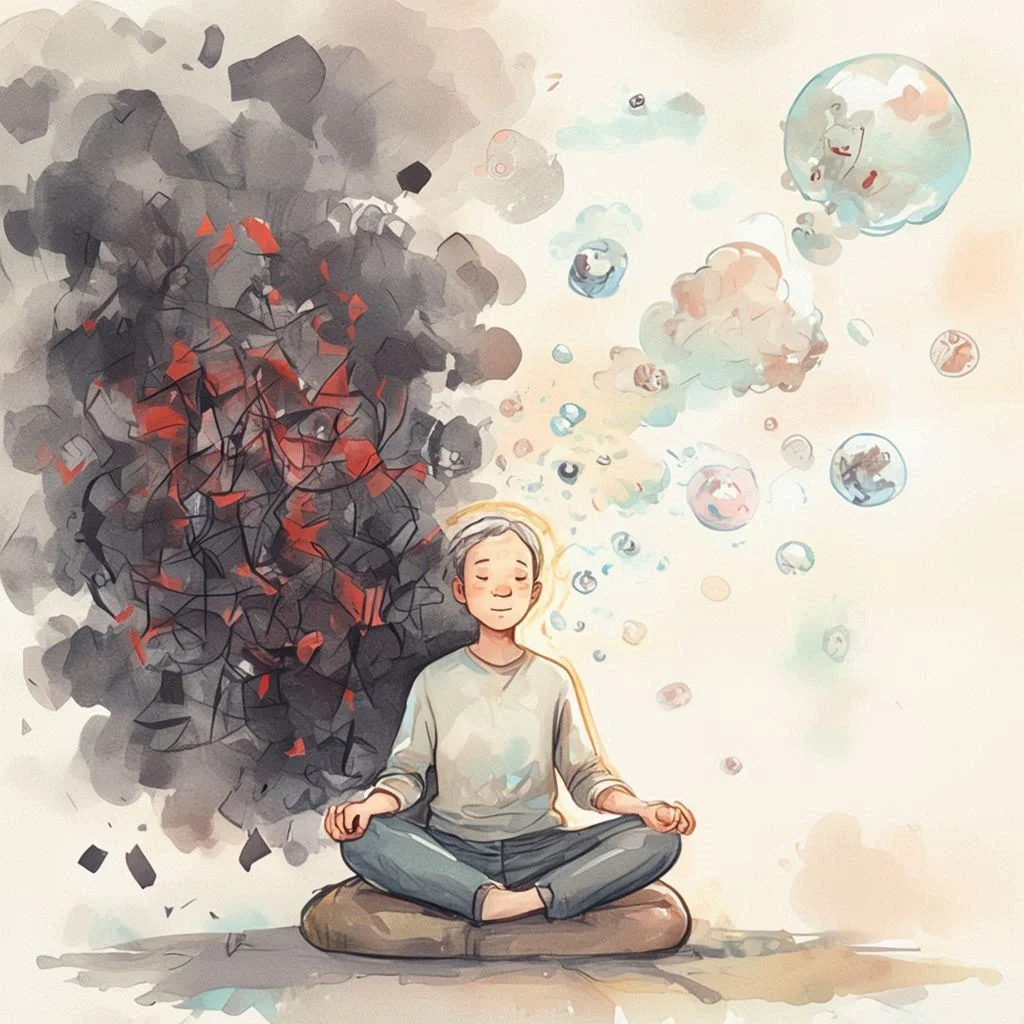
How to Release Deep Resentment Using Mindfulness and Acceptance
Mindfulness offers a concrete method to break free from the grip of deep resentment. By observing your thoughts and feelings without judgment, you can begin to recognize negative emotion as just that—an emotion, not an identity.
Simple practices like mindful breathing or body scans help anchor you in the present moment, interrupting the cycle of rumination. Acceptance is next: instead of fighting your resentment or trying to suppress it, you allow it to exist, making peace with its presence as a step toward release.
Over time, this process weakens the habit of thought that keeps resentment alive. You may notice a gradual shift: emotions soften, physical tension eases, and your outlook expands. Research demonstrates that mindfulness-based interventions significantly reduce symptoms of anger and resentment.
By combining mindfulness with self-compassion, you extend patience to yourself, heal old wounds, and finally let go of resentments that once felt immovable.
Expert Advice for Letting Go of Anger and Resentment
“Healing from resentment takes courage—but every bit of progress frees your emotional energy.” — Dr. Janice Kim, Licensed Clinical Social Worker
Experts agree that the journey to letting go of anger and resentment is neither easy nor linear—but it’s achievable when you approach it as a skill to be developed, not a deficiency to be ashamed of. Dr. Janice Kim notes that confronting resentment actually liberates energy that can be directed toward positive growth and happier relationships.
Start by reframing setbacks as learning opportunities, and trust that every effort nudges you closer to emotional freedom. Rely on tools that work for you—wether that’s journaling, meditation, therapy, or a mix of practices and funny stories that bring a bit of lightness to the process.
The more consistently you apply these strategies, the stronger your new habits become, leading to lasting change and renewed mental health.
Reach out for help when you need it. Nobody overcomes chronic resentment alone, and professional guidance ensures you’re working with the most effective, science-backed resource on your path to creating the life you want.
Practical Tools to Let Go of Resentment: Exercises and Techniques
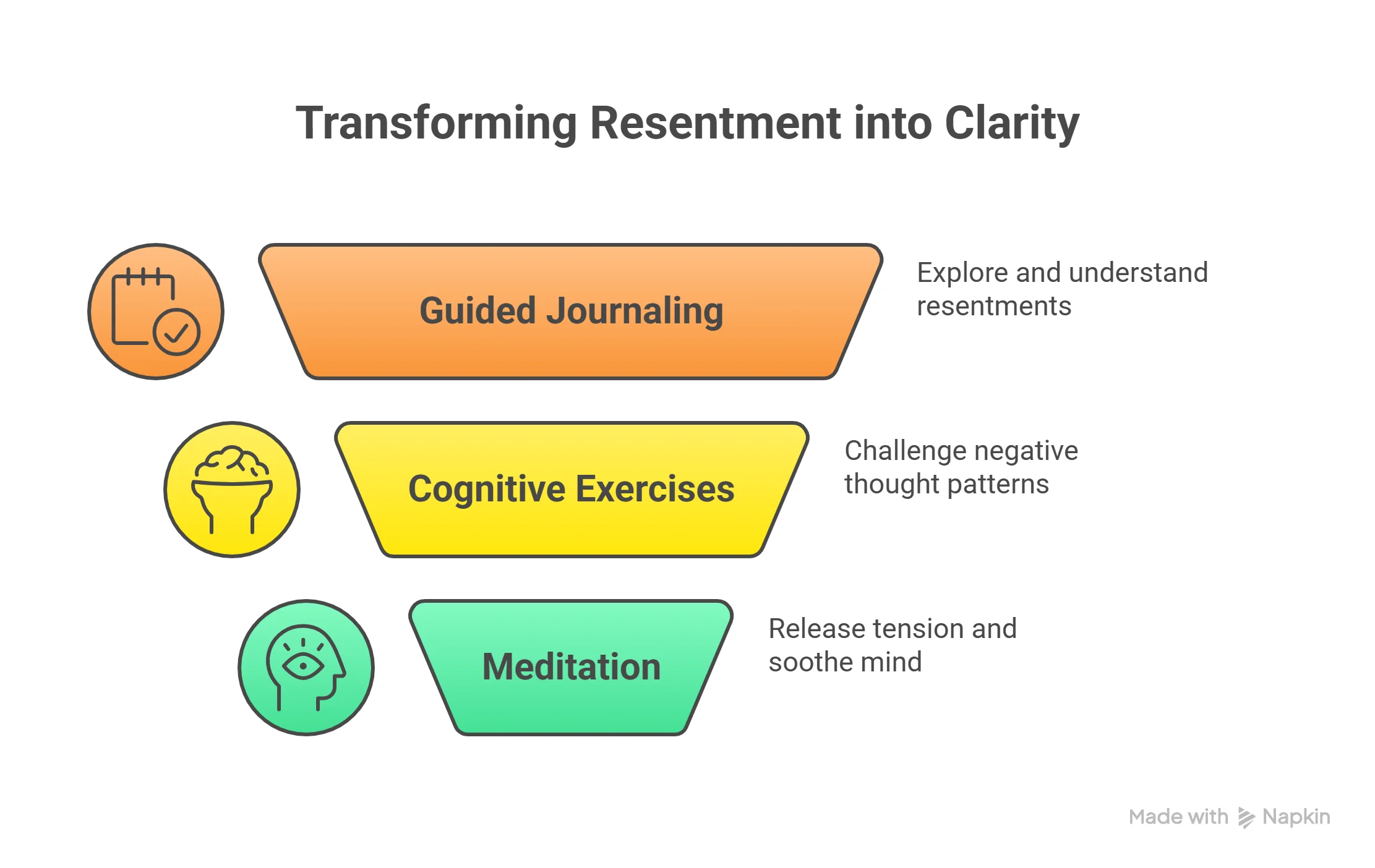
Guided journaling prompts: Write freely about your resentments, but also try prompts like “What is this resentment trying to teach me?” or “How is holding on helping and hurting me?” This habit of thought helps clarify your motives and emotions.
Cognitive behavioral exercises: Examine and challenge the patterns—such as catastrophic thinking or labeling—that sustain negative emotion. Use worksheets or therapist-led exercises to shift these mental habits.
Meditation for negative emotion release: Regular, intentional meditation (guided or self-directed) soothes the mind. Focus on the physical sensations of tension and visualize letting them dissolve with each breath.

How to Stop Feeling Resentful: Habit Changes and Daily Practices
Creating New Patterns for Emotional Freedom
Lasting emotional freedom is built through daily habits. Substitute the reflex to ruminate with practices that anchor you to the present and foster self-kindness. Journal, meditate, or check in with a support group to reflect, celebrate small wins, and pivot when you feel yourself slipping back into old patterns. Enlist funny stories, affirmations, or new routines that spark a lighter mood and remind you of the progress you're making.

Challenge |
Action Step |
Expected Result |
|---|---|---|
Chronic anger |
Mindfulness meditation |
Reduced emotional reactivity |
Persistent negative emotions |
Journaling |
Greater self-awareness |
Relapse into resentment |
Support group |
Accountability & resilience |
Every positive change represents a step in your path to creating connected relationships and a life that feels less weighed down by past grievances. As your habit of ruminating loosens its grip, you’ll notice greater ease, optimism, and authentic happiness begin to take root.
People Also Ask: How to Let Go of Resentment and Negative Emotion
How do you stop feeling resentful?
Practical Answer:
Stopping the habit of feeling resentful starts with honest self-reflection. Notice when resentment arises and explore where it’s coming from—don’t push the feeling away, but allow yourself to understand it. Then, engage in practical actions such as journaling, mindfulness meditation, or talking things through with a trusted friend or therapist. Gradually, these practices make it easier to change your perspective, break the cycle of negative emotions, and make peace with the past.
How do you release a deep resentment?
Practical Answer:
Deep resentment requires a combination of self-compassion and structured release. Try guided meditation focused on forgiveness, or use cognitive behavioral tools to challenge the stories you habitually repeat. Discussing your feelings in a safe, supportive environment—like therapy or a support group—can also free you from isolation and provide accountability. Consistent, daily practice of these methods helps rid you of resentment and frees you to reclaim your emotional energy.
What is resentment a symptom of?
Practical Answer:
Resentment is often a symptom of unresolved pain, unmet expectations, or feeling powerless in the face of repeated disappointment. Many people experience resentment when their primary emotions—like grief, hurt, or anger—are ignored or suppressed. If left unchecked, this emotional state can become a chronic resentment habit, impacting your mental health and the quality of your life and relationships.
Can resentment go away?
Practical Answer:
Yes, with patience, intention, and the right tools, resentment can absolutely go away—or at least lose its power over your life. Healthy coping strategies, mindfulness, and seeking support make it possible to release negative emotions, repair relationships, and start a new habit of thought rooted in acceptance and compassion.

FAQs: How to Let Go of Resentment and Anger
Can professional therapy help with letting go of resentment?
Absolutely. Licensed therapists are trained to help you identify the root causes of anger and resentment, develop coping strategies, and create a structured path to healing.How long does it take to let go of negative emotion?
The timeline is different for everyone, but most people notice improvements within weeks or months of consistent practice. Be patient with yourself; letting go is a process, not a destination.Is it possible to forgive without forgetting the event?
Yes. Forgiveness doesn’t mean forgetting or excusing what happened. It means making peace internally so you aren’t carrying the burden of resentment or anger into the future.What resources are available for those struggling with anger and resentment?
Support groups, guided meditation apps, online therapy platforms, and self-help books are all valuable. If you find yourself stuck, consider reaching out to a mental health professional for support.
Key Takeaways on How to Let Go of Resentment
Letting go of resentment improves mental and physical well-being
Practical tools and support make lasting change attainable
Ongoing self-compassion and reflection sustain emotional freedom

Conclusion: Your Path Forward—Letting Go of Resentment for a Healthier Life
Embracing letting go of resentment is the best investment you can make in your own health and happiness—starting with a single, brave step today will guide your journey toward a freer, lighter life.
If you’re ready to deepen your journey toward emotional freedom, consider exploring the transformative power of mindfulness meditation. Our comprehensive guide on unlocking the gift of mindfulness reveals how meditation can help you cultivate peace, presence, and resilience—key ingredients for letting go of resentment and embracing a more joyful life. Take the next step and discover how mindful practices can support your ongoing growth and well-being.

Ready to Break Free? Take the First Step Towards Letting Go of Resentment Now
Sources
Psychology Today – https://www.psychologytoday.com/us/basics/resentment
National Institutes of Health – https://www.ncbi.nlm.nih.gov/pmc/articles/PMC5235315/
American Psychological Association – https://www.apa.org/topics/anger
Mindful.org – https://www.mindful.org/how-mindfulness-helps-you-let-go-of-grudges/
Resentment is a complex emotion that can significantly impact your mental and physical well-being. To effectively let go of resentment, it’s essential to understand its roots and implement strategies to address it.
Understanding Resentment
Resentment often stems from feelings of being wronged or mistreated, leading to persistent negative emotions. Recognizing these feelings is the first step toward addressing them. (health.clevelandclinic.org)
Strategies to Let Go of Resentment
Acknowledge Your Feelings: Identify and accept your emotions without judgment. This self-awareness allows you to process and move past them. (charliehealth.com)
Communicate Openly: Engage in honest conversations with those involved to express your feelings and seek understanding. (wellandgood.com)
Set Healthy Boundaries: Establish clear boundaries to protect yourself and prevent future resentment. (charliehealth.com)
Practice Empathy: Try to understand the other person’s perspective, which can reduce feelings of resentment and promote compassion. (wellandgood.com)
Seek Professional Support: Therapists or counselors can provide tools and strategies to help you process and move past these feelings. (forgivenet.com)
By putting these strategies into practice, you can slowly loosen your grip on resentment and move toward a calmer, more peaceful headspace—one step at a time. NCWellnessHub.com




Write A Comment