


Did you know that nervous system dysregulation affects up to 70% of people with chronic stress, causing symptoms like rapid heartbeat, dizziness, and anxiety? These symptoms can be confusing—and even scary—until you understand what your body is trying to tell you.
In this guide, you'll discover what nervous system dysregulation symptoms actually feel like, why they happen, and how you can regain control to improve your well-being. When you can recognize these signals, you take back your power to restore balance, enhance your quality of life, and address the root causes of your discomfort with confidence and clarity.
What Are Nervous System Dysregulation Symptoms?
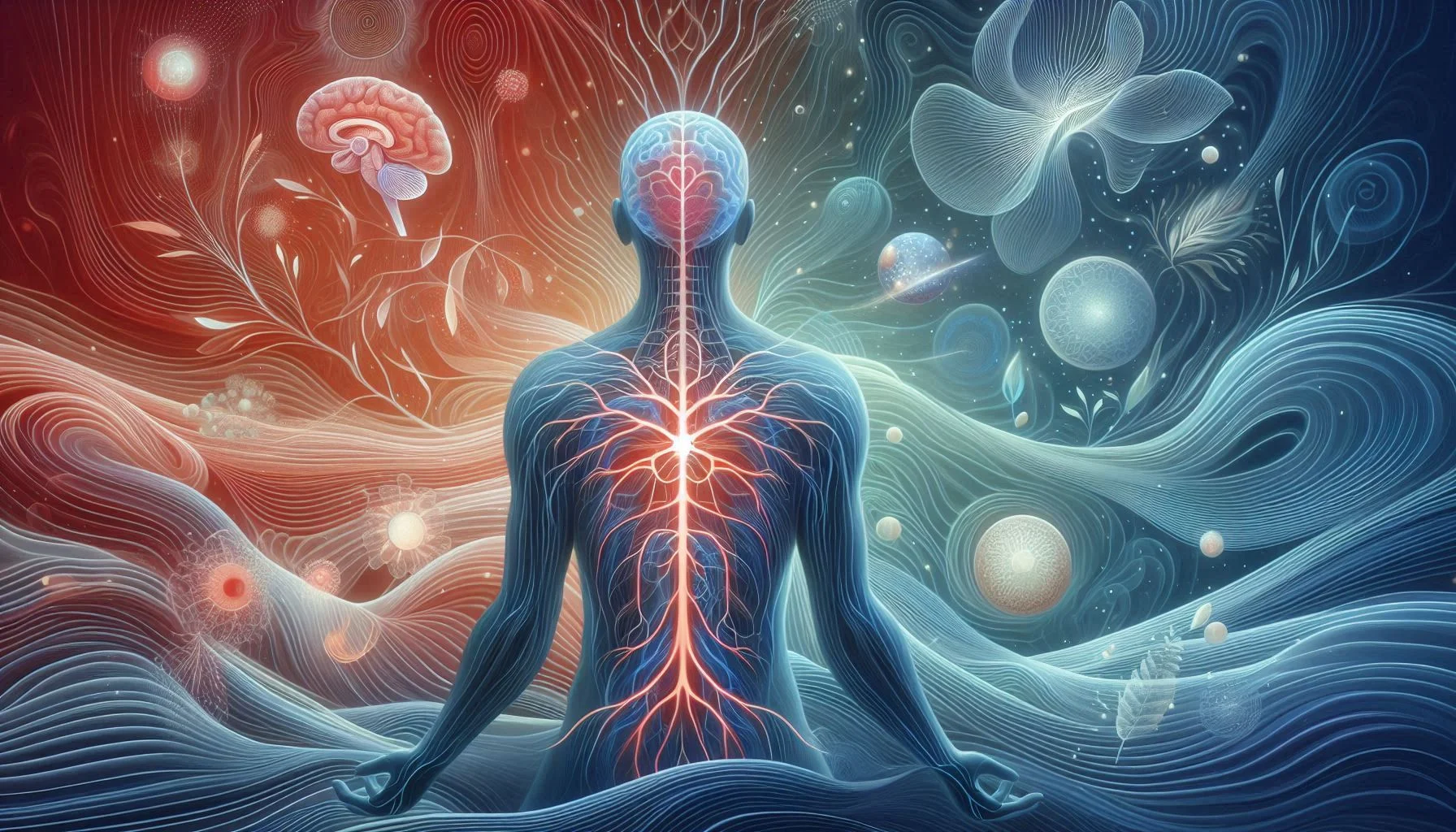
Nervous system dysregulation symptoms refer to a range of physical, emotional, and behavioral signs indicating that the body's autonomic nervous system is out of balance. Common symptoms include rapid heart rate, muscle tension, dizziness, digestive issues, headaches, anxiety, irritability, mood swings, difficulty concentrating, and withdrawal from social activities. Recognizing these symptoms is essential for early intervention and restoring a regulated nervous system, supporting mental health and overall daily well-being.
Understanding Nervous System Dysregulation Symptoms
Our nervous system is responsible for how we respond to stress, regulate our emotions, and maintain physical balance. When functioning as intended, it effectively helps us navigate life's ups and downs. However, when the system is dysregulated—due to chronic stress, trauma, or health issues—its signals become more noticeable, leading to persistent physical symptoms like a racing heart and chronic fatigue alongside significant emotional ups and downs.
By learning to recognize the signs of nervous system dysregulation symptoms, you’re not just understanding your body better—you’re taking the first important step toward healing and regaining a sense of stability in daily life.
Throughout this comprehensive, easy-to-read guide, you’ll gain clear answers to common questions about nervous system dysregulation. Our goal? To help you clearly spot, understand, and address these symptoms, so you can live well every day.

What You’ll Learn About Nervous System Dysregulation Symptoms
Key physical and emotional signs of nervous system dysregulation symptoms
How nervous system dysregulation impacts daily life
Why the stress response leads to system dysregulation
Strategies to recognize and support a regulated nervous system
Answers to frequent questions about dysregulated nervous system and recovery
The Nervous System: Foundation of Regulation and Dysregulation
Overview of the Nervous System and Its Role in the Body
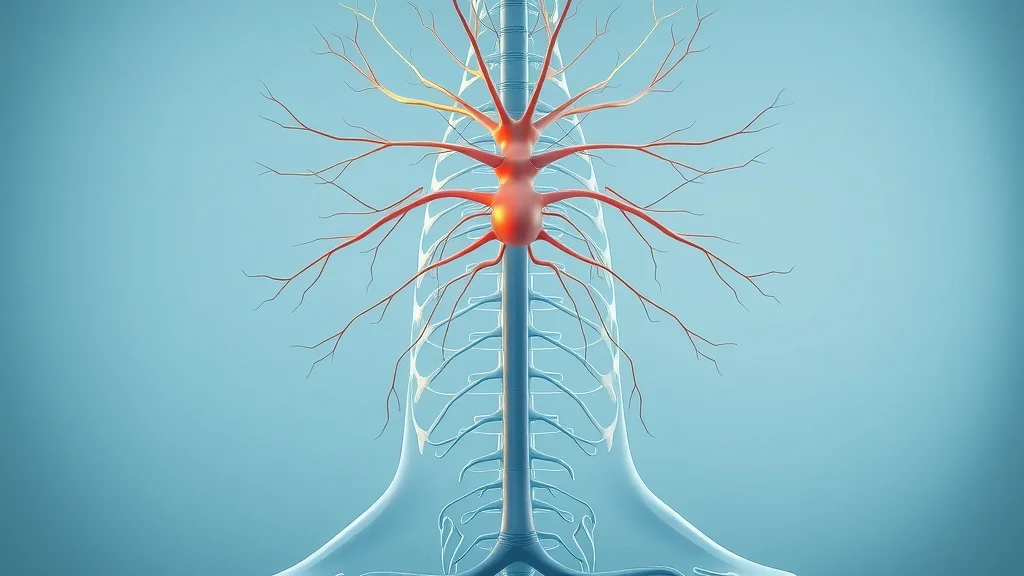
The human nervous system is a vast communication network that governs how we think, feel, and move. It includes the central nervous system (brain and spinal cord) and the autonomic nervous system, responsible for involuntary bodily functions such as heartbeat, breathing, and digestion.
The autonomic nervous system is split into two key parts: the sympathetic nervous system, which triggers our “fight or flight” stress response, and the parasympathetic nervous system, which promotes relaxation and recovery. Ideally, these systems work together to keep us balanced—shifting gears smoothly from action to rest.
When our autonomic nervous system is regulated, we can respond appropriately to everyday challenges and recover quickly after stress. However, frequent or prolonged exposure to stress can overload this system, leading to dysregulation—a state where these responses become exaggerated, blunted, or persist even after the original stress is gone. Understanding these fundamental roles helps us identify dysregulation and its impact on our daily life and mental health.
What is Nervous System Dysregulation?
Nervous system dysregulation occurs when the natural rhythm and balance between the sympathetic (activating) and parasympathetic (calming) systems are disrupted. When you experience repeated or chronic stress, trauma, or underlying health issues, your system can become “stuck” in high alert or constantly fatigued modes. In this dysregulated nervous system state, normal signals of stress linger, and relaxation doesn’t come easily.
This can manifest as intense physical symptoms (like rapid heart rate or muscle tension), as well as emotional and cognitive symptoms (anxiety, mood swings, trouble concentrating). What’s critical to understand is that these symptoms are not “all in your head”—they reflect real disruptions in your body’s internal balance. Spotting these signs early empowers you to intervene, seek support, and work toward a regulated nervous system again.
Physical Symptoms of Nervous System Dysregulation
Rapid heart rate
Muscle tension
Dizziness or lightheadedness
Digestive issues
Headaches and chronic pain

How Physical Symptoms Manifest in Daily Life
Physical symptoms of nervous system dysregulation aren’t just fleeting—they can persist and significantly disrupt your daily life. For example, a quickened or pounding heart rate may arise even during rest or light activity, making you feel constantly on edge or in danger (sometimes described as being in a “high alert” state). Similarly, ongoing muscle tension can lead to stiff neck, sore shoulders, or back pain that doesn’t resolve with rest, creating ongoing discomfort.
Dizziness or lightheadedness may make standing up or moving around feel unstable, while recurring digestive issues (such as nausea, cramping, or irregular bowel movements) can make meal times stressful and unpredictable. Some even develop recurring headaches or chronic pain, which can sap energy and decrease motivation to engage in normal activities. These physical effects are clear signs that your autonomic nervous system is struggling to maintain the smooth regulation needed for optimal health.
If you’re searching for practical ways to calm your body and mind during moments of overwhelm, gentle movement and mindful practices can be especially effective. For instance, exploring how yoga can offer relief when you feel like you’re spiraling provides actionable steps to help restore a sense of calm and support nervous system regulation.
Table: Comparison of Regulated Nervous System vs. Dysregulated Nervous System Physical Symptoms
Symptom |
Regulated Nervous System |
Dysregulated Nervous System |
|---|---|---|
Heart rate |
Steady, adapts quickly to stress and returns to baseline |
Rapid, irregular, or persistently elevated even at rest |
Digestion |
Smooth digestion, regular appetite |
Frequent digestive issues (nausea, cramps, diarrhea, constipation) |
Physical stress response |
Brief muscle tension, quick relaxation after stress |
Chronic muscle tension, headaches, or body aches |
Emotional and Behavioral Symptoms of Nervous System Dysregulation
Anxiety and panic
Irritability or anger
Mood swings
Trouble concentrating
Withdrawal from social activities

Mental Health Impacts: From Chronic Stress to Anxiety
Nervous system dysregulation symptoms go beyond physical discomfort—they deeply affect your mood, emotions, and behaviors. Anxiety and panic attacks can arise suddenly, leaving you feeling overwhelmed or unable to cope with small challenges. Other common signs include frequent mood swings: feeling irritable or angry one moment, then sad or withdrawn the next, with no clear external reason. Difficulty concentrating or “brain fog” can emerge, making even simple tasks seem monumental and affecting productivity at work or school.
Many people find themselves withdrawing from social activities due to unpredictability—and fear—of their symptoms. This isolation can lead to a sense of disconnection or loneliness, further impacting mental health. Over time, unaddressed chronic stress can contribute to clinical anxiety, depression, or even exacerbate symptoms of autonomic dysfunction. Recognizing these emotional and behavioral patterns is crucial for seeking support early and preventing long-term impacts.
How Nervous System Dysregulation Symptoms Affect Everyday Life
Examples of Dysregulation in Daily Life
Difficulty sleeping
Overreacting to minor stressors
Ongoing fatigue
Feeling disconnected
Physical discomfort in work or home settings

Living with a dysregulated nervous system is a daily struggle for many. Falling or staying asleep becomes a nightly challenge, as racing thoughts and bodily tension persist even when you try to relax. Persistently reacting intensely to minor stressors—like traffic, deadlines, or even small disagreements—indicates your stress response is “stuck,” never fully cycling back to rest.
Fatigue lingers despite adequate sleep, sometimes compounded by brain fog and physical aches. You might feel emotionally detached—like you’re going through the motions without really being “present”—which can erode relationships and job satisfaction. Even basic tasks, such as working at a desk or running errands, may trigger discomfort or unexplainable pain, making your overall quality of life suffer.
"Living with nervous system dysregulation symptoms can feel like you’re always on edge, never fully at ease. Recognizing these patterns is the first step to regaining a regulated nervous system." — Health Practitioner
Causes and Risk Factors for Nervous System Dysregulation
Chronic stress and trauma
Underlying health issues
Environmental triggers
Genetic predispositions

Chronic Stress and the Stress Response
The role of chronic stress in nervous system dysregulation cannot be overstated. When the body’s stress response—governed by the sympathetic nervous system—is activated frequently, it signals the release of hormones like adrenaline and cortisol. Over time, this persistent activation overwhelms the autonomic nervous system’s ability to restore balance, making it hard to “turn off” the stress response. Traumatic events or ongoing stressors (like unstable environments, demanding jobs, or health diagnoses) substantially increase the risk.
Other causes include underlying health conditions (such as autoimmune disorders or infections), environmental factors (noise, light, toxins), and even family genetics that make some people more responsive to stress. Each of these can nudge your system toward autonomic dysfunction. Being aware of these factors enables proactive strategies for self-care and prevention, especially in today’s fast-paced world.
Diagnosis: Recognizing Nervous System Dysregulation Symptoms
Identifying nervous system dysregulation symptoms early is crucial for recovery. Most people recognize something isn’t right when their physical symptoms (like headaches or heart palpitations) persist without clear cause, or when their emotional resilience wanes. Self-assessment tools, body awareness, and input from trusted loved ones can all provide clues—but a professional diagnosis ensures the full picture is understood and treated.
When to See a Healthcare Provider
Consult a healthcare provider if you’re experiencing symptoms that disrupt your daily life, don’t resolve with usual self-care, or are worsening over time. These may include unrelenting anxiety, frequent panic attacks, unexplained physical symptoms, or a dramatic decline in quality of life. Medical evaluation rules out other possible causes (such as cardiac or endocrine issues) and provides you with knowledgeable guidance, support, and referrals to therapies proven to restore balance.
Restoring a Regulated Nervous System: Expert Strategies
Lifestyle interventions for nervous system dysregulation symptoms
Mind-body practices
Professional therapies and support

Table: Effective Interventions for Dysregulated Nervous System
Intervention |
Description |
Evidence Level |
|---|---|---|
Mindful breathing & Meditation |
Slows the heart rate, reduces muscle tension, and calms emotional reactivity |
High |
Regular physical activity |
Improves autonomic function and supports emotional regulation |
High |
Therapeutic support (CBT, Somatic Therapy) |
Address chronic stress patterns; teaches strategies to maintain a regulated nervous system |
High |
Sleep hygiene interventions |
Helps recalibrate the stress response and improves resilience |
Moderate |
Nutrition optimization |
Stabilizes blood sugar; supports autonomic nervous system function |
Moderate |
"Even small daily changes—such as mindful breathing—can begin to re-train a dysregulated nervous system towards healthier patterns." — Licensed Therapist
People Also Ask: Common Nervous System Dysregulation Symptoms Questions
How do you fix a dysregulated nervous system?
Fixing a dysregulated nervous system starts with awareness. Practicing stress-reducing techniques such as mindful breathing, meditation, regular exercise, and seeking professional therapy can help your system heal and restore balance. Building healthy routines, prioritizing sleep, addressing underlying health issues, and gradually exposing yourself to manageable stressors all support the return to a balanced, regulated nervous system.
What are signs of a dysregulated nervous system?
Signs of a dysregulated nervous system include persistent rapid heart rate, muscle tension, dizziness, digestive issues, anxiety, irritability, mood swings, poor concentration, fatigue, and withdrawal from social interactions. If you notice these signals are disrupting your daily life, consider them important cues to address your nervous system health.

How long does it take to heal a dysregulated nervous system?
Healing a dysregulated nervous system varies by individual and underlying cause. Many people see improvement in weeks to months with consistent self-care and professional guidance, but chronic stress or trauma recovery can take longer. Patience, support, and persistent lifestyle intervention are key for steady progress and sustainable results.
What are signs of nervous system problems?
Signs of nervous system problems include numbness, tingling, persistent pain, loss of coordination, memory issues, vision changes, as well as the symptoms of dysregulation like rapid heartbeat, anxiety, and unexplained fatigue. Always consult a healthcare provider if you experience sudden or severe symptoms.

FAQs: Nervous System Dysregulation Symptoms
Can children experience nervous system dysregulation symptoms?
Yes, children can display symptoms such as trouble sleeping, irritability, digestive issues, and heightened anxiety, especially after stress or trauma. Early intervention helps them regain a regulated nervous system and thrive in school, play, and relationships.Are nervous system dysregulation symptoms reversible?
Most mild to moderate symptoms are reversible with early support, therapy, and lifestyle changes. Addressing the root stress or medical issues can help the nervous system heal and restore well-being.When should I seek help for nervous system dysregulation?
Seek help if your symptoms disrupt daily activities, become overwhelming, or fail to improve with at-home strategies. A healthcare provider can identify underlying factors and recommend targeted interventions.

Key Takeaways: Navigating Nervous System Dysregulation Symptoms
Recognize the varied physical and emotional signs of nervous system dysregulation symptoms
Early intervention and support matter
Recovery is possible with the right approach

Summary and Next Steps
Nervous system dysregulation symptoms are real, disruptive, and treatable. By learning to spot these signs, seeking professional help, and adopting expert strategies, you can return to a calm, balanced state. Your journey to a regulated nervous system starts with recognizing what your body is telling you.
Find more quality content at: NCWellnessHub. com
As you continue your journey toward better nervous system health, it’s valuable to explore how interconnected our body’s systems truly are. For example, some subtle neurological conditions—like visual snow—can also impact daily well-being and may be linked to broader patterns of sensory processing and stress.
Expanding your understanding of these related conditions can empower you to recognize early signs, seek appropriate support, and cultivate a more holistic approach to wellness. Dive deeper into the nuances of neurological health to unlock new strategies for resilience and self-care.
Sources
National Library of Medicine – https://www.ncbi.nlm.nih.gov/pmc/articles/PMC5579396/
Psychology Today – https://www.psychologytoday.com/us/basics/nervous-system
Understanding nervous system dysregulation is crucial for recognizing and addressing its impact on daily life. The article “Oversensitive and overreactive: what is nervous system dysregulation and how can it be resolved?” from The Guardian provides an in-depth look at the physiological and emotional manifestations of this condition, including symptoms like pain, fatigue, and emotional overreactions. (theguardian.com)
Additionally, “Signs You Need to Rebalance Your Nervous System” by Vogue outlines common indicators such as sleep disturbances, digestive problems, and heightened emotional reactivity, offering practical insights into identifying and managing these symptoms. (vogue.com)
If you’re serious about understanding and mitigating nervous system dysregulation, these resources will provide valuable information and strategies to support your well-being. NCWellness.com




Write A Comment