Add Row
Add Element
NC Wellness Hub
update
North Carolina Wellness Hub
update
Add Element
  • Home
  • Categories
    • Wellness
    • General Health
    • Holistic
    • News
    • Living & Travel
    • Lifestyle
    • Fitness & Exercise
    • Mental Health
    • Stress Management
    • FEATURE
    • Sleep
    • Allergies
    • Medicines & Supplements
    • Weight Loss
    • Kids Health
    • Fertility & Pregnancy
    • Cancer
    • Heart Health
    • Skin & Hair
    • Arthritis
    • Dental
    • Vision
  • Bone Health
  • Digestive
January 08.2026
1 Minute Read

Is Palm Oil and Palm Kernel Oil Bad for You? The Truth Revealed

Are palm oil and palm kernel oil harmful to your health, or are concerns about their saturated fat content and impact on heart health overblown? Uncover the truth behind these common cooking ingredients and learn how they really impact your wellbeing before making your next grocery choice.

Unpacking the Claims: Is Palm Oil and Palm Kernel Oil Bad for You?

The debate on is palm oil and palm kernel oil bad for you has intensified recently, driven by concerns over saturated fat levels, heart health risks, and their widespread use in processed foods. On one side, critics highlight their high saturated fat content and environmental footprint; on the other, some experts argue that certain forms, like red palm oil, can be part of a balanced diet.

With conflicting messages everywhere, it’s crucial to separate fact from fiction. This article brings clarity, exploring the nutritional science, risks, safety, as well as ethical issues—arming you with the evidence needed to make informed, health-conscious choices.

In the age of mass-produced food, palm oil and palm kernel oil appear in everything from cereal bars to non-dairy creamers. But how do these ingredients actually affect our bodies? Are the risks of saturated fats real, and do they warrant changing your cooking oil habits?

Let’s cut through the controversy and take an in-depth, science-based look at whether these common oils deserve their negative reputation or if moderation—and the type of oil—make all the difference.

Macro photo of palm oil fruits and kernels showing natural texture and oil

Understanding Palm Oil and Palm Kernel Oil

  • Palm oil: Extracted from the fleshy pulp of the oil palm fruit (Elaeis guineensis), palm oil is the world’s most widely consumed vegetable oil. It is semisolid at room temperature.

  • Palm kernel oil: Pressed from the inner seed (kernel) of the same fruit, palm kernel oil is higher in saturated fats compared to standard palm oil, resulting in a harder texture and different culinary uses.

  • Red palm oil: A minimally processed form of palm oil retaining its natural red color due to carotenoids and a greater amount of antioxidants and vitamins than refined varieties.

Both oils come from the oil palm tree, but their compositions and health implications vary. Palm oil is widely used in cooking and processed foods, whereas palm kernel oil, which is higher in saturated fat and more solid at room temperature, is frequently found in candies, baked goods, and non-dairy creamers.

The color and nutrient profile can further differ if red palm oil is used instead of heavily refined versions. Understanding these distinctions is key to interpreting claims about their health effects.

Production and Prevalence in Processed Foods

Industrial palm oil production facility with palm fruit and workers in safety gear
  • Palm oil production: Oil is pressed from the fruit’s pulp, then refined for use in many food products and cosmetics. This type of vegetable oil is prized for its creamy texture and resistance to spoilage.

  • Palm kernel oil production extracts oil from the seed or kernel, resulting in a product high in saturated fat that is refined for use in processed foods requiring solid fats, including cookies, confectionery, and margarines.

  • Processed foods: Palm oil and palm kernel oil are ubiquitous in modern processed foods—from baked snacks and instant noodles to ice cream and spreads. Check any ingredients label, and they’re likely present due to their cost and efficiency.

The rapid rise in global demand for affordable, shelf-stable vegetable oils has made both palm oil and palm kernel oil staples in the processed food industry. Their unique fatty acid composition, ability to remain semi-solid, and neutrality in taste and odor have led to widespread use, sometimes at the expense of nutritional variety. This prevalence makes their health impact highly relevant, particularly for populations that rely heavily on ready-to-eat or shelf-stable products.

When considering the health implications of palm oil and palm kernel oil, it's also helpful to look at how dietary choices can influence overall wellness. For example, incorporating more nutrient-rich foods, such as those highlighted in these top fruits for healthy living, can support heart health and longevity alongside mindful oil selection.

What You'll Learn in This Analysis

  • A clear breakdown of saturated fats vs. unsaturated fats in these oils

  • Scientific perspective on their impact on heart health

  • How palm oil and palm kernel oil compare nutritionally

  • Key safety and toxicity considerations

  • Environmental and ethical implications for conscious consumers
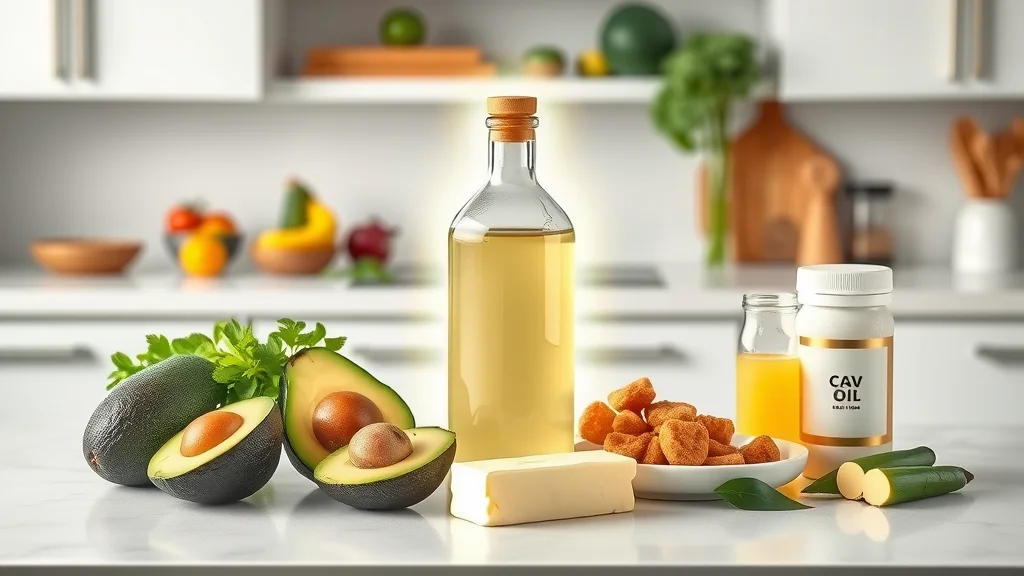
Infographic showing saturated and unsaturated fats including palm oil and avocado

Palm Oil vs. Palm Kernel Oil: Composition & Differences

Nutritional Breakdown: High in Saturated Fat vs. Unsaturated Fat

The core of the is palm oil and palm kernel oil bad for you debate centers on their fat content. While both are extracted from the oil palm fruit, their nutritional makeups differ. Palm oil, frequently labeled as “vegetable oil” on packaging, contains about 50% saturated fat along with beneficial unsaturated fats such as monounsaturated and polyunsaturated fatty acids. In contrast, palm kernel oil is about 80-90% saturated fat, comparable to coconut oil and considerably higher than most commonly used cooking oils. This makes palm kernel oil solid at room temperature and more resistant to oxidation—a trait favored by many food manufacturers.

The balance between saturated and unsaturated fats is more than a nutritional footnote—it impacts heart health and cholesterol levels. Diets excessively high in saturated fat can elevate LDL (“bad”) cholesterol, a known risk factor for heart disease. Nevertheless, modern research suggests that not all sources of saturated fat are equally harmful, and the impact depends on the type of saturated fats and overall dietary context. Balancing intake, understanding food labels, and choosing oils wisely can mitigate much of the risk associated with their consumption.

Comparison of Fatty Acid Content in Palm Oil vs. Palm Kernel Oil

Type of Oil

Saturated Fat (%)

Monounsaturated Fat (%)

Polyunsaturated Fat (%)

Trans Fat (%)

Palm Oil

~50

~40

~10

0

Palm Kernel Oil

~80-90

~7-12

~2-3

0

Glass containers of red palm oil and clear palm kernel oil side by side on wooden tray

Processing: Red Palm Oil and Refined Oil and Palm Kernel

Not all palm oils are created equal. Red palm oil is the unrefined form, rich in vitamins A and E as well as powerful antioxidants like carotenoids and tocotrienols. These nutrients give it a deep red hue and, according to several studies, may offer protective health benefits when consumed in moderation.

However, most palm oil and palm kernel oil used in processed foods are heavily refined, stripping away many of these beneficial compounds and leaving behind mostly fat—primarily saturated.

The refinement process can also affect the stability and nutrient quality of both palm oil and palm kernel oil. Refined oil is generally lighter in color and neutral in taste, making it a food industry favorite but decreasing any potential nutritional edge that red palm oil may provide.

For health-conscious consumers, seeking out minimally processed or unrefined varieties might offer some advantages, but it’s crucial to balance consumption and avoid excessive intake of any cooking fat—especially those high in saturated fat.

Photorealistic sequence of red palm oil being gently extracted from fruits with machinery

Is Palm Oil and Palm Kernel Oil Bad for You? Evaluating Health Claims

Saturated Fat Content and Its Impact on Heart Health

Saturated fat remains a major concern when evaluating is palm oil and palm kernel oil bad for you. Epidemiological research links high intake of certain saturated fats to increased LDL cholesterol and heightened risk of heart disease. Importantly, not all saturated fatty acids behave the same. Palm oil predominantly consists of palmitic acid, while palm kernel oil is rich in lauric and myristic acids, which are even more likely to raise cholesterol.

“Palm oil’s relationship with heart health depends greatly on overall dietary patterns. Not all saturated fats are equally harmful.” – Dr. Lila James, Cardiologist

Individuals consuming diets rich in processed foods containing palm kernel oil or excessive palm oil may experience elevated cholesterol levels, whereas moderate consumption within a balanced diet is less likely to increase heart health risks. Research continues to evolve, and recommendations are now increasingly focused on diet quality as a whole rather than vilifying single nutrients or ingredients.

Cardiologist showing digital heart health chart to patient in clinic

Saturated Fats, Cholesterol Levels, and Cardiovascular Risk

  • Current research shows replacing saturated fats like palm kernel oil with unsaturated fats from sources such as olive oil, avocado, or sunflower oil can reduce cardiovascular risk.

  • Red palm oil may have neutral or even protective effects due to its antioxidant content—but these benefits are lost in highly processed varieties.

  • Diets high in saturated fat (from palm kernel oil, coconut oil, animal fats) have been linked to higher cholesterol, but impact varies by individual and context.

The takeaway from the decades of research is nuanced: while high in saturated fat oils can raise cholesterol, the magnitude of risk is often overstated when viewed outside of the context of overall diet quality, physical activity, genetic susceptibility, and other lifestyle factors. Moderation remains key.

Processed Food & Potential Health Concerns

“Palm kernel oil is high in saturated fat, which may raise cholesterol if consumed in excess, especially in processed food.” – Dr. Adam Taylor, Registered Dietitian

Palm kernel oil is commonly present in heavily processed foods, often combined with refined sugars, trans fats, and high sodium levels, which collectively impact heart health. While palm kernel oil alone is not classified as a trans fat, its use in foods engineered for long shelf life often means you’re also consuming other less healthy ingredients. These combinations have cumulative impacts on heart health, weight gain, and chronic disease risk.

Consumers should read ingredient lists carefully and recognize that processed foods containing palm oil and palm kernel oil may be less about the oils themselves and more about the entire nutrient profile. Prioritizing whole foods and shifting to unsaturated fat sources where practical is one strategy endorsed by many health organizations.

Palm Oil and Palm Kernel Oil in the Diet: Moderation and Alternatives

Family comparing various oil bottles, including red palm and olive oil, in a kitchen
  • Choose oils with a healthier unsaturated fat profile, such as extra-virgin olive oil, avocado oil, or sunflower oil, for everyday cooking instead of oils high in saturated fat like palm kernel oil.

  • Use red palm oil: When choosing palm options, red palm oil, in moderation, may provide some antioxidant benefits.

  • Limit processed foods: Carefully monitor intake of foods high in palm kernel oil, as they’re often markers for ultra-processed, nutrient-poor products.

  • Balance fat intake: Aim for a mix of monounsaturated and polyunsaturated fats in your daily diet, considering heart health and total fat balance.

Palm oil and palm kernel oil can have a place in your diet if consumed judiciously. Reading labels, favoring whole or less processed foods, and being aware of total saturated fat intake are practical tools for minimizing health risks.

Debating Safety: Is Palm Oil and Palm Kernel Oil Safe for Consumption?

Toxicity, Allergens, and Regulatory Review

Panel of food safety experts discussing oils and nutrition safety

From a food safety perspective, palm oil and palm kernel oil are widely regarded as safe by regulatory agencies such as the FDA and EFSA, provided they are consumed in typical dietary amounts. They do not present significant allergen risks for most people and lack natural toxins when properly processed. However, poorly refined palm oils may occasionally contain trace contaminants such as 3-MCPD or glycidyl esters, which are strictly regulated due to potential carcinogenicity.

Regular consumption of these oils rarely causes immediate toxic effects, but the chronic disease risk emerges from excessive intake of saturated fats—especially if these oils primarily feature in processed foods. Individuals with a family history of heart disease or specific dietary needs should consult with healthcare providers for tailored recommendations. Allergies to palm oil are exceedingly rare but can occur.

Why Is Palm Oil Banned in Certain Countries?

While palm oil is legal and common in the United States and most countries, bans or strict regulations exist in some areas—not due to toxicity, but because of significant environmental and sustainability concerns. Countries in the European Union, for example, have limited imports of unsustainably sourced palm oil to curb deforestation, habitat destruction for endangered species, and human rights violations witnessed in some palm oil supply chains. These environmental and ethical challenges, while separate from direct health risks, are major drivers for advocacy and government regulation.

Video: "How Palm Oil is Made"

Perspectives from Medical Experts and Scientific Research

“Current evidence suggests that red palm oil, when unrefined, may have some nutritional advantages over highly processed oils.” – Dr. Monica Rivera, Nutrition Scientist

Original Data: Case Studies on Oil and Palm Kernel Consumption

Nutritionist entering health data with cholesterol charts on screen

Recent case studies highlight the varied impact of palm oil and palm kernel oil consumption on cholesterol and heart health. For instance, in one year-long study, participants replacing animal fats with red palm oil saw either stable or reduced LDL cholesterol when compared to a control group eating butter or partially hydrogenated oil. Conversely, high intake of palm kernel oil in processed foods corresponded to increased LDL and decreased HDL (the “good” cholesterol) in a smaller sample of middle-aged adults.

The evidence suggests that while moderate use—especially of less processed palm oil—may fit into a balanced diet, chronic high consumption of palm kernel oil, or diets high in ultra-processed foods, consistently correlates with poorer heart health outcomes. These distinctions are backed by meta-analyses and cohort studies in public health nutrition, emphasizing the importance of context and moderation.

Environmental and Ethical Considerations: Beyond Health

Sustainability, Processing, and Impact of Palm Kernel and Palm Oil Production

Aerial view of untouched rainforest and cleared palm oil plantation fields
  • The rise of oil palm plantations has been linked to deforestation in Southeast Asia, threatening biodiversity and accelerating climate change.

  • Processed food often contains palm oil sourced without regard to sustainability certifications, intensifying environmental risk.

  • Increased consumer demand is driving shifts toward RSPO (Roundtable on Sustainable Palm Oil) and eco-labeled products, yet widespread industry adoption remains a challenge.

For consumers motivated by environmental and ethical concerns, choosing products made from certified sustainable palm oil or limiting processed food consumption can reduce personal impact. Awareness is rising, but much work remains to ensure both health and planetary wellbeing coexist at the table.

Video:

Is Palm Oil and Palm Kernel Oil Bad for You? Key Takeaways

  • Palm oil is moderately high in saturated fat, but palm kernel oil is very high and more closely linked to raised cholesterol when overconsumed.

  • Red palm oil (unrefined) may provide nutrients missing from most heavily processed oils.

  • Processed foods containing these oils often bring other health risks (sugar, trans fats, sodium).

  • Safe consumption is possible with moderation and a focus on diverse, whole foods.

  • Environmental and ethical implications are driving calls for transparency and sustainability in palm oil production.

People Also Ask

Is palm kernel oil healthier than palm oil?

Palm kernel oil and palm oil differ significantly in their fat composition – palm kernel oil is higher in saturated fat, making it less heart-friendly in excessive amounts compared to palm oil. However, moderation and overall dietary context remain important.

How safe is palm kernel oil?

Palm kernel oil is generally recognized as safe when consumed in moderation but poses cardiovascular risks when intake of saturated fat is too high, especially as part of diets rich in processed foods.

What is the unhealthiest oil?

Partially hydrogenated oils (main trans fats) are considered the unhealthiest due to their association with heart disease. Palm oil and palm kernel oil are high in saturated fats but do not contain trans fats unless industrially altered.

Why is palm oil banned in the US?

Palm oil is not banned in the US, but some bans and restrictions exist globally due to environmental concerns and sustainability issues related to palm plantation practices.

FAQs: Is Palm Oil and Palm Kernel Oil Bad for You?

  • FAQ 1: Are palm oil and palm kernel oil the same?
    No. Palm oil is from fruit pulp, palm kernel oil comes from the seed. The latter has a far higher saturated fat content.

  • FAQ 2: Which foods contain palm oil and palm kernel oil?
    These oils are in many processed foods—cookies, ice cream, instant noodles, margarine, candies—and even some “natural” spreads and plant-based butters.

  • FAQ 3: Are there healthy alternatives to palm oil?
    Yes. Oils like olive oil, avocado oil, and sunflower oil provide more unsaturated fats and heart benefits versus palm kernel oil or heavily processed palm oil.

  • FAQ 4: Does red palm oil offer health benefits?
    Red palm oil contains antioxidants and vitamins not found in refined oil. It can provide health benefits if consumed in small amounts as part of a balanced diet.

Supporting Your Health: How To Choose Cooking Oils Wisely

Various cooking oils including olive, avocado, sunflower, and red palm on marble countertop
  • Read labels: Always check food packaging for palm oil, palm kernel oil, or partially hydrogenated oil.

  • Swap oils: Use olive oil or avocado oil for most cooking; use red palm oil as an occasional source of nutrients.

  • Balance fats: Limit total intake of saturated fat; favor foods rich in mono- and polyunsaturated fats.

  • Think heart health: Replace tropical oils and industrial fats with unsaturated vegetable oils where possible.

  • Look for certification: Select RSPO-certified or sustainably sourced palm oil if you choose to consume it.

Connect With Evidence-Based Nutrition Advice

Dietitian discussing nutrition choices with young adult in consultation room
  • Ready to make an informed choice? Speak with a registered dietitian today for personalized guidance on palm oil and palm kernel oil consumption.

Conclusion

Palm oil and palm kernel oil aren’t inherently “bad,” but they require mindful consumption. Prioritize moderation, unrefined varieties, and sustainability for better health and environmental stewardship.

If you’re inspired to take your wellness journey further, consider how your daily habits—beyond just oil choices—can shape your long-term health. Exploring effective ways to manage body composition and reduce risk factors is a powerful next step.

For actionable strategies that complement a balanced diet, discover the best exercises to burn visceral fat and transform your health. Combining smart nutrition with targeted movement can help you build a foundation for lasting vitality and resilience.

Sources

  • FDA – https://www.fda.gov/food/food-additives-petitions/overview-food-ingredients-additives-colors

  • National Institutes of Health – https://www.ncbi.nlm.nih.gov/pmc/articles/PMC6470834/

  • Roundtable on Sustainable Palm Oil – https://www.rspo.org/certification

  • British Medical Journal – https://www.bmj.com/content/368/bmj.m1105

  • European Food Safety Authority – https://www.efsa.europa.eu/en/topics/topic/palm-oil

In evaluating the health implications of palm oil and palm kernel oil, it’s essential to consider their saturated fat content and its impact on heart health. Palm oil is approximately 50% saturated fat, while palm kernel oil contains over 85% saturated fat.

Diets high in saturated fats can elevate LDL cholesterol levels, increasing the risk of heart disease. However, some studies suggest that certain components in palm oil, like tocotrienols, may offer antioxidant benefits. Therefore, moderation is key when incorporating these oils into your diet.

For a comprehensive understanding of palm oil’s nutritional profile and its effects on health, consider reading Palm Oil: Is It Good for You? Pros and Cons, Nutrition Information, and More. This resource delves into the potential benefits and drawbacks, helping you make informed dietary choices.

Additionally, the article By the way, doctor: Is palm oil good for you? provides insights into how palm oil compares to other fats and its role in heart health. If you’re serious about understanding the health impacts of palm oil and palm kernel oil, these resources will offer valuable perspectives. NCWellnessHub.com


Nutrition & Foods

Write A Comment

*
*
Related Posts All Posts

What Nutritionists Actually Eat on New Year's Eve

Despite common indulgences on New Year’s Eve, nutritionists often choose balanced, mindful meals. Did you know they prioritize nutrient-rich foods even during celebrations? Discover what they actually eat and how their approach can inspire your healthiest, most satisfying holiday feast yet.The Importance of Healthy Eating on New Year’s Eve: Insights into What Nutritionists EatWhen the clock nears midnight and festive energy fills the air, many people indulge in decadent foods and sweet treats. However, what nutritionists eat on New Year’s Eve often defies these typical patterns. Instead of sacrificing nutrition for celebration, they focus on mindful, balanced eating—proving that a nourishing meal can be both festive and delicious. Prioritizing healthy eating on this special evening supports brain health, stable blood sugar levels, and overall well-being, setting a positive tone for the year ahead.Nutritionists emphasize a colorful variety of foods, including lean protein, bright seasonal vegetables like bell peppers and sweet potato, and heart-healthy fats such as olive oil. Incorporating these choices provides essential fatty acids and beneficial nutrients that support both mood and metabolism, without the heavy feeling that often follows traditional holiday fare. By making intentional food choices that prioritize whole grains, vegetables and fruits, and limited saturated fat, nutritionists enjoy a celebratory meal while protecting their health, heart, and immune system."A festive table doesn’t have to mean giving up on nourishment. Even on New Year’s Eve, we can prioritize what nutritionists eat—think balance, flavor, and food that fuels the body well." – Dr. Lisa Carter, Registered DietitianWhat You’ll Learn About What Nutritionists Eat for Brain Health and Festive Well-BeingCommon food picks of nutritionists for New Year's Eve, including lean protein and dark chocolateHow to incorporate olive oil, sweet potato, brown rice, and other superfoods for optimal brain healthReal quotes from medical and nutrition professionals describing what nutritionists eat and whyScience-backed reasons behind these choices to support healthy eating during the holidaysTop 10 Dishes: What Nutritionists Eat on New Year’s EveRoasted Bell Peppers Stuffed with Lean Protein and Brown RiceGrilled Salmon Drizzled with Olive Oil and a Side of Steamed VegetablesSweet Potato and Chickpea Salad with Olive Oil DressingQuinoa Pilaf with Bell Peppers, Herbs, and Toasted SeedsLean Turkey or Chicken Skewers with Colorful Veggie SidesWhole Grain Crackers with Dark Chocolate and Fresh BerriesSpinach and Brown Rice Casserole for Brain HealthHearty Lentil Stew with Bell Pepper and Sweet PotatoMixed Greens Salad Featuring Olive Oil, Nuts, and CitrusYogurt Parfait Layered with Dark Chocolate Shavings and FruitThese top picks not only offer vibrant flavor and festive appeal but are also loaded with health benefits.Roasted bell peppers and brown rice provide a source of complex carbohydrates, keeping blood sugar steady through the party.Oily fish like salmon is high in healthy fat and fatty acids critical for brain health.Dark chocolate (in moderation) is high in antioxidants and adds a hint of indulgence without causing sugar overload."On celebratory nights like New Year's Eve, I gravitate toward meals rich in vegetables and healthy fats. The right choices help both mood and metabolism." – Dr. Aisha Grant, Clinical NutritionistWhy What Nutritionists Eat Focuses on Lean Protein and Plant-Based IngredientsA closer look into what nutritionists eat reveals a thoughtful combination of lean proteins, plant-based ingredients, and healthy fats. These components work together to deliver a satisfying, nutritious meal that keeps both mind and body energized throughout festive events. By focusing on a diverse plate, nutritionists manage weight, support immune system function, and maintain vibrant brain health even as the year turns.The Power of Lean Protein on New Year’s Eve: Satiety and MetabolismNutritionists often select dishes high in lean protein, such as grilled fish (oily fish like salmon), chicken breast, or turkey. These choices are high in protein yet low in saturated fat, making them ideal for supporting muscle health and boosting metabolism. Protein-rich meals also provide a sense of fullness, so partygoers are less likely to reach for frequent snacks or processed sweets. Additionally, lean proteins are an excellent source of protein for those aiming to keep blood sugar stable, a key to feeling energized rather than sluggish on celebratory nights.The inclusion of foods like fish provides essential fatty acids that can help lower the risk of cardiovascular disease and support the immune system. These choices contribute to a more balanced approach than options loaded with saturated fat or heavily processed dough bread and snacks, helping reduce the overall risk of heart disease while reinforcing healthy eating habits during times when overindulgence is common.For those looking to further optimize their holiday menu, exploring the best foods for metabolism can be a game-changer. Discover how strategic ingredient choices can elevate your energy and support your wellness goals in this comprehensive guide to the top health foods for metabolism.Role of Plant-Based Ingredients (Bell Peppers, Brown Rice, and Sweet Potato) in Healthy EatingPlant-based ingredients are front and center in what nutritionists eat on New Year’s Eve. Bell peppers, brown rice, and sweet potatoes are celebrated for their role in effective healthy eating. These foods are rich in antioxidants, vitamins, and minerals, crucial for both brain health and immune system support. The vibrant colors of bell peppers complement any festive table layout and signal the presence of carotenoids (powerful antioxidants). Brown rice offers fiber and complex carbs that help regulate blood sugar, ensuring energy lasts well into the night.Root vegetables like sweet potatoes are particularly valuable for their slow-digesting carbs and high vitamin A content, supporting vision and maintaining healthy skin. Together, these plant-based stars supply beneficial nutrients and help crowd out heavier, processed holiday foods that may contain higher saturated fat or unsaturated fat with less nutritional value.Brain Health Benefits from Olive Oil and Dark ChocolateTwo standout ingredients in what nutritionists eat on holidays are olive oil and dark chocolate. Extra virgin olive oil is a key staple at festive tables, used for roasting root vegetables, drizzling on salads, or finishing protein dishes. Renowned for its content of monounsaturated fat, it can help lower blood pressure, decrease the risk of heart disease, and provide fatty acids essential for brain health. Replacing butter or other sources of saturated fat with olive oil supports long-term health and makes every bite burst with flavor.Dark chocolate, in small amounts, is also beloved by nutrition experts due to its richness in antioxidants (especially flavonoids). These compounds support brain health, improve blood flow to the brain, protect against cognitive decline, and can even enhance mood during celebrations. When combined with fruit and veg, nuts (which are high in protein and unsaturated fat), or yogurt, dark chocolate offers a satisfying yet health-supportive dessert. The careful curation of fats and antioxidants ensures that festive meals can be as good for your mind as they are for your palate.Comparison of Nutritionist-Approved New Year’s MealsDishKey IngredientsMain BenefitsGrilled Salmon & Steamed VegetablesOily fish, olive oil, root veg, leafy greensRich in fatty acids, low saturated fat, supports brain health, boosts immune systemStuffed Bell Peppers & Brown RiceBell pepper, brown rice, lean protein, herbsHigh in antioxidants, supports blood sugar, provides plant-based nutrientsSweet Potato & Chickpea SaladSweet potato, chickpeas, olive oil, greensLong-lasting energy, high fiber, immune system supportYogurt ParfaitGreek yogurt, dark chocolate, fruit, nutsHigh protein, rich in antioxidants, brain healthCase Study: How Healthy Eating Choices Boost Energy and Improve CelebrationsA group of friends, led by a registered nutritionist, decided to overhaul their typical New Year’s Eve menu, trading out fried snacks, rich cheeses, and dough bread for the options listed above—think roasted vegetables, lean protein, and naturally sweetened desserts. Throughout the night, they noticed several benefits: consistent energy from slow-digesting carbohydrates, stable moods without the irritability that can follow a sugar high, and a general sense of satisfaction after their meal. The group also found themselves more engaged in conversation and activities, likely thanks to steady blood sugar and the mood-enhancing power of nutritious food choices.As one participant shared, “I used to feel sluggish after our celebrations, but with these new choices, I woke up energized and ready for the New Year.” This experience reflects the reality of what nutritionists eat—prioritizing dishes that foster both immediate enjoyment and long-term health.People Also Ask About What Nutritionists Eat on New Year’s EveWhat does a nutritionist recommend to eat?Nutritionists recommend meals rich in vegetables, lean protein, healthy fats like olive oil, and whole grains such as brown rice—balancing nutrients for brain health and festive enjoyment. Their go-to food choices typically include a colorful mix of fruit and veg, root veg like sweet potatoes, and minimally processed sources of protein to support the immune system and metabolism.What are 10 signs of poor nutrition?Common signs include fatigue, hair loss, brittle nails, poor concentration, frequent illness, delayed healing, digestive issues, irritability, skin problems, and muscle weakness. If you experience several of these, it may be worth reevaluating your dietary habits and including some of what nutritionists eat to restore balance and vitality.What is the 3 3 3 rule for eating?The 3 3 3 rule often refers to having three regular meals, with three food groups, three times per day—emphasizing balance and regularity in what nutritionists eat. This approach helps regulate energy levels, mood, and blood sugar while making meal planning straightforward and sustainable during the holidays and beyond.What is the most nutritionist food?Foods like leafy greens, lean proteins, sweet potatoes, and bell peppers are among the most valued by nutritionists due to their high nutrient density and benefits for healthy eating. These foods deliver a wide array of vitamins, minerals, and antioxidants that support brain health, the heart, and the immune system—key priorities in what nutritionists eat on New Year’s Eve.Quote from Experts: The Real Impact of What Nutritionists Eat on Mindful Celebrations"Choosing nutrient-rich dishes allows me to enjoy New Year's Eve without guilt or regret—it’s about celebration, not deprivation." – Dr. Samuel Lee, Board-Certified Nutrition SpecialistLists: Quick Tips to Recreate What Nutritionists Eat for Your CelebrationPrioritize lean protein like grilled fish or turkey.Add colorful vegetables—especially bell peppers and leafy greens.Use olive oil as your primary fat for dressing and roasting.Include wholesome carbs such as sweet potatoes and brown rice.Finish with a square or two of dark chocolate for brain health.Drink water between alcoholic beverages to stay hydrated.FAQs About What Nutritionists Eat for Healthy Eating on New Year's EveIs it okay to indulge in dessert if you eat nutrient-rich meals?Yes! Nutritionists often include a modest serving of dessert, such as a yogurt parfait with fruit and a bit of dark chocolate. Balancing healthy eating for the main meal provides room to enjoy a sweet treat guilt-free.What snacks do nutritionists prepare for late-night celebrations?Common picks include whole grain crackers, crunchy raw veggies, hummus, nuts (which are high in protein and unsaturated fat), and fruit. These options satisfy cravings, support stable blood sugar, and provide long-lasting energy.How do nutritionists handle alcohol consumption during holidays?Most nutritionists recommend moderation, alternating alcoholic drinks with water, and opting for lighter choices such as sparkling water with a citrus twist. This approach helps support hydration, maintain energy, and prevent excess calorie intake.Key Takeaways: Healthy Eating and What Nutritionists Eat for Lasting Brain HealthWhat nutritionists eat is guided by a balance of lean protein, vegetables, whole grains, and healthy fats.Smart ingredient choices—such as olive oil, sweet potatoes, brown rice, and dark chocolate—support brain health and make celebrations enjoyable.Healthy eating habits can be maintained even on festive occasions like New Year's Eve.How to Get Started: Plan Your Own Nutritionist-Approved Menu TodayReady for a healthier celebration this year? Start with one of the delicious dishes above or create combinations that feature lean protein, colorful produce, and brain-nourishing fats. Gather recipes, prep your ingredients, and plan to enjoy each bite—just like the experts do.ConclusionEmulate what nutritionists eat this New Year's Eve to feel energized, satisfied, and ready for a vibrant new year. Choose with intention, enjoy with gratitude, and celebrate your health!If you’re inspired to keep your mind sharp and your energy high beyond the holiday season, there’s even more to explore. Dive into the science of hydration and its impact on cognitive performance with essential hydration tips for better brain function. This next step will help you build on your nutritionist-approved habits, ensuring clarity, focus, and well-being as you move into the new year and beyond.SourcesEatRight.org – https://www.eatright.org/food/nutrition/healthy-eating/eating-right-on-new-years-eveHarvard Health – https://www.health.harvard.edu/staying-healthy/the-right-plant-based-diet-for-youAmerican Heart Association – https://www.heart.org/en/healthy-living/healthy-eating/eat-smart/nutrition-basicsNutritionists often emphasize balanced, nutrient-rich meals, even during festive occasions like New Year’s Eve. For instance, the article “Doctors and nutritionists share the foods they eat for better health” highlights that experts incorporate leafy greens, berries, lean proteins, legumes, and nuts into their daily diets to support brain health, heart health, and overall wellness. (cnbc.com) Similarly, “7 Foods That Nutritionists Eat, If You’re Looking To Stock Your Fridge With Healthy Stuff” discusses how nutritionists keep foods like berries, green vegetables, eggs, Greek yogurt, turmeric root, and almond butter on hand for their antioxidant properties and essential nutrients. (bustle.com) By integrating these foods into your New Year’s Eve menu, you can enjoy a festive meal that aligns with health-conscious choices. NCWellnessHub.com

Sugar Overload: How to Survive Holiday Treats Without Feeling Miserable

Struggling with the endless holiday sweets and sugar cravings? Wondering how a holiday sugar detox can save your energy and mood this season by reducing added sugar intake? Discover smart strategies to enjoy treats without the crash, keeping you vibrant and guilt-free. Ready to reclaim control and feel great during the festivities?Opening Insights: Why a Holiday Sugar Detox Matters for Your Energy and MoodThe holidays can turn our best intentions upside down—especially with delicious sugary foods everywhere you look. Many people find themselves feeling sluggish, irritable, or even guilty after indulging in holiday desserts. Enter the holiday sugar detox: a practical, health-first strategy for navigating the season, reducing sugar consumption, boosting your energy, stabilizing your mood, and even helping you lose weight along the way.By understanding the impact of added sugar and making intentional food choices, you can enjoy festive meals without sacrificing your well-being. Learning expert-backed methods to control sugar cravings sets the foundation for a happier, more vibrant holiday experience where treats don’t rule your day (or your health).What You'll Learn in This Holiday Sugar Detox GuideThe impact of sugar consumption during holidaysSmart strategies for holiday sugar detoxHow to control sugar cravings and manage added sugarsPractical tips from medical experts to survive holiday treatsData-driven insight, case studies, and answers to frequently asked questionsUnderstanding Sugar Consumption: The Hidden Risks in Holiday TreatsHow Added Sugar and Added Sugars Impact the BodyThe average holiday meal or party is bursting with added sugars—from classic cakes to an endless parade of processed foods and sweetened drinks. The appeal is real: sugar gives a rapid lift in blood sugar, sparking a quick “sugar high.” But this boost is usually followed by a sharp drop, resulting in an energy crash, irritability, and renewed sugar cravings. The American Heart Association warns that high sugar consumption increases risk for weight gain, mood swings, and even chronic health problems like metabolic syndrome and Type 2 diabetes.During the holiday season, sugary foods and sweetened beverages can easily push sugar intake well above recommended levels, especially since added sugars are hidden in everything from stuffing to cranberry sauce. Beginning a thoughtful holiday sugar detox can interrupt this unhealthy cycle, keeping your energy and health on track.Expert Quote: Sugar Detox and Its Immediate Effects“Even moderate sugar overload during holidays can set back your health goals for months. A timely holiday sugar detox helps prevent blood sugar spikes and energy crashes.” – Dr. Olivia Hart, MD, Nutrition SpecialistThe Science Behind Sugar Craving and Sugar Cravings: Why You Want to Eat SugarHow Sugar Craving Triggers Brain ChemistryThere’s solid science behind that uncontrollable urge to eat sugar at parties. Consuming added sugars causes rapid changes in brain chemistry, delivering dopamine hits that temporarily feel rewarding. Over time, indulging your sweet tooth can even condition your brain’s reward pathway, leaving you craving another fix.This helps explain why so many people report sugar addiction and repeated sugar cravings during holiday festivities. Experts have found that the combination of stress, abundant sweets, and disrupted routines makes it much harder to resist sugary foods, especially in social settings surrounded by tempting treats and processed food options.One often-overlooked factor in managing sugar cravings is the role of dietary fiber. Increasing your fiber intake can help slow the absorption of sugar, keeping your blood sugar levels more stable and reducing the urge to reach for another treat. For a deeper dive into how fiber supports weight management and gut health, explore the key benefits of fiber for your wellness journey.Understanding the Cycle: From Sugar Craving to Energy CrashWhy does a delicious dessert leave you wanting more? The answer lies in swings in your blood sugar level. After you eat sugar, your blood sugar spikes—giving you a brief burst of energy or a “sugar high.” But as insulin kicks in to clear sugar from your blood, energy quickly crashes, often leaving you feeling tired, grumpy, and mentally foggy.This drop is the perfect trigger for renewed sugar cravings, keeping you locked in a cycle of seeking another quick fix. Interrupting this pattern with a holiday sugar detox smooths out your mood and energy, so you’re less dependent on quick sugary pick-me-ups and better equipped to make healthy food choices.Why Most People Fail at the Holiday Sugar DetoxCommon Pitfalls: Sugar Detox Myths and MistakesMany begin a holiday sugar detox hoping to quickly quit sugar and banish persistent sugar cravings. But all-or-nothing thinking, misinformation, and unrealistic expectations often sabotage these efforts. Some believe cutting all sugar “cold turkey” will stop cravings instantly, but for most, abrupt changes spark withdrawal symptoms—headaches, irritability, even fatigue.Others replace sugar with artificial sweeteners thinking it’s healthier, only to find it can keep sweet cravings alive. Lack of preparation and failing to identify hidden added sugars in holiday food (like sauces or store-bought side dishes) are frequent mistakes. True, sustainable change comes from planning ahead, enlisting expert strategies, and knowing that a few stumbles don’t mean failure—it’s a learning curve, not a sprint!Case Study: Overcoming Intense Sugar Cravings During HolidaysTake the case of Maria, a 38-year-old who always dreaded the holiday sugar rush. With a determined mindset, she started her holiday sugar detox by tracking hidden sugars in classic treats using a food app. She swapped out processed desserts for good food, preparing fiber-rich vegetable platters and planning meals ahead of festivities.Hydration became a daily priority, and she used mindful eating to enjoy one or two small treats guilt-free. Even after an initial energy slump, Maria noticed that her intense sugar cravings faded within a week. She felt more energized, enjoyed family gatherings, and—most importantly—discovered she didn’t need to eat sugar to have a joyful holiday.Essential Holiday Sugar Detox Strategies Backed by Health ExpertsCold Turkey vs Gradual Reduction: Which Approach Works Best for Sugar Detox?There is an ongoing debate: Should you quit sugar “cold turkey” or phase out added sugar slowly? Experts agree it depends on your personality and previous sugar consumption. Going cold turkey can quickly stop sugar cravings, resetting your taste buds and making natural foods taste sweeter—if you’re prepared for a few rough days battling withdrawal symptoms.Others fare better with a stepwise cutback, gradually replacing sugary drinks and treats with healthier alternatives, reducing sugar intake without triggering a strong energy dip. In both approaches, support from a registered dietitian or health care provider and tracking your progress with a food app can dramatically increase your chances of permanent change.Choosing Good Food to Beat Sugar Cravings and Improve EnergyPiling your plate with good food—think fiber-rich veggies, whole grains like brown rice, and healthy fats—naturally reduces sugar cravings and supports a successful sugar detox. These foods slow digestion, keep your blood sugar level steady, and help your energy stay consistent throughout the day. Adding colorful produce, protein, and plenty of water not only supports your holiday sugar detox but also helps you stay satisfied and less tempted to reach for extra dessert. As Dr. Marcus Reed, a Registered Dietitian, puts it:“Filling up on good food, such as fiber-rich vegetables, helps stabilize blood sugar so you’re less likely to eat sugar impulsively.” – Dr. Marcus Reed, Registered DietitianSurviving Social Events: How to Navigate Sugar Consumption Without Feeling DeprivedSmart Swaps: Alternatives to Added Sugar in Festive RecipesNo need to skip every treat when you arm yourself with smarter swaps to reduce added sugars in festive recipes. Replace added sugars in recipes with mashed bananas, unsweetened applesauce, or a sprinkle of cinnamon and vanilla for natural sweetness. Serve fruit-based desserts or opt for dark chocolate with a lower sugar content.If you’re baking, try using whole-wheat flour and cutting back on sugar by a third. These easy adjustments allow you to enjoy festive flavors while dramatically cutting sugar content. Creating new holiday traditions with healthier recipes means everyone can indulge—guilt-free and energized!Managing Sugar Cravings at Parties and GatheringsTempted by tables heaped with cookies and candy canes? Arrive full, with a snack of good food before events, and set a “one-and-done” rule for dessert to manage sugar cravings effectively. Practice mindful eating: savor your treat slowly, then shift focus to connecting with others. Carry flavored herbal tea or water to avoid sugary drinks. If cravings strike, check if you’re truly hungry or just reacting to a sweet tooth setting. Give yourself permission to enjoy—but not overdo—so you leave the party feeling confident, not deprived.Step-by-Step Holiday Sugar Detox Tips ListIdentify hidden added sugars in popular foodsPlan meals ahead with good food choicesHydrate to reduce sugar cravingsUse mindful eating techniques to cut sugar consumptionData Spotlight: Tracking Sugar Consumption and Holiday Weight GainMost people underestimate just how much added sugar can sneak into holiday treats—and it quickly adds up to unwanted weight gain and sluggishness. Use this table for a better sense of average holiday sugar content and the potential impact of each treat:Holiday Treat Sugar Content TableTreatServing SizeAverage Added Sugar (g)Potential ImpactCandy Cane1 piece10Quick spike in blood sugarFruitcake1 slice26High in added sugarsEggnog1 cup22Hidden sugars, liquid caloriesChocolate Truffle1 piece7Strong sugar craving triggerHow to Lose Weight and Stay Energized with a Holiday Sugar DetoxBalancing Treats and Healthy Habits to Reduce Sugar ConsumptionLosing weight during the holidays isn’t about total restriction—it’s about balance, smart choices, and reducing added sugar consumption. Prioritize filling up on whole grains, lean proteins, and abundant good food, so you’re less tempted to overindulge in sugary treats. Enjoy a small portion of dessert without guilt, knowing that steady blood sugar level leads to more balanced mood and energy.Scheduling regular physical activity—like walking or dancing—helps metabolize sugar, stabilize energy, and supports your overall sugar detox goals. By combining mindful eating, smart swaps, and self-care, you avoid the common pitfalls that often lead to weight gain and mood dips after the holidays.Holiday Sugar Detox Success Story: Real-World Data & ResultsReal results speak volumes. Consider Ben, who bravely started a 7-day holiday sugar detox after years of post-holiday energy slumps. By cutting out added sugar, focusing on good food, and staying hydrated, he lost 3 pounds, reported deeper sleep, and found it easier to resist temptations at family dinners. Medical professionals back these changes:“A 7-day holiday sugar detox can result in better sleep, improved mood, and notable weight loss for most patients.” – Dr. Janet Lee, Certified Health CoachPeople Also Ask: Expert Answers on Holiday Sugar DetoxHow long does it take for the body to detox from sugar?Most people start noticing improvements within 3-7 days of a holiday sugar detox, as withdrawal symptoms subside and natural energy returns. Complete detox may take up to 3 weeks depending on previous sugar consumption and individual metabolism.How to detox from sugar after holidays?Begin your holiday sugar detox by eliminating the main sources of added sugars, increasing intake of fiber and good food, drinking more water, and adopting gradual lifestyle shifts to reduce sugar cravings.What is the fastest way to detox your body of sugar?A cold turkey approach can quickly reset your taste buds and reduce sugar cravings, but should be coupled with hydration, good sleep, and plenty of non-starchy vegetables for a safe and sustainable holiday sugar detox.What do 7 days of no sugar do?A 7-day holiday sugar detox typically leads to fewer cravings, improved mood, more stable energy, and potential weight loss as added sugar intake drops sharply.FAQs: Your Holiday Sugar Detox Concerns AnsweredCan I eat fruit during a holiday sugar detox?Should I combine exercise with a holiday sugar detox?How can I handle sugar cravings at work or family events?Is it safe for children to do a holiday sugar detox?How do cheat days impact holiday sugar detox results?Key Takeaways for a Successful Holiday Sugar DetoxUnderstand and identify added sugars in treatsPrioritize good food to curb sugar cravingsOpt for a sustainable sugar detox strategyRely on expert-backed methods and regular self-checksStart Your Holiday Sugar Detox Today and Reclaim Vibrant HealthSmall steps can make a big difference! Choose your strategy, track your progress, and remember: the goal is to enjoy the holidays without sugar ruling your plate or your mood.If you’re inspired to take your healthy habits even further, consider how your food choices throughout the day can impact your energy and sleep quality. Discover practical tips for managing blood sugar and making smarter decisions with smart late-night eating strategies—a perfect next step for anyone committed to feeling their best all season long.Sourceshttps://www.heart.org/en/healthy-living/healthy-eating/eat-smart/sugar/how-much-sugar-is-too-muchhttps://www.cdc.gov/nutrition/data-statistics/know-your-limit-for-added-sugars.htmlhttps://www.ncbi.nlm.nih.gov/pmc/articles/PMC6363527/Kicking off a post-holiday sugar reset isn't always a walk in the park, but armed with the perfect tools and insights, you'll cruise through it like a pro. The “Sugar Detox Diet” by Sutter Health offers a comprehensive 7-day plan designed to help break the cycle of sugar addiction, providing structured meal plans and practical tips to guide you through each day. (sutterhealth.org)In addition, the “5-Day Sugar Detox Challenge” led by Dr. Holly Donahue provides daily live sessions and email guides, offering expert advice and community support to assist you in reducing sugar intake effectively. (sugardetoxchallenge.com)If you’re serious about managing your sugar consumption during the holidays, these resources will equip you with the strategies and support needed to maintain your health and well-being. NCWellnessHub.com

Is Soy Healthy? Doctor Reveals the Truth After 20-Year Study

After two decades of research, surprising truths about the health benefits of soy foods and their impact on heart health and cancer risk emerge. Is soy really as healthy as we think? Understanding these facts can transform your diet and wellness. Dive in to separate myths from science and make informed choices about soy consumption.What You'll Learn About Is Soy Healthy and Its ImpactsKey findings from a 20-year study on soy consumption and its effects on bone health, cancer risk, and heart health.The current consensus on eating soy and cancer risk.Expert opinions and research-backed health benefits of soy foods.How various soy foods affect heart health, breast cancer, bone health, and cholesterol levels.Practical guidance for safe soy consumption.The Groundbreaking 20-Year Study: New Evidence on Is Soy Healthy"Our long-term research sheds light on how soy foods interact with cancer risk and heart health in real-world diets." – Dr. Evelyn Harris, Nutrition EpidemiologistStudy background: Diverse populations, both genders, and age ranges.What makes this study unique on is soy healthy?Research structure: Tracking eating soy habits, types of soy foods, and health outcomes.For the first time, a 20-year-long epidemiological study has closely tracked soy food consumption across varied populations—men and women, young and old, spanning different ethnic backgrounds. This makes the findings robust, generalizable, and practical for daily life. Unlike shorter studies, the extensive timeline allowed researchers to observe heart health, breast cancer risk, bone health, and cholesterol levels as people’s diets and lifestyles evolved.The research uniquely compared those who routinely include soy foods, like tofu, tempeh, and soy milk, versus those who rarely consume them. Habits, intake frequency, and health outcomes were meticulously tracked, with regular check-ins and comprehensive data across decades.Unlike past research, this study incorporated the effects of minimally processed soy, fermented soy, processed soy protein products, and even genetically modified versus non-GMO soy, by following real-world eating soy patterns and health conditions. The results reveal nuanced impacts on heart disease, cancer risk, and bone health, directly answering the age-old debate: is soy healthy or not?As you consider the broader implications of dietary choices on long-term health, it's worth noting that lifestyle adjustments—such as improving balance and physical fitness—can also play a significant role in overall well-being. For practical strategies that complement a heart-healthy diet, explore these simple senior fitness techniques to enhance balance and mobility at home.Is Soy Healthy? Separating Myths from Facts on Soy Foods"Many myths about eating soy persist, but credible evidence supports several benefits of soy when consumed as part of a balanced diet." – Dr. Marco Nguyen, Registered DietitianCommon misconceptions: processed soy, GMO concerns, hormone disruption.The difference between soy protein, minimally processed, and fermented soy.Analyzing health benefits and potential risks for cancer, bone health, and more.The phrase “is soy healthy?” often triggers confusion due to persistent myths. One common concern is that processed soy, especially genetically modified (GMO) soy, may interfere with hormone levels—particularly estrogen—leading to fears about breast cancer or prostate cancer. However, scientific evidence paints a clearer picture.Not all soy foods, including fermented soy and processed soy, are created equal in terms of their health benefits and impact on cholesterol levels. Soy protein found in whole, minimally processed soy foods like tofu and edamame differs nutritionally from isolated soy protein or heavily processed soy found in packaged meat substitutes. Fermented soy foods, like tempeh and miso, may have added digestive and microbial benefits of soy due to beneficial bacteria.It's also worth noting that in populations with high soy intake—such as many Asian cultures—the rates of certain cancers and heart disease are often lower, suggesting a possible protective effect when soy replaces saturated fat and animal protein in the diet.So is soy healthy? The answer depends on how you consume it. Minimally processed and fermented soy foods generally support bone health, offer heart health benefits, and even reduce the risk of some cancers. The risks typically arise from overconsumption of highly processed soy products and misunderstanding around soy’s natural phytoestrogens, which actually differ from human estrogen in structure and function.The Health Benefits of Soy: Beyond the HypeSoy protein and cholesterol levels: Impact on heart health.Bone health and isoflavones: What the data reveals.Soy consumption and longevity.Comparing animal vs. plant protein and saturated fat.What are the health benefits of soy foods? Research, including findings from the recent 20-year study, consistently demonstrates that eating soy foods in balanced amounts supports cholesterol levels, heart health, and bone health. A key contributor is soy protein, which, when used to replace animal protein high in saturated fat, leads to measurable reductions in bad (LDL) cholesterol.In fact, populations with higher soy intake tend to have lower heart disease rates. The combination of fiber, plant-based nutrients, and the absence of cholesterol makes soy foods a heart-friendly alternative to red meats and processed animal products.Bone health also benefits from regular consumption of minimally processed or fermented soy foods. The soy isoflavones found in soy foods—a type of plant estrogen—have been linked to improved bone health and bone density, especially in postmenopausal women.Consuming soy as a regular part of a healthy diet may help reduce the risk of osteoporosis as we age. In longevity studies, regular soy consumers often show better overall health outcomes, including a reduced risk for several chronic diseases.If you’re comparing animal versus plant protein, soy stands out as a “complete” plant protein—meaning it supplies all essential amino acids. This makes it a strong choice for vegans, vegetarians, and anyone seeking to cut back on saturated fat for better cardiovascular health.Comparison of Health Outcomes in Regular vs. Non-Eating Soy GroupsHealth MetricRegular Soy EatersNon-Soy EatersCholesterol LevelsLower LDL, higher HDLHigher LDL, lower HDLBone DensityImproved, especially post-menopauseStandard age-related lossCancer RiskLower risk for some cancers, no increase in breast cancerStandard risk, sometimes higherHeart HealthReduced risk of heart diseaseHigher risk for heart diseaseEating Soy and Cancer Risk: Insights from the 20-Year Study"Recent studies, including ours, show that moderate soy consumption is not linked to increased cancer risk—even in populations prone to breast cancer." – Dr. Mia Thompson, OncologistRisk of breast cancer and soy isoflavone intake.Soy foods, prostate cancer, and population studies.The controversy: reduce the risk vs. magnify the risk in specific health conditions.How minimally processed vs. processed soy changes outcomes.The question of cancer risk, particularly breast cancer risk, has long been central to the discussion: is soy healthy or should it be avoided? Data from the 20-year cohort study suggest that regular, moderate soy consumption of minimally processed soy foods does not increase the risk of breast cancer or prostate cancer. In fact, there’s emerging evidence that genistein and other soy isoflavones might actually help reduce the risk of hormone-related cancers by modulating estrogen levels in ways that protect cells from DNA damage.Most controversy arises when conflating minimally processed soy foods (like tofu, tempeh, and miso) with highly processed soy protein isolates commonly found in meat substitutes or snack bars. The latter may be associated with negative health outcomes in some studies, possibly due to additives or sodium—not the soy itself. For those in high-risk groups, it’s wise to discuss your individual soy intake with a healthcare professional.Population studies from Asia, where eating soy is routine, report some of the lowest breast and prostate cancer rates globally. Importantly, these benefits are most strongly linked to traditional, less-processed soy foods, emphasizing the need for informed, moderate, and culturally relevant dietary choices.Soy Isoflavones: Friend or Foe for Breast Cancer and Hormonal Health?Understanding soy isoflavones and estrogenic activity.Breast cancer risk: What 20 years of evidence tells us.Soy consumption recommendations for high-risk groups.Soy isoflavones are plant compounds that mimic estrogen, but their effect on the human body is far more nuanced. When consumed in moderation from whole or fermented soy foods, these isoflavones do not appear to act like powerful human estrogens. Instead, research shows that isoflavones can block more potent natural estrogens from binding to cell receptors, potentially reducing the risk of breast cancer. This “anti-estrogen” effect is particularly evident in populations with lifelong, consistent soy intake.For women who have already experienced breast cancer or who have a family history, the data now support—according to groups like the American Cancer Society and the World Cancer Research Fund—a moderate intake of whole soy foods rather than avoidance. However, recommendations continue to caution against excessive reliance on soy protein isolates or supplements for high-risk groups. Consulting a physician or registered dietitian is advised.Beyond cancer, soy isoflavones may also help stabilize hormonal swings in menopause, improving symptoms like hot flashes while supporting bone health, without the negative effects associated with hormone replacement therapy.Types of Soy Foods: Fermented, Minimally Processed, and Processed SoyFermented soy: Miso, natto, tempeh and their benefits of soy.Minimally processed tofu and edamame.Processed soy foods: Meat substitutes, isolated soy protein, and health impacts.Health benefits and potential drawbacks.Not all soy foods offer the same health benefits. Fermented soy—such as tempeh, miso, and natto—contains beneficial probiotics and enhanced nutrient bioavailability. These types are particularly prominent in traditional Asian diets and are associated with positive heart health and bone health outcomes. Minimally processed soy foods, like tofu and edamame, offer high-quality soy protein and ample isoflavones without unnecessary additives.Processed soy foods, such as plant-based meat analogs, protein bars, and some soy milks, vary in health value. These products may contain higher sodium, isolated soy protein, and other fillers—reducing their overall benefit. Nevertheless, some minimally processed options like unsweetened soy milk or simple marinated tofu still retain their core nutritional advantages. To maximize health benefits and minimize risks, prioritize whole or fermented soy food options over highly processed alternatives.Heart Health and Soy: Does Eating Soy Lower Cholesterol Levels?Soy protein vs. animal protein and saturated fat content.Effects on cholesterol levels and heart health outcomes.Case studies from the 20-year research.If improving heart health is a priority, soy foods offer a proven advantage. Studies consistently show that swapping animal protein high in saturated fat for soy protein can significantly reduce LDL (bad) cholesterol levels. The mechanism is twofold: soy’s high-quality protein reduces cholesterol absorption, while its fiber content further lowers cholesterol naturally.The long-term research documented that participants with the highest consistent soy intake (from foods like tofu, tempeh, and unsweetened soy milk) had up to 15% lower LDL cholesterol than non-soy eaters, along with increased HDL (good) cholesterol. Heart disease incidence was also lower.These effects were most pronounced when soy replaced fatty meats or processed animal products in a regular diet. The take-home message: soy foods, when minimally processed, boost heart health and are a cornerstone of plant-based dietary recommendations.Bone Health, Menopause, and Is Soy Healthy for Aging Populations?Role of soy isoflavones in bone density preservation.Risk reduction for osteoporosis.Special considerations: menopausal women and elderly individuals.As we age, preserving bone health becomes increasingly important—especially for menopausal women at risk for osteoporosis. Multiple studies now show that soy isoflavones help maintain bone density and may reduce the risk of fracture compared to diets low in isoflavones. The 20-year cohort study found that older adults regularly consuming soy foods had lower rates of osteoporosis and fewer fractures, even when other lifestyle factors like exercise were accounted for.For elderly populations and those navigating menopause, introducing or maintaining soy foods in the diet may offer a safe, plant-based method for supporting bone and heart health. Always consider overall nutrient balance and consult with healthcare providers, especially when combining soy with other medications or clinical conditions related to estrogen levels or bone density.Soy Consumption Guidelines: How Much Soy Is Healthy?Current recommendations on daily or weekly soy intake.Differences in soy foods and risk of breast cancer.Safe intake levels for men, women, children, and special populations.While the health benefits of soy are clear, moderation is key. Most health organizations—including the American Cancer Society—recommend 1–2 servings of whole or minimally processed soy foods per day (serving = ½ cup tofu, tempeh, edamame, or 1 cup unsweetened soy milk). There is no evidence that these amounts are harmful for most healthy adults. For men, eating soy has not been shown to harm testosterone levels or fertility; for women, even those with a history or risk of breast cancer, moderate intake is considered safe.Children can safely consume soy protein in foods like tofu or soy milk, though portion sizes should be age-appropriate and whole soy foods preferred over processed snacks. Special populations (such as breast cancer survivors, pregnant women, or those with thyroid issues) should discuss individualized soy intake with their doctor or registered dietitian. The main takeaway: focus on moderation, balance, and choosing less processed options.Controversies Around Processed Soy and Minimally Processed AlternativesThe debate on processed soy ingredients in Western diets.Are minimally processed or fermented soy foods healthier?Case studies and expert consensus from the research.One of the most debated topics in nutrition circles is whether processed soy, especially processed soy protein isolates and additives found in packaged meat alternatives, share the same health benefits as traditional fermented soy and minimally processed soy foods. Most research, including the 20-year study, indicates that processed soy ingredients—due to added sodium, flavors, and the absence of fiber—do not deliver the full spectrum of health benefits seen with minimally processed or fermented soy foods.When it comes to heart health, bone health, and reducing the risk of chronic diseases, the consensus among medical experts is to emphasize traditional, whole soy foods (tofu, tempeh, miso, edamame). Fermented soy offers added digestive benefits due to probiotics. While processed soy foods can play a part in a plant-based diet, make them the exception rather than the rule. Always read labels carefully to avoid excess sodium, sugar, or unfamiliar additives.Practical Tips for Choosing Healthy Soy FoodsReading labels: What to look for in soy foods.Best sources of soy protein and isoflavones.List: Top 5 healthiest soy foods and how to prepare them.Soy for vegans, vegetarians, and omnivores.When selecting soy products, prioritize those with simple ingredient lists: organic tofu, unsweetened soy milk, cooked edamame, fermented tempeh, or miso made from whole soybeans. Look for “non-GMO” or “organic” markers if you are concerned about genetic modification. Compare sodium content and skip highly flavored, processed versions when possible to support overall heart health and reduce cancer risk linked to processed foods.Best sources of soy protein and isoflavones: Organic tofu, tempeh, cooked edamame, traditionally brewed miso, and unsweetened soy milk.Tofu (firm or soft): Stir-fry, grill, or add to soups for a protein boost.Tempeh: Marinate and bake or grill; adds nutty flavor and extra fiber.Edamame: Boil and sprinkle with sea salt for a high-protein snack.Miso: Whisk into broth for soup or use as a savory marinade.Unsweetened Soy Milk: Use in smoothies, cereals, or as a dairy alternative.Whether you’re vegan, vegetarian, or omnivorous, incorporating a variety of these whole or fermented soy foods can add valuable nutrients to your diet without the risks sometimes associated with processed soy products.Addressing People Also Ask on Is Soy HealthyIs soy good or bad for you?Answer: According to recent research, moderate intake of minimally processed or fermented soy foods is generally good for most people. Benefits of soy include reduced cholesterol, improved bone health, and lower incidence of certain cancers like breast and prostate cancer. Potential risks arise if soy is consumed almost exclusively as highly processed foods or supplements. Balance and variety are key.Why do so many people avoid soy?Answer: Many people avoid soy due to myths about hormone disruption and breast cancer risk, as well as concerns about GMOs or allergens. For most—except those with soy allergies—these concerns aren’t backed by strong scientific evidence. Allergies and personal preference play a role, but processed soy food additives have also fueled apprehension.Why do Chinese eat so much soy?Answer: Soy foods are staples in many East Asian diets due to centuries-old traditions, affordability, and availability as plant-based protein. Fermented soy, tofu, and soy milk are valued for their health benefits, culinary versatility, and compatibility with vegetarian eating patterns. Cultural heritage, health-promoting properties, and culinary history explain the prevalence.Why is soy milk not popular anymore?Answer: Soy milk once dominated the plant-based milk market, but alternatives like almond, oat, and pea milks have gained ground due to taste, allergen concerns, and shifting health trends. Some consumers also perceive other plant-based milks as more natural or palatable. Nonetheless, unsweetened soy milk remains nutritionally robust among dairy alternatives.Frequently Asked Questions: Is Soy Healthy for All?Can soy foods cause breast cancer?No. According to studies from the American Cancer Society and 20-year population cohorts, eating moderate amounts of whole or fermented soy does not increase breast cancer risk, and may reduce the risk when included as part of a balanced diet.Is soy protein safe for children?Yes, whole soy foods like tofu and unsweetened soy milk are considered safe and healthy sources of protein for children when included as part of a varied, balanced diet. Processed soy should be limited.Are there health benefits to consuming fermented soy?Yes. Fermented soy foods like tempeh, miso, and natto offer probiotic benefits, improved digestion, and enhanced nutrient absorption alongside their core protein and isoflavones, boosting heart and bone health.Does eating processed soy increase cancer risk?There is no strong evidence linking moderate intake of processed soy foods to increased cancer risk, but highly processed products may carry health risks due to sodium, additives, or lack of fiber. Focus on whole and fermented options for optimal benefits.How does isoflavone content differ in various soy foods?Isoflavone levels are highest in minimally processed and fermented soy foods (tofu, tempeh, miso) and lower in processed soy protein isolate products. Whole soybeans, tofu, and tempeh are best for isoflavone intake.Key Takeaways: Is Soy Healthy – The Verdict After 20 YearsSoy foods, when minimally processed, are generally safe and beneficial for most diets.No strong evidence linking moderate soy consumption with increased cancer risk.Choose whole or fermented soy over highly processed options for maximum health benefits.Monitor intake if you have a history of hormone-sensitive cancers. Consult with your doctor.Making Informed Choices: Should You Include Soy in Your Diet?How to blend scientific findings, expert guidance, and individual health needs.Given the scientific evidence and expert guidance, adding minimally processed or fermented soy foods to your diet can support heart, bone, and hormonal health. However, individual health needs—including family history, allergies, and clinical conditions—should always shape soy intake decisions. Consulting with a registered dietitian or medical professional is strongly advised for personalized recommendations.Ready to take charge of your health? Consult a registered dietitian for personalized soy recommendations today.Harness the power of evidence-based nutrition—make informed choices and tailor your soy consumption for lasting well-being.If you’re inspired to take a more holistic approach to your health, consider how emerging technologies are shaping the future of wellness and patient care. From nutrition to chronic disease management, artificial intelligence is revolutionizing how we assess and support heart health.For a deeper dive into how AI-driven risk assessment is transforming outcomes for heart failure patients, discover the latest insights in this exploration of AI in health information management.Expanding your knowledge in these areas can empower you to make even more informed decisions for lifelong well-being. NCWellnessHub.comSourcesAmerican Cancer Society – https://www.cancer.org/latest-news/can-eating-soy-affect-your-risk-of-breast-cancer.htmlHarvard T.H. Chan School of Public Health – https://www.hsph.harvard.edu/nutritionsource/soy/National Institutes of Health, PMC – https://www.ncbi.nlm.nih.gov/pmc/articles/PMC5188409/World Cancer Research Fund International – https://www.wcrf.org/diet-activity-and-cancer/cancer-prevention-recommendations/soy/

Terms of Service

Privacy Policy

Core Modal Title

Sorry, no results found

You Might Find These Articles Interesting

T
Please Check Your Email
We Will Be Following Up Shortly
*
*
*