

Watching a loved one suffer from shingles reveals its harsh reality—especially for the elderly. Understanding the risks and seeking timely care isn’t just smart; it’s essential. This article sheds light on why shingles can be dangerous for seniors and how you can protect those you cherish most.

What You’ll Learn: The Critical Risks of Shingles for Older Adults
Why is shingles dangerous for elderly and older adult populations
Key shingles symptoms and complications in seniors
How the zoster virus affects older adults
Prevention options: shingles vaccine for elderly
Expert advice and case studies
Step-by-step care protocols and treatment strategies
Understanding: Is Shingles Dangerous for Elderly and Older Adult Populations?
Shingles is far more than a minor rash—it poses significant dangers to older adults. As people age, their immune system naturally weakens, putting them at a higher risk for developing shingles and its complications. The condition, caused by the herpes zoster virus that causes chickenpox, reactivates suddenly—sometimes decades after the initial infection. According to the Centers for Disease Control and Prevention (CDC), nearly one in three people age 60 or older will develop shingles at some point.
For older adults, it’s not just the rash to worry about. Shingles symptoms in the elderly can be severe and last much longer than in younger individuals. Some even develop postherpetic neuralgia, where nerve pain lingers for months or years. More serious side effects can affect eyesight, bodily movement, or even require hospitalization. This is why recognizing shingles early, understanding how the zoster virus operates, and acting quickly with evidence-based care is vital for senior safety.
Because shingles can lead to complications that impact mobility and overall well-being, maintaining physical strength and balance is especially important for seniors recovering from or aiming to prevent such setbacks. Incorporating targeted activities, like those found in simple arm exercises designed for older adults, can support resilience and aid in a smoother recovery process.

Why Is Shingles More Severe in Elderly Populations?
Shingles becomes more aggressive as we age, making it dangerous for elderly adults. A key reason is the weakened immune system that comes with advanced age. The body becomes less able to control the zoster virus, allowing it to spread more extensively and quickly. The skin and nerves in an older adult cannot repair themselves as efficiently, making complications like long-lasting pain more likely.
Further, seniors are more susceptible to secondary complications such as bacterial skin infections, pneumonia, or even stroke if shingles affects certain parts of the nervous system. Some older adults suffer from chronic conditions—such as diabetes or heart disease—which increases the risk for more severe disease outcomes. In many cases, elderly patients require hospital care if the infection spreads or if they’re unable to manage pain at home. This is why shingles in the elderly should always be treated seriously and not mistaken for a simple rash.
How Does the Zoster Virus Impact Older Adults Differently?
The zoster virus, which stays dormant in the body after chickenpox, exploits the declining immune systems of older adults. As immunity wanes, the virus reactivates, travelling along nerve roots to the skin and causing the infamous shingles rash. In elderly people, the body’s slow response allows the virus to inflict more nerve damage, leading to extended periods of burning, tingling, or stabbing pain. Unlike younger adults, the older population can endure longer recovery times and a higher probability of scarring or lingering neuropathy.
As with all age-related diseases, outcomes differ widely. Some older adults might face postherpetic neuralgia, vision impairment, or even systemic complications. Early antiviral medication and timely symptom management make a significant difference but require prompt diagnosis. That’s why an accurate understanding of shingles’ progressive nature in older adults is essential for caregivers and families alike.
"In the elderly, shingles can escalate far beyond a rash, sometimes resulting in debilitating nerve pain or even hospitalization. Early recognition and care are vital." — Dr. Ann Roberts, Board-certified Geriatrician
Recognizing Shingles Symptoms in Older Adults
Recognizing shingles symptoms early can prevent severe disease in elderly people. Typically, the condition starts with warning signs such as sensitivity or tingling on one side of the body. This is soon followed by a painful, blistering shingles rash that wraps around the torso, neck, face, or even eyes.
Older adults may exhibit symptoms differently than younger individuals. While pain is the most common complaint, elderly patients often experience general malaise, headache, fever, or confusion. It’s crucial to pay attention to these early signals, as delayed treatment can lead to irreversible complications. If you suspect shingles, seek medical advice immediately—prompt intervention with an antiviral medication can shorten the illness and lessen its impact.
Common Shingles Symptoms in the Elderly
The classic shingles symptoms in older adults include a painful, red, and blistered shingles rash—usually confined to one side of the body. Before the rash, seniors may notice itchy, tingling, or burning sensations. As blisters develop, they become filled with fluid and eventually scab over.
Additional symptoms in elderly people include headache, fatigue, chills, and sensitivity to light. The pain can be severe and impact sleep, appetite, and mood. Older adults should be monitored closely for signs of widespread infection, especially if their immune system is already weakened. Severe or unusual symptoms—such as vision changes, confusion, or difficulty swallowing—require immediate medical attention.
Spotting a Shingles Rash in Older Adults
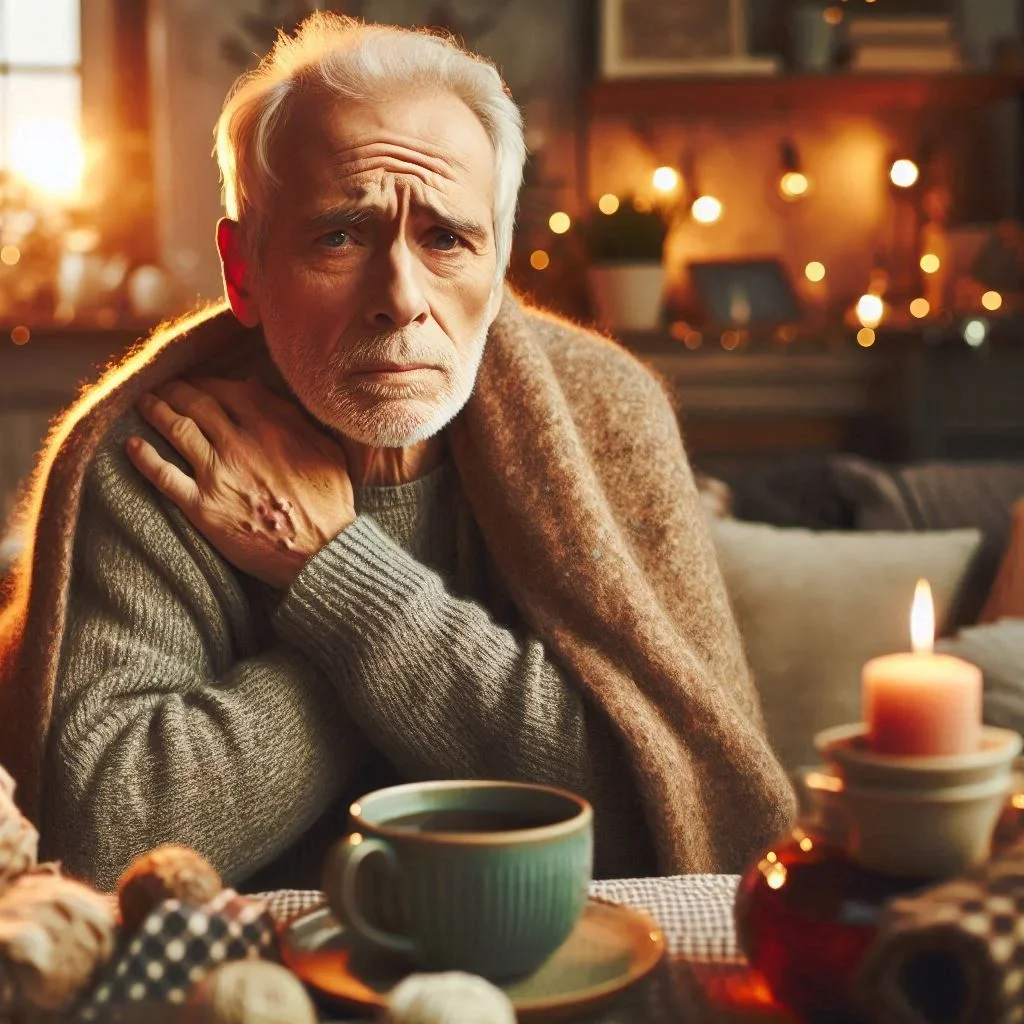
The shingles rash is a key sign, often beginning as small red patches that quickly form clusters of blisters. In older adults, these rashes tend to spread more widely and heal more slowly.
The rash is nearly always limited to one side of the body and follows a distinct nerve pathway. On occasion, the rash appears on the face, which poses risks for vision or hearing if left unchecked. If an older adult has a history of chickenpox and develops sudden pain followed by a localized rash, contact your healthcare provider immediately. Early diagnosis improves outcomes and reduces the risk of long-term nerve damage.
Case Study: Atypical Presentations in Older Adult Populations
Consider the case of Mr. Lee, aged 82, who presented with confusion and unexplained headaches long before his shingles rash appeared. Family members initially attributed these symptoms to normal aging until a telltale line of blisters developed across his torso. Early detection became possible only because a vigilant nurse recognized the warning signs and recommended prompt antiviral medication.
This case is not unique—many older adults experience atypical symptoms such as fever or malaise prior to the classic rash. Sometimes the rash appears in less visible areas or is missed entirely, making close observation and ongoing monitoring essential for the elderly. Quick intervention significantly reduced Mr. Lee's risk of postherpetic neuralgia and other severe side effects.
Complications: Is Shingles Dangerous for Elderly Long-Term?
For many seniors, the dangers of shingles extend far beyond the initial rash. Is shingles dangerous for elderly individuals? Absolutely—especially due to long-term complications. Some of the most serious outcomes affecting older adults include persistent nerve pain, vision loss, pneumonia, and even neurological damage. According to the National Institute on Aging, these risks are highest in those with underlying health conditions or weakened immunity.
The Most Serious Complications of Shingles for Older Adults
Postherpetic neuralgia (PHN)—a condition where severe nerve pain lingers for months or years after the rash heals—is one of the top complications in older adults. Those over 60 are most likely to develop this chronic side effect, affecting up to 1 in 5 elderly patients. In rare cases, the virus spreads to the brain (encephalitis) or lungs (pneumonia), both of which can be life-threatening.
Other complications include skin infections, hearing loss (if the rash affects the ears), and even stroke-like symptoms if major nerves are involved. Hospitalization rates for shingles are significantly higher in people age 65 and older—underscoring why prompt, effective treatment is so important for this group.
Postherpetic Neuralgia: A Main Concern in the Elderly
Of all the complications, postherpetic neuralgia stands out as most challenging for seniors. This condition causes intense, burning nerve pain that can last for years—even after other shingles symptoms have resolved. It often impairs daily activities, disrupts sleep, and diminishes quality of life. The elderly are especially vulnerable because age-related changes in the nervous system make long-term damage more likely.
Preventing PHN is a key goal in managing shingles in seniors. Early use of antiviral medication and aggressive pain control can reduce the risk and severity of lingering pain, but these must be started quickly—ideally within 72 hours of rash onset. This highlights the need for vigilant monitoring and early medical intervention for every older adult who develops shingles.
Other Risks: Vision Loss, Pneumonia, and Hospitalization
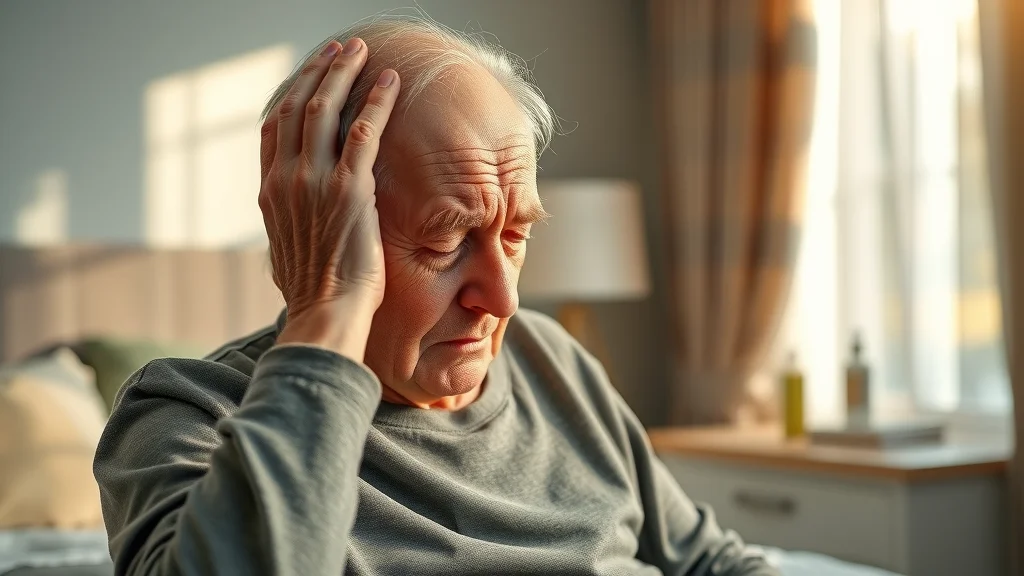
Older adults face higher risks for severe complications like vision loss if shingles affects the eye, a potentially irreversible outcome. When the rash appears near the eyes or forehead, seek urgent medical care to prevent permanent damage.
Other possible complications include bacterial skin infections from open blisters, pneumonia if the lungs become inflamed, and hospitalization if pain or compromised immunity interferes with daily living. Seniors with chronic diseases or those on immunosuppressive therapies are especially susceptible. Rapid recognition and intervention reduce the likelihood of these life-altering consequences.
"Older adults face a much greater risk of life-changing complications such as chronic pain or vision loss from shingles." — Dr. Michael Yeats, Infectious Disease Specialist
Root Causes: Why Do Older Adults Develop Shingles?
Increasing age is the main risk factor for developing shingles. The zoster virus remains dormant in nerve cells after a childhood chickenpox infection, waiting for an opportunity to reactivate. That opportunity often arises when the immune system weakens due to age, illness, or certain medications.
According to the CDC, the risk of developing shingles grows sharply after age 50. This increase matches the natural decline in immune system function—one reason why doctors target older adults for shingles prevention efforts. In addition, chronic medical conditions, malnutrition, and stress can further weaken the body's defenses, tipping the scales in favor of viral reactivation.
Notably, modern trends such as fewer adults being re-exposed to chickenpox (due to widespread varicella vaccination among children) may also be contributing to increased shingles rates in older adults.
How Aging Immune Systems Influence Shingles Risk
The aging process gradually erodes the effectiveness of the immune system, a phenomenon called immunosenescence. Older adults have fewer disease-fighting white blood cells and weaker immune responses, making it harder to control dormant viruses like the zoster virus.
As individuals reach their 60s and beyond, their risk of developing shingles rises significantly. This impaired defense is particularly concerning for seniors who already have chronic illnesses or require medications that suppress immunity. For these adults, the combination of advanced age and a weakened immune system makes shingles not just a possibility, but a very real threat.

What Factors Make Older Adults More Vulnerable to Zoster Virus?
Several factors combine to make older adults more susceptible to the zoster virus:
Age-related immune decline: As discussed, the immune system ages, impairing its response to dormant viruses.
Chronic medical conditions: Illnesses like diabetes, cancer, and heart disease further compromise immune function.
Immunosuppressive treatments: Steroids, chemotherapy, or organ transplants lower the body’s ability to control latent viruses.
Malnutrition or stress: Poor nutrition or emotional stress can erode immunity, especially in older adults living alone or in care facilities.
Watch:
Effective Prevention: Shingles Vaccine for Elderly and Older Adults
The safest and most effective way to prevent shingles in older adults is vaccination. The two main vaccines—Zostavax (live attenuated) and Shingrix (recombinant)—are both approved for people age 50 or older, with the shingles vaccine being highly recommended by infectious disease control authorities.
Clinical trials and real-world studies have demonstrated that the Shingrix vaccine is over 90% effective at preventing shingles and its most severe complication, postherpetic neuralgia, in the elderly. It’s particularly beneficial for those 60 and above, whose immune systems are most at risk. Vaccination not only reduces the chance of developing shingles but also lowers the intensity and duration of symptoms if the illness occurs.
How Effective is the Shingles Vaccine in Older Adults?
Recent data show that the newer recombinant shingles vaccine (Shingrix) is over 90% effective in adults age 50 and up, maintaining robust efficacy even in those over 70. In contrast, the older live vaccine (Zostavax) offers about 50% protection and is less commonly used today. Multiple large studies published in the Centers for Disease Control Morbidity and Mortality Weekly Report confirm that immunization is the single best method to prevent shingles in the elderly.
Side effects are generally mild and may include temporary redness, soreness, or swelling at the injection site. Systemic side effects include mild fever, headache, or fatigue, and typically resolve in a day or two. It’s important to discuss your medical history with a healthcare provider to ensure vaccination is safe and appropriate for your situation.

Shingles Vaccine Recommendations for Elderly Populations
Current guidelines strongly recommend the Shingrix vaccine for adults over age 50, regardless of whether they remember having chickenpox as a child. It is administered in two doses, two to six months apart, and provides long-lasting immunity. The CDC also recommends vaccination for those who have already had shingles to reduce the risk of recurrence.
Consult your healthcare provider before vaccination if you are immunocompromised or have a history of severe allergies. Local health departments and pharmacies often offer shingles vaccination clinics specifically for older adults. Raising community awareness is essential so more elderly individuals receive protection and serious complications are reduced.
Comparison of Shingles Vaccine Efficacy in Different Age Groups
Age Group |
Shingrix Efficacy |
Zostavax Efficacy |
|---|---|---|
50–59 |
97% |
Not Approved |
60–69 |
91% |
64% |
70–79 |
91% |
41% |
80+ |
89% |
18% |
"Vaccination remains the single best strategy for lowering the risk and severity of shingles in those over age 60." — Dr. Priya Mehta, Licensed Immunologist
Treatment Strategies: How to Treat Shingles in the Elderly
Once an older adult is diagnosed with shingles, prompt action is critical to minimize pain and prevent complications. The mainstay of treatment is antiviral medication (such as acyclovir, valacyclovir, or famciclovir), which works best when started within three days of rash onset. Early initiation can shorten the duration of shingles symptoms and cut the risk of postherpetic neuralgia.
Treatment isn't limited to medication. Comprehensive care involves pain management, wound care for the rash, infection control, and vigilant monitoring for complications. Caregivers and healthcare teams play a crucial role in ensuring seniors receive all aspects of care—including emotional support and guidance.
Antiviral Medication Protocols for Older Adults
The CDC and other medical authorities recommend beginning an approved antiviral medication as soon as shingles is diagnosed in older adults. Recommended drugs include acyclovir, valacyclovir, and famciclovir. These antivirals can significantly reduce the duration and severity of a shingles outbreak if started within 72 hours of rash appearance.
Dosing must be carefully managed, especially in older people with kidney or liver impairment. Monitoring for medication side effects—such as gastrointestinal upset or allergic reactions—is necessary. Along with antivirals, doctors may prescribe corticosteroids to reduce inflammation, although these are used with caution in seniors due to potential side effects.
Managing Pain and Shingles Rash in Elderly Patients
Pain management is a top priority, as older adults are more likely to develop severe nerve pain. Over-the-counter pain medications, topical lidocaine patches, and prescription options (including opioids in severe cases) may be required. For the shingles rash, gentle cleansing and antibiotic ointments help prevent secondary skin infections.
Patients should avoid scratching the rash and keep the area clean and dry. Non-drug therapies—such as cool compresses, oatmeal baths, and distraction—can be effective, especially in combination with medication. Caregivers must watch closely for signs of widespread infection or side effects, ensuring immediate help is sought if new symptoms arise.
Supportive Care at Home and Monitoring for Complications
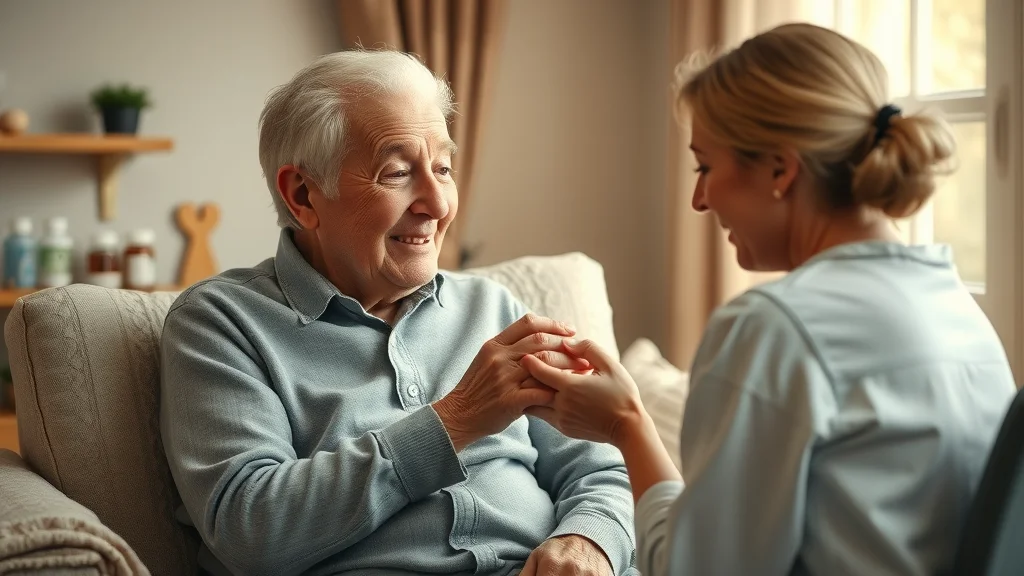
Most seniors with shingles can be treated safely at home through a combination of medication, close observation, and support. Families or caregivers should monitor for fever, increased pain, or any changes in vision, hearing, or mental status. Skin care is vital to prevent bacterial infections—blisters should not be popped or covered with non-breathable bandages.
Social and emotional support is just as important. Shingles can be isolating and distressing; caregivers should encourage gentle activities and maintain routines to reduce stress. If symptoms worsen or side effects develop, consult a healthcare professional immediately.
Watch:
People Also Ask: Shingles Risks and Care for Elderly & Older Adults
What are the complications of shingles in the elderly?
Shingles in the elderly often leads to increased risk of postherpetic neuralgia (persistent nerve pain), vision or hearing loss if the rash is near those organs, skin infections, and in rare cases, pneumonia or encephalitis.
What foods should you avoid when you have shingles?
Seniors with shingles should consider avoiding foods high in arginine (e.g., chocolate, nuts) which can promote virus replication, and focus on lysine-rich options while maintaining a balanced diet.
Why are so many people getting shingles?
Shingles rates have risen due to an aging population and widespread childhood varicella vaccination reducing adults’ natural immunity boosts from exposure.
How do you treat shingles in the elderly?
Prompt antiviral treatment, prescription pain management, and attentive nursing care are essential. Early initiation of antiviral medication is most effective within 72 hours of rash onset.
Expert Recommendations: Keeping Elderly and Older Adults Safe from Shingles
Encourage timely vaccination for all seniors
Educate caregivers on early shingles symptoms
Create care plans for those with compromised immunity
Monitor for complications vigilantly in older adults
Key Takeaways: Is Shingles Dangerous for Elderly in 2024?
Shingles poses substantial risks for the elderly
Timely recognition and care reduce complications
Vaccination is highly recommended for older adult safety
Prompt, evidence-based treatment leads to best outcomes

Frequently Asked Questions: Is Shingles Dangerous for Elderly and Older Adults?
Can you get shingles more than once as an older adult?
Is shingles contagious for elderly family members?
What is the recovery timeline for shingles in seniors?
Are there long-term effects of shingles for older adults?
Resources, References, and Further Reading
Discover How the Latest Shingles Vaccine Can Protect Your Loved Ones—Ask Your Doctor Today
Conclusion: Protecting elderly loved ones from shingles demands vigilance—recognize symptoms early, consider vaccination, and take swift action for the safest outcomes in 2024 and beyond.
Staying proactive about senior health means looking beyond just one condition. If you’re interested in a more holistic approach to wellness and want to help your loved ones remain active and independent, consider exploring energizing exercise routines tailored for older adults.
These strategies not only support recovery from illnesses like shingles but also foster strength, balance, and confidence in daily life. By integrating preventive care with regular movement, you can empower seniors to enjoy a higher quality of life and reduce the risk of future health setbacks. Take the next step in safeguarding well-being—discover how small changes can make a lasting impact. NCWellnessHub.com
Shingles, also known as herpes zoster, is a viral infection that can be particularly severe in older adults. The risk of developing shingles increases with age, and the complications can be more serious in the elderly.
Understanding Shingles in the Elderly
Shingles is caused by the reactivation of the varicella-zoster virus, the same virus responsible for chickenpox. After a person recovers from chickenpox, the virus remains dormant in the nerve tissues and can reactivate later in life as shingles.
This reactivation is more common in older adults due to the natural decline in immune function with age. According to the American Geriatrics Society, adults aged 50 and older should receive the shingles vaccine to protect against the disease and its complications. (healthinaging.org)
Symptoms and Complications
The primary symptom of shingles is a painful rash that typically appears on one side of the body. Other symptoms may include burning or tingling sensations, fluid-filled blisters, and skin sensitivity. In older adults, shingles can lead to severe complications such as postherpetic neuralgia (PHN), a condition where nerve pain persists long after the rash has healed. PHN can be debilitating and may last for months or even years.
Additionally, shingles can cause vision loss if the rash occurs near the eyes, and in rare cases, it can lead to pneumonia, hearing problems, or brain inflammation (encephalitis). (stacks.cdc.gov)
Prevention and Vaccination
Vaccination is the most effective way to prevent shingles and its complications. The Centers for Disease Control and Prevention (CDC) recommends that adults aged 50 and older receive two doses of the Shingrix vaccine, administered 2 to 6 months apart.
Shingrix has been shown to be over 90% effective in preventing shingles and PHN. Even individuals who have previously had shingles or received the older Zostavax vaccine are advised to get Shingrix for better protection. (mcpress.mayoclinic.org)
Conclusion
Shingles poses a significant health risk to older adults, with the potential for severe and long-lasting complications. Recognizing the symptoms early and seeking prompt medical attention can help manage the disease effectively.
Most importantly, vaccination with Shingrix offers strong protection against shingles and its associated complications, making it a crucial preventive measure for those aged 50 and above. NCWellnessHub.com




Write A Comment