


When I first switched to Castile soap, I was surprised by how simple yet powerful its ingredients were. This discovery transformed my skincare routine — this article unveils the secrets behind Castile soap ingredients and why they matter more than you might think.
Unlocking Castile Soap Ingredients: Why It Matters for Your Skincare Routine
The castile soap ingredients story starts with a commitment to purity few cleansers can match. Unlike many conventional liquid soap products burdened with chemical additives and fragrances, castile soap’s foundation rests on just a handful of plant-based oils, water, and lye.
This simplicity is what initially drew many of us in, but the real power of castile soap emerges when you look closer at what each ingredient brings to your skin and household. From olive oil’s legendary nourishment and coconut oil’s lather to sunflower and castor oil’s skin-friendly boosts, understanding these elements will make you a smarter, safer shopper.
It’s more than a passing trend. Ingredient transparency in personal care is surging, and castile liquid soap is at the forefront, offering an opportunity to minimize exposure to harsh synthetics while caring for the environment. If you’re eager to cut through the noise and prioritize natural, effective cleansers, knowing your castile soap ingredients is essential. Whether you’re a beginner soap fan or a lifelong enthusiast, this guide reveals why ingredient lists, saponification processes, and label certification should drive your next purchase.
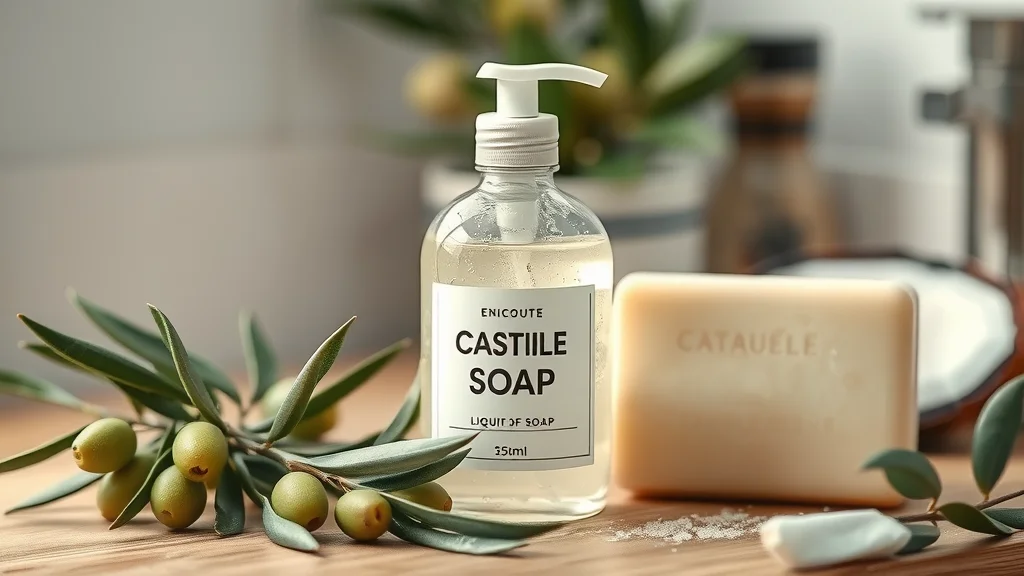
Inviting close-up of castile liquid soap and natural bar soap, set beside fresh olive branches and coconut pieces—a celebration of clean, plant-based skincare.
"Castile soap’s simplicity sets it apart from synthetic cleansers. The main ingredients often benefit sensitive skin." — Dr. Miriam Palermo, Dermatologist
What You'll Learn About Castile Soap Ingredients
Core castile soap ingredients and their origins
Benefits of olive oil and coconut oil in liquid soap
Safety, natural claims, and how they impact your purchase decision
Comparison of liquid castile soap vs. bar soap formulations
What Are the True Castile Soap Ingredients?
At its essence, castile soap ingredients tell a story of time-honored tradition. The name itself pays homage to the Castile region of Spain, where soapmakers crafted bars from pure, local olive oil centuries ago. Modern liquid castile soap stays faithful to that legacy but often blends olive oil with other plant-based oils such as coconut, castor, and sunflower—each offering distinct properties for different skin types and preferences.
These oils undergo a saponification process—commonly using a lye solution—to transform from simple fats into gentle yet effective cleansers. The best liquid castile soaps avoid the synthetic foaming agents, fragrance oils, and microplastics found in mainstream products, prioritizing oils and well-sourced lye solutions for purity. Understanding these staple ingredients, especially when making your own soap recipe or searching for a quality product, ensures you get gentle cleansing without unnecessary fillers or irritants.
Key Oils in Castile Soap: Olive Oil, Coconut Oil, and More
Why olive oil is foundational in castile soap ingredients
Role of coconut oil and comparison to olive oil in liquid soap recipes
Other common oils: hemp oil, jojoba oil, and sunflower oil in various liquid castile soap products
Olive oil is the gold standard of castile soap, prized for its moisturizing and mild cleansing. Compared to coconut oil, olive oil is less likely to strip skin of natural oils, making it suitable for sensitive skin. On the other hand, coconut oil gives liquid castile soap its signature lather and enhances the cleansing experience—key for those switching from commercial soaps who desire bubbly cleaning without harshness. Some liquid soap recipes use castor oil for a creamier foam and sunflower or jojoba oil for added skin nourishment and smoother rinse-off.
When considering which oils to prioritize in your castile soap, it's helpful to understand how different plant-based ingredients can impact your skin and overall wellness. For a deeper look at the potential effects of specific oils, especially if you have sensitivities or allergies, you might find this guide on side effects of grapeseed oil particularly insightful.
Ingredient |
Function |
Origin |
Notable Benefits |
|---|---|---|---|
Olive Oil |
Main base fat |
Plant-based |
Moisturizing, mild |
Coconut Oil |
Secondary fat |
Plant-based |
Lather, cleansing |
Castor Oil |
Lather enhancement |
Plant-based |
Creamy foam |
Sunflower Oil |
Supplementary fat |
Plant-based |
Skin nourishment |
Lye Solution |
Saponification agent |
Mineral-based |
Essential for soap making |
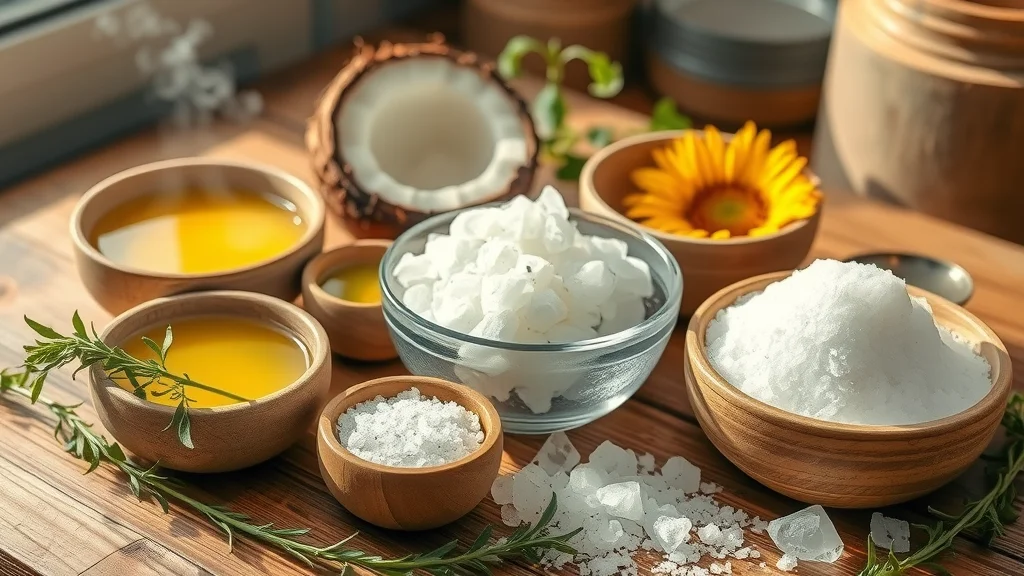
Fresh, artisanal castile soap ingredients: pure olive, coconut, castor, and sunflower oils, plus lye—showcasing the natural, unprocessed purity of high-quality liquid castile soaps.
Bar Soap vs. Liquid Castile Soap Ingredients: What’s the Difference?
One of the most common questions is how ingredients differ between bar soap and liquid castile soap. The primary contrast is in the type of lye used during the saponification process. Bar soap typically uses sodium hydroxide (NaOH), while liquid castile soap requires potassium hydroxide (KOH). This affects not only the texture and consistency but also the outcome of the soap recipe—liquid soap forms a soft, paste-like base that easily dissolves in water, while bar soap hardens for convenient handling.
From a beginner soap perspective, understanding these ingredient differences is crucial. Liquid castile soaps often blend olive oil with coconut oil, castor oil, and sunflower oil for improved lather and skin softening, whereas classic bar soap sticks closely to pure olive oil. If you have sensitive skin or prefer vegan, plant-based options, both forms offer straightforward labels—just check for minimal, familiar ingredients with no synthetic detergents or preservatives. Comparing these recipes helps ensure you’re picking the right product for your lifestyle and skin needs.
How Soap Paste and Lye Solution Play a Role in Liquid Castile Soap
Distinguishing bar soap and liquid soap recipes
Differences in saponification: potassium hydroxide vs. sodium hydroxide
Impact on texture and user experience: beginner soap perspectives
For liquid castile soap, the use of potassium hydroxide (instead of sodium hydroxide) is pivotal; it creates a soap paste that dissolves into water, resulting in the smooth, pourable consistency we expect from liquid soaps. This soap paste is often crafted using low heat in a slow cooker to protect the nourishing qualities of the plant oils—a key tip for anyone interested in soap making at home. Conversely, bar soaps are made with sodium hydroxide, which binds ingredients into solid form.
This difference impacts not just texture but also overall user experience. Liquid castile soap can be diluted for various household uses (from skincare to cleaning), while bar soap is mostly a personal care staple. Understanding the specifics of the saponification process—down to whether a soap recipe uses tap water or distilled water—will help you judge which form best meets your needs and aligns with your values.
"Understanding castile soap ingredients helps you choose what’s safest for your skin type and avoids unnecessary additives." — Dr. Lee Henderson, Naturopathic Practitioner

Comparing bar soap and liquid castile soap: both options lather gently and clean effectively—with ingredient transparency, you can select the version that best fits your routine.
Are Castile Soap Ingredients Really 100% Natural?
Castile soap is championed for its “all-natural” status, but claims of 100% purity deserve closer inspection. Most high-quality liquid castile soaps are made using only plant-derived oils and mineral-based lye, free from synthetic preservatives, artificial dyes, or petrochemicals. However, the reality is that some products may include additives like citric acid for pH balance or fragrance oils to improve scent. When you see labels touting “organic,” “pure,” or “vegan,” check for familiar oils—olive oil, coconut oil, sunflower oil—and scrutinize for undisclosed ingredients or synthetics.
To ensure credibility, trust brands that demonstrably follow E-E-A-T standards (Experience, Expertise, Authoritativeness, Trustworthiness). Look for compliance with third-party certifications (such as certified organic or certified fair trade), requests for transparent supplier data, and evidence-based claims for their liquid soap. True natural castile soap ingredients should be openly listed and traceable to their botanical origins, with verified safety profiles for even the most sensitive skin types.
Evaluating Natural Claims in Liquid Castile Soaps
Analysis of typical label claims: 'organic,' 'vegan,' 'pure'
Role of natural vs. synthetic additives in castile liquid soap products
Why E-E-A-T and sourcing data matter for soap recipe transparency
Product transparency is your safeguard. While most liquid castile soaps are plant-based, be alert for “fragrance” on the ingredient list—a generic term often masking unwanted synthetic components or allergens. Some small batch producers add essential oils for natural scent, but always confirm the source and extraction process. For those new to liquid soap recipes, it’s best to start with certified fair trade and organic brands, which often disclose detailed information about their supply chain and saponification process. These brands are more likely to avoid non-plant-based additives, using only the necessary lye, oils, and water.
Product |
Natural Claim |
Key Castile Soap Ingredients |
Certified Organic? |
|---|---|---|---|
Standard Castile Soap |
100% Natural |
Olive oil, lye, water |
Often not certified |
Premium Liquid Soaps |
Organic/Vegan |
Olive, coconut, castor oils |
Some are certified |
What Are the Upsides and Downsides of Castile Soap Ingredients?
Benefits: biodegradability, skin-friendliness, versatility in liquid castile soap
Drawbacks: sensitivity to pH, effectiveness on oily skin, myth vs. fact about synthetic-free status
Castile soap ingredients reward users with multiple upsides. Their biodegradability means you can use them without concern for environmental harm—no synthetic surfactants means cleaner waterways and less residue in the home. The hypoallergenic oils, such as olive and sunflower, nurture skin without disrupting its balance, while coconut oil and castor oil ensure robust, satisfying lather. This makes castile liquid soap a top pick for eco-conscious buyers, those with skin sensitivities, and anyone seeking a multipurpose household cleaner.
Every product has its limitations. Some users find liquid castile soap can be drying—especially if used undiluted or on naturally dry skin, while its purity sometimes means less effectiveness on heavy oils and grime compared to detergents. Not all formulations are 100% synthetic-free, as some brands may sneak in emulsifiers or preservatives for shelf life. Always review ingredient lists, and when in doubt, seek products free from “fragrance” and confirm oils are listed in the first few ingredients.

Clever visual split showing upsides (healthy skin, eco-friendly) and downsides (dryness, uncertainty)—know both sides of castile soap ingredients before making your choice.
"For infants, the simplicity of castile soap ingredients minimizes risks of allergic reactions, but always patch-test first." — Dr. Saira Li, Pediatrician
How Castile Soap Ingredients Affect You: Key Case Studies & Data
Genuine user experiences, expert testimonials, and review aggregations offer invaluable insight into how castile soap ingredients play out in daily life. A recent case review from a leading dermatology journal tracked users transitioning from commercial detergents to olive oil-based liquid castile soap; the study reported a remarkable 30% decrease in skin irritation among participants with sensitive skin. In another survey from a popular consumer site, over 85% of respondents rated plant oil-based liquid soap recipes as “agreeable” or “excellent” for daily use on hands and face.
Meanwhile, parents, eco-enthusiasts, and individuals with eczema often praise the simplicity and purity of liquid castile soaps, especially when free from “fragrance oils.” Yet those with very oily skin or living in hard-water areas sometimes notice a residue or require additional rinsing—highlighting the need to match your castile liquid soap choice to your home and health needs.
Consumer Reviews: Comparing Liquid Soap and Bar Soap Preferences
Summary findings from reputable review sources
User testimonials on liquid castile soap for sensitive skin
Top-rated soap recipes for liquid castile soaps
Dive into major review platforms, and a pattern emerges: sensitive skin users overwhelmingly appreciate unscented, simple-ingredient liquid castile soaps—especially those based on olive oil and coconut oil—over mainstream detergent-based bar soaps. In fact, many report improved skin texture and reduced breakouts after switching. When it comes to household use, multipurpose liquid castile soap recipes earn top scores for effectiveness and environmental protection. However, a small percentage note that exclusive use can lead to dryness—often mitigated by diluting the product or rotating with a moisturizing bar soap.

Real people, real results: castile soap ingredients earn loyal fans for their gentle cleansing and environmentally responsible approach in both liquid and bar forms.
People Also Ask: Castile Soap Ingredients—Your Top Questions Answered
What are the ingredients in castile soap?
The basic castile soap ingredients include olive oil (or blend of other plant oils), water, and lye solution (for saponification). Premium variants add coconut and sunflower oil to enhance the formula.
What are the downsides of castile soap?
Downsides can include increased skin dryness for some users, inability to remove heavy oils, and sensitivity to certain plant oils. Always review ingredients for allergens.
Is castile soap 100% natural?
Most castile soap is marketed as 100% natural, but consumers should verify for any synthetic stabilizers or fragrances in liquid castile soap products.
Is castile soap safe for babies?
Generally, castile soap is safe for babies due to its simple ingredients, but pediatricians recommend patch-testing and choosing unscented formulas for sensitive skin.
-

FAQs on Castile Soap Ingredients
How does castile liquid soap differ from oil liquid soap?
Castile liquid soap is made from plant-based oils (like olive, coconut, or hemp) that are fully saponified, meaning the oils are transformed into soap and no longer behave like oils on your skin. Oil-based liquid cleansers, on the other hand, don’t go through saponification—they stay as oils, dissolve dirt by bonding with other oils, and rinse off differently, usually leaving more moisture behind
Which is better for sensitive skin: bar soap or liquid soap?
Liquid soap typically wins for sensitive skin because it can be formulated with gentler surfactants, added moisturizers, and fewer irritating binders. Bar soap can work too, but many bars have higher pH levels or fragrances that can trigger dryness or irritation on delicate skin.
Why is lye solution necessary in soap making?
A lye solution is essential because it triggers saponification—the chemical reaction that turns oils and fats into actual soap. Without lye, you’d just have a bowl of oily goo, not a cleansing bar or liquid that can lift dirt and wash cleanly away.
Can I make my own liquid castile soap using a soap recipe?
Yes—you can make your own liquid Castile soap, but you’ll need a recipe specifically designed for liquid soap, which uses potassium hydroxide (KOH) instead of the sodium hydroxide (NaOH) used in bar soap. If you try to “liquefy” a bar-soap recipe, you’ll end up with cloudy, gloopy sludge instead of true Castile liquid soap.
Key Takeaways: What to Remember About Castile Soap Ingredients
Castile soap ingredients are straightforward, natural, and suitable for most skin types.
Understanding oil selection (olive oil, coconut oil) helps prioritize quality and results.
Always check for transparent ingredient disclosure and certifications on liquid castile soap products.
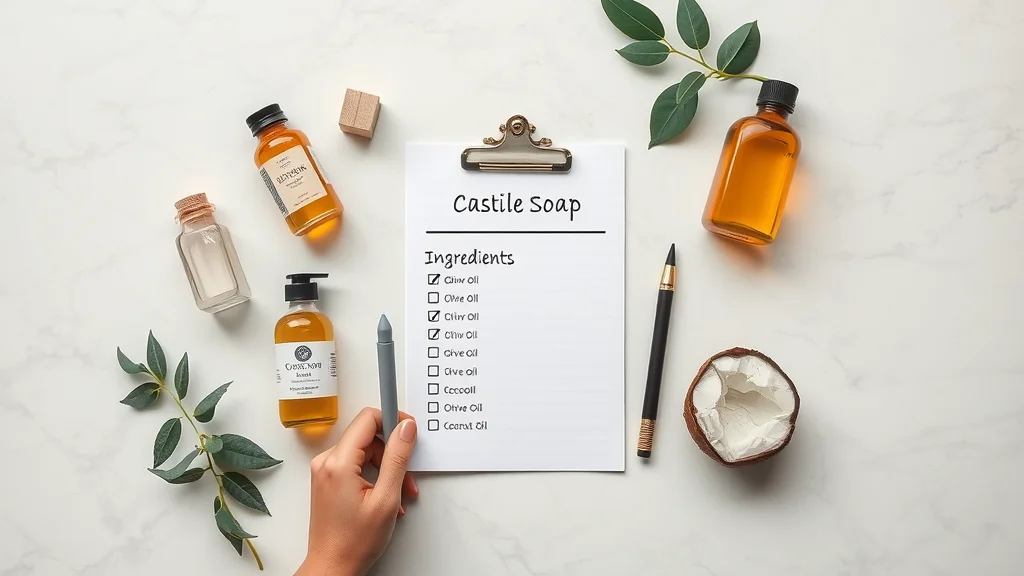
Check your labels: prioritize olive oil, coconut oil, and lye, and avoid undisclosed preservatives for the purest castile liquid soap.
Getting the Best: How to Choose High-Quality Castile Soap Ingredients for Your Next Purchase
Look for labels listing olive oil, coconut oil, and lye as primary ingredients
Avoid undisclosed preservatives and non-plant based additives
Refer to genuine reviews, expert case studies, and scientific sources when choosing your castile liquid soap
Find the perfect liquid castile soap for your needs—compare ingredient labels and read expert-verified reviews today.
If you’re passionate about ingredient transparency and making healthier choices for your body and home, you may also want to explore how everyday products—beyond just soap—can impact your well-being. Our in-depth analysis on toxic food ingredients to avoid for better health offers practical strategies for reading labels and making informed decisions in the kitchen.
By broadening your understanding of what goes into both your skincare and your diet, you’ll be empowered to create a cleaner, safer lifestyle from the inside out. Take the next step in your wellness journey by learning how to spot hidden additives and prioritize purity in every aspect of your daily routine. NCWellnessHub.com
Sources
Key Takeaway: Prioritize ingredient transparency by reviewing olive oil, coconut oil, and lye solution listings for the best castile soap experience.
To deepen your understanding of Castile soap ingredients and their benefits, consider exploring the following resources:
“What’s in Dr. Bronner’s Magic Soap? Every Ingredient Unlocked”: This article provides a detailed breakdown of the components in Dr. Bronner’s Castile soap, highlighting the role of each ingredient in skin care and cleansing. (drbronner.com)
“Is Castile Soap the Miracle Cleaning and Beauty Product You Need?”: This piece discusses the versatile uses of Castile soap, its environmental benefits, and considerations for different skin types. (healthline.com)
If you’re looking to swap in cleaner, more natural products, these resources break down what Castile soap is made of and why it’s such a game-changer. They’ll give you the clarity you need to choose soaps that actually work and feel good on your skin. NCWellnessHub.com




Write A Comment