


Ready to uncover the truth about whether vaping can control your mind and body? Let's dive into what makes vaping addictive, or not, once and for all.

Understanding Addiction: Is Vaping Addictive?
When asking is vaping addictive, it's important to realize that addiction is shaped by both the chemicals inside vaping devices and the daily actions we repeat. Vaping delivers nicotine, which affects your body and brain, but it also forms strong behavioral routines that are deeply rooted in your environment.
Medical experts, including the Centers for Disease Control and Prevention (CDC), agree that the combination of nicotine addiction and repeated behaviors makes vaping powerfully habit-forming—especially for young adults and school students.
The United States Food and Drug Administration has labeled e-cigarettes and vapes as tobacco products due to their high potential for nicotine addiction. Not only do these devices deliver as much (or sometimes more) nicotine than traditional regular cigarettes, but the sleek design and ease of use can make habit loops even stronger. All of these factors mean that vaping can create dependency that's hard to break—sometimes even harder than quitting smoking itself. Let's take a closer look at the science and the stories behind vaping addiction.
"Addiction is not just about the chemical; it's about the behavior and how our brains adapt." – Dr. Sonia Patel, Addiction Specialist

What You'll Learn About: Is Vaping Addictive?
The chemical mechanisms of nicotine addiction
The role of habit loops in vaping addiction
Short- and long-term health effects linked to vaping
Differences and similarities between vaping, smoking, and other nicotine use
How to manage nicotine withdrawal and begin to quit vaping
Is Vaping Addictive? Core Mechanisms Behind Nicotine Addiction
The Role of Nicotine in Vaping Addiction
Nicotine addiction is at the heart of why many people find themselves addicted to vaping. Vaping devices, also called electronic cigarettes, heat a liquid (often called “e-liquid” or “vape juice”) that usually contains nicotine. Nicotine is a highly addictive substance that quickly enters your bloodstream through the lungs and starts affecting your brain in seconds. In fact, studies show that the nicotine level in some vapes can be as high as, or even higher than, that of regular cigarettes.
What makes vaping potentially even more addictive is how fast the effects of nicotine are felt. The faster your brain receives nicotine, the more powerful the reward, and the harder it becomes to stop using. The National Institutes of Health (NIH) and gov websites note that vapes, with their sleek designs, flavored liquids, and high absorption rates, can cause young people and adults alike to become hooked after just a few uses—even if they previously tried to quit smoking traditional tobacco products.
"Nicotine in vapes can be absorbed even more rapidly than cigarettes, making addiction possible—even likely—for frequent users." – Dr. Matthew Chang, Pulmonologist
How Habit Loops Make Vaping Addictive
The addictiveness of vaping isn't just about chemicals. When you reach for a vape in response to stress, boredom, or social situations, your brain builds a "habit loop." This cycle has three main steps: a trigger (like stress or seeing friends), the action (using your vaping device), and the reward (the rush from nicotine or relief from anxiety). Over time, these loops become wired into your daily routines, making it even harder to quit vaping than you might expect.
Routine triggers and environmental cues
Role of reward pathways in the brain
Comparison with regular cigarette and electronic cigarette users
While both regular cigarettes and vapes create habit loops, studies show that the constant access to vapes and their easy concealment make the loops stronger and more frequent. For young adults, school, social pressure, and even seeing others vape can start the cycle. This overlay of behavioral cues on top of nicotine addiction means that the struggle to quit vaping is about much more than just willpower—it's about rewiring habits at the deepest levels.
Understanding the psychological and behavioral aspects of addiction is crucial, especially for young people navigating peer pressure and mental health challenges. For a real-world perspective on overcoming adversity and building resilience, you might find inspiration in this young cancer survivor’s journey to remission and resilience, which highlights the power of support and determination in the face of difficult health battles.

Health Effects of Vaping: Young Adults, Mental Health, and Beyond
Is Vaping Addictive for Young Adults?
Young adults are at a higher risk for nicotine addiction from vaping. According to recent CDC studies, the rate of vaping in school students and teens has skyrocketed over the past decade. The still-developing brains of young people are especially sensitive to nicotine: it changes the way brain circuits form, increases the urge to seek rewards, and makes it easier to become addicted to nicotine or even other substances later.
Prevalence of vaping and nicotine addiction in young adults
Risk factors for developing nicotine addiction among young adult users
In the United States, more than one in four high school students report having used a vaping device, and roughly half of those say they feel they can't quit—even if they want to. Early exposure, peer pressure, and aggressive marketing by e-cigarette companies all contribute to the growing problem of nicotine addiction in this group.
"Young adults are particularly vulnerable to nicotine addiction due to ongoing brain development." – Dr. Heather Lopez, Adolescent Medicine
Mental Health Effects of Vaping Addiction
The impact of vaping addiction extends beyond just the physical. Mental health concerns are deeply linked to nicotine use, especially when someone tries to quit vaping. Studies show that nicotine withdrawal symptoms, such as anxiety, irritability, and low mood, are common and can be intense. People who use vapes to deal with stress may find that their anxiety or depression actually worsens over time, creating a tough cycle that's hard to break.
Anxiety, stress, and withdrawal symptoms
Correlation between nicotine withdrawal and mental health disorders
In addition, young adults who vape may be more likely to develop chronic stress or mood disorders later in life. The regular disruption of the brain’s natural reward systems can lower motivation and even contribute to long-term mental health challenges. Health effects are psychological as well as physical—and supporting mental health is a key part of any plan to quit vaping.
Comparing Health Effects: Vaping vs. Regular Cigarettes vs. Electronic Cigarettes
Health Aspect |
Vaping (E-cigarettes) |
Regular Cigarettes |
Electronic Cigarettes |
|---|---|---|---|
Addiction Risk |
High due to rapid nicotine absorption |
Very high, strong physical and behavioral dependency |
High, varies with product type |
Mental Health Effects |
Anxiety, depression, withdrawal |
Mood disorders, withdrawal, stress |
Anxiety, withdrawal, variable impacts |
Lung Health |
Respiratory irritation, rare lung injury |
Chronic lung diseases, cancer |
Potential irritation and infection |
Long-Term Health Effects |
Still under study; concerns over chronic use |
Well documented: cancer, heart disease |
Unknown; potential risks exist |

Nicotine Withdrawal and Withdrawal Symptoms
Nicotine Withdrawal Symptoms When You Quit Vaping
One of the toughest parts of quitting vaping is dealing with nicotine withdrawal symptoms. Nicotine is a chemical that your brain quickly gets used to, and stopping suddenly can trigger a range of physical and emotional changes. These withdrawal symptoms—including mood swings, cravings, sleep problems, and trouble focusing—are why many people feel quitting vaping is almost impossible without support.
Mood changes and irritability
Sleep disturbances
Physical cravings and concentration difficulties
Some people experience these symptoms within just a few hours of their last vape, and they may last for days or even weeks. The more you use your vaping device or the higher the nicotine level, the more intense nicotine withdrawal may become. This is why planning for support and using proven quitting methods is so important for success.
"Nicotine withdrawal can be severe and is the leading reason why many fail to quit vaping or smoking." – Dr. Robert Nash, Family Physician
The Science of Nicotine Withdrawal: Effects of Nicotine on the Brain
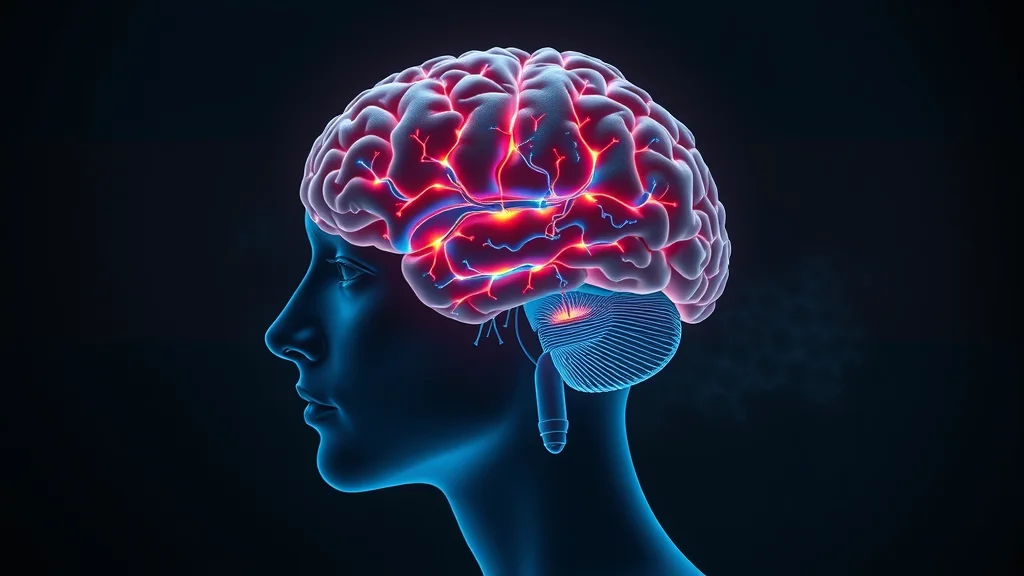
The reason nicotine withdrawal is so challenging comes down to brain chemistry. Nicotine affects the dopamine pathways in your brain, creating a "reward circuit" that feels good each time you vape. Over time, your brain receptors adapt to expect nicotine for those rewards. When you stop vaping, your brain doesn’t release dopamine the same way, leading to feelings of low mood, lack of motivation, and cravings.
Dopamine, brain receptors, and adaptation
Comparison to nicotine addiction from regular cigarettes
These changes are similar for both people addicted to regular cigarettes and those who use e-cigarettes. However, vapes’ high nicotine concentration and frequent usage can make withdrawal faster and more intense. Understanding the effects of nicotine on brain chemistry helps explain why professional support is often needed when you want to quit vaping and avoid relapse.
How Addictive Is Vaping Compared to Smoking? (Answering Common Questions)
Absorption rates
Nicotine concentration in vaping products vs. regular cigarettes
Potential for escalation in nicotine dependency
Vaping and smoking both pose serious risks of nicotine addiction, but there are some key differences in how quickly and intensely that addiction develops. Vaping devices often deliver a controlled, but sometimes very high, nicotine level. Unlike regular cigarettes which burn tobacco, e-cigarettes vaporize liquid and allow repeated "hits" throughout the day—sometimes leading to higher overall nicotine intake.
Comparing studies from major gov websites, the absorption rate of nicotine can be faster with vapes, and nicotine concentration in the strongest vaping products regularly surpasses that in a single cigarette. This quick delivery and potential for frequent use create a real risk that users may become addicted to nicotine at escalating rates. Unless stopped early, dependency can grow steadily with both vaping and smoking, leading to severe withdrawal symptoms if you try to quit.
Nicotine Content: Vape vs. Regular Cigarettes
Product Type |
Nicotine Content (average/unit) |
Method of Delivery |
Potential for Addiction |
|---|---|---|---|
Vape Pen |
1.5–5% per ml (can equal 1–2 packs of cigarettes/bottle) |
Rapid lung absorption |
High – faster than cigarettes in many devices |
Regular Cigarette |
10–12mg per cigarette (absorbed: ~1–2mg) |
Inhalation via burning tobacco |
Very High |
Electronic Cigarette |
Varies (0–5% or more, depending on brand and style) |
Vaporization of e-liquid |
High – varies widely |
People Also Ask: Is Vaping Addictive?
How addictive is a vape?
Vapes can be highly addictive due to the high levels of nicotine and the speed at which the body absorbs it, potentially leading to rapid habit formation and dependency.
What are 5 dangers of vaping?
1. Nicotine addiction and withdrawal symptoms; 2. Lung damage and respiratory issues; 3. Effects on mental health; 4. Toxic chemical exposure; 5. Increased risk for young adults and adolescents.
Why is vaping hard to quit?
Vaping is hard to quit because it creates both a chemical addiction to nicotine and entrenched behavioral habits, reinforced by powerful habit loops and reward signals.
Is it okay to vape occasionally?
Occasional vaping still carries risks, including potential for nicotine addiction, health effects on lung function, and habit formation, especially among young adults.
Original Data: Recent Studies on Vaping Addiction and Health Effects
2021 CDC and NIH studies on youth vaping trends
Peer-reviewed data on long-term effects of nicotine addiction
Comparative analysis with regular cigarette and electronic cigarette populations
A 2021 CDC report found that among U.S. high school students, 11% reported regular vaping, and more than 75% of these users reported nicotine dependence symptoms. Peer-reviewed research in journals such as Tobacco Control and Addiction revealed that health effects of vaping can include both immediate impacts, such as chest pain and shortness of breath, and potential long-term risks, which are still being studied.
When compared to both regular cigarettes and electronic cigarette use, vapes show a similarly high risk of nicotine addiction—with young people being particularly at risk for mental health issues and trouble quitting. The data underscores an urgent need for targeted smoking cessation solutions and public health awareness.
"While data is still emerging, current research indicates a clear potential for addiction and harm, calling for robust smoking cessation support." – Dr. Emily Carter, Clinical Researcher

Smoking Cessation, Quitting Vaping, and Managing Nicotine Withdrawal
Effective Ways to Quit Vaping and Overcome Addiction
The path to quitting vaping and overcoming nicotine addiction is challenging, but far from impossible. Experts recommend a combination of behavioral therapies (like counseling or group support), nicotine replacement therapies (gum, patches, lozenges), and structured smoking cessation programs. The key is to address both the chemical side—reducing your nicotine level gradually—and the psychological side—breaking habit loops and learning to cope without your vaping device.
Behavioral therapies and support groups
Nicotine replacement therapies
Managing withdrawal symptoms
Smoking cessation programs' role
Managing withdrawal symptoms requires practical strategies, such as staying busy, reaching out for help during cravings, and accessing resources from gov websites like Smokefree.gov. Family, friends, and specialized clinics can all play helpful roles, especially for young adults or those who have already tried to quit vaping or smoking in the past. Remember, it often takes more than one attempt, and each step forward counts.
"Quitting is a journey. Support and evidence-based tools make it possible to move beyond addiction." – Dr. Sylvie Grant, Tobacco Cessation Specialist

FAQs About Is Vaping Addictive and Nicotine Withdrawal
Can you get addicted from just one vape?
Yes. Because of high nicotine content, even just one vape can begin the process of addiction, especially in new users and young adults.How quickly can you get hooked on vaping?
Addiction can form within days or a few sessions, especially if vapes are used regularly, due to rapid nicotine absorption and frequent use cycles.Are nicotine-free vapes addictive?
While nicotine-free vapes do not cause chemical dependency, the habitual action can create psychological dependence or transfer the habit to other substances.How can parents help young adults quit vaping?
Open communication, encouragement, access to counseling services, and providing resources (e.g. quit lines, support groups) all help parents guide young adults toward quitting.
Key Takeaways: Is Vaping Addictive?
Nicotine in vapes can create powerful addiction risks and withdrawal symptoms.
Both chemical and behavioral elements drive vaping addiction for young adults and adults alike.
Scientific studies support strong links between vaping, mental health, and the need for evidence-based quitting strategies.
Explore More Insights on Health Effects and Nicotine Addiction
Find more quality content at: NCWellnessHub.com
Conclusion: Vaping is addictive—due to both high nicotine levels and habit loops. Quitting is possible with support and proven strategies—take the next step toward a healthier future.
If you’re interested in how broader wellness trends and community support can shape healthier habits, consider exploring how rural communities are reimagining health and lifestyle. Discover how rural North Carolina is transforming wellness through innovative approaches, local resources, and a renewed focus on holistic health.
This perspective can offer valuable next steps for anyone seeking not just to quit vaping, but to embrace a more balanced and resilient lifestyle overall. Let your journey toward better health be inspired by the collective strength and creativity of communities making real change.
Sources
Vaping is highly addictive due to the presence of nicotine, a substance known for its strong addictive properties. Nicotine reaches the brain within seconds, triggering the release of dopamine, which reinforces the desire to continue vaping. Over time, this can lead to dependence, making it challenging to quit. (healthline.com)
The addictive nature of vaping is not solely due to nicotine. Behavioral patterns, such as using a vape in response to stress or social cues, create habit loops that further entrench the addiction. These routines become deeply ingrained, making cessation efforts more difficult. (teen.smokefree.gov)
Young adults are particularly susceptible to nicotine addiction from vaping. Their developing brains are more sensitive to nicotine, increasing the likelihood of addiction and potential long-term cognitive effects. Additionally, the appealing flavors and sleek designs of vaping devices can make them more enticing to this age group. (lung.org)
Quitting vaping can lead to withdrawal symptoms such as irritability, anxiety, difficulty concentrating, and strong cravings. These symptoms can be intense, often leading individuals back to vaping to alleviate discomfort. Support systems and cessation programs are crucial in managing these withdrawal effects and successfully quitting. (teen.smokefree.gov)
In summary, vaping is addictive due to the combined effects of nicotine and behavioral habit loops. Understanding these mechanisms is essential for developing effective strategies to quit and prevent initiation, especially among young adults.
Continue your journey toward better health with more content at: NCWellnessHub.com




Write A Comment