


Did you know vaping can alter your body in just 30 days? From breathing issues to heart changes, understanding vaping side effects over time is crucial.

What You’ll Learn About Vaping Side Effects
Understand immediate and long-term vaping side effects
Identify the differences in vaping side effects by time period: 30 days, 6 months, and 1 year
Gain a science-backed overview of health effects, nicotine addiction, and mental health concerns
Gather expert insights and advice for those looking to quit vaping or make informed choices
Introduction: Vaping Side Effects and the Urgent Need for Awareness
"Many underestimate the speed at which vaping side effects can emerge. Patients often notice changes in lung capacity and heart rate within only a month of regular use." — Dr. Emile Tran, Pulmonologist
In recent years, vaping has become a common alternative to traditional cigarette smoking, especially among young adults. Yet, despite its popularity, the side effects of vaping are still misunderstood by many. According to experts, symptoms like coughing, increased heart rate, and shortness of breath can appear in as little as 30 days.
As time progresses, long-term health effects may develop—sometimes without obvious warning signs. This article examines the progression of vaping side effects to help you make informed health decisions, highlighting why growing awareness is essential for preventing long-standing harm.

Vaping Side Effects: An Overview
How Vaping Affects the Body: Key Health Effects
Vaping delivers substances like nicotine and tiny particles via electronic cigarettes. Immediately, users may experience respiratory changes (such as coughing and throat irritation), an increase in blood pressure and heart rate, and a heightened risk of nicotine addiction.
Over time, these effects can worsen and extend beyond the lungs, potentially affecting cardiovascular, metabolic, and even mental health systems. Mental health effects—including irritability and anxiety—are often underreported but can be persistent for frequent vapers. Some individuals also report difficulty concentrating and sleep disturbances as vaping side effects develop.
Immediate respiratory changes
Cardiovascular impact
Nicotine addiction potential
Effects of vaping on mental health
"Both the general public and clinicians must stay updated on vaping's evolving health effect profile." — Dr. Linda Osbourne, Public Health Researcher
With vaping products constantly changing and new flavors emerging, the variety and uncertainty of ingredients present novel risks. Public health experts stress the need for continuous research and vigilance in recognizing adverse health effects, particularly for young adults and those with pre-existing conditions.
While vaping is often discussed in the context of respiratory and cardiovascular health, it's important to remember that oral health can also be affected by lifestyle choices. For those interested in maintaining optimal oral hygiene, understanding the longevity and care of your dental tools—such as learning how long an electric toothbrush lasts and how to maximize its effectiveness—can play a key role in supporting overall wellness.

30 Days of Vaping: Early Side Effects on Health
Short-Term Respiratory and Cardiovascular Effects of Vaping
The first 30 days of vaping can reveal surprising changes. One of the most reported vaping side effects in this time is respiratory irritation, manifesting as coughing, a sore throat, or occasional shortness of breath. Users frequently notice an increased heart rate and higher blood pressure, which can place additional stress on the cardiovascular system, particularly in young adults and those sensitive to nicotine. Initial signs of nicotine addiction—such as cravings, restlessness, and mild withdrawal when not vaping—can also surface.
Coughing, sore throat, shortness of breath
Increased heart rate and blood pressure
Initial signs of nicotine addiction

It's not uncommon for first-time users to believe these symptoms are minor or temporary. However, the side effects of vaping often become worse with continued use. Over time, these symptoms may signal developing lung injury or damage, especially when paired with repeated exposure to high doses of nicotine and other chemicals within vape pens. It's important to recognize these warning signs and reassess vaping habits early on to prevent more severe health consequences.
Electronic Cigarette Chemicals and Their Side Effects
Electronic cigarettes and vape pens contain more than just nicotine. Ingredients such as propylene glycol and chemical flavorants, when inhaled, can further irritate the throat and respiratory tract. Scientific studies cite that propylene glycol may lead to mild but persistent throat irritation, while certain flavorants are associated with allergic reactions or hypersensitivity, especially in susceptible individuals. The body can react quickly to these chemicals, with side effects sometimes appearing after just a few uses. The table below summarizes some common chemicals and their short-term effects:
Chemical |
Short-Term Effects |
Approximate Detection Period |
|---|---|---|
Nicotine |
Headaches, dizziness |
Immediate to 7 days |
Propylene Glycol |
Throat irritation |
Immediate to 14 days |
Flavorants |
Allergic reactions |
Immediate to 30 days |
Immediate recognition of these side effects is critical for early intervention. If these symptoms are ignored, ongoing exposure can increase the risk for longer-lasting health issues.
Six Months In: Developing Health Effects of Vaping
Vape Pen Use and Increased Dependency
By the six-month mark, dependency on the vape pen often becomes more apparent. Escalating cravings may drive individuals to use larger quantities or higher nicotine concentrations. Behavioral changes—such as prioritizing vaping over other activities, irritability when not vaping, or even social withdrawal—are increasingly reported by both users and healthcare providers.
The social impact is particularly pronounced among young adults, who may experience isolation from non-vaping peers or family concerns regarding visible behavioral shifts. Such patterns closely mirror those seen with traditional tobacco product dependency.
Escalating cravings
Behavioral changes
Potential for social isolation

Health experts note that nicotine addiction can develop rapidly with regular vape pen use, often more subtly than with traditional cigarettes. As dependence deepens, withdrawal symptoms such as restlessness, anxiety, and difficulty concentrating can emerge during periods of abstinence. This makes it increasingly challenging to quit vaping—a pattern seen in both adolescents and adult users.
Progressive Respiratory Health Effect
"After half a year, many regular vapers face decreased exercise tolerance and chronic bronchitis symptoms." — Dr. Jacki Mendez, Family Medicine
Six months of vaping can cause measurable declines in respiratory health. Studies report that regular users are at higher risk for chronic coughing, bronchitis-like symptoms, and even early signs of lung disease. Users frequently report fatigue and a noticeable drop in exercise capacity, which are warning signs that should not be dismissed.
While the delivery system of vapes is designed to minimize the harshness of inhalation, over time the cumulative effect of inhaling potentially harmful chemicals still causes irritation, inflammation, and in some cases, scarring of lung tissue.

This period marks a transition from reversible short-term symptoms to more persistent or worsening side effects. Early intervention—whether through medical checkups, reduced use, or support to quit vaping—can help limit these effects before they cause long-term harm.
Mental Health Consequences and Side Effects of Vaping
The impact of vaping is not limited to physical health. After several months, disruptions to mental health can become more obvious. Many vapers, especially younger individuals, report mood swings, disturbed sleep, and increased feelings of anxiety or depression.
The cause is believed to be the effect of nicotine and other chemicals on the brain's communication pathways. Such symptoms are compounded by the challenges of nicotine withdrawal—further deepening the cycle of dependency.
Mood swings
Disturbed sleep
Increased anxiety or depressive symptoms
Recognizing and addressing these mental health side effects is vital for individuals seeking to quit vaping or regain emotional balance. If symptoms persist, seeking help from mental health professionals or medical providers is advised.
A Year Later: Chronic and Long-Term Vaping Side Effects
Long-Term Effects of Vaping on the Lungs and Heart
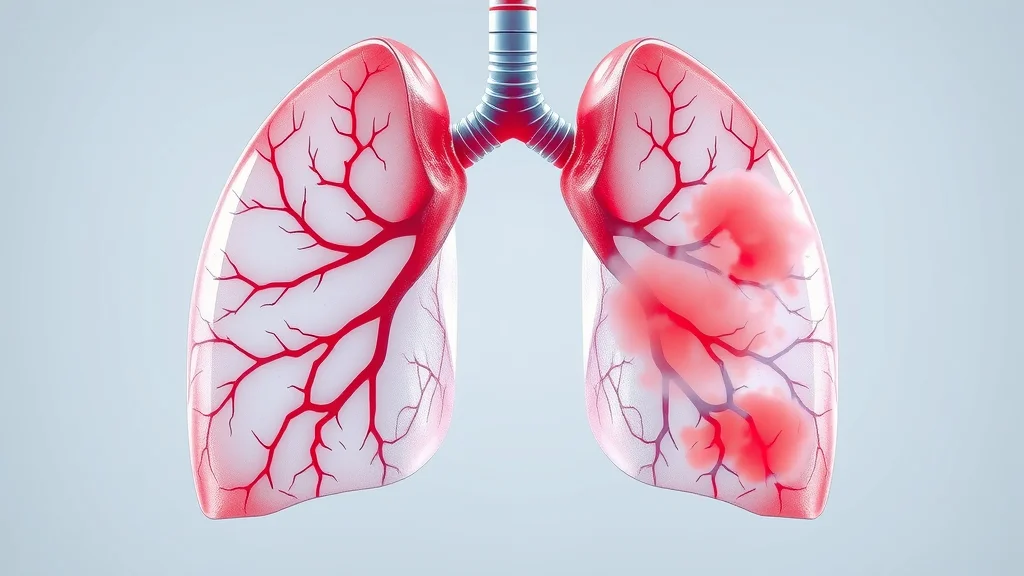
After a year of consistent vaping, chronic symptoms can emerge. A persistent cough, frequent chest discomfort, and shortness of breath are commonly documented. In more severe cases, users may develop higher risks of chronic conditions such as asthma or chronic obstructive pulmonary disease (COPD).
For the cardiovascular system, long-term vaping is linked to increased instances of cardiac arrhythmias and hypertension—outcomes also observed in traditional tobacco product users.
Chronic cough
Higher risk of asthma or COPD
Potential for cardiac arrhythmias

Long-term exposure continues to introduce potentially harmful substances—including toxic metals and volatile organic compounds—into the lungs and bloodstream. Over time, these can undermine not only pulmonary health but also general immune function and metabolic regulation. Medical experts advise yearly checkups and pulmonary screening for regular vapers to catch these health effects early.
Public Health Perspective: Broader Community Health Effects
"The rising incidence of vaping-related illness signals not just personal but significant public health concerns." — Dr. Chante Williams, Epidemiologist
From a public health standpoint, the growing popularity of vaping represents a challenge for the United States and worldwide communities. Reports of lung injury and new cases of vaping-related hospitalizations have prompted public warnings.
While research continues, evidence suggests that vaping can increase the overall burden of chronic respiratory and cardiovascular illness—particularly among young adults and vulnerable populations. This underscores the importance of education, surveillance, and supportive policies aimed at reducing potential harm from electronic cigarette use.
Nicotine Addiction and Challenges to Quit Vaping
Nicotine addiction is one of the most stubborn side effects of vaping after a year. Users often struggle to quit vaping, facing noticeable withdrawal symptoms such as irritability, sleep disturbances, and cravings.
Continued use persists despite experiencing negative health effects or disruptions to daily life, a hallmark of addiction. Research highlights that the strength of psychological dependence on vaping frequently rivals that of cigarette smoking, necessitating targeted support and intervention strategies for successful cessation.
Noticeable withdrawal symptoms
Difficulty quitting despite negative effects
Impact on daily functioning
Effects of Vaping vs. Smoking: Is Vaping Healthier Than Smoking?
Criteria |
Vaping Side Effects |
Smoking Side Effects |
|---|---|---|
Lung Function |
Reduced, slower progression |
Rapid decline |
Carcinogen Exposure |
Lower but present |
Much higher |
Nicotine Addiction |
Significant |
Very significant |
Public Health Risks |
Emerging |
Established |
"Both vaping side effects and traditional smoking create lasting health challenges. Neither should be considered safe without clear, long-term research." — Dr. Raj Patel, Addiction Specialist
While vaping often results in lower immediate exposure to some carcinogens compared to smoking, the presence of potentially harmful chemicals in e-cigarettes cannot be ignored. Existing scientific evidence underscores that both methods of nicotine delivery pose substantial health risks. Experts recommend prioritizing smoking cessation or vaping cessation support for all users.
What are the 5 Dangers of Vaping?
Respiratory damage
Increased risk of heart disease
Nicotine addiction and withdrawal
Mental health effects
Potential for toxic chemical exposure
Each danger reflects mounting evidence linking vaping side effects to harm across multiple organ systems. Recent studies highlight the presence of toxic heavy metals and volatile substances in certain devices—challenging the earlier perception of their safety. The risk is amplified by inconsistent labeling and quality control in the vape pen and e-liquid market.

What are the Worst Symptoms of Vaping? (People Also Ask)
Severe coughing or wheezing
Chest pain
Heart palpitations
Panic attacks or severe anxiety
The most severe symptoms of vaping side effects arise in frequent or long-term users, particularly those with underlying medical or psychiatric conditions. Any escalation, especially sudden chest pain or heart palpitations, requires immediate medical attention. Cases of severe lung injury (EVALI) have been reported in hospitalized patients, demonstrating that vaping is not without acute risks.
What are the Effects of Vaping on the Body? (People Also Ask)
Respiratory irritation
Oral and dental damage
Immune suppression
Metabolic changes
Clinical research points to a wide scope of health effects of vaping. Besides airway and lung symptoms, dental professionals report increased rates of gum disease and enamel erosion among frequent users. Immune suppression—linked to chemical exposure from e-cigarettes—may elevate the risk of infections. Some studies also indicate that vaping can disrupt metabolic regulation, impacting blood sugar and fat processing.

Is Vaping Healthier Than Smoking?
Lower tar and carcinogen levels than smoking
Persistent risks of addiction
Early data suggests less immediate harm, but long-term vaping side effects remain less well-documented
While vaping may appear to be a safer option compared to cigarette smoking, both carry significant health dangers. Current research reveals that vaping's long-term health effects could be more severe than previously thought, especially with chronic use or exposure to unregulated products. The safest choice remains to quit vaping and smoking entirely.
Watch this short explainer featuring researchers discussing recent data and trends on vaping side effects after 30 days, 6 months, and a year.
Personal accounts and professional advice on recognizing early vaping side effects, quitting strategies, and navigating withdrawal—helping you or loved ones find the right way to quit vaping for good.
Essential List: How To Minimize Vaping Side Effects and Support Healthier Choices
Monitor your health closely
Choose products with known ingredients
Consult with medical professionals if you notice symptoms
Seek support if you want to quit vaping
Making informed choices and staying alert to new research is key. If you want to reduce or quit vaping, reach out to healthcare providers for personalized guidance.

FAQs on Vaping Side Effects
-
How quickly do vaping side effects appear?
Many people experience vaping side effects within days or weeks.
-
Are some electronic cigarettes worse than others?
Some electronic cigarettes, especially those with higher nicotine concentrations or illicit additives, can cause more serious health risks.
-
Can you reverse the effects of vaping by quitting?
Quitting early and scheduling regular health checks are crucial steps to help reverse certain effects and improve long-term outcomes.

Key Takeaways: Vaping Side Effects Timeline
Vaping side effects emerge rapidly, with substantial changes observable after just one month
Health risks increase over time, affecting both mental and physical well-being
Both smoking and vaping carry significant dangers, and long-term research is still evolving
Learn More About Wellness and Health Effects
Explore more evidence-based wellness content at NCWellnessHub.com
If you’re interested in the broader impact of lifestyle choices on your overall health, consider exploring how emotional well-being can shape physical outcomes. Our in-depth article on the effects of loneliness on both mind and body reveals surprising connections between social health and physical resilience.
By understanding how factors like stress, isolation, and community support influence your body, you can take a more holistic approach to wellness. Dive deeper to discover actionable strategies for nurturing both your mental and physical health, empowering you to make informed decisions for a healthier future.
Sources:
CDC – https://www.cdc.gov/tobacco/basic_information/e-cigarettes/index.htm
National Heart, Lung, and Blood Institute – https://www.nhlbi.nih.gov/health-topics/e-cigarettes
To deepen your understanding of vaping side effects, consider exploring the following authoritative resources:
The Centers for Disease Control and Prevention (CDC) provides comprehensive information on the health effects of vaping, including risks associated with nicotine addiction and exposure to harmful chemicals. (cdc.gov)
The National Institutes of Health (NIH) offers insights into the damaging effects of vaping on blood vessels, highlighting increased risks for cardiovascular disease. (nih.gov)
These resources offer valuable insights into the health implications of vaping, aiding in informed decision-making regarding its use. NCWellnessHub.com




Write A Comment