


I was convinced artificial sweeteners were harmless until I noticed unexpected weight gain myself. This revelation challenges everything we believe about "diet" products. Understanding this hidden truth can empower you to make truly healthier choices and reclaim control over your weight and well-being.
In this article, I’ll reveal the paradox behind artificial sweeteners weight gain, share both the science and stories that matter, and help you avoid the traps I—and millions of others—fell for.

Opening Confession: My Experience with Artificial Sweeteners and Weight Gain
Like many people hoping to shed a few pounds, I swapped my daily sugary sodas for diet soda, believing every calorie saved would bring me closer to my goal body weight. Yet, over several months, I noticed my clothes fitting tighter and the bathroom scale inching up, not down. I tracked calories and made other healthy changes, but the only constant was my artificial sweetener habit.
It forced me to question: could diet beverages, outwardly “healthier” because of zero added sugar, be fueling my increased body mass and stubborn adipose tissue?
My story is far from unique—thousands have found themselves puzzled by the paradox of artificial sweeteners weight gain, which is why I’m sharing what really happens when you look beyond the sweet taste and marketing promises.

Contemplating the hidden impact of artificial sweeteners on body weight at the breakfast table.
What You'll Learn About Artificial Sweeteners Weight Gain
How artificial sweeteners may contribute to weight gain
Impact of artificial sweeteners on body weight, adipose tissue, and metabolic health
Status of scientific studies on artificial sweeteners weight gain
Practical insights to avoid hidden pitfalls of calorie sweeteners
Expert quotes and data-driven conclusions
The Artificial Sweeteners Weight Gain Paradox: Why ‘Diet’ Might Not Mean Healthy
The term artificial sweetener refers to a wide range of substances that deliver a sweet taste without the calories found in sugar. These include aspartame, sucralose, saccharin, and stevia—each claiming to help with body weight management. Most are hundreds of times sweeter than regular sugar, so only tiny amounts are needed to make food or drinks taste sweet.
This “zero-calorie” reputation is trumpeted everywhere from diet soda commercials to snack packaging, making it easy to believe that swapping sugar for artificial sweeteners is a simple road to weight loss and a healthier body mass index (BMI).
However, this logic is often misleading. Recent observational studies and controlled trials reveal that people regularly consuming diet beverages can develop an increased body weight, even as their added sugar intake drops. How does this happen? It turns out, “diet” doesn’t always mean healthier—especially if it masks habits or triggers responses in the body that can quietly undermine efforts at weight management.
By trusting every “zero calorie” label, consumers might overlook how the reward pathway in the brain, appetite regulation, and even gut health are affected by artificial sweeteners, leading to outcomes opposite those intended.
Scientific Evidence: Do Artificial Sweeteners Cause Weight Gain or Weight Loss?
"Recent research from randomized controlled trials suggests artificial sweeteners may paradoxically encourage increased body weight in some individuals." — Dr. Sara Moore, Nutrition Scientist
Scientific opinion about the relationship between artificial sweeteners weight gain is undergoing a shift. For years, weight loss claims were built on the logic that swapping out sugar equals lost pounds. But today, both randomized controlled trials and observational studies show more nuanced, sometimes troubling, results. While some trials suggest that artificial sweeteners can help reduce energy intake in the short term, longer-term trials—and real-world experience—have linked frequent use to higher BMI and even increased body fat.

Why the contradiction? Part of the answer lies in the differences between controlled settings and real life. While a randomized controlled trial can isolate one variable, such as switching to diet beverages, everyday habits—like compensating with extra snacks or the psychological “reward” of picking a “diet” product—can tip the balance.
Another factor is the health status of study participants: in those with metabolic syndrome or impaired metabolic health, any disruption of appetite signals or glucose response can lead to adipose tissue accumulation, even if calorie intake appears lower.
For those interested in practical, science-backed strategies to address stubborn fat, you might find it helpful to explore how certain foods and simple daily habits can specifically target visceral fat. The article reveals how a single tablespoon of a common ingredient may support visceral fat reduction and weight management, offering actionable tips that complement the insights shared here.
Artificial Sweeteners Weight Gain in Controlled Trials
When scientists examine artificial sweeteners weight gain in randomized controlled trials, their findings vary depending on design and population. Meta-analyses—which pool data across multiple studies—highlight that some people lose weight with artificially sweetened drinks, while others either gain or experience no change. The role of metabolic health is critical: individuals with underlying metabolic syndrome or insulin resistance may be more vulnerable to the “paradox” effect, where consuming artificial sweeteners changes how the body manages hunger, body weight, and fat storage.
For instance, studies show that diet beverages may disrupt the sweet taste receptor system, resulting in signals that increase energy intake or cravings for real sugar, negating their calorie-free advantage. Meanwhile, adults with healthy metabolism often experience more neutral or even mildly positive outcomes. Clearly, no verdict is one-size-fits-all—and that’s why it’s vital to look at a broad comparison of outcomes.
Comparison of Studies on Artificial Sweeteners and Weight Gain/Loss
Source/Study |
Participants |
Duration |
Reported Effect |
Body Weight Change |
Adipose Tissue Change |
|---|---|---|---|---|---|
Randomized Controlled Trial A |
Adults w/ overweight |
12 months |
Mixed (weight gain in some) |
+1.2 kg vs control |
↑ trunk fat mass |
Randomized Controlled Trial B |
Healthy adults |
6 months |
Neutral |
-0.2 kg difference |
No significant change |
Meta-Analysis of RCTs |
Adults & children |
3–24 months |
Varied, but risk for ↑ BMI |
Higher BMI in longer use |
Not always measured |
Observational Study C |
Middle-aged, habitual users |
Multi-year |
Predicts weight gain |
+2.1 kg increase |
↑ adiposity/waist |
Biological Mechanisms: How Artificial Sweeteners Influence Body Weight and Adipose Tissue
Understanding the biological mechanisms behind artificial sweeteners weight gain is key to unraveling why zero-calorie products don’t always equal zero risk. Artificial sweeteners interact with the brain’s reward pathway, taste receptors, hormones, and even the gut, all of which influence hunger, satiety, and the storage of fat or adipose tissue. Notably, new research is uncovering how these substances can disrupt appetite regulation and make it harder to achieve or maintain a healthy body weight.
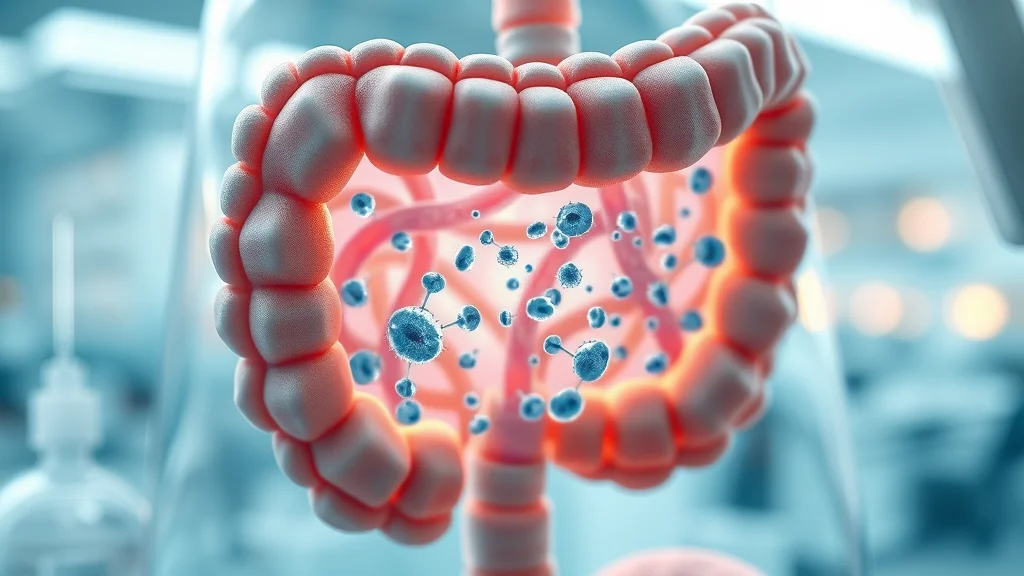
Biological pathways: how artificial sweeteners may influence appetite, gut health, and fat formation.
For example, the lack of real calories in diet soda doesn't always mean fewer cravings. The sweet taste can prime your brain to expect a glucose rush. When calories don’t arrive, hunger or cravings for carbohydrates may spike, contributing to higher calorie consumption over time. Additionally, some studies show that the gut microbiome can shift with frequent artificial sweetener exposure, leading to metabolic changes that support the growth of adipose tissue and even increase the risk for weight gain or metabolic syndrome.
How artificial sweeteners affect appetite regulation
Impact on adipose tissue formation
Potential impact on blood sugar and metabolic health
How Do Artificial Sweeteners Interact with Gut Microbiome and Metabolic Health?
The connection between artificial sweeteners and our gut health is a rapidly evolving area of science. When artificial sweeteners reach the digestive tract, they interact with gut bacteria, sometimes causing shifts that are linked to poorer metabolic health. Altered microbiome profiles have been tied to difficulty in regulating blood sugar, raising the stakes for those prone to metabolic syndrome or insulin resistance.
Specific observational studies reveal that people who routinely consume these sweeteners can develop gut flora profiles associated with increased body mass and even greater adipose tissue deposits. The interplay isn’t fully understood, but the mounting data suggests that even foods intended to help control body weight might have unintended, long-term effects.
Microbiome alterations related to artificial sweetener intake
Influence on metabolic syndrome and insulin response

Not all beverages are equal: soda with artificial sweetener vs. water—think before you sip.
Comparing Artificial Sweeteners: Are All Types Equally Linked to Weight Gain?
Not all artificial sweeteners are created equal. Some are metabolized in the body while others pass through largely unchanged. Aspartame, sucralose, and saccharin are the most common in diet soda and other diet beverages, while stevia—praised as "natural"—is increasingly used as a substitute. Their effects on body weight and adipose tissue can differ, and emerging data suggest that some (like saccharin and sucralose) may be more closely associated with weight gain and metabolic changes than others.
Breakdown of aspartame, sucralose, saccharin, stevia, and other non-calorie sweeteners
Relative risks for increased body weight and adipose tissue

Not all sweeteners are equal: relative risks for weight gain vary among popular options.
Calorie Sweeteners vs Artificial Sweeteners: What’s Worse for Weight Gain?
Comparing calorie sweeteners (like sugar, honey, agave) with their artificial counterparts opens a new debate. Classic wisdom holds that “real” sugar increases body mass index and contributes to the obesity epidemic via high energy intake, but swapping to artificial sweetener in diet soda doesn’t guarantee weight loss.
Short-term, people may see diminished sugar intake and a lower calorie bill, but over the long haul, disruptions to appetite, gut health, or the brain’s sweet taste perception may drive weight gain anyway.
The best answer isn't always “ditch sugar for artificial sweeteners. ” By choosing water, unsweetened teas, or whole foods instead, you sidestep the complex metabolic effects of both and support your body’s natural appetite regulation. The quest for sweetness—natural or artificial—may always have hidden consequences for adipose tissue and body weight.
Short-term vs long-term effects
Sugar, honey, agave, and artificial sweetener outcomes
Marketing Myths: How Diet Products With Artificial Sweeteners Target Weight Loss Seekers
Walking down the grocery aisle, it’s easy to believe “diet” and “sugar-free” guarantees a leaner physique. Marketing for diet soda, low-calorie snacks, and deceptively healthy diet products exploits our faith in quick fixes for body weight. Bright labels, buzzwords like “zero calorie,” and celebrity endorsements suggest anyone can win the fight against weight gain—so long as you buy their product.

“Diet” doesn’t always mean healthy: hidden risks on grocery shelves for those hoping for easy weight loss.
Analysis of diet soda, low-calorie snacks, and sugar-free foods
Labeling tricks about artificial sweeteners and body weight perception
"Just because it's labeled 'diet' doesn't mean it's good for your waistline." — Registered Dietitian Laura Smith
Relatable Stories: Readers’ Real Experiences with Artificial Sweeteners and Weight Gain
You don’t need to look far to find anecdotes about the confusing effects of artificial sweeteners weight gain. Some find that dropping diet soda and artificially sweetened snacks triggers weight loss and less adipose tissue around their waistline.
Others experience no change, while a third group actually sees their body weight increase despite dutifully avoiding added sugar. Factors like metabolic health, genetics, eating habits, and psychological responses all play a role—making personal experiences a vital piece of the puzzle.

Diverse perspectives: some lose, some gain—everyone has their own story with artificial sweeteners and weight.
User testimonials about increased body weight
Contrasting perspectives: weight gain, weight loss, or no change
Debunking Common Misconceptions About Artificial Sweeteners Weight Gain
A persistent myth about artificial sweeteners is that they're a “free pass” for dieters—eat as many as you like with no consequences for body weight. In reality, the differences between artificial sweeteners and calorie sweeteners are complex and highly individual.
For some, swapping sugar for a sweet taste from a diet beverage helps control body mass, but for others, it could lead to more hunger, cravings, and even increased adipose tissue. The body may still store fat if overall habits, metabolism, or microbiome balance tip out of favor.
Are artificial sweeteners ‘free passes’ for dieting?
Differences between artificial sweeteners and calorie sweeteners
Why your body might still store fat (adipose tissue)
Practical Advice: Healthier Ways to Manage Weight Beyond Artificial Sweeteners
If you’re ready to take charge of your health and sidestep the artificial sweeteners weight gain dilemma, try these evidence-backed steps:
Gradually reduce dependence on artificial sweeteners by resetting your sense of sweetness—start by using half as much in coffee, or splitting diet sodas with seltzer water.
Swap in whole foods: Replace diet beverages and snacks with naturally sweet options like fruit, which also provide fiber and nutrients.
Set realistic goals: Focus on moving toward a balanced, enjoyable diet and a sustainable body mass index rather than chasing a quick “fix.”

Small daily changes, like choosing a fresh smoothie over a diet soda, can support healthier weight and metabolism.
People Also Ask: Will I Lose Weight If I Cut Out Artificial Sweeteners?
Answer
Although individual results vary, some people experience reduced cravings and easier weight loss after cutting artificial sweeteners, as appetite regulation and metabolic health can improve.
Scientific evidence is mixed, so monitoring personal progress is essential.
FAQs: Artificial Sweeteners Weight Gain and More
How long does it take to see changes in body weight after removing artificial sweeteners?
Most people notice differences in appetite, cravings, or body mass within weeks, but substantial weight loss may take months as the body resets and habits adapt.Are natural sweeteners safer for metabolic health?
Generally, unprocessed options like fruit or small amounts of honey may be less disruptive to metabolic health, but they still contain calories and should be used mindfully.Can artificial sweeteners trigger cravings for calorie sweeteners?
Yes, the sweet taste can stimulate the reward pathway of the brain, sometimes increasing cravings for sugar and calories.What role does adipose tissue play in weight management?
Adipose tissue stores excess energy as fat. Chronic disruptions in hunger hormones, metabolism, or dietary choices can cause it to increase, impacting body weight and health.

Progress takes time: monitoring your weight after making dietary changes can guide your health journey.
Key Takeaways on Artificial Sweeteners, Body Weight, and Your Health
Artificial sweeteners may contribute to weight gain for some people.
Metabolic health, appetite, and individual biology play important roles.
Being critical of ‘diet’ marketing can help consumers make informed choices.
Moving Forward: Redefining a ‘Healthy’ Diet in Light of Artificial Sweeteners Weight Gain
True health isn’t just about choosing “diet” options—it’s about understanding your body, listening to your experiences, and making mindful, informed dietary choices so that you support real weight loss and long-term well-being.
If you’re inspired to take a more holistic approach to your health journey, consider looking beyond just sweeteners and examining other hidden factors in your diet that may be affecting your well-being. For example, even foods that seem healthy can sometimes cause unexpected issues like bloating or discomfort.
To deepen your understanding and uncover what else might be impacting your body, explore this guide to identifying foods that may be causing bloating—even the ones you think are good for you. Expanding your knowledge in this way can empower you to make smarter, more personalized choices for lasting wellness.
For well-curated articles and expert perspectives, visit NCWellnessHub.com
Sources
NCBI – https://www.ncbi.nlm.nih.gov/pmc/articles/PMC6164250/
Healthline – https://www.healthline.com/nutrition/artificial-sweeteners-good-or-bad
JAMA Network Open – https://jamanetwork.com/journals/jamanetworkopen/fullarticle/2736985
CDC – https://www.cdc.gov/nutrition/data-statistics/diet-beverages-and-body-weight.html
Frontiers in Nutrition – https://www.frontiersin.org/articles/10.3389/fnut.2021.669914/full
Recent studies have raised concerns about the effectiveness of artificial sweeteners in weight management. A comprehensive review published in the Canadian Medical Association Journal analyzed data from 37 studies involving over 400,000 individuals and found no significant weight loss associated with artificial sweetener use. Instead, frequent consumption was linked to increased risks of obesity, diabetes, and heart disease. (time. com)
Similarly, research highlighted by TIME suggests that drinking diet soda may contribute to weight gain rather than weight loss, with studies indicating that regular consumption is associated with higher risks of Type 2 diabetes, metabolic syndrome, and cardiovascular problems. (time. com)
These findings suggest that artificial sweeteners may not be the weight-loss solution they are often marketed to be. Explore more evidence-based wellness content at NCWellnessHub.com




Write A Comment