



Did you know that despite its 'zero sugar' label, diet soda might not aid weight loss as promised? Studies reveal artificial sweeteners can trigger cravings and metabolic changes, challenging the diet soda myth. Understanding this is key to making smarter beverage choices for real weight management success.
Diet Soda Myth: Why Nutrition Facts Leave More Questions Than Answers
Take a glance at a can of diet soda and you’ll spot enticing promises: “zero sugar,” “no calories,” “guilt-free. ” But for those on a quest for weight loss, these claims may create more confusion than clarity. Despite the assurance on nutrition labels, experts warn the diet soda myth can distract us from the complexities of what these drinks do to our body and brain. While it’s true that diet soda lacks the calorie content of its sugary counterpart, the story doesn’t end with calories alone—especially when artificial sweeteners are involved.
Today, more people than ever turn to diet sodas hoping to reduce belly fat, moderate their intake of added sugars, and make “smart” beverage choices. Yet, studies suggest that artificial sweeteners found in diet soda might have unintended health consequences. In fact, emerging research points toward possible disruptions in metabolism, increased cravings for sweet foods, and a greater risk for metabolic syndrome. As we peel back the labels, it’s crucial to move beyond marketing and look at how these beverages truly fit into our daily health picture.

The Allure and Controversy Behind Diet Soda and Zero Sugar Claims
The diet soda myth thrives because the “zero sugar” label seems to offer a shortcut to weight loss without sacrifice. This allure taps into our desire for sweet foods without guilt. But behind the colorful cans and marketing buzzwords, there’s a brewing controversy. Nutritionists and health researchers increasingly note that artificial sweetener consumption may not deliver the promised results—and could even backfire.
For many consumers, drinking diet soda is less about taste and more about hope: hope for easier weight management, freedom from calorie-counting, and better gut health. However, evidence is mounting that diet soda might not just fail to help; it might contribute to the very issues people want to avoid, including increased appetite, cravings for sweet foods, and potential risk of heart complications.
The Rise of Artificial Sweetener and Artificial Sweeteners in ‘Healthy’ Marketing
The popularity of diet drinks has soared as beverage giants championed the power of artificial sweeteners to provide sweetness without calories. Substances like aspartame, sucralose, and saccharin have become household names, integral to the “diet” revolution. Brands tout these ingredients as tools for healthier living, making it easier to skip sugary sodas and reduce calorie intake.
But as the market floods with new sweetened beverages, public health experts question the long-term impact. Epidemiological research and clinical trials highlight a link between high consumption of sweeteners and alterations in metabolism, taste preferences, and even potential cancer risk. While labeling and advertising play a powerful role in shaping consumer perception, it’s crucial to investigate what these “healthy” marketing messages really mean for our wellbeing.
If you're interested in practical, science-backed ways to support weight management beyond just avoiding diet sodas, you might find it helpful to explore how natural beverages like green tea can play a role. For example, discovering the effective ways green tea supports fat burning for women can offer a more holistic approach to healthy hydration and metabolism.
What You'll Learn: Debunking the Diet Soda Myth
What science really says about diet soda and weight loss
Key artificial sweeteners used in diet soda
Potential cancer risks and health implications
How sweetened beverages may impact cravings and metabolism
Evidence-based alternatives to diet soda for effective weight management
Understanding the Diet Soda Myth: Separating Perception from Reality
Why Diet Soda Promises May Fall Short for Weight Loss
Many people grab a can of diet soda expecting an automatic shortcut to weight loss. After all, replacing sugary drinks with a “diet” beverage seems like a no-brainer. However, decades of research complicate this logic. Studies suggest artificial sweeteners disrupt our body’s normal response to sweetness. Instead of signaling satisfaction, these “zero-calorie” substitutes can alter how our brain regulates hunger and fullness.
In practical terms, this means that some people who drink diet soda may feel hungrier, crave more sweet foods, or compensate by eating additional calories elsewhere. The result? Despite consuming fewer soda calories, total daily intake may stay the same—or even rise. This phenomenon is sometimes called the “calorie compensation” effect, and it may help explain why drinking diet soda has not consistently led to reductions in body weight or decreased belly fat in controlled studies.
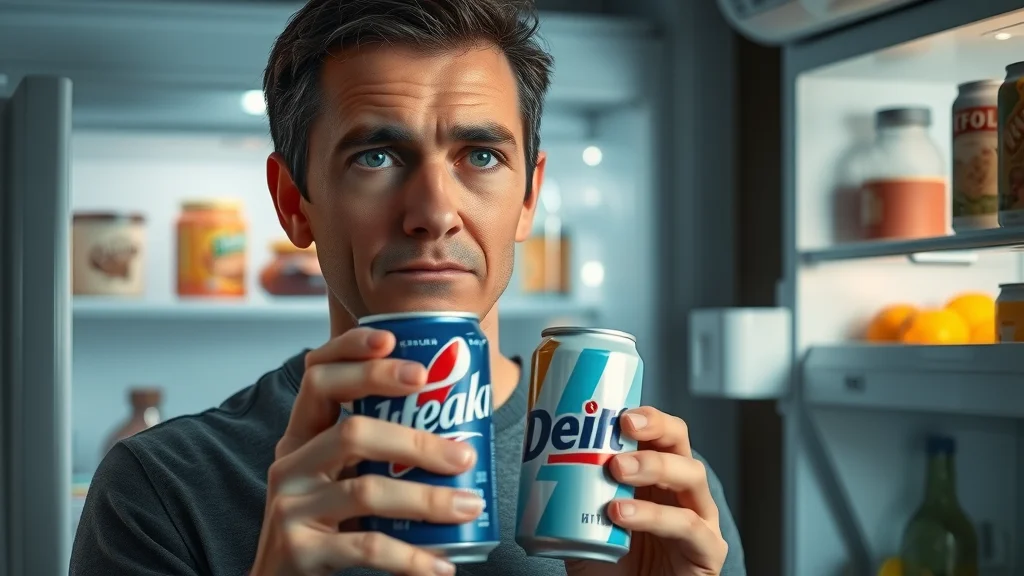
Diet Soda Versus Regular Soda: Real Differences in Caloric, Metabolic, and Satiety Impact
At a glance, the biggest difference between diet soda and regular soda is clear: calories and sugar content. Regular sodas are loaded with added sugars—contributing to spikes in blood sugar, weight gain, and increased risk for metabolic syndrome. Diet sodas, on the other hand, contain artificial sweeteners like aspartame, sucralose, or ace-K, which provide intense sweetness without the calories.
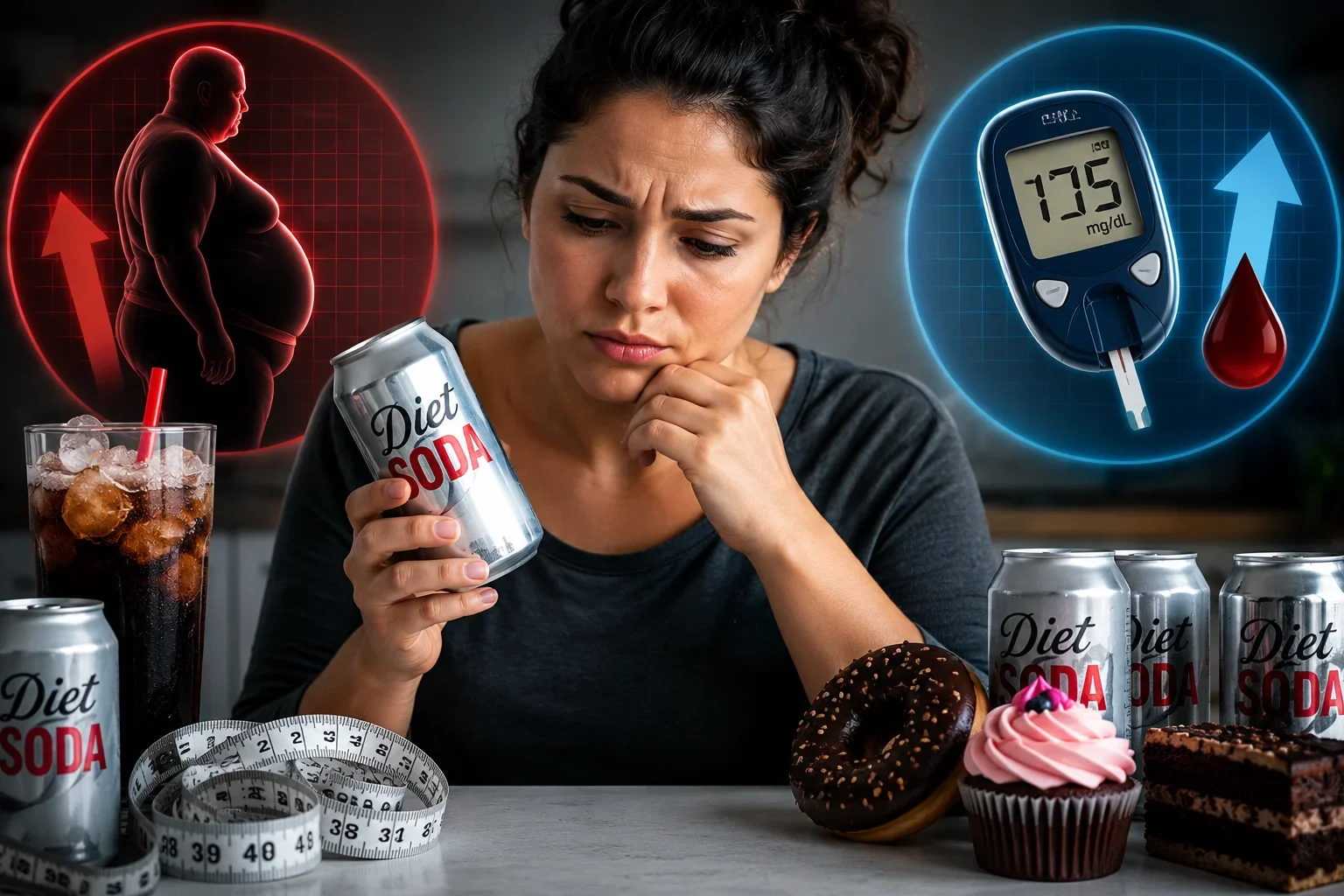
But the metabolic story is more complicated. While it’s true that diet sodas cut the energy input, research shows their impact on appetite-regulation hormones and the reward centers of the body and brain suggests an unforeseen twist: these beverages may disrupt normal satiety cues, heighten cravings, and increase the likelihood of compensatory eating. The end result, according to recent meta-analyses, is little to no net benefit for weight loss—and in some cases, an increased risk for long-term metabolic health problems.
"Despite claims of ‘zero calories,’ studies suggest diet soda may undermine weight loss by influencing appetite-regulating hormones and increasing cravings."
Artificial Sweetener in Diet Soda: More Than Meets the Eye
Types of Artificial Sweeteners Used in Diet Soda
Artificial sweeteners have become the backbone of “zero sugar” products, each with distinctive properties and safety profiles. Aspartame and sucralose are particularly prevalent in popular diet drinks, while older agents like saccharin and ace-K (acesulfame potassium) still appear in ingredient lists. These compounds are often hundreds of times sweeter than sugar, allowing beverage companies to mimic sweetness with small doses and claim “no calories” on their product labels.
While the FDA has deemed these sweeteners safe for general consumption, controversies persist. Concerns include their potential impact on gut health, glucose regulation, and even risk for certain diseases. Some sweeteners have been associated with bitter aftertastes or unique metabolic effects, making the discussion around artificial sweeteners complex for both scientists and consumers.
Comparison of Common Artificial Sweeteners in Diet Soda
Sweetener |
Properties |
FDA Status |
Prevalence in Diet Soda Brands |
Potential Health Concerns |
|---|---|---|---|---|
Aspartame |
~200x sweeter than sugar, heat unstable |
Approved, except rare conditions (PKU) |
Very Common (Diet Coke, etc.) |
Linked to headaches, possible cancer risk (in high doses), controversial in research |
Sucralose |
~600x sweeter, heat stable |
Approved, GRAS |
Common (Diet Pepsi, etc.) |
Gut microbiome impact, uncertain metabolic effects |
Saccharin |
~300x sweeter, metallic aftertaste |
Approved, once under cancer risk review |
Less common today (Tab) |
Animal studies linked to cancer; later deemed safe for humans |
Ace-K (Acesulfame K) |
~200x sweeter, used in blends |
Approved, GRAS |
Common in mixtures |
Limited long-term human studies; possible metabolism effects |
How Artificial Sweeteners Affect Sweetened Beverages’ Role in Weight Management
Though artificial sweeteners are often seen as an easy fix for those wanting to lose weight, the science tells a different story. When sweetened beverages mimic sugary sodas without the caloric punch, they don’t necessarily trick our metabolism—or our psychology. Research shows that non-caloric sweeteners can condition a heightened preference for sweet food, which may undermine efforts at healthy eating.
Furthermore, some studies suggest that regular consumption of diet sodas may negatively affect gut health, disrupt blood sugar regulation, and increase the risk for metabolic disorders—contradicting the promise of safe, diet-friendly indulgence. While replacing sugar with artificial sweeteners lowers immediate calorie intake, the complex feedback loops between our physiology, appetite, and reward centers mean these drinks may not lead to sustained weight loss.
Addressing Cancer Risk and Other Health Concerns of Diet Soda
Current Research on Diet Soda and Cancer Risk
One of the most persistent worries about artificial sweeteners is their potential link to cancer risk. Animal studies historically flagged compounds like saccharin as potential carcinogens, prompting regulatory scrutiny in the 1970s. Today, most artificial sweeteners, including aspartame and sucralose, have been pronounced safe by the FDA when consumed within recommended limits. However, some epidemiological studies raise questions.
For example, recent research suggests a possible association—though not proven causation—between high levels of aspartame intake and certain cancer incidences. It’s important to note that these studies often reference consumption levels much higher than the average person’s diet. Still, the public debate around diet soda and cancer risk keeps evolving as new science emerges, underscoring the need for ongoing, transparent research.
Beyond Cancer: Exploring Metabolic and Cardiovascular Impacts
While cancer may grab headlines, concerns about diet soda go far beyond oncology. A growing body of evidence links regular diet soda consumption to changes in glucose metabolism, higher rates of metabolic syndrome, and disruptions in gut health. Some studies demonstrate an increased risk for heart disease and stroke among people who habitually drink diet soda.
Even as the direct mechanisms are debated, the pattern is troubling: those who rely heavily on diet drinks might be rewiring their body’s appetite, hormonal, and metabolic functions in ways that undermine real health goals. These findings reinforce the importance of viewing “zero sugar” labels not as green lights, but as cues to dig deeper into what we’re really putting into our bodies.
"The diet soda myth persists despite mounting evidence linking artificial sweeteners to metabolic disturbances and potential long-term health effects."
Sweetened Beverages, Habit Formation, and the Cravings Conundrum
How Diet Soda and Artificial Sweeteners Influence Taste Preferences and Cravings
When we repeatedly consume highly sweetened beverages—diet or otherwise—our taste buds recalibrate. Over time, non-caloric sweeteners in diet soda can increase our desire for sweet food and drinks. This effect makes it challenging for people to cut back on sugar entirely, as their preferences shift toward intensely sweet flavors regardless of calorie count.
Some studies even point to a feedback loop: the more sweetened beverages consumed, the harder it becomes to feel satisfied with less sweet alternatives, like plain glass of water or unsweetened tea. This cycle can perpetuate cravings, trigger additional snacking, and make real dietary change more difficult than simply swapping one soda for another.

Is Diet Soda a Gateway to Consuming More Sweetened Beverages?
Diet soda triggers for sweet cravings: Artificial sweeteners stimulate the brain’s reward systems, increasing desire for more sweet flavors.
Physiological response to non-caloric sweets: Without calories, the body and brain may seek further satisfaction, leading to increased snacking or calorie intake elsewhere.
Potential psychological and behavioral feedback loops: Habitual consumption of diet sodas may reinforce taste preferences and behaviors, making it harder to shift to less sweet or unsweetened beverages.
People Also Ask: The Diet Soda Myth in Everyday Life
Why should diet soda be avoided?
Diet soda should be approached with caution because its artificial sweeteners may trigger appetite and cravings, and there's emerging evidence linking regular consumption to health risks, including metabolic changes and potential impacts on cardiovascular health.
Can you actually lose weight drinking diet soda?
While diet soda has zero sugar, evidence suggests it may not contribute to weight loss due to its effect on hunger signals and sweet cravings, often leading to increased calorie consumption elsewhere.
Is it bad to drink a diet soda every day?
Regular daily consumption of diet soda can increase the risk of metabolic syndrome and may contribute to negative cardiovascular outcomes, as well as perpetuate the diet soda myth for lasting wellness.
What is the unhealthiest soda to drink?
While regular sodas are high in sugar and calories, some diet sodas raise unique health concerns due to certain artificial sweetener combinations, so neither type is ideal for optimal health.
Critiquing the Diet Soda Myth: A Closer Look at Industry Messaging
How Marketing Language Fuels the Diet Soda Myth
Beverage companies invest heavily in marketing messages that reinforce the diet soda myth, positioning these drinks as must-have tools for healthy living. Slogans like “guilt-free” or “zero sugar, zero compromise” tap deeply into consumer anxieties about weight loss and self-control, masking the reality that health outcomes aren’t determined by calorie counts alone.
The use of vibrant branding, celebrity endorsements, and lifestyle imagery further cements the myth. This language glosses over the nuanced science—and potential health risks—associated with artificial sweetener intake. With so much noise in the marketplace, it becomes difficult for consumers to separate evidence-based guidance from corporate spin.

Navigating Conflicting Research on Diet Soda Health Risks
Scientific studies on diet soda are often complex and sometimes contradictory. Some research highlights modest caloric savings, while other studies reveal concerning patterns between diet drinks and adverse health outcomes, ranging from obesity and metabolic syndrome to potential cancer risk. These discrepancies stem from differences in study design, populations observed, and length of follow-up.
Industry-funded research sometimes downplays negative findings or highlights short-term benefits, leaving consumers confused. To navigate this tangle, it’s essential to look at the totality of evidence, emphasize large-scale, independent studies, and maintain a healthy skepticism toward marketing promises.
"Industry claims about diet soda often overshadow the scientific nuances, making it crucial for consumers to examine evidence over promises."
Smarter Beverage Choices: Alternatives to Diet Soda for Weight Loss and Health
Healthier Sweetened Beverages and Zero Sugar Substitutes
Fortunately, there are numerous alternatives to both diet soda and regular soda for those pursuing better weight management and overall health. The best choices are less processed, whole-food beverages with minimal or naturally occurring sugars. These drinks avoid the pitfalls of artificial sweetener consumption and support a more sustainable approach to hydration.
Homemade and naturally flavored drinks can help retrain your taste buds and curb your cravings for intensely sweet foods, making the journey to wellness more enjoyable—and more effective—over the long term.
List: Five Natural Beverage Options Supporting Better Weight Management
Infused water with citrus and herbs
Unsweetened iced green or herbal tea
Sparkling water with a splash of real fruit juice
Homemade kombucha with controlled sweetness
Diluted 100% fruit juices

Key Takeaways: Rethinking the Diet Soda Myth
Artificial sweeteners in diet sodas are not a weight loss cure-all
The diet soda myth persists due to marketing and consumer misconceptions
Current research supports prioritizing less processed, whole-food beverages
Critical evaluation of sweetened beverage choices is vital for overall wellness
FAQs: The Diet Soda Myth Demystified
How does the diet soda myth differ from other soda-related misconceptions?
Unlike other soda misconceptions focused solely on sugar or calories, the diet soda myth involves the belief that removing sugar automatically makes a drink healthy. In reality, artificial sweetener use introduces other health concerns not present in regular sodas.
Are some artificial sweeteners safer than others in diet soda?
Yes—while all major artificial sweeteners approved by the FDA are considered safe when consumed in moderate amounts, some may have more research supporting their long-term safety. Individual sensitivities and health conditions can also play a role in which options are best.
Can occasional diet soda consumption be part of a healthy diet?
Occasional diet soda is unlikely to pose significant risk for most people, but frequent, habitual consumption may increase health risks. It’s best to enjoy these beverages in moderation and focus on natural alternatives when possible.

Conclusion: Challenging the Diet Soda Myth for Healthier Choices
Summary Reflections on Diet Soda, Artificial Sweeteners, and Health-Promoting Substitutions
The diet soda myth is deeply ingrained, but understanding the evidence gives us the power to choose smarter, more nourishing beverages.
For those eager to continue their wellness journey and expand their knowledge of holistic health, exploring the broader landscape of nutrition and lifestyle strategies can be incredibly rewarding. The NC Wellness Hub offers a wealth of resources on topics ranging from stress management to the benefits of natural foods. Take the next step and discover actionable insights for managing stress and supporting your overall well-being—because true health is about more than just what you drink.
Your path to better wellness continues—browse additional topics at: NCWellnessHub.com
Sources
NCBI – Artificial Sweeteners: Effects on Weight, Appetite, and Health
American Heart Association – Artificial Sweeteners and Heart Disease
Harvard T.H. Chan School of Public Health – Artificial Sweeteners and Health
Recent studies have raised concerns about the health implications of diet soda consumption. For instance, research published in the journal Nature indicates that artificial sweeteners may disrupt gut bacteria, potentially leading to elevated blood sugar levels and an increased risk of metabolic disorders. (pbs. org)
Also, the MD Anderson Cancer Center highlights that while diet sodas are low in calories, they may not aid in weight loss and could be associated with higher calorie intake from other foods. (mdanderson.org)
For a comprehensive analysis of these issues, the article “Diet Soda: Good or Bad?” provides an in-depth look at the potential health effects of diet soda consumption. (healthline. com)
If you really want to understand the complexities of diet soda and its impact on health, these resources offer valuable insights.


Write A Comment