
Add Row
Add Element
NC Wellness Hub
update
North Carolina Wellness Hub
update
Add Element
  • Home
  • Categories
    • Wellness
    • General Health
    • Holistic
    • News
    • Living & Travel
    • Lifestyle
    • Fitness & Exercise
    • Mental Health
    • Stress Management
    • FEATURE
    • Sleep
    • Allergies
    • Medicines & Supplements
    • Weight Loss
    • Kids Health
    • Fertility & Pregnancy
    • Cancer
    • Heart Health
    • Skin & Hair
    • Arthritis
    • Dental
    • Vision
  • Bone Health
  • Digestive
October 21.2025
1 Minute Read

Looking for Natural Sleep Aids? (For Insomniacs Working Irregular Hours)

"Sleep is the best meditation." – Dalai Lama.

If you struggle with irregular hours and restless nights, discovering effective natural sleep aids could be your key to peaceful, restorative rest. Let’s explore how to restore rest and reclaim your nights without chemicals or side effects.
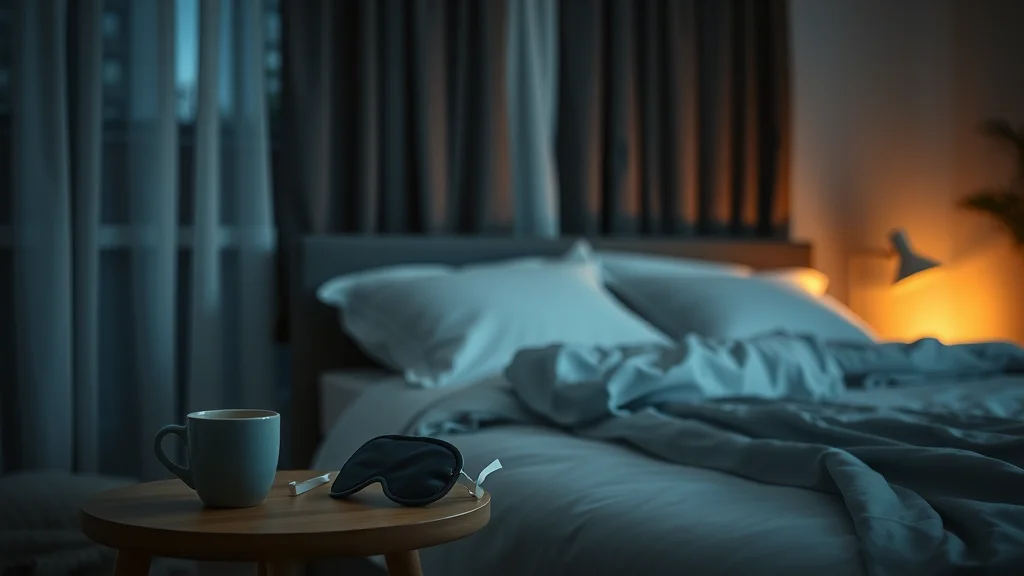
Serene bedroom at night with natural sleep aid elements for insomniacs working irregular hours—bedroom features blackout curtains, herbal tea, and sleep mask

Understanding Natural Sleep Aids for Insomniacs Working Irregular Hours

For countless people working swing shifts, night jobs, or rotating schedules, getting regular, restorative sleep seems nearly impossible. If you’re searching for natural sleep aids for insomniacs working irregular hours, you’re not alone. Every year, millions of shift workers and those with inconsistent routines report increased sleep disorders, poor sleep quality, and ongoing fatigue. Unlike prescription sleep medicine or over-the-counter sleep aids that often come with unwanted side effects, natural solutions offer a gentle, holistic path toward better rest for those whose lives don’t align with the 9-to-5.

Natural sleep aids—including herbal teas, melatonin supplements, lifestyle changes, and behavioral therapy—are popular for their mild side effects and lower risk of dependency compared to prescription options. With increasing recognition by groups such as the American Academy of Sleep Medicine, these remedies are supported by research documenting improved sleep onset and quality among insomniacs and night workers.

If you routinely struggle to fall asleep or experience sleep disturbances because of your unpredictable schedule, understanding the spectrum of natural sleep options available can be your first step toward restoring balance and vitality—without relying on harsh chemicals or risking unwanted side effects commonly seen with traditional sleep medicines.

While natural sleep aids can be a game-changer for those with unpredictable routines, it’s also important to recognize that local factors—like environmental triggers—can further complicate sleep. For instance, seasonal changes and allergens may play a surprising role in sleep quality for many, as explored in how North Carolina’s spring pollen can disrupt your rest and what you can do to sleep better despite these challenges.

Why Insomniacs with Irregular Schedules Need Natural Sleep Aid Options

Shift work and constantly changing routines interrupt the body’s natural sleep processes, often leading to persistent insomnia, trouble falling asleep, and daytime exhaustion. Synthetic sleep aids or prescription sleep medications may provide short-term relief, but natural sleep aids for insomniacs working irregular hours are designed to support your body’s rhythms, not override them. This more holistic approach is essential, as it aims to improve sleep quality rather than just induce drowsiness.

Natural sleep aids like herbal teas, magnesium supplements, and mindfulness routines are designed for individuals sensitive to the side effects of conventional sleep medicine, offering a safer alternative. By emphasizing ingredients found in nature and behavioral adaptations, you can address sleep problems at their source—restoring balance to your circadian rhythm and helping your body learn to signal “rest” even in the face of a changing work schedule. These remedies represent a toolkit that respects your body’s needs and unique rhythm, making sustainable, restful sleep achievable even for those with the most unpredictable hours.

Common Sleep Disorders Impacting Shift Workers

Shift workers are particularly prone to sleep disorders like insomnia, delayed sleep phase syndrome, and shift work sleep disorder (SWSD). These disorders are directly linked to the disruption of the natural sleep-wake cycle and often involve difficulty falling asleep, staying asleep, and waking refreshed. According to the American Academy of Sleep Medicine, these conditions are among the most reported problems in professions requiring irregular hours, including healthcare, emergency services, and transportation.

Tired professional in a dimly lit office seeking relief with natural sleep aids for shift workers, herbal tea and late office hours

Not only do these issues harm sleep quality, but they also affect cognitive function, mood, and long-term health. People grappling with sleep disorders due to irregular schedules may experience ongoing fatigue, mood disturbances, and even increased risk for chronic illness, underscoring the need for accessible, non-habit-forming sleep aids. Learning about the specific types of sleep disorders and how they relate to shift work is critical for selecting the right natural sleep aid—one that works with, not against, your unique lifestyle and medical needs.

Natural Sleep Versus Prescription Sleep Aids: Key Differences

Many people wonder whether natural sleep aids provide significant advantages over prescription sleep medications, especially regarding side effects and long-term safety. The most important distinction is that natural sleep remedies typically have fewer and milder side effects, with less risk of dependency or tolerance. While prescription sleep medicine may effectively "knock you out," it can interfere with the body's sleep architecture, resulting in less restorative sleep and more hangover-like symptoms the next day.

Herbal sleep aids, melatonin supplements, and amino acid-based dietary supplements aim to support your circadian rhythm and sleep-wake cycle, not override it. Studies highlighted by the National Center for Complementary and Integrative Health point out that substances like melatonin and valerian root may improve sleep onset in cases of jet lag or changing schedules. When insomnia is tied to lifestyle or circadian disruption rather than chronic illness, natural solutions are generally the first-line recommendation for their favorable safety and side effect profiles.

How Irregular Hours Affect Your Circadian Rhythm and Sleep Disorders

Role of the Circadian Rhythm in Fall Asleep Challenges

Your circadian rhythm, the body’s internal clock, plays a crucial role in regulating when you feel alert or sleepy, especially for those working irregular hours. For insomniacs working irregular hours, this rhythm can become severely disrupted, causing significant challenges when trying to fall asleep. Instead of following the body's natural signals for sleep—a process shaped by exposure to light and daily routines—shift workers are often forced to be awake when their bodies crave rest, and vice versa.

This disruption can result in prolonged sleep latency (difficulty falling asleep), non-restorative sleep, and even secondary health problems. Natural sleep aids, particularly those designed to support rather than suppress your circadian rhythm, can help nudge your body's clock back into sync, making rest more achievable despite a nontraditional schedule.

Link Between Sleep Disorders and Disrupted Work Patterns

Chronic disturbances to your circadian rhythm can increase your risk for sleep disorders, such as insomnia and SWSD. These conditions, when left unaddressed, don't just make falling or staying asleep tough; they have downstream consequences for mental and physical well-being, including reduced alertness, irritability, and higher rates of work-related accidents.

Circular wall clock illustrating overlap of sun and moon, representing circadian rhythm disruption in natural sleep aids for insomniacs working irregular hours

The key to effective intervention lies in addressing these root problems with non-pharmaceutical sleep aids. By integrating strategies like light therapy, proper sleep hygiene habits, and targeted supplements, you can start to repair your disrupted cycle and reduce the severity and frequency of sleep disorders associated with irregular work.

Potential Side Effects of Ignoring Circadian Health

Overlooking the importance of circadian rhythm can have considerable side effects. Chronic sleep deprivation resulting from a misaligned sleep-wake pattern raises the risk for metabolic disorders, cardiovascular disease, mood disturbances, and a weakened immune system. Moreover, persistent sleep disturbances lower resilience to stress and slow cognitive processing—making it imperative for shift workers to prioritize circadian health.

Engaging with natural sleep aids, light adjustment techniques, and behavioral changes doesn't just improve sleep quality—it can be a cornerstone to overall health and longevity, especially for those working non-traditional hours.

Top Natural Sleep Aids for Insomniacs Working Irregular Hours

Herbal Remedies: Chamomile, Valerian Root, and Lavender

Herbal sleep aids are a trusted natural sleep aid choice for insomniacs working irregular hours seeking gentle, plant-based remedies. Chamomile tea is prized for its mild sedative effect, which can help reduce anxiety and promote sleepiness, while valerian root is a scientifically studied herb recognized for reducing the time it takes to fall asleep. Lavender, whether inhaled as an essential oil or consumed as a tea, has been shown to ease nervous tension, making it an ideal addition to a pre-bedtime routine.

Assorted natural sleep aids including chamomile, valerian root capsules, herbal tinctures for shift worker insomnia relief

Unlike many synthetic sleep aids, these herbal remedies rarely cause next-day drowsiness or serious side effects. Research and user testimonials suggest that, for people dealing with stress and irregular hours, thoughtful use of herbal sleep aids can offer meaningful improvements in sleep onset and sleep quality without chemical dependency.

Melatonin Supplements: Safe Use and Potential Side Effects

Melatonin supplements rank among the most effective natural sleep aids for shift workers due to melatonin’s key role in regulating the circadian rhythm and promoting sleep onset. For those experiencing insomnia from jet lag or night-shift work, small, short-term doses of melatonin can help reset the body clock. The Food and Drug Administration (FDA) classifies melatonin as a dietary supplement, making it widely accessible for those seeking relief without a prescription.

However, it’s important to use melatonin cautiously. While generally well-tolerated, potential side effects include dizziness, headaches, or vivid dreams—especially if taken in high doses or at irregular times. Always opt for products with clear dosing guidelines and third-party certifications, and consult your doctor if you’re taking other medications or managing health conditions.

Magnesium, Glycine, and Other Over-the-Counter Natural Sleep Aids

Beyond botanicals and melatonin, minerals and amino acids like magnesium and glycine have shown great promise as natural sleep aids. Magnesium, often found as a dietary or magnesium supplement, helps relax muscles and calm the nervous system, which can be especially valuable to those with stress-related sleep issues. Glycine, an amino acid, is known to lower core body temperature and improve sleep efficiency, supporting both falling and staying asleep through even the most irregular schedules.

Other supplements—such as L-theanine (another amino acid) and specific multi-ingredient blends—are marketed for their ability to promote relaxation and improve sleep onset for shift workers. While these are generally considered safe, it is vital to check for interactions with existing medications and review product certifications before adding any new supplement to your sleep aid routine.

Comparing Popular Natural Sleep Aid Brands for Shift Workers

The supplement market is overflowing with brands promising deep, restorative sleep, but not all products are backed by science or quality control. Trusted brands distinguish themselves by transparency in their sourcing, clear labeling, and clinical research supporting their formulas. Top picks for natural sleep aids for insomniacs working irregular hours often include reputable names such as Nature Made, Gaia Herbs, and NOW Foods—brands known for rigorous third-party testing and compliance with industry standards.

Before purchasing, look for products that display independent certifications (like USP or NSF), and always research customer feedback. Choosing a sleep aid from a reliable manufacturer can minimize side effects and improve your chance of experiencing the claimed sleep benefits, especially when dealing with chronic sleep disorders due to fluctuating work hours.

Behavioral Therapy, Mindfulness, and Lifestyle Changes for Natural Sleep

The Power of Cognitive Behavioral Therapy for Insomniacs

Behavioral therapy, particularly Cognitive Behavioral Therapy for Insomnia (CBT-I), is a highly effective natural sleep aid strategy supported by research for treating chronic sleep disorders. CBT-I targets unhelpful thought patterns and behaviors, teaching practical skills to fall asleep more easily and reduce nighttime wakefulness, even for those working rotating shifts.

Therapist office for behavioral therapy promoting natural sleep aid solutions for irregular work schedules and insomnia

Instead of medicating sleep problems away, CBT-I equips you with strategies like stimulus control, sleep restriction, and relaxation training. Research from the academy of sleep medicine suggests that CBT-I not only rivals medicinal sleep aids in effectiveness, but also boasts a lower side effect risk—making it ideal for insomniacs hoping for a natural approach to lasting relief.

Mindfulness, Meditation, and Guided Relaxation for Better Natural Sleep

Mindfulness practices—including meditation, breathing exercises, and guided visualization—are simple, drug-free strategies that can greatly enhance sleep quality. For those struggling to switch off after an irregular shift or a stressful day, even a few minutes of mindful breathing can slow heart rate, lower blood pressure, and prime the body for rest.

Person practicing mindfulness meditation as a natural sleep aid for irregular schedules and insomnia in a peaceful bedroom

Numerous studies affirm that regular mindfulness training not only shortens the time it takes to fall asleep, but also improves overall sleep quantity and helps manage the mental chatter that keeps many insomniacs awake. The accessibility and safety of these approaches make them an essential component of a holistic natural sleep aid strategy for insomniacs working unpredictable hours.

Sleep Hygiene Tips for Those Working Irregular Hours

Good sleep hygiene is the foundation of any effective natural sleep plan. For shift workers and insomniacs, this means creating a sleep-friendly environment regardless of the time of day. Consistency is key: keep your sleeping space cool, dark, and quiet with the help of blackout curtains, white noise machines, and as little electronic light as possible.

Avoid caffeine, alcohol, and heavy meals within a few hours of your desired bedtime. If you wake frequently during your rest window, get up and do a quiet activity before trying again, rather than lying awake and stressing over lost sleep. These small adjustments serve to cue your body that it’s time for genuine rest, reinforcing your brain’s association between bed and sleep—even amid an erratic work pattern.

Lists of Practical Changes to Support Natural Sleep

  • Create a consistent winding-down routine—even if bedtime changes daily

  • Use blue light blocking glasses before sleep

  • Keep your sleep space cool, dark, and quiet

  • Opt for caffeine-free herbal teas in the evening

  • Engage in mindfulness or light stretching before bed

Integrating these practices with natural sleep aids amplifies their benefits, helping you retrain your mind and body to prioritize restorative sleep, despite unpredictable hours.

Managing Side Effects and Risks with Natural Sleep Aids

Common Side Effects of Natural Sleep Aids and How to Avoid Them

Though natural sleep aids are generally considered safe, some sensitive individuals may experience minor side effects such as digestive upset, headache, or lingering drowsiness. For example, valerian root may occasionally cause vivid dreams, while excessive use of melatonin can result in grogginess or changes in hormone levels.

To minimize the risk, always start with the lowest suggested dose, monitor how your body responds, and avoid combining multiple supplements without medical supervision. Following product instructions and maintaining proper sleep hygiene can help you sidestep most adverse reactions.

Interactions with Medications and Health Conditions

Natural sleep aids are not exempt from drug interactions. Herbal products and dietary supplements can affect the metabolism or efficacy of prescription medications, and some may be risky for those with preexisting health conditions. For instance, both valerian and melatonin may potentiate the effects of sedative drugs or influence blood pressure medications.

Thoughtful person at medicine cabinet assessing natural sleep aids—safe use with health conditions and potential side effects

Always review your supplement choices with a healthcare professional, especially if you have chronic medical issues, are pregnant, or are managing complex medication regimens. Informed decisions minimize risk and optimize the safety profile of natural sleep aids.

Professional Guidance: When to See a Doctor About Sleep Disorders

If your sleep problems persist despite trying several natural sleep aids and lifestyle adjustments, consult a sleep medicine specialist. Chronic insomnia, ongoing sleep disturbance, or symptoms of an underlying sleep disorder warrant professional guidance and possibly a tailored intervention plan—helping you safely regain restorative rest.

Comparison Table: Side Effects and Effectiveness of Popular Natural Sleep Aids

Natural Sleep Aid

Primary Benefit

Common Side Effects

Best For

Melatonin

Adjusts circadian rhythm, improves sleep onset

Mild headache, vivid dreams, drowsiness

Jet lag, shift work, insomnia

Chamomile

Soothes anxiety, relaxes muscles

Rare—mild allergies in sensitive individuals

Occasional insomnia, stress

Valerian Root

Shortens time to fall asleep

Digestive upset, morning grogginess

Chronic insomnia, difficulty falling asleep

Magnesium

Muscle relaxation and stress reduction

Loose stools at high doses

Tense muscles, restless nights

Glycine

Lowers body temp, improves sleep quality

Rare—generally well tolerated

Fragmented sleep, early waking

The Science Behind Natural Sleep—What Research Says

Recent Studies on Herbal and Dietary Sleep Aid Effectiveness

An expanding body of research—including systematic reviews published by the National Center for Complementary and Integrative Health—supports the efficacy of many herbal and dietary sleep aids. For example, clinical trials on melatonin supplements have repeatedly shown benefit for shift workers with jet lag and delayed sleep phase syndrome, by advancing sleep onset and improving quality of rest.

Scientist reviewing natural sleep aid and herbal supplement data—scientific research for shift worker insomnia relief

Similarly, valerian root, chamomile, and magnesium have all demonstrated modest but noteworthy improvements in sleep duration and efficiency when compared to placebo. While not every supplement works for everyone, and individual results may vary, many insomniacs and night shift workers are finding well-researched, nature-based solutions to persistent sleep problems.

The Role of Sleep Aid Supplements for Shift Workers

For people whose work patterns defy regularity, supplementing with ingredients like melatonin, magnesium, and amino acids can offer a buffer against the chaos of rotating shifts. Research suggests these products help maintain a healthy circadian rhythm, manage nighttime anxiety, and promote more consistent rest—offering real hope for shift workers living with chronic sleep disorders.

"Behavioral therapy, alongside natural supplements, can dramatically improve sleep quality." – Sleep Specialist

The combination of behavioral intervention and natural sleep aids is frequently more effective and longer-lasting than relying on any single solution, proving there is no one-size-fits-all answer to sleep health—especially for those working irregular hours.

Practical Steps to Fall Asleep Faster with Natural Sleep Aids

Creating a Sleep Routine for Irregular Workers

Consistency in sleep routines is a powerful natural sleep aid for shift workers aiming to fall asleep faster and enjoy deeper, more restorative sleep. Even if your work schedule changes every week, maintain similar routines around your chosen sleep window. Use gentle cues—like herbal tea, a warm shower, and dimmed lighting—to condition your mind and body that it’s time for sleep.

Smartphone sleep schedule app for planning bedtime routine and using natural sleep aids for shift workers

Apps and reminder tools can help reinforce these routines. Logging your sleep and noting which aids (such as chamomile or magnesium) produce the best results makes long-term improvement more likely. Over time, these rituals form powerful associations that support healthy, restorative sleep for even the busiest shift worker.

Environmental Adjustments to Enhance Natural Sleep

For those living with unpredictable hours, creating a personalized sleep haven is crucial. Block out sunlight with blackout curtains or an eye mask. Use white noise to silence external sounds, and keep your bedroom comfortably cool. Small upgrades—a supportive pillow, light-blocking shades, or gentle aromatherapy—can supercharge natural sleep aids and transform your rest.

Remember, your environment should invite sleep all year round. Adjust for seasonal changes, minimize light from electronics, and make your bed a sacred space for sleep, not screens or stress. Combining these environmental changes with natural sleep solutions makes each rest period more effective, no matter when "bedtime" falls.

  • Checklist: Nighttime Habits for Insomniacs Working Irregular Hours:

  • Avoid screens 1 hour before bedtime

  • Drink a calming, non-caffeinated tea (like chamomile)

  • Use a white noise machine for sound insulation

  • Keep the room cool and block outside light

  • Establish a consistent wind-down ritual

Sleep Aids and Shift Work: Addressing Unique Challenges

Shift Work Sleep Disorder: Symptoms and Natural Solutions

Shift Work Sleep Disorder plagues those balancing rotating shifts, night duties, or early-morning work with chronic insomnia, excessive daytime sleepiness, and trouble maintaining alertness. Common symptoms include difficulty falling or staying asleep, mood swings, and reduced performance at work.

Yawning nurse in hospital breakroom, illustrating shift work sleep disorder with use of natural sleep aid solutions

Fortunately, research indicates that combining natural sleep aids like melatonin supplements and herbal teas with proper sleep hygiene and light therapy can significantly alleviate symptoms of shift work sleep disorder. Recognizing the warning signs early and building a natural sleep support system gives shift workers the resilience needed to thrive both professionally and personally.

Napping Strategies and the Use of Natural Sleep Aids

Well-timed naps can dramatically improve alertness and quality of life for shift workers. The key: keep naps brief (10–30 minutes) and schedule them strategically—ideally before a night shift or during extended breaks. Pairing short naps with mild, non-habit-forming sleep aids like chamomile or glycine can make these rest breaks more restorative.

Remember to create a restful nap environment, free from interruptions and bright lights, to fully benefit from these natural energy boosters. When used thoughtfully, naps and sleep aids can work together—helping you reset your mental state and stay sharp through demanding shifts.

Balancing Social, Professional, and Sleep Needs

One often-overlooked challenge of shift work is its impact on your personal life. Social gatherings, family responsibilities, and professional advancement can compete with much-needed rest. Creating boundaries and communicating your needs to those around you is just as important as finding the right natural sleep aid.

Prioritize your health: Take planned downtime, explain your unique schedule to friends and coworkers, and structure commitments so they don’t regularly disrupt your sleep window. A balanced life, supported by both routine and effective sleep aids, makes it possible to maintain relationships—and your sanity—amid a hectic work lifestyle.

Choosing the Right Natural Sleep Aid for Your Needs

  1. Identify your primary sleep challenge: insomnia, difficulty falling asleep, or fragmented rest.

  2. Start with the least invasive options: sleep hygiene and routine adjustments.

  3. Test one natural sleep aid at a time—beginning with proven options like melatonin or chamomile.

  4. Watch for side effects and track your results over 2–4 weeks.

  5. Consult your healthcare provider before combining supplements or if sleep problems persist.

Many reputable pharmacists or sleep specialists are happy to guide you through product comparisons and answer your questions, ensuring the option you choose is both safe and effective for your unique needs.

Questions to Ask Your Doctor Before Starting Any Sleep Aid

  • Is this supplement safe for my specific health condition?

  • Could it interact with my current medications?

  • How long should I use this natural sleep aid?

  • Are there alternative behavioral or lifestyle changes to consider first?

Pharmacist discussing natural sleep aid options—evaluation and customer consultation for shift worker insomnia

Being proactive and informed makes your quest for better sleep safer, more efficient, and less prone to unwanted surprises.

Evaluating Ingredients and Certifications in Natural Sleep Products

Not all supplements are created equal. When choosing a natural sleep aid, review labels for ingredient transparency, clinically validated dosages, and quality seals such as USP, NSF, or ConsumerLab.com certification. This ensures you're getting a product free from contaminants and accurately labeled for potency—key for both safety and effectiveness.

Consider brands with a reputation for rigorous third-party testing, and avoid products making grandiose or unsubstantiated claims. Your sleep health is worth the extra attention to detail!

People Also Ask: Natural Sleep Aids for Insomniacs Working Irregular Hours

What are the most effective natural sleep aids for people with irregular schedules?

The most effective natural sleep aids for those with unpredictable hours are melatonin supplements, chamomile, valerian root, lavender, and magnesium. Melatonin directly signals your body to sleep, ideal for those coping with shift changes or jet lag. Chamomile and valerian offer mild sedative effects without the harsh side effects often found in synthetic sleep aids. These solutions are supported by research for improving sleep onset and sleep quality among shift workers.

Are natural sleep aids safer than prescription sleep medications for shift workers?

Generally, natural sleep aids pose fewer health risks and less potential for dependency or rebound insomnia. Prescription medications are effective but can lead to tolerance, withdrawal symptoms, and next-day drowsiness. Natural solutions typically have milder side effects and are considered preferable for initial management of sleep disorders in shift workers—especially when combined with lifestyle changes and behavioral therapy.

How can I reset my circadian rhythm using natural methods if I work nights?

To restore your circadian rhythm, limit light exposure during the day after a night shift and maximize light exposure when you want to be awake. Take melatonin supplements 30–60 minutes before your target bedtime and keep your sleep schedule as consistent as possible, even on days off. These steps help gently reset your internal clock without harsh interventions.

Is melatonin effective for insomnia caused by irregular hours?

Yes, numerous studies and the American Academy of Sleep Medicine validate melatonin’s effectiveness for insomnia linked to night shifts and changing schedules. Melatonin helps you fall asleep by supplementing the body’s own hormone production and resetting your sleep-wake cycle—often improving both the onset and quality of sleep for shift workers.

FAQs about Natural Sleep Aids for Insomniacs Working Irregular Hours

Can natural sleep aids cause dependency or tolerance?

Most natural sleep aids, especially when used as directed, have a low risk of dependency or tolerance. However, relying exclusively on supplements (even natural ones) over time is not recommended; combine them with good sleep hygiene and periodic breaks to keep their effectiveness high.

What are potential side effects of herbal sleep remedies?

Side effects of herbal sleep remedies are generally mild. Some people report digestive upset or headaches from valerian, minor allergic reactions from chamomile, or vivid dreams from melatonin. Adhering to recommended doses reduces risk.

Are there natural sleep aids specifically formulated for shift workers?

Yes, several brands offer melatonin blends and herbal formulas targeted at those with shift work sleep disorder or chronic insomnia due to rotating schedules. Look for products labeled for "jet lag," "shift work support," or "circadian balance."

Do dietary changes impact the effectiveness of natural sleep aids?

Absolutely. Eating heavy or spicy meals before bed, consuming caffeine late in your shift, or skipping meals altogether can interfere with the benefits of natural sleep aids. A balanced, nutrient-rich diet supports sleep health and maximizes the effectiveness of supplements.

How long should I try a natural sleep aid before expecting results?

For most individuals, it takes several days to two weeks to notice significant changes from natural sleep aids. If after this period your sleep doesn’t improve, consider reviewing your routine or consulting a healthcare provider.

Key Takeaways for Natural Sleep Aids and Insomniacs Working Irregular Hours

  • Natural sleep aids can offer gentle, effective relief for those struggling with irregular hours

  • Combining herbal, nutritional, and lifestyle strategies improves sleep quality

  • Protect your circadian rhythm by managing light exposure and keeping a consistent routine

  • Consult professionals before combining supplements or if sleep problems remain unresolved

Restore Your Sleep—Explore Trusted Natural Sleep Aids for Insomniacs Working Irregular Hours Today!

Take control of your rest: Combine natural sleep aids and smart routines to sleep better—no matter your schedule.

If you’re interested in understanding the bigger picture behind sleep challenges, especially those unique to your region, you might find it eye-opening to explore the hidden causes of widespread restlessness in North Carolina. Uncovering the root factors that contribute to sleep issues—ranging from environmental stressors to lifestyle habits—can empower you to make more informed choices about your own sleep health.

For a deeper dive into the underlying reasons so many Tar Heel residents struggle with sleep, check out the seven hidden causes behind North Carolina’s rest crisis. Gaining this broader perspective may inspire new strategies and help you take your sleep wellness journey to the next level.


Sources

  • Sleep Foundation – Circadian Rhythm Disorders

  • NCCIH – Sleep Disorders In-Depth

  • American Academy of Sleep Medicine – Sleep Aids

  • NCBI – Natural Supplements for Insomnia

  • NIH ODS – Magnesium Fact Sheet

  • NCWellnessHub.com - North Carolina Wellness Hub

Sleep

0 Comments

Write A Comment

*
*
Related Posts All Posts

The 7-Day Fix: How Resetting Your Body's Internal Clock Can Cure Your Insomnia

Did you know resetting your internal clock can improve insomnia within just seven days? Understanding how to fix your sleep schedule can transform your nights, boosting energy and mood. This comprehensive guide arms you with the science and step-by-step solutions to get your sleep routine back on track. Dive in to discover simple strategies that align your body’s rhythm and reclaim peaceful, restorative sleep.Understanding How to Fix Sleep Schedule—Why a Healthy Sleep Routine MattersMany people struggle with a disrupted sleep routine, leading to poor sleep, low energy, and even chronic health problems. Recognizing how to fix sleep schedule challenges is crucial not only for overcoming insomnia but also for boosting day-to-day productivity and mental well-being. Whether your job, school, or travels through different time zones have affected your rest, understanding the mechanics of a good sleep schedule is the first step to taking control of your body clock.Fixing your sleep schedule is more than just going to bed on time—it's about aligning yourself with your natural circadian rhythm. When your sleep routine aligns with your internal clock, your body can fall asleep faster, stay asleep longer, and wake up feeling refreshed. Restoring a regular sleep schedule offers immediate benefits: improved mood, sharper focus, and even healthier metabolism.The American Academy of Sleep Medicine confirms that regularity in sleep patterns reduces risk for conditions like depression, diabetes, and even heart disease. If you’re tired of feeling sluggish or want to optimize your performance, a healthy sleep schedule is your foundation.Did you know resetting your internal clock can improve insomnia within just seven days?This may sound surprising, but sleep researchers and medical centers worldwide agree that consistent effort over a short period—such as a single week—can have a dramatic impact. Taking action now, even in small, incremental changes, can result in noticeable improvements in your sleep quality and overall well-being.By targeting both the biological and behavioral components of how to fix a sleep schedule, nearly anyone can experience a rapid reset of their internal clock, whether they're recovering from travel across time zones, adjusting after shift work, or simply wanting to correct years of poor sleep habits. Get ready to transform your nights—starting tonight.What You'll Learn About How to Fix Sleep ScheduleThe science behind how to fix sleep schedule and body clock alignmentStep-by-step, evidence-based strategies for resetting your sleep scheduleCommon mistakes to avoid when trying to fix your sleep scheduleExpert tips on sustaining a healthy sleep routine long-termThe Science Behind How to Fix Sleep Schedule and Your Body ClockUnderstanding your internal timing device—your body clock—is central to solving sleep schedule issues. This biological clock, governed by the circadian rhythm, orchestrates sleep, hormone release, digestion, and more. When your sleep routine is thrown off, your body clock becomes misaligned, impacting not only your sleep quality but also your emotional and physical health.Research points to the integral role of circadian rhythms. These are 24-hour cycles influencing when we feel sleepy or alert. Light exposure—especially morning sunlight—signals the brain to regulate melatonin, the sleep hormone. Exposure to bright screens at night can interfere with this process, causing insomnia and poor sleep. If your goal is to fix your sleep schedule, timing your light exposure and practicing strong sleep hygiene are among the most effective steps you can take.It's also important to recognize how late-night habits can undermine your efforts to reset your sleep schedule. For a deeper look at the health consequences of staying up late and how it impacts your body, explore how late nights may be sabotaging your health and what you can do to counteract these effects.What is a Circadian Rhythm and How Does It Impact Sleep Quality?Circadian rhythms are biological patterns regulated by the brain’s suprachiasmatic nucleus. These rhythms determine when you naturally feel sleepy or alert. If you’re working late, using screens before bed, or jumping across time zones, your rhythm becomes disrupted, resulting in poor sleep. As a result, even eight hours in bed might not leave you feeling refreshed if your sleep happens at the wrong times or is frequently interrupted.To fix your sleep schedule, align your daily routine with your body clock. Evidence shows that regular sleep and wake times stabilize the circadian rhythm, making falling asleep and waking up easier and more predictable. If you notice regular difficulties in adjusting your sleep pattern, consider whether irregular work shifts, evening light exposure, or irregular eating habits might be factors at play. Addressing these can set you on a path to high-quality, restorative sleep.Consequences of Poor Sleep: Why You Need Your Sleep Schedule Back on TrackPoor sleep has wide-reaching effects—impacting everything from cognitive function to metabolic and cardiovascular health. Chronic issues such as depression, weakened immunity, and increased risk of diabetes and heart disease are all linked to misaligned sleep patterns. The American Academy of Sleep Medicine identifies healthy sleep as essential for memory, stress reduction, and healthy weight maintenance."Our bodies have an innate schedule—disrupting it can impact everything from mood to metabolic health." – Sleep Medicine ExpertGetting your sleep routine back on track is not just about avoiding daytime drowsiness. It’s a long-term investment in your overall health and well-being.7-Day Action Plan: How to Fix Sleep Schedule and Get Your Nights Back on TrackReady to transform your sleep in just one week? This 7-day strategy offers a clear, practical roadmap for anyone struggling to fix their sleep schedule. Whether you’re a night owl, shift worker, or coping with jet lag, these daily steps are grounded in scientific research and real-world results.From identifying current sleep habits to gradually shifting bedtimes and controlling light exposure, this method is designed for lasting change. Follow each day carefully and track your progress—you’ll notice measurable improvements both in how quickly you fall asleep and how rested you feel upon waking.Day 1: Assessing Your Sleep Routine and Sleep HygieneDay 2: Gradually Shift Your Sleep and Wake Times to Reset Body ClockDay 3: Optimize Evening Activities for Healthy SleepDay 4: Manage Light Exposure and Technology to Improve Sleep QualityDay 5: Incorporate Relaxation Techniques to Help You Fall Asleep FasterDay 6: Address Diet and Exercise for Consistent SleepDay 7: Sustain Progress with a Fixed Sleep Schedule and Ongoing Sleep HygieneHow to Fix Sleep Schedule with the 7-Day Strategy: Detailed BreakdownThis targeted table breaks down each daily action for resetting your sleep schedule into manageable, effective steps. Adhering to this plan ensures gradual adjustment, allowing your body clock and circadian rhythm to realign naturally, boosting sleep quality and routine stability.DayActionGoal1Review sleep habitsIdentify obstacles2Shift bedtime by 15–30 minutesReset body clock3Reduce blue light in eveningsBoost melatonin4Increase morning sunlightStabilize circadian rhythm5Add calming pre-bed routineEnhance relaxation6Adjust caffeine/exercise timingPromote healthy sleep7Maintain fixed wake/sleep timesAchieve consistent sleepConsistency is key: implement each day's action fully before moving to the next. This structured approach allows your body to adapt gradually, which experts agree is safer and more effective than abrupt changes, particularly for those with already disrupted sleep patterns due to work shifts or frequent time zone changes.Sleep Hygiene Practices: How to Fix Sleep Schedule for Long-Term Sleep QualityPracticing good sleep hygiene is critical in maintaining your newly reset sleep schedule. Sleep hygiene refers to habits and routines that foster healthy sleep, minimize disturbances, and solidify long-term improvements in sleep quality. Even after your 7-day reset, incorporating these techniques will make your sleep gains sustainable.Your environment, pre-bed habits, and daily routines all influence your body’s readiness for sleep. Key practices such as reducing bedroom light, maintaining a comfortable temperature, and ensuring minimal noise are fundamental. Experts at leading sleep medicine centers emphasize that well-established sleep hygiene reduces the risk of future disruptions and supports ongoing energy and mood stability.Optimizing Your Bedroom for Healthy SleepThe bedroom environment is a key element in fixing your sleep schedule and improving sleep quality. A space designed for sleep—dark, cool, quiet, and free from clutter—primes your body for relaxation and signals it’s time to rest. Use blackout curtains to block stray light, add a white noise machine or fan to mask disruptive sounds, and choose calming colors in your decor. If possible, keep electronic devices out of the bedroom and reserve the space solely for sleep and intimacy.Consider air quality too. An air purifier can minimize allergens or pollutants that might disrupt your sleep pattern. Consistency in your environment promotes healthy sleep by supporting your body’s circadian rhythm, making it easier to fall asleep and stay asleep every night.The Role of Consistent Sleep and Wake TimesConsistency is the cornerstone of any strategy to fix your sleep schedule. Establishing set sleep and wake times—even on weekends—reinforces your internal clock and builds a robust, reliable rhythm. Research from major sleep and medical centers finds that deviating by more than an hour can derail progress, so prioritize routine above all.When you keep consistent hours, your body learns when to expect sleep and wakefulness, smoothing transitions between alertness and sleepiness. This stability benefits everything from hormone regulation to mood and cognitive performance, helping you wake up feeling energized and refreshed each day.Best Sleep Routine Habits to Fix Your Sleep ScheduleGo to bed and wake up at the same times dailyCreate a relaxing pre-bed routineLimit naps, especially late in the dayKeep a cool, dark, quiet bedroomForming a ritual—like reading, gentle stretching, or breathing exercises—can trigger the winding-down process, signaling your body clock that it’s time for rest. Limiting caffeine late in the afternoon and steering clear of heavy meals or alcohol before bed will also support your efforts to achieve better, more consistent sleep and boost your overall sleep quality.How to Fix Sleep Schedule: Troubleshooting Poor Sleep and Common ObstaclesEven with the best routine, occasional setbacks or difficulties falling asleep may arise. Factors like stress, illness, or travel across different time zones can throw your sleep routine off course. Learning to troubleshoot these disruptions ensures long-term success.First, re-examine your environment: is your bedroom still optimized? Next, revisit your daily timing for caffeine, meals, and exercise. Even one cup of coffee later in the day can interfere with your ability to fall asleep at the desired time. Managing stress is critical—consider techniques like journaling, mindfulness, or gentle yoga to ease nighttime anxiety and allow your mind to settle.How to Fall Asleep Easier When Resetting Your Sleep ScheduleDifficulty falling asleep is a common complaint during sleep schedule adjustments. To make the transition easier, begin winding down an hour before bed—dim the lights, turn off electronic devices, and do something relaxing like light reading or meditation. These habits prompt melatonin production to begin, making it easier to feel sleepy as your set bedtime approaches.If you’re lying in bed unable to sleep, avoid staring at the clock. Instead, try gentle breathing exercises or get up and do a quiet, non-stimulating activity until you feel sleepy again. Addressing these issues early supports your efforts to keep the sleep schedule consistently back on track and minimizes interruptions to your sleep quality.How to Get Back on Track After a SetbackLife happens: travel, stress, or even a single late night can throw off your sleep pattern. The key is not to stress over short-term setbacks. Return to your fixed sleep and wake times as soon as possible, and reinforce your routine by getting bright light exposure in the morning and winding down before bed. Avoid the temptation to nap for long periods or sleep in very late, as that can prolong the disruption. With each reset, your body clock gradually returns to its optimal rhythm—just stay patient and persistently adhere to your schedule.Remember, setbacks are normal and expected. Consistency, not perfection, sets the foundation for long-term healthy sleep. If challenges persist beyond a week, consider whether underlying sleep disorders or health conditions could be present and consult a health care provider or sleep specialist for more targeted help.Expert Insights: Why Your Sleep Schedule Still Isn’t WorkingEven after adopting strong sleep hygiene and a set routine, some individuals continue to struggle with restoring healthy sleep. Persistent insomnia, trouble falling asleep, or daytime fatigue despite best efforts may indicate a deeper issue such as sleep disorders or a misaligned body clock unresponsive to self-care techniques. The American Academy of Sleep Medicine highlights that certain chronic conditions—depression, anxiety, or untreated sleep apnea—can significantly affect sleep quality."Sometimes, chronic issues or underlying health conditions need professional intervention—don’t hesitate to seek help for persistent insomnia."If ongoing problems persist after 14 days of dedicated effort, it’s time to consult a sleep medicine expert or care provider at a reputable medical center. Addressing underlying causes ensures you receive a tailored plan and regain restorative sleep more quickly.People Also Ask: How to Fix Sleep Schedule—Top Queries AnsweredHow do you fix a ruined sleep schedule?Answer: Start with small, consistent changes to your sleep and wake times. Prioritize exposure to morning light, practice good sleep hygiene, and avoid stimulants before bed. Stick to your new schedule even on weekends to help your body clock get back on track.What is the 10 5 3 2 1 rule for sleep?Answer: The 10-5-3-2-1 sleep rule is a guideline: 10 hours before bed—no caffeine, 5 hours—no food or alcohol, 3 hours—no work, 2 hours—no screens, and 1 hour—no more talking; all to enhance sleep quality and help fix your sleep schedule.Does pulling an all nighter reset sleep cycle?Answer: While some people try to fix their sleep schedule by staying up all night, it usually leads to poor sleep quality and can further disrupt your body clock. Gradual adjustments are safer and more effective.How long does it take to reset a sleep schedule?Answer: Most people can reset their sleep schedule within 7 to 14 days with consistent effort and attention to sleep hygiene. Sticking to a routine and managing your environment play a crucial role.Key Takeaways: How to Fix Sleep Schedule and Maintain Healthy SleepResetting your sleep schedule is possible within a week with consistent effortFocus on both gradual routine change and improving sleep hygieneMorning light, limiting technology, and sticking to a routine are criticalSeek professional help if sleep issues persistFAQs About How to Fix Sleep Schedule, Sleep Quality, and Body ClockWhat are the best foods to eat for better sleep?How does exercise impact sleep schedule reset?Can melatonin supplements help fix your sleep?What signs indicate an underlying sleep disorder?Final Thoughts: How to Fix Sleep Schedule for Lasting Better SleepReady to reclaim your nights and energize your days? Discover our full guide and expert-recommended tools for fixing your sleep schedule today.Conclusion: Take these science-backed steps to get your sleep schedule back on track this week. Consistency and good sleep hygiene are your keys to lasting results.If you’re committed to improving your sleep, remember that energy and well-being are deeply interconnected. Once your sleep schedule is on track, you may notice a remarkable boost in your daily vitality and focus. For those looking to take their wellness journey further, discover proven strategies to overcome low energy and enhance your overall well-being. Unlocking better sleep is just the beginning—explore how optimizing your energy can help you thrive in every aspect of life.SourcesSleep Foundation – https://sleepfoundation.orgAmerican Sleep Association – https://www.sleepassociation.org/about-sleep/circadian-rhythm/American Academy of Sleep Medicine – https://www.sleepeducation.org/Mayo Clinic – https://www.mayoclinic.org/healthy-lifestyle/adult-health/in-depth/sleep/art-20048379To further enhance your understanding of resetting your sleep schedule, consider exploring the following resources:“How to Fix Your Sleep Schedule” by Healthline offers practical tips such as avoiding naps, engaging in daily exercise, and adjusting eating patterns to improve sleep quality. (healthline.com)“How to Sleep Well Despite Changes in Your Schedule” from Johns Hopkins Medicine provides strategies to adapt to time changes and irregular schedules, emphasizing the importance of light exposure and consistent routines. (hopkinsmedicine.org)These resources offer valuable insights and actionable steps to help you effectively reset and maintain a healthy sleep schedule. To access more credible information designed to support long-term health outcomes, visit NCWellnessHub.com

Struggling with Insomnia? Be Careful With Sleeplessness Home Remedies.

I once tried every sleeplessness home remedy hoping for relief, but the wrong choices only worsened my nights. Understanding these remedies' true effects can save you from danger and finally bring the restful sleep you deserve. Let's navigate this journey carefully, together.Millions of people search for simple fixes to help them fall asleep, but not all sleeplessness home remedies are created equal. It's vital to separate what’s actually helpful from what might be risky.This guide is your evidence-based roadmap to safe sleep aid strategies, real-world choices, and expert-backed solutions for getting the rest you need. What You’ll Learn About Sleeplessness Home RemediesThe difference between safe and risky sleeplessness home remediesKey components of good sleep hygieneMedical perspectives on commonly used sleep aidsSide effects and limitations of natural and over-the-counter sleep aidsExpert strategies to fall asleep and treat insomniaEvidence-based, safe approaches to improving sleep The Allure and Risks of Sleeplessness Home RemediesOpening Story: Personal Experience with Sleeplessness Home RemediesMany people reach a critical point: sleepless nights pile up and desperation takes over. That’s when you start Googling sleeplessness home remedies—maybe it’s a cup of chamomile tea before bed or a dab of essential oil on your pillow. My journey began in the same way, testing everything from herbal teas to over-the-counter sleep aids, often based on advice from well-meaning friends. Initially, some remedies seemed promising, but their effects soon faded.At worst, I found my sleep problems only deepened, and side effects like grogginess or headaches left me feeling worse the next morning. These real experiences prompt us to ask: are natural sleep remedies as harmless as they seem, or could some make things worse? Understanding Why People Turn to Sleeplessness Home RemediesThe appeal of home remedies for sleep is clear. Modern life is stressful, and prescription sleeping pills may seem intimidating or excessive for what feels like a temporary issue. Many turn to natural sleep aids like herbal tea or essential oils because they’re perceived as “safe,” or are recommended by family and social media. Chronic insomnia, shift work, and stress-induced sleeplessness are all increasingly common, encouraging more people to seek accessible solutions. The internet—along with friends and health forums—often promises quick fixes for sleep problems, but not all advice is grounded in science or best practices. As interest in integrative health grows, so does the demand for approaches that feel gentle and non-invasive, even if they carry hidden risks.When exploring natural approaches, it's important to remember that not all remedies are equally effective or safe—especially if you’re managing other health conditions. For example, those with chronic pain or joint issues may find that sleep quality is closely tied to underlying inflammation or discomfort. If you’re curious about how your diet could be impacting your rest, you might want to learn about the connection between certain foods and joint pain, which can also influence sleep patterns and overall well-being.How Sleeplessness Home Remedies Can BackfireIt’s essential to recognize the risks associated with untested or inappropriate home remedies for sleep. While some might offer short-term improvements, others can create new sleep problems or interfere with existing medications. For example, combining herbal supplements with prescription sleep aids could cause unforeseen side effects or negative interactions.In certain cases, reliance on a particular remedy can mask underlying sleep disorders, allowing chronic issues to worsen over time. Worse still, overuse of over-the-counter sleep aids can lead to dependency or next-day drowsiness, impacting work and overall quality of life. The temptation to self-medicate makes it crucial to seek expert guidance and to prioritize approaches with scientific backing.“Many home remedies for insomnia lack rigorous testing and may unintentionally exacerbate sleep problems.” – Dr. Isabel Greene, Sleep Medicine SpecialistWhat Is Insomnia? Recognizing the Sleep DisorderDefining Insomnia and Sleep ProblemsInsomnia is more than a few restless nights; it’s a persistent sleep disorder marked by difficulty falling asleep, staying asleep, or waking up too early and being unable to go back to sleep. According to the National Sleep Foundation, chronic insomnia means symptoms occur at least three times per week and persist for three months or longer. Sleep problems like these can cause fatigue, mood changes, and reduced performance.Unlike short-term sleep loss, which often is linked to stress or changes in schedule, chronic insomnia can be deeply rooted, sometimes requiring interventions beyond home remedies. Sleep disorders can be related to other health conditions, emphasizing the need for a comprehensive approach to treatment—not just symptom management. When to Consider Professional Help for Sleep DisorderWhile many people try self-help strategies first, certain red flags should prompt early consultation with a healthcare provider. Seek help if insomnia persists for several weeks despite practicing good sleep hygiene, or if daytime function suffers due to fatigue, irritability, or cognitive difficulty. Other warning signs include snoring, apnea (gasping for breath at night), or if sleeplessness is accompanied by symptoms of depression, anxiety, or chronic pain.Trained sleep health professionals and board-certified sleep medicine providers can diagnose underlying sleep disorders and recommend treatments—from cognitive behavioral therapy to prescription sleep aids—based on your specific needs. Acting early can prevent short-term sleep problems from spiraling into chronic insomnia.Common Sleeplessness Home Remedies: Do They Really Work?Popular Natural Sleep Aids and Their LimitationsHome remedies for sleeplessness come in many forms—herbal teas like chamomile, lavender essential oils, melatonin supplements, or warm milk before bedtime. These are widely regarded as gentle alternatives to traditional sleep medicines. While certain remedies, such as melatonin, show moderate promise in supporting a healthy sleep cycle, most lack large-scale clinical trials supporting their efficacy for chronic insomnia.And know that the National Center for Complementary and Integrative Health urges caution, as not all natural remedies are free from side effects or drug interactions. Many herbal supplements are not regulated as strictly as medicines, raising questions about their purity, dosage, and safety. Consumers are advised to read labels carefully and inform their healthcare providers about any natural sleep aids they use. Mindfulness Meditation: Benefits and Scientific EvidenceOne of the most effective behavioral approaches to falling asleep naturally is mindfulness meditation. Several studies show that regular mindfulness meditation can help reduce the anxiety and racing thoughts that keep people awake at night, enhancing good sleep and relaxation. Research published in the journal JAMA Internal Medicine demonstrated that participants practicing mindfulness had fewer symptoms of insomnia and improved sleep quality compared to those who did not.Mindfulness meditation routines are accessible, safe, and can be tailored to individuals of all ages, including those with chronic insomnia. Techniques like deep breathing, body scanning, and guided imagery can promote sleep without risk of dependency or major side effects. Cognitive Behavioral Approaches for Sleep AidEvidence consistently points to cognitive behavioral therapy for insomnia (CBT-I) as the gold standard for non-drug treatment of persistent sleep problems. CBT-I helps people challenge unhelpful beliefs and habits that fuel insomnia, while providing strategies to fall asleep and stay asleep. This form of behavioral therapy is supported by decades of research, and the American Academy of Sleep Medicine recommends it as a first-line treatment for chronic insomnia.Not only does CBT-I address immediate sleep difficulties, but it also targets the root causes, supporting lasting improvements in sleep quality. Interventions may include sleep restriction, stimulus control, and structured relaxation exercises, all designed with science in mind.“Cognitive behavioral therapy is the gold standard for chronic insomnia and targets the underlying causes rather than just symptoms.” — Dr. Benjamin Lo, Clinical Psychologist (AASM)Risks and Side Effects of Sleeplessness Home RemediesPotential Side Effects: Natural and Over-the-Counter Sleep AidsEven “natural” sleep remedies can carry significant risks if misused. Herbal supplements like valerian root, passionflower, or chamomile have been associated with side effects ranging from mild digestive upset to allergic reactions or, in rare cases, liver toxicity. Over-the-counter (OTC) sleep aids, particularly those containing antihistamines, can cause next-day drowsiness, dry mouth, constipation, blurred vision, or difficulty urinating—especially in older adults.Combining supplements or mixing them with prescription sleep medicines can provoke dangerous drug interactions. It’s important to read all labels and consult your healthcare provider before adding new sleep aids to your nightly routine, including those marketed as “all natural.” Overuse of Sleep Aids and Risks of DependencyRegular use of sleep medications—whether OTC, prescription, or even some natural sleep aids—can lead to tolerance, meaning higher doses are required to achieve the same effect. This pattern increases not only the risk of dependency but also the likelihood of unwanted side effects or withdrawal symptoms.According to the National Institutes of Health, chronic use of sleep aids may actually worsen insomnia over time or cause rebound insomnia when discontinued. Dependency risks highlight the necessity for moderation, especially among older adults and people with other health conditions. Only use sleep medicines as recommended by your healthcare provider, and never mix multiple sleep aids without professional guidance.Table: Comparison of Side Effects: Herbal, OTC, and Prescription Sleep AidsTypeCommon ExamplesPotential Side EffectsRisk of DependencyHerbal SupplementsValerian root, chamomile tea, lavender essential oilAllergic reactions, digestive upset, drowsiness, liver toxicity (rare)Low to moderate (depends on frequency/dose)OTC Sleep AidsDiphenhydramine (Benadryl), doxylamineNext-day drowsiness, dry mouth, constipation, blurred visionModerate, especially with long-term usePrescription MedicationsZolpidem (Ambien), Eszopiclone (Lunesta)Sleepwalking, memory loss, dependence, withdrawal symptomsHigh (strict supervision required)How to Fall Asleep Safely: Good Sleep Hygiene PracticesFoundations of Good Sleep HygieneCreating a healthy sleep environment and maintaining consistent routines—collectively known as good sleep hygiene—can make a profound difference in both how quickly you fall asleep and how well you stay asleep. The essentials include keeping a steady sleep-wake schedule even on weekends, limiting blue light from screens and caffeine in the hours leading up to bedtime, optimizing your bedroom for comfort and darkness, and practicing a relaxing wind-down routine before bed.Simple adjustments, like placing your phone face down before sleep and removing work-related distractions from your room, can promote a more peaceful transition to sleep. Practicing these habits nightly is scientifically supported and forms the backbone of behavioral therapy for sleep disorders.Consistent sleep scheduleLimiting blue light and caffeine intakeOptimizing your sleep environmentRelaxation techniques before bed Behavioral Therapy and Cognitive Behavioral Sleep InterventionsBehavioral therapies, especially cognitive behavioral therapy for insomnia (CBT-I), are proven to outlast and outperform medication for chronic sleep problems. CBT-I involves unlearning habits that harm sleep and adopting healthier routines—such as only going to bed when sleepy, avoiding naps, and using the bed solely for sleep and intimacy.Through cognitive and behavioral adjustments, CBT-I addresses both the thoughts (worry, anxiety, negative expectations) and actions that perpetuate insomnia. Unlike sleep pills, behavioral therapy yields lasting improvements in sleep quality without risk of side effects or dependency, making it a highly recommended first-line treatment for persistent insomnia.“Behavioral therapy for insomnia is highly effective and should be considered before medication, especially for long-term results.” — Dr. Anya Patel, Board-Certified NeurologistTreatments for Insomnia: Professional and Evidence-Based OptionsWhen to Use Sleeping Pills and Potential Side EffectsPrescription sleeping pills can be appropriate in certain cases—such as severe short-term insomnia or when other treatments have failed—but they are not without risks. Most sleep medicines, including those for chronic insomnia, should be used at the lowest effective dose, for the shortest possible period, and always under medical supervision.Side effects may include dizziness, memory loss, balance problems, and in rare cases, complex behaviors like sleepwalking. Long-term use heightens the risk of dependency and may require supervised tapering to discontinue safely. Before starting any prescription sleep aid, discuss your full medical history and possible interactions with your doctor. Cognitive Behavioral Therapy vs. MedicationCurrent guidelines from the American Academy of Sleep Medicine and similar organizations recommend cognitive behavioral therapy (CBT-I) as the preferred first-line treatment for chronic insomnia. Unlike medication, which mainly addresses sleep symptoms in the short term, CBT-I resolves the psychological and behavioral factors driving insomnia, offering long-lasting relief.While medication may play a role for acute sleep loss or when immediate symptom relief is necessary, best practice is to use it sparingly and in conjunction with behavioral therapy. Combining treatments can be especially helpful for those with complex health backgrounds or when comorbid anxiety or depression is present.Efficacy of Professional Treatments: CBT-I vs. MedicationTreatmentMechanismBenefitsDrawbacks/Side EffectsCBT-I (Cognitive Behavioral Therapy for Insomnia)Reshapes thoughts/behaviors around sleepLong-lasting improvement, no dependency, targets root causesRequires time/commitment, access to trained providerSleep Medication (e.g., Z-drugs, sedative-hypnotics)Induces drowsiness, suppresses arousalQuick symptom relief, helpful for acute episodesRisk of dependency, cognitive/motor impairment, rebound insomniaMyths and Facts: Misconceptions About Sleeplessness Home RemediesNatural doesn't always mean safe or effectiveHerbal supplements can interact with prescription medicinesLong-term use of sleep aids is not supported by research Expert Advice: Steps to Treat Insomnia SafelyEvidence-Informed Strategies for Good SleepFor anyone dealing with chronic or severe sleep disruption, expert-backed approaches provide the safest and most lasting relief. This includes adhering to good sleep hygiene, practicing mindfulness meditation, and employing validated behavioral therapies such as CBT-I. If you find that home remedies alone aren’t restoring your sleep quality or you experience side effects, don’t wait to seek professional guidance.Personalized sleep medicine strategies may involve a combination of behavioral changes, therapy, and under careful guidance, short-term medication. Remember, effective treatment addresses both the body and mind—supporting you not only to fall asleep but to stay asleep and achieve restorative, healthy sleep.How to Recognize When to Seek Medical SupportKnowing when to escalate your care is vital. If you experience ongoing sleep problems despite diligent self-care, if you find yourself relying increasingly on sleep medicines or OTC aids, or if your daily mood, memory, and quality of life are suffering, it’s time to consult a healthcare professional.Special caution is advised for older adults, people with other medical conditions (especially breathing disorders), and those taking multiple medications, as risks and side effects can be magnified. Licensed sleep specialists will provide individualized assessments and recommend the safest, most effective plan—protecting your well-being and giving you sustainable strategies for restful nights. People Also Ask: Sleeplessness Home RemediesHow to cure sleeplessness naturally?Natural approaches to curing sleeplessness focus on good sleep hygiene, relaxation strategies, and lifestyle adjustments. Establishing a consistent sleep-wake schedule, limiting exposure to screens and caffeine before bed, and using relaxation techniques such as mindfulness meditation or deep breathing can significantly promote sleep onset.Some people find that herbal remedies like chamomile tea or lavender oil contribute to relaxation, but evidence varies and side effects are possible. It’s best to pair natural remedies with proven strategies like cognitive behavioral therapy for insomnia for the highest chance of restoring healthy sleep.What is the 3-3-3 rule for insomnia?The 3-3-3 rule for insomnia is a simple cognitive exercise to distract your mind from anxious thoughts and aid relaxation: Name three things you can see, three things you can hear, and move three parts of your body. This grounding technique is drawn from mindfulness-based practices and is intended to refocus your mind—helping you fall asleep without relying on sleep aids or medication.How to cure insomnia during pregnancy?During pregnancy, non-drug interventions are preferred to protect both mother and baby. Practicing good sleep hygiene, using supportive pillows, limiting caffeine in the afternoon and evening, and engaging in nightly relaxation (such as gentle stretching or mindfulness meditation) are recommended. If insomnia persists or significantly affects your wellness, consult your prenatal care provider for tailored support and to discuss safe options. Avoid herbal remedies and over-the-counter sleep aids unless approved, as not all are safe in pregnancy.How to cure insomnia quickly?There’s no magic overnight fix for chronic insomnia, but symptoms can often be reduced with immediate application of good sleep hygiene, a regular bedtime routine, and short-term relaxation techniques. Practice stimulus control (only use your bed for sleep), minimize naps, and avoid stimulating activities before bed. If sleep difficulties continue more than a few weeks or worsen, seek assessment from a health professional for a personalized, evidence-based plan. FAQs About Sleeplessness Home Remedies, Sleep Aid and InsomniaAre sleeplessness home remedies safe for everyone?While some remedies are generally safe, not all are appropriate for everyone, especially if you are pregnant, elderly, or taking other medications. Always consult your provider before starting a new sleep aid.What are the most common side effects of sleep aids?Daytime drowsiness, dry mouth, impaired memory, and digestive issues are common. Some sleep aids may cause allergic reactions or risky drug interactions.Is it safe to use herbal sleep aids with prescription drugs?Not always. Herbal supplements can interact with prescription medications, sometimes dangerously. Discuss all supplements with your healthcare provider.How long should I try home remedies before consulting a doctor?If insomnia lasts more than a few weeks or interferes with daily life, seek professional help for a thorough evaluation and personalized plan.What are the first steps for better sleep hygiene?Begin with a consistent sleep schedule, a calming pre-bed routine, limiting screen time and caffeine, and maintaining a cool, dark, quiet bedroom environment.Key Takeaways: Safe Approaches to Sleeplessness Home RemediesSleeplessness home remedies can offer relief but carry risks if used improperly; consult health professionals before starting.Practicing consistent good sleep hygiene and behavioral therapies is more effective and better supported by evidence.Understand the side effects of all sleep aids before use.Professional treatments, including cognitive behavioral therapy, are often safer and more effective long-term. Conclusion: Navigating Sleeplessness Home Remedies ResponsiblySummary of Risks and Benefits of Sleeplessness Home RemediesSleeplessness home remedies can be useful but also carry risks, including side effects, lack of efficacy, or even worsening insomnia if misused. Evidence-based approaches and professional advice should be your guide.Commit to Evidence-Based Solutions for Restful, Healthy SleepChoose science-backed methods—behavioral therapy, good sleep hygiene, and expert input—to improve your sleep quality for the long-term. Take the First Step: Consult a Certified Sleep Health Professional to Enhance Your Sleep Quality TodayDon’t leave your sleep to chance. Take control by seeking advice from certified professionals and commit to proven solutions for restful, healthy sleep.If you’re ready to take your self-care journey even further, consider how holistic relaxation and stress management can complement your sleep strategies. Immersing yourself in restorative environments—like a dedicated spa retreat—can help reset your mind and body, making it easier to implement healthy sleep habits at home.Discover how a comprehensive approach to wellness, including relaxation therapies and mindful self-care, can support your sleep goals by exploring the benefits of a relaxing retreat at The Spa at Pinehurst. Embracing a broader perspective on well-being may be the key to unlocking deeper, more restorative rest and a healthier, more balanced lifestyle.Informational explainer: "The Science Behind Sleeplessness and Safe Home Remedies" – Learn how insomnia affects the brain, and explore safe, evidence-based home remedies and habits to improve sleep health.SourcesSleep Foundation – https://www.sleepfoundation.org/insomniaNational Center for Complementary and Integrative Health – https://nccih.nih.govJAMA Internal Medicine Study – https://jamanetwork.com/journals/jamainternalmedicine/fullarticle/2110998American Academy of Sleep Medicine – https://aasm.orgNational Institutes of Health – https://www.ncbi.nlm.nih.gov/pmc/articles/PMC6340305/When exploring natural remedies for sleeplessness, it’s essential to distinguish between safe, effective solutions and those that may pose risks. The article “Natural Sleep Aids: Home Remedies to Help You Sleep” from Johns Hopkins Medicine provides valuable insights into various natural sleep aids, including the benefits and limitations of options like melatonin supplements and herbal teas. (hopkinsmedicine.org)In addition, the Mayo Clinic’s “Insomnia - Diagnosis and Treatment” offers a comprehensive overview of alternative treatments, emphasizing the importance of consulting healthcare professionals before trying new remedies. (mayoclinic.org)If you’re done with groggy mornings and staring at the ceiling at 3 a.m., these resources are for you. We’ve focused on what science actually says works, so you can stop guessing and start resting. NCWellnessHub.com

Exploring Sleepwalking: Understand Somnambulism's Mysteries and Management

Learn about sleepwalking, its causes, and management strategies in this engaging guide covering understanding somnambulism.

Terms of Service

Privacy Policy

Core Modal Title

Sorry, no results found

You Might Find These Articles Interesting

T
Please Check Your Email
We Will Be Following Up Shortly
*
*
*