
Add Row
Add Element
NC Wellness Hub
update
North Carolina Wellness Hub
update
Add Element
  • Home
  • Categories
    • Wellness
    • General Health
    • Holistic
    • News
    • Living & Travel
    • Lifestyle
    • Fitness & Exercise
    • Mental Health
    • Stress Management
    • FEATURE
    • Sleep
    • Allergies
    • Medicines & Supplements
    • Weight Loss
    • Kids Health
    • Fertility & Pregnancy
    • Cancer
    • Heart Health
    • Skin & Hair
    • Arthritis
    • Dental
    • Vision
  • Bone Health
  • Digestive
December 20.2025
1 Minute Read

Mindful Holidays: How to Stay Present When Everyone Else Is Losing It

The holiday buzz can overwhelm even the calmest minds. Feeling swept away by chaos is common, but embracing mindfulness during holidays transforms stress into serenity. Discover how staying present not only shields your peace but also deepens joy, making this season truly meaningful for you and your loved ones. From the added stress of parties and events to the pressure of favorite traditions, this friendly guide will show you how to practice mindfulness in every festive moment.

Why Mindfulness During Holidays Matters: The Impact of Added Stress This Time of Year

During the holiday season, added stress seems almost inevitable. The time of year that’s supposed to be joyful can often be a whirlwind of expectations, busy calendars, and emotional triggers. Whether you're juggling holiday planning, attending numerous parties and events, or trying to meet family expectations, it’s easy to get caught in a cycle of feeling overwhelmed. Common triggers like crowded stores, travel plans, or even choosing the right gifts can quickly overshadow our favorite traditions.

"Mindfulness during holidays isn’t just a technique—it’s an anchor for joy and calm." – Dr. Helena Mayer, Clinical Psychologist

There’s a profound connection between holiday stress and mental health. Many people find themselves sacrificing personal well-being or neglecting self-care. This is where mindfulness during holidays truly matters. Practicing mindfulness—staying centered in the present moment—helps reduce stress by grounding you amid the frenzy. Instead of letting outside pressures dictate your mood, mindfulness offers a practical way to regain calm, reconnect with joy, and ensure that spending time with loved ones remains meaningful. By learning to recognize stress triggers and choosing a mindful approach, your holiday season transforms from chaotic to truly memorable.

  • The connection between stress and the holiday season

  • Common triggers: parties and events, holiday planning, family expectations

  • How mindfulness during holidays helps with feeling overwhelmed
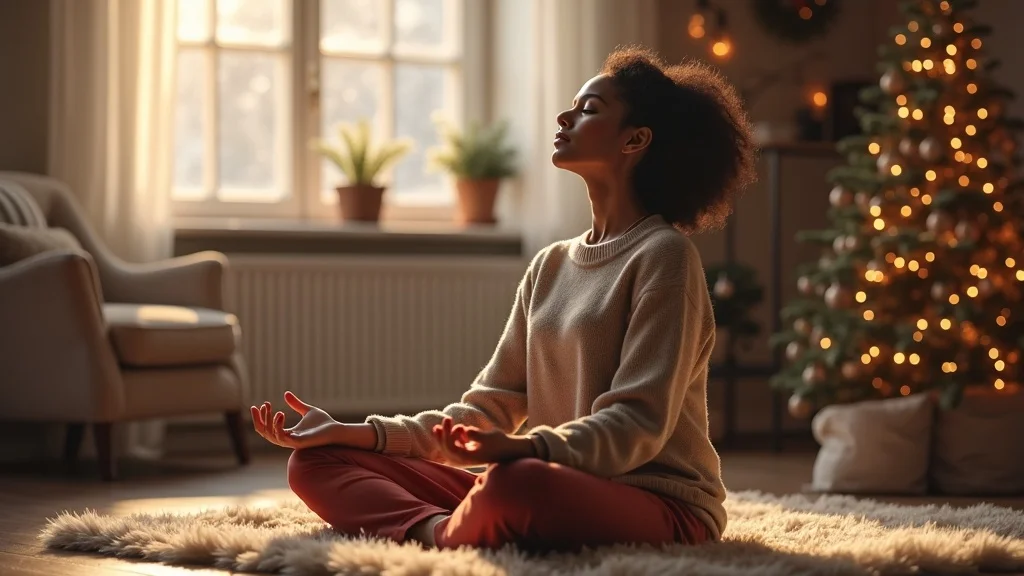
Person practicing mindfulness during holidays sitting cross-legged in cozy living room with subtle holiday decor, realistic and peaceful scene, mental health focus

What You’ll Learn: Mastering Mindfulness During Holidays

This guide will empower you with actionable strategies and scientific insights so you can practice mindfulness even amidst the busiest times. You’ll explore proven techniques to stay present and hear directly from experts about simple mindfulness practices that make a difference. Whether you want to manage added stress, connect deeper with family, or enhance your mental health, you’ll gain the confidence to transform each holiday rush into an opportunity for presence and joy.

  • The science behind mindfulness during holidays

  • Practical strategies for practicing mindful presence

  • Case studies and expert insights on simple mindfulness for holidays

Understanding Holiday Stress: Why It's Easy to Get Caught Up

The excitement and obligations of the holiday season can be overwhelming. With so much focus on giving, socializing, and meeting expectations, even the most mindful person can get swept away. Emotional pressure, lack of routine, and increased social demands contribute to chronic stress at this time of year.

Mindfulness during holidays becomes a lifesaver for those easy to get caught in the crossfire of external demands and personal needs. Recognizing the triggers of stress and knowing how mindfulness supports your mental health is the first step to reclaiming your peace and presence.

Comparing Causes of Stress During the Holiday Season and How Mindfulness Helps

Cause of Holiday Stress

How Mindfulness Helps

Overpacked Schedules & Event Pressure

Mindful time management and boundary-setting promote calm and balance

Family Expectations & Emotional Dynamics

Non-judgmental awareness helps navigate interactions without feeling overwhelmed

Financial Concerns & Gift Anxiety

Mindful spending and intention shift focus from obligation to meaning

Disrupted Routines & Lack of Sleep

Awareness of bodily needs leads to intentional self-care

Overindulgence in Food/Drink

Mindful eating supports healthier choices and present-moment enjoyment

The Principles of Practicing Mindful Living During the Holiday Season

At the heart of mindfulness during holidays lies a dedication to present-moment awareness, acceptance, and intentional action. These principles create opportunities to practice mindfulness in real situations—transforming the holiday rush into meaningful moments. Rather than racing through a checklist, mindful living invites you to slow down and truly experience your favorite traditions and daily routines. Focusing on your breath, emotions, and intentions, you become more resilient to added stress and find genuine joy in spending time with loved ones.

For those looking to deepen their stress management toolkit, incorporating quick, effective breathing techniques can be especially helpful during hectic times. Explore these 5-minute methods to calm your mind and body—a practical complement to your holiday mindfulness practice.

How Practice Mindfulness Supports a Meaningful Holiday Season

Practicing mindful awareness is more than just a passing trend; it’s supported by research showing mindfulness can enhance mental health and emotional resilience. When used as a tool during parties and events, this mindful approach lets you notice stress without letting it dictate your actions. Practicing mindfulness helps you ground yourself, appreciate the beauty of the holiday season, and foster gratitude for the people and experiences around you. With practice, staying grounded becomes easier—meaning you spend less energy feeling overwhelmed and more energy being present for what matters most.

  1. Awareness of thoughts and emotions: Noticing your reactions and internal dialogue during hectic holiday activities.

  2. Non-judgmental acceptance: Embracing your experience—positive, negative, or neutral—without trying to change it.

  3. Intentional action: Choosing how you respond, instead of acting out of habit or stress-driven impulse.
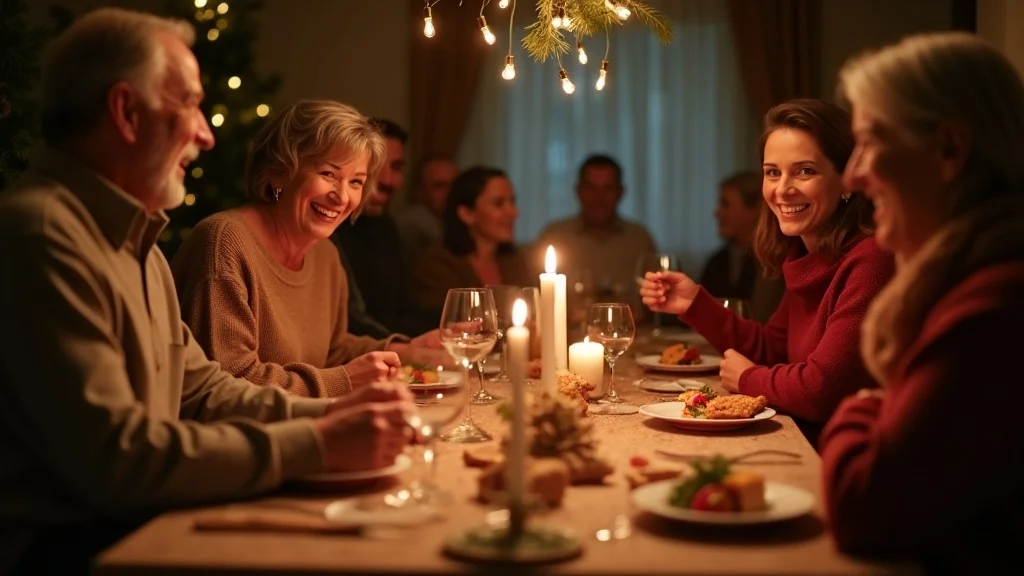
Practicing mindful living during holiday season: large family sharing a joyful, authentic dinner, meaningful holiday traditions, connectedness, parties and events, mental health support

Simple Mindfulness Strategies: How to Practice Mindfulness Each Day

Integrating simple mindfulness into your daily holiday routine doesn’t require hours of meditation. In reality, just a few dedicated breaths or moments of intentional pause can make a huge difference. With each mindful practice—be it a breathing exercise, mindful eating, or a quick body scan—you reclaim your attention from distractions and root yourself in the present moment. Even during the busiest parties and events, these simple mindfulness techniques can bring your attention back to what counts. Practicing mindfulness daily cultivates resilience, turning the holiday season into an opportunity for growth and peace.

Breathing Exercise for Mindfulness During Holidays

One of the easiest ways to reduce stress during the holiday season is through a mindful breathing exercise. Find a quiet space, sit comfortably, and close your eyes if you feel safe to do so. Take a slow, deep breath in through your nose for four counts, pause, then gently release it through your mouth for six counts. Repeat this for five cycles, noticing how your body feels with each exhale. This simple technique activates your relaxation response and brings your focus back, even if you’re feeling overwhelmed at parties or events.

  • Step-by-step mindful breathing exercise for stress relief

  • Incorporating mindful eating into holiday meals

  • Body scan for present-moment awareness at parties and events

Young woman practicing mindful breathing during holidays, serene expression in festive living room, mental health focus, present-moment awareness

Expert Insights: Practicing Mindfulness According to Health Professionals

Research and clinical expertise show the power of mindfulness during holidays for mental health and emotional well-being. Leading health professionals suggest that mindful strategies are vital in transforming added stress into opportunities for joy and togetherness. The following advice highlights real-world, practical applications from respected voices in psychology and family health.

The Role of Mindful Eating in the Holiday Season

Food can be a source of both comfort and stress during the holiday season. Mindful eating—a key aspect of practicing mindfulness—encourages you to notice the sensations, emotions, and thoughts connected to food.

"Practicing mindful eating and conscious breathing transforms chaotic gatherings into genuine opportunities for togetherness." – Dr. Rina Patel, Family Wellness Expert

Recognizing the difference between emotional and physical hunger helps cultivate healthy habits and prevent overindulgence. These mindful strategies support mental health and ensure that your favorite traditions around the table bring joy rather than guilt or regret, making gatherings and parties and events more meaningful and connected.

  1. Recognizing emotional vs. physical hunger: Notice if you reach for food out of stress or genuine hunger while at parties and events.

  2. Mindfully savoring foods at parties and events: Chew slowly, appreciate each bite, and engage your senses—transforming meals into moments of gratitude and presence.

  3. Setting boundaries around holiday indulgence: Give yourself permission to enjoy favorite traditions without judgment, but listen to your body’s signals for fullness.

Mindful eating during the holiday season: close-up of hands savoring holiday food, mental health and present-moment experience, festive setting

Staying Engaged: Mindfulness During Holidays with Family and Friends

Spending time with loved ones is central to the holiday season, but it can come with its own set of challenges. Practicing mindfulness allows you to deeply engage with family and friends, fostering meaningful conversations and deeper emotional connection.

Being present at gatherings helps you set healthy boundaries with difficult relatives and appreciate special moments, rather than getting lost in resentment or distraction. Use mindful listening and intentional eye contact to create a warm, connected atmosphere, making these opportunities to practice mindfulness part of your holiday traditions.

  • How mindfulness improves spending time with loved ones

  • Cultivating meaningful conversations over the holiday season

  • Setting mindful boundaries with difficult relatives

Close friends practicing mindfulness during holidays, present-moment conversation, festive cozy living room, emotional wellness, spending time together

Watch a guided breathing exercise designed specifically for managing stress and enhancing presence during the holiday season. With a peaceful home backdrop and festive touches, follow along to anchor your mind and find calm, even during the busiest celebrations.

This video demonstrates quick, effective mindfulness rituals you can practice at any holiday party or event—helping you center yourself, manage overwhelming moments, and enjoy deeper connections in real time.

Practicing Mindful Gifting: Intentional Giving During the Busy Holiday Season

Gift-giving is a beloved part of the holiday season, but it can add stress if approached mindlessly. Practicing mindful gifting turns this tradition into a chance for presence, creativity, and heartfelt connection. Prioritize experiences, homemade gifts, or thoughtful gestures that reflect genuine care. Mindful shopping—planning ahead, setting a budget, and avoiding last-minute rushes—reduces stress and ensures you’re giving from the heart, not out of obligation. This mindful approach helps reclaim joy and meaning for both giver and receiver.

  • Gift ideas that prioritize presence over presents

  • Mindful shopping habits to avoid added stress

Family practicing mindful gifting during the holidays, making heartfelt handmade gifts, present-moment joy, holiday mental health, intentional giving

Making Mindfulness a Family Tradition: Activities for Parents and Kids

Planting the seeds of mindfulness in children fosters calm, happiness, and a sense of unity during the holidays. Family-centric mindfulness activities like crafts or gratitude circles not only ease stress but also create cherished memories. Simple present-moment games teach kids (and grownups) how to bring attention back to what’s happening now—building habits that support mental health and lasting family bonds.

  1. Mindful holiday crafts: Slow, creative projects that encourage collaboration and awareness.

  2. Family gratitude circles: Sharing something you’re thankful for at the beginning or end of the day, deepening connection and positivity.

  3. Present-moment games: Play games that require attention and engagement, like “Mindful Memory” or “Holiday Senses Hunt.”

Overcoming Obstacles: How to Maintain Mindfulness During Challenging Holiday Moments

Even with the best intentions, there are times during the holiday season when you’ll feel overwhelmed or pulled away from the present moment. Learning to compassionately notice these moments and practice mindfulness reinforces your resilience.

Whether handling crowded gatherings, managing conflict, or returning to calm after stress resurfaces, remember that each challenge is an opportunity to practice mindful living more deeply. A deep breath, quick body scan, or gentle reminder to bring your attention back can reset your mood and maintain your mental health.

  • Handling feeling overwhelmed at crowded gatherings

  • Responding to conflict with mindfulness during holidays

  • Returning to presence when stress resurfaces

Case Studies: Real-Life Benefits of Practicing Mindfulness During Holidays

Nothing illustrates the transformative power of mindfulness during holidays like real stories. The following table presents brief case examples showing how individuals shifted from stress to serenity by integrating mindful strategies into the holiday season. Notice the improvements in mental health, connection, and overall enjoyment after embracing mindful habits.

Case Examples—Before and After Embracing Mindfulness During Holidays

Person

Before Mindfulness

After Mindfulness

Jessica (Parent)

Constantly rushing, snapping at kids, feeling overwhelmed by parties and events

Paused to notice breath, set boundaries, stated gratitude with family—joyful and less reactive

Andrew (Student)

Stressed about family expectations, lost sleep, quick to argue

Practiced deep breathing, journaled emotions—slept better and held calm conversations

Sophia (Grandparent)

Overate at gatherings, guilt after meals, disconnected from loved ones

Used mindful eating and present-moment games with grandkids—enjoyed food and togetherness

People Also Ask: Common Questions About Mindfulness During Holidays

How can I practice mindfulness when the holiday season is so busy?

Begin with small moments—take a deep breath before each task or event, find a quiet space if you need to regroup, or close your eyes and focus on the present, even for a minute. Practicing mindfulness doesn’t demand hours; it’s about creating frequent, short opportunities to bring your attention back to the current moment. This approach not only reduces stress but also helps you cultivate joy, regardless of how packed your holiday calendar looks.

What are the mental health benefits of mindfulness during holidays?

Practicing mindfulness has been shown to reduce anxiety, improve mood, and promote resilience against added stress—especially during the holiday season. The mindful approach helps you respond rather than react to overwhelming situations, decreases emotional exhaustion, and enhances the quality of spending time with family and friends. Over time, these benefits accumulate, helping you cherish your favorite traditions and handle new challenges with grace.

Are there mindful strategies for children and teens during the holiday rush?

Absolutely! Teaching children simple mindfulness strategies—like deep breathing, guided meditation, or mindful games—empowers them to manage their emotions during parties and events or when routines change. Family practices such as gratitude circles or mindful crafts allow everyone to feel included and supported, building a shared foundation of calm as a core part of holiday traditions.

How do I return to mindfulness if I notice myself feeling overwhelmed again?

Feeling overwhelmed is normal; what matters is how you respond. Acknowledge the sensation without judgment, take a few deep breaths to anchor your attention back to the present, and gently shift your focus to something positive or grounding. Each time you practice mindful redirection, you strengthen your ability to engage meaningfully with the holiday season and break the cycle of stress.

FAQs: All About Mindfulness During Holidays

  • What are easy ways to practice mindfulness during the holiday season?

    Try mindful breathing, journaling about what you’re grateful for, practicing mindful eating at meals, or even taking a five-minute guided meditation before busy parties and events. Small, consistent mindful moments add up throughout the holiday season.

  • How can mindfulness reduce added stress at this time of year?

    By focusing on the present moment instead of worries or distractions, mindfulness interrupts the cycle of mounting stress. Simple mindful actions help you notice tension, release it with a deep breath, and make conscious choices—transforming overwhelm into a manageable experience.

  • Are there mindful practices for kids and teens during holidays?

    Yes! Encourage them to share daily highlights (gratitude circle), create mindful crafts, play present-moment games, or take quiet time to breathe and reset. Mindfulness is accessible for every age and helps everyone enjoy the holidays together.

Key Takeaways: Staying Present with Mindfulness During Holidays

  • Mindfulness during holidays transforms stress into serenity

  • Simple mindfulness habits create a joyful, meaningful holiday season for yourself and others

  • Practicing mindful strategies gives you back control and presence, no matter the circumstance

"For clients feeling overwhelmed, I recommend grounding exercises that reconnect them with the present—even amidst the busiest holiday season." – Justin Flores, Licensed Counselor

Embrace Mindfulness During Holidays: Start Your Presence Practice Today

Begin turning added stress into opportunities for peace. Commit to a mindful moment each day, and watch your holiday season grow brighter, calmer, and more connected.

If you’re inspired to continue your journey toward greater well-being, consider exploring how nutrition and lifestyle choices can further support your mental and physical health. Discover the role of essential nutrients in managing inflammation and overall wellness by reading about the best vitamins for joint health and vitality. Expanding your self-care toolkit with holistic strategies can help you thrive not just during the holidays, but all year long.

Sources

  • Mindful.org – https://www.mindful.org/mindfulness-for-the-holidays/

  • American Psychological Association – https://www.apa.org/topics/holidays-stress

  • Greater Good Science Center – https://greatergood.berkeley.edu/article/item/how_mindfulness_helps_during_the_holidays

  • National Institute of Mental Health – https://www.nimh.nih.gov/health/topics/caring-for-your-mental-health

To deepen your understanding and practice of mindfulness during the holiday season, consider exploring the following resources:

  • “4 Mindful Tips to De-Stress This Holiday Season” (hopkinsmedicine.org)

  • “5 Mindfulness Practices To Help You Through the Holidays” (vogue.com)

Stop just surviving the holiday rush and start truly thriving. These unique articles offer tested strategies to anchor your focus, allowing you to move through the season with intentional calm instead of chaos. Adopt these insights to transform your experience, making this your most present and meaningful festive period yet. NCWellnessHub.com


Stress Management

Write A Comment

*
*
Related Posts All Posts

Stretch Away the Stress: 10-Minute Mobility Routines for the Holidays

After a hectic day, that tightness in your shoulders isn't just physical—it's a signal to take a deep breath and pause. Embracing simple stretches and mindful deep breathing can transform your holiday anxiety into calm, restoring your balance in just ten minutes. Discover peace through movement when you need it most.Unwind in Minutes: The Power of Stress Relief StretchesWhen holiday stress starts to build, your body feels it first: tense shoulders, sore backs, and an increased heart rate, signaling the need to reduce stress through simple stretches and deep breathing. But just ten minutes of stress relief stretches can ease tension, relax your nervous system, and help regulate your blood pressure.According to Harvard Health Publishing, stretching routines that incorporate deep breathing not only benefit your physical body, but also help to calm your mind and reduce stress. The holidays may come with emotional and mental stress, but these mobility routines can offer immediate relief.By moving through simple stretches—such as Child’s Pose or standing forward folds paired with deep breathing—your body and mind find a reprieve from the seasonal hustle. These movements, especially when combined with deep breaths, help slow your heart rate and activate the parasympathetic nervous system, promoting a state of relaxation.Just as important, these routines can be done almost anywhere: sitting on your living room floor, next to your holiday decorations, or even at your work desk. Embrace movement as your anchor during the busiest season of the year.“After a hectic day, that tightness in your shoulders isn’t just physical—it’s a signal you need to pause.”Why Stress Relief Stretches Matter During the HolidaysThe holidays—juggling family gatherings, shopping, and year-end responsibilities—can quickly lead to chronic tension in the body and mental fatigue. Research from the Mayo Clinic and Harvard Medical School highlights that regular stretching exercises targeting the neck, shoulders, and back are essential for counteracting the negative effects of stress. These routines not only reduce stress on a physical level but also support overall mental health.When your muscles stay contracted for too long due to ongoing stress, you may notice tightness in your shoulders, back pain, and even headaches—signals it's time for some simple stretches. Taking just a few moments each day to focus on mobility and flexibility, especially during the high-pressure holiday season, helps break the cycle of tension. These quick routines, paired with deep breathing and a deep breath or two, invite calmness and restore balance, leaving you better equipped to embrace holiday joy with peace of mind.How Taking a Deep Breath Helps Reduce Stress and Ease TensionDeep breathing is the cornerstone of any effective stress relief routine, helping to reduce stress and promote mental health. When you breathe deeply, you signal your nervous system to shift from the fight-or-flight response to rest and digest mode. This change automatically reduces heart rate and blood pressure, counteracting the effects of mental stress. Even during a simple stretch, integrating conscious deep breaths—inhale slowly through the nose, exhale gently through the mouth—relieves both muscle tension and emotional anxiety.The link between movement and breath can't be overstated. As you stretch, your muscles elongate and your body releases endorphins, those feel-good chemicals that enhance your mood. Each conscious deep breath helps you tune into your body, recognize areas holding tension, and allows for a deeper, more effective stretch. In short, pairing deep breathing with stress relief stretches delivers quick, powerful results that not only ease tension but also foster greater mental clarity as you navigate the busy holiday season.Mobility and Mental Health: The Science Behind Moving to Reduce StressScientific studies emphasize the connection between physical activity, mobility, and improved mental health. According to Harvard Health and the Mayo Clinic, regular movement—even in the form of gentle stretching exercises—stimulates blood flow, supports healthy heart rate variability, and decreases anxiety levels. The act of moving, especially when paired with breath awareness, engages your parasympathetic nervous system, which is responsible for calming the body.By dedicating just ten minutes to stress relief stretches, you're not just addressing physical discomfort like lower back tension or tight hamstrings. You're also investing in your mental wellbeing. Mobility routines help reduce the buildup of the stress hormone cortisol, support better sleep, and can even ease symptoms of anxiety and depression. This science-backed approach can transform the way you handle stress—making movement a key ingredient in your holiday self-care toolkit.While these mobility routines are excellent for immediate stress relief, you might also find it helpful to explore how sleep quality impacts your ability to recover from daily tension. Understanding the stages of sleep and their effect on your body can further enhance your overall wellness during the holidays. For a deeper dive, check out this guide on the five stages of sleep deprivation and how to improve your rest.Stress Relief Stretches for Lasting CalmHow stress triggers tightness and tensionQuick routines for daily stress reliefThe role of deep breathing in mobilityBest products and tools to enhance your routineLong-term mental health benefits of stretchingUnderstanding Your Body: How Stress Affects Mobility and Mental HealthUnderstanding how stress works in your body is the first step toward relief. Persistent mental stress signals your muscles to stay contracted, particularly in your neck, back, and shoulders. Over time, this leads to decreased mobility, soreness, and even chronic pain, especially in the lower back and shoulders. When you combine this physical restriction with the emotional toll of holidays, it's clear why stress relief stretches and movement are crucial.More than just a quick fix, developing a routine of simple stretches helps counteract the negative effects of stress on your nervous system. According to top medical schools, the benefits are not just physical—mobility improves your mental clarity, self-regulation, and emotional stability. Stretching gives your body and mind a chance to reset, supporting a proactive approach to holiday mental health.Identifying Physical Signs of StressThe signals of stress often manifest physically before you even realize you’re anxious. Are your shoulders back and stiff? Is your neck tight or your lower back aching? These are clear signs that stress has settled into your muscles. According to the Mayo Clinic and Harvard Health Publishing, regularly identifying these signs is essential to prevent more serious tension or even injury. Left unaddressed, tight muscles can restrict mobility and lessen your body’s ability to recover.Notice if you’re frequently pausing to rub your shoulders or stretching your lower body. These cues are vital: when your body tells you something’s off, it’s time to take a deep breath and perform a quick simple stretch. Doing so not only brings immediate relief, but also helps break the cycle of built-up stress that can linger long after the holidays have passed.Link Between Stress Relief Stretches and Mental HealthRecent studies demonstrate a powerful link between regular movement and improved mental health. When you commit to daily stress relief stretches, you're triggering a release of endorphins—your body’s natural mood elevators. The act of stretching, especially with mindful breathing, helps to reduce anxiety, supports better sleep patterns, and sharpens focus.The holidays can magnify feelings of overwhelm. By using stretching exercises as a coping mechanism, you establish a routine that helps you efficiently manage stress and maintain emotional balance. When tension begins to rise, a few minutes spent on mobility not only soothes your body but also protects your mental well-being, making the season brighter and healthier for you and those around you.The Science: Deep Breathing and Stress ReductionDeep breathing is more than just a relaxation technique—it's a neurological tool for stress relief. According to Harvard Medical School, deep, diaphragmatic breathing has a direct effect on the nervous system, lowering your heart rate, blood pressure, and shifting your body out of the stress response. When combined with simple stretches, deep breathing sends a signal that it's safe to relax.Taking a few moments to breathe consciously before, during, and after each stretch enhances your results. Not only does it ease physical tension, but it also creates a calming mental reset. By integrating these two practices—movement and breath—you turn a simple 10-minute routine into a highly effective tool for reducing stress and supporting overall mental health.Simple Stretches to Reduce Stress: Your 10-Minute Holiday RoutineNeck and Shoulder ReleaseDeep Chest OpenerStanding Forward FoldCat-Cow for Spine FlexibilitySeated Spinal TwistHip Flexor StretchChild’s Pose for RelaxationFoam Rolling for Deep ReliefWrist and Forearm EaseGentle Full-Body SwayThis 10-minute mobility routine is the antidote to holiday chaos. Each simple stretch is chosen for its ability to release the areas where tension hides—shoulders, back, neck, and hips. Begin with a neck and shoulder release to ease tension from screen time. Move into a deep chest opener to undo hours of slouching. Standing forward folds and the Cat-Cow sequence boost blood flow to your spinal column, making you feel relaxed and revitalized.The seated spinal twist and hip flexor stretches target areas that become tight when sitting for long periods. Child’s Pose, a classic yoga pose, is renowned for its restorative qualities—helping your body reset and recharge. Don't forget foam rolling for deep tissue release (especially for lower back or thigh tension) and wrist stretches if you spend a lot of time typing or texting. End with a gentle full-body sway, grounding yourself for the challenges and joys of the season.Step-by-Step Guide: Performing Stress Relief Stretches SafelySetting Up: Choosing a Calm Space and Tools (Including Foam Rollers and Mobility Apps)Creating your sanctuary for stress relief stretches doesn’t require much—just intentionality. Choose a calm, distraction-free corner of your home where you feel comfortable and safe. Lay out a yoga mat or soft rug. Keep tools like foam rollers or yoga straps nearby for deepening stretches. Mobility apps can be an excellent guide, offering structured routines and reminders, catering to every skill level.Make sure the environment feels inviting—soft lighting, maybe holiday scents or gentle music. If you want to level up your stretches, consider mobility props like blocks or rolled towels for extra comfort. Most importantly, listen to your body throughout; the best results come when you practice with intention and care.Breathe deeply before beginning each stretchMove slowly, focusing on tension areasHold each pose for at least 30 secondsIntegrate deep breathing for optimal resultsListen to your body and modify as neededWhy Deep Breathing Enhances Stress Relief StretchesEffects of Deep Breathing on the Nervous SystemDeep breathing initiates a cascade of calming effects in your body. When you breathe deeply, you activate the vagus nerve—the main line between your brain and the parasympathetic nervous system. This signals your body to shift out of stress mode, lowering your heart rate, reducing blood pressure, and decreasing the release of stress hormones like cortisol.Incorporating this technique into your stress relief stretches not only amplifies the benefits of each movement but also establishes a firmer mind-body connection. As Harvard Medical School highlights, deep, slow breaths before and during stretches significantly enhance calmness by signaling your brain that it’s safe to relax and let go of tension.Techniques: Integrating Breathing Into Each Simple StretchTo optimize every simple stretch, pair it intentionally with deep breathing and a deep breath to maximize stress relief benefits. For example, as you move into a standing forward fold, inhale to lengthen your spine and exhale as you lean forward, releasing tension through your back and hamstrings. Maintaining this rhythm in each pose (inhale to prepare, exhale to stretch) encourages muscle release while calming mental stress.Try counting to four as you inhale and counting to six as you exhale—this ratio supports a deeper relaxation response. Whether you’re holding Child’s Pose or arching your back in Cat-Cow, always couple movement with your breath. As the quote goes:“Even one deep breath can shift your body from tension to tranquility.”Recommended Tools and Products to Enhance Your Stress Relief StretchesBest foam rollers for tension releaseEssential mobility apps for guided routinesYoga props for added comfortAromatherapy products for relaxationProduct/ToolPurposeHow It Supports Stress Relief StretchesFoam RollerDeep tissue releaseEases muscle tightness to allow deeper stretchesMobility AppRoutine guidanceOffers structured stretch sequences and remindersYoga StrapAssisted stretchingHelps achieve full range of motion in simple stretchesEssential OilsPromotes calmEnhances deep breathing experiencePeople Also Ask: Fast and Effective Stress ReliefHow do you relieve stress quickly?To relieve stress quickly, begin with a deep breath—this simple act instantly signals your nervous system to calm down. Follow with a simple stretch: roll your shoulders, drop your chin, or try a gentle forward fold. These movements, coupled with slow, methodical deep breaths, lower your heart rate and begin to reduce stress within minutes. For extra relief, try a quick walk, gentle yoga pose, or foam rolling session.Quick Stress Relief Techniques Including Deep Breathing and Simple StretchesQuick stress relief is about activating your body and calming your mind at the same time. Start by sitting comfortably with shoulders back and feet flat on the floor. Take several deep breaths, filling your lungs on the inhale and releasing tension on each exhale. Move into a simple stretch: extend your arms overhead, twist gently to each side, or try the Cat-Cow yoga pose for the spine.Even if you only have two or three minutes, that’s enough to benefit from increased blood flow and an immediate reduction in stress. These practices are compact enough to fit into any holiday schedule, and their effects—lower blood pressure, improved mood, and relaxed muscles—can last for hours.What are the 5 R's of coping with stress?The 5 R’s of coping with stress are: Recognize, Reduce, Relax, Reframe, and Reconnect. These steps guide you to identify stressors, minimize their impact, practice relaxation techniques, shift your perspective, and connect with supportive people or routines. Each step is vital for managing both mental and physical stress, especially during busy, demanding times like the holidays.Applying the 5 R's: Recognize, Reduce, Relax, Reframe, and Reconnect Through Stress Relief StretchesRecognize: Tune into your body—notice tight areas needing a stretch.Reduce: Complete your 10-minute mobility routine to lower stress levels.Relax: Use deep breathing and gentle yoga poses to calm your mind and body.Reframe: View stretching as restoration, not another task.Reconnect: Invite family or friends to join, making stretching a shared, supportive habit.Stress Relief Stretches:What is the most relaxing stretch?Child’s Pose (Balasana) stands out as the most relaxing stretch for immediate stress relief. This foundational yoga pose encourages you to bend your knees, lower your chest toward your thighs, and extend your arms forward—releasing tension across your back, shoulders, and hips. The gentle compression against the thighs helps slow your heart rate and improves blood flow to the lower back.Simply hold Child’s Pose for up to a minute while taking slow, deep breaths. This position cradles the body in comfort, activating your nervous system’s relaxation response, and melting away both physical and mental stress. It’s the ultimate pose to return to any time you feel overwhelmed.Exploring the Most Relaxing Stress Relief Stretch: Child’s Pose and Deep BreathingThe magic of Child’s Pose isn’t just in the posture—it’s in the breath you bring to it. With each inhale, your lower back and ribcage expand gently. Each exhale invites your body to sink deeper, releasing stubborn tension. This powerful combination is what makes Child’s Pose such an effective stress relief stretch.Deep breathing while in this pose calms your heart rate, helps reduce stress, and allows your mind to settle for improved mental health. The Mayo Clinic recommends Child’s Pose as a go-to for anyone seeking a “quick reset” under pressure, as it encourages a grounded, introspective state. If your holiday feels hectic, spend a few moments here—your body and mind will thank you.What exercises release stress?Multiple exercises are proven to release stress—including yoga poses, foam rolling, walking, and bodyweight mobility routines. Stretching exercises increase blood flow, elevate your heart rate slightly (then help it return to normal), and foster an immediate sense of calm. Even gentle movement, like a simple spinal twist or downward dog, enables both your body and mind to shed stress.The most effective exercises also integrate breath control and mindful focus. Harvard Health Publishing suggests that these routines are especially powerful when performed consistently, as they build resilience to daily stressors and reduce risk of longer-term issues such as chronic back pain or emotional fatigue.Comparing Stress Relief Stretches and Other Exercises for Reducing StressWhile all movement is beneficial, stress relief stretches offer a unique blend of accessibility, efficiency, and mindfulness. Unlike strenuous cardio workouts that elevate heart rate, gentle stretching exercises encourage a gradual lowering of blood pressure, improved blood flow, and rapid reduction in stress-related tension—especially in key areas like the lower back and neck.Compared to activities like running or weightlifting, stress relief stretches can be done anywhere, require no equipment, and are ideal for all ages and mobility levels. This makes them a practical, sustainable choice throughout the holiday season and beyond, supporting both immediate and long-term mental health.FAQs: Mastering Stress Relief Stretches for Everyday UseHow long should stress relief stretches take?A complete routine can be as short as 10 minutes. Focus on holding each stretch for at least 30 seconds to maximize benefits and allow your body to truly relax.Can anyone perform these simple stretches?Yes, most stress relief stretches are accessible for all ages and fitness levels. Always work within your comfort zone and consult a professional if you have any chronic pain or health concerns.Are mobility routines safe for chronic stress or anxiety?Absolutely. Regular stretching, paired with deep breathing, is an effective way to manage both chronic stress and anxiety, supporting overall mental health. If symptoms persist, seek additional professional guidance.How often should I do stress relief stretches?Aim for daily practice of simple stretches and deep breathing, especially during high-stress periods like the holidays, to effectively reduce stress and support mental health. Even on busy days, a few quick stretches can make a noticeable difference.Will deep breathing make stress relief stretches more effective?Yes, integrating deep breathing improves stretch effectiveness, enhances relaxation, and delivers lasting stress-reducing benefits.Tips and Key Takeaways: Sustaining Stress Relief Throughout the HolidaysCommit to a daily 10-minute routinePair stretches with mindful deep breathingUse mobility tools for deeper resultsListen to your body’s needsSeek professional advice for chronic issuesFind Lasting Calm: Your Next Steps for Holiday Stress Relief“Your path to holiday calm begins with a single, intentional stretch.”Ready to transform stress into strength? Start today with our free mobility guide and discover the ease of stress relief stretches.Conclusion: Embrace movement and mindful breathing—these stress relief stretches are your pathway to a calm, joyful holiday season. Start now and make relaxation your holiday tradition.If you’re interested in taking your wellness journey even further, consider exploring the broader impact of social connection and emotional wellbeing. Our in-depth article on addressing loneliness and building supportive relationships offers valuable strategies to complement your stress relief routine, helping you cultivate resilience and joy throughout the holidays and beyond.SourcesHarvard Health Publishing – https://www.health.harvard.edu/staying-healthy/the-importance-of-stretchingMayo Clinic – https://www.mayoclinic.org/healthy-lifestyle/stress-management/in-depth/stress-relief/art-20044456Harvard Health Publishing – https://www.health.harvard.edu/mind-and-mood/breathing-to-relaxHarvard Health Publishing – https://www.health.harvard.edu/mind-and-mood/dont-underestimate-the-power-of-a-deep-breathIncorporating stress relief stretches into your daily routine can significantly alleviate tension and promote relaxation. The American Institute of Stress highlights that simple stretches, such as the Child’s Pose and Cat-Cow, are effective in reducing muscle tension and enhancing mental well-being. (stress.org)Also, Fitness Blender offers a 20-minute relaxing stretching workout designed to relieve stress and stiffness, making it accessible for individuals at all fitness levels. (fitnessblender.com)By integrating these resources into your holiday routine, you can effectively manage stress and maintain a sense of calm during the festive season. NCWellnessHub.com

From Burnout to Balance: How to Protect Your Peace During the Holiday Rush

Struggling to keep your peace during the hustle and bustle of the holiday season? Discover these expert-backed, friendly, and actionable holiday stress relief strategies to effectively manage holiday stress and protect your mental health. Learn how to manage gift giving stress, protect your mental health, set healthy boundaries, and adopt healthy habits to make this holiday season meaningful and calm for you and your loved ones.“Feeling overwhelmed as the holidays approach? You're not alone. Holiday stress relief isn't just a luxury—it's essential for your well-being. Discover how embracing balance can transform chaos into calm, helping you protect your peace and truly enjoy the season.”The holidays are a time for joy, togetherness, and making cherished memories—but let’s be honest, they can also spark overwhelming stress and anxiety as your to-do list grows. If you’re looking for practical, proven ways to find holiday stress relief, manage gift giving pressures, and protect your mental health, you’re in the right place.From setting healthy boundaries to making the most of daily self-care rituals, these 15 tips will help you navigate the holiday rush with more balance and less burnout. Whether you’re feeling stressed by social obligations, gift giving, or simply the hustle and bustle, you’ll gain the knowledge you need to reclaim your joy this holiday season.As you work to set boundaries and prioritize your mental health, it’s important to recognize how underlying patterns—such as self-perception and emotional responses—can influence your holiday experience.For a deeper look at how your brain’s wiring might impact stress and self-care, explore how ADHD can reshape self-perception and practical ways to break free from negative cycles.Why Holiday Stress Relief Matters During the Holiday SeasonHoliday stress relief is more than just a buzzword—it’s a crucial part of maintaining well-being as the calendar fills with family events, travel, and last-minute errands. The holiday season often ramps up expectations and demands, increasing holiday stress and placing added pressure on relationships and mental health.Many people find themselves balancing celebrations with emotional strain from high expectations or difficult family dynamics. When left unchecked, these pressures can lead to burnout, disrupt healthy habits, and undermine what should be a wonderful time of year.Recognizing the psychological toll of holiday stress is the first step toward meaningful change. Feeling overwhelmed, irritated, or out of control is common—but not inevitable. Prioritizing mental health during the holidays helps you enjoy traditions, spend quality time with family and friends, and focus on making memories instead of managing chaos. Early awareness of stressors lets you intervene before burnout sets in, preparing you to safeguard your peace through practical holiday stress relief strategies.The psychological toll of holiday stressImpact on mental health and relationshipsRecognizing early signs of burnout during the holiday seasonStressorImpact LevelPractical Relief TipGift giving expectationsHighSet a realistic budget and stick to meaningful, low-cost optionsOver-scheduling eventsMediumLimit social obligations; prioritize events that matter mostFamily conflictHighSet boundaries and focus on self-advocacyUnrealistic expectationsMediumFocus on joy, not perfection1. Set Realistic Expectations for Holiday Stress ReliefThe holiday season is often romanticized as magical and flawless, setting the stage for disappointment and holiday stress when things don’t go as planned. Setting realistic expectations from the start is foundational to effective holiday stress relief and maintaining your mental health. Instead of chasing perfection—perfect gifts, perfect dinners, perfect plans—focus on what fills you with joy and meaning.Remember, not everything will go smoothly, but you can still create beautiful memories by being flexible and kind to yourself and others. This can diffuse tension and let you savor the present moment with family and friends.Being honest about what’s possible for you, your schedule, and your resources prevents overcommitting and helps avoid feeling overwhelmed. Let go of the idea that every holiday tradition must be upheld exactly as before.If spending money or time becomes a stressor, adjust your plans—most family members will appreciate your authenticity and presence more than extravagant gestures. True holiday spirit is rooted in connection and love, not flawless execution.Focusing on Joy, Not PerfectionRelease the pressure of perfect gift givingEmbrace flexibility when plans changeInstead of stressing over the perfect gift or meticulously planning every detail, shift your focus to the moments and activities that bring happiness. This could mean sharing a healthy snack with a loved one or making a list of simple pleasures you want to prioritize.Flexibility allows you to adapt as things unfold, reducing frustration—and often, the most memorable holiday experiences come from the unexpected. By lowering the bar for perfection and raising it for joy, you’ll discover more ways to make this season meaningful and calm.2. Prioritize Your Mental Health for Effective Holiday Stress ReliefHolidays can amplify emotions and old patterns, making it vital to protect your mental health. Prioritizing your mental health and well-being is not selfish; it’s an essential investment in your holiday experience and relationships.Start by integrating small self-checks into your daily routine—ask yourself how you’re feeling, identify areas of tension, and make time to recharge. Practicing self-awareness helps you notice early warning signs of burnout and guides you toward effective holiday stress relief.Managing holiday stress is easier when you acknowledge triggers and make intentional decisions to support your mental health. If social media comparisons or certain family members heighten your anxiety, set boundaries on screen time or interactions.Regular self-assessment lets you adjust your plans, advocate for your needs, and remain resilient in the face of challenges. Make mental health as much a priority as gift giving or holiday feasts for a truly balanced season.Check In With Yourself DailyEstablish a daily ritual of checking in with yourself, even if it’s just for a few minutes. This can include journaling about your feelings or noting three things that made you feel grateful that day. Simple acts like deep breathing, meditation, or a brief nature walk can help you stay grounded and reduce tension.By listening to your emotions and acknowledging when you’re feeling stressed, you give yourself permission to take action. Responding to your needs promptly and compassionately will help prevent small stressors from piling up into major overwhelm.Recognizing Triggers for Holiday StressRecognizing your unique triggers is the key to effective holiday stress relief. Ask yourself: Which activities, people, or expectations bring up anxiety or resentment? You might notice that gift giving, last-minute changes, or certain conversations spark stress.By identifying these early, you can develop coping strategies—such as setting time limits, making a list to stay organized, or speaking up for yourself. If you find social media increases comparison or negative feelings, consider a digital detox for the holiday season. Awareness is empowering—it’s the first defense against being swept away by the holiday rush.3. Embrace Healthy Habits for Holiday Stress ReliefMaintaining your regular healthy habits, such as balanced nutrition and adequate sleep, is one of the most impactful ways to manage holiday stress. The temptation to abandon routines for parties, travel, or late-night events is high, but your well-being depends on some consistency.Prioritize sleep, nourish your body with balanced meals, and carve out time for movement, even if it’s just a short walk. Staying hydrated, opting for a healthy snack over a sugary treat, and practicing quick relaxation techniques all boost resilience during the holidays.Small daily habits add up—choose two or three that make you feel grounded and schedule them in like any other holiday commitment. Practicing healthy habits doesn’t mean you need to be rigid or miss out on fun.Instead, it allows you to enjoy your favorite traditions while keeping your energy levels and mood stable. These acts of self-care don’t just support your bodily health; they are integral to your emotional balance and overall holiday stress relief.Maintain Sleep and Nutrition RoutinesSimple healthy habits (stay hydrated, balanced meals)Quick relaxation techniques to practice dailyAdequate rest and healthy eating lay the foundation for good mental health during the holiday season. Aiming for 7-8 hours of sleep and choosing nutritious foods over heavy, sugary options can make a significant difference in how you feel. If you find yourself craving comfort foods, have a healthy snack nearby to balance the treats.Quick relaxation exercises—like deep breathing, progressive muscle relaxation, or mindful moments—offer immediate relief when feeling overwhelmed. These strategies help you show up for family and friends as your best self, making holiday connections deeper and more enjoyable.4. Manage Gift Giving Without the StressGift giving is a beloved tradition but can quickly become a major source of holiday stress if not managed thoughtfully. Pressure to find the perfect present or stay within a budget can be overwhelming, especially with the influence of social media and marketing urging you to overdo it.To transform gift giving into a source of joy, get organized early, set clear expectations, and embrace simplicity. Remember: it’s not about how much you spend, but the thought and care behind your gifts that matter to your friends and family.Consider making a list of loved ones and brainstorming meaningful, cost-effective gifts. Homemade items, shared experiences, or small notes of appreciation can carry more sentimental value than expensive gadgets. By focusing on generosity without overextending yourself, you’ll rediscover the true spirit of giving and remove a major layer of holiday stress.Create a Practical BudgetOne of the most effective ways to manage gift giving stress and reduce holiday stress is to create a realistic budget and stick to it. Before shopping, review your finances and decide what you can confidently afford to spend—not just on gifts, but on all holiday-related expenses. A well-defined budget helps eliminate guilt and anxiety when spending money.If necessary, communicate your plans with friends and family members so everyone’s on the same page. Many people find that setting financial boundaries actually sparks more creativity, leading to unique and memorable presents.Meaningful, Low-Cost Gift IdeasHomemade gifts, DIY crafts, batch baking, or personal coupons for “quality time” all deliver warmth and meaning without breaking the bank. Consider gifting a favorite book, framed photo, or a handmade piece of art.Even a heartfelt note can uplift a friend or family member more than any store-bought trinket. Sharing the story behind your gift and spending time together can make you feel genuinely connected—reminding everyone that the holidays are a time for presence, not just presents.5. Protect Your Peace with Boundaries: Essential for Holiday Stress ReliefSay no without guiltLimit social obligationsSelf-advocacy during family gatheringsBoundaries are your best friends when the holiday rush threatens your peace. It’s easy to feel obligated to attend every event, host every dinner, or agree to every request from family and friends.However, overextending yourself can quickly lead to feeling overwhelmed and emotional exhaustion. Protecting your peace and mental health starts with giving yourself grace to say no when your plate is full—practice declining invitations or requests assertively but kindly, and remember, "no" is a complete sentence.Limiting social obligations lets you make space for events and connections that truly matter. If certain interactions with family members are draining, consider setting time limits or bringing a supportive friend or partner along.Being your own advocate during gatherings ensures you don’t sacrifice your well-being for the comfort or approval of others. Strong boundaries are the foundation of sustainable holiday stress relief and empower you to focus on the traditions and relationships that bring genuine meaning.6. Declutter Your Commitments for Holiday Stress ReliefHoliday overwhelm often results from trying to do too much. Take a step back and review your calendar, to-do lists, and obligations—are they all truly necessary? Decluttering your commitments gives you vital breathing room to rest, reflect, and enjoy the moment.One practical way to begin is to make a list of all your scheduled holiday tasks and honestly assess which can be skipped, delegated, or combined. Giving up non-essentials does not make you any less festive—it lets you be more present for the things (and people) that matter most.If you’re struggling to do it all alone, don’t hesitate to ask for help. Sharing responsibilities with partners, children, or friends fosters collaboration and reduces resentment. Remember,it’s okay to let go of things that don’t serve your well-being. Thoughtful delegation and decluttering are powerful acts of self-care that free up emotional and mental space for meaningful connections and healthier habits.Identify Non-Essential TasksStart by highlighting tasks that don't align with your core values or holiday priorities. Does every tradition need to be maintained every year? Maybe the elaborate holiday cards can take a break, or the neighborhood cookie swap can be skipped.Free up time by focusing on events, traditions, and commitments that make you feel energized, not exhausted. Your time is precious—spend it wisely so you can savor the present moment with family and friends.Delegate or Share ResponsibilitiesSharing the workload brings everyone together and makes the holidays more fun. Assign household chores, party planning, or gift wrapping to different members of your family. If you're hosting an event, allow guests to contribute dishes or decorations.By involving others, you reduce your own stress and help everyone feel invested in holiday memories. Delegating responsibility is not only practical—it’s a kind way to foster connection and balance.How to Say No Gracefully During the Holiday Season7. Self-Care Rituals That Power Holiday Stress ReliefShort daily self-care practicesNature walks, journaling, or mindfulness meditationDaily self-care rituals act as the “reset button” in the midst of holiday hustle. Taking ten minutes for stillness—a nature walk, mindful breathing, or a cup of tea—grounds you in the present and soothes anxious energy.These micro-moments of care are simple but powerful tools for sustaining your mental health. Make self-care a non-negotiable appointment in your calendar; when you care for yourself first, you can show up authentically for others.Experiment with practices that resonate. You might start a gratitude journal, try mindful meditation, or schedule weekly check-ins with a supportive friend or family member. Even gentle movement or mindful listening to holiday music can help you recharge and find balance. Try setting reminders throughout the holiday season to pause and breathe, ensuring that your peace remains protected during the busiest days.8. Stay Connected: Social Support and Holiday Stress ReliefFeeling connected through social support is one of the strongest buffers against holiday stress and supports your mental health during the holiday season. Even during the busiest time of year, nurture relationships that support your well-being. A quick call or text to a friend, neighbor, or family member can lift your spirits. Don’t hesitate to reach out if you’re feeling down or alone—strong support systems are essential for effective holiday stress relief.If old patterns or tensions arise with certain family members, focus on quality over quantity in your interactions. Lean on those who make you feel safe, understood, and at ease. Time spent in supportive company is a powerful antidote to the isolation and pressure that sometimes surfaces during the holidays.Lean On Trusted RelationshipsIdentify your circle of trust—those friends and family who are good listeners and offer encouragement. Regularly check in, whether in person or virtually, and be honest about your feelings.Shared laughter, reminiscing, or even venting can quickly reduce tension. If you encounter challenges, remember you’re not alone; many people experience holiday stress, and mutual support makes coping easier for everyone involved.Seek Help When NeededAs Dr. Lee, a licensed psychologist, says, "The most effective holiday stress relief begins with small, intentional steps toward self-compassion."There is no shame in seeking professional or community support during stressful times. If stress feels unmanageable, or if you notice significant changes in your mood or behavior, connecting with a care provider, therapist, or counselor can be transformative.Your primary care provider or a mental health professional can recommend tailored strategies—or simply provide a safe space to talk. Remember, asking for help is a strong and affirming step on the path from burnout to balance.People Also Ask: Top Holiday Stress Relief QuestionsWhat are quick holiday stress relief techniques?Simple techniques such as deep breathing, progressive muscle relaxation, or taking a brisk walk can deliver immediate holiday stress relief. Listening to calming music, writing a gratitude list, or enjoying a healthy snack are fast ways to reset. These strategies help redirect your focus to the present moment and lower anxiety levels, making the holidays more enjoyable.How can I prevent burnout during the holiday season?Preventing burnout starts with honest self-reflection and maintaining boundaries. Declutter your calendar, set realistic expectations, and prioritize self-care rituals daily. It’s crucial to ask for help when needed and balance time spent with family members with solo relaxation and activities that restore your energy.What are healthy habits for managing holiday stress?Healthy habits include getting enough sleep, eating balanced meals, staying hydrated, and moving your body regularly—even with simple stretches. Limiting screen time and choosing restorative activities like reading or nature walks helps preserve well-being. Sticking to these routines amidst the holiday rush builds resilience and curbs stress.How do I handle difficult family dynamics at holiday gatherings?Handling challenging family dynamics requires preparation and healthy boundaries. Practice self-advocacy, limit time spent with toxic relatives, and bring a trusted friend or ally to gatherings if possible. Having exit strategies and focusing on connection with supportive family members can make the experience more manageable.FAQs on Holiday Stress ReliefWhat causes the most holiday stress, and how can it be reduced?Common stressors include unrealistic expectations, overspending, family tensions, and loss of routine. Reducing them involves setting limits, embracing flexibility, prioritizing meaningful traditions, and practicing regular self-care.Are there professional resources available for holiday stress relief?Absolutely. Many counselors, therapy groups, and community centers offer support during the holidays. Your primary care or mental health provider can connect you with local and online resources tailored to your needs.Is it normal to feel overwhelmed during the holiday season?Yes, you are not alone; many people feel increased stress during this time of year due to heightened demands. Acknowledging these feelings is the first step toward taking positive action and seeking support as needed.Key Takeaways: Your Guide to Holiday Stress ReliefFocus on manageable expectationsMaintain healthy physical and mental habitsProtect your peace by setting boundariesPrioritize meaningful connectionsReady to Transform Your Holiday Season? Discover More Holiday Stress Relief Strategies and Reclaim Your Joy Today!With these actionable tips and a renewed focus on balance, you can make holiday stress relief part of your tradition. Prioritize joy, connection, and self-care to give yourself—and your loved ones—the gift of genuine peace this season.If you’re inspired to continue your journey toward greater well-being, consider how healing and self-discovery can open new doors in every season of life. Building resilience and nurturing your inner peace not only helps you manage holiday stress, but also lays the foundation for deeper connections and more fulfilling relationships year-round.For those ready to explore the next steps in personal growth and meaningful connection, discover the essential steps to finding love after healing at this in-depth guide on why healing matters in finding connection. Embrace the opportunity to create lasting joy—both during the holidays and beyond.More ResourcesTo further enhance your strategies for maintaining peace during the holiday rush, consider exploring these authoritative resources:Tips to fend off holiday stressThis article from the Mayo Clinic Health System offers nine practical steps to minimize holiday stress, including planning ahead, setting realistic expectations, and maintaining healthy habits.Holiday Stress? Try Our Top 5 Tips for a Healthy Holiday SeasonThe American Heart Association provides five key tips to manage holiday stress, emphasizing the importance of maintaining healthy habits, staying active, and taking time for yourself.By incorporating these expert-backed strategies, you can navigate the holiday season with greater ease and enjoyment. NCWellnessHub.com

The Invisible Aging Accelerator: 3 Ways Chronic Stress Is Quietly Fueling Systemic Inflammation and Shortening Your Lifespan

Did you know chronic stress triggers systemic inflammation and inflammatory cytokines, accelerating aging and increasing disease risk? Understanding this hidden link empowers you to reduce stress, protect your health, and potentially extend your lifespan. Discover practical strategies to fight inflammation and reclaim your vitality before it’s too late.Why Understanding Stress Inflammation Matters: Opening Insights"Did you know chronic stress triggers systemic inflammation and inflammatory cytokines, accelerating aging and increasing disease risk?" – Dr. Marilyn Wu, Clinical ImmunologistOver the past decade, scientific research has increasingly revealed a critical yet often overlooked link: chronic stress and inflammation together act as a biological accelerator of aging. Chronic stress inflammation occurs when sustained psychological stress or physical tension triggers the body’s immune system, resulting in a constant, low-grade inflammatory response.This background inflammation, unlike the temporary spikes seen with infection or injury, quietly drives tissue damage over many years. Evidence now shows that stress inflammation raises the risk of heart disease, autoimmune disorders, and faster aging at a cellular level.Today, as acute stress and chronic stress levels rise in the United States and worldwide, understanding how stress and inflammation interact is essential for safeguarding long-term wellbeing. In this article, you’ll discover the science behind stress inflammation, compelling real-world cases, and practical ways to break the vicious cycle and add healthy years to your life.What You’ll Learn in This Deep Dive on Stress InflammationThe relationship between chronic stress, stress inflammation, and your immune systemThree subtle but dangerous ways stress inflammation accelerates agingData-backed ways to break the cycle, including stress management techniquesExpert opinions and case studies validating the stress inflammation–aging connectionAcute Stress vs Chronic Stress: Key Differences in Immune and Inflammatory ResponseTypeImmune ResponseInflammatory ResponseLong-term Health EffectsAcute StressTemporary enhancement; boosts immune system for quick actionShort surge in inflammation, resolves as stress passesGenerally beneficial or neutral, unless very frequentChronic StressSuppression and dysregulation; weakens defense, may misfirePersistent, low-grade inflammation; constant activationIncreased risk: heart disease, metabolic syndrome, faster agingThe Stress-Inflammation Connection: How Chronic Stress Alters Your Immune SystemStress inflammation is a silent disruptor. It occurs when chronic stress—whether from ongoing work pressure, difficult relationships, or life changes—causes the body’s stress response to stay "switched on." Under normal circumstances, the nervous system’s “fight or flight response” rapidly elevates stress hormones like cortisol and adrenaline, directing the body to respond.For acute stress, this system resets quickly, helping the immune system neutralize threats. However, when stress becomes chronic, the stress response persists. Scientific studies published in major journals like Nature Medicine show that sustained cortisol exposure dysregulates immune cell function, creates overactive inflammatory cytokines, and triggers “inflammatory overdrive.”Blood cells, especially white blood cells, release signals that increase inflammatory cytokines, altering blood vessel health and weakening the immune system’s ability to distinguish between real threats and self-tissue. Chronic stress also disrupts the HPA axis, the nervous system and hormonal relay that governs our body’s stress response, resulting in persistent grade inflammation and higher risk of age-related diseases. This hidden cascade explains why stress inflammation is now recognized as a central driver of chronic disease and early aging."Chronic stressors can trigger persistent low-grade inflammation, quietly damaging tissues over decades." – Dr. Ellen Bardwell, Board-Certified RheumatologistFor those interested in how mind-body practices can directly influence the stress response, immune system, and reduce inflammation, exploring the neurological effects of meditation offers valuable insight. In fact, research has shown that regular meditation can help rewire the brain to better manage stress and support immune health.You can learn more about these transformative effects in this article on how meditation changes your brain for better mental health.The Common Pathway: Acute vs. Chronic Stress and Their Impact on InflammationAcute Stress vs Chronic Stress ResponseIt’s important to distinguish between acute stress and chronic stress to understand their unique effects on stress and inflammation. Acute stress involves a short-term challenge or threat—a close call in traffic, a public speaking event, or a surprise deadline. This triggers a temporary burst in stress hormones (adrenaline and cortisol), which mobilizes energy and even enhances certain aspects of the immune response.For brief moments, acute stress sharpens focus and coordinates immune cells to fight infection or injury, a phenomenon described as beneficial stress response. However, when those stressors become a constant feature of daily life—through long-term caregiving, workplace hostility, or socio-economic adversity—chronic stress takes hold. Now, the stress response never fully resets.The sympathetic nervous system stays overactive, leading to dysregulated immune function and increased inflammation that doesn’t resolve. Prolonged exposure to elevated stress hormones results in a chronic inflammatory response, with immune cells continuing to pump out inflammatory cytokines and damaging healthy tissue.According to recent research in the United States, only chronic, unrelenting stress—not acute stress—drives this pattern of persistent inflammation, making it a common pathway toward disease and accelerated aging."Short bursts of acute stress can enhance immune function, but chronic stress does the opposite—sustained inflammation erodes resilience." – Dr. Ravi Patel, Integrative PhysicianThree Hidden Ways Stress Inflammation Speeds Up Aging and Shortens Lifespan1. Social Stress and Its Effect on Inflammatory CytokinesSocial stress—whether isolation, relationship conflict, or ongoing workplace strain—is one of the most insidious drivers of chronic stress and inflammation. Harvard researchers and experts worldwide have documented how negative social interactions and persistent loneliness are linked to higher levels of pro-inflammatory cytokines, such as IL-6 and TNF-alpha, which undermine healthy aging.A study in the Proceedings of the National Academy of Sciences found that older adults experiencing chronic isolation had higher inflammatory markers and shorter telomeres—biological indicators of cellular age.Chronic social stress works by amplifying the stress response in the brain and immune system, often via the HPA axis, which heightens blood pressure and induces grade inflammation in blood vessel walls.Over time, these inflammatory responses contribute to breakdown of tissue repair mechanisms, reduce resilience, and significantly increase risk for diseases like heart disease and dementia. Thus, social stress is not just an emotional hardship—it’s a biological trigger for chronic inflammation and fast-tracked aging.2. Psychological Stress and Low-Grade InflammationDaily psychological stress—from job insecurity to information overload and daily hassles—can act as a persistent, invisible trigger for low-grade inflammation and dysregulated immune response. While a single stressful event may be resolved quickly, accumulating pressures lead to a continued release of stress hormones and chronic nervous system activation.Studies confirm that psychological stress initiates a “common pathway” of immune dysregulation: inflammatory cytokines are produced in excess even when no external threat exists, creating a feedback loop of immune overactivity and tissue damage. Over time, this low-grade inflammation becomes a baseline state, silently eroding health and impacting biological age. Hallmarks include fatigue, joint pain, reduced immune resilience, and increased susceptibility to infections and chronic conditions.As the inflammatory response continues unabated, even subtle psychological stress can drive persistent increases in biomarkers like C-reactive protein (CRP) and white blood cell counts. This grade inflammation helps explain why chronic psychological stress is so closely associated with higher risk for metabolic syndrome and neurodegenerative diseases.3. Hormonal Imbalance and Accelerated Inflammatory AgingFew people realize how profoundly chronic stress disrupts the body’s delicate hormonal balance. Persistent stress ensures that cortisol and adrenaline remain elevated—what should be a brief stress hormone surge now becomes a permanent feature. This hormonal imbalance amplifies the stress response, driving continuous inflammation at the cellular level.Because the HPA axis and sympathetic nervous system are on overdrive, inflammatory cytokines are produced in surplus, overwhelming the normal regulatory systems in blood cells and tissues. Research consistently ties this state to premature onset of age-related conditions: heart disease, type 2 diabetes, osteoporosis, and even certain cancers.When grade inflammation overtakes the body, cell repair slows down, organs become more vulnerable to wear and tear, and the nervous system’s ability to recover from stressors is weakened. Medical experts emphasize that reversing this pro-inflammatory loop should be a top priority for anyone hoping to slow biological aging and protect long-term health."Chronic stress flips the body into a state of inflammatory overdrive, setting the stage for cardiovascular and neurodegenerative disease." – Dr. Felicia Montrose, EndocrinologistHow the Immune System Fuels the Cascade of Stress InflammationCytokine Storms: Immune System Gone AwryInflammatory cytokines are small proteins created by immune cells in response to stress and infection. In a healthy person, this immune response is tightly regulated, scaling up to fight threats and subsiding once balance is restored. Under chronic stress, however, cytokine production spirals out of control.The cycle looks like this: stress triggers immune system dysregulation, leading to more inflammation, which further weakens resilience to future stress. As the sympathetic nervous system and the HPA axis stay continually activated, blood vessel and tissue health are compromised. Blade-thin lines between defense and self-attack erode, causing increased inflammation and risk for organ damage.In severe cases (like COVID-19), uncontrolled cytokine storms are life-threatening. More often, a subtle but unrelenting tide of low-to-moderate grade inflammation quietly damages tissues, primes the body for autoimmune disease, and hastens the decline associated with aging.Long-Term Consequences: Inflammatory Cytokines and DiseaseThe ongoing presence of inflammatory cytokines doesn’t just create temporary discomfort—it sets the stage for lifelong health risks. Research links chronic, low-grade inflammation to conditions such as autoimmune disorders (like rheumatoid arthritis or lupus), cardiovascular disease (including heart attack and hypertension), and metabolic syndrome (a cluster of risk factors for diabetes and obesity).Persistent activation of the immune system through repeated stress responses means organs are in a near-constant state of repair and inflammation, unable to heal fully between bouts. Over time, this environment of increased inflammatory response accelerates tissue aging, impairs function, and makes it significantly harder to bounce back from everyday illness or injury.In short, stress and inflammation together form a destructive feedback loop that ages the body from within and underpins most modern chronic health challenges.Case Studies and Data: Real-World Impact of Stress Inflammation on AgingCase Study 1: A middle-aged executive presented with fatigue and joint pain. Lab results revealed elevated C-reactive protein (CRP) and interleukin-6—both stress inflammation markers. After three months of stress management therapy and improved sleep, levels normalized and symptoms improved, showing how intervention can reverse chronic inflammation (PMID: 34355536).Case Study 2: Longitudinal research following 3,000 workers in high-stress jobs over ten years found much higher rates of heart disease, autoimmune disorders, and elevated inflammatory cytokines compared to low-stress counterparts (JAMA 2022).Seminal 2022 Study: A 2022 study in Nature Medicine identified causal links between workplace stress, increased CRP, TNF-alpha, and shortened telomere length—firmly connecting stress inflammation to accelerated biological aging (View Study)."We see elevated inflammatory markers in patients with persistent psychological or social stress—intervention can reverse and even prevent chronic disease onset." – Dr. Angela Lin, Preventive Medicine SpecialistStress Management: Proven Strategies to Break the Stress Inflammation CycleMindfulness, Cognitive Techniques, and Lifestyle ShiftsFortunately, stress inflammation and its impact on the immune system is not an unbreakable fate. Decades of research underscore the power of evidence-based stress management and lifestyle change. Mindfulness meditation, for instance, has been shown in controlled studies to reduce both perceived psychological stress and inflammation biomarkers, improving immune response (PMC8863394).Cognitive Behavioral Therapy (CBT) helps reframe stressful thoughts, interrupting the stress response at its root. Regular aerobic exercise lowers stress hormones and modulates immune activity, resulting in reduced inflammatory cytokines. Social engagement—connecting with friends, family, or community—counteracts the negative effects of isolation and lowers chronic stress.And prioritizing sleep hygiene restores the body’s natural systems for repair and immune resilience. Together, these methods decrease nervous system activation, promote healthy hormonal balance, and bring inflammation back into healthy range. Stress management isn’t just psychological: it’s a proven anti-aging intervention that can add quality years to life.Dietary Choices and Inflammatory ResponseAnti-Inflammatory Foods and Supplements: Berries, leafy greens, fatty fish (like salmon), walnuts, turmeric, olive oil, green tea, and probiotics all demonstrate evidence for reducing inflammatory response (Harvard Health). Omega-3 supplements, vitamin D, and curcumin are also supported by clinical data.Habits That Worsen Stress Inflammation: Diets high in refined sugar, trans fats, and processed meats increase inflammation. Chronic lack of sleep, social isolation, and sedentary lifestyle magnify the stress response and grade inflammation. Limiting alcohol, managing screen time, and enjoying fiber-rich foods can all support healthier aging.People Also Ask: Can Stress Cause Inflammation?Yes, chronic stress initiates a hormonal and immune system response that triggers systemic inflammation over time, increasing the risk of chronic diseases. Stress inflammation is now recognized as a core pathway in many age-related illnesses.People Also Ask: How Do I Get Rid of Inflammation in My Body?Reducing stress, adopting an anti-inflammatory diet, regular exercise, sufficient sleep, and practicing stress management techniques are proven ways to bring down inflammation. Consulting healthcare professionals helps tailor strategies for individual health needs.People Also Ask: Can Stress Cause Inflammation Markers to Be High?Yes. Chronic psychological, social, or workplace stress can raise laboratory biomarkers of inflammation, such as C-reactive protein (CRP) and cytokines, indicating systemic stress inflammation in the body.FAQs About Stress Inflammation, Aging, and WellnessHow does stress inflammation differ from short-term immune responses?Stress inflammation involves persistent, low-grade immune activation, while short-term responses are brief and typically help the body heal. Chronic activation wears down tissues and accelerates aging.What are symptoms of stress inflammation I should look for?Fatigue, joint pain, sleep disturbances, frequent colds, headaches, mood changes, and slow recovery from illness are common signs of systemic inflammation driven by stress.Is stress inflammation reversible with lifestyle change?Yes. Research shows that sustained lifestyle changes—stress management, diet, exercise, and social engagement—can lower inflammation and help reverse damage over time.How soon can stress inflammation impact my health?Effects can begin within weeks or months of chronic stress exposure, but most consequences appear gradually over years. Early prevention is key.Does everyone experience aging from stress inflammation the same way?No. Genetic factors, social support, coping skills, and baseline health all influence individual aging trajectories related to stress and inflammation.Key Takeaways: Protecting Longevity from Stress InflammationChronic stress is a proven accelerator of systemic inflammation and agingAddressing stress inflammation is possible with science-backed methodsEarly prevention and intervention can safeguard health and prolong lifespanFinal Thoughts: Challenging the Silent Epidemic of Stress InflammationAwareness and proactive management of stress inflammation are crucial to stop this silent epidemic. Prioritize daily stress reduction, healthy routines, and regular checkups to defend your vitality and promote lifelong wellness.If you’re ready to take your wellness journey further, consider exploring how seasonal factors and environmental triggers can also impact inflammation and overall health. Our comprehensive guide on managing seasonal allergies and reducing symptoms offers practical advice that complements your efforts to control stress-related inflammation.By understanding the broader landscape of immune health, you can build a more resilient foundation for lifelong vitality.For well-curated articles and expert perspectives, visit NCWellnessHub.comSourcesNature Medicine – https://www.nature.com/articles/s41591-022-01914-8JAMA – https://jamanetwork.com/journals/jama/fullarticle/2794061PMC8863394 – https://www.ncbi.nlm.nih.gov/pmc/articles/PMC8863394/Harvard Health – https://www.health.harvard.edu/staying-healthy/foods-that-fight-inflammationNCBI – https://www.ncbi.nlm.nih.gov/pmc/articles/PMC8436961/Chronic stress is a significant contributor to systemic inflammation, which can accelerate aging and increase the risk of various diseases. Understanding this connection is crucial for developing strategies to mitigate its impact on health.The article “How Stress Harms the Heart” discusses a study presented at the American College of Cardiology’s 65th Annual Scientific Session, revealing a link between elevated stress levels and increased arterial inflammation, thereby raising the risk of heart disease. (time.com)Additionally, the National Institutes of Health’s article “Stress links poverty to inflammation and heart disease” highlights research indicating that individuals with lower incomes experience more stress-related brain activity, which is associated with greater inflammation in the body and a higher risk of heart problems. (nih.gov)If you're tired of feeling like your body's stuck in "fight-or-flight" mode 24/7 and want to know why that’s quietly speeding up aging, messing with your immune system, and setting the stage for pretty much every disease we dread—these resources will actually connect the dots for you (in a way that doesn’t feel like reading a medical textbook). And find more helpful health and wellness content at: NCWellnessHub.com

Terms of Service

Privacy Policy

Core Modal Title

Sorry, no results found

You Might Find These Articles Interesting

T
Please Check Your Email
We Will Be Following Up Shortly
*
*
*