


Every day, countless North Carolinians sacrifice their health for convenience, unaware that their sedentary habits quietly steal years from their lives. Understanding the urgent need for physical activity isn't just a choice—it's a lifeline to vitality and longevity we can no longer afford to ignore.
In North Carolina, adults face a mounting public health crisis rooted in inactivity. This opinion piece challenges us to rethink our daily routines, confront uncomfortable truths, and rally for a healthier, more active state—for ourselves and generations to come.
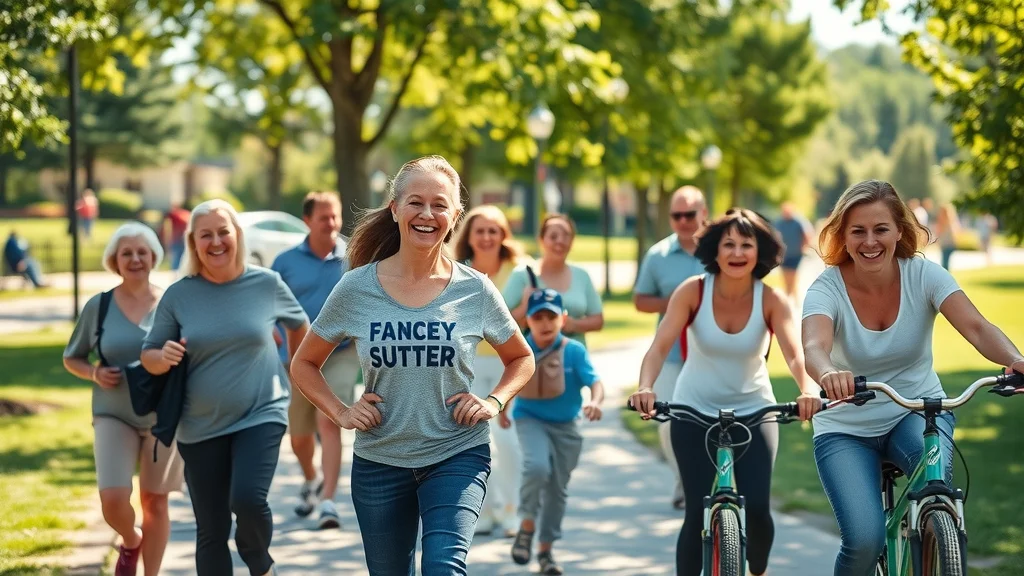
The Sedentary Crisis: How Physical Activity in North Carolina Adults Impacts Public Health
"Every day, countless North Carolinians sacrifice their health for convenience, unaware that their sedentary habits quietly steal years from their lives."
North Carolina’s public health is under threat—from inactivity as much as from chronic disease or viral outbreaks. More than one in four adults age 18 or older in North Carolina fails to meet even the minimum recommended levels of physical activity. This isn’t just about weight gain or personal fitness—it’s about community health, skyrocketing healthcare costs, poorer mental health outcomes, and slipping county health rankings. Sedentary lifestyles have become a hidden epidemic leading to preventable chronic diseases that burden individuals, families, and the broader community.
When adults in North Carolina—regardless of their age—choose cars over walking, screens over parks, and convenience over movement, the collective toll adds up. County health departments now see inactivity as a top driver of rising rates in heart disease, diabetes, and even poor mental health.
Relying on convenience is quietly robbing years from our lives and undermining progress on crucial public health measures. It’s time to shine a spotlight on this crisis, understand its breadth, and strategize a way forward that prioritizes regular physical activity for every North Carolinian.
For older adults in particular, overcoming barriers to movement is essential for maintaining independence and vitality. If you're interested in practical, holistic strategies to regain strength and stay active after 60, explore these essential holistic practices for seniors that can make a real difference in daily life.
What You'll Learn: The Urgency Behind Physical Activity for North Carolina Adults
The consequences of a sedentary lifestyle on North Carolina’s health rankings
Current physical activity guidelines for adults
Effective strategies for older adults and younger populations alike
Health disparities across county health rankings in North Carolina
Defining the Problem: Physical Activity in North Carolina Adults and County Health News
Data Snapshot: Public Health, Health Disparities, and County Health Rankings
Recent data from the North Carolina Department of Health and Human Services and the Centers for Disease Control and Prevention paints a stark picture. While some counties boast high rates of physically active adults, others lag far behind—trapped by poverty, poor infrastructure, or a lack of health-promoting resources. The discrepancy fuels growing health disparities across the state’s rural and urban edges, making location a powerful predictor of long-term health.
Beyond individual choices, these geographic gaps reflect systemic challenges. Public health analyses point to environmental and cultural factors influencing whether North Carolinians get recommended activity levels. The county health rankings—which compare factors like chronic disease prevalence and physical inactivity—reveal that lower activity rates are directly linked to worse health outcomes and lower rankings in overall community health. These numbers highlight the urgent need to promote and support active living on every level of society.
Comparison Table: Physical Activity Levels vs. County Health Rankings (Selected NC Counties)
County |
Physically Active Adults (%) |
County Health Ranking (NC) |
Chronic Disease Prevalence (%) |
|---|---|---|---|
Wake |
78% |
3 |
19% |
Mecklenburg |
75% |
5 |
21% |
Robeson |
55% |
90 |
38% |
Edgecombe |
50% |
97 |
41% |

Why North Carolina Faces Unique Public Health Challenges
Unlike many states, North Carolina is a patchwork of urban innovation and rural isolation. That mix creates unique public health challenges—notably, disparate access to safe places for physical activity. In metropolitan counties, investment in parks and walkable neighborhoods has paid off with higher activity rates and better health rankings. Rural communities, however, often lack basic sidewalks or recreation centers, compounding barriers for older adults, low-income residents, and those with limited mobility.
Layered atop geographic differences are economic and cultural norms that strongly shape physical activity. In some regions, generations have grown up with limited exposure to structured or informal exercise—and with more chronic health disparities as a result. These unique factors drive a wedge between the healthiest and least healthy counties, proving that tackling the crisis of physical inactivity in North Carolina will require solutions tailored to each community’s realities.
The Health Toll: What the Numbers Reveal About Physical Activity in North Carolina Adults
Understanding Physical Activity's Impact on Health Rankings
The story is clear: Lower rates of physical activity are directly tied to worse health outcomes and county health rankings. According to CDC data, adults in North Carolina who don’t meet physical activity guidelines face greater risks for chronic disease—such as diabetes, heart disease, and even depression. These problems are particularly acute in counties already struggling on economic and infrastructure fronts.
When North Carolina’s adults are more active, county health outcomes improve. Not only do rankings rise, but rates of chronic disease and unnecessary healthcare utilization plummet, easing pressure on hospitals and county health departments.
Regular movement also lowers stress and improves mental health, a critical metric as North Carolina battles rising anxiety and depression rates among adults age 18 and above. In every region, physical activity is a crucial determinant of public health—and a fix we can’t ignore any longer.

Spotlight on Older Adults: Activity Gaps and Risks
Older adults in North Carolina are feeling the brunt of this crisis. Age and mobility challenges often lead to inactivity, but many communities also lack targeted programs for seniors. Data shows that adults age 65 and older are significantly less likely to meet recommended activity guidelines compared to their younger peers. That disparity sharpens the risk of chronic disease, pushes up healthcare costs, and adds to the burden on human services.
As the population ages, failing to address these gaps threatens both the well-being of older residents and overall county health rankings. Increasing physical activity among older adults improves quality of life, reduces fall risks, and can even boost mental health—a core community health outcome. The state must prioritize solutions for both older and younger adults to close these dangerous activity gaps.
Why We’re Not Moving: Cultural, Economic, and Environmental Barriers in North Carolina
Examining Health Disparities: County Health Rankings Data
Disparities emerge sharply when comparing county health rankings across North Carolina. Wealthier counties with more amenities consistently report higher levels of physically active adults and better health outcomes.
Meanwhile, in counties struggling with poverty and unemployment, rates of sedentary lifestyles soar, and preventable chronic diseases follow. These patterns reveal health disparities deeply rooted in the state’s broader economic structure.
For people in under-resourced areas, barriers to regular physical activity can feel insurmountable—limited public transit, unsafe playgrounds, and few affordable fitness options make healthy choices difficult. Public health and human services agencies recognize the need to address these disparities, but many solutions require cross-sector collaboration that extends well beyond local health departments.
The Built Environment and Public Health: Obstacles to Physical Activity
Physical space matters more than we think. Many North Carolina neighborhoods, especially in older urban centers or low-income rural towns, are simply not built for movement. Residents face cracked sidewalks, busy streets without bike lanes, and playgrounds that are inaccessible or in disrepair. This built environment discourages physical activity and amplifies health disparities.
Public health experts stress that true progress will require investment in infrastructure—safe trails, maintained parks, well-lit streets—that make everyday movement possible and appealing. Efforts to increase physical activity north carolina adults must address these environmental factors if the state is to close its alarming activity gap and climb the health rankings ladder.
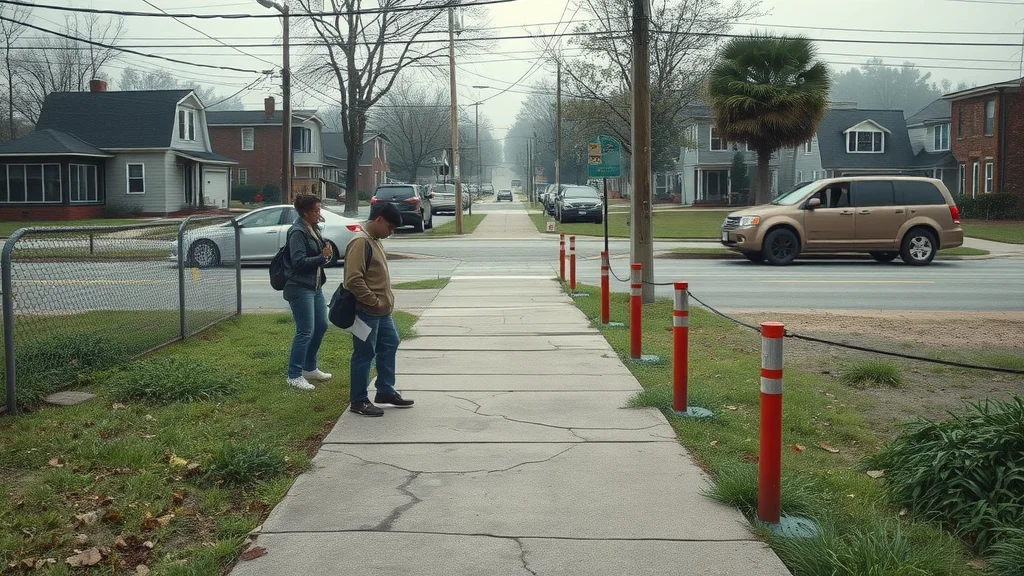
"North Carolina’s health disparities reflect neighborhoods where movement isn’t just inconvenient—it’s sometimes impossible."
Physical Activity Guidelines for North Carolina Adults: Are We Meeting the Mark?
What Are the Recommended Physical Activity Levels for Adults?
Moderate-intensity aerobic activity: 150 minutes per week
Muscle-strengthening activities: 2 or more days per week
Official physical activity guidelines for adults, as endorsed by the CDC and the North Carolina Department of Health and Human Services, set clear targets. For improved health, adults should engage in at least 150 minutes of moderate-intensity aerobic activity each week—such as brisk walking or cycling—and add muscle strengthening on two or more days. These guidelines are designed to lower rates of chronic disease, enhance mental health, and boost lifespan.
Yet data show that a sizable portion of North Carolina adults fall short. Especially among older adults, barriers like limited mobility, lack of safe environments, and inadequate community programs are stymieing progress. Closing this activity gap isn’t just about knowing the science—it’s about making these healthy routines feasible for every adult, in every county, across North Carolina.
How Many Are Physically Active? Analyzing Recent Data
According to recent state surveillance, about 65–70% of North Carolina adults meet the recommended aerobic activity guidelines. The picture is far less encouraging for muscle-strengthening: fewer than half of adults incorporate strength exercises as often as recommended. Notably, physical activity rates drop sharply with age, and are lower in rural, low-income, and minority communities—exacerbating existing health disparities.
This data tells a compelling story for public health and human services professionals: to move the needle on county health rankings and state health outcomes, targeted interventions must reach the populations most at risk. Health department strategies like walking groups, park improvements, and worksite wellness programs can move the state closer to closing its activity gap and improving overall rates of physically active adults.
Adult Physical Activity in North Carolina by Age Group
Age Group |
% Engaging in 150 min/week Aerobic Activity |
% Meeting Strength Guideline (2+ days/week) |
|---|---|---|
18–34 |
77% |
54% |
35–54 |
69% |
49% |
55–64 |
61% |
41% |
65+ |
52% |
32% |
How Physical Activity Boosts Health Rankings in North Carolina
Link Between Physical Activity, County Health Rankings, and Public Health
Not just a personal triumph, regular physical activity is a public health strategy that pays community-wide dividends. When more adults meet physical activity guidelines, state and county health rankings climb—reducing chronic disease, mental health issues, and premature mortality rates. Data consistently show that counties with higher levels of physically active adults enjoy better health outcomes and lower rates of chronic disease.
The ripple effect extends to all corners of society: from bustling city parks in Charlotte to quiet greenways in rural counties, activity fosters stronger community bonds, greater productivity, and reduced healthcare utilization. By investing in built environments and walking-friendly neighborhoods, North Carolina has a direct path to improving life for its residents and climbing the national health rankings. Simply put, physical activity is the lever that can elevate the state’s overall public health standing.
Economic Impact: Healthcare Costs and Productivity
Physical inactivity doesn’t just strain muscles—it drains wallets. The collective economic burden of sedentary lifestyles in North Carolina pushes state healthcare costs higher and saps local productivity. Chronic disease treatments—particularly for heart disease, diabetes, and certain cancers—consume growing portions of public health and human services budgets. Employers, too, bear the brunt in absenteeism and lost hours due to preventable illness.
On the other hand, every effort to increase physical activity pays off exponential returns. Preventing chronic disease results in fewer hospitalizations, lower insurance premiums, and a healthier, more vibrant workforce. As one public health expert notes:
"A more physically active North Carolina is a wealthier, happier, and longer-living North Carolina."
Overcoming Obstacles: Proven Ways North Carolina Adults Can Get Moving
Practical Physical Activity Solutions for Busy Adults
Incorporate walking meetings
Use public parks and recreation facilities
Join local fitness groups or classes
Volunteer for community clean-up or gardening
Moving more doesn’t have to mean overhauling your entire routine. North Carolina adults of every background can find creative ways to integrate activity into their hectic lives. Walking meetings are a simple swap for sitting, making long workdays more dynamic.
Public parks—often overlooked—offer free or low-cost places to exercise, from nature trails to fitness stations. Group classes and local fitness meetups can reignite motivation, while community volunteer work (like clean-up days) combines movement with making a difference.
Even small shifts, done consistently, are enough to reap profound health benefits and improve your personal—and state’s—health ranking. Seek programs supported by local health departments or non-profits, which often provide free resources and opportunities for adults at every age and fitness level.

Programs and Policies Making a Difference in County Health
Change doesn’t happen in isolation. Across North Carolina, visionary county and city governments are investing in public health and physical activity—from expanding trail systems and outdoor fitness zones to launching city-wide challenges encouraging steps and miles logged. County health departments collaborate with schools and employers to promote active transport and break down environmental barriers to movement.
Statewide, programs like Eat Smart, Move More NC and Age-Friendly Communities are helping older adults and other groups add years—and life—to their years. Their early success stories prove that with the right support, communities can move out of the “least healthy” bracket and into higher health rankings. These efforts require buy-in at every level, but the payoff is quantifiable, sustainable, and deeply rewarding.
Expert Voices: What Public Health Leaders Say About Physical Activity in North Carolina Adults
"Physical activity isn’t just about adding years to life—it’s about adding life to years." – Leading NC Health Official
Health leaders across the state agree: boosting physical activity rates isn’t a secondary priority—it’s the foundation for achieving better health outcomes, reducing disparities, and empowering every North Carolinian, regardless of zip code or background, to thrive. Their unified call to action is clear: invest in the environment, culture, and policies that inspire movement at every turn. The result? Not just longer lives, but lives lived with energy, purpose, and resilience.
People Also Ask About Physical Activity North Carolina Adults
What to do in North Carolina for adults?
Explore a wide variety of physical activity options for adults in North Carolina, including hiking, biking, community fitness events, and recreational sports leagues.
North Carolina offers countless ways for adults to increase their physical activity—from scenic hiking in the Blue Ridge Mountains and cycling along the greenways, to joining recreational sports leagues, fitness studios, or participating in annual community fitness events.
City and county parks provide easy access to walking trails, and many neighborhoods now host free yoga or group exercise sessions outdoors. With such diversity, it’s easier than ever to find an activity suited to every fitness level and interest—making it possible for North Carolina adults to move more and sit less.

What are the current physical activity guidelines for adults?
Current guidelines recommend at least 150 minutes of moderate-intensity physical activity and muscle-strengthening exercises twice weekly.
The Centers for Disease Control and Prevention and North Carolina health authorities advise adults to engage in at least 150 minutes of moderate-intensity aerobic activity—like brisk walking or swimming—every week, plus muscle-building activities on at least two days.
These science-backed guidelines are linked to lower risk for chronic disease, better heart and mental health, and overall improved quality of life. Following them is a cornerstone strategy to help North Carolina climb up the national health rankings and ensure adults stay vibrant and independent well into older age.
What are physical activities for adults?
Physical activities include brisk walking, swimming, cycling, yoga, strength training, and recreational team sports.
For adults seeking to move more, there is no shortage of options. Brisk walking, running, and cycling are popular in many North Carolina communities, while swimming, aerobics, and yoga classes offer indoor alternatives to keep activity levels high regardless of weather.
Strength training, using weights or bodyweight exercises, can be easily incorporated into routines at home or in gyms. Many adults thrive in team settings—so joining local soccer, basketball, or softball leagues provides a social and motivational boost in addition to the health benefits.
At what age are you considered an adult in North Carolina?
In North Carolina, a person is typically considered an adult at the age of 18 for legal and health recommendations.
For the purposes of health guidelines and public health initiatives, North Carolina defines adults as anyone age 18 or older. This standard is important for tailoring activity guidelines and interventions. Recognizing the transition point is essential as it aligns resources, community programs, and county health services to provide age-appropriate advice and support adults at every life stage.
Frequently Asked Questions About Physical Activity for Adults in North Carolina
How do physical activity levels in North Carolina compare nationwide?
North Carolina sits below the national average for adults meeting both aerobic and muscle-strengthening guidelines, especially among older adults and in rural counties. Increased public health focus is needed to match or exceed national standards and raise the state’s health rankings.What role do schools and employers play in promoting activity?
Schools and employers are critical in supporting regular physical activity by offering programs, policies, and facilities that encourage movement. Many districts and workplaces have adopted wellness strategies with proven public health benefits.Are there community programs specifically for older adults?
Yes! Many counties offer free or subsidized fitness classes, walking groups, and recreational activities designed for older adults. Contact your local health department or community center to learn about options near you.
Key Takeaways: Physical Activity North Carolina Adults Must Prioritize
Physical inactivity is a top public health concern in North Carolina
Sedentary lifestyles are linked to poor county health rankings and severe health disparities
Increasing physical activity among North Carolina adults can dramatically improve both lifespan and quality of life
Let’s Take Action: Start Your Physical Activity Journey Today for a Healthier North Carolina
Every step you take—literally—counts. Help make North Carolina stronger by making physical activity a daily habit for yourself, and inspiring those around you to do the same. The future of our state’s health depends on it.
If you’re inspired to take your wellness journey even further, consider how lifestyle changes beyond movement can impact your overall health and longevity. For example, the simple act of dog ownership has been shown to boost physical activity and emotional well-being, offering a fun and rewarding way to stay active.
Discover the surprising health benefits of living with a dog and how it can help you lead a longer, more vibrant life by visiting this in-depth guide to the health benefits of dog ownership. Embracing new habits—big or small—can be the key to unlocking a healthier future for yourself and your community.
Sources
In North Carolina, the prevalence of physical inactivity among adults is a pressing public health concern.
According to the 2023 Behavioral Risk Factor Surveillance System (BRFSS) survey, only 49.2% of adults in the state met the recommended 150 minutes of moderate-intensity physical activity per week. (schs.dph.ncdhhs.gov) This statistic underscores the need for increased awareness and engagement in physical activity to improve overall health outcomes.
To address this issue, several programs have been implemented across the state. For instance, the “Eat Smart, Move More, Weigh Less” program is a 15-week adult weight management initiative that focuses on evidence-based strategies for weight loss and maintenance, emphasizing mindful eating and physical activity. (en.wikipedia.org)
Also, the North Carolina Cooperative Extension offers the “Lifelong Improvements through Fitness Together (LIFT)” program, an 8-week virtual strength training course designed for adults of all ages and fitness levels, aiming to improve strength, mobility, and establish a habit of physical activity. (brunswick.ces.ncsu.edu)
Access to exercise opportunities also plays a crucial role in promoting physical activity. Data indicates that 73% of North Carolina residents have adequate access to locations for physical activities, such as parks and recreational facilities. (embed.clearimpact.com)
However, disparities exist, particularly in rural areas where access may be limited. Enhancing infrastructure and providing community-based programs are essential steps toward increasing physical activity levels among adults in the state.
In summary, while North Carolina faces challenges with adult physical inactivity, ongoing programs and initiatives offer pathways to improve engagement in physical activity, thereby enhancing public health outcomes statewide. NCWellnessHub.com



Write A Comment