

Could your late-night habits be silently harming your heart? Discover why being a night owl might increase cardiovascular risks and how understanding this connection could protect your health. Ready to uncover the surprising impact of staying up late on your heart's well-being?
Night owls—people who routinely stay up late—could be at a higher risk of heart attack, stroke, and cardiovascular disease compared to early risers. Recent research links late-night routines to elevated blood pressure, poorer heart health, and increased disease risk, but small lifestyle changes can help reduce these risks.

Night Owl Heart Risk: Quick Overview & Why This Matters
"Could your late-night habits be silently harming your heart? Discover why being a night owl might increase cardiovascular risks and how understanding this connection could protect your health."
The term night owl heart risk captures growing research indicating that those who frequently go to bed late face higher risks of heart attack, stroke, and heart disease. Unlike early risers, night owls potentially suffer negative health consequences due to disrupted sleep cycles, increased stress, and unhealthy lifestyle habits.
As cardiovascular disease remains the leading cause of death globally, understanding these risks is critical for anyone committed to long-term heart health. By examining scientific studies and offering actionable steps, this article aims to raise awareness and empower readers to make smarter choices for their hearts.
Whether you’re naturally inclined to stay up late or find yourself working the night shift, paying attention to your sleep routine could make a measurable difference in your cardiovascular health. Recognizing and responding to the risks associated with late-night habits is more than a lifestyle preference—it could be a matter of longevity and disease prevention.
What Is the Night Owl Heart Risk?
The night owl heart risk refers to the association between late-night habits and elevated chances of developing cardiovascular problems. Scientific data shows night owls are more likely to experience higher blood pressure, worse heart health scores, and an increased risk of heart attack or stroke compared to early risers. These risks persist even after accounting for age, weight, and existing health conditions, highlighting the importance of sleep timing on overall heart health.

Night Owls vs. Early Risers: A Cardiovascular Perspective
Research consistently shows clear differences in cardiovascular risk factors between night owls and early birds. While early risers tend to have lower blood pressure, healthier habits, and fewer heart attacks, night owls often report irregular sleep schedules, increased late-night snacking, and weakened physical activity.
Combined, these factors create a perfect storm for elevated heart disease risk. Major studies, including those from the American Heart Association and UK Biobank, reveal that evening types face statistically significant increases in the risk of heart disease and related conditions.
Since stress and lifestyle choices play a pivotal role in cardiovascular health, night owls may benefit from exploring practical ways to unwind that don't rely on screens or technology. For actionable ideas, consider these science-backed digital detox strategies to de-stress naturally, which can support both better sleep and heart health.
What You'll Learn About Night Owl Heart Risk
What research says about night owl heart risk and cardiovascular disease
Statistical comparisons of heart attack risk between night owls and early birds
Why night owls face a higher risk of heart disease
Lifestyle factors contributing to night owl heart health concerns
Practical strategies to reduce the disease risk for night owls
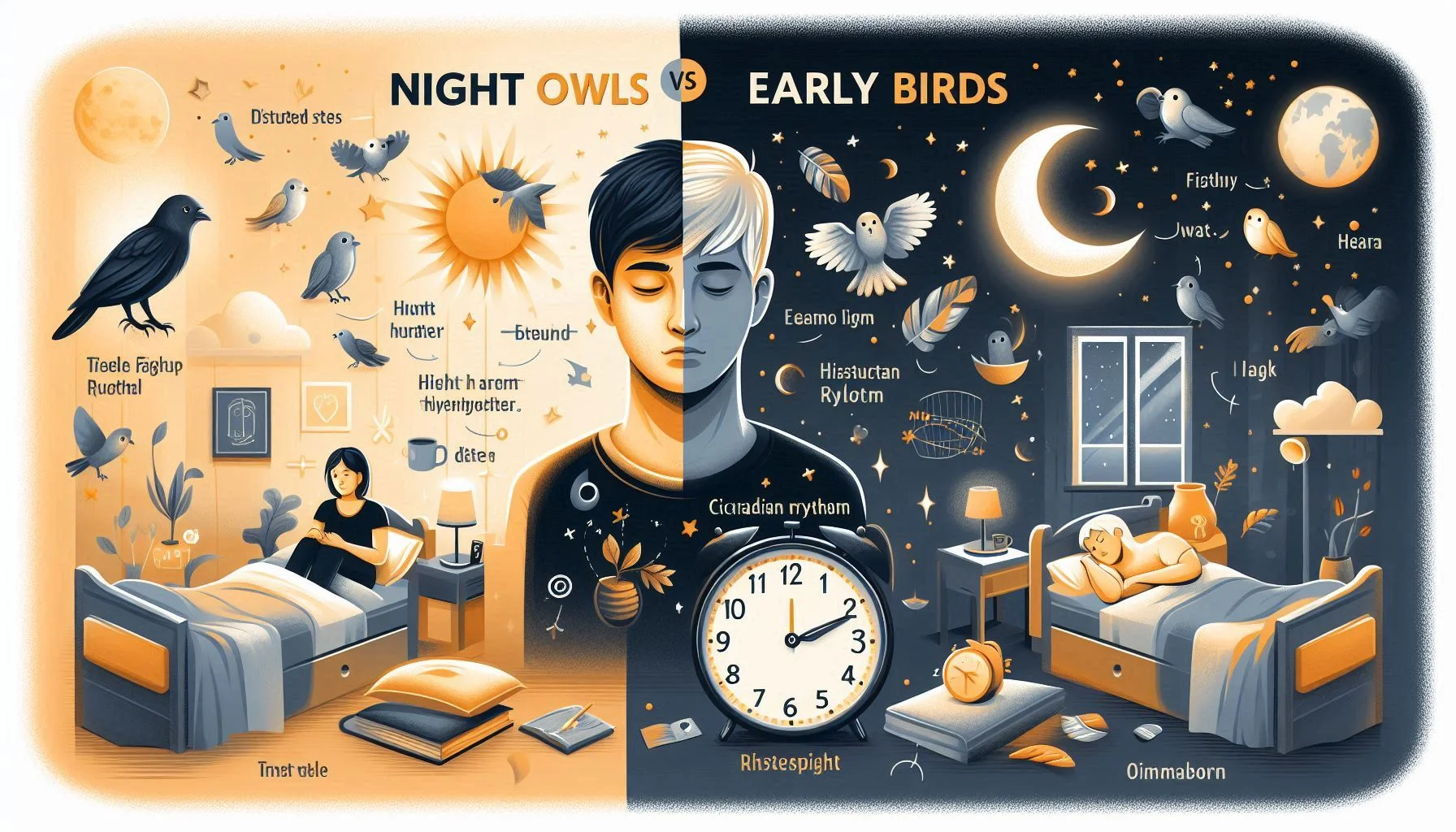
Understanding the Science: Night Owls, Higher Risk, and Heart Health
What Classifies Someone as a Night Owl?
A “night owl” is someone whose biological clock naturally leans toward late bedtimes and late waking times. These individuals, known in medical terms as “evening types,” often hit their stride in the evenings and struggle to fall asleep before midnight. While some people are genetically predisposed to this chronotype, others cultivate the habit due to lifestyle choices or work obligations.
The distinction matters because those classified as night owls typically report less overall sleep, disrupted circadian rhythms, and increased exposure to heart health risks—including high blood pressure and poor glucose control.
Classifying yourself as a night owl isn't just about preference; your sleep-wake patterns interact with your body’s natural cycles for regulating hormones, metabolism, and even cardiovascular function. Understanding this classification is crucial when reviewing recent studies, as it answers why night owl heart risk is consistently higher in population health data.
The Link Between Being a Night Owl and Higher Risk of Heart Disease
Numerous studies have established a worrying connection between late-night habits and a higher risk of heart disease. For example, research published in the European Heart Journal (2022) and supported by the UK Biobank found that individuals with evening chronotypes are more likely to show elevated heart attack risk—even when compared to intermediate groups.
This increased risk is associated with a variety of mechanisms, including higher evening blood pressure, poor metabolic responses, and less restorative sleep. These factors collectively contribute to worse heart health and raise the likelihood of events like heart attacks or strokes.
Notably, the difference remains even when researchers adjust for age, sex, smoking, and other known risk factors. The reason? Night owls are often exposed to more unhealthy habits—like late-night snacking, sedentary evenings, and higher stress levels—all of which elevate the risk of heart attack, stroke, and cardiovascular disease.
As Kristen Knutson, associate professor at Northwestern University Feinberg School of Medicine, explains, “Sleep timing is an overlooked but critical piece of preventive heart care. ”

Current Research: Night Owls and Cardiovascular Disease
"A 2022 study published in the European Heart Journal found evening people have a higher risk of heart attack compared to morning types."
Modern research echoes the sentiment that the risk of cardiovascular disease is not only about how long you sleep—but also when you sleep. The UK Biobank, which tracks over half a million participants, identified that night owls were more likely to have lower heart health scores, higher blood sugar levels, and increased blood pressure.
Similar findings from the Journal of the American Heart Association show that late bedtimes correlate with an “intermediate group” of heart health outcomes—worse than early risers, but not as severe as those with highly irregular schedules.
Experts such as Sina Kianersi, research fellow at the School of Medicine, highlight that while genetics play a role, lifestyle and behavioral changes remain powerful tools in reducing night owl heart risk. This gives hope for those unable to naturally shift their schedules—by adopting heart-healthy behaviors, they can still minimize cardiovascular risk.
Table: Comparing Cardiovascular Risk Factors by Sleep Chronotype
Sleep Type |
Heart Attack Risk |
Blood Pressure |
Disease Risk |
|---|---|---|---|
Early Riser |
Lowest risk |
Lower average |
Lower risk |
Intermediate |
Moderate risk |
Average |
Average risk |
Night Owl |
Highest risk |
Higher average |
Increased risk |
Night Owl Heart Risk Factors: Why Night Owls May Be More Vulnerable
Higher Risk of Heart Attack in Night Owls

Multiple large-scale studies—including those from the American Heart Association—indicate that night owls have a substantially higher risk of heart attack compared to their early riser counterparts. The underlying issue is not just timing, but the domino effect of interrupted circadian rhythms on blood sugar, cholesterol, and vessel health. Even when controlling for known risk factors like smoking and weight, the pattern persists: later bedtimes coincide with more heart attacks.
Night owls often report a slower recovery after cardiovascular events, potentially due to ongoing sleep disturbances and stress-related hormones peaking at abnormal times. It’s a reminder that sleep’s restorative effect on the heart isn’t just about hours spent, but when those hours occur.
Blood Pressure & Its Role in Night Owl Heart Risk
Blood pressure is a critical measure of cardiovascular health, and its relationship with night owl habits is well-documented. Evening people tend to experience elevated nighttime blood pressure, a phenomenon called “non-dipping. ” Healthy individuals typically see lower blood pressure while sleeping, but night owls often miss this protective drop, keeping their arteries under higher strain throughout the night and increasing the risk of heart attack or stroke.
This prolonged elevation in pressure leads to increased wear on blood vessels, setting the stage for both heart attacks and stroke risk. It further highlights how disrupted sleep cycles—common in those who stay up late—can directly undermine heart health.

Impact of Lifestyle Choices on Heart Health for Night Owls
Lifestyle plays a massive role in shaping heart health—especially for night owls. Late-night routines often include more screen time, processed snacks, and reduced time for physical activity. Over time, these behaviors contribute to weight gain, higher blood sugar, and elevated disease risk. Compounding these choices is the fact that evening people frequently skip morning workouts, further diminishing their cardiovascular health score.
Even modest changes—like evening walks or reducing screen exposure—can improve blood pressure and sleep quality. As seen in the UK Biobank and other studies, these behavioral shifts can have an outsized impact on reducing night owl heart risk, even when deeper sleep schedule changes aren’t possible.
Habits That Increase Risk of Heart Disease in Night Owls
Irregular sleep patterns
Increased late-night snacking
Reduced physical activity
Greater stress levels
Physiological Insights: Night Owl Heart Health and Disease Risk
Heart Disease Mechanisms: How Late Nights Affect Cardiovascular Health
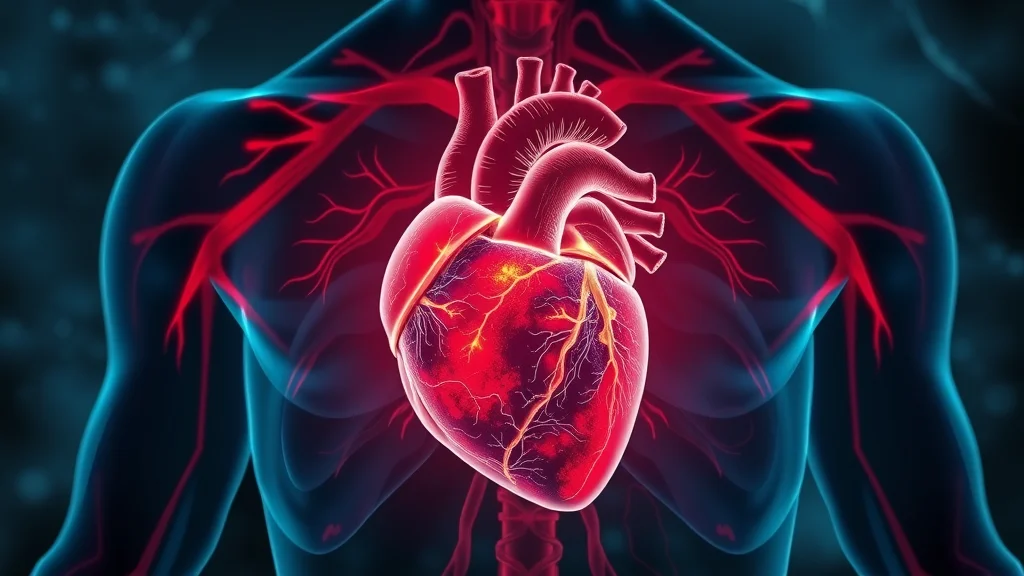
Sleep and heart health are tightly linked. Staying up late disrupts the body’s circadian rhythms, which regulate blood pressure, hormone release, and even immune response. Irregular rhythms trigger inflammation and oxidative stress, which damage arterial walls and raise the risk of plaque buildup—a major precursor to heart attacks and strokes. Prolonged sleep deprivation or frequent late nights amplify these negative effects, especially among evening types.
The result is a higher risk of heart disease through mechanisms like increased chronic inflammation, poor blood sugar control, and unhealthy cholesterol levels. Over time, these physiological changes undermine the resilience of your heart and circulatory system.
The Connection Between Heart Attack or Stroke and Being a Night Owl
The correlation between late-night habits and the risk of heart attack or stroke is now widely recognized. Researchers have found that for every hour later you go to bed, there is a measurable increase in the likelihood of suffering cardiovascular events. This is especially true for genetic night owls and shift workers, who may lack the flexibility to change their routines.
Night owls are also more likely to ignore early symptoms—like persistent fatigue, unexplained chest discomfort, or irregular heartbeat—further delaying treatment when a heart attack or stroke occurs. Regular checkups and awareness of early warning signs become even more crucial in this population.
Watch: This video animation illustrates how daily routines differ between night owls and early risers, highlighting effects on heart rate, sleep quality, and cardiovascular risk. From late-night activity spikes to morning exercise, see visually how lifestyle choices impact your heart.
Examining the Evidence: Are Night Owls at a Higher Risk of Heart Disease?
Night Owl Studies: Data on Risk of Heart Attack and Stroke

Several large studies have crystallized the dangers facing night owls. The UK Biobank study followed hundreds of thousands of adults and found that night owls were, on average, 10-15% more likely to suffer heart attacks or strokes compared to early risers. Additional research from the Journal of the American College of Cardiology echoed these findings, even after adjusting for confounding lifestyle factors.
Key points from these studies include: higher blood sugar, lower heart health scores, and poor recovery after cardiac events if night owl patterns persist. As Kristen Knutson, Associate Professor at Northwestern University, puts it, “The timing of sleep matters—those who thrive in the evening hours must pay close attention to their overall health habits to counterbalance this increased risk. ”
Celebrity Perspective: The Power of Sleep for Heart Health
“Prioritizing sleep transformed my energy and heart health—it’s the foundation of my wellness routine.” – Arianna Huffington, founder of The Huffington Post and author of The Sleep Revolution
Evening People vs. Early Risers: Deeper Dive Into Heart Attack and Stroke Risk
Why Evening People Face Higher Heart Health Risks
Evening people often face persistent “social jetlag”—the disconnect between their natural sleep cycle and societal demands. This mismatch elevates their stress hormones and disrupts metabolic processes, leading to higher risk for heart attack and stroke. Over time, the combination of disturbed sleep and less healthy routine choices—from diet to decreased morning exercise—compounds their vulnerability to cardiovascular disease.
Unlike early risers who naturally synchronize with daily sunlight patterns (beneficial for hormonal regulation and heart function), night owls routinely miss these health-protective cues. This puts them at a consistent disadvantage, with many studies linking evening types to the highest reported rates of cardiovascular disease.
Lifestyle, Stress, and Cardiovascular Disease in Night Owls

Night owls frequently experience higher chronic stress and mental fatigue, often compensating with unhealthy snacks or prolonged screen use. These behaviors directly impact blood sugar, blood pressure, and overall health. Furthermore, the stress of fighting a natural circadian rhythm can lead to burnout and weaker cardiovascular resilience.
Early risers, with their exposed morning routines and regular physical activity, score higher on heart health metrics. Still, it’s important to recognize that any sleep schedule can become unhealthy if paired with a sedentary or high-stress lifestyle—emphasizing the need for balance and holistic wellness, regardless of your sleep type.
Watch: A board-certified physician explains why night owl habits can be so dangerous for your heart, and provides simple strategies for lowering your risk—no matter your natural schedule.
Can Night Owls Change? Evidence-Based Ways to Lower Disease Risk
Practical Strategies for Improving Night Owl Heart Health

While not everyone can transform into a morning lark, night owls can take charge of their heart health with evidence-based tactics. Start by establishing a consistent sleep schedule, winding down with relaxing activities (like herbal tea or reading), and limiting devices and caffeine in the hours leading up to bedtime. Gradual shifts—like moving your sleep window 15–30 minutes earlier each night—can have a big impact over time.
Adding daily physical activity, even a short evening stroll, boosts heart function and counteracts some risk factors. And because stress amplifies the risk of cardiovascular events, prioritizing relaxation, mindfulness, or breathing exercises is particularly important for night owls committed to improving their heart health score.
List: Small Steps Night Owls Can Take For Better Cardiovascular Health
Consistent sleep schedule
Limiting caffeine and screens late at night
Daily movement or exercise
Stress management techniques

FAQs About Night Owl Heart Risk & Heart Health
Are all night owls at a higher risk for heart disease?
Not all night owls will develop heart disease, but research suggests most face higher average risks compared to early risers. Genetics, daily habits, and overall health play major roles. By adopting healthy behaviors—like regular movement and good sleep hygiene—night owls can significantly reduce their disease risk.
Can heart health be improved even if I can’t change my schedule?
Yes, heart health can improve with positive lifestyle changes, even if you must remain a night owl due to work or personal preference. Consistent sleep, a balanced diet, exercise, and stress reduction are all powerful tools to lower cardiovascular risk, regardless of bedtime.
What are the early warning signs of heart attack or stroke in night owls?
Warning signs can include chest pain or discomfort, unexplained fatigue, shortness of breath, palpitations, numbness, or weakness—especially if these symptoms appear or worsen late at night. Night owls should not ignore these signals and should seek immediate medical help if severe symptoms develop.

People Also Ask: Night Owl Heart Risk
How does being a night owl affect cardiovascular health?
Being a night owl disrupts normal circadian rhythms, leading to higher blood pressure, increased inflammation, and reduced time for critical overnight cardiac repair. This creates a higher risk of heart disease, especially if unhealthy habits are present.
What are the signs of poor heart health for night owls?
Common signs include persistent fatigue, trouble recovering from exertion, frequent headaches, chest discomfort, and irregular heartbeats. Prolonged symptoms should prompt a visit to your healthcare provider for evaluation.
Do night owls have a higher risk of heart attack or stroke?
Yes, studies from the American Heart Association and research initiatives like the UK Biobank confirm that night owls are at a higher risk of heart attack and stroke, mainly due to blood pressure irregularities, increased stress, and poorer lifestyle choices.
Are there benefits to being a night owl for heart health?
While night owls may be more alert and productive during late hours, these benefits do not outweigh the cardiovascular risks linked to disrupted sleep cycles. Any advantages must be balanced with proactive heart health measures.
How can night owls protect their heart health?
By establishing better sleep routines, limiting caffeine and screen use late at night, increasing physical activity, and managing stress, night owls can significantly protect their heart and reduce long-term risks of cardiovascular disease.
Key Takeaways: Night Owl Heart Risk & Healthy Sleep Strategies
Night owls face a statistically higher risk of heart disease and cardiovascular problems.
Adopting better sleep hygiene and healthier lifestyles can mitigate these risks.
Awareness and proactive care support better heart health for all sleep types.

Concluding Thoughts on Night Owl Heart Risk
Why Night Owls Should Take Heart Health Seriously
If you’re a night owl, your lifestyle could be silently increasing your risk of cardiovascular disease. By understanding the risks and taking proactive steps, you can protect your heart and well-being for years to come.
A Call to Awareness and Action
Don’t wait for warning signs—adopt healthier routines and prioritize your heart health today for a stronger tomorrow.
As you continue your journey toward better heart health, remember that nutrition is just as vital as sleep and stress management. If you're looking to make smarter choices at the breakfast table, discover how incorporating nutritious, heart-friendly options like vegan blended baked oats can support your overall wellness. Exploring the synergy between healthy eating and sleep routines can empower you to build a holistic lifestyle that benefits your heart, mind, and energy levels every day.
Your path to better wellness continues—browse additional topics at: NCWellnessHub.com
Sources
Recent studies have highlighted the potential cardiovascular risks associated with being a night owl. The American Heart Association’s article, “Being a night owl may increase your heart risk,” discusses research indicating that individuals who are more active during late hours may have poorer heart health compared to early risers.
Similarly, UCLA Health’s piece, “Is being a ‘night owl’ bad for your health?,” explores how late-night habits can negatively impact cardiovascular well-being. If you’re concerned about the effects of staying up late on your heart, these resources offer valuable insights and guidance.



Write A Comment