Add Row
Add Element
NC Wellness Hub
update
North Carolina Wellness Hub
update
Add Element
  • Home
  • Categories
    • Wellness
    • General Health
    • Holistic
    • News
    • Living & Travel
    • Lifestyle
    • Fitness & Exercise
    • Mental Health
    • Stress Management
    • FEATURE
    • Sleep
    • Allergies
    • Medicines & Supplements
    • Weight Loss
    • Kids Health
    • Fertility & Pregnancy
    • Cancer
    • Heart Health
    • Skin & Hair
    • Arthritis
    • Dental
    • Vision
  • Bone Health
  • Digestive
4 Minutes Read

Prioritizing Your Well-being: A North Carolina Guide to Hurricane Preparedness  

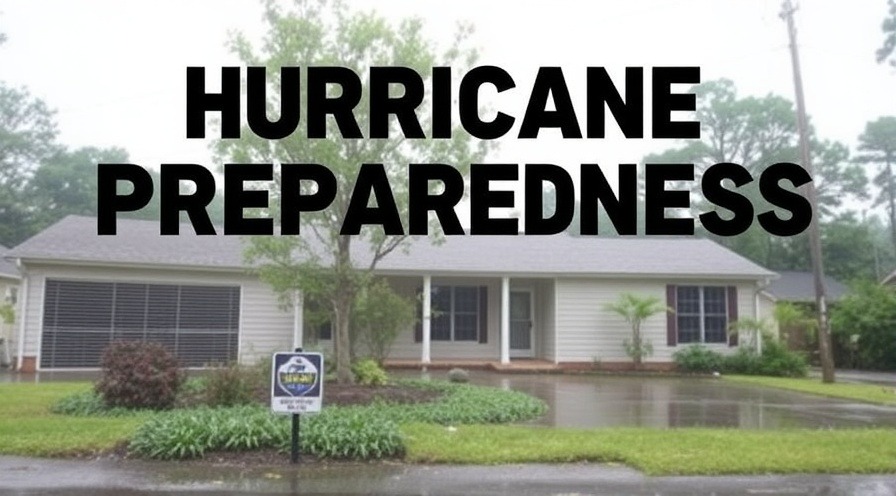
NC Hurricane Preparedness: Essential tips for safety and readiness.

Prioritizing Your Well-being: A North Carolina Guide to Hurricane Preparedness


As North Carolinians, we know the importance of staying resilient, especially when facing natural challenges. Protecting your health and wellness begins with proactive preparation. Hurricane season demands our attention, but with a solid plan, you can navigate it with greater peace of mind.

North Carolina's hurricane season spans June 1 through November 30, with the highest likelihood for storms occurring from August through October. During this critical period, residents across the state, especially those in areas like Johnston County, should be extra vigilant and take proactive steps to protect their families, homes, and businesses, prioritizing their health and safety.


1. Build a Foundation of Safety: Your Emergency Kit

A well-stocked emergency kit is fundamental for your family's health and safety during a storm. Ensure your kit is comprehensive and easily accessible:

  • Bottled water: Aim for 1 gallon per person per day, enough for 3 to 7 days. This is crucial for hydration and sanitation.

  • Non-perishable food: Sufficient supply for several days.

  • Flashlights and extra batteries.

  • First aid kit: Essential for immediate health needs.

  • Medications and medical supplies: Crucial for ongoing health management.

  • Important documents: Include ID, insurance policies, and medical records. Keep these secure and waterproof.

  • Chargers and backup power sources.

  • Pet supplies, if you have furry family members.

  • Consider downloading a county-specific emergency kit checklist, such as the one available for Johnston County, to ensure nothing is missed.


2. Navigate Safely: Know Your Evacuation Route

Understanding your evacuation plan can be a lifesaver. Heavy rains, flooding, and wind damage are common, even from inland hurricanes.

  • Identify the safest route out of your neighborhood in advance.

  • Crucially, never drive through floodwaters; remember the vital safety slogan: “Turn Around, Don’t Drown”. This simple rule protects you from hidden dangers and potential harm, which are significant risks to your physical well-being.


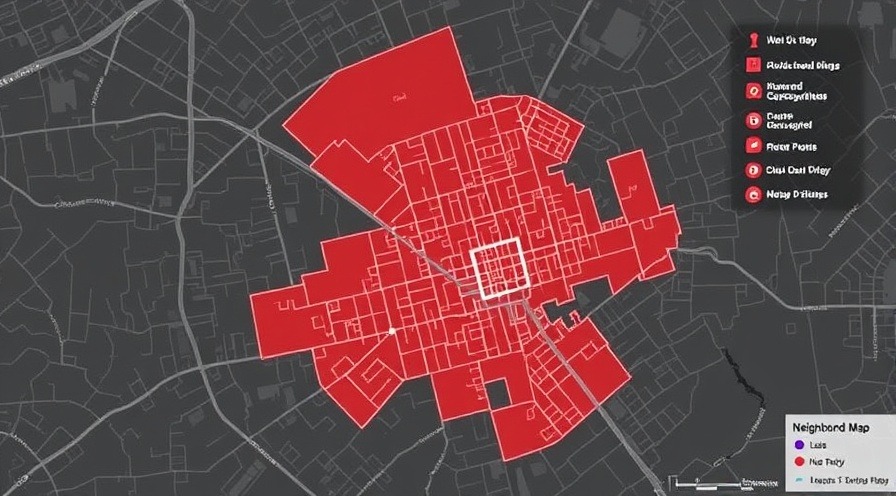
Illustration of emergency evacuation routes for safety awareness.


3. Stay Connected, Stay Safe: Informed Decisions

Staying informed is key to making timely decisions that protect your health and safety.

  • Sign up for local alerts to receive emergency notifications directly to your phone or email.

  • Follow Emergency Services from your county on social media platforms like Facebook, Instagram, and X for real-time updates.

  • Monitor weather from trusted sources such as the National Hurricane Center (NHC) and NOAA. Reliable information helps you assess risks and take appropriate action to protect your well-being.


4. Secure Your Sanctuary: Prepare Your Home

Fortifying your home helps create a safe haven during a storm and protects your investment:

  • Trim trees and remove yard debris to prevent projectiles and potential damage.

  • Clean gutters and secure outdoor furniture.

  • Review your insurance coverage, specifically ensuring you have flood insurance. Remember, flood insurance must be purchased separately and can take 30 days or more to activate, so act proactively. This protects your financial well-being in the event of damage.

  • Protect windows and doors, considering storm shutters or plywood for added security.


Evacuation map for neighborhood safety during emergencies.


5. Plan Together: Your Family's Emergency Strategy

A unified family plan ensures everyone's well-being and reduces stress during a crisis:

  • Decide how you will communicate if power or cell service is lost.

  • Choose a meeting place and emergency contacts.

  • Include specific plans for pets and those with special medical needs to ensure everyone is accounted for and cared for.

  • Practice your plan at least once per year to ensure everyone knows their role and feels prepared.


6. During the Storm: Prioritize Immediate Safety

Your actions during the storm directly impact your safety and health:

  • Stay indoors and away from windows to avoid injury from breaking glass or debris.

  • Use flashlights instead of candles to prevent fire hazards.

  • Listen to local officials for crucial shelter and safety information.

  • Avoid using phones unless necessary to preserve battery life for emergencies.


7. After the Storm: Focus on Safe Recovery

Once the storm passes, focus on safe recovery and community support:

  • Report power outages to your utility company promptly.

  • For your safety, avoid flooded areas and downed power lines. These present significant health and safety risks.

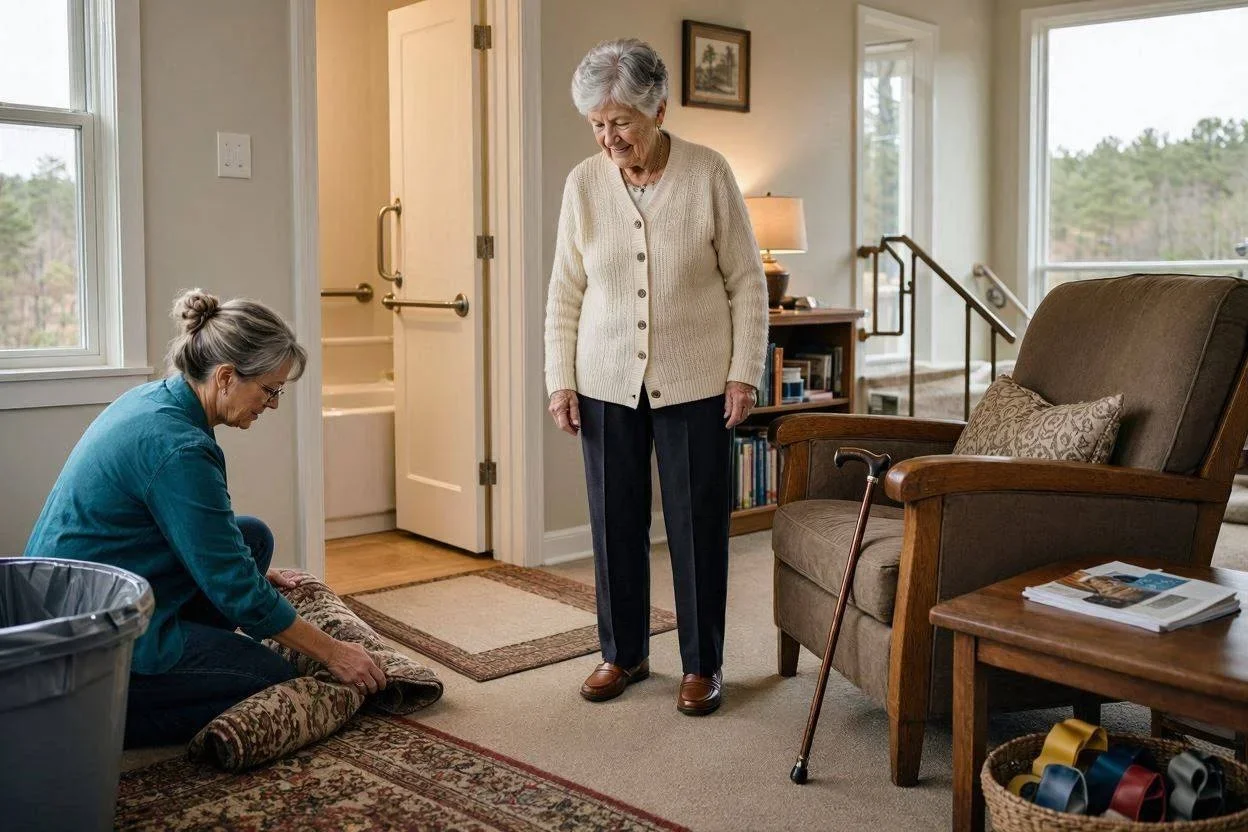
  • Check on neighbors, particularly the elderly or disabled, as they may need assistance. Community support is vital for collective well-being.

  • Document any property damage thoroughly for insurance claims.


By taking these proactive steps, you can significantly enhance your family's health, safety, and peace of mind during North Carolina's hurricane season. Stay well, stay safe!


Hurricane Preparedness Resources:


ReadyNC.gov website

National Hurricane Center

Wellness News

Write A Comment

*
*
Related Posts All Posts

Why Small Habits in December Lead to Big Health Wins All Year

Research shows that adopting even minor healthy habits in December can boost your wellbeing all year long. Discover how small, consistent changes now create lasting health benefits, setting you up for success beyond the holiday season. This comprehensive guide empowers you with science-backed insights, practical examples, and motivating stories—so the small steps you take this month can lead to big wins in the year ahead.Why Start Healthy Habits in December?December, often defined by the holiday season and year-end events, is a crucial time of year to adopt healthy habits and prioritize your wellbeing with guidance from experts like Lee Health and Ohio State. But increasingly, health professionals—including those at Lee Health, Ohio State, and MedStar Health—recommend embracing healthy habits December for year-round wellness.Why wait for January’s resolutions when research from Ohio State and Lee Health highlights significant benefits of starting healthy habits in December, setting a strong foundation for year-round health? As routines shift and family gatherings abound, establishing small, meaningful changes can have a profound ripple effect on your overall wellbeing.Motivating year-end reflection isn't just about regret over past choices—it’s about recognizing the unique opportunity this time of year brings to lay a solid foundation for future success. By adjusting eating habits, upgrading your sleep schedule, and integrating mindful practices, you’ll not only feel better through the busy season but kick off the new year already in motion.Even amidst festive events during this busy time of year, making time for physical activity, balanced eating, and self-care—key components of healthy habits recommended by MedStar Health—can lead to sustainable results and a healthier lifestyle for months to come.The science behind adopting healthy habits in DecemberPractical ideas for building healthy habits during the holiday seasonHow healthy habits december lead to sustainable well-beingReal examples of healthy eating and lifestyle changes you can tryThe Science: How Small Healthy Habits December Influence Your Year-Round WellbeingLeading institutions like Ohio State University and Lee Health have demonstrated that making small yet deliberate healthy habits in December helps create new pathways in the brain and establishes lasting routines, supported by valuable health information. According to research gathered by MedStar Health and the Centers for Disease Control, behavior change is mediated by consistency, especially during emotionally charged times of the year. The holiday season is when routines shift, obstacles arise, and self-awareness increases—making it an optimal window to experiment with new healthy habits.Rather than overhauling your entire lifestyle overnight, science demonstrates that engaging in micro-habits—like reaching for a glass of water instead of a second cookie, or taking a brisk walk after dinner—can trigger long-term neural adaptation. The library for health information at major medical centers highlights that reinforcing positive cues, even amid festive distractions, increases the likelihood that these behaviors will stick.By aligning your healthy habits in December with your values and personal goals, you ensure your physical and mental health is prioritized during this critical time of year, supported by expert advice from MedStar Health and Lee Health, laying the groundwork for a healthier and more balanced year.As you focus on building new routines this season, it’s important to remember that quality sleep is a cornerstone of overall wellness. For a deeper understanding of how much rest your body truly needs and expert-backed strategies to improve your sleep habits, explore these insights on optimal sleep from leading health professionals."Research from leading institutions such as Ohio State and Lee Health confirms that embedding healthy habits during the holiday season creates a foundation for success all year."Top Healthy Habits December: Simple Changes for Long-Term ResultsSmall, intentional steps during December can yield major health gains as the months roll on. The most impactful habits are attainable and sustainable, recommended by experts at Lee Health and MedStar Health. It’s not about making drastic changes, but about introducing practical shifts that support your body and mind during the busiest time of year. Preparing extra portions of vegetables, scheduling regular movement, and setting sleep reminders all contribute to a more balanced routine.Holiday stress, travel, and unpredictability can disrupt your normal eating habits or sleep schedule, but strategies recommended by MedStar Health and Lee Health can help you stay on track with your healthy habits December. That’s why focusing on accessible, repeatable activities—like prioritizing hydration, consistent bedtimes, and mindful treats—creates a safety net for your health information toolbox.Remember, the key is to build momentum slowly. By leveraging December’s unique atmosphere, you can pave the way for lasting achievements without sacrificing joy or connection during the holiday season.Healthy eating habit adjustments for festive events: Before gatherings, have a healthy snack and bring a nutritious dish. Use smaller plates for portion control.Creating a consistent sleep schedule: Go to bed and wake up at the same time, even on weekends, to support your body’s natural rhythms.Building mindful eating habits and routines: Slow down, savor bites, and check in with your hunger cues during meals.Staying active despite holiday season busyness: Schedule walks, stretch breaks, or mini home workouts—even 10 minutes counts.Setting achievable, realistic wellness goals (Inspired by MedStar Health and Lee Health): Make goals specific, measurable, and flexible to account for holiday plans.Healthy Eating Habits in December: Staying Nourished in the Holiday SeasonPracticing healthy eating habits during December doesn't mean missing out on the magic of the holidays—it means enjoying the season with intention. By prioritizing a variety of food groups, filling half your plate with vegetables, and incorporating festive fruits, you can manage both appetite and nutrition.Eating habits set during this month have a ripple effect well into the new year, especially as January often brings the temptation for rigid restrictions. By planning nourishing meals, drinking extra water, and being mindful with treats, you establish a more resilient and forgiving relationship with food.Nutritionists at MedStar Health and Lee Health remind us that success depends not on avoiding favorite festive foods, but on balancing them with smarter choices—think roasted vegetables alongside traditional fare, or swapping soda for a glass of water. This season, stress less about calorie counts and focus more on how different dishes fuel your physical and mental health. In turn, healthy eating in December supports digestion, energy, and stress management, giving your immune system a boost when you need it most.Comparing Healthy Eating Habits in December vs. Other MonthsMonthFocused Eating HabitsCommon ChallengesTips for SuccessDecemberMindful, festive choicesAbundant treatsPrepare healthy alternativesJanuaryReset, portion controlLack of motivationSet realistic resolutionsMaintaining Healthy Habits December: Overcoming Common ObstaclesBusy schedules, travel plans, and a parade of treats can make it hard to follow through on your healthy habits December, but leveraging health information and expert advice from Lee Health and MedStar Health can help you maintain consistency. It’s easy to slip into old eating habits or abandon physical activity, but anticipatory strategies can help you stay on track. This time of year comes with increased temptations and social pressures, so be proactive: make time for self-care, communicate your health needs to loved ones, and plan alternatives when routines get disrupted. Recognizing common pitfalls is the first step toward designing gentle, resilient responses that keep your health a priority.Success comes from consistency, not perfection. Experts—including registered dietitians at Lee Health and MedStar Health—suggest keeping healthy snacks on hand, scheduling downtime to recharge, and saying “yes” to selective indulgences you truly enjoy. Be flexible: if you miss a workout or overeat at a gathering, focus on your very next choice rather than dwelling on setbacks. The journey to well-being in December is about building grace and adaptability into your wellness toolkit.Sleep Schedule and Wellness Routines During DecemberYour body craves predictability, yet the holiday season is notorious for disrupted sleep schedules that can impact your physical and mental health, making a consistent sleep schedule essential according to MedStar Health. Sticking to a regular sleep schedule, even with late-night festivities, supports physical and mental health. Try winding down with soothing music, herbal tea, or journaling, and aim to wake up and go to sleep at similar times. Studies from MedStar Health show that restorative sleep bolsters immunity, mood, and weight management—crucial benefits as winter germs circulate and midnight feasts tempt you off track.If balancing a packed calendar feels overwhelming, think of a wellness routine as a series of small, achievable habits. Even a gentle ten-minute stretch or reading before bed can signal your body to downshift. The Centers for Disease Control recommends adults seek 7-9 hours of quality sleep year-round.Remember, small consistent actions in December often yield outsized health information benefits by spring, supporting everything from energy levels to resilience under stress."Healthy habits aren’t about perfection, they're about consistency—especially during the busiest time of year.” – Lee Health DietitianNothing beats the power of community inspiration. Watch a short video series spotlighting real people who decided December was the prime time to prioritize their health. They share testimonials—cooking healthy dishes together, enjoying brisk winter walks, or making time for self-care despite the holiday hustle and bustle.Their stories prove ordinary changes, made during a hectic season, can spark a year of positive transformation. The journey to better health isn’t just for New Year’s resolutions; it starts with small choices today.People Also Ask: Answers on Healthy Habits DecemberWhat are the healthy habits of December?Some of the most beneficial healthy habits december include balanced eating (with lots of colorful vegetables and fruits), staying active through walks or winter sports, and keeping a regular sleep schedule. Mindful self-care—like pausing for a glass of water or carving out quiet moments—helps maintain wellbeing as well. Experts at MedStar Health and Lee Health encourage small, repeatable healthy habits so that eating habit changes last well beyond the holiday season.Emphasize balanced eating habits, staying active, mindful sleep schedules, and self-care routines aligned with healthy habits december.What health awareness is December?December is marked by numerous health campaigns, focusing on awareness of mental health, healthy eating habits, and fostering resilience during the emotionally taxing close of the year, with valuable health information provided by the Centers for Disease Control and Ohio State. Organizations like the Centers for Disease Control and Ohio State offer health information and encouragement to navigate social pressures and prioritize physical and mental wellness. The message is clear—your health matters just as much now as at any time of year, if not more so.December is notable for holiday season health campaigns, mental health awareness, and reminders about maintaining healthy eating and lifestyle habits.What is the mental health theme for December?December’s mental health theme, as identified by state and federal agencies, centers on stress management, building resilience, and practicing self-compassion despite increased social and financial pressures. The holiday season can be joyful but also emotionally complex—so the focus is on finding balance, setting boundaries, and accessing resources for support. Mental health professionals urge individuals to make time for restorative activities and to check in with their own emotional needs regularly.December’s mental health theme centers on stress management, building resilience, and practicing self-care amidst festive and year-end pressures.What is celebrated in December month?From religious observances to cultural traditions and family reunions, December is filled with celebration. This can make sticking to healthy habits december feel challenging, but reinforces the importance of planning ahead. By honoring your health alongside your social calendar, you can fully enjoy the season’s richness—without neglecting your own wellness. Remember, every small step matters, from a mindful meal to a refreshing winter walk.The holiday season features a range of celebrations, making it important to uphold healthy habits december amid busy social calendars.Leading voices from Lee Health, MedStar Health, and the Centers for Disease Control share actionable advice in this quick video. Learn how to reset your eating habits, keep moving in cold weather, and manage stress effectively—all without sacrificing holiday joy. These professionals provide realistic, science-backed strategies that can fit into any busy December schedule, showing you how small commitments add up to a strong health information foundation for the new year.Tips & Lists: Your Easy Checklist for Healthy Habits DecemberSometimes, lasting change starts with a simple list. Use this December Healthy Habits Checklist, promoted by nutritionists at Lee Health and MedStar Health, to focus your attention on what matters most. Keep it visible—on your fridge, in your planner, or on your phone—and check off each item for an extra sense of accomplishment. Little by little, you’ll build confidence and momentum, turning healthy intentions into automatic habits that last long past the holiday season.Plan nutritious holiday meals in advanceStay hydrated throughout festivitiesPractice mindful portion sizesPrioritize physical activitiesMaintain a regular sleep scheduleCarve out time for relaxationFAQs: Everything to Know About Healthy Habits DecemberHow can I stick to good eating habits during December?Build a plan before the holidays: snack on veggies before parties, prepare your own healthy alternatives, and enjoy treats mindfully. Prioritize food groups like whole grains, lean proteins, and seasonal produce, and fill half your plate with veggies to lower temptations for overindulgence.Are there any quick ways to boost healthy habits at the end of the year?Yes! Keep a water bottle handy, schedule short movement breaks, and practice gratitude journaling. Setting small, achievable daily goals fosters quick wins that build confidence and sustainable routines—perfect for the busy holiday season.Is it OK to splurge on holidays and still keep healthy habits december?Absolutely. Experts agree that flexible, balanced approaches beat strict rules. Savor special holiday foods, then resume your healthy eating habit afterward. The goal is consistency, not perfection, so one indulgence won’t break your progress if you get back on track quickly.Key Takeaways: Building Healthy Habits December for a Healthier YearStart small, stay consistent, and celebrate each positive change—healthy habits december set the stage for long-term wellbeing, helping you thrive well beyond the holiday season.Final Thoughts: Start Small with Healthy Habits December for Big ResultsChoose one or two habits to begin with this December. Every step you take today supports a healthier, happier you all year.Ready to transform your year? Start your healthy habits December journey today with our expert resources and support.If you’re inspired to keep building on your December momentum, consider how holistic wellness practices can support your health journey at any age. Discover how a comprehensive approach—combining nutrition, movement, and mindful routines—can help you regain strength and vitality well beyond the holidays.For practical strategies and essential tips tailored for thriving after 60, explore these holistic solutions for lifelong strength and wellness. Your commitment to small changes today can unlock a healthier, more vibrant tomorrow.SourcesOhio State University Wexner Medical Center – https://wexnermedical.osu.edu/blog/healthy-holiday-tipsLee Health News Blog – https://www.leehealth.org/health-and-wellness/healthy-news-blogMedStar Health Holiday Nutrition – https://www.medstarhealth.org/health-blog/healthy-holiday-eating-tipsCenters for Disease Control: Healthy Eating – https://www.cdc.gov/healthyweight/healthy_eating/index.htmlLibrary for Health Information (NIH) – https://www.nlm.nih.gov/medlineplus/nutrition.htmlIncorporating small, consistent healthy habits during December can set the foundation for year-round wellness. The article “5 Nutrition Tips to Stay Healthy During Winter from a NYC Dietitian” (nycnutritionist.net) offers practical advice, such as consuming vitamin C-rich foods and staying hydrated, to maintain health throughout the colder months.Additionally, the “Ten Tips For a Guilt-Free December” (clevelandymca.org) provides strategies like eating before attending events and staying active, helping you navigate holiday indulgences without compromising your health goals.By integrating these expert recommendations, you can enjoy the festive season while laying the groundwork for a healthier year ahead. NCWellnessHub.com

Are Antibiotic-Resistant Infections the Threat We Can’t Ignore?

Antibiotic-resistant infections cause over 1.2 million deaths annually worldwide, surpassing many diseases. Understanding their rise is crucial to combating this hidden crisis that threatens modern medicine and public health. Discover why ignoring this issue could lead to catastrophic consequences—and what we can do to fight back.Antibiotic-Resistant Infections: The World Health Crisis at Our Doorstep"Antibiotic-resistant infections cause over 1.2 million deaths annually worldwide, surpassing many diseases." — World Health OrganizationThe rise of antibiotic-resistant infections is not just a distant worry—it is a concern knocking at our front doors, threatening the very foundation of modern medicine. Reports from the World Health Organization (WHO) reveal that these infections now account for more than a million deaths each year, a rate that exceeds that of several other major diseases.The global spread of resistant infections is a profound threat to healthcare and public safety, as first-line antibiotic treatments increasingly fail. This has a domino effect on health systems, placing additional stress on already stretched care systems, especially in low and middle income countries.The World Health Organization’s latest resistance surveillance report found alarming trends: urinary tract infections, bloodstream infections, and other common bacterial infections are becoming far more resistant to antibiotics. Strong antibiotics that were once the choice treatment for infections caused by coli and klebsiella pneumoniae are struggling against these evolving threats.As hospital wards see more patients with infections unresponsive to standard care, the reality is clear: antimicrobial resistance is reshaping patient outcomes and health organization priorities worldwide. The question isn’t whether antibiotic resistance is a threat, but how soon it will undermine the progress made in saving lives from bacterial infections.What You’ll Learn About Antibiotic-Resistant Infections and Their Global ImpactThe rise of antibiotic-resistant infections globallyRecent World Health Organization findingsThe underlying causes fueling antibiotic resistanceWhy public health systems are sounding the alarmActionable steps to address this growing crisisUnderstanding Antibiotic-Resistant Infections and Their PrevalenceBacterial Infection Trends and Health Organization WarningsOver the last decade, the steady emergence of antibiotic resistance has significantly altered the landscape of infectious diseases. Global health organizations have sounded repeated alarms as bacterial infections, particularly those stemming from Escherichia coli and Klebsiella pneumoniae, display increased resistance to antibiotics.According to a recent surveillance report by the Department of Antimicrobial Resistance at the World Health Organization, critical bacterial infections such as urinary tract infections are showing unprecedented levels of resistance. These trends are especially worrying in regions with weaker health systems where surveillance systems and care infrastructure lag behind higher-income countries.Surveillance data reveal that in Asia and the Eastern Mediterranean, the rates of resistance among common bacteria have soared. The global burden is most acute in low- and middle-income countries, where effective infection prevention and alternatives to antibiotic treatment are often not readily available.Consequently, millions of people are exposed to growing risks, with resistant infections exceeding the capacity of health organizations to respond in time. These findings are a wake-up call for public health authorities and policymakers—the world cannot afford to ignore the evolving patterns of bacterial infections worldwide.Addressing the spread of antibiotic-resistant infections requires not only medical innovation but also robust healthcare infrastructure. For a deeper look at how technology is transforming the fight against complex health threats, explore how AI is being integrated across healthcare systems to enhance diagnostics and patient care, offering new hope in managing infectious diseases.How Infections Worldwide Are Changing Medical PracticeThe rise in antibiotic-resistant infections is more than a scientific concern; it’s a practical challenge faced daily in clinics and hospitals around the world. Physicians are increasingly limited in their choice of effective antibiotic treatments, leading to longer hospital stays, more complicated therapy regimens, and higher patient mortality. For example, the emergence of resistant forms of gonorrhea, tuberculosis, and even routine infections like those caused by Staphylococcus aureus (MRSA) are forcing care providers to adapt, often with fewer tools at their disposal.Health systems are now required to invest more in infection control, monitoring, and education for both healthcare professionals and the public. Bacterial infections are no longer routine, and health organization guidance now routinely calls for caution, surveillance, and smarter use of antibiotics. The global increase in resistant infections is a testament to how the world health landscape is shifting, demanding a collective response to safeguard future generations against a return to the pre-antibiotic era.The Science Behind Antibiotic ResistanceWhat Makes Infections Resistant to Antibiotic Treatments?At its core, antibiotic resistance develops when bacteria evolve mechanisms to survive exposure to antibiotics that would normally kill them or halt their growth. The misuse and overuse of antibiotics—such as taking them for viral infections where they have no effect or not completing prescribed courses—accelerates this evolutionary process. Bacteria are incredibly adaptive; through genetic changes and the sharing of resistance genes via plasmids, they become increasingly resistant to antibiotic treatment. As a result, infections once easily managed now persist and spread more broadly in the community.The problem is not isolated to just one or two strains of bacteria. Increasing evidence suggests that common pathogens associated with hospital-acquired and community infections—like Escherichia coli, Klebsiella pneumoniae, and Staphylococcus aureus—show multi-drug resistance globally. This resistance is often transmitted between bacteria through horizontal gene transfer, compounding the threat. As resistance barriers build, clinical care becomes more complicated, frequently leaving doctors with limited, less effective, and sometimes more toxic options. The result? Growing medical uncertainty and mounting costs for health care systems worldwide.Antibiotic Resistance: Why Are More Bacterial Infections Hard to Treat?Today, more bacterial infections are becoming difficult to treat because bacteria are rapidly acquiring genes that grant them resistance to multiple classes of antibiotics. This complex interplay is driven by environmental exposure to antibiotics (including in agriculture and animal husbandry), poor infection control in health facilities, and lack of new drugs to stay ahead of evolving bacteria. As a consequence, conditions that once responded reliably to a short course of treatment—like urinary tract infections, pneumonia, and bloodstream infections—now often require second- or even third-line drugs, which may be less effective and more expensive.Additionally, when infections are resistant to antibiotic treatments, patients may require longer hospitalizations and face higher risks of complications including sepsis and death. These dynamics are not limited to high-income countries; resource-limited settings often experience the brunt of these shifts due to weaker health systems and limitations in surveillance. With the pipeline for new antibiotics nearly stagnant, health care providers and world health organizations face urgent pressure to find alternative strategies for combating resistant infections and preserving the efficacy of the antibiotics we still have.How Antibiotic-Resistant Infections Affect Individuals and CommunitiesResistant Infections in Hospitals and Public Health SettingsThe impact of antibiotic-resistant infections is most visible within hospitals, where vulnerable patients are at heightened risk. Complications from resistant infections, such as resistant urinary tract and bloodstream infections, can quickly escalate in healthcare environments. These settings also see higher rates of transmission, especially when infection control practices are inadequate. Immunocompromised patients, such as those receiving cancer therapy or surgery, are especially susceptible to the devastating effects of antimicrobial resistance. Entire health systems can be overwhelmed by outbreaks of resistant infections, particularly in countries with weaker health system infrastructures.According to the World Health Organization, we are now on the brink of “a post-antibiotic era where common infections may once again kill.” This sobering warning highlights the cascading effects when antibiotic resistance undermines our ability to treat otherwise routine bacterial infections. Public health agencies globally are urging a reassessment of how antibiotics are prescribed and used. The failure to control resistant infections in hospitals not only endangers individual patients but can cause wider outbreaks that spread into the community, endangering millions of people."We are approaching a post-antibiotic era where common infections may once again kill." — WHOThe Role of the World Health Organization in Combating Antibiotic-Resistant InfectionsGlobal Strategies for Controlling Bacterial InfectionsThe World Health Organization (WHO) has been at the forefront of the fight against antibiotic resistance, spearheading global strategies aimed at controlling the spread of bacterial infections. These efforts include establishing the Global Antimicrobial Resistance Surveillance System (GLASS) to collect and analyze resistance data worldwide, and promoting coordinated international action.The organization works closely with national health authorities to develop guidelines on antibiotic stewardship—ensuring that antibiotics are prescribed appropriately and only when necessary. COUNTRY-level collaborations and technical support have helped reinforce infection control standards, especially in weaker health systems struggling to contain the spread of resistant infections.WHO also addresses public health threats through capacity building, training healthcare workers, and increasing general awareness about the dangers of misuse and overuse of antibiotics. By emphasizing the importance of coordinated, multisectoral action—including governments, industry, and civil society—the World Health Organization is driving forward a collective effort to safeguard our current antibiotics and limit future resistance.Notable Research from the World Health Organization on Antibiotic ResistanceRecent research from the WHO has confirmed the alarming spread of antimicrobial resistance in regions such as Asia and the Eastern Mediterranean. The organization’s landmark 2023 surveillance report, published by the Department of Antimicrobial Resistance, identified high rates of resistance in key pathogens responsible for infections worldwide.The report found that resistance to commonly used drugs for infections like pneumonia, urinary tract infections, and sexually transmitted infections is rising sharply. MRSA, ESBL-producing E.coli, and multi-drug resistant forms of tuberculosis (MDR-TB) were particularly highlighted as urgent threats.The WHO’s findings stress the importance of ongoing resistance surveillance, investment in drug research, and capacity building for rapid diagnostics. These measures are critical for early detection and response to bacterial infection outbreaks that are resistant to antibiotic treatments. Notably, the WHO advocates for international cooperation, emphasizing that antibiotic-resistant infections do not respect borders and require a globally united response to contain the threat.Key Causes Behind the Rise of Resistant InfectionsOverprescribing and misuse of antibioticsPoor infection prevention in healthcare facilitiesLack of new drug developmentGlobal travel and spread of resistanceWhy Antibiotic-Resistant Infections Threaten Modern MedicineImpact on Surgery, Cancer Therapy, and Chronic Disease ManagementThe implications of antibiotic-resistant infections extend far beyond individual illnesses—they threaten the core of modern medicine. Antibiotics are central to the success of major surgeries, cancer treatments, organ transplants, and even childbirth. Without effective antibiotics, the risk of deadly post-surgical infections rises sharply, and otherwise manageable complications become potentially fatal.According to the Centers for Disease Control and Prevention (CDC), “without effective antibiotics, even minor surgeries carry serious risk.” This scenario is not speculative; healthcare workers are already witnessing treatment failures in real time.Patients undergoing chemotherapy for cancer or those living with chronic conditions like diabetes are particularly vulnerable. If a bacterial infection occurs and is resistant to antibiotic treatments, the underlying therapy plan may fail, endangering the patient’s prognosis. Inadequate protection against infections can stall medical advances, reversing decades of achievements in healthcare. As resistance continues to spread, health systems face surges in costs, resource use, and preventable deaths, making the battle against antibiotic resistance a defining struggle for the century."Without effective antibiotics, even minor surgeries carry serious risk." — CDCUrgent Solutions for Tackling Antibiotic-Resistant InfectionsEnhance antibiotic stewardshipInvest in rapid diagnosticsSupport research for new antimicrobialsImprove infection control in hospitalsPeople Also Ask: Critical Questions About Antibiotic-Resistant InfectionsWhat are antibiotic-resistant infections, and why are they so dangerous?Antibiotic-resistant infections are illnesses caused by bacteria that have developed the ability to withstand drugs designed to eliminate them. They are dangerous because standard antibiotics are often powerless, leading to longer illnesses, more expensive or toxic treatments, and a greater risk of complications or death. This resistance can make previously routine infections much harder, if not impossible, to treat—placing individuals and entire communities at risk.How does antibiotic resistance spread among bacterial infections?Antibiotic resistance spreads when bacteria acquire genes that make them resilient against antibiotic drugs. This can occur through direct genetic mutations, or more often, by exchanging resistance genes with other bacteria via horizontal gene transfer. Resistance is fueled by the overuse and incorrect use of antibiotics in medicine and agriculture, poor infection control, and international travel, contributing to the global spread of resistant bacteria.What can individuals and healthcare providers do to prevent resistant infections?Both individuals and healthcare providers play a crucial role. Patients should only take antibiotics as prescribed, never share antibiotics, and complete their antibiotic courses fully. Healthcare providers can support robust infection prevention, prescribe antibiotics only when necessary, and practice careful antibiotic stewardship. Together, these steps help slow the spread of antibiotic resistance and protect the effectiveness of current and future treatments.Frequently Asked Questions About Antibiotic-Resistant InfectionsCan antibiotic resistance be reversed?While some resistance can decrease if antibiotics are used less frequently, many resistance genes remain, so reversal is difficult. Ongoing research aims to develop alternatives and restore sensitivity.Are all bacterial infections resistant to antibiotics?No, not all bacterial infections are resistant. However, the proportion of infections resistant to standard treatments is rising worldwide, especially for common bacteria like E.coli and Klebsiella pneumoniae.What steps are being taken by health organizations globally?The World Health Organization and national agencies are implementing surveillance systems, encouraging responsible antibiotic use, funding research for new drugs, and promoting infection prevention in healthcare settings.Key Takeaways on the Global Threat of Antibiotic-Resistant InfectionsAntibiotic-resistant infections are a growing global crisis.Public health efforts are urgently needed to slow resistance.Everyone plays a role in combating antibiotic resistance.Conclusion: Why the Threat of Antibiotic-Resistant Infections Demands Immediate AttentionAntibiotic-resistant infections threaten public health, healthcare systems, and the future of modern medicine; urgent, coordinated action is necessary to prevent a world where common infections are once again fatal.Take Action: Learn More and Support Efforts to Combat Antibiotic-Resistant InfectionsStay informed, practice responsible antibiotic use, and support organizations combating antibiotic resistance. Every action helps in defending against this global threat.The challenge of antibiotic resistance is just one example of how public health and environmental issues are deeply interconnected. If you’re interested in how communities are mobilizing to address urgent health threats beyond infections—such as chemical contamination and regulatory action—discover how residents are advocating for stronger protections in the face of delayed EPA PFAS regulations. Learn how grassroots efforts are shaping the future of public health policy and find inspiration for taking action in your own community.Sourceshttps://www.who.int/news-room/fact-sheets/detail/antimicrobial-resistancehttps://www.cdc.gov/drugresistance/about.htmlhttps://www.who.int/initiatives/glassAntibiotic-resistant infections are a growing global health crisis, with the World Health Organization (WHO) reporting that one in six laboratory-confirmed bacterial infections worldwide in 2023 were resistant to antibiotic treatments. (who.int) This alarming trend underscores the urgent need for coordinated action to combat antimicrobial resistance.For a comprehensive understanding of antimicrobial resistance, the WHO’s fact sheet titled “Antimicrobial resistance” provides detailed insights into the causes, consequences, and strategies to address this pressing issue. (who.int)Additionally, the Centers for Disease Control and Prevention (CDC) offers valuable information on the subject in their resource “About Antimicrobial Resistance,” which outlines key facts and preventive measures. (cdc.gov)If you’re serious about understanding and addressing the threat of antibiotic-resistant infections, these resources will equip you with the necessary knowledge and tools to contribute effectively to global efforts. NCWellnessHub.com

Not Just Food: The 5 'First Thanksgiving' Rituals That Can Reset Your Body and Mind Before Christmas

After years of holiday overwhelm, I discovered five rituals from the first Thanksgiving that transformed my body and mind. This Thanksgiving detox isn’t just about food—it’s a powerful way to reset before Christmas. Embrace these traditions to restore balance and joy in your busiest season yet.Unlocking the Thanksgiving Detox: Why Rituals Matter Now More Than EverIn today’s fast-paced world, the holidays often bring a sense of overwhelm, leaving little room for self-care or mindful gratitude. The concept of a thanksgiving detox is emerging as a meaningful solution—one that goes beyond just recovering from a hearty Thanksgiving meal. Grounded in the original rituals from the first Thanksgiving, this thanksgiving detox embraces time-honored practices proven to rejuvenate body, mind, and spirit. Unlike trendy quick-fixes or fleeting weight loss fads, these rituals offer a grounded, evidence-based approach to wellness, rooted in gratitude, connection, and natural rhythms. With the added pressures of modern holiday stress, these traditions are more relevant than ever, providing an anchor before the intensity of Christmas week begins. Engage in these five transformative steps to restore balance, foster mindfulness, and set a sustainable foundation for the winter holidays, all while benefiting from gentle detox yoga insights and the holistic principles celebrated at Sol Spa wellness centers."After years of holiday overwhelm, I discovered five rituals from the first Thanksgiving that transformed my body and mind. This Thanksgiving detox isn’t just about food—it’s a powerful way to reset before Christmas. Embrace these traditions to restore balance and joy in your busiest season yet."What You'll Learn From This Thanksgiving Detox GuideHow Thanksgiving detox rituals promote wellness before ChristmasScientific and historical backgrounds behind each traditionPractical, step-by-step detox activities inspired by the first ThanksgivingExpert tips to maintain your Thanksgiving detox through the holidaysHow Sol Spa practices can enhance your Thanksgiving detox experienceTable: Comparing 5 Thanksgiving Detox RitualsRitualFirst Thanksgiving OriginsMind & Body BenefitsIdeal Timing Pre-ChristmasSunrise Reflection and Gratitude WalksMorning gatherings for meditation and connectionResets circadian rhythm, boosts mood, nurtures mindfulnessMornings; daily or 2–3 times week after Thanksgiving, pre-ChristmasCommunal Cleansing with Seasonal FoodsShared harvest feasting with indigenous botanicalsSupports digestion, reduces bloat, increases energyThroughout the day; 3–7 days after ThanksgivingFireside Storytelling for Emotional ReleaseOral traditions and storytelling circlesEmotional detox, bonding, journaling, thermal relaxationEvenings; 2–4 sessions post-holidayHerbal Cleansing & DeclutterUse of sage, cedar, herbs for purificationReduces toxins, clarifies space, boosts focusAnytime; especially after big gatheringsEvening Restoration—Mindful Movement and RestRespect for restorative movement and deep restStress relief, mind-body integration, improved sleepNightly, ongoing through holiday transitionsEmbracing a Thanksgiving Detox: How Rituals from the First Thanksgiving Cleanse Mind & BodyA true Thanksgiving detox is about restoring harmony by aligning our modern lives with the grounded, restorative rituals of those who celebrated the first Thanksgiving. This approach draws upon ancient wisdom—but it’s entirely actionable for today’s busy households. Whether through sunrise gratitude walks, mindful communal eating, or herbal purification, each ritual in this thanksgiving detox addresses both physical and mental wellness. Science supports these traditional practices: detox yoga and mindful walks, key components of a thanksgiving detox, help flush toxins, support heart health, and calm the nervous system. Communal feasting with seasonal foods supports the gut microbiome and boosts resilience against holiday stress. Herbal cleansing and decluttering reduce allergen load and environmental toxins, according to leading sol spa experts. These five rituals, individually and combined, offer a holistic path to a refreshed mind and body before the Christmas rush.As you begin to incorporate these rituals, it's important to recognize the subtle signals your body may be sending during periods of stress. Understanding the key signs your body is stressed can help you tailor your Thanksgiving detox for maximum impact and ensure your wellness journey is both mindful and effective.Thanksgiving Detox Ritual #1: Sunrise Reflection and Gratitude WalksRoots in first Thanksgiving morning routinesBenefits: boosting mood, resetting circadian rhythm, and mindfulnessSol spa-inspired nature immersionThe first Thanksgiving mornings were rooted in appreciation and quiet observation of nature’s rhythms. Sunrise reflection and gratitude walks draw directly from this tradition, offering a gentle introduction to the thanksgiving detox. Step outside as sunlight breaks, ideally along a natural path, and pause to breathe deeply, reflecting on gratitude and intention for the holiday season. Research shows that early natural light exposure balances our body’s internal clock and boosts serotonin, setting a positive tone for the day. These sol spa-inspired walks nurture mindfulness and help release the mental clutter brought on by holiday overwhelm. Adapting this practice to your own environment can be as simple as a walk in your backyard or a nearby park. Take a few moments to focus on each sense: the cool air, birdsong, and the texture of earth beneath your feet. This immersive, sol spa-inspired experience can dramatically reset mood and perspective, laying the foundation for deeper detox rituals throughout the week.Thanksgiving Detox Ritual #2: Communal Cleansing with Seasonal FoodsThe significance of communal meals and indigenous botanicalsThanksgiving detox-friendly recipes for gentle digestive resetHow these foods combat holiday bloat and fatigueThe original Thanksgiving meal was a celebration of shared harvests and wholesome, seasonal foods like squash, berries, and legumes—far from today’s processed fare. A thanksgiving detox in this spirit means coming together for meals featuring anti-inflammatory botanicals and nourishing recipes that support gentle digestive reset. Incorporate staples such as roasted root vegetables, pumpkin soup simmered in a large stockpot, and fresh greens dressed with a splash of olive oil and a grind of black pepper. Modern wellness experts often recommend reducing sodium and processed sugars to help lose water weight and combat holiday bloat. Including foods like fermented pickles or probiotic-rich almond or coconut milk yogurts aids gut balance after a heavy Thanksgiving meal. Share these thanksgiving detox meals communally to spark joy and social bonding, aligning naturally with sol spa values of wellness and conviviality. These nutrient-rich foods are not only delicious, but they offer the building blocks your body needs for sustained, festive energy through December.Thanksgiving Detox Ritual #3: Fireside Storytelling for Emotional ReleaseConnecting first Thanksgiving oral traditions and modern mental detoxJournaling & group meditation as detox toolsSol spa-style thermal therapy for emotional wellnessIn many cultures, storytelling by the fire signaled a time of reflection, gratitude, and emotional healing. The first Thanksgiving was no exception, with oral traditions strengthening communal ties. Today, fireside storytelling for emotional release can be adapted into modern routines.Host a gathering by the fire (or even candlelight), invite loved ones to share stories of gratitude or renewal, and intersperse these moments with guided journaling and group meditation for a powerful emotional detox. Clinical studies underscore the healing power of community and narrative; these rituals reduce stress, encourage vulnerability, and facilitate emotional release. Thermal-based sol spa techniques—such as using warm blankets or sipping herbal tea by the fire—add an extra layer of comfort to your thanksgiving detox, mimicking the benefits of professional spa therapy at home. This blend of ancient and modern practice leads to deep rejuvenation, clearing the mind for the weeks ahead.Thanksgiving Detox Ritual #4: Purifying the Space—Herbal Cleansing & DeclutterHistorical use of sage, cedar, and herbs in the thanksgiving detoxModern science on environmental toxins (sol spa aromatherapy rankings)Rituals for cleansing the home before ChristmasHerbal purification rituals date back thousands of years, and at the first Thanksgiving, sage, cedar, and herbal smudging were essential for cleansing the environment. Today, purifying the space means more than tidying up—it’s about removing unseen toxins, allergens, and lingering holiday stress that collect in our homes. Scientific studies confirm that burning sage, using cedar bundles, and routinely decluttering can reduce bacteria, balance mood, and increase indoor air quality. Modern sol spa aromatherapy practices elevate these thanksgiving detox rituals through evidence-based rankings of essential oils and botanicals most effective for wellbeing. Consider adding a few drops of cedarwood or vetiver oil to a diffuser, or crafting your own herbal bundles using sage, rosemary, and mint leaves. As you wave the fragrant smoke throughout your home, focus on each cleared space as an invitation for calm, vitality, and intention before the Christmas rush. Decluttering physical objects and energetic residue together provides a deeper level of thanksgiving detox for mind and environment.Thanksgiving Detox Ritual #5: Evening Restoration—Mindful Movement and RestHow early Americans honored rest and movementYoga, stretching, and breathwork routines for thanksgiving detoxSol spa insights: body/mind integration for stress reliefAfter a day of harvest, early Americans honored restorative rest and mindful movement as an essential counterpart to celebration. For a modern thanksgiving detox, this means incorporating gentle yoga, stretching, or breathwork each evening post-Thanksgiving. Practices such as hot detox yoga or even a simple flow guided by calming music can release tension, aid digestion, and encourage deeper sleep. According to the latest sol spa research, activities like detox yoga and guided meditative stretches trigger the body’s relaxation response, helping to stabilize cortisol and support metabolic recovery after rich holiday meals. Begin by setting a peaceful environment—dim lights, light a candle, roll out a soft mat—and practice slow, intentional movements. Even ten minutes nightly can bring major benefits, laying a foundation for a stress-free transition into the Christmas season while integrating body and mind in the spirit of true thanksgiving detox.Expert Perspectives: How Sol Spa Practices Elevate Your Thanksgiving DetoxThe integration of Sol Spa methodologies adds a clinical, evidence-based backing to traditional thanksgiving detox rituals, enhancing their effectiveness and appeal. By fusing ancient wisdom with modern spa science, Sol Spa practitioners recommend a personalized, holistic approach to pre-Christmas resets. Their focus on aromatherapy, structured movement, and communal well-being, backed by rigorous testing processes, ensures that each step of your detox is both safe and effective. By substituting simple home-based practices for commercial wellness trends, you gain access to restorative strategies that are quality assured and deeply rooted in communal resilience."True detox is about returning to rituals that nourish your whole being—body, mind, and community." – Wellness HistorianPeople Also Ask: Thanksgiving Detox Questions AnsweredWhat is the fastest way to flush your body of toxins?Answer: The fastest way to flush your body of toxins after Thanksgiving involves a combination of hydration, gentle movement, and consuming detoxifying seasonal foods as recommended in traditional thanksgiving detox approaches.Why do people eat so early on Thanksgiving?Answer: Early meals are rooted in agricultural traditions and ensure time for thanksgiving detox rituals, allowing space for reflection, gratitude, and mindful practices before evening.How long does it take to lose water weight after Thanksgiving?Answer: Most individuals see a reduction in water weight within 48–72 hours of a thanksgiving detox regimen focused on low-sodium foods and increased hydration.How do people on Ozempic eat Thanksgiving dinner?Answer: For those using Ozempic, thanksgiving detox strategies emphasize mindful portions, nutrient-rich foods, and careful pacing to support metabolic health and comfort.A calming, step-by-step video showing a person going through multiple Thanksgiving detox rituals: sunrise walk, prepping seasonal meals, fireside meditation, herbal cleansing, and evening yoga stretches—each scene transitioning smoothly and featuring a cozy, inviting home environment and seasonal autumn backdrops.Step-by-Step Guide: Planning Your Own Thanksgiving Detox Before ChristmasAssess your holiday stressors and needsSelect rituals most aligned with your thanksgiving detox goalsSet a timeline (ideally 3–7 days post-Thanksgiving, pre-Christmas)Track your progress and adapt as you goCelebrate results and share with loved onesFAQs: Your Thanksgiving Detox QuestionsIs a thanksgiving detox safe for everyone?For most healthy adults, these rituals are safe and restorative. Individuals with specific health concerns should consult a healthcare provider before making significant dietary or movement changes.How do I maintain the thanksgiving detox effects through Christmas?Maintain small daily practices, such as gratitude walks, mindful eating, and decluttering. These habits gently reinforce wellness and prevent seasonal overwhelm.Can thanksgiving detox rituals replace traditional diets?While these rituals enhance wellness, they should supplement—not replace—nutritionally balanced diets and necessary medical care.Key Takeaways for Your Thanksgiving Detox Journey5 evidence-based rituals for body and mindEasy, festive, and achievable before ChristmasSupported by Sol Spa and wellness expertsDesigned for a sustainable reset, not quick fixesRestore Yourself Before Christmas—Start Your Thanksgiving Detox Today!Experience balance, resilience, and renewed joy this season by embracing the mindful power of Thanksgiving detox rituals—it’s the ultimate, festive reset before the Christmas celebration begins.If you’re inspired to deepen your wellness journey beyond seasonal rituals, consider exploring how everyday stress can impact your overall health. Gaining a better understanding of the most common signs your body is stressed will empower you to recognize early warning signals and proactively support your well-being all year long.By integrating these insights with your Thanksgiving detox, you’ll be better equipped to maintain balance, resilience, and a sense of calm—no matter what the holiday season brings. Let this be the start of a more mindful, health-focused approach that carries you well into the new year.Sourceshttps://www.ncbi.nlm.nih.gov/pmc/articles/PMC6460354/https://www.healthline.com/nutrition/detox-diets-101https://www.sleepfoundation.org/circadian-rhythmhttps://www.mayoclinic.org/healthy-lifestyle/nutrition-and-healthy-eatinghttps://www.nccih.nih.gov/health/aromatherapyTo further enhance your Thanksgiving detox journey, consider exploring these insightful resources:“5 Ways To Detox After Thanksgiving”: This article offers practical strategies to help your body recover post-Thanksgiving, including tips on hydration, mindful eating, and gentle physical activities. (dherbs.com)“5 Easy Ways to Detox After Thanksgiving”: This piece provides simple and effective methods to rejuvenate your body and mind after holiday indulgences, emphasizing the importance of self-care and balanced nutrition. (wellandgood.com)Incorporating these practices can support your body’s natural detoxification processes, promoting overall well-being as you transition into the festive season. NCWellnessHub.com

Terms of Service

Privacy Policy

Core Modal Title

Sorry, no results found

You Might Find These Articles Interesting

T
Please Check Your Email
We Will Be Following Up Shortly
*
*
*