
NC Wellness Hub
update
North Carolina Wellness Hub
update
  • Home
  • Categories
    • Wellness
    • General Health
    • Holistic
    • News
    • Living & Travel
    • Lifestyle
    • Fitness & Exercise
    • Mental Health
    • Stress Management
    • FEATURE
    • Sleep
    • Allergies
    • Medicines & Supplements
    • Weight Loss
    • Kids Health
    • Fertility & Pregnancy
    • Cancer
    • Heart Health
    • Skin & Hair
    • Arthritis
    • Dental
    • Vision
  • Bone Health
  • Digestive
May 12.2026
1 Minute Read

Quiet the Feed, Find Your Focus: 5 Digital Contentment Habits for the Modern Minimalist

Did you know the average person spends over two hours daily scrolling through feeds? Adopting digital contentment habits can reclaim your time, boost focus, and bring calm to a noisy world

Why Digital Contentment Habits Matter for Mental Health and Digital Wellness

With devices always within reach, it’s easy to lose hours to social media, endless notifications, and digital distractions. Many of us spend time mindlessly scrolling through feeds—leaving us drained, defocused, and disconnected from real life. Research reveals that excessive screen time is closely linked to increased stress, poorer mental health, and sleep disruptions resulting from exposure to blue light before bed.

Developing positive digital habits is about creating a healthier relationship with technology, one that supports digital wellness rather than anxiety. By intentionally curating our feeds, setting boundaries, and fostering a mindful approach to technology, we protect our mental health while enjoying the real benefits of modern tech. Read on to learn how five simple yet powerful digital contentment habits can help you regain focus, reduce overwhelm, and discover a greater sense of calm.

minimalist desk illustrating digital contentment habits workspace with calm, focused expression

The Overwhelmed Mind: How Screen Time Impacts Focus, Tech Habits, and Digital Habits

The constant beeps and notifications from digital devices mean our brains rarely get a break, making it easier than ever to constantly check phones or laptops. This barrage of alerts can sabotage focus, making deep work and mindful relaxation feel out of reach. In fact, when we spend hours bombarded by digital distraction, our brains struggle to filter out the noise, leading to mental fatigue and increased stress.

Excessive screen time often triggers unhealthy tech habits, like checking email obsessively or mindlessly scroll through social media. These bad digital habits can disrupt your attention span and weaken your ability to enjoy offline activities fully. Building digital contentment habits is the key to restoring balance, helping you break free from cycles of endless information and nurture a healthier, more intentional digital life.

Defining Digital Contentment Habits: What Makes a Habit Healthy vs. Harmful?

To identify whether your technology use is healthy, ask: Does this digital habit help me grow, learn, or connect with purpose—or am I just filling time? Strive for balance, using tech for contentment rather than escape

Active vs. Passive Consumption: The Truth About Social Media, Digital Detox, and Online and Offline Balance

Modern digital wellness goes beyond spending less time online; it’s also about how you use your time. Active digital habits mean using tech to connect, learn, or create—say, engaging in a group discussion or building a project online. Passive habits, like endless social media scrolling, can decrease satisfaction and fuel comparison. When we only consume without participating, we lose opportunities for genuine connection and growth.

A healthy digital detox involves swapping passive consumption for purposeful online activities and incorporating more offline activities into your day. Balancing online and offline life is foundational for true digital contentment, enabling you to be present, productive, and content both on and off your devices.

As you work to balance your online and offline routines, it can be helpful to incorporate quick, restorative practices into your day. For those seeking immediate relief from digital overwhelm, consider exploring a 5-minute stress detox—a simple approach that complements digital contentment habits and helps reset your focus.

What You'll Learn: Mastering Digital Contentment Habits
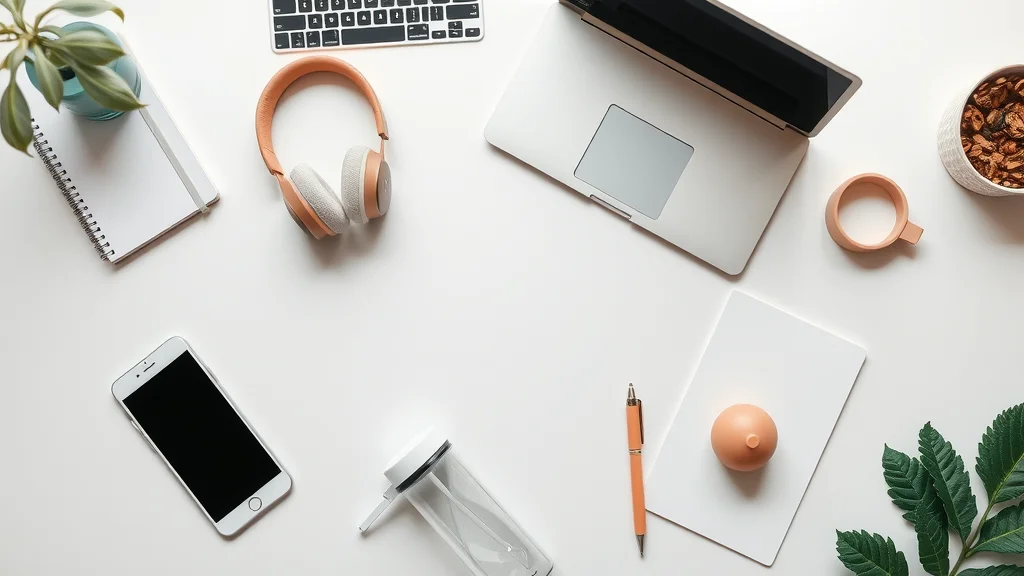
digital contentment habits infographic with digital habits, gadgets, and wellness elements
  • Core concepts of digital contentment habits

  • How to assess your screen time and digital habits

  • Ways digital habits support mental health and digital wellness

  • How to create a healthy balance with technology

  • Practical tips to reduce digital clutter and embrace mindful tech

Comparison of Active vs. Passive Digital Habits: Benefits & Drawbacks

Type of Habit

Definition

Benefits

Drawbacks

Active Consumption

Purposeful engagement: creating, learning, or discussing

  • Improved focus

  • Greater satisfaction

  • Supports mental health

Requires more effort and planning

Passive Consumption

Consuming content without interaction

  • Easy and entertaining

  • Fills free time

  • Can drain energy and mood

  • Increases risk of bad digital habits

  • Reduces digital wellness

1. Curate Your Feed with Mindful Tech: The First Step in Building Digital Contentment Habits

inviting minimalist social media feed for healthy digital contentment habits

Identify Bad Digital Habits: What to Remove From Your Feeds for Better Mental Health

One of the quickest ways to start enjoying digital contentment habits is to curate your online environment. If you spend time following accounts or pages that cause stress, anxiety, or feel like a source of endless digital distraction, it’s time to hit “unfollow.” Assess your social media feeds, newsletters, and app notifications—remove anything that doesn’t inform, inspire, or align with your goals.

When you eliminate bad digital habits from your feeds, you minimize comparison and digital noise. Make it easy to access value-adding content, and limit exposure to what drains your energy. This proactive step in mindful tech management instantly improves mental health and builds a foundation for healthier tech habits.

"Minimalism in digital life isn't about having less for the sake of it, but keeping only what truly adds value." — Anonymous Digital Wellness Expert

2. Schedule Structured Screen Time: A Digital Habit that Supports Digital Wellness

cozy planner and phone scene scheduling digital contentment habits and screen time limits

Implementing Screen Time Limits to Promote Healthy Digital Habits

Does your day slip away as you spend hours on your phone without realizing? Try setting specific time limits for each digital activity

How Scheduling Digital Detox Sessions Boosts Focus and Productivity

Think of a digital detox as a mental cleanse. Designate chunks of your day or week as device-free—use this time to enjoy offline activities, such as walking, reading, or spending time with family. Studies show that taking regular breaks from digital devices replenishes attention span and relieves stress.

Intentionally carving out tech-free moments sharpens your focus, prevents burnout, and helps you make the most of your working hours. Make it easy by setting phone-free hours in the evening or during meals—a habit proven to foster digital contentment and a positive relationship with technology.

3. Practice Active Digital Consumption: Transforming Digital Contentment Habits with Purpose

person engaging in active digital habits for digital contentment habits

How to Choose Healthy Balance Between Social Media, Online, and Offline Life

A healthy relationship with technology isn’t about ditching digital tools—it’s about knowing when and how to use them. Strive for a healthy balance by shifting from passive to active digital habits. Instead of mindless scrolling, comment on posts that interest you, engage in group chats or forums, or use digital tools for personal growth and learning.

Spending intentional, scheduled time online—and devoting the rest to offline activities—restores energy and creativity. Purposeful tech use supports digital wellness and ensures your online activities add genuine value to your life.

  • Comment on posts instead of endless scrolling

  • Engage in meaningful discussions via digital platforms

  • Use digital tools to learn and grow

4. Turn Notifications Off: Resetting Your Tech Habits for Better Digital Contentment Habits

turning off smartphone notifications for digital contentment habits

Origins of Notification Overload: Why Digital Habits Get Hijacked

Most apps are designed to grab your attention with frequent pings and push notifications. This design hijacks your digital habits and can make it feel impossible to focus for longer than a few minutes. With each alert, our brains release a hit of dopamine, reinforcing a cycle that keeps us constantly checking devices—even when we don't want to.

Unchecked, this leads to notification overload, digital exhaustion, and declining mental health. Knowing the psychology behind these tech habits helps you take back control and create a healthier, distraction-free environment.

Easy Steps to Declutter Alerts for Healthy Digital and Mental Health Routines

Start by turning off all non-essential notifications—news, games, even some social media apps. Schedule specific times to check messages each day so cold alerts can’t interrupt your focus. Don’t forget to mute or customize notification settings for email, group chats, and digital platforms.

Decluttering your alert system supports healthy digital habits and gives your brain a break from constant stimulation. In time, you’ll notice an immediate payoff: more concentration, fewer digital distractions, and improved behavioral health.

5. Create Device-Free Spaces: Digital Contentment Habits to Enhance Offline and Online Well-being

device-free family space supporting digital contentment habits and deep connection

Designing Digital Detox Zones: Examples from Minimalist Living

Setting aside areas in your home where devices are not allowed is a cornerstone of digital contentment habits. For example, keep meal times or bedrooms free from screens to reinforce meaningful interaction and rest. Minimalists often designate reading nooks, meditation corners, or dining tables as device-free zones, emphasizing simplicity, calm, and presence.

These tech-free environments minimize digital distractions and inspire deeper engagement with yourself and others. By embracing a minimalist approach, you’ll make it easy to focus on what adds value and nurture both mental health and digital wellness.

How Digital Contentment Habits Foster Deep Work and Relationship Connection

The benefits of device-free spaces extend far beyond quiet moments. When you clear digital clutter from key parts of your day, you create room for what matters most: strong relationships, creativity, and focused work. Device-free routines reinforce boundaries, allowing you to spend time deeply engaged in conversations or personal reflection.

By making digital boundaries part of your daily digital contentment habits, you regain clarity, energy, and lasting satisfaction from both your online and offline lives.

"When I set clear boundaries around my devices, I gained clarity, energy, and time for what matters most." — Minimalist Philosopher

minimalist deep work environment for increased focus and digital wellness

The Digital Contentment Checklist: Daily Steps for Modern Minimalists

  • Audit your daily screen time and digital habits

  • Unfollow accounts that don't inspire or inform

  • Schedule periods of digital detox

  • Commit to active, intentional tech habits

  • Establish at least one device-free zone

digital contentment habits checklist minimalist practice on tablet

Sample Digital Contentment Habits Checklist—Track Your Progress

Habit

Description

Completed?

Screen Time Audit

Review app and device usage statistics weekly

[ ]

Feed Curated

Remove 3+ negative or unnecessary follows

[ ]

Digital Detox

Block 1 hour per day for device-free rest or offline activities

[ ]

Intentional Tech

Engage in one focused online activity (learning, connection)

[ ]

Device-Free Zone

Establish and use designated tech-free spaces

[ ]

People Also Ask: Digital Contentment Habits FAQs

What are examples of digital habits?

Examples of digital habits include checking your phone upon waking, regularly scrolling through social media, setting daily screen time goals, using productivity apps to manage time, and practicing mindful tech usage to support digital wellness and mental health.

What is an active digital habit?

editing video content online as an example of active digital habit

An active digital habit involves using technology with intention—participating in meaningful conversations, learning new skills online, or creating digital content, as opposed to passively consuming media.

What are 2-3 digital habits you do currently that help you be healthy positive habits?

Positive digital habits include limiting notifications to minimize distraction, taking regular breaks from screens (digital detox), and curating your feed to follow healthy, value-adding accounts.

What are the 7 daily habits?

The 7 daily habits for digital contentment could include scheduled screen time, regular digital detox, practicing mindful tech, maintaining a healthy balance between online and offline, curating digital feeds, active digital engagement, and creating device-free spaces.

Key Takeaways: Digital Contentment Habits for Long-term Digital Wellness

  • Start small—one digital contentment habit at a time

  • Prioritize mental health by monitoring digital usage

  • Schedule routine check-ins to reassess your digital habits

  • Advocate for mindful tech and promote device-free moments

FAQs: Building and Sustaining Digital Contentment Habits

  • How do digital contentment habits support mental health?

  • Are all digital detox strategies safe and effective?

  • What tools help track digital habits for digital wellness?

  • How do I encourage my family to adopt healthy digital habits?

Your path to better wellness continues—browse additional topics at: NCWellnessHub.com

Conclusion: Embrace Digital Contentment Habits for a Balanced, Minimalist Life

From overwhelmed to in control: The modern minimalist’s journey with digital contentment habits

Adopting digital contentment habits brings clarity, focus, and peace to today’s connected world. By prioritizing mindful tech and intentional digital routines, you’ll rediscover a life where technology truly serves you. Start your journey to balance and wellness—one simple habit at a time.

If you’re ready to take your digital wellness even further, consider how your evening routines can impact your overall sense of calm and focus. Building on the foundation of digital contentment, optimizing your wind-down rituals can help restore your mind and set the stage for restful sleep.

Discover practical strategies for a more restorative night by exploring evening wind-down breakthroughs—and unlock the next level of balance in your minimalist lifestyle.

Sources

  • Healthline – https://www.healthline.com/health/mental-health/digital-detox-benefits

  • Psychology Today – https://www.psychologytoday.com/us/blog/mental-wealth/202212/is-time-on-social-media-bad-for-mental-health

To deepen your understanding of digital contentment habits, consider exploring the following resources:

  • “Digital Minimalism: Reclaiming Attention in the Age of Distraction” (healthcrunch.org)

This article delves into the cognitive and emotional impacts of constant connectivity and offers a framework for intentional technology use.

  • “The Contentment Habit” (zenhabits.net)

Leo Babauta discusses how to cultivate contentment by focusing on the present moment and reducing the desire for external validation.

If you’re serious about achieving digital contentment, these resources will provide valuable insights and practical strategies to help you navigate the digital landscape mindfully. NCWellnessHub.com

Lifestyle

0 Comments

Write A Comment

*
*
Please complete the captcha to submit your comment.
Related Posts All Posts

How to Disinfect Your Mobile Devices Safely and Fast

Did you know your mobile device carries over 20,000 times more bacteria than a toilet seat? Learning how to disinfect your mobile devices safely and quickly using effective methods like soapy water is essential to protect your health and keep your gadgets germ-free without damaging them.In this comprehensive guide, you’ll discover evidence-backed cleaning methods, which items and products you should use, common mistakes to avoid, and pro tips for disinfecting your mobile phone without harming its hardware or protective coating. Read on for fast solutions that keep both you and your devices healthy.Why You Need to Disinfect Your Mobile DevicesOur mobile devices are one of the most touched surfaces we use daily. From texting to browsing and using apps, our phones go everywhere with us—public restrooms, grocery stores, gyms—and pick up countless germs and bacteria along the way.According to health experts and multiple studies, touching a contaminated phone and then your face increases your exposure to potentially harmful bacteria and virus particles, including those that cause colds, flu, and more serious illnesses. Regularly cleaning your phone and using proper techniques to sanitize your phone is just as important as washing your hands. The Centers for Disease Control and Prevention (CDC) and other disease control and prevention agencies recommend frequent disinfection of high-touch electronics as a preventive measure—especially during flu season or outbreaks of contagious illnesses. Keeping your phone clean also helps prevent oil buildup, smudges, and damage to your device’s sensitive components."Mobile devices can harbor more bacteria than a typical toilet seat, making regular disinfection crucial for health." – Infection Control SpecialistUnderstanding Germs on Your Devices: How Often to Clean Your PhoneEvery time you pick up your phone with dirty hands, set it on a public table, or place it in your bag, germs and bacteria are transferred to its surface. Studies reveal that a typical smartphone harbors a surprising number of microbes, often far more than items considered dirty, like a toilet seat. This buildup occurs because phones aren’t washed as frequently as hands, yet are constantly exposed to new environments and surfaces. The CDC and global health authorities emphasize the role of proper electronics hygiene in disease control and prevention. Whether you use your phone at the gym, school, workplace, or public transport, paying attention to when and how often you disinfect your mobile devices with soapy water or sanitizing wipes can dramatically decrease your chances of getting sick or spreading germs to others.Common Bacteria and Viruses Found When You Don't Disinfect Your Mobile DevicesPathogens like E. coli, Staphylococcus aureus, and various viruses easily find a home on your mobile phone’s touch screen and case. These bacteria and viruses—commonly left behind from unwashed hands or shared surfaces—can linger for hours or even days. If you don’t regularly clean your phone using recommended methods like soapy water or disinfecting wipes, these microbes multiply and may increase your risk of infection. In one notable study, researchers discovered mobile devices can contain more bacteria per square inch than most kitchen counters, pet food bowls, or even toilet seats. Many viruses, including flu and cold-causing ones, can survive on glass and plastic for extended periods. That means your phone can easily become a reservoir for illness unless you integrate routine sanitizing practices, such as using soapy water or UV light, into your cleaning regimen.Recommended Frequency to Disinfect Your PhoneExperts recommend that you disinfect your mobile devices at least once a day using effective solutions such as soapy water or alcohol wipes, especially during times of widespread illness, before meals, after visiting public spaces, or touching potentially contaminated surfaces. High-frequency cleaning is particularly important for users who travel often, work in healthcare, or share devices among multiple people. If you have been in high-risk environments or around sick individuals, consider increasing the frequency. Additionally, always wash your hands before and after using your phone to further reduce the transfer of germs. Remember, establishing a daily cleaning habit ensures your phone stays clean and helps protect both your health and those around you.What You Need to Disinfect Your Mobile DevicesBefore you begin, gather the right items to ensure a safe and effective clean. Using the correct products and tools like soapy water and microfiber cloths helps you disinfect your mobile devices without causing harm to screens, ports, and the protective coating. Here are the supplies you’ll need:Isopropyl alcohol (at least 70%)Microfiber clothSoapy waterSanitizing wipes (like Clorox wipes)Cotton swabsProtective gloves (optional)Isopropyl alcohol at the correct concentration is the safest solution for most phones, but always check your device’s manufacturer guidelines before use. A microfiber cloth gently lifts dirt, grime, and germs without scratching the screen or removing any special coatings.Soapy water—specifically mild hand soap mixed with water—can be a good alternative for sensitive devices when paired with a soft cloth. Sanitizing wipes, such as a Clorox wipe, provide convenience and rapid action but should never be overly wet. Cotton swabs are perfect for cleaning ports and crevices, while gloves give extra protection for sensitive users.Step-by-Step Guide: How to Disinfect Your Mobile Devices SafelyCleaning your phone correctly with soapy water or sanitizing wipes removes both dirt and harmful microbes while preserving your device’s finish and screen. Here’s a comprehensive process you can follow every time you need to disinfect your mobile devices efficiently:How to Clean Your Phone Effectively Without DamageTurn off the device and unplug it from chargers or accessories. Removing power helps prevent electrical accidents and protects your phone’s sensitive electronics during cleaning.Remove cases and accessories. Clean and sanitize these separately using soapy water or alcohol wipes, then dry thoroughly before putting them back on.Gently wipe down your phone with a microfiber cloth lightly dampened with a 70% isopropyl alcohol solution or sanitizing wipe. Never let liquid pool or enter openings like charging ports, speakers, or headphone jacks.Use cotton swabs dipped in alcohol or soapy water for crevices and tight corners around buttons and camera lenses.Allow the device to dry completely before turning it back on or replacing its case.Using Soapy Water vs. Alcohol Wipes for Disinfecting Your PhoneBoth soapy water and isopropyl alcohol are recognized as effective methods to clean your phone and sanitize your phone, but each has its pros and cons. Soapy water (a mild hand soap diluted with water) is less likely to damage protective coatings and is usually safe for most screens—but may require more effort for thorough germ removal. Use a barely damp microfiber cloth and dry the device completely afterwards to prevent internal moisture buildup. Alcohol wipes (at least 70% isopropyl alcohol) provide rapid action against viruses and bacteria, including COVID-19, but using an overly wet wipe or excessive pressure can degrade screen coatings over time. Some phone manufacturers endorse the use of disinfecting wipes (such as Clorox disinfectant wipes), but it’s wise to consult your warranty or support documentation before use. UV light sanitizers offer a no-contact, chemical-free approach—destroying 99% of germs and bacteria with minimal risk to screens or electronic parts.Table: Comparing Ways to Disinfect Your Mobile DevicesCleaning MethodEffectivenessSpeedSafe for Screens?Soapy WaterModerateModerateYes70% Isopropyl AlcoholHighFastYesClorox/Sanitizing WipesHighFastUsually Yes*UV SanitizersHighFastYesWatch:Precautions: What Not to Do When Disinfecting Your Mobile DevicesProper cleaning ensures a safe and long-lasting phone, but certain mistakes can permanently damage your device or void the warranty. To keep your mobile device in top shape while eliminating germs, avoid these common cleaning Don’ts:Avoid bleach or abrasive cleanersDo not submerge devices in waterDo not use paper towels or rough materialsDon’t spray cleaners directly onto your deviceUsing harsh chemicals, rough materials, or excess moisture can scratch screens, weaken adhesives, erode the protective coating, or cause internal water damage. Always apply the cleaner to a soft cloth, never directly onto the phone, and use minimal liquid to prevent drips that could get into ports or speakers."Using improper cleaning methods can erode screen coatings or damage internal components." – Tech Repair ProfessionalAdditional Tips to Safely Clean and Sanitize Your PhoneAlways power off before cleaningRemove any cases and clean separatelyLet the device dry completely before turning onRepeat the cleaning process regularlyTaking these simple steps to clean your phone regularly helps protect your device, improve cleaning effectiveness, and prevent accidental damage. Incorporate these habits to ensure your phone is clean after every disinfecting session. Consistency matters: even quick wipe downs help maintain hygiene in the long run.People Also Ask: How to Disinfect Your Mobile DevicesWhat is the best way to disinfect your phone?Answer: The most effective way to disinfect your mobile devices is to use a 70% isopropyl alcohol wipe or a UV sanitizer. Gently wipe the surface, including edges and buttons, and avoid any liquid getting into ports.Can I use alcohol wipes to sanitize my phone?Answer: Yes, alcohol wipes with at least 70% isopropyl alcohol can be safely used to sanitize your phone provided they're not overly wet. Ensure your phone manufacturer permits alcohol usage.Can you use 70% isopropyl alcohol to clean phone screens?Answer: 70% isopropyl alcohol is effective for cleaning phone screens and will not harm the glass or protective coating if wiped gently with a microfiber cloth.Are Clorox wipes safe for phones?Answer: Most modern smartphones are compatible with Clorox wipes, but always check the manufacturer's recommendations.FAQs on How to Disinfect Your Mobile DevicesHow often should I disinfect my mobile devices? – Daily, especially after visiting public places, before eating, or after contact with sick individuals.Can disinfecting wipes damage my phone's oleophobic coating? – Over time, using harsh or excessively wet disinfecting wipes might degrade the protective coating. Always use gentle, recommended wipes and avoid rubbing too hard.What to do if liquid gets inside your device during cleaning? – Power off the device immediately, remove cases and accessories, and let it air dry in a well-ventilated area. Avoid using heat (like hair dryers) which can damage internal components and contact a tech professional if issues persist.Conclusion: Keep Your Devices and Yourself Safe – Disinfect Your Mobile Devices RegularlyStaying Consistent to Lower Germ RiskThe best way to keep yourself and your gadgets healthy is to disinfect your mobile devices regularly using soapy water or sanitizing wipes, combine proper handwashing, and avoid unnecessary exposure to germs.Adopt Smart Habits for a Healthier TomorrowBuild regular phone sanitizing into your day. The effort is quick, easy, and pays lasting dividends for both your health and your device.SourcesCDC – Cleaning and Disinfection for HouseholdsWHO – Cleaning and Disinfecting Surfaces in Non-health Care SettingsApple – How to clean your Apple productsSamsung – Mobile Device Safety PrecautionsTo ensure your mobile devices remain germ-free without causing damage, it’s essential to follow proper cleaning methods. The article “How to Disinfect Your Phone to Avoid Germs and Getting Sick” provides a comprehensive guide on safely sanitizing your phone, including step-by-step instructions and recommended products. (livestrong.com)Additionally, the Federal Communications Commission’s guide, “How to Sanitize Your Phone and Other Devices,” offers valuable insights into effective cleaning practices and precautions to take during the process. (fcc.gov)By consulting these resources, you can adopt best practices to keep your devices clean and maintain your health. NCWellnessHub.com

High Standards vs Perfectionism: The Difference That Changes Everything (And Why One Helps You Grow While the Other Keeps You Stuck)

Learn why high standards help you grow while perfectionism keeps you stuck. Start living fully today, imperfectly. #Perfectionism #PersonalGrowth

Poor Sleep Fuels Unhealthy Food Cravings: Here’s Why It Matters

Explore how poor sleep causes unhealthy food cravings and the science behind it. Learn effective tips for better sleep to curb cravings.

Terms of Service

Privacy Policy

Core Modal Title

Sorry, no results found

You Might Find These Articles Interesting

T
Please Check Your Email
We Will Be Following Up Shortly
*
*
*