NC Wellness Hub
North Carolina Wellness Hub
  • Home
  • Categories
    • Wellness
    • General Health
    • Holistic
    • News
    • Living & Travel
    • Lifestyle
    • Fitness & Exercise
    • Mental Health
    • Stress Management
    • FEATURE
    • Sleep
    • Allergies
    • Medicines & Supplements
    • Weight Loss
    • Kids Health
    • Fertility & Pregnancy
    • Cancer
    • Heart Health
    • Skin & Hair
    • Arthritis
    • Dental
    • Vision
    • Digestive
    • Bone Health
    • Sports Performance
  • About Us
  • Editorial Standards
5 Minutes Read

Signal vs. Noise: What Your Attention Is Actually Telling You

Thoughtful adult male amidst vibrant shapes, reflecting focus and distraction.


Open your phone right now and count how many things are competing for your attention in the first five seconds — notifications, a headline, a red badge, someone's photo, an ad disguised as a post. It's a lot. And your brain, remarkably, was never built to sort through that much at once.

Here's the reframe worth sitting with: digital distraction isn't a personal failing or a willpower problem. It's a mismatch between the volume of input you're exposed to and the amount your brain can actually process — one that a very sophisticated industry has learned to exploit. Once you can see that mismatch clearly, the noise stops feeling like chaos and starts looking like data.

Your Brain Can Hold About Four Things at Once

For decades, the popular idea was that working memory — the mental workspace you use to hold information while you're actively using it — could juggle around seven items at a time. More recent cognitive research has revised that number down significantly: the real capacity for most people, once distractions are accounted for, is closer to three or four items held in active focus at once.

That's a strikingly small number, especially set against a phone screen offering dozens of inputs simultaneously — a notification badge, a headline, a photo, a comment count, an ad, a follow suggestion, all within the same few inches of glass. Your working memory isn't failing when it can't hold onto all of it. It's operating exactly as designed. The mismatch is the problem, not you.

This matters practically: every extra input competing for a slot in that tiny working-memory space pushes something else out — including, often, whatever you actually opened your phone to do in the first place.

How Ambient Noise Steers Decisions You Think You're Making Freely

Here's the part that's easy to miss: you don't have to consciously notice something for it to shape your behavior. Ambient digital noise — a subtle color cue, a strategically placed notification, an autoplay countdown, a scarcity timer — is engineered specifically to slip past deliberate attention and influence decisions before you've registered making one.

This isn't paranoia about technology; it's simply how the attention economy is built. Interfaces are tested and refined, often extensively, to determine exactly which colors, sounds, and layouts keep people engaged longest — not necessarily which ones serve the person using them best. None of that requires you to be careless or unaware. It only requires a design that's more sophisticated than casual attention can detect.

The practical upshot: noticing that a nudge exists is often enough to blunt its effect. Manipulation that operates below conscious awareness loses most of its power the moment it becomes conscious.

Treating Your Own Attention as Evidence

Instead of trying to white-knuckle your way through distraction, a more sustainable approach is to treat your own attention like a dataset. What actually held it? What claimed it but left nothing behind? That distinction — between input that registered and input that simply passed through — tells you far more about what's serving you than any general rule about "less screen time" ever could.

This isn't about eliminating noise entirely; some of it is genuinely useful, connective, or enjoyable. It's about being able to tell the difference between noise you chose and noise that chose you.

From Notification Chaos to Intentional Focus

What the Experts Say

Nelson Cowan, cognitive psychologist at the University of Missouri, has spent his career researching the real limits of working memory. His research overturned the long-standing assumption of a seven-item capacity, proposing instead that the brain's active focus of attention holds closer to three to five chunks of information at a time.

Tristan Harris, former Google design ethicist and co-founder of the Center for Humane Technology, has spent years studying how digital design captures attention. His summary of what's ultimately at stake is direct: at the end of our lives, all we have is our attention and our time.

Daniel Levitin, neuroscientist and author of The Organized Mind, studies how information overload affects decision-making. His research points to a specific cost of constant input: unproductivity and loss of drive can result directly from decision overload.

For Further Listening

  • The Organized Mind by Daniel Levitin — a neuroscience-based guide to managing information overload and reclaiming decision-making energy.

  • Stolen Focus by Johann Hari — an investigation into what's actually driving the modern attention crisis, and what a healthier relationship with focus could look like.

  • Ten Arguments for Deleting Your Social Media Accounts Right Now by Jaron Lanier — a direct look at how attention-based platforms are engineered, and what it costs to stay plugged into them without noticing.

Key Takeaways

  • Working memory holds roughly three to five items at once — far less than most digital environments assume, which is why so much input feels overwhelming rather than merely busy.

  • Much of what competes for your attention is specifically engineered to bypass conscious notice, not to inform you honestly.

  • Naming a manipulative design pattern when you spot it is often enough to significantly reduce its pull.

  • Treating your own attention as data — noticing what actually lands versus what merely passes through — is more useful than blanket rules about screen time.

Activity: The Noise Audit

Step 1 — Scroll for 3 to 5 minutes, on whatever platform you'd normally use. Don't change your behavior; just scroll as you naturally would.

Step 2 — Immediately after, without looking back at the app, write down everything you can actually recall. Not everything you saw — everything that actually landed. Most people are surprised by how short this list is compared to how much passed in front of them.

Step 3 — Go back and skim what you scrolled past. Notice how much of it registered zero recall seconds later. That gap between "seen" and "remembered" is the noise-to-signal ratio of that particular scroll.

Step 4 — Ask one question of your list: did the things that actually landed serve you, or did they mostly leave you comparing, wanting, or anxious? This is the real audit — not how much time you spent, but what you have to show for the attention you spent it with.


Noise isn't something to fight through with sheer willpower — it's something to study. The more precisely you can see what's actually landing versus what's just passing through, the more control you get back over which one gets to shape your day.

NCWellnessHub.com

Wellness Mental Health

0 Comments

Write A Comment

*
*
Please complete the captcha to submit your comment.
Related Posts All Posts

The Hidden Mental Health Toll of Phishing Scams: How to Build Cyber Resilience Without Burnout

Phishing scams take a psychological toll—shame, anxiety, trust erosion. Discover the science behind scam trauma and how to build cyber resilience without burnout.

Preventing Falls in Older Adults in North Carolina: A Guide to Staying Upright (And Independent)

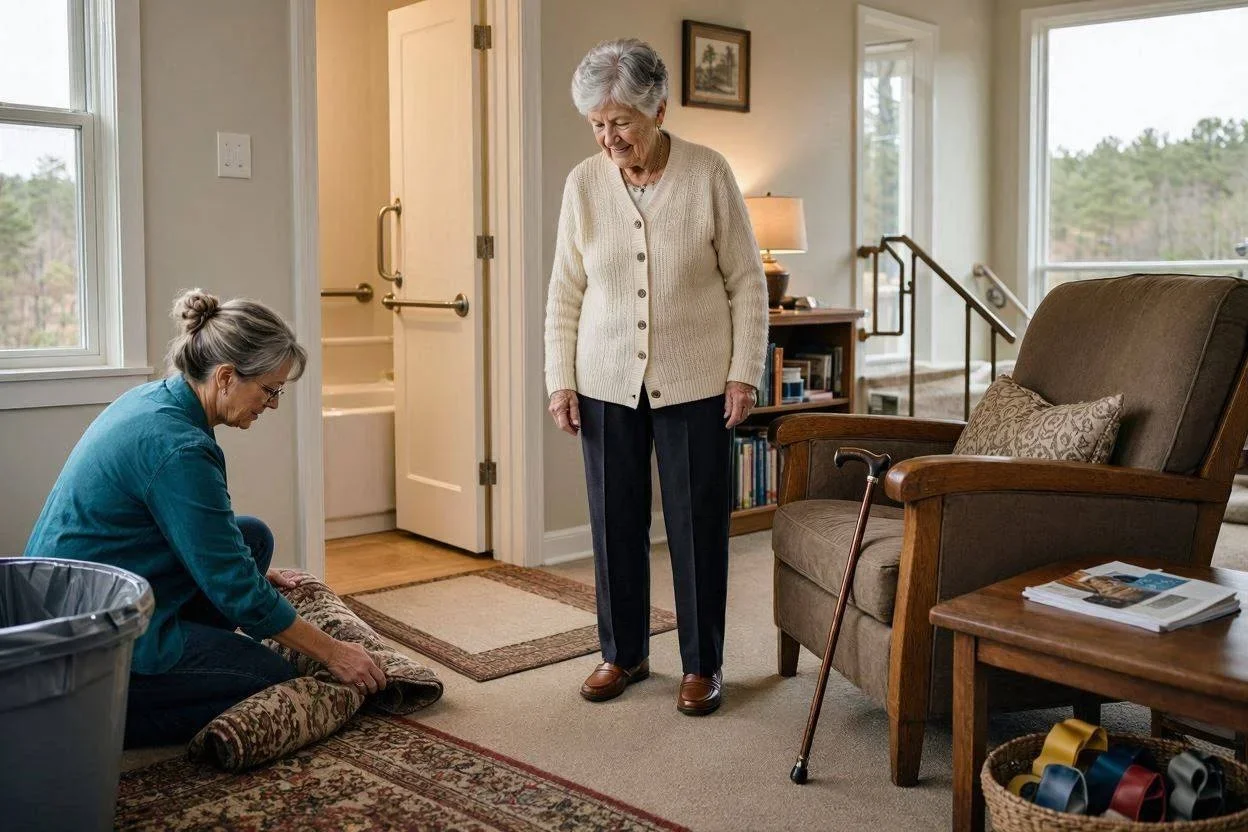
Every fall threatens not just a bruise, but years of independence for older adults in North Carolina. Understanding how to prevent falls empowers seniors to live confidently and safely, preserving their freedom and well-being. This guide is a vital step toward protecting what matters most.Why Fall Prevention for Older Adults in North Carolina MattersFalls are the leading cause of both fatal and non-fatal injuries among people aged 65 years and older in North Carolina. What many families and older adults may not realize is that the risk of falls—and the challenges they bring—is not a normal part of aging. Instead, the risk of falling increases due to specific, preventable factors.In North Carolina, the blend of both urban and rural environments, distinct home layouts, and unique social structures create particular risks for unintentional fall injuries among older adults. That makes understanding and prioritizing fall prevention an essential public health responsibility.Addressing fall risk early helps maintain mobility, independence, and overall wellbeing for older adults. It reduces health care costs for families and communities, and prevents the emotional toll of prolonged recovery or loss of autonomy. The Centers for Disease Control and national Council on Aging work alongside state organizations to provide practical prevention tips, but it is local action—from home modifications to community programs—that makes the greatest impact. By reading this comprehensive guide on fall prevention for older adults in North Carolina, you’re taking the crucial step toward reducing the chance of a devastating fall for yourself or your loved ones."Every fall threatens not just a bruise, but years of independence for older adults in North Carolina. Understanding how to prevent falls empowers seniors to live confidently and safely, preserving their freedom and well-being." – Local Falls Prevention ExpertWhat You'll Learn About Fall Prevention for Older Adults in North CarolinaKey risk factors unique to North Carolina's older adultsEffective strategies to prevent fallsAvailable prevention programs and coalitionsHow to use resources like tai chi, home safety checks, and exerciseUnderstanding Falls Prevention: Risks for Older Adults in North CarolinaThe Epidemiology of NC Falls Among Older AdultsIn North Carolina, falls are a serious concern for people aged 65 and older. According to the NC Department of Health and Human Services, unintentional fall fatalities and injuries continue to increase as the population ages. Falls are the leading cause of injury-related emergency room visits, hospitalizations, and deaths among North Carolina’s older adults. Many fall-related hospitalizations lead to long recovery periods or loss of mobility, which reduces quality of life and independence.Statistics reveal that approximately one in four older adults in North Carolina experiences a fall each year, with higher rates in rural areas due to less access to healthcare resources and more hazardous home environments. The costs associated with falls are substantial, affecting not just individual families but the state’s healthcare system as a whole. Data from the Centers for Disease Control and national Council on Aging reinforce that proactive fall prevention strategies and support from local falls prevention coalitions can significantly reduce this risk and help older adults stay independent.Common Causes and Risk Factors for Falls in North CarolinaWhile many factors influence the risk of falling, some are especially prominent in North Carolina. Poor lighting in rural homes, uneven or cluttered walkways, medication side effects, and lack of regular exercise all contribute substantially. In addition, weather-related challenges such as slippery porches or steps during rainy seasons can heighten fall risk for people aged 65 and older. Chronic conditions like arthritis, diabetes, or visual impairments further increase dangers by affecting balance and gait.Certain lifestyle choices and home environments—such as wearing improper footwear or lacking sturdy handrails—also play a role. Medication management issues, particularly with multiple prescriptions, can lead to dizziness or low blood pressure, further raising the risk of unintentional falls. Recognizing these risk factors is the first step in developing a personalized plan for fall prevention in older adults across North Carolina.Major Fall Risk Factors and Prevention Strategies for Older Adults in North CarolinaRisk FactorImpactPrevention StrategyPoor lightingHighImprove lightingMedication side effectsModerateReview prescriptionsHome hazardsHighRemove clutter, install grab barsNutrition also plays a significant role in maintaining muscle strength and balance, which are critical for fall prevention. For those interested in supporting their health through diet, exploring essential foods that help fight muscle loss in seniors can be a practical addition to your fall prevention strategy.Falls Prevention Week and Programs in North CarolinaWhat is Falls Prevention Week?Falls Prevention Week is an annual event—held nationally and observed throughout North Carolina—that raises awareness about the risks of falls in older adults and highlights effective strategies to prevent them. Timed each September as part of a larger national movement spearheaded by the National Council on Aging, this awareness campaign encourages individuals, health care professionals, and community leaders to prioritize fall risk reduction. Events often include community workshops, free home safety assessments, tai chi demonstrations, and other exercise programs aimed at helping older adults reduce fall risk in their daily lives.The goal of Falls Prevention Week in North Carolina is to empower and educate both seniors and their families about the importance of a safe home environment, the value of regular exercise, and the resources available through local prevention coalitions and area agency on aging offices. By participating, older adults, caregivers, and professionals can gain the tools and support they need to stay independent and prevent falls.Notable Falls Prevention Programs & Prevention CoalitionsNorth Carolina is home to several exceptional falls prevention programs and coalitions dedicated to supporting older adults. The NC Falls Prevention Coalition serves as a statewide leader, offering educational outreach, community events, and evidence-based exercise programs like Tai Chi for Arthritis. Local prevention coalitions—connected to area agencies and local council on aging chapters—deliver resources directly to neighborhoods across the state, ensuring both rural and urban communities receive the support they need.NC Falls Prevention CoalitionLocal prevention coalitionsCommunity prevention programsMany North Carolina community prevention programs partner with hospitals, health care providers, and senior centers to host free risk screenings, balance classes, and medication reviews. These initiatives are designed to make fall prevention accessible and practical, whether you’re living independently, with family, or in a senior community.How to Prevent Falls for Older Adults in North CarolinaHome Modifications for Falls PreventionCreating a safer home environment is one of the most effective ways to reduce the risk of falls for North Carolina’s older adults. Modifications don’t require a complete home overhaul—small, thoughtful changes can make a big impact. Start by addressing high-risk areas like the bathroom and stairs. Installing sturdy grab bars near toilets and showers, placing non-slip mats on slick surfaces, and increasing lighting in hallways and entryways are simple but highly effective steps. Removing clutter and keeping walkways clear further reduces the chance of tripping, while stair railings and raised toilet seats add extra security.These home safety improvements not only help prevent falls but also provide older adults with the confidence to navigate their living spaces independently. Local programs and the area agency on aging offices can assist with home safety checks, while some financial resources exist to offset the cost of modifications. By proactively creating a safe environment, families and older adults increase their odds of remaining independent and enjoying their golden years without the interruption of injury from an unintentional fall.Exercise and Activities: The Role of Tai Chi in Fall PreventionRegular physical activity is a cornerstone for effective fall prevention, and tai chi is emerging as a top choice for older adults in North Carolina. Characterized by gentle, flowing movements and focused breathing, tai chi improves balance, flexibility, and muscle strength—three key factors in reducing the risk of falls. Research shows tai chi practice can halve the number of falls in seniors, making it an important addition to any prevention program.Many local falls prevention programs and the NC Falls Prevention Coalition offer Tai Chi classes at senior centers, parks, and community centers throughout the state. By participating in tai chi, older adults not only build physical resilience but also benefit from social interaction and mental wellness. This holistic approach aligns with proven falls prevention tips, empowers seniors to stay active, and can significantly influence long-term independence.Medication Management to Prevent FallsMedication management is a crucial element of fall prevention for older adults in North Carolina. Many seniors take multiple prescriptions for chronic conditions, and side effects such as dizziness or drowsiness can increase fall risk. Regularly reviewing medications with healthcare providers, including pharmacists and doctors, can prevent harmful interactions and prompt essential adjustments in dosages or type of medicine.Review all medications with a healthcare providerBe aware of side effectsKeep an updated medication listAdditionally, maintaining an updated medication list ensures that all care providers are on the same page, reducing confusion and supporting overall health. Local prevention coalitions often partner with health care organizations to offer medication reviews as part of comprehensive fall prevention programs for North Carolina’s older adults.Community Resources and Support for Falls Prevention in North CarolinaFinding Support: Prevention Coalitions and Local ProgramsNorth Carolina boasts a strong network of falls prevention coalitions and community resources tailored to older adults. The network includes local programs run by area agencies on aging, council on aging organizations, and health care providers. These resources provide everything from home safety checks, tai chi classes, and support groups to educational events during Falls Prevention Week. Whether you need advice on home modifications or want to join an exercise program, these coalitions link you with life-saving resources close to home.The prevention coalition’s role is to unite healthcare professionals, caregivers, older adults, and local leaders with one goal: to reduce the risk of falling among North Carolina’s senior population. By collaborating, they ensure that falls prevention strategies are practical, evidence-based, and accessible for all communities—urban and rural alike.The NC Falls Prevention Coalition: Mission and InitiativesThe NC Falls Prevention Coalition is the statewide leader in coordinating fall prevention initiatives. Its mission is to promote awareness, advocate for policy change, and deliver free or affordable programs that educate the public on fall risk and prevention. Among its most successful initiatives are community events like tai chi demonstrations, medication reviews, and falls risk screening clinics."By joining forces through prevention coalitions, North Carolina communities reduce the risk of falls and save lives every year." – Coalition LeaderThe coalition also serves as a hub for sharing information about new research, upcoming events during Falls Prevention Week, and statewide resources. By engaging with the NC Falls Prevention Coalition, seniors and their caregivers can access support tailored to their unique needs and increase their chances of staying independent and healthy.Key Takeaways for Fall Prevention in Older Adults in North CarolinaFalls are preventable through community support, education, and proactive changesEngaging in tai chi and exercise reduces riskLeveraging local prevention coalitions maximizes successPeople Also Ask About Fall Prevention for Older Adults in North CarolinaWhat are the most common causes of falls in older adults in North Carolina?The most common causes of falls among older adults in North Carolina include poor lighting, loose rugs or clutter, side effects from multiple medications, mobility challenges, and untreated health conditions like vision loss or balance issues. Weather-related hazards, such as wet floors or icy walkways, also contribute to increased fall risk. Addressing these causes through home modifications, medication management, and regular medical checkups is crucial for fall prevention.Are there local programs focused on fall prevention for North Carolina seniors?Yes, North Carolina features several local programs dedicated to fall prevention for older adults. Programs such as those facilitated by the NC Falls Prevention Coalition, council on aging, area agency on aging offices, and health care providers offer a range of services: exercise classes (including tai chi), home safety assessments, medication reviews, and educational workshops—many of which are free or low-cost, and accessible in both urban and rural settings.How does tai chi help with falls prevention in older adults?Tai chi is a gentle, low-impact exercise that improves balance, coordination, muscle strength, and flexibility—key elements for preventing falls in older adults. Studies consistently show that practicing tai chi not only reduces the risk of falling but also builds confidence and lowers stress levels. As part of North Carolina’s falls prevention programs, tai chi classes empower seniors to take active steps toward independence and long-term well-being.FAQs: Fall Prevention Older Adults North CarolinaHow can I assess my risk of falling?Many local health care providers, senior centers, and area agency on aging offices offer fall risk assessments. These assessments evaluate balance, walking stability, medication use, and home environment to help tailor personalized fall prevention tips and strategies.What financial resources exist for home modifications in NC?North Carolina’s area agencies on aging and council on aging may have grants or low-interest loans to assist older adults with safety modifications. Some non-profit organizations and local government programs also help fund grab bars, ramps, or lighting improvements for eligible homeowners.Is tai chi covered by insurance or Medicare?While coverage varies, some Medicare Advantage plans and local health insurance policies provide reimbursement for group tai chi or other evidence-based exercise programs. Always check with your insurance provider or local senior center for details.Where can families find educational materials about falls prevention?Educational materials, prevention tips, and home safety checklists are available through the NC Falls Prevention Coalition, area agencies on aging, the National Council on Aging, and local health department websites.Conclusion: Stay Independent with Fall Prevention for Older Adults in North CarolinaFall prevention for older adults in North Carolina protects independence, dignity, and wellbeing. Take action today by utilizing local resources, making simple changes, and joining community programs.Ready to Learn More or Get Help? Connect With Your Local NC Falls Prevention Coalition TodayDon’t wait to take the next step toward a safer, more independent future. Reach out to your area agency on aging or the NC Falls Prevention Coalition to access expert advice, community support, and practical resources tailored just for North Carolina’s older adults.If you’re interested in taking your wellness journey even further, consider exploring how to spot reliable health information online. Our guide on identifying fake online medical info using the CRAP Test will help you make informed decisions and stay empowered as you seek out the best resources for healthy aging in North Carolina.SourcesNorth Carolina Department of Health and Human Services – https://www.ncdhhs.gov/National Council on Aging – https://www.ncoa.org/Healthy Aging NC: Falls Prevention – https://healthyagingnc.com/falls-prevention/To further enhance your understanding of fall prevention for older adults in North Carolina, consider exploring the following resources:Governor Stein Proclaims Falls Prevention Awareness Week: This proclamation highlights the state’s commitment to reducing falls among seniors, providing valuable statistics and emphasizing the importance of preventive measures. (governor.nc.gov)Falls Prevention Awareness Events - NC Falls Prevention Coalition: This page offers information on upcoming events and initiatives across North Carolina aimed at educating and supporting older adults in fall prevention strategies. (ncfallsprevention.org)Explore these tools to discover local strategies for preventing falls. It’s an easy way to help seniors across NC maintain their independence and live their best lives.NCWellnessHub.com


Off Their Radar: Designing a Digital Life That Actually Fits You

Stop letting an algorithm decorate your life. Discover digital minimalism, expert research, and 4 exercises to build a feed and a life that fit you.

NCWellnessHub.com

Discover Your Hub for NC Health & Wellness info, your go-to resource for comprehensive insights, tips, and updates on healthcare, nutrition, fitness, and overall well-being in North Carolina.

COMPANY

  • Privacy Policy
  • Terms of Use
  • Advertise
  • Contact Us
  • Menu 5
  • Menu 6
NC Wellness Hub

Richardson Drive
Raleigh, NC  27603

ABOUT US

At NC Wellness Hub, we are more than just a resource; we are a community united by a shared passion for health and well-being. Our journey began with a simple yet profound belief: that everyone deserves access to the knowledge and support necessary to lead a fulfilling life.

© 2026 NC Wellness Hub All Rights Reserved. Richardson Drive , Raleigh, NC 27603 . Contact Us . Terms of Service . Privacy Policy

eyJjb21wYW55IjoiTkMgV2VsbG5lc3MgSHViIiwiYWRkcmVzcyI6IlJpY2hhcmRzb24gRHJpdmUgIiwiY2l0eSI6IlJhbGVpZ2giLCJzdGF0ZSI6Ik5DIiwiemlwIjoiMjc2MDMiLCJlbWFpbCI6Im1pa2VjZXJ0bWFuQGdtYWlsLmNvbSIsInRvcyI6IlBIQStQSE4wY205dVp6NDhaVzArVjJobGJpQjViM1VnYzJsbmJpMXBiaUIzYVhSb0lIVnpMQ0I1YjNVZ1lYSmxJR2RwZG1sdVp5WnVZbk53T3lCNWIzVnlJSEJsY20xcGMzTnBiMjRnWVc1a0lHTnZibk5sYm5RZ2RHOGdjMlZ1WkNCNWIzVWdaVzFoYVd3Z1lXNWtMMjl5SUZOTlV5QjBaWGgwSUcxbGMzTmhaMlZ6TGlCQ2VTQmphR1ZqYTJsdVp5QjBhR1VnVkdWeWJYTWdZVzVrSUVOdmJtUnBkR2x2Ym5NZ1ltOTRJR0Z1WkNCaWVTQnphV2R1YVc1bklHbHVJSGx2ZFNCaGRYUnZiV0YwYVdOaGJHeDVJR052Ym1acGNtMGdkR2hoZENCNWIzVWdZV05qWlhCMElHRnNiQ0IwWlhKdGN5QnBiaUIwYUdseklHRm5jbVZsYldWdWRDNDhMMlZ0UGp3dmMzUnliMjVuUGp3dmNENEtDanh3UGp4aElHaHlaV1k5SW1oMGRIQTZMeTkzZDNjdVoyOXZaMnhsTG1OdmJTSSthSFIwY0RvdkwzZDNkeTVuYjI5bmJHVXVZMjl0UEM5aFBqd3ZjRDRLQ2p4d1BpWnVZbk53T3p3dmNENEtDanh3UGp4emRISnZibWMrVTBWU1ZrbERSVHd2YzNSeWIyNW5Qand2Y0Q0S0NqeHdQbGRsSUhCeWIzWnBaR1VnWVNCelpYSjJhV05sSUhSb1lYUWdZM1Z5Y21WdWRHeDVJR0ZzYkc5M2N5QjViM1VnZEc4Z2NtVmpaV2wyWlNCeVpYRjFaWE4wY3lCbWIzSWdabVZsWkdKaFkyc3NJR052YlhCaGJua2dhVzVtYjNKdFlYUnBiMjRzSUhCeWIyMXZkR2x2Ym1Gc0lHbHVabTl5YldGMGFXOXVMQ0JqYjIxd1lXNTVJR0ZzWlhKMGN5d2dZMjkxY0c5dWN5d2daR2x6WTI5MWJuUnpJR0Z1WkNCdmRHaGxjaUJ1YjNScFptbGpZWFJwYjI1eklIUnZJSGx2ZFhJZ1pXMWhhV3dnWVdSa2NtVnpjeUJoYm1RdmIzSWdZMlZzYkhWc1lYSWdjR2h2Ym1VZ2IzSWdaR1YyYVdObExpQlpiM1VnZFc1a1pYSnpkR0Z1WkNCaGJtUWdZV2R5WldVZ2RHaGhkQ0IwYUdVZ1UyVnlkbWxqWlNCcGN5QndjbTkyYVdSbFpDQW1jWFZ2ZER0QlV5MUpVeVp4ZFc5ME95QmhibVFnZEdoaGRDQjNaU0JoYzNOMWJXVWdibThnY21WemNHOXVjMmxpYVd4cGRIa2dabTl5SUhSb1pTQjBhVzFsYkdsdVpYTnpMQ0JrWld4bGRHbHZiaXdnYldsekxXUmxiR2wyWlhKNUlHOXlJR1poYVd4MWNtVWdkRzhnYzNSdmNtVWdZVzU1SUhWelpYSWdZMjl0YlhWdWFXTmhkR2x2Ym5NZ2IzSWdjR1Z5YzI5dVlXeHBlbUYwYVc5dUlITmxkSFJwYm1kekxqd3ZjRDRLQ2p4d1BsbHZkU0JoY21VZ2NtVnpjRzl1YzJsaWJHVWdabTl5SUc5aWRHRnBibWx1WnlCaFkyTmxjM01nZEc4Z2RHaGxJRk5sY25acFkyVWdZVzVrSUhSb1lYUWdZV05qWlhOeklHMWhlU0JwYm5admJIWmxJSFJvYVhKa0lIQmhjblI1SUdabFpYTWdLSE4xWTJnZ1lYTWdVMDFUSUhSbGVIUWdiV1Z6YzJGblpYTXNJRWx1ZEdWeWJtVjBJSE5sY25acFkyVWdjSEp2ZG1sa1pYSWdiM0lnWTJWc2JIVnNZWElnWVdseWRHbHRaU0JqYUdGeVoyVnpLUzRnV1c5MUlHRnlaU0J5WlhOd2IyNXphV0pzWlNCbWIzSWdkR2h2YzJVZ1ptVmxjeXdnYVc1amJIVmthVzVuSUhSb2IzTmxJR1psWlhNZ1lYTnpiMk5wWVhSbFpDQjNhWFJvSUhSb1pTQmthWE53YkdGNUlHOXlJR1JsYkdsMlpYSjVJRzltSUdWaFkyZ2dVMDFUSUhSbGVIUWdiV1Z6YzJGblpTQnpaVzUwSUhSdklIbHZkU0JpZVNCMWN5NGdTVzRnWVdSa2FYUnBiMjRzSUhsdmRTQnRkWE4wSUhCeWIzWnBaR1VnWVc1a0lHRnlaU0J5WlhOd2IyNXphV0pzWlNCbWIzSWdZV3hzSUdWeGRXbHdiV1Z1ZENCdVpXTmxjM05oY25rZ2RHOGdZV05qWlhOeklIUm9aU0JUWlhKMmFXTmxJR0Z1WkNCeVpXTmxhWFpsSUhSb1pTQlRUVk1nZEdWNGRDQnRaWE56WVdkbGN5NGdWMlVnWkc4Z2JtOTBJR05vWVhKblpTQmhibmtnWm1WbGN5Qm1iM0lnWkdWc2FYWmxjbmtnYjJZZ1pXMWhhV3dnYjNJZ1UwMVRMaUJVYUdseklHbHpJR0VnWm5KbFpTQnpaWEoyYVdObElIQnliM1pwWkdWa0lHSjVJSFZ6TGlCSWIzZGxkbVZ5TENCd2JHVmhjMlVnWTJobFkyc2dkMmwwYUNCNWIzVnlJR2x1ZEdWeWJtVjBJSE5sY25acFkyVWdjSEp2ZG1sa1pYSWdZVzVrSUdObGJHeDFiR0Z5SUdOaGNuSnBaWElnWm05eUlHRnVlU0JqYUdGeVoyVnpJSFJvWVhRZ2JXRjVJR2x1WTNWeUlHRnpJR0VnY21WemRXeDBJR1p5YjIwZ2NtVmpaV2wyYVc1bklHVnRZV2xzSUdGdVpDQlRUVk1nZEdWNGRDQnRaWE56WVdkbGN5QjBhR0YwSUhkbElHUmxiR2wyWlhJZ2RYQnZiaUI1YjNWeUlHOXdkQzFwYmlCaGJtUWdjbVZuYVhOMGNtRjBhVzl1SUhkcGRHZ2diM1Z5SUdWdFlXbHNJR0Z1WkNCVFRWTWdjMlZ5ZG1salpYTXVJRmx2ZFNCallXNGdZMkZ1WTJWc0lHRjBJR0Z1ZVNCMGFXMWxMaUJLZFhOMElIUmxlSFFnSm5GMWIzUTdVMVJQVUNaeGRXOTBPeUIwYnladVluTndPenhvYVdkb2JHbG5hSFFnWTJ4aGMzTTlJbU52YlhCaGJubFRUVk5RYUc5dVpWVndaR0YwWlNJK2JuVnNiRHd2YUdsbmFHeHBaMmgwUGk0Z1FXWjBaWElnZVc5MUlITmxibVFnZEdobElGTk5VeUJ0WlhOellXZGxJQ1p4ZFc5ME8xTlVUMUFtY1hWdmREc2dkRzhnZFhNc0lIZGxJSGRwYkd3Z2MyVnVaQ0I1YjNVZ1lXNGdVMDFUSUcxbGMzTmhaMlVnZEc4Z1kyOXVabWx5YlNCMGFHRjBJSGx2ZFNCb1lYWmxJR0psWlc0Z2RXNXpkV0p6WTNKcFltVmtMaUJCWm5SbGNpQjBhR2x6TENCNWIzVWdkMmxzYkNCdWJ5QnNiMjVuWlhJZ2NtVmpaV2wyWlNCVFRWTWdiV1Z6YzJGblpYTWdabkp2YlNCMWN5NDhMM0ErQ2dvOGNENDhjM1J5YjI1blBsbFBWVklnVWtWSFNWTlVVa0ZVU1U5T0lFOUNURWxIUVZSSlQwNVRQQzl6ZEhKdmJtYytQQzl3UGdvS1BIQStTVzRnWTI5dWMybGtaWEpoZEdsdmJpQnZaaUI1YjNWeUlIVnpaU0J2WmlCMGFHVWdVMlZ5ZG1salpTd2dlVzkxSUdGbmNtVmxJSFJ2T2p3dmNENEtDanh2YkQ0S0NUeHNhVDV3Y205MmFXUmxJSFJ5ZFdVc0lHRmpZM1Z5WVhSbExDQmpkWEp5Wlc1MElHRnVaQ0JqYjIxd2JHVjBaU0JwYm1admNtMWhkR2x2YmlCaFltOTFkQ0I1YjNWeWMyVnNaaUJoY3lCd2NtOXRjSFJsWkNCaWVTQjBhR1VnVTJWeWRtbGpaU1lqTXprN2N5QnlaV2RwYzNSeVlYUnBiMjRnWm05eWJTQW9jM1ZqYUNCcGJtWnZjbTFoZEdsdmJpQmlaV2x1WnlCMGFHVWdKbkYxYjNRN1VtVm5hWE4wY21GMGFXOXVJRVJoZEdFbWNYVnZkRHNwSUdGdVpEd3ZiR2srQ2drOGJHaytiV0ZwYm5SaGFXNGdZVzVrSUhCeWIyMXdkR3g1SUhWd1pHRjBaU0IwYUdVZ1VtVm5hWE4wY21GMGFXOXVJRVJoZEdFZ2RHOGdhMlZsY0NCcGRDQjBjblZsTENCaFkyTjFjbUYwWlN3Z1kzVnljbVZ1ZENCaGJtUWdZMjl0Y0d4bGRHVXVJRWxtSUhsdmRTQndjbTkyYVdSbElHRnVlU0JwYm1admNtMWhkR2x2YmlCMGFHRjBJR2x6SUhWdWRISjFaU3dnYVc1aFkyTjFjbUYwWlN3Z2JtOTBJR04xY25KbGJuUWdiM0lnYVc1amIyMXdiR1YwWlN3Z2IzSWdkMlVnYUdGMlpTQnlaV0Z6YjI1aFlteGxJR2R5YjNWdVpITWdkRzhnYzNWemNHVmpkQ0IwYUdGMElITjFZMmdnYVc1bWIzSnRZWFJwYjI0Z2FYTWdkVzUwY25WbExDQnBibUZqWTNWeVlYUmxMQ0J1YjNRZ1kzVnljbVZ1ZENCdmNpQnBibU52YlhCc1pYUmxMQ0IzWlNCb1lYWmxJSFJvWlNCeWFXZG9kQ0IwYnlCemRYTndaVzVrSUc5eUlEeHpkSEp2Ym1jK1BITndZVzRnYzNSNWJHVTlJbU52Ykc5eU9pTkdSakF3TURBN0lqNTBaWEp0YVc1aGRHVWdlVzkxY2lCaFkyTnZkVzUwTDNCeWIyWnBiR1VnWVc1a0lISmxablZ6WlNCaGJua2dZVzVrSUdGc2JDQmpkWEp5Wlc1MElHOXlJR1oxZEhWeVpTQjFjMlVnYjJZZ2RHaGxJRk5sY25acFkyVWdLRzl5SUdGdWVTQndiM0owYVc5dUlIUm9aWEpsYjJZcExqd3ZjM0JoYmo0OEwzTjBjbTl1Wno0OEwyeHBQZ284TDI5c1Bnb0tQSEErSm01aWMzQTdQQzl3UGdvOGFHbG5hR3hwWjJoMElHTnNZWE56UFNKamIyMXdZVzU1VG1GdFpWVndaR0YwWlNJK1RrTWdWMlZzYkc1bGMzTWdTSFZpUEM5b2FXZG9iR2xuYUhRK1BHSnlJQzgrQ2p4b2FXZG9iR2xuYUhRZ1kyeGhjM005SW1OdmJYQmhibmxCWkdSeVpYTnpWWEJrWVhSbElqNVNhV05vWVhKa2MyOXVJRVJ5YVhabElDd2dVbUZzWldsbmFDd2dUa01nTWpjMk1ETThMMmhwWjJoc2FXZG9kRDQ4WW5JZ0x6NEtQR2hwWjJoc2FXZG9kQ0JqYkdGemN6MGlZMjl0Y0dGdWVWQm9iMjVsVlhCa1lYUmxJajRyTVRrNE5ESXdOVGMxT1RrOEwyaHBaMmhzYVdkb2RENDhZbklnTHo0S1BHaHBaMmhzYVdkb2RDQmpiR0Z6Y3owaVkyOXRjR0Z1ZVVWdFlXbHNWWEJrWVhSbElqNXRhV3RsWTJWeWRHMWhia0JuYldGcGJDNWpiMjA4TDJocFoyaHNhV2RvZEQ0PSIsInByaXZhY3kiOiJQSEErUEhOMGNtOXVaejVRVWtsV1FVTlpQQzl6ZEhKdmJtYytQQzl3UGdvS1BIQStQSE4wY205dVp6NVVhR1VnYVc1bWIzSnRZWFJwYjI0Z2NISnZkbWxrWldRZ1pIVnlhVzVuSUhSb2FYTWdjbVZuYVhOMGNtRjBhVzl1SUdseklHdGxjSFFnY0hKcGRtRjBaU0JoYm1RZ1kyOXVabWxrWlc1MGFXRnNMQ0JoYm1RZ2QybHNiQ0J1WlhabGNpQmlaU0JrYVhOMGNtbGlkWFJsWkN3Z1kyOXdhV1ZrTENCemIyeGtMQ0IwY21Ga1pXUWdiM0lnY0c5emRHVmtJR2x1SUdGdWVTQjNZWGtzSUhOb1lYQmxJRzl5SUdadmNtMHVJRlJvYVhNZ2FYTWdiM1Z5SUdkMVlYSmhiblJsWlM0OEwzTjBjbTl1Wno0OEwzQStDZ284Y0Q0OGMzUnliMjVuUGtsT1JFVk5Ua2xVV1R3dmMzUnliMjVuUGp3dmNENEtDanh3UGp4bGJUNVpiM1VnWVdkeVpXVWdkRzhnYVc1a1pXMXVhV1o1SUdGdVpDQm9iMnhrSUhWekxDQmhibVFnYVhSeklITjFZbk5wWkdsaGNtbGxjeXdnWVdabWFXeHBZWFJsY3l3Z2IyWm1hV05sY25Nc0lHRm5aVzUwY3l3Z1kyOHRZbkpoYm1SbGNuTWdiM0lnYjNSb1pYSWdjR0Z5ZEc1bGNuTXNJR0Z1WkNCbGJYQnNiM2xsWlhNc0lHaGhjbTFzWlhOeklHWnliMjBnWVc1NUlHTnNZV2x0SUc5eUlHUmxiV0Z1WkN3Z2FXNWpiSFZrYVc1bklISmxZWE52Ym1GaWJHVWdZWFIwYjNKdVpYbHpKaU16T1RzZ1ptVmxjeXdnYldGa1pTQmllU0JoYm5rZ2RHaHBjbVFnY0dGeWRIa2daSFZsSUhSdklHOXlJR0Z5YVhOcGJtY2diM1YwSUc5bUlFTnZiblJsYm5RZ2VXOTFJSEpsWTJWcGRtVXNJSE4xWW0xcGRDd2djbVZ3Ykhrc0lIQnZjM1FzSUhSeVlXNXpiV2wwSUc5eUlHMWhhMlVnWVhaaGFXeGhZbXhsSUhSb2NtOTFaMmdnZEdobElGTmxjblpwWTJVc0lIbHZkWElnZFhObElHOW1JSFJvWlNCVFpYSjJhV05sTENCNWIzVnlJR052Ym01bFkzUnBiMjRnZEc4Z2RHaGxJRk5sY25acFkyVXNJSGx2ZFhJZ2RtbHZiR0YwYVc5dUlHOW1JSFJvWlNCVVQxTXNJRzl5SUhsdmRYSWdkbWx2YkdGMGFXOXVJRzltSUdGdWVTQnlhV2RvZEhNZ2IyWWdZVzV2ZEdobGNpNDhMMlZ0UGp3dmNENEtDanh3UGp4emRISnZibWMrUkVsVFEweEJTVTFGVWlCUFJpQlhRVkpTUVU1VVNVVlRQQzl6ZEhKdmJtYytQQzl3UGdvS1BIQStQSE4wY205dVp6NVpUMVVnUlZoUVVrVlRVMHhaSUZWT1JFVlNVMVJCVGtRZ1FVNUVJRUZIVWtWRklGUklRVlE2UEM5emRISnZibWMrUEM5d1Bnb0tQRzlzUGdvSlBHeHBQbGxQVlZJZ1ZWTkZJRTlHSUZSSVJTQlRSVkpXU1VORklFbFRJRUZVSUZsUFZWSWdVMDlNUlNCU1NWTkxMaUJVU0VVZ1UwVlNWa2xEUlNCSlV5QlFVazlXU1VSRlJDQlBUaUJCVGlBbWNYVnZkRHRCVXlCSlV5WnhkVzkwT3lCQlRrUWdKbkYxYjNRN1FWTWdRVlpCU1V4QlFreEZKbkYxYjNRN0lFSkJVMGxUTGlBc0xpQkJUa1FnVlZNc0lFbFVKaU16T1R0VElFTlZVMVJQVFVWU1V5d2dSVmhRVWtWVFUweFpJRVJKVTBOTVFVbE5VeUJCVEV3Z1YwRlNVa0ZPVkVsRlV5QlBSaUJCVGxrZ1MwbE9SQ3dnVjBoRlZFaEZVaUJGV0ZCU1JWTlRJRTlTSUVsTlVFeEpSVVFzSUVsT1EweFZSRWxPUnl3Z1FsVlVJRTVQVkNCTVNVMUpWRVZFSUZSUElGUklSU0JKVFZCTVNVVkVJRmRCVWxKQlRsUkpSVk1nVDBZZ1RVVlNRMGhCVGxSQlFrbE1TVlJaTENCR1NWUk9SVk5USUVaUFVpQkJJRkJCVWxSSlExVk1RVklnVUZWU1VFOVRSU0JCVGtRZ1RrOU9MVWxPUmxKSlRrZEZUVVZPVkM0OEwyeHBQZ29KUEd4cFBrMUJTMFZUSUU1UElGZEJVbEpCVGxSWklGUklRVlFnS0drcElGUklSU0JUUlZKV1NVTkZJRmRKVEV3Z1RVVkZWQ0JaVDFWU0lGSkZVVlZKVWtWTlJVNVVVeXdnS0dscEtTQlVTRVVnVTBWU1ZrbERSU0JYU1V4TUlFSkZJRlZPU1U1VVJWSlNWVkJVUlVRc0lGUkpUVVZNV1N3Z1UwVkRWVkpGTENCUFVpQkZVbEpQVWkxR1VrVkZMQ0FvYVdscEtTQlVTRVVnVWtWVFZVeFVVeUJVU0VGVUlFMUJXU0JDUlNCUFFsUkJTVTVGUkNCR1VrOU5JRlJJUlNCVlUwVWdUMFlnVkVoRklGTkZVbFpKUTBVZ1YwbE1UQ0JDUlNCQlEwTlZVa0ZVUlNCUFVpQlNSVXhKUVVKTVJTd2dRVTVFSUNocGRpa2dRVTVaSUVWU1VrOVNVeUJKVGlCVVNFVWdVMDlHVkZkQlVrVWdWMGxNVENCQ1JTQkRUMUpTUlVOVVJVUXVQQzlzYVQ0S0NUeHNhVDVCVGxrZ1RVRlVSVkpKUVV3Z1JFOVhUa3hQUVVSRlJDQlBVaUJQVkVoRlVsZEpVMFVnVDBKVVFVbE9SVVFnVkVoU1QxVkhTQ0JVU0VVZ1ZWTkZJRTlHSUZSSVJTQlRSVkpXU1VORklFbFRJRVJQVGtVZ1FWUWdXVTlWVWlCUFYwNGdSRWxUUTFKRlZFbFBUaUJCVGtRZ1VrbFRTeUJCVGtRZ1ZFaEJWQ0JaVDFVZ1YwbE1UQ0JDUlNCVFQweEZURmtnVWtWVFVFOU9VMGxDVEVVZ1JrOVNJRUZPV1NCRVFVMUJSMFVnVkU4Z1dVOVZVaUJEVDAxUVZWUkZVaUJUV1ZOVVJVMGdUMUlnVEU5VFV5QlBSaUJFUVZSQklGUklRVlFnVWtWVFZVeFVVeUJHVWs5TklGUklSU0JFVDFkT1RFOUJSQ0JQUmlCQlRsa2dVMVZEU0NCTlFWUkZVa2xCVEM0OEwyeHBQZ29KUEd4cFBrNVBJRUZFVmtsRFJTQlBVaUJKVGtaUFVrMUJWRWxQVGl3Z1YwaEZWRWhGVWlCUFVrRk1JRTlTSUZkU1NWUlVSVTRzSUU5Q1ZFRkpUa1ZFSUVKWklGbFBWU0JHVWs5TklFOVNJRlJJVWs5VlIwZ2dUMUlnUmxKUFRTQlVTRVVnVTBWU1ZrbERSU0JUU0VGTVRDQkRVa1ZCVkVVZ1FVNVpJRmRCVWxKQlRsUlpJRTVQVkNCRldGQlNSVk5UVEZrZ1UxUkJWRVZFSUVsT0lGUklSU0JVVDFNdVBDOXNhVDRLUEM5dmJENEtDanh3UGp4emRISnZibWMrVEVsTlNWUkJWRWxQVGlCUFJpQk1TVUZDU1V4SlZGazhMM04wY205dVp6NDhMM0ErQ2dvOGNENVpUMVVnUlZoUVVrVlRVMHhaSUZWT1JFVlNVMVJCVGtRZ1FVNUVJRUZIVWtWRklGUklRVlFnUVU1RUlGTklRVXhNSUU1UFZDQkNSU0JNU1VGQ1RFVWdSazlTSUVGT1dTQkVTVkpGUTFRc0lFbE9SRWxTUlVOVUxDQkpUa05KUkVWT1ZFRk1MQ0JUVUVWRFNVRk1MQ0JEVDA1VFJWRlZSVTVVU1VGTUlFOVNJRVZZUlUxUVRFRlNXU0JFUVUxQlIwVlRMQ0JKVGtOTVZVUkpUa2NnUWxWVUlFNVBWQ0JNU1UxSlZFVkVJRlJQTENCRVFVMUJSMFZUSUVaUFVpQk1UMU5USUU5R0lGQlNUMFpKVkZNc0lFZFBUMFJYU1V4TUxDQlZVMFVzSUVSQlZFRWdUMUlnVDFSSVJWSWdTVTVVUVU1SFNVSk1SU0JNVDFOVFJWTWdLRVZXUlU0Z1NVWWdTRUZUSUVKRlJVNGdRVVJXU1ZORlJDQlBSaUJVU0VVZ1VFOVRVMGxDU1V4SlZGa2dUMFlnVTFWRFNDQkVRVTFCUjBWVEtTd2dVa1ZUVlV4VVNVNUhJRVpTVDAwNlBDOXdQZ29LUEc5c1Bnb0pQR3hwUGxSSVJTQlZVMFVnVDFJZ1ZFaEZJRWxPUVVKSlRFbFVXU0JVVHlCVlUwVWdWRWhGSUZORlVsWkpRMFU3UEM5c2FUNEtDVHhzYVQ1VVNFVWdRMDlUVkNCUFJpQlFVazlEVlZKRlRVVk9WQ0JQUmlCVFZVSlRWRWxVVlZSRklFZFBUMFJUSUVGT1JDQlRSVkpXU1VORlV5QlNSVk5WVEZSSlRrY2dSbEpQVFNCQlRsa2dSMDlQUkZNc0lFUkJWRUVzSUVsT1JrOVNUVUZVU1U5T0lFOVNJRk5GVWxaSlEwVlRJRkJWVWtOSVFWTkZSQ0JQVWlCUFFsUkJTVTVGUkNCUFVpQk5SVk5UUVVkRlV5QlNSVU5GU1ZaRlJDQlBVaUJVVWtGT1UwRkRWRWxQVGxNZ1JVNVVSVkpGUkNCSlRsUlBJRlJJVWs5VlIwZ2dUMUlnUmxKUFRTQlVTRVVnVTBWU1ZrbERSVHM4TDJ4cFBnb0pQR3hwUGxWT1FWVlVTRTlTU1ZwRlJDQkJRME5GVTFNZ1ZFOGdUMUlnUVV4VVJWSkJWRWxQVGlCUFJpQlpUMVZTSUZSU1FVNVRUVWxUVTBsUFRsTWdUMUlnUkVGVVFUczhMMnhwUGdvSlBHeHBQbE5VUVZSRlRVVk9WRk1nVDFJZ1EwOU9SRlZEVkNCUFJpQkJUbGtnVkVoSlVrUWdVRUZTVkZrZ1QwNGdWRWhGSUZORlVsWkpRMFU3SUU5U1BDOXNhVDRLQ1R4c2FUNUJUbGtnVDFSSVJWSWdUVUZVVkVWU0lGSkZURUZVU1U1SElGUlBJRlJJUlNCVFJWSldTVU5GTGp3dmJHaytDand2YjJ3K0NnbzhjRDQ4ZFQ1Q2VTQnlaV2RwYzNSbGNtbHVaeUJoYm1RZ2MzVmljMk55YVdKcGJtY2dkRzhnYjNWeUlHVnRZV2xzSUdGdVpDQlRUVk1nYzJWeWRtbGpaU3dnWW5rZ2IzQjBMV2x1TENCdmJteHBibVVnY21WbmFYTjBjbUYwYVc5dUlHOXlJR0o1SUdacGJHeHBibWNnYjNWMElHRWdZMkZ5WkN3Z0puRjFiM1E3ZVc5MUlHRm5jbVZsSUhSdklIUm9aWE5sSUZSRlVrMVRJRTlHSUZORlVsWkpRMFVtY1hWdmREc2dZVzVrSUhsdmRTQmhZMnR1YjNkc1pXUm5aU0JoYm1RZ2RXNWtaWEp6ZEdGdVpDQjBhR1VnWVdKdmRtVWdkR1Z5YlhNZ2IyWWdjMlZ5ZG1salpTQnZkWFJzYVc1bFpDQmhibVFnWkdWMFlXbHNaV1FnWm05eUlIbHZkU0IwYjJSaGVTNDhMM1UrUEM5d1Bnb0tQSEErSm01aWMzQTdQQzl3UGdvOGFHbG5hR3hwWjJoMElHTnNZWE56UFNKamIyMXdZVzU1VG1GdFpWVndaR0YwWlNJK1RrTWdWMlZzYkc1bGMzTWdTSFZpUEM5b2FXZG9iR2xuYUhRK1BHSnlJQzgrQ2p4b2FXZG9iR2xuYUhRZ1kyeGhjM005SW1OdmJYQmhibmxCWkdSeVpYTnpWWEJrWVhSbElqNVNhV05vWVhKa2MyOXVJRVJ5YVhabElDd2dVbUZzWldsbmFDd2dUa01nTWpjMk1ETThMMmhwWjJoc2FXZG9kRDQ4WW5JZ0x6NEtKbTVpYzNBNyJ9

Terms of Service

Privacy Policy

Core Modal Title

Sorry, no results found

You Might Find These Articles Interesting

T
Please Check Your Email
We Will Be Following Up Shortly
*
*
*