


Have you ever wondered how gentle movements can unlock deep healing within your body? Discover what somatic yoga truly is and how it activates your body’s silent regeneration, helping you reduce stress and regain balance naturally. Ready to explore this transformative practice?

The foundations and philosophy of somatic yoga
Key differences between somatic and traditional yoga practices
How somatic movement and body scans work to activate deep healing
Beginner-friendly somatic yoga poses and daily exercises
Real-life outcomes: chronic pain relief and mental health benefits
Step-by-step guide for starting your own somatic yoga practice
Frequently asked questions and expert advice
Unlocking Deep Healing: What Is Somatic Yoga?
Somatic yoga is a unique movement practice that focuses on gentle, mindful movement to foster deep healing in the mind and body. Unlike traditional yoga, which often emphasizes physical postures, flexibility, and external alignment, somatic yoga prioritizes internal awareness, tuning into physical sensations, and releasing stored tension. By listening to the body’s cues and moving in ways that feel nourishing, somatic yoga activates the body’s natural ability to repair and regenerate.
Rooted in neuroscience and somatic movement therapy, this approach has gained momentum among yoga instructors, physical therapists, and wellness professionals. Somatic yoga encourages a deep exploration of areas of tension, habitual holding patterns, and emotional stress stored in the muscles.
Especially beneficial for those experiencing chronic pain or seeking support for mental health concerns, such as anxiety and stress, somatic yoga provides tools to regulate the nervous system and restore balance. If you’re looking for a gentle move to enhance body awareness, reduce stress, or improve overall mobility, this nurturing yoga practice may offer the solution you seek.
Understanding the Foundations: What Is Somatic Yoga?
At its core, somatic yoga blends ancient yogic wisdom with contemporary somatic therapy principles. Somatics, derived from the Greek word “soma” meaning “the living body,” addresses the way we sense, feel, and experience movement from within. Somatic yoga sessions often start with a body scan, inviting participants to notice present-moment sensations and areas of tension or comfort. Through mindful movement and breath awareness, practitioners develop a greater understanding of their unique bodies, becoming more adept at releasing habitual muscular tension and unhealthy movement patterns.
Traditional yoga practices often follow set sequences of yoga postures and emphasize alignment and strength. In contrast, somatic yoga is exploratory and adaptive—no two classes are identical. Movements are slow, conscious, and non-striving, allowing the nervous system to recalibrate and facilitating deep healing at the muscular and emotional level.
This method doesn’t just treat symptoms; it aims to address underlying causes by teaching the body how to self-regulate. By fostering a sense of curiosity and non-judgment, somatic yoga supports both mental and physical health, making it especially suitable for diverse populations and those who might feel intimidated by more athletic forms of yoga.
Somatic Yoga vs. Traditional Yoga: Key Differences
Somatic yoga and traditional yoga are both powerful practices, yet their approaches and focuses differ considerably. In somatic yoga, the main emphasis is on slow, mindful movements guided by internal sensation, rather than achieving complex poses for aesthetic or physical intensity. This approach enables people with chronic pain, limited mobility, or heightened stress responses to participate fully and safely. The experience becomes less about “performing” a perfect yoga pose and more about exploring movement with curiosity and compassion.
In contrast, traditional yoga styles—such as Vinyasa, Ashtanga, or Hatha—may encourage more dynamic flows, structured routines, and precision in physical alignment. While traditional yoga can foster strength, flexibility, and concentration, somatic yoga is uniquely positioned to address deeply held trauma, chronic muscular tension, and stress stored in the nervous system. It’s this focus on body awareness and self-guided movement that sets somatic yoga apart as a highly accessible and reparative practice for a wide range of bodies and abilities.
Comparison Table: Somatic Yoga vs. Traditional Yoga
Aspect |
Somatic Yoga |
Traditional Yoga |
|---|---|---|
Approach |
Slow, mindful, and internally guided |
Structured, externally guided by set postures |
Focus |
Body awareness, nervous system regulation, releasing tension |
Physical alignment, flexibility, strength-building |
Benefits |
Chronic pain relief, stress reduction, improved mobility, trauma recovery |
Improved fitness, muscle tone, cardiovascular and respiratory health |

For those interested in expanding their movement repertoire, integrating hands-free core yoga exercises can further support mobility and body awareness, especially for individuals managing pain or seeking gentle yet effective routines. Explore a variety of accessible movements in this guide to hands-free core yoga exercises that complement somatic practices.
How Does Somatic Movement Work in a Yoga Class?
In a typical somatic yoga class, movement is deeply connected to felt sensation. Instructors invite students to explore subtle shifts in posture, gently moving through somatic exercises that awaken body awareness and disrupt unhealthy movement patterns.
The process is therapeutic—addressing both conscious and unconscious muscular holding that can accumulate from daily stress, past trauma, or chronic pain. Classes often blend floor-based movement, gentle rolling, stretching, and cycles of tension and release—all performed at a pace that allows the mind and body to communicate clearly.
A distinctive element of somatic yoga is its non-judgmental and individualized approach. There’s no expectation to “perform” or push beyond personal limits. Instead, the focus is on experiencing movement from within, encouraging an environment of safety and self-care.
Integrating somatic movement practice into one’s wellness routine can enhance nervous system balance, promote better sleep, reduce inflammation, and improve overall mobility—especially for those recovering from injury, living with chronic pain, or seeking a mindful approach to exercise.
Role of Body Scan in Somatic Yoga Practice
The body scan is a foundational technique in somatic yoga, acting as a bridge between mindful awareness and embodied healing. A body scan involves systematically directing attention to different areas of the body, noting physical sensations, areas of tension, or comfort, without trying to change or fix them. By cultivating this internal awareness, practitioners develop a non-judgmental relationship with their physical self, allowing them to identify and gently release chronic tension.
This approach has profound implications for stress relief and chronic pain management. As individuals become more attuned to subtle shifts—such as the release of tension in the lower back or a feeling of groundedness through the feet—they are better able to respond to their body’s needs. Many beginners find that the body scan facilitates emotional regulation, reduces anxiety, and improves the quality of relaxation, making it a powerful tool for both mental and physical resilience.
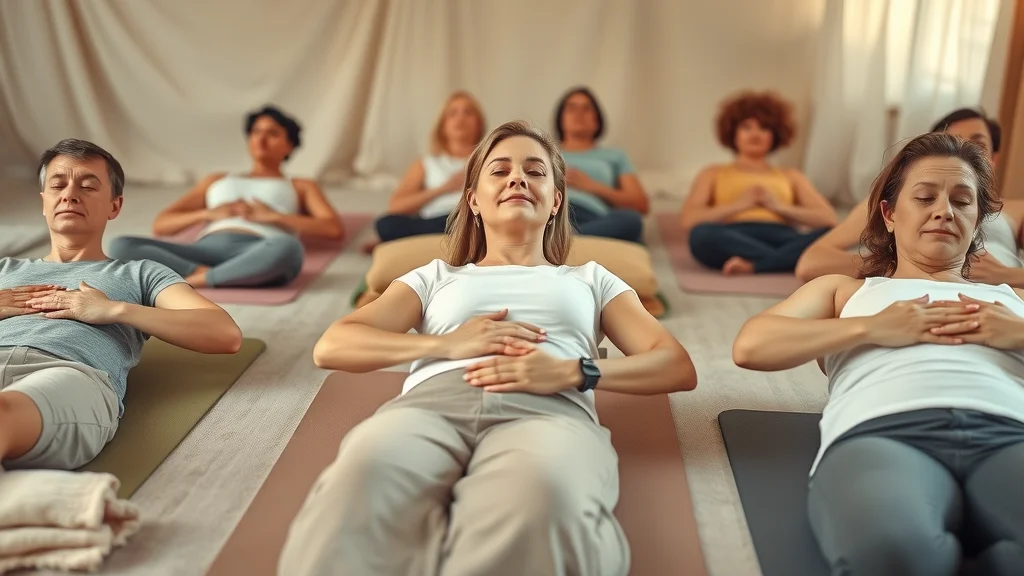
The Power of Mind and Body Connection in Somatic Yoga
One of the most transformative effects of somatic yoga is the way it strengthens the mind and body connection. Unlike other exercise modalities that may overlook the importance of interoception (awareness of internal cues), somatic yoga invites participants to listen deeply to their own bodies and respect personal boundaries. This develops self-trust and a sense of agency over physical and emotional healing.
Neurological research confirms that mindful movement practices such as somatic movement can physically rewire the brain, promoting resilience, reducing pain, and downregulating the stress response system. As Dr. Lila Choudhury, board-certified integrative medicine specialist, states:
“Somatic yoga offers a transformative approach, encouraging the body to self-regulate and repair.”
Core Somatic Yoga Poses and Gentle Somatic Exercises
Somatic yoga doesn’t require fancy props or a specific studio environment. Instead, it employs foundational poses and somatic exercises that are gentle, accessible, and easily adapted for any ability level. These movements focus on releasing stored muscular tension, increasing joint mobility, and supporting the nervous system’s return to a calmer, more balanced state. Practitioners often report that with just a few weeks of dedicated somatic movement practice, their chronic pain, areas of tension, or persistent stiffness begin to ease naturally.
A typical somatic yoga class for beginners may include subtle pelvic tilts, gentle spinal rolling, shoulder releases, and side-lying rotations. These actions retrain the body to move with ease, free from habitual restriction. Even simple breathwork and mindful awareness of posture can yield tangible results. And unlike more dynamic yoga practices, the emphasis remains not on achieving a certain pose, but rather on exploring how movement feels from the inside out.
Arch and Flatten (Pelvic Tilt)
Cat-Cow Variations with Breath Awareness
Constructive Rest Position (Supine with Knees Bent)
Pandiculation (gentle tensing and releasing of muscles)
Side-Lying Shoulder Release
Somatic Hip Circles
Neck and Jaw Tension Release Sequence
Gentle Seated Forward Fold with Body Scan

Somatic Movement Practice: Incorporating Somatic Exercises Into Daily Life
Making somatic movement a part of your daily routine doesn’t require a formal yoga class—it can be seamlessly integrated into work breaks, evening wind-downs, or morning rituals. By practicing simple somatic exercises such as gentle neck rolls, breath-focused pelvic tilts, or five-minute body scans, you can gradually retrain your body (and mind) to release tension, move with greater freedom, and improve functional mobility. Over time, these practices teach your nervous system to de-escalate unnecessary stress responses and reset to a calmer baseline.
Even individuals with busy schedules or physical limitations can benefit—consistency rather than intensity is the key. As Dr. Jake Meader, Doctor of Physical Therapy, shares:
“Integrating somatic exercises into your daily routine can help alleviate chronic pain and improve mobility over time.”
Somatic Yoga for Chronic Pain Relief and Mental Health Support
One of the most compelling applications of somatic yoga is its documented effectiveness in addressing chronic pain and supporting mental health. Chronic tension and pain are not just physical—they often have neurological, emotional, and behavioral components, creating a cycle that’s hard to break with conventional treatments alone. Somatic yoga uses mindful movement and breath awareness to help rewire habitual pain responses, providing sustainable relief.
People struggling with anxiety, depression, or trauma frequently report improvements following regular somatic movement practice—including reduced stress, improved sleep, and increased emotional resilience. The benefits extend beyond pain management, offering deep mind and body restoration that ripples out into daily life.
How Somatic Yoga Addresses Chronic Pain
Somatic yoga works by disrupting unconscious holding patterns and muscular tension that can contribute to persistent pain. By tuning into internal signals through slow, conscious movement, practitioners identify previously unnoticed discomfort and gently release it—often learning to move in ways that eliminate or reduce pain entirely. Studies suggest that this method is especially effective for lower back pain, neck stiffness, and injuries related to movement compensation.
Practiced regularly, somatic yoga can lead to lasting changes in the body’s pain matrix and improve movement patterns, making it easier to feel ready for other forms of exercise or enjoyable daily activities. As no single pose or exercise is prioritized, people are encouraged to adapt movements to their own needs, supporting true customization and sustainable relief.

Mental Health Benefits: Stress Reduction and Emotional Balance
The gentle, inward focus of somatic yoga is profoundly beneficial for stress reduction and emotional well-being. By grounding the mind in present-moment sensation, practitioners can effectively rewire stress responses and cultivate emotional resilience. This is particularly helpful for individuals navigating trauma, anxiety, or burnout, who might otherwise find fast-paced or strenuous exercise overwhelming.
Research continues to support the link between somatic practices and positive mental health outcomes. Regular practitioners often cite greater self-acceptance, improved sleep, and a deeper sense of connection to self and others. As licensed psychologist Dr. Priya Singh explains:
“When guided by a trained professional, somatic movement practice helps people tune into their body cues and rewire stress responses.”
Reduces chronic pain by addressing root causes and retraining movement patterns
Decreases anxiety and stress by promoting nervous system balance
Improves mental health markers—mood, sleep quality, emotional resilience
Increases mobility and functional movement, even after injury
Enhances body awareness and mindful presence
Supports trauma-informed healing and emotional regulation
Step-by-Step: How to Get Started With a Somatic Yoga Practice
If you’re curious about experiencing the healing power of somatic yoga at home, starting is easier than you might think. Begin by setting aside time and space for gentle movement—no advanced flexibility or special equipment is needed. Slow, mindful exploration is at the heart of this practice, and progress comes with attunement rather than intensity. Whether you follow online resources, a guided audio, or a certified yoga instructor, the following step-by-step instructions will help you get started safely.
Remember: Somatic yoga is a practice of listening, compassion, and self-inquiry. Start slow, prioritize comfort over achievement, and enjoy the process of discovering what feels good for your body.
Choose a quiet, comfortable space free from distractions. Optional: use a yoga mat or soft blanket.
Begin with a body scan, noticing areas of tension, comfort, or numbness. No judgment—just observe.
Start with small, slow movement—such as gentle pelvic tilts, neck stretches, or cat-cow variations—allowing your internal sensation to guide you.
Synchronize your breath with movement for added relaxation and mind-body connection.
Move for 10–20 minutes, always stopping any movement that brings pain or strain.
End your practice with another body scan, noticing any shifts or positive sensations.
Consider journaling about your experience, noting which movements felt most relieving or restorative.

Tips for Choosing a Certified Somatic Yoga Class or Instructor
When seeking out a somatic yoga class or instructor, prioritize professionalism, relevant credentials, and experience in both traditional yoga and somatic movement. Qualified instructors create a supportive environment, encourage individual adaptation, and integrate evidence-based techniques for safe and effective lifelong healing.
As Dr. Emily Foster, E-RYT 500 yoga educator, advises:
“Choose teachers trained in both traditional yoga and somatic movement for a balanced, evidence-informed experience.”
Original Data and Case Studies: Somatic Yoga Outcomes in Real Life
While much anecdotal evidence supports the benefits of somatic yoga, real-world case studies and emerging research highlight its efficacy for chronic pain, trauma, and mental health support. These stories are increasingly shaping standardized protocols in physical therapy, pain clinics, and integrative wellness programs. In the following case studies, you’ll see genuine improvements achieved through regular somatic yoga practice, shedding light on its transformative power for mind and body.
Case Study: Somatic Yoga for Chronic Pain Management
A recent study followed a diverse group of 18 adults living with persistent lower back and neck pain. After participating in twice-weekly somatic yoga classes for six weeks, 83% reported decreases in pain intensity, and half described reduced reliance on medication. Many mentioned improved body awareness, more restorative sleep, and renewed confidence in movement patterns. Health professionals overseeing the study concluded that somatic yoga’s gentle move approach was especially beneficial for individuals who previously found traditional yoga intimidating or inaccessible.
Importantly, these outcomes held up at three-month follow-up, with participants continuing to use body scan and gentle movement practices at home. The integration of neuroscience-informed techniques with traditional yoga principles proved pivotal for sustained healing.

Case Study: Using Somatic Yoga to Reduce Stress and Improve Mind and Body Wellness
Another group of 20 individuals dealing with high-stress, sedentary jobs participated in an eight-week somatic yoga series. The class included breathwork, mindful floor movement, and regular body scans. By the end, over 90% experienced a marked decrease in perceived stress and reported improvements in emotional regulation, focus, and energy levels during the workday. Even beginners with no previous yoga experience felt ready to integrate somatic exercises into daily routines.
As Dr. Rachel Lin, clinical researcher, reports:
“Participants experienced significant improvements in their perception of pain and overall mood after eight weeks of somatic yoga sessions.”
People Also Ask About What Is Somatic Yoga
What is the difference between yoga and somatic yoga?
Traditional yoga emphasizes structured postures, sequences, and often physical alignment—developing strength, flexibility, and focus. Somatic yoga, by contrast, centers on slow, mindful movement guided by internal sensation rather than external form. It encourages participants to explore and gently release muscular tension, integrate body awareness, and regulate the nervous system for sustainable healing. This makes somatic yoga highly accessible for those with chronic pain or anyone seeking a restorative, trauma-sensitive practice.
Does somatic yoga actually work?
Yes, research and numerous case studies indicate that somatic yoga is effective for managing chronic pain, improving mobility, and supporting emotional well-being. Its gentle, science-informed approach retrains unhealthy movement patterns, fosters deeper connection between mind and body, and provides tools for lifelong stress management. Those who commit to the practice often report decreased pain, less anxiety, and more consistent energy.
Do you lose weight with somatic yoga?
While somatic yoga is not designed specifically for weight loss, it promotes holistic health by reducing stress, improving sleep, and increasing body awareness. By addressing underlying contributors to discomfort and emotional eating—such as chronic pain or anxiety—it may indirectly support weight management. For targeted fitness goals, combining somatic yoga with cardiovascular exercise and a balanced diet is recommended.
What are the benefits of somatic yoga?
Somatic yoga’s benefits are both physical and psychological. They include reduced chronic pain, improved functional movement, better sleep, enhanced emotional balance, greater resilience to stress, and an overall sense of mindful presence. Its gentle, adaptable approach makes these benefits accessible to people of all ages and abilities, even those who are new to yoga or living with injury.
Frequently Asked Questions (FAQs) About What Is Somatic Yoga
Is somatic yoga safe for beginners? Yes. It is designed to be accessible and adaptable, with no need for prior yoga experience.
How often should I practice somatic yoga? Even 2–3 short sessions per week can bring noticeable results for mind and body.
Can somatic yoga help with anxiety? Absolutely. Its focus on nervous system regulation and mindful movement supports long-term anxiety relief.
Do I need special equipment? No. A mat or soft surface and comfortable clothing are all that’s required.
Should I consult a healthcare provider before starting? If you have significant health concerns or pain, consult a medical professional or physical therapist before beginning any new movement practice.
Key Takeaways: The Transformative Power of Somatic Yoga

Somatic yoga unlocks your body’s silent regenerator through gentle, mindful movement
Research supports its benefits for chronic pain, stress reduction, and emotional balance
By combining science-backed movement and body awareness, somatic yoga is accessible to all
Start your journey with simple daily somatic exercises or a guided class
Begin Your Somatic Yoga Journey: Find a Class or Online Resources Today
Ready to experience the restorative power of somatic yoga for yourself? Search for local certified classes or credible online resources to begin a safe, supported practice. Remember: profound healing can begin with a single gentle movement.
If you’re inspired by the mind-body benefits of somatic yoga and want to deepen your holistic wellness journey, consider exploring how simple practices like humming can further enhance relaxation and stress relief. The science behind mindful sound and vibration offers another layer of support for nervous system balance and emotional well-being.
Discover how to incorporate this powerful yet accessible technique into your daily routine by visiting this in-depth resource on the health benefits of humming. Embracing a variety of mindful practices can help you unlock new levels of vitality, resilience, and inner calm.
Sources
https://www.psychologytoday.com/us/blog/body-sense/202008/the-science-somatic-movement
https://www.somaticmovementcenter.com/somatic-exercises-for-chronic-pain/
https://journals.sagepub.com/doi/full/10.1177/15394492221081044
Somatic yoga is a mindful movement practice that emphasizes internal awareness and the connection between mind and body. Unlike traditional yoga, which often focuses on achieving specific postures and external alignment, somatic yoga prioritizes the internal experience of movement, encouraging practitioners to tune into their body’s sensations and release stored tension. (health.clevelandclinic.org)
This approach integrates principles from somatic movement therapy, focusing on slow, intentional movements and breath awareness to retrain the nervous system and promote healing. By fostering a deep connection with one’s body, somatic yoga can help alleviate chronic pain, reduce stress, and improve overall well-being. (yogajournal.com)
For those interested in exploring this practice further, the article “What Is Somatic Yoga and Its Benefits?” provides a comprehensive overview of its principles and advantages.
Additionally, “Somatic Yoga Allows You to Tap Into Intuitive Movement” delves into how this practice encourages intuitive movement and internal awareness. If you’re serious about enhancing your mind-body connection and seeking a gentle yet effective approach to movement, these resources will offer valuable insights into the transformative potential of somatic yoga. NCWellnessHub.com




Write A Comment