Add Row
Add Element
NC Wellness Hub
update
North Carolina Wellness Hub
update
Add Element
  • Home
  • Categories
    • Wellness
    • General Health
    • Holistic
    • News
    • Living & Travel
    • Lifestyle
    • Fitness & Exercise
    • Mental Health
    • Stress Management
    • FEATURE
    • Sleep
    • Allergies
    • Medicines & Supplements
    • Weight Loss
    • Kids Health
    • Fertility & Pregnancy
    • Cancer
    • Heart Health
    • Skin & Hair
    • Arthritis
    • Dental
    • Vision
  • Bone Health
  • Digestive
January 16.2026
1 Minute Read

Soy and Hormones: The One Thing Men Need to Know (It's Not What You Think)

Many men avoid soy, fearing it disrupts hormones. But understanding the true effects can change that perspective—and your health. Let’s uncover why soy might actually support hormonal balance, challenging long-held myths that could be limiting your dietary choices and wellness journey.
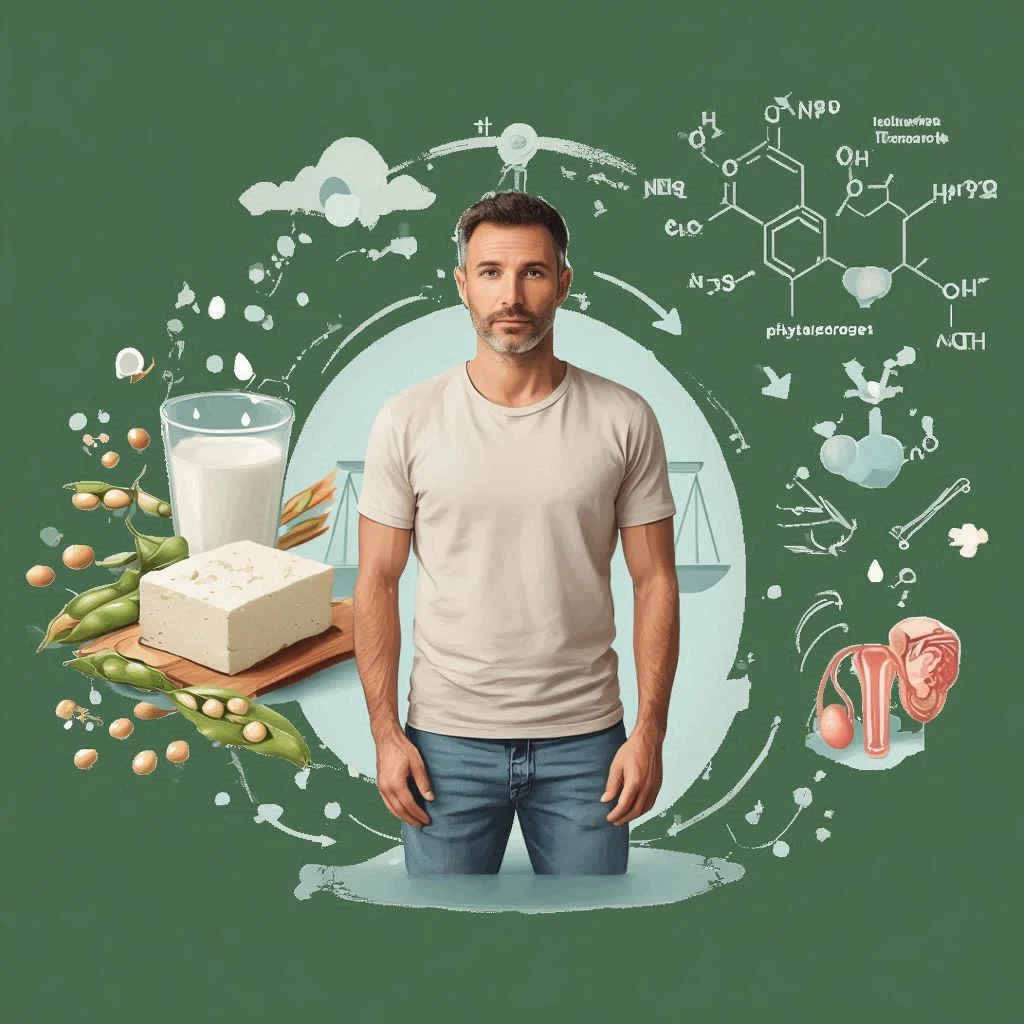
Debunking the Myths: Soy and Hormones in Men

The relationship between soy and hormones in men has been a subject of heated debate, often fueled more by rumor than rigorous science. Traditionally, soy foods were believed to pose risks to male hormonal balance, supposedly boosting estrogen or lowering testosterone, which could impact health outcomes from fertility to muscle mass.

These outdated assumptions have led countless men to avoid soy products—from soy milk and tofu to soy protein supplements. Yet, emerging research paints a different picture, offering reassurance and clarity on the effects of soy intake. Addressing these uncertainties is essential not just for personal wellness, but also for dismantling food myths perpetuated in both mainstream media and fitness communities.

In this article, we’ll explore the latest findings from credible institutions and medical professionals, challenging outdated perspectives on soy consumption and providing actionable insights for men interested in optimizing their health.

Let’s dive into what the science actually says, and why understanding the true connections between soy and hormones is vital for making informed dietary choices.

Why Soy and Hormones Matter: Challenging Assumptions

Fear of the effects of soy largely stems from confusion over the nature of phytoestrogens, plant-based compounds abundant in soy foods. These naturally occurring isoflavones—primarily genistein and daidzein—do share a structural resemblance to estrogen, the human hormone. However, their estrogenic effects in the male body are dramatically weaker than human estrogen itself. The estrogen receptors in our tissues interact differently with phytoestrogens as opposed to endogenous hormones, resulting in negligible or even protective influences according to peer-reviewed clinical trials.

Despite alarmist claims, current evidence from randomized control and large epidemiological studies demonstrates that moderate soy intake does not meaningfully alter estrogen levels, nor does it reduce testosterone, semen quality, or muscle-building capacity in men. In fact, many documented health benefits—including improved cardiovascular health and reduced cancer risk—point toward the advantages of incorporating soy foods as part of a balanced diet. Setting the record straight on these points is critical so men can confidently evaluate whether soy foods belong in their eating plan, rather than relying on persistent but unsubstantiated fear.

Adult man reviewing scientific articles about soy and hormones on a tablet, showing curiosity and thoughtful expression in a modern living room with warm sunlight, natural tones, and houseplants.

The Science Behind Soy Intake and Hormonal Balance

Clinical research—including meta-analyses published by the Academy of Nutrition—consistently finds no significant adverse impact of soy consumption on the male endocrine system. In controlled trials, men who consume moderate quantities of soy foods or soy protein isolate show stable testosterone and estrogen readings, comparable to non-consumers. The majority of studies involve habitual soy intakes similar to those found in Asian populations, where rates of hormonal disorders and breast cancer in men remain notably low.

For men interested in a holistic approach to hormone health, it’s also worth exploring how other foods and lifestyle factors can play a role. If you’re seeking additional strategies to support hormonal balance, you might find value in our guide on holistic solutions for mood swings and hormone regulation, which covers dietary and lifestyle tips beyond just soy.

What You’ll Learn About Soy and Hormones

  • How soy and hormones interact in men

  • Distinctions between phytoestrogens and human estrogen

  • Evidence-based health benefits of soy consumption

  • Expert insights into soy, testosterone, and men’s health

  • Common misconceptions about soy foods and hormones

Understanding Soy Intake, Soy Foods, and the Male Endocrine System

To make sense of the effects of soy on men’s health, it’s important to grasp the basics of the male endocrine system and how it interacts with dietary components. The endocrine system governs hormone production—including testosterone, estrogen, thyroid hormone, and more—regulating essential processes from metabolism and muscle growth to reproductive health.

Within this context, soy foods like tofu, tempeh, edamame, and soy milk provide abundant plant-derived proteins and isoflavones. These soy isoflavones mimic—but do not duplicate—the actions of hormone estrogen in the body. Peer-reviewed studies consistently indicate that standard soy intake does not decrease testosterone or worsen thyroid function in healthy men. Instead, regular soy consumption is recognized for delivering complete protein, healthy fats, fiber, vitamins, and minerals, with relatively low risk of adverse effects for most people.

Photorealistic flat lay of tofu, edamame, soy milk, and nutritional supplements with a male figurine silhouette, illustrating soy intake and hormones in men

Soy Foods and Phytoestrogens: Key Mechanisms Explained

The distinction between phytoestrogens and human estrogen is paramount in understanding soy’s impact. Phytoestrogens, such as soy isoflavones, can bind weakly to estrogen receptors without causing the same hormonal responses as endogenous estrogen. Clinical evidence reveals that, at typical consumption levels—often equivalent to two to three servings of soy foods per day—these compounds are processed efficiently by the male body.

Their actions may be protective rather than disruptive, moderating hormone estrogen responses and potentially offering antioxidant benefits. Notably, soy protein found in soy foods and protein isolate supports muscle health and satiety. The health effects observed differ sharply from exaggerated claims of feminization or hormonal imbalance, instead aligning more with improved cholesterol levels, lower heart disease risk, and support for reduce the risk of cancer recurrence. The bottom line is that soy’s unique nutrients work with—not against—men’s health.

Soy Consumption and Effects of Soy on Thyroid Function

One commonly cited concern relates to soy’s purported influence on thyroid function. However, clear scientific findings demonstrate that soy foods and soy isoflavones do not compromise thyroid hormone levels or disrupt healthy thyroid balance in men without pre-existing thyroid issues. Most clinical research—including randomized and long-term observational studies—shows that key indicators of thyroid health, like TSH and T4, remain within normal ranges with habitual soy intake.

Exceptions may arise for people with existing hypothyroidism or those who consume excessive soy while insufficiently supplementing iodine, as iodine is crucial for the production of thyroid hormones. For the vast majority of healthy adult men, though, moderate soy consumption poses negligible risks to thyroid hormones or metabolism. This distinction is echoed by endocrinology experts and the Academy of Nutrition, reinforcing the safety profile of soy foods in regular diets.

Health Benefits and Risks: Effects of Soy for Men

Integrating soy foods into daily meals isn’t just safe for most men; it can also provide protective health effects that extend well beyond hormones. The associated health benefits of soy intake include support for heart health, reduced cholesterol, and lower rates of certain cancers. While no food is perfect for every individual, the clinical consensus underscores that the health risks of moderate soy consumption are minimal—and far overshadowed by its potential benefits.

Soy Intake, Heart Disease, and the Male Body

Cardiovascular health is one arena where soy consistently receives high marks. Studies have shown that soy protein can reduce the risk of heart disease by improving cholesterol profiles—lowering LDL (“bad” cholesterol) and raising HDL (“good” cholesterol). Research comparing men who consume soy regularly with those who avoid soy food finds better cardiovascular biomarkers among soy eaters.

Lactovegetarian diets featuring two or more servings of soy foods daily have been linked to lower incidence of heart disease, both in the United States and abroad, contributing to better longevity and reduced blood pressure. Key micronutrients such as potassium, magnesium, and folate in soy foods also support overall heart health. Thus, when evaluated alongside other effects of soy, the strong cardioprotective role further undermines the myth that soy should be avoided for hormonal reasons.

Healthy middle-aged man jogging in a city park, representing the heart health benefits of soy intake in a photorealistic setting with vibrant greenery and morning sunlight.

Breast Cancer, Soy Consumption, and Men: What the Evidence Says

Although breast cancer is far less prevalent in men than in women, concerns persist about soy intake and cancer risk. Fortunately, current evidence suggests that soy consumption does not increase the risk of breast cancer in men; in some studies, it may even offer modest protection thanks to the antioxidant and anti-inflammatory properties of soy isoflavones. Clinical and epidemiological data show that soy-eating populations tend to have lower rates of cancer recurrence and mortality, partly attributed to dietary patterns rich in whole plant foods.

Importantly, men with a strong family history of breast cancer or specific genetic risk factors should consult specialized healthcare providers for tailored advice. But for the general population, soy foods remain a safe and beneficial dietary choice. This perspective is endorsed by international guidelines and a consensus of oncology nutrition experts who have reviewed decades of data about soy and hormones.

Soy and Hormones: Reduce the Risk or Increase it?

The essential question—does soy reduce the risk or increase it?—is best answered by looking at the balance of evidence. Peer-reviewed data suggest soy foods are far more likely to reduce the risk of chronic diseases than to elevate it. In studies tracking long-term soy intake, researchers have not observed increased rates of cancer, thyroid disorders, or hormonal abnormalities in men.

In contrast, regular soy consumption aligns with health benefits such as lower cholesterol, stable metabolic function, and anti-inflammatory advantages. While high-dose supplements or excessive soy isoflavone concentrates are not recommended without medical supervision, typical food-based soy consumption supports health for most men. Ultimately, moderation, variety, and medical personalization are the keys to maximizing health effects and minimizing any theoretical risks.

"Based on current studies, moderate soy consumption does not disrupt male hormonal balance." — Dr. Ian Ramirez, Endocrinologist

"Soy foods are a valuable part of a balanced diet, with most fears about hormones being overstated." — Dr. Alyssa Chen, Nutritionist

"There’s no strong evidence linking soy intake with negative thyroid function in healthy men." — Dr. Marcus Lowell, Medical Researcher

Case Studies and Data: Real Effects of Soy and Hormones in Men

Understanding the real-world impact of soy and hormones requires data from clinical studies. In multiple randomized control trials, male volunteers increased soy food or soy protein isolate intake for several months, with hormonal markers like testosterone, estrogen, and thyroid hormone measured before and after. The results unanimously indicated no disruptive changes in hormone levels, semen quality, or metabolic rate.

In a cohort study conducted in the United States with over 1,000 participants, men consuming at least two servings of soy foods daily experienced stable hormone readings and, intriguingly, enjoyed lower cholesterol and blood pressure over the course of the study. While certain individual responses may vary—especially when factoring in pre-existing endocrine or thyroid conditions—the data overall supports soy’s safety for the typical male consumer.

Diverse team of medical researchers analyzing biometric data and hormone effects of soy in men, working collaboratively in a high-tech photorealistic lab setting with scientific charts and computers.

Comparison of Hormone Levels in Men: Soy Consumers vs. Non-Consumers

Marker

Soy Consumers
(2 servings/day)

Non-Consumers

Total Testosterone

508 ng/dL (avg, stable)

505 ng/dL (avg, stable)

Serum Estrogen

25 pg/mL (within normal range)

24 pg/mL (within normal range)

TSH (Thyroid Stimulating Hormone)

2.1 mIU/L (no change)

2.2 mIU/L (no change)

Semen Quality (motility, count)

No adverse effect

No adverse effect

Expert Perspectives: Medical Evidence on Soy and Hormones

  • Consensus from peer-reviewed journals is clear: moderate soy intake does not harm male hormonal health.

  • Typical amounts of soy foods studied range from 15g–40g soy protein daily, equivalent to 1–3 servings of tofu, tempeh, or soy milk.

  • Limitations in current research include short study durations and limited data in men with existing endocrine conditions or very high soy supplement use.

The prevailing consensus among dietary, endocrinology, and medical societies is reassuring for men: neither soy isoflavones nor food-based soy intake meaningfully disrupt hormonal health for the vast majority of men. Global research collaboratives and the JAMA Network have emphasized that, compared to most dietary interventions, adding soy foods consistently leads to better cardiovascular outcomes and minimal hormone impact when consumed in moderation.

Does Soy Impact Your Hormones?

Clarifying the Evidence: Effects of Soy Consumption on Men

So, does soy actually impact your hormones? The short answer, based on a comprehensive scientific body of knowledge, is: Not in the way many fear. Most well-designed studies—including randomized, double-blind, and meta-analytic research in men—have failed to find any significant reduction in testosterone, elevation in estrogen, or measurable feminizing effects with reasonable soy consumption.

Hormone levels such as serum estrogen and thyroid hormone stay within healthy ranges, semen quality is maintained, and overall health benefits are gained. That said, men with specific medical conditions—such as hypothyroidism, certain genetic syndromes, or those on thyroid medication—should discuss dietary choices with their healthcare provider.

For healthy men, however, including a variety of soy foods as part of a diverse diet is both safe and likely to support overall wellness, heart health, and even longevity.

Friendly male doctor reassuringly consulting with a male patient about soy intake and hormonal health, in a photorealistic clinic office setting featuring medical details and supportive gestures.

Soy and Hormones: Practical Tips for Men

  1. Diversify your protein sources with various soy foods (like tofu, tempeh, edamame, and soy milk) for well-rounded nutrition.

  2. Monitor your health benefits and side effects, noting positive outcomes such as improved cholesterol or energy.

  3. Consult with medical professionals for personalized guidance, especially if you have endocrine or thyroid concerns.

  4. Aim for moderate soy intake—typically 1–3 servings per day—as part of a balanced diet, without relying on excess supplements.

Young man cooking tofu stir fry in a modern kitchen, symbolizing curiosity about soy foods and hormones, with fresh vibrant ingredients and warm lighting.

FAQs: Common Concerns About Soy and Hormones

  • Will soy alter my testosterone levels?
    No, most clinical studies find no evidence that moderate soy intake lowers testosterone levels in healthy men. Hormonal markers stay within the normal range, supporting the safety of soy foods for male hormonal health.

  • Are soy foods safe for men with a family history of breast cancer?
    For the general population, soy foods do not increase the risk of breast cancer in men. Men with strong family histories should work with medical professionals for guidance, but most individuals can safely include soy, as epidemiological studies show no increased cancer risk.

  • Should men with thyroid concerns avoid soy?
    Moderate soy food intake is considered safe for men with healthy thyroids. If you have pre-existing hypothyroidism or take thyroid medication, discuss dietary soy with your healthcare provider to ensure optimal management and iodine intake.

Key Takeaways: What Men Need to Remember About Soy and Hormones

Men can enjoy soy as a safe, nutritious, and heart-healthy part of their diets. Most fears about soy and hormones are overstated; clinical data shows hormonal stability and multiple health benefits with moderate soy intake. As always, individual needs and medical advice should guide dietary choices.

TL;DR: Rethinking Soy, Hormones, and Men’s Health

Rely on science, not rumors—soy can be part of a modern, balanced men’s diet, supporting wellness and cardiovascular health.

Sources

  • NCBI – Soy, Soy Isoflavones, and Men's Health

  • JAMA Network – Effects of Soy Protein Isolate on Reproductive Hormones

  • Academy of Nutrition and Dietetics – Soy and Health

If you’re ready to take your wellness journey further, consider exploring the broader landscape of nutrition and men’s health. Our resource on top foods for stronger bones offers practical advice on building resilience and vitality through diet—insights that complement what you’ve learned about soy and hormones.

Discover how a well-rounded approach to nutrition can empower you to make informed, confident choices for lifelong health.

Recent research has dispelled common myths about soy’s impact on male hormones, revealing that moderate soy consumption does not adversely affect testosterone levels or fertility.

For instance, the article “Is Soy Good or Bad for Your Health?” from Healthline discusses how soy contains isoflavones, which act like estrogen in the body, but studies have shown that soy intake does not negatively impact testosterone levels in men. (healthline.com)

Similarly, the Cleveland Clinic’s article “Is Soy Bad for You?” explains that soy isoflavones act as a weak form of estrogen in the body and do not have the power to cause significant hormonal changes. (health.clevelandclinic.org) These resources provide evidence-based insights into the relationship between soy consumption and male hormonal health. NCWellnessHub.com

Nutrition & Foods

Write A Comment

*
*
Related Posts All Posts

Healthy Eating & Active Living in Guilford County: Your Roadmap to Beating Chronic Disease

Imagine reclaiming your health by simply changing your plate and daily steps. In Guilford County, embracing healthy eating isn’t just a choice—it’s a lifeline against chronic disease. Discover how small habits can transform your life and empower you to live stronger, longer, right here at home.Reclaiming Your Health in Guilford County: The Power of Healthy EatingThe fight against chronic disease in Guilford County begins with healthy eating choices made right at your kitchen table. Healthy eating in Guilford County NC isn’t about drastic diets or expensive fads—it's about making smarter, everyday choices that nourish both body and mind, supported by local nutrition programs and resources. North Carolina faces higher-than-average rates of diabetes, heart disease, and high blood pressure, all of which can be reduced through simple, sustainable shifts in nutrition and lifestyle.Why does this matter now? Chronic diseases are not just personal struggles—they impact our families, local school success, work productivity, and community well-being. The foods you choose at our local markets or create in your home kitchen can lower your risk and even reverse some chronic conditions. With a strong network of nutrition programs, food banks such as Harvest Food Bank, and NC State-backed resources, Guilford County is uniquely positioned to lead the way toward vibrant health for everyone.What You'll Learn About Healthy Eating Guilford County NCThe impact of healthy eating on chronic disease preventionLocal nutrition programs and resourcesSteps to get started with active living in Guilford CountyStatistics and expert advice specific to North CarolinaHealthy Eating Guilford County NC: Why It MattersHow Chronic Disease Impacts Guilford County ResidentsNearly half of all adults in North Carolina, including those in Guilford County, grapple with at least one chronic disease related to poor nutrition. Illnesses like diabetes, heart disease, and obesity disproportionately affect our community, adding up to significant health care costs and lost productivity. These aren’t just statistics—they’re our neighbors, friends, and family members. The good news? Evidence shows that modifying your diet and adopting healthy habits can decrease your risk for these diseases, sometimes by 50% or more.Guilford County’s fight against chronic disease is urgent, but entirely winnable. By embracing healthful eating and lifestyle changes, residents gain more than just lower numbers on a chart—they enjoy more energy, mental clarity, and the ability to participate fully in life. Whether you live in Greensboro, High Point, or smaller surrounding towns, your food choices matter every day.For those looking to take their wellness journey a step further, understanding the connection between weight management and chronic disease can be especially motivating. Discover how intentional weight loss strategies can help lower cholesterol and support long-term heart health in the article how weight loss can lower your cholesterol and actually keep it down.Role of Nutrition in Disease Prevention in NCNutrition, supported by NC State research and local food bank initiatives, is the cornerstone of chronic disease prevention. Studies from NC State and regional public health departments consistently report that diets rich in fruits, vegetables, and whole grains, and low in processed foods, can prevent and even reverse conditions like hypertension and prediabetes. Nutrition programs across Guilford County teach residents not only what to eat, but also how to shop for, prepare, and budget for nutritious meals.Beyond individual benefits, healthier communities experience lower medical bills, improved attendance at work and school, and less dependence on costly emergency care. Through support from organizations like the Harvest Food Bank, community-wide nutrition education, and practical cooking classes, Guilford County is creating an ecosystem where good health is accessible for everyone—not just those with means.Setting the Foundation: Understanding Healthy Eating in Guilford County NCGuidelines for Healthy Eating and Nutrition Program SuccessGetting started with healthy eating in Guilford County NC often means following a few proven guidelines. The USDA’s MyPlate principles, adapted for local tastes and access, encourage filling half your plate with colorful fruits and vegetables, incorporating whole grains, and choosing lean proteins. Nutrition programs in the area help residents decode food labels, shop smarter, and make better choices at every meal—even on a budget.The success of these nutrition education programs relies on consistent support, both from health professionals and from the county community itself. NC State, county public health, and local partners regularly provide workshops and classes teaching practical skills. Whether it’s cooking a new healthy recipe, planning a meals menu, or learning how to access the food bank, these resources make a tangible difference in daily life.Comparison of Healthy Eating Patterns vs. Typical Diets in Guilford County NCAttributeHealthy Eating PatternTypical Local DietProduce Intake5+ servings of fruits & veggies/day1–2 servings, mostly starchy vegetablesWhole GrainsMajority whole grains (brown rice, oatmeal)Mostly refined grains (white bread, pasta)Added SugarsLow—limited sugary drinks/snacksModerate to high—regular sodas, sweetsProtein SourcesLean meats, fish, plant-based proteinsHigher in red and processed meatsMeal PreparationMostly home-cooked with fresh ingredientsFrequent takeout or prepackaged foodsKey Local Resources for Healthy Eating Guilford County NCNutrition Program Options in Guilford CountyResidents have access to a wide network of nutrition programs supported by community organizations, NC State Extension, and local healthcare providers, all working together to promote healthy eating in Guilford County. These programs range from after-school nutrition education for kids to hands-on cooking classes and grocery tours for adults. Many are free or sliding-scale, ensuring everyone—regardless of income—can join. Check for offerings at area community centers, local libraries, and through online county resources for current opportunities.The county also partners with public schools to integrate nutrition education and support for free and reduced lunch programs. Programs like SNAP-Ed, WIC, and Community Supported Agriculture (CSA) make it easier than ever for families to access fresh, healthy foods directly from local growers and vendors.NC State Initiatives and Food Bank PartnershipsNC State has championed nutrition outreach through research, extension programs, and collaboration with food banks such as Harvest Food Bank and the Second Harvest Food Bank, enhancing healthy eating initiatives in Guilford County. These partnerships expand access to healthy foods while offering nutrition education and resources for people navigating food insecurity.By integrating state government websites and secure websites use https protocols, local residents can confidently register for food support and nutrition classes, knowing their full privacy is protected when connecting to the official website or community portals.Harvest Food & Harvest Food Bank Advantages in NCOrganizations like Harvest Food Bank offer more than just food security—they create opportunities for sustained nutrition and wellness, playing a vital role in Guilford County’s health landscape. Through regular produce distributions, workshops, and education programs, Harvest Food provides tailored support for both immediate hunger needs and long-term chronic disease prevention.Many government websites value user privacy, with lock icon or https certificates indicating safely connected access. Residents can view our full privacy policy when signing up for nutrition or assistance programs, ensuring both dignity and data protection as they pursue healthier lives.Active Living in Guilford County: Moving Toward WellnessAccessible Parks, Trails, and Active Programs in NCActive living is the other half of the healthy lifestyle equation. Guilford County is home to an impressive array of green spaces, trails, and affordable activity programs designed for families and individuals of all ages. Parks like Bur-Mil Park, Country Park, and High Point City Lake Park feature walking trails, fitness stations, and playgrounds, providing safe and accessible venues for daily movement.NC State research underscores the link between regular physical activity and reduced chronic disease risk. From group fitness classes to senior walking groups and inclusive recreational programming, everyone can find a fun way to move more. The best part? Many of these activities are free or very low cost, removing barriers and making active living a reality for all community members.Top locations for public exercise in Guilford County: Bur-Mil Trail, Greenway Paths in Greensboro, High Point City Lake ParkFree and low-cost community events: Outdoor yoga, guided walks, seasonal fun runsFamily-focused activity ideas: Bike rides on the Greenway, organized sports leagues, family scavenger huntsPeople Also Ask: Healthy Eating Guilford County NCWhat are the best healthy eating options in Guilford County NC?Guilford County offers a wide selection of healthy eating options for residents, supported by local food banks and NC State nutrition programs. Local farmers’ markets in Greensboro, High Point, and surrounding areas provide fresh, farm-grown fruits and vegetables every week—often at lower prices than typical grocery outlets. Nutrition programs supported by NC State and food banks help families stretch dollars and eat well. Additionally, many Community Supported Agriculture (CSA) programs deliver local produce boxes weekly, making it even easier to enjoy seasonal, nutrient-rich foods at home.How does the nutrition program in Guilford County help fight chronic disease?Nutrition programs in Guilford County, often in partnership with NC State and local food banks, provide much more than food—they empower residents with the knowledge and skills to make lasting dietary changes. Through education program sessions, residents learn about meal planning, label reading, and healthy cooking techniques. By making nutritious foods accessible, especially via food banks and Harvest Food initiatives, these programs lay a foundation for lower chronic disease rates and improved overall wellness.Expert Insights: Quotes from NC Nutrition Professionals“Adopting healthy eating habits in Guilford County isn’t just about food—it’s about creating a thriving community.” – NC State Registered DietitianFAQs on Healthy Eating Guilford County NC & Active LivingWhat is the easiest way to start eating healthy in Guilford County?Begin with small steps: add an extra serving of vegetables to your daily meals, swap soda with water, or prepare your first meal plan for the week. Start by visiting a local farmers’ market or signing up for a free nutrition education workshop offered by a food bank or NC State Extension. Little changes can add up to big results, especially when whole families commit together.Are there local food banks supporting nutritional health?Yes, Guilford County is home to several food banks dedicated to nutritional health, including Harvest Food Bank and smaller community pantries. These organizations don’t just hand out food—they offer fresh produce distributions, healthy recipes, and onsite nutrition education, ensuring your family accesses not just calories, but also the vital nutrients needed for health and growth.Where can families access free or discounted nutrition programs?Many organizations provide free or discounted nutrition education and support across Guilford County. Local community centers, schools, and healthcare facilities frequently host workshops on meal planning, cooking skills, and grocery shopping. For the most current information, visit the Guilford County Department of Public Health website, contact NC State Extension, or check with area food banks for schedules and sign-up details.Key Takeaways for Healthy Eating Guilford County NCHealthy eating and active living are effective tools against chronic disease in Guilford County NCLeverage local resources, from nutrition programs to food banksSmall changes in daily habits can yield lasting health benefitsStart Your Healthy Eating Journey in Guilford County NC TodayConnect with local programs, find community events, and take the first step toward lasting wellnessYour journey to better health starts today. Whether you join a new nutrition program, visit a local park, or simply prepare one more healthy meal this week, you’re moving toward a stronger, brighter future for yourself and your community.If you’re inspired to take your wellness journey even further, consider exploring the evolving landscape of health solutions available in North Carolina. From innovative medications to lifestyle interventions, there are new frontiers in managing chronic conditions and supporting overall well-being.For a broader perspective on how emerging treatments like weight loss drugs are shaping health outcomes, visit this in-depth look at weight loss drugs like Ozempic and their impact on health journeys.Expanding your knowledge can empower you to make informed choices and discover the best path to lasting vitality.SourcesGuilford County Department of Public Health – https://www.guilfordcountync.gov/our-county/human-services/health-departmentNorth Carolina Department of Health and Human Services – https://www.ncdhhs.gov/NC State Extension Guilford County – https://guilford.ces.ncsu.edu/Harvest Food Bank – https://www.harvestfoodbank.org/Healthy Food for All NC – https://www.healthyfoodforallnc.org/USDA MyPlate – https://www.myplate.gov/In Guilford County, numerous resources are available to support residents in adopting healthier eating habits and combating chronic diseases. The Food Security Hub serves as a central point connecting individuals facing food insecurity with essential resources, fostering partnerships between local farmers and community organizations to ensure access to fresh, nutritious food. (guilfordcountync.gov)Additionally, the Community Nutrition Program offers older adults aged 60 and over nutritious noontime meals, along with health and wellness activities, educational programs, and field trips, all aimed at promoting a healthier lifestyle. (senior-resources-guilford.org)For those seeking immediate food assistance, the Greater Guilford Food Finder App provides an up-to-date directory of local food resources, including food pantries and soup kitchens, helping residents locate services nearby. (guilford.ces.ncsu.edu)By tapping into these resources, folks in Guilford County can make simple, proactive changes that support better eating habits and boost everyday well-being—without feeling like they’re overhauling their whole life overnight. NCWellnessHub.com

Why Carbohydrates Could Be Your Energy Game-Changer Today

Did you know carbohydrates are the body's fastest fuel source, providing up to 60% of your energy? Understanding how carbohydrates & sugars power you can transform your daily vitality and performance.In this comprehensive guide, you’ll uncover how carbohydrates and sugars work, why they’re crucial for your daily life, and how smart carbohydrate choices are essential for a healthy diet, sharper focus, and sustained energy. Learn how mastering them could be the game-changer your energy routine needs—starting today.Unlocking Vitality: The Power of Carbohydrates & Sugars in Everyday EnergyCarbohydrates & sugars are more than just a nutrition buzzword—they’re your body’s main source of energy, fueling everything from morning jogs to intense study sessions. Every time you reach for a slice of bread, bowl of oats, or a piece of fruit, you’re consuming carbohydrates that your body breaks down into glucose, your fuel for movement, thinking, and even healing. Often misunderstood, these nutrients can dramatically impact how dynamic and sharp you feel throughout the day.Scientifically, your body relies on carbohydrates & sugars for up to 60% of its daily energetic needs, with glucose being the preferred energy source for your brain and muscles. The dietary guidelines consistently highlight their importance, but not all carbs are equal.Choosing complex carbs over simple carbohydrates helps stabilize your blood sugar, preventing energy crashes and maintaining steady fuel for body and mind, making them a vital part of a healthy diet. Harnessing the power of carbohydrates & sugars can lead to improved metabolic health, physical stamina, and mental clarity—making them a true game-changer for both athletes and everyday adults striving for a healthy diet.The science behind carbohydrates & sugarsWhy carbohydrates & sugars are critical for a healthy dietExpert opinions on complex carbs and sugarsPractical strategies for better energy managementHow to discern between different types of carbohydratesData-driven insights and case studies on carbohydrates & sugarsCarbohydrates & Sugars: Your Body’s Primary Energy SourceWhen you think of energizing foods, carbohydrates & sugars should be at the top of your list. They are the main source of fuel for both children and adults, supplying the calories per gram needed to power your daily activities. Once you eat foods containing carbohydrates—such as grains, fruits, and even dairy products—your digestive system quickly breaks them down into glucose, which enters the bloodstream and is transported to your muscles and brain.This process is efficient and rapid: the pancreas releases insulin, a hormone that helps cells absorb glucose, stabilizing your blood sugar levels and ensuring you have the energy to perform at your best. Without enough carbohydrates, your body must rely on fats or protein for energy, which can lead to fatigue and reduced performance. According to Dr. Julia Kim, Registered Dietitian, “Carbohydrates are the most efficient fuel source for both brain and muscle activity.” That’s why understanding carbohydrate types and their impact on blood sugar is essential for a healthy diet and long-term wellness.“Carbohydrates are the most efficient fuel source for both brain and muscle activity.” — Dr. Julia Kim, Registered DietitianTypes of Carbohydrates & Sugars: Simple, Complex, and Everything In BetweenUnderstanding the types of carbohydrates, including complex carbohydrates and simple sugars, is crucial for making smart food choices that promote a healthy diet. Carbohydrates can be broken down into three main categories: simple sugars, complex carbs, and processed carbs. Each type affects your body differently. Simple sugars, found in foods like table sugar (sucrose) and fruit sugar (fructose), provide a quick source of energy but can cause rapid spikes and subsequent crashes in blood glucose levels.Complex carbs, such as those in whole grains and legumes, are composed of longer sugar molecules and are a key category within the types of carbohydrates that support a healthy diet. They digest more slowly, promoting steady energy and less fluctuation in blood sugar levels—a key factor in a healthy diet.Processed carbs, including white bread and pastries, are added to foods frequently found in packaged foods and sweetened beverages. These rapidly raise blood sugar, contributing to energy crashes and potential health issues if consumed in excess. Reading the food label and paying attention to added sugars can guide you in choosing more nutrient-dense options, supporting consistent energy and improved metabolic health.While making informed choices about the types of carbohydrates you consume is essential, it's also important to consider how sugar substitutes might impact your health. For a deeper look at how popular sugar alternatives can influence insulin response and cardiovascular risk, explore the hidden truth about your favorite sugar substitute and its effects on your body.Table: Comparison Table: Types of Carbohydrates & SugarsTypeExamplesEnergy ImpactHealth ConsiderationsSimple SugarsTable sugar, fruit sugarQuick releaseSpikes blood glucoseComplex CarbsWhole grains, legumesSustained energyFiber-rich; slower digestionProcessed CarbsWhite bread, pastriesRapid spike, crashOften nutrient-poorComplex Carbohydrates vs. Simple Sugars in a Healthy DietComplex carbohydrates, such as brown rice, oats, and lentils, break down in the body more gradually than simple carbohydrates, providing sustained energy and supporting a healthy diet. This slow digestion maintains steady glucose levels and leaves you feeling full and energized for longer.In contrast, simple sugars from sources like sodas and candy are absorbed quickly, causing sharp increases in blood sugar, followed by abrupt declines that leave you fatigued or irritable. These fluctuations not only affect how you feel, but may also influence long-term health risks.Dr. Marcus Lee, Endocrinologist, explains, “Choosing more complex carbs can stabilize energy and improve overall metabolic health.” By prioritizing whole, unprocessed foods rich in complex carbs over those with high levels of added sugar, you can better control glucose level swings and optimize your healthy diet for sustained performance. Always read food labels to distinguish between naturally occurring and added sugars, helping you maintain a truly healthy diet that fuels both mind and body.“Choosing more complex carbs can stabilize energy and improve overall metabolic health.” — Dr. Marcus Lee, EndocrinologistHow Carbohydrates & Sugars Fuel Athletic and Cognitive PerformanceAthletes and students alike depend on carbohydrates & sugars for peak performance. During physical activity, your muscles use stored glycogen—converted from carbohydrates in your diet—for quick and sustained power.Without sufficient carb intake, your body must rely on fat or protein, which is less efficient and can hinder both muscular strength and recovery. Similarly, your brain’s main source of fuel is glucose; low carb intake can impair focus, concentration, and memory.Experts like Dr. Linda Francis, Sports Nutrition Specialist, highlight, “Intelligent carbohydrate intake is the backbone of nutrition for peak sports and academic achievement.” Including complex carbohydrates in meals before workouts or exams ensures prolonged energy and mental stamina.Managing blood sugar levels strategically before demanding activities is an effective way to enhance both physical and cognitive output. Therefore, athletes, students, and busy professionals should make carbohydrates & sugars a priority in their nutrition planning, always opting for those that offer maximal benefit without unnecessary added sugars.“Intelligent carbohydrate intake is the backbone of nutrition for peak sports and academic achievement.” — Dr. Linda Francis, Sports Nutrition SpecialistDecoding the Role of Carbohydrates & Sugars in a Healthy DietTo optimize your diet, it’s important to understand how carbohydrates & sugars fit into overall nutrition. While carbohydrates make up a significant portion of total calories, the key is choosing varieties that support long-term health.Complex carbohydrates provide vitamins, minerals, and fiber, which support digestion and help regulate blood sugar. On the other hand, many packaged foods are high in added sugars and offer little nutritional value. Focusing on whole foods helps you avoid unnecessary added sugars and gives you the nutrients needed for sustained energy.Modern dietary guidelines recommend shifting away from processed foods high in simple sugars and instead prioritizing complex carbs like beans, whole grains, and starchy vegetables as your main carbohydrate sources for a healthy diet. Checking food labels for total carbohydrate and added sugar content supports healthier meal planning and reduces the risk of blood sugar spikes. Consulting with a care provider or registered dietitian can also help tailor your carbohydrate intake to meet personal energy and health goals.Building Balanced Meals: Complex Carbs, Sugars, and Modern NutritionBuilding balanced meals means combining complex carbs with healthful proteins, healthy fats, and fresh produce to create a truly healthy diet. For instance, combining oats with berries and a handful of walnuts creates a satisfying breakfast that delivers fiber, antioxidants, and stable energy. Including a variety of complex carbs ensures you receive essential minerals and steady fuel throughout the day. Here are some of the best sources of complex carbohydrates for lasting energy.QuinoaSweet potatoesLentilsOatsBrown riceChickpeasBy regularly including these foods and minimizing heavily processed choices or those with high added sugars, you’ll balance your energy, control cravings, and achieve a more resilient metabolism. These strategies form the backbone of modern, effective nutrition for anyone hoping to feel and function at their very best.The Glycemic Impact: How Carbohydrates & Sugars Affect Your Blood SugarOne of the most important considerations when choosing carbohydrates & sugars is their effect on blood sugar levels. Foods high in simple sugars, such as candies or sweetened beverages, can cause a spike in blood glucose, which is followed by a sharp dip or "crash."In contrast, complex carbohydrates—such as those found in brown rice, legumes, and oats—are digested slowly and help maintain a steady glucose level throughout the day. This stability is essential for preventing energy slumps, supporting long-term health, and minimizing the risk of chronic conditions like type 2 diabetes.According to dietary guidelines, replacing simple sugars and refined carbs with fiber-rich complex carbohydrates is one of the most effective strategies for sustaining energy and normalizing blood sugar. Monitoring your intake of added sugars and reading food labels can help ensure that your carbohydrate choices support stable energy and overall well-being. If you have concerns about your blood sugar or dietary needs, consult your healthcare provider for personalized support.Complex Carbs and Blood Sugar StabilityComplex carbs are digested more slowly, resulting in less pronounced fluctuations in blood sugar levels. This gradual breakdown leads to a sustained release of glucose, which is particularly important for individuals managing blood sugar-related conditions. For those aiming for a healthy diet, foods such as whole grains, legumes, and starchy vegetables are ideal choices for stable energy. Simple sugars and highly processed carbs tend to promote energy highs and lows, making it harder to maintain focus and physical performance.Working with a registered dietitian or care provider can help you plan meals that are tailored to your energy requirements, activity levels, and medical needs. The goal is to enjoy the benefits of carbohydrates & sugars as part of balanced, nutrient-rich eating habits—where energy is steady, and cravings are kept in check.Case Studies: Real-World Impacts of Carbohydrates & Sugars on Health and EnergyReal-life stories emphasize the transformative power of carbohydrates & sugars when managed wisely. For example, a group of marathon runners who switched their pre-race meal from simple sugars (energy gels, candy) to complex carbs (sweet potatoes and oats) reported fewer crashes, better stamina, and improved race times. Meanwhile, office workers who replaced midday pastries with whole-grain sandwiches and fruit snacks experienced less fatigue and more consistent focus during long meetings, confirming that carbohydrate type directly influences energy management in both athletic and everyday contexts.Research and expert opinions consistently reinforce that the quality of carbohydrates—avoiding unnecessary added sugar and focusing on whole, fiber-rich foods—can significantly define one's long-term metabolic health, weight stability, and quality of life.  Learning to optimize this food group not only supports sustained energy but also empowers individuals to embrace a healthy diet for years to come.Watch : Carbohydrates & sugars - biochemistry by OsmosisPeople Also Ask: Carbohydrates & Sugars FAQsAre sugars and carbohydrates the same thing?Sugars are a type of carbohydrate, specifically the simplest kind (called monosaccharides and disaccharides), which are among the various types of carbohydrates important to understand for a healthy diet. Carbohydrates are a broader category, including both simple sugars (like glucose and fructose) and complex carbohydrates (like starches and fiber). So, while all sugars are carbohydrates, not all carbohydrates are sugars. Reading food labels can help you distinguish the types of carbohydrates in your foods.Which is worse for a diabetic, sugar or carbohydrates?For people with diabetes, both sugar and total carbohydrates must be monitored. However, foods high in simple sugars cause faster spikes in blood sugar levels than complex carbohydrates, so limiting simple sugars and refined carbs is especially important. Focus on fiber-rich complex carbs, check food labels for added sugar content, and always consult your care provider for personalized dietary advice.What is the number one carb to avoid?Most dietitians agree that highly processed carbohydrates—such as those found in sugary drinks, pastries, and white bread—should be minimized. They provide energy spikes followed by crashes and are often stripped of nutrients and fiber. Instead, opt for whole grains, vegetables, and legumes, which offer slow-release energy and important nutrients for a truly healthy diet.Which carbohydrate is not sugar?Complex carbohydrates—such as starch found in grains, beans, and starchy vegetables—are not sugars but rather long chains of sugar molecules. These digest slowly and provide lasting energy, unlike simple sugar sources like table sugar or fruit juice. Choosing complex carbs helps regulate hunger and keeps your energy stable.FAQs: Carbohydrates & Sugars EssentialsHow do complex carbohydrates benefit your energy levels?Complex carbs provide sustained energy by breaking down slowly, helping maintain blood sugar stability and preventing energy crashes during the day, making them a cornerstone of a healthy diet.Can carbohydrates & sugars be part of a weight-loss diet?Yes, especially when you focus on complex carbs, manage portions, and avoid added sugar. These carbs help you feel fuller and curb cravings, supporting healthy weight loss.What are healthy sugar alternatives?Opt for natural sources like fruit or small amounts of honey instead of added sugars. Natural sweeteners like stevia or monk fruit extract are also good options for reducing sugar intake without sacrificing flavor in a healthy diet.How much carbohydrates & sugars should adults consume daily?Dietary guidelines suggest that carbohydrates make up 45–65% of total daily calories. Limit added sugars to less than 10% of total calories for best health outcomes, and always consult your care provider for personalized recommendations.Key Takeaways: Mastering Carbohydrates & Sugars for Optimal EnergyCarbohydrates & sugars provide fast and sustained energyNot all carbs are created equal—focus on complex carbs for better healthBalance and smart choices are essential for long-term wellnessReady to Energize Your Routine? Conclusion: Mastering carbohydrates & sugars can help you take charge of your energy, health, and performance—choose complex carbs for sustained vitality and a smarter, healthier routine.If you’re inspired to take your nutrition knowledge even further, consider exploring how seeds and grains can play a powerful role in your overall health strategy. Discover the science-backed benefits of certain grains and seeds in supporting cellular health and potentially reducing disease risk by reading about the seeds and grains that can help destroy cancer cells. Expanding your understanding of these nutrient-dense foods can help you build a more resilient, well-rounded diet—empowering you to make choices that fuel both your energy and long-term wellness. Be sure to find more helpful health and wellness content on NCWellnessHub.comSourcesEatRight – https://www.eatright.org/food/nutrition/dietary-guidelines-and-myplate/carbohydrates-what-you-should-knowCDC – https://www.cdc.gov/nutrition/data-statistics/know-your-limit-for-added-sugars.htmlHarvard T.H. Chan School of Public Health – https://www.hsph.harvard.edu/nutritionsource/carbohydrates/To deepen your understanding of how carbohydrates and sugars impact your energy levels and overall health, consider exploring the following resources:“Carbohydrates: What They Are, Function & Types” (my.clevelandclinic.org)This comprehensive article from the Cleveland Clinic explains the different types of carbohydrates—fiber, starches, and sugars—and their roles in providing energy and maintaining health.“Types of Carbohydrates” (diabetes.org)The American Diabetes Association offers insights into the three main types of carbohydrates: starches, sugars, and fiber, helping you make informed dietary choices.Let's ditch the diet confusion. If you want to hack your personal energy levels and health, these insights are the key to understanding your relationship with carbs and sugars. NCWellnessHub.com

Is Palm Oil and Palm Kernel Oil Bad for You? The Truth Revealed

Are palm oil and palm kernel oil harmful to your health, or are concerns about their saturated fat content and impact on heart health overblown? Uncover the truth behind these common cooking ingredients and learn how they really impact your wellbeing before making your next grocery choice.Unpacking the Claims: Is Palm Oil and Palm Kernel Oil Bad for You?The debate on is palm oil and palm kernel oil bad for you has intensified recently, driven by concerns over saturated fat levels, heart health risks, and their widespread use in processed foods. On one side, critics highlight their high saturated fat content and environmental footprint; on the other, some experts argue that certain forms, like red palm oil, can be part of a balanced diet.With conflicting messages everywhere, it’s crucial to separate fact from fiction. This article brings clarity, exploring the nutritional science, risks, safety, as well as ethical issues—arming you with the evidence needed to make informed, health-conscious choices.In the age of mass-produced food, palm oil and palm kernel oil appear in everything from cereal bars to non-dairy creamers. But how do these ingredients actually affect our bodies? Are the risks of saturated fats real, and do they warrant changing your cooking oil habits?Let’s cut through the controversy and take an in-depth, science-based look at whether these common oils deserve their negative reputation or if moderation—and the type of oil—make all the difference.Understanding Palm Oil and Palm Kernel OilPalm oil: Extracted from the fleshy pulp of the oil palm fruit (Elaeis guineensis), palm oil is the world’s most widely consumed vegetable oil. It is semisolid at room temperature.Palm kernel oil: Pressed from the inner seed (kernel) of the same fruit, palm kernel oil is higher in saturated fats compared to standard palm oil, resulting in a harder texture and different culinary uses.Red palm oil: A minimally processed form of palm oil retaining its natural red color due to carotenoids and a greater amount of antioxidants and vitamins than refined varieties.Both oils come from the oil palm tree, but their compositions and health implications vary. Palm oil is widely used in cooking and processed foods, whereas palm kernel oil, which is higher in saturated fat and more solid at room temperature, is frequently found in candies, baked goods, and non-dairy creamers.The color and nutrient profile can further differ if red palm oil is used instead of heavily refined versions. Understanding these distinctions is key to interpreting claims about their health effects.Production and Prevalence in Processed FoodsPalm oil production: Oil is pressed from the fruit’s pulp, then refined for use in many food products and cosmetics. This type of vegetable oil is prized for its creamy texture and resistance to spoilage.Palm kernel oil production extracts oil from the seed or kernel, resulting in a product high in saturated fat that is refined for use in processed foods requiring solid fats, including cookies, confectionery, and margarines.Processed foods: Palm oil and palm kernel oil are ubiquitous in modern processed foods—from baked snacks and instant noodles to ice cream and spreads. Check any ingredients label, and they’re likely present due to their cost and efficiency.The rapid rise in global demand for affordable, shelf-stable vegetable oils has made both palm oil and palm kernel oil staples in the processed food industry. Their unique fatty acid composition, ability to remain semi-solid, and neutrality in taste and odor have led to widespread use, sometimes at the expense of nutritional variety. This prevalence makes their health impact highly relevant, particularly for populations that rely heavily on ready-to-eat or shelf-stable products.When considering the health implications of palm oil and palm kernel oil, it's also helpful to look at how dietary choices can influence overall wellness. For example, incorporating more nutrient-rich foods, such as those highlighted in these top fruits for healthy living, can support heart health and longevity alongside mindful oil selection.What You'll Learn in This AnalysisA clear breakdown of saturated fats vs. unsaturated fats in these oilsScientific perspective on their impact on heart healthHow palm oil and palm kernel oil compare nutritionallyKey safety and toxicity considerationsEnvironmental and ethical implications for conscious consumersPalm Oil vs. Palm Kernel Oil: Composition & DifferencesNutritional Breakdown: High in Saturated Fat vs. Unsaturated FatThe core of the is palm oil and palm kernel oil bad for you debate centers on their fat content. While both are extracted from the oil palm fruit, their nutritional makeups differ. Palm oil, frequently labeled as “vegetable oil” on packaging, contains about 50% saturated fat along with beneficial unsaturated fats such as monounsaturated and polyunsaturated fatty acids. In contrast, palm kernel oil is about 80-90% saturated fat, comparable to coconut oil and considerably higher than most commonly used cooking oils. This makes palm kernel oil solid at room temperature and more resistant to oxidation—a trait favored by many food manufacturers.The balance between saturated and unsaturated fats is more than a nutritional footnote—it impacts heart health and cholesterol levels. Diets excessively high in saturated fat can elevate LDL (“bad”) cholesterol, a known risk factor for heart disease. Nevertheless, modern research suggests that not all sources of saturated fat are equally harmful, and the impact depends on the type of saturated fats and overall dietary context. Balancing intake, understanding food labels, and choosing oils wisely can mitigate much of the risk associated with their consumption.Comparison of Fatty Acid Content in Palm Oil vs. Palm Kernel OilType of OilSaturated Fat (%)Monounsaturated Fat (%)Polyunsaturated Fat (%)Trans Fat (%)Palm Oil~50~40~100Palm Kernel Oil~80-90~7-12~2-30Processing: Red Palm Oil and Refined Oil and Palm KernelNot all palm oils are created equal. Red palm oil is the unrefined form, rich in vitamins A and E as well as powerful antioxidants like carotenoids and tocotrienols. These nutrients give it a deep red hue and, according to several studies, may offer protective health benefits when consumed in moderation.However, most palm oil and palm kernel oil used in processed foods are heavily refined, stripping away many of these beneficial compounds and leaving behind mostly fat—primarily saturated.The refinement process can also affect the stability and nutrient quality of both palm oil and palm kernel oil. Refined oil is generally lighter in color and neutral in taste, making it a food industry favorite but decreasing any potential nutritional edge that red palm oil may provide.For health-conscious consumers, seeking out minimally processed or unrefined varieties might offer some advantages, but it’s crucial to balance consumption and avoid excessive intake of any cooking fat—especially those high in saturated fat.Is Palm Oil and Palm Kernel Oil Bad for You? Evaluating Health ClaimsSaturated Fat Content and Its Impact on Heart HealthSaturated fat remains a major concern when evaluating is palm oil and palm kernel oil bad for you. Epidemiological research links high intake of certain saturated fats to increased LDL cholesterol and heightened risk of heart disease. Importantly, not all saturated fatty acids behave the same. Palm oil predominantly consists of palmitic acid, while palm kernel oil is rich in lauric and myristic acids, which are even more likely to raise cholesterol.“Palm oil’s relationship with heart health depends greatly on overall dietary patterns. Not all saturated fats are equally harmful.” – Dr. Lila James, CardiologistIndividuals consuming diets rich in processed foods containing palm kernel oil or excessive palm oil may experience elevated cholesterol levels, whereas moderate consumption within a balanced diet is less likely to increase heart health risks. Research continues to evolve, and recommendations are now increasingly focused on diet quality as a whole rather than vilifying single nutrients or ingredients.Saturated Fats, Cholesterol Levels, and Cardiovascular RiskCurrent research shows replacing saturated fats like palm kernel oil with unsaturated fats from sources such as olive oil, avocado, or sunflower oil can reduce cardiovascular risk.Red palm oil may have neutral or even protective effects due to its antioxidant content—but these benefits are lost in highly processed varieties.Diets high in saturated fat (from palm kernel oil, coconut oil, animal fats) have been linked to higher cholesterol, but impact varies by individual and context.The takeaway from the decades of research is nuanced: while high in saturated fat oils can raise cholesterol, the magnitude of risk is often overstated when viewed outside of the context of overall diet quality, physical activity, genetic susceptibility, and other lifestyle factors. Moderation remains key.Processed Food & Potential Health Concerns“Palm kernel oil is high in saturated fat, which may raise cholesterol if consumed in excess, especially in processed food.” – Dr. Adam Taylor, Registered DietitianPalm kernel oil is commonly present in heavily processed foods, often combined with refined sugars, trans fats, and high sodium levels, which collectively impact heart health. While palm kernel oil alone is not classified as a trans fat, its use in foods engineered for long shelf life often means you’re also consuming other less healthy ingredients. These combinations have cumulative impacts on heart health, weight gain, and chronic disease risk.Consumers should read ingredient lists carefully and recognize that processed foods containing palm oil and palm kernel oil may be less about the oils themselves and more about the entire nutrient profile. Prioritizing whole foods and shifting to unsaturated fat sources where practical is one strategy endorsed by many health organizations.Palm Oil and Palm Kernel Oil in the Diet: Moderation and AlternativesChoose oils with a healthier unsaturated fat profile, such as extra-virgin olive oil, avocado oil, or sunflower oil, for everyday cooking instead of oils high in saturated fat like palm kernel oil.Use red palm oil: When choosing palm options, red palm oil, in moderation, may provide some antioxidant benefits.Limit processed foods: Carefully monitor intake of foods high in palm kernel oil, as they’re often markers for ultra-processed, nutrient-poor products.Balance fat intake: Aim for a mix of monounsaturated and polyunsaturated fats in your daily diet, considering heart health and total fat balance.Palm oil and palm kernel oil can have a place in your diet if consumed judiciously. Reading labels, favoring whole or less processed foods, and being aware of total saturated fat intake are practical tools for minimizing health risks.Debating Safety: Is Palm Oil and Palm Kernel Oil Safe for Consumption?Toxicity, Allergens, and Regulatory ReviewFrom a food safety perspective, palm oil and palm kernel oil are widely regarded as safe by regulatory agencies such as the FDA and EFSA, provided they are consumed in typical dietary amounts. They do not present significant allergen risks for most people and lack natural toxins when properly processed. However, poorly refined palm oils may occasionally contain trace contaminants such as 3-MCPD or glycidyl esters, which are strictly regulated due to potential carcinogenicity.Regular consumption of these oils rarely causes immediate toxic effects, but the chronic disease risk emerges from excessive intake of saturated fats—especially if these oils primarily feature in processed foods. Individuals with a family history of heart disease or specific dietary needs should consult with healthcare providers for tailored recommendations. Allergies to palm oil are exceedingly rare but can occur.Why Is Palm Oil Banned in Certain Countries?While palm oil is legal and common in the United States and most countries, bans or strict regulations exist in some areas—not due to toxicity, but because of significant environmental and sustainability concerns. Countries in the European Union, for example, have limited imports of unsustainably sourced palm oil to curb deforestation, habitat destruction for endangered species, and human rights violations witnessed in some palm oil supply chains. These environmental and ethical challenges, while separate from direct health risks, are major drivers for advocacy and government regulation.Video: "How Palm Oil is Made"Perspectives from Medical Experts and Scientific Research“Current evidence suggests that red palm oil, when unrefined, may have some nutritional advantages over highly processed oils.” – Dr. Monica Rivera, Nutrition ScientistOriginal Data: Case Studies on Oil and Palm Kernel ConsumptionRecent case studies highlight the varied impact of palm oil and palm kernel oil consumption on cholesterol and heart health. For instance, in one year-long study, participants replacing animal fats with red palm oil saw either stable or reduced LDL cholesterol when compared to a control group eating butter or partially hydrogenated oil. Conversely, high intake of palm kernel oil in processed foods corresponded to increased LDL and decreased HDL (the “good” cholesterol) in a smaller sample of middle-aged adults.The evidence suggests that while moderate use—especially of less processed palm oil—may fit into a balanced diet, chronic high consumption of palm kernel oil, or diets high in ultra-processed foods, consistently correlates with poorer heart health outcomes. These distinctions are backed by meta-analyses and cohort studies in public health nutrition, emphasizing the importance of context and moderation.Environmental and Ethical Considerations: Beyond HealthSustainability, Processing, and Impact of Palm Kernel and Palm Oil ProductionThe rise of oil palm plantations has been linked to deforestation in Southeast Asia, threatening biodiversity and accelerating climate change.Processed food often contains palm oil sourced without regard to sustainability certifications, intensifying environmental risk.Increased consumer demand is driving shifts toward RSPO (Roundtable on Sustainable Palm Oil) and eco-labeled products, yet widespread industry adoption remains a challenge.For consumers motivated by environmental and ethical concerns, choosing products made from certified sustainable palm oil or limiting processed food consumption can reduce personal impact. Awareness is rising, but much work remains to ensure both health and planetary wellbeing coexist at the table.Video:Is Palm Oil and Palm Kernel Oil Bad for You? Key TakeawaysPalm oil is moderately high in saturated fat, but palm kernel oil is very high and more closely linked to raised cholesterol when overconsumed.Red palm oil (unrefined) may provide nutrients missing from most heavily processed oils.Processed foods containing these oils often bring other health risks (sugar, trans fats, sodium).Safe consumption is possible with moderation and a focus on diverse, whole foods.Environmental and ethical implications are driving calls for transparency and sustainability in palm oil production.People Also AskIs palm kernel oil healthier than palm oil?Palm kernel oil and palm oil differ significantly in their fat composition – palm kernel oil is higher in saturated fat, making it less heart-friendly in excessive amounts compared to palm oil. However, moderation and overall dietary context remain important.How safe is palm kernel oil?Palm kernel oil is generally recognized as safe when consumed in moderation but poses cardiovascular risks when intake of saturated fat is too high, especially as part of diets rich in processed foods.What is the unhealthiest oil?Partially hydrogenated oils (main trans fats) are considered the unhealthiest due to their association with heart disease. Palm oil and palm kernel oil are high in saturated fats but do not contain trans fats unless industrially altered.Why is palm oil banned in the US?Palm oil is not banned in the US, but some bans and restrictions exist globally due to environmental concerns and sustainability issues related to palm plantation practices.FAQs: Is Palm Oil and Palm Kernel Oil Bad for You?FAQ 1: Are palm oil and palm kernel oil the same?No. Palm oil is from fruit pulp, palm kernel oil comes from the seed. The latter has a far higher saturated fat content.FAQ 2: Which foods contain palm oil and palm kernel oil?These oils are in many processed foods—cookies, ice cream, instant noodles, margarine, candies—and even some “natural” spreads and plant-based butters.FAQ 3: Are there healthy alternatives to palm oil?Yes. Oils like olive oil, avocado oil, and sunflower oil provide more unsaturated fats and heart benefits versus palm kernel oil or heavily processed palm oil.FAQ 4: Does red palm oil offer health benefits?Red palm oil contains antioxidants and vitamins not found in refined oil. It can provide health benefits if consumed in small amounts as part of a balanced diet.Supporting Your Health: How To Choose Cooking Oils WiselyRead labels: Always check food packaging for palm oil, palm kernel oil, or partially hydrogenated oil.Swap oils: Use olive oil or avocado oil for most cooking; use red palm oil as an occasional source of nutrients.Balance fats: Limit total intake of saturated fat; favor foods rich in mono- and polyunsaturated fats.Think heart health: Replace tropical oils and industrial fats with unsaturated vegetable oils where possible.Look for certification: Select RSPO-certified or sustainably sourced palm oil if you choose to consume it.Connect With Evidence-Based Nutrition AdviceReady to make an informed choice? Speak with a registered dietitian today for personalized guidance on palm oil and palm kernel oil consumption.ConclusionPalm oil and palm kernel oil aren’t inherently “bad,” but they require mindful consumption. Prioritize moderation, unrefined varieties, and sustainability for better health and environmental stewardship.If you’re inspired to take your wellness journey further, consider how your daily habits—beyond just oil choices—can shape your long-term health. Exploring effective ways to manage body composition and reduce risk factors is a powerful next step.For actionable strategies that complement a balanced diet, discover the best exercises to burn visceral fat and transform your health. Combining smart nutrition with targeted movement can help you build a foundation for lasting vitality and resilience.SourcesFDA – https://www.fda.gov/food/food-additives-petitions/overview-food-ingredients-additives-colorsNational Institutes of Health – https://www.ncbi.nlm.nih.gov/pmc/articles/PMC6470834/Roundtable on Sustainable Palm Oil – https://www.rspo.org/certificationBritish Medical Journal – https://www.bmj.com/content/368/bmj.m1105European Food Safety Authority – https://www.efsa.europa.eu/en/topics/topic/palm-oilIn evaluating the health implications of palm oil and palm kernel oil, it’s essential to consider their saturated fat content and its impact on heart health. Palm oil is approximately 50% saturated fat, while palm kernel oil contains over 85% saturated fat.Diets high in saturated fats can elevate LDL cholesterol levels, increasing the risk of heart disease. However, some studies suggest that certain components in palm oil, like tocotrienols, may offer antioxidant benefits. Therefore, moderation is key when incorporating these oils into your diet.For a comprehensive understanding of palm oil’s nutritional profile and its effects on health, consider reading Palm Oil: Is It Good for You? Pros and Cons, Nutrition Information, and More. This resource delves into the potential benefits and drawbacks, helping you make informed dietary choices.Additionally, the article By the way, doctor: Is palm oil good for you? provides insights into how palm oil compares to other fats and its role in heart health. If you’re serious about understanding the health impacts of palm oil and palm kernel oil, these resources will offer valuable perspectives. NCWellnessHub.com

Terms of Service

Privacy Policy

Core Modal Title

Sorry, no results found

You Might Find These Articles Interesting

T
Please Check Your Email
We Will Be Following Up Shortly
*
*
*