


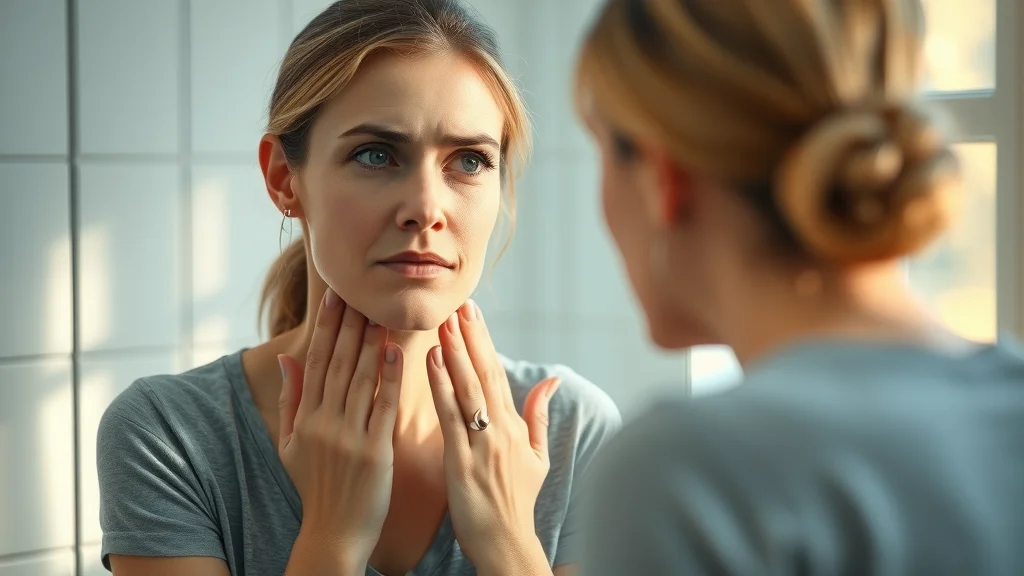
After a hectic day, that tightness in your shoulders isn't just physical—it's a signal to take a deep breath and pause. Embracing simple stretches and mindful deep breathing can transform your holiday anxiety into calm, restoring your balance in just ten minutes. Discover peace through movement when you need it most.
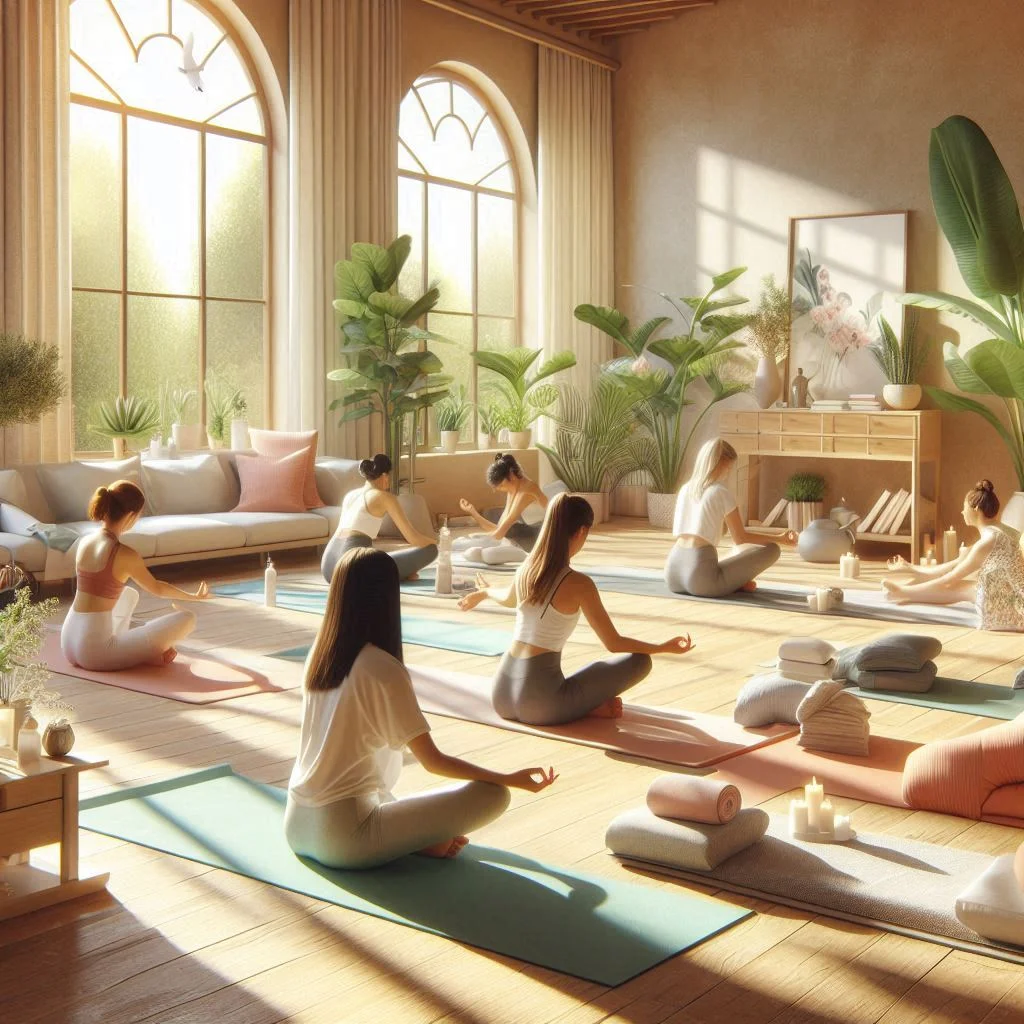
Unwind in Minutes: The Power of Stress Relief Stretches
When holiday stress starts to build, your body feels it first: tense shoulders, sore backs, and an increased heart rate, signaling the need to reduce stress through simple stretches and deep breathing. But just ten minutes of stress relief stretches can ease tension, relax your nervous system, and help regulate your blood pressure.
According to Harvard Health Publishing, stretching routines that incorporate deep breathing not only benefit your physical body, but also help to calm your mind and reduce stress. The holidays may come with emotional and mental stress, but these mobility routines can offer immediate relief.
By moving through simple stretches—such as Child’s Pose or standing forward folds paired with deep breathing—your body and mind find a reprieve from the seasonal hustle. These movements, especially when combined with deep breaths, help slow your heart rate and activate the parasympathetic nervous system, promoting a state of relaxation.
Just as important, these routines can be done almost anywhere: sitting on your living room floor, next to your holiday decorations, or even at your work desk. Embrace movement as your anchor during the busiest season of the year.
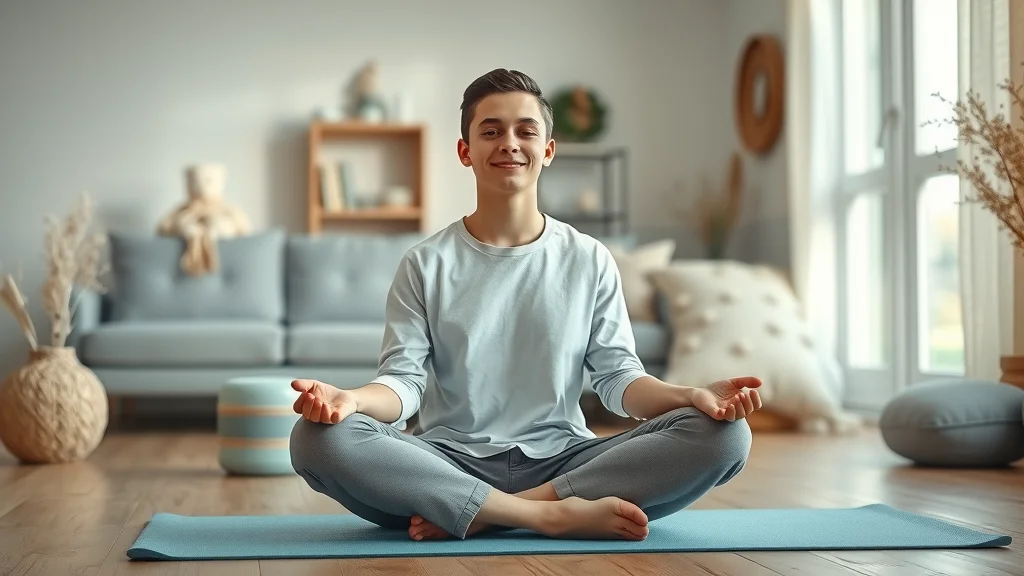
“After a hectic day, that tightness in your shoulders isn’t just physical—it’s a signal you need to pause.”
Why Stress Relief Stretches Matter During the Holidays
The holidays—juggling family gatherings, shopping, and year-end responsibilities—can quickly lead to chronic tension in the body and mental fatigue. Research from the Mayo Clinic and Harvard Medical School highlights that regular stretching exercises targeting the neck, shoulders, and back are essential for counteracting the negative effects of stress. These routines not only reduce stress on a physical level but also support overall mental health.
When your muscles stay contracted for too long due to ongoing stress, you may notice tightness in your shoulders, back pain, and even headaches—signals it's time for some simple stretches. Taking just a few moments each day to focus on mobility and flexibility, especially during the high-pressure holiday season, helps break the cycle of tension. These quick routines, paired with deep breathing and a deep breath or two, invite calmness and restore balance, leaving you better equipped to embrace holiday joy with peace of mind.

How Taking a Deep Breath Helps Reduce Stress and Ease Tension
Deep breathing is the cornerstone of any effective stress relief routine, helping to reduce stress and promote mental health. When you breathe deeply, you signal your nervous system to shift from the fight-or-flight response to rest and digest mode. This change automatically reduces heart rate and blood pressure, counteracting the effects of mental stress. Even during a simple stretch, integrating conscious deep breaths—inhale slowly through the nose, exhale gently through the mouth—relieves both muscle tension and emotional anxiety.
The link between movement and breath can't be overstated. As you stretch, your muscles elongate and your body releases endorphins, those feel-good chemicals that enhance your mood. Each conscious deep breath helps you tune into your body, recognize areas holding tension, and allows for a deeper, more effective stretch. In short, pairing deep breathing with stress relief stretches delivers quick, powerful results that not only ease tension but also foster greater mental clarity as you navigate the busy holiday season.
Mobility and Mental Health: The Science Behind Moving to Reduce Stress
Scientific studies emphasize the connection between physical activity, mobility, and improved mental health. According to Harvard Health and the Mayo Clinic, regular movement—even in the form of gentle stretching exercises—stimulates blood flow, supports healthy heart rate variability, and decreases anxiety levels. The act of moving, especially when paired with breath awareness, engages your parasympathetic nervous system, which is responsible for calming the body.
By dedicating just ten minutes to stress relief stretches, you're not just addressing physical discomfort like lower back tension or tight hamstrings. You're also investing in your mental wellbeing. Mobility routines help reduce the buildup of the stress hormone cortisol, support better sleep, and can even ease symptoms of anxiety and depression. This science-backed approach can transform the way you handle stress—making movement a key ingredient in your holiday self-care toolkit.
While these mobility routines are excellent for immediate stress relief, you might also find it helpful to explore how sleep quality impacts your ability to recover from daily tension. Understanding the stages of sleep and their effect on your body can further enhance your overall wellness during the holidays. For a deeper dive, check out this guide on the five stages of sleep deprivation and how to improve your rest.
Stress Relief Stretches for Lasting Calm
How stress triggers tightness and tension
Quick routines for daily stress relief
The role of deep breathing in mobility
Best products and tools to enhance your routine
Long-term mental health benefits of stretching
Understanding Your Body: How Stress Affects Mobility and Mental Health
Understanding how stress works in your body is the first step toward relief. Persistent mental stress signals your muscles to stay contracted, particularly in your neck, back, and shoulders. Over time, this leads to decreased mobility, soreness, and even chronic pain, especially in the lower back and shoulders. When you combine this physical restriction with the emotional toll of holidays, it's clear why stress relief stretches and movement are crucial.
More than just a quick fix, developing a routine of simple stretches helps counteract the negative effects of stress on your nervous system. According to top medical schools, the benefits are not just physical—mobility improves your mental clarity, self-regulation, and emotional stability. Stretching gives your body and mind a chance to reset, supporting a proactive approach to holiday mental health.
Identifying Physical Signs of Stress
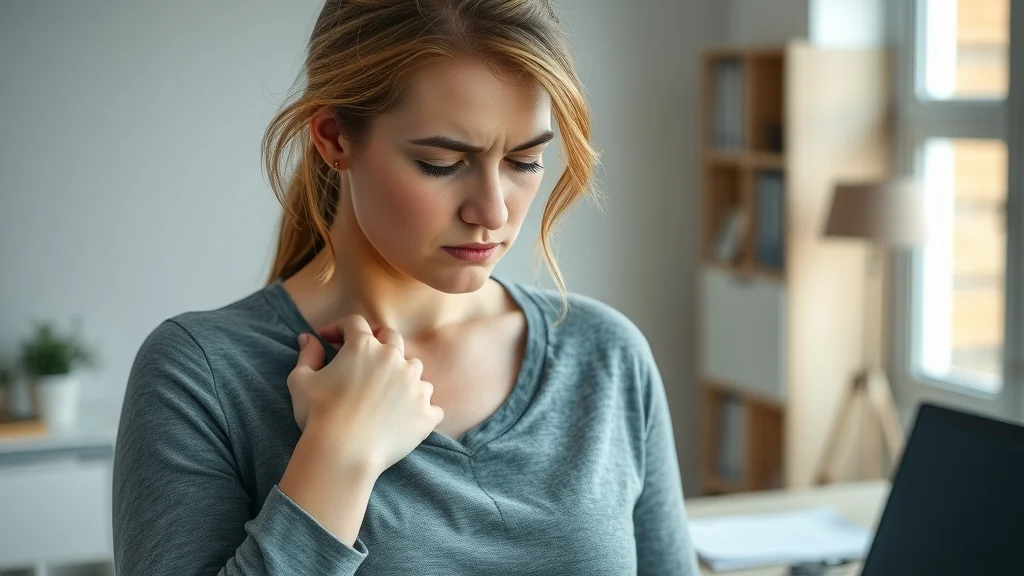
The signals of stress often manifest physically before you even realize you’re anxious. Are your shoulders back and stiff? Is your neck tight or your lower back aching? These are clear signs that stress has settled into your muscles. According to the Mayo Clinic and Harvard Health Publishing, regularly identifying these signs is essential to prevent more serious tension or even injury. Left unaddressed, tight muscles can restrict mobility and lessen your body’s ability to recover.
Notice if you’re frequently pausing to rub your shoulders or stretching your lower body. These cues are vital: when your body tells you something’s off, it’s time to take a deep breath and perform a quick simple stretch. Doing so not only brings immediate relief, but also helps break the cycle of built-up stress that can linger long after the holidays have passed.
Link Between Stress Relief Stretches and Mental Health
Recent studies demonstrate a powerful link between regular movement and improved mental health. When you commit to daily stress relief stretches, you're triggering a release of endorphins—your body’s natural mood elevators. The act of stretching, especially with mindful breathing, helps to reduce anxiety, supports better sleep patterns, and sharpens focus.
The holidays can magnify feelings of overwhelm. By using stretching exercises as a coping mechanism, you establish a routine that helps you efficiently manage stress and maintain emotional balance. When tension begins to rise, a few minutes spent on mobility not only soothes your body but also protects your mental well-being, making the season brighter and healthier for you and those around you.
The Science: Deep Breathing and Stress Reduction
Deep breathing is more than just a relaxation technique—it's a neurological tool for stress relief. According to Harvard Medical School, deep, diaphragmatic breathing has a direct effect on the nervous system, lowering your heart rate, blood pressure, and shifting your body out of the stress response. When combined with simple stretches, deep breathing sends a signal that it's safe to relax.
Taking a few moments to breathe consciously before, during, and after each stretch enhances your results. Not only does it ease physical tension, but it also creates a calming mental reset. By integrating these two practices—movement and breath—you turn a simple 10-minute routine into a highly effective tool for reducing stress and supporting overall mental health.
Simple Stretches to Reduce Stress: Your 10-Minute Holiday Routine

Neck and Shoulder Release
Deep Chest Opener
Standing Forward Fold
Cat-Cow for Spine Flexibility
Seated Spinal Twist
Hip Flexor Stretch
Child’s Pose for Relaxation
Foam Rolling for Deep Relief
Wrist and Forearm Ease
Gentle Full-Body Sway
This 10-minute mobility routine is the antidote to holiday chaos. Each simple stretch is chosen for its ability to release the areas where tension hides—shoulders, back, neck, and hips. Begin with a neck and shoulder release to ease tension from screen time. Move into a deep chest opener to undo hours of slouching. Standing forward folds and the Cat-Cow sequence boost blood flow to your spinal column, making you feel relaxed and revitalized.
The seated spinal twist and hip flexor stretches target areas that become tight when sitting for long periods. Child’s Pose, a classic yoga pose, is renowned for its restorative qualities—helping your body reset and recharge. Don't forget foam rolling for deep tissue release (especially for lower back or thigh tension) and wrist stretches if you spend a lot of time typing or texting. End with a gentle full-body sway, grounding yourself for the challenges and joys of the season.
Step-by-Step Guide: Performing Stress Relief Stretches Safely
Setting Up: Choosing a Calm Space and Tools (Including Foam Rollers and Mobility Apps)
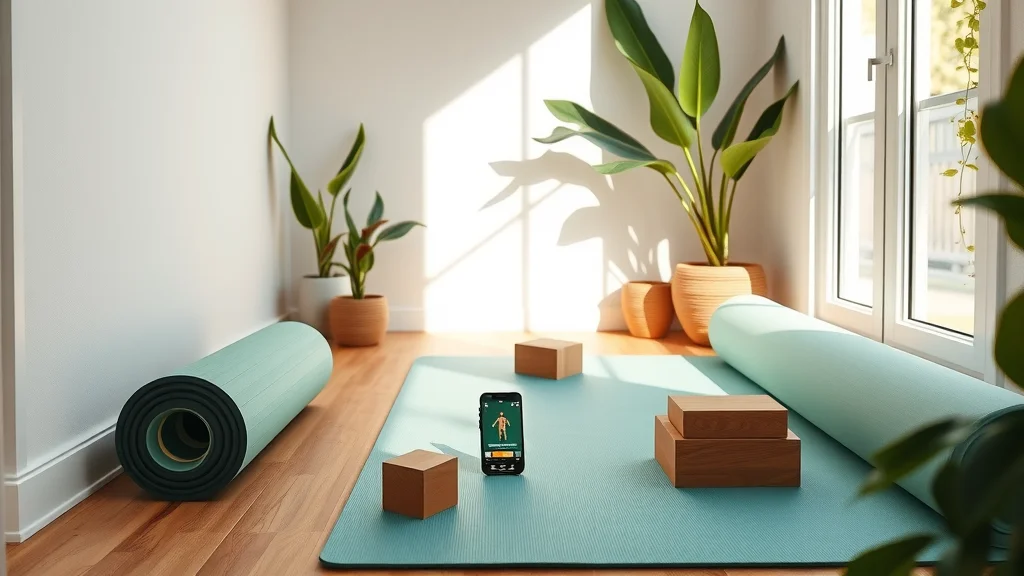
Creating your sanctuary for stress relief stretches doesn’t require much—just intentionality. Choose a calm, distraction-free corner of your home where you feel comfortable and safe. Lay out a yoga mat or soft rug. Keep tools like foam rollers or yoga straps nearby for deepening stretches. Mobility apps can be an excellent guide, offering structured routines and reminders, catering to every skill level.
Make sure the environment feels inviting—soft lighting, maybe holiday scents or gentle music. If you want to level up your stretches, consider mobility props like blocks or rolled towels for extra comfort. Most importantly, listen to your body throughout; the best results come when you practice with intention and care.
Breathe deeply before beginning each stretch
Move slowly, focusing on tension areas
Hold each pose for at least 30 seconds
Integrate deep breathing for optimal results
Listen to your body and modify as needed
Why Deep Breathing Enhances Stress Relief Stretches
Effects of Deep Breathing on the Nervous System

Deep breathing initiates a cascade of calming effects in your body. When you breathe deeply, you activate the vagus nerve—the main line between your brain and the parasympathetic nervous system. This signals your body to shift out of stress mode, lowering your heart rate, reducing blood pressure, and decreasing the release of stress hormones like cortisol.
Incorporating this technique into your stress relief stretches not only amplifies the benefits of each movement but also establishes a firmer mind-body connection. As Harvard Medical School highlights, deep, slow breaths before and during stretches significantly enhance calmness by signaling your brain that it’s safe to relax and let go of tension.
Techniques: Integrating Breathing Into Each Simple Stretch
To optimize every simple stretch, pair it intentionally with deep breathing and a deep breath to maximize stress relief benefits. For example, as you move into a standing forward fold, inhale to lengthen your spine and exhale as you lean forward, releasing tension through your back and hamstrings. Maintaining this rhythm in each pose (inhale to prepare, exhale to stretch) encourages muscle release while calming mental stress.
Try counting to four as you inhale and counting to six as you exhale—this ratio supports a deeper relaxation response. Whether you’re holding Child’s Pose or arching your back in Cat-Cow, always couple movement with your breath. As the quote goes:
“Even one deep breath can shift your body from tension to tranquility.”
Recommended Tools and Products to Enhance Your Stress Relief Stretches
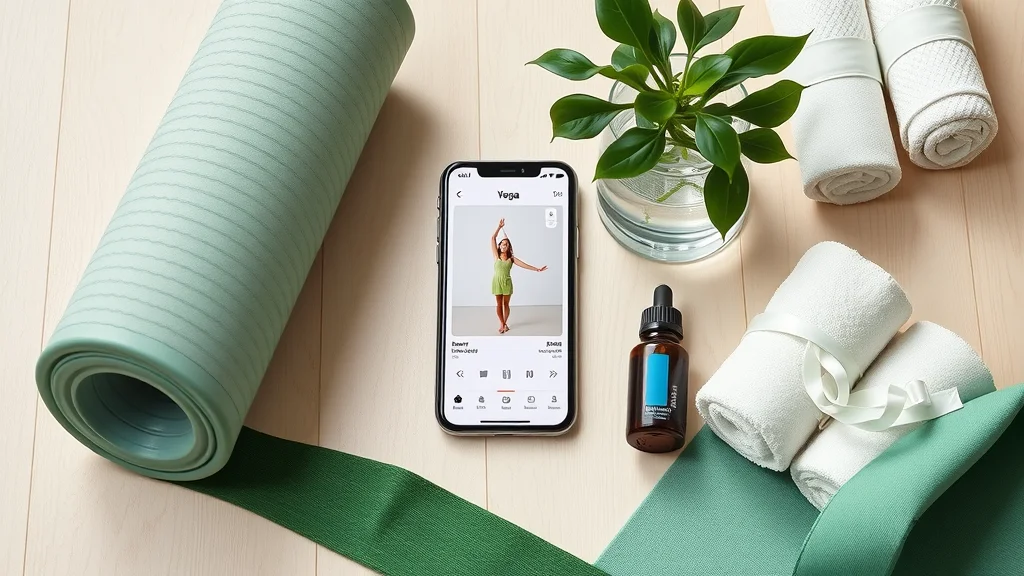
Best foam rollers for tension release
Essential mobility apps for guided routines
Yoga props for added comfort
Aromatherapy products for relaxation
Product/Tool |
Purpose |
How It Supports Stress Relief Stretches |
|---|---|---|
Foam Roller |
Deep tissue release |
Eases muscle tightness to allow deeper stretches |
Mobility App |
Routine guidance |
Offers structured stretch sequences and reminders |
Yoga Strap |
Assisted stretching |
Helps achieve full range of motion in simple stretches |
Essential Oils |
Promotes calm |
Enhances deep breathing experience |

People Also Ask: Fast and Effective Stress Relief
How do you relieve stress quickly?
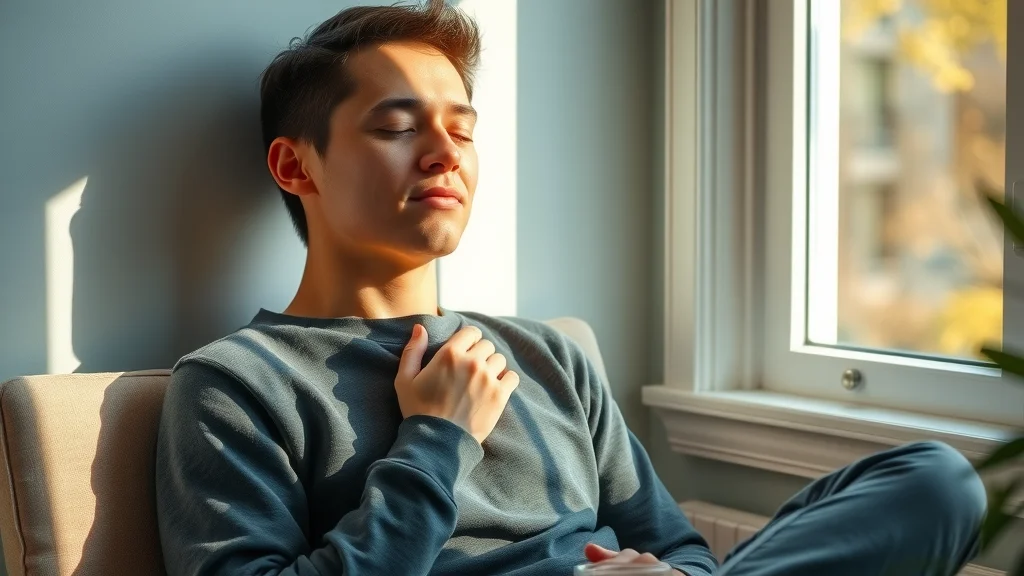
To relieve stress quickly, begin with a deep breath—this simple act instantly signals your nervous system to calm down. Follow with a simple stretch: roll your shoulders, drop your chin, or try a gentle forward fold. These movements, coupled with slow, methodical deep breaths, lower your heart rate and begin to reduce stress within minutes. For extra relief, try a quick walk, gentle yoga pose, or foam rolling session.
Quick Stress Relief Techniques Including Deep Breathing and Simple Stretches
Quick stress relief is about activating your body and calming your mind at the same time. Start by sitting comfortably with shoulders back and feet flat on the floor. Take several deep breaths, filling your lungs on the inhale and releasing tension on each exhale. Move into a simple stretch: extend your arms overhead, twist gently to each side, or try the Cat-Cow yoga pose for the spine.
Even if you only have two or three minutes, that’s enough to benefit from increased blood flow and an immediate reduction in stress. These practices are compact enough to fit into any holiday schedule, and their effects—lower blood pressure, improved mood, and relaxed muscles—can last for hours.
What are the 5 R's of coping with stress?
The 5 R’s of coping with stress are: Recognize, Reduce, Relax, Reframe, and Reconnect. These steps guide you to identify stressors, minimize their impact, practice relaxation techniques, shift your perspective, and connect with supportive people or routines. Each step is vital for managing both mental and physical stress, especially during busy, demanding times like the holidays.
Applying the 5 R's: Recognize, Reduce, Relax, Reframe, and Reconnect Through Stress Relief Stretches
Recognize: Tune into your body—notice tight areas needing a stretch.
Reduce: Complete your 10-minute mobility routine to lower stress levels.
Relax: Use deep breathing and gentle yoga poses to calm your mind and body.
Reframe: View stretching as restoration, not another task.
Reconnect: Invite family or friends to join, making stretching a shared, supportive habit.
Stress Relief Stretches:
What is the most relaxing stretch?
Child’s Pose (Balasana) stands out as the most relaxing stretch for immediate stress relief. This foundational yoga pose encourages you to bend your knees, lower your chest toward your thighs, and extend your arms forward—releasing tension across your back, shoulders, and hips. The gentle compression against the thighs helps slow your heart rate and improves blood flow to the lower back.
Simply hold Child’s Pose for up to a minute while taking slow, deep breaths. This position cradles the body in comfort, activating your nervous system’s relaxation response, and melting away both physical and mental stress. It’s the ultimate pose to return to any time you feel overwhelmed.
Exploring the Most Relaxing Stress Relief Stretch: Child’s Pose and Deep Breathing
The magic of Child’s Pose isn’t just in the posture—it’s in the breath you bring to it. With each inhale, your lower back and ribcage expand gently. Each exhale invites your body to sink deeper, releasing stubborn tension. This powerful combination is what makes Child’s Pose such an effective stress relief stretch.
Deep breathing while in this pose calms your heart rate, helps reduce stress, and allows your mind to settle for improved mental health. The Mayo Clinic recommends Child’s Pose as a go-to for anyone seeking a “quick reset” under pressure, as it encourages a grounded, introspective state. If your holiday feels hectic, spend a few moments here—your body and mind will thank you.
What exercises release stress?
Multiple exercises are proven to release stress—including yoga poses, foam rolling, walking, and bodyweight mobility routines. Stretching exercises increase blood flow, elevate your heart rate slightly (then help it return to normal), and foster an immediate sense of calm. Even gentle movement, like a simple spinal twist or downward dog, enables both your body and mind to shed stress.
The most effective exercises also integrate breath control and mindful focus. Harvard Health Publishing suggests that these routines are especially powerful when performed consistently, as they build resilience to daily stressors and reduce risk of longer-term issues such as chronic back pain or emotional fatigue.
Comparing Stress Relief Stretches and Other Exercises for Reducing Stress
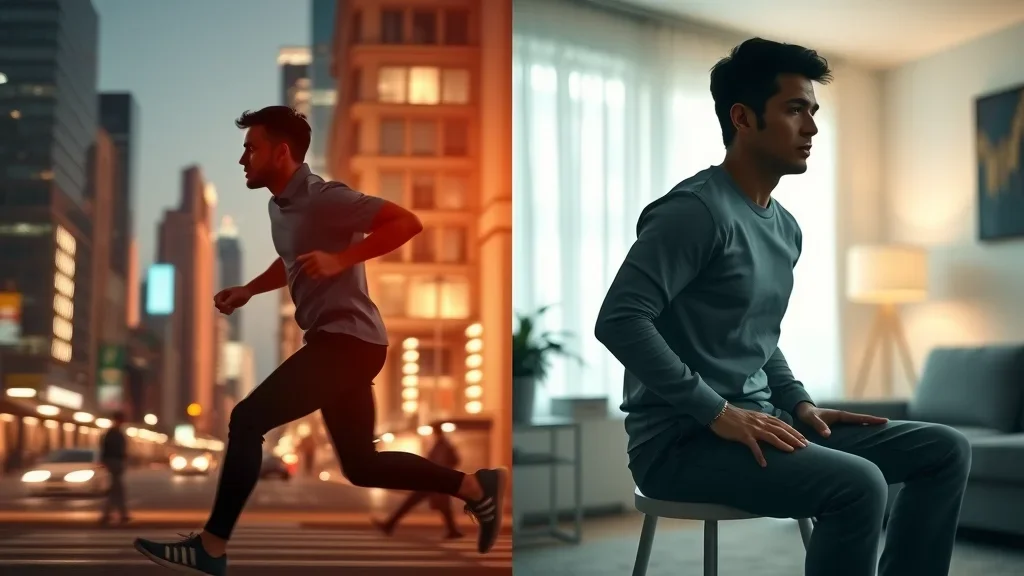
While all movement is beneficial, stress relief stretches offer a unique blend of accessibility, efficiency, and mindfulness. Unlike strenuous cardio workouts that elevate heart rate, gentle stretching exercises encourage a gradual lowering of blood pressure, improved blood flow, and rapid reduction in stress-related tension—especially in key areas like the lower back and neck.
Compared to activities like running or weightlifting, stress relief stretches can be done anywhere, require no equipment, and are ideal for all ages and mobility levels. This makes them a practical, sustainable choice throughout the holiday season and beyond, supporting both immediate and long-term mental health.

FAQs: Mastering Stress Relief Stretches for Everyday Use
How long should stress relief stretches take?
A complete routine can be as short as 10 minutes. Focus on holding each stretch for at least 30 seconds to maximize benefits and allow your body to truly relax.Can anyone perform these simple stretches?
Yes, most stress relief stretches are accessible for all ages and fitness levels. Always work within your comfort zone and consult a professional if you have any chronic pain or health concerns.Are mobility routines safe for chronic stress or anxiety?
Absolutely. Regular stretching, paired with deep breathing, is an effective way to manage both chronic stress and anxiety, supporting overall mental health. If symptoms persist, seek additional professional guidance.How often should I do stress relief stretches?
Aim for daily practice of simple stretches and deep breathing, especially during high-stress periods like the holidays, to effectively reduce stress and support mental health. Even on busy days, a few quick stretches can make a noticeable difference.Will deep breathing make stress relief stretches more effective?
Yes, integrating deep breathing improves stretch effectiveness, enhances relaxation, and delivers lasting stress-reducing benefits.
Tips and Key Takeaways: Sustaining Stress Relief Throughout the Holidays

Commit to a daily 10-minute routine
Pair stretches with mindful deep breathing
Use mobility tools for deeper results
Listen to your body’s needs
Seek professional advice for chronic issues
Find Lasting Calm: Your Next Steps for Holiday Stress Relief
“Your path to holiday calm begins with a single, intentional stretch.”
Ready to transform stress into strength? Start today with our free mobility guide and discover the ease of stress relief stretches.
Conclusion: Embrace movement and mindful breathing—these stress relief stretches are your pathway to a calm, joyful holiday season. Start now and make relaxation your holiday tradition.
If you’re interested in taking your wellness journey even further, consider exploring the broader impact of social connection and emotional wellbeing. Our in-depth article on addressing loneliness and building supportive relationships offers valuable strategies to complement your stress relief routine, helping you cultivate resilience and joy throughout the holidays and beyond.
Sources
Incorporating stress relief stretches into your daily routine can significantly alleviate tension and promote relaxation. The American Institute of Stress highlights that simple stretches, such as the Child’s Pose and Cat-Cow, are effective in reducing muscle tension and enhancing mental well-being. (stress.org)
Also, Fitness Blender offers a 20-minute relaxing stretching workout designed to relieve stress and stiffness, making it accessible for individuals at all fitness levels. (fitnessblender.com)
By integrating these resources into your holiday routine, you can effectively manage stress and maintain a sense of calm during the festive season. NCWellnessHub.com

Write A Comment