

We’ve all felt that heavy eyelid struggle after sleepless nights—restlessness that drags down every moment. If getting more sleep seems impossible, these simple fixes can restore your nights and transform your days with renewed energy and focus. It’s time to reclaim peaceful rest.

Why It’s Critical to Get More Sleep: The Effects of Not Getting Enough
Getting more sleep is not a luxury—it’s a key component of good health and well-being. When you don’t get enough sleep, you quickly notice the toll: groggy mornings, trouble concentrating, and a constant battle to stay awake throughout the day. But the impacts go far beyond temporary fatigue. Chronic lack of sleep can lead to serious health conditions, including increased risks for heart disease, type 2 diabetes, high blood pressure, obesity, and even certain sleep disorders like sleep apnea.
On top of physical risks, your mood and cognitive abilities suffer too. Sleep researchers agree that quality sleep is essential for learning, memory consolidation, and emotional regulation. Without enough restorative rest, tasks feel harder, irritability spikes, and you may struggle to recall simple things. In the United States, sleep deprivation is now recognized as a significant public health concern. That’s why making it a priority to get more sleep is one of the most important steps you can take for your long-term mental and physical health.
"We’ve all felt that heavy eyelid struggle after sleepless nights—restlessness that drags down every moment... It’s time to reclaim peaceful rest."

Signs You’re Not Getting Enough Sleep
It’s not always obvious when you aren’t getting enough sleep. Sometimes, you may think you’re simply busy or stressed—yet chronic tiredness can have deeper roots. Here are key signs to watch for:
Difficulty falling asleep or staying asleep
Daytime fatigue and irritability
Impaired concentration and memory
Frequent illnesses
If you notice these symptoms cropping up regularly, it may be time to rethink your sleep routine and make changes to get more sleep. Being able to fall asleep faster and stay asleep all night are essential outcomes of effective sleep habits.
How Lack of Sleep Impacts Health Conditions
Not getting enough sleep can trigger or worsen a wide range of health conditions. Studies continue to show that sleep deficiency is closely linked to chronic illnesses like heart disease, diabetes, and obesity. Your immune system is weakened, making it easier to catch colds or other infections. Additionally, conditions such as high blood pressure or depression may be aggravated by poor sleep.
Many common sleep disorders, including insomnia and sleep apnea, are both a cause and a result of persistent sleep problems. Recognizing these links is crucial—if you have a chronic health condition, your provider will often ask about your sleep quality before making further recommendations or adjustments to your care plan.

Understanding Sleep Quality: What Counts as Good Sleep?
Understanding the distinction between good sleep and simply getting more hours in bed helps target the right solutions. Sleep quality isn’t just about time; it’s about how restorative those hours are. If you routinely wake throughout the night or can’t reach deep sleep stages, you’re unlikely to feel refreshed, no matter how long you spend in bed.
To truly get more sleep that leaves you energized, focus on making your sleep more restful and uninterrupted. High sleep quality means going through full cycles—light, deep, and REM sleep—without disruption. This strengthens your immune system, helps your body repair itself, and ensures your mind is sharp and emotionally balanced the next day.
Defining Good Sleep Versus Enough Sleep
Many people seek to get more sleep by simply increasing their time in bed. However, good sleep is defined by both duration and depth. While doctors recommend adults aim for 7–9 hours of rest each night, those hours must be uninterrupted and include sufficient time in REM and deep sleep stages. Simply put: it’s better to have 7 hours of solid, restorative sleep than 9 hours spent tossing and turning.
If you routinely wake up feeling groggy, it’s a sign quality may be lacking even if you “get enough” by the clock. The keys are a consistent sleep routine, a calm environment, and a focus on sleep hygiene, all of which help promote both good sleep and enough sleep. Paying attention to your night’s rest can transform your health and productivity more than you may expect.

Common Sleep Disruptors That Prevent You From Getting More Sleep
It’s often the smallest habits that sabotage your sleep quality. Many common sleep disruptors include:
Electronic devices before bed
Irregular sleep routine
Caffeine or alcohol late in the day
Underlying sleep disorders
Excessive use of screens or phones close to bedtime exposes your eyes to blue light, delaying the natural release of melatonin and making it harder to fall asleep. Drinking caffeine or alcohol hours before bed can disrupt your ability to stay asleep and lower your overall sleep quality. In some cases, chronic sleep disorders are at play and require evaluation by a professional. Identifying and minimizing these disruptors is a smart first step toward better rest.
The Science Behind Sleep Routines and Falling Asleep Faster
Sleep is a cycle-driven process regulated by circadian rhythms. Maintaining consistent sleep routines helps train your body to fall asleep faster and wake refreshed. They anchor your internal clock and stabilize the hormones that control wakefulness and sleepiness. This section uncovers how these routines matter and the biological processes that occur when you slip into a deep, good sleep.
By understanding how sleep habits and environmental cues work hand-in-hand, you empower yourself to make simple tweaks that yield major nighttime improvements. Here’s why structure and timing pay remarkable dividends for restorative rest.
How a Consistent Sleep Routine Can Help You Get More Sleep
Sticking to the same bedtime and wake-up time—even on weekends—trains your body and mind to expect good sleep. Creating repeatable sleep habits promotes seamless transitions through each sleep cycle, making it easier to both fall asleep faster and stay asleep longer.
A regular routine reduces sleep latency (the time it takes to fall asleep), minimizes night awakenings, and increases the percentage of restorative deep sleep. Think of your evening wind-down as a cue: dimming lights, shutting down devices, and engaging in a calming pre-bed ritual (like reading or gentle stretches) signal your brain to wind down. The more predictable your evenings, the more effortless—and effective—your nights become.
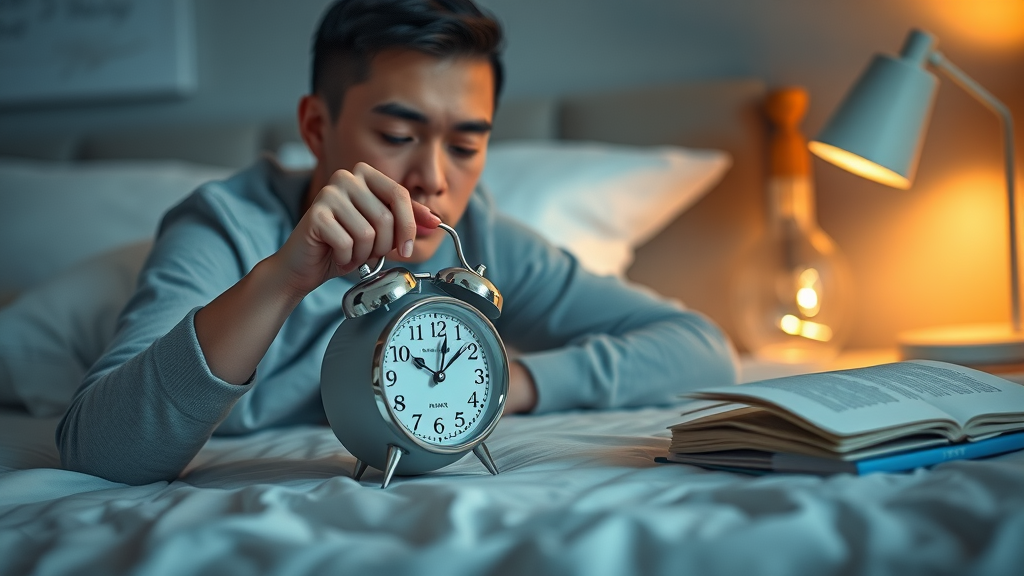
Sleep Cycles and Falling Asleep: What Happens in Your Body
The human body cycles through REM and non-REM sleep stages each night. When you fall asleep, you enter light sleep first, then progress into deeper, restorative stages. This process supports memory processing, cellular repair, and mood balancing. Good sleep is achieved not just by the number of cycles but by the quality of transitions between them.
Disruptions such as electronics, caffeine, or late-night stress can interrupt these cycles, leading to less rejuvenating sleep and more daytime fatigue. Understanding the science makes it clear why even small changes—like shutting off screens 1–2 hours before bed—can make it easier to fall asleep faster and wake up truly refreshed.
Easy Adjustments to Fall Asleep Faster Every Night
You don’t have to overhaul your lifestyle to get results. Small, strategic efforts can help you fall asleep faster, improve sleep quality, and make your sleep count. Consider simple changes such as reducing screen exposure before bedtime, developing a soothing nighttime ritual, and keeping your bedroom cool and dark.
For many, these tweaks yield noticeable changes within days—less tossing and turning, fewer night wakeups, and energy that actually lasts. Ready for more tips? Scroll on for quick fixes that will help you get more sleep starting tonight.
Get More Sleep: Quick Fixes for a Good Night
If you’ve struggled to fall asleep or stay asleep, you’re not alone. Fortunately, evidence shows that small, actionable changes can promote good sleep and help you get more sleep, sometimes in a single night. Here are the most effective solutions you can put into practice immediately.
Your ideal nighttime routine is simple: set boundaries, cultivate calm, and support natural sleep cues. With each adjustment, your bedroom shifts toward a restful retreat that welcomes restorative rest. Whether you need to break the late-night scrolling habit or set up blackout curtains, these strategies can help you enjoy a good night — every night.
Simple Changes to Get More Sleep Starting Tonight
Set a consistent bedtime and wake time
Limit screen time before bed
Create a calming pre-sleep routine
Adjust room temperature and lighting
Each shift is designed to nudge your body toward restful, good sleep. Reducing electronic use in the hours before bed helps regulate melatonin. An intentional wind-down routine—think warm showers, soothing scents, or light stretching—can help fall asleep faster. Finally, an environment that’s cool, dark, and quiet primes you for the kind of rest that lasts all night.

How to Fall Asleep Faster With Mindful Relaxation
Mindfulness practices are proven allies in the fight against insomnia. Techniques such as deep breathing, guided visualization, and progressive muscle relaxation can all help you unwind, relieve stress, and fall asleep faster. These methods redirect a racing mind and lower heart rate, paving the way for sleep to arrive more quickly and easily.
Try setting aside 10 minutes in your pre-bed routine for meditation or relaxation exercises. Incorporate calm-inducing scents like lavender, and focus on your breath as you settle into bed. Over time, these habits build powerful sleep associations—soothing cues that tell your body it’s time to rest and recover.

Dealing With Trouble Sleeping: When to See a Care Provider
Sometimes, self-help strategies aren’t enough. If you consistently battle with trouble sleeping or suspect you might have an underlying sleep disorder, it’s important to reach out to a qualified care provider. Early intervention can significantly improve your health, prevent complications, and ensure you enjoy genuinely good sleep long-term.
Persistent insomnia, nightly breathing interruptions, or ongoing exhaustion—despite making healthy changes—may signal more serious conditions such as sleep apnea, restless legs syndrome, or other sleep disorders that need professional assessment and tailored treatment.
Recognizing Sleep Disorders and Common Sleep Conditions
Common sleep disorders include insomnia, sleep apnea, and restless legs syndrome. Warning signs are frequent snoring, gasping for air at night, prolonged periods of wakefulness, and feeling tired even after what should be a good night of rest. Other sleep disorders include narcolepsy and parasomnias, which cause abnormal movements or behaviors during sleep.
If you suspect that a sleep disorder is at the root of your ongoing sleep problems, don’t wait. Early recognition and intervention can make a dramatic difference in your health, mood, and day-to-day functioning.

How Care Providers Diagnose and Treat Sleep Disorders
Care providers use a variety of tools to diagnose sleep problems. These include sleep diaries, overnight sleep studies (polysomnography), and assessments for conditions like sleep apnea or other disorders include restless legs syndrome and narcolepsy. After diagnosis, treatment may involve lifestyle changes, behavioral therapy, medication, or use of sleep devices such as CPAP (for sleep apnea).
The right approach depends on the root cause: for environment-based insomnia, a revised sleep routine might be enough; for sleep disorders, professional management is essential. If you’ve tried typical strategies and still don’t get enough rest (or if you snore loudly or gasp at night), book a consultation for a tailored plan that can restore your good sleep.
Comparison Table: Strategies to Get More Sleep and Their Effectiveness
Strategy |
Description |
Impact on Sleep Quality |
Ease of Use |
|---|---|---|---|
Consistent sleep routine |
Go to bed/wake up at the same time |
High |
Easy |
Reduce screen time |
Avoid electronics 1hr before bed |
Medium |
Moderate |
Limit caffeine/alcohol |
No caffeine/alcohol 6–8hrs before sleep |
High |
Moderate |
Relaxation exercises |
Mindfulness/meditation |
Medium |
Easy |
Lifestyle Upgrades to Get More Sleep & Improve Sleep Quality
Improving your lifestyle is one of the most effective ways to get more sleep and boost sleep quality. Regular physical activity, mindful eating, and a supportive environment all contribute to your body’s natural ability to recharge. Aligning these pillars with your sleep routine makes it easier to fall asleep naturally and wake refreshed.
These changes don’t require big leaps—just simple upgrades to how you move, eat, and set up your living space. Over time, they build on each other and make restful, good sleep possible almost every night. Let’s look at the details.
Exercise, Nutrition, and Their Role in Good Sleep
Physical activity during the day improves both sleep latency and sleep depth. Aim for at least 30 minutes most days of the week, but avoid strenuous exercise close to bedtime—doing so can be too stimulating. Nutrition also plays a vital part: foods rich in fiber and low in added sugar are linked to better sleep, as are magnesium- and tryptophan-rich options like nuts, seeds, and dairy.
Avoid heavy meals, excessive caffeine, and alcohol—especially hours before bed. If late-night hunger strikes, choose a small, light snack rather than a large meal. By supporting your sleep quality through daily habits, you ensure your efforts to get more sleep aren’t derailed by preventable barriers.

Environmental Tweaks for a Better Night’s Rest
Environmental factors play a significant role in how easily you can fall asleep and stay asleep. Start by keeping your bedroom cool (ideally 60–67°F), dark, and quiet. Soft bedding, blackout curtains, white noise machines, or a calming aroma can all make meaningful differences—your space should feel like a sanctuary.
Remove clutter, adjust lighting, and use a digital thermostat for easy control. Experiment with textures and scents that soothe you, and consider an essential oil diffuser for extra calm. Small upgrades go a long way in transforming your space into an environment primed for a good night.

People Also Ask About How to Get More Sleep
What is the 10 3 2 1 0 rule for sleep?
The 10 3 2 1 0 rule involves steps for preparing for good sleep: 10 hours before bed, no caffeine; 3 hours, no food or alcohol; 2 hours, stop work; 1 hour, no screens; 0, the number of times you hit snooze.
How do I increase my sleep?
Increase your sleep by establishing a regular sleep routine, creating a calm sleep environment, and addressing potential sleep disorders. Limiting stimulants and practicing relaxation can also help you fall asleep faster.
Is it good to get more sleep?
Yes, getting more sleep is beneficial for physical health, cognitive performance, emotional wellbeing, and reducing the risk of chronic health conditions.

How to get more sleep fast?
To get more sleep fast, set a fixed bedtime, limit blue light, relax before bed, and avoid caffeine or alcohol late in the day. Quick preparation can help you fall asleep faster and enjoy good sleep.
Frequently Asked Questions (FAQs) About How to Get More Sleep
How much sleep is enough for most adults?
Most adults need 7–9 hours of sleep every night for optimal health and performance. Getting enough sleep supports your immune system, mood, and memory.What are signs of sleep disorders?
Persistent trouble falling asleep, staying asleep, loud snoring, choking or gasping at night, and chronic fatigue may signal a sleep disorder. Consult a care provider if these symptoms persist.Can naps help if I can’t get enough sleep at night?
Yes, short naps (20–30 minutes) can boost alertness and compensate for lost sleep, but regular, good night sleep is always best for long-term health.Are natural supplements effective for improving sleep quality?
Some supplements (like melatonin or magnesium) may help certain people, but consult your care provider before using any new supplement to improve sleep quality.
"Sleep is the best meditation." — Dalai Lama
Key Takeaways: How to Get More Sleep and Achieve Good Night Rest
Consistent routines are key to getting more sleep
Quality sleep relies on healthy lifestyle and environment
Seek professional help for persistent trouble sleeping or suspected sleep disorders
Conclusion: Reclaim Your Nights and Get More Sleep for a Better Life
Start with simple changes and consistent routines to get more sleep. Prioritize your nights, and soon you’ll enjoy better energy, health, and happiness.
For a deeper dive into how sleep directly impacts your brain’s performance and long-term health, you might find it helpful to explore the three essential ways quality sleep supports a thriving brain. Understanding these connections can further motivate you to prioritize restful nights.
If you’re ready to take your wellness journey even further, consider how your daily habits outside the bedroom can set the stage for better sleep and brighter mornings. One simple yet powerful strategy is harnessing the benefits of natural light—especially in the early hours. Discover how morning sunlight can transform your energy, mood, and sleep-wake cycle by reading how morning sunlight unlocks your energy for the day ahead. Small shifts in your routine can lead to lasting improvements in both your nights and your days.
Sources
CDC: Sleep and Sleep Disorders – https://www.cdc.gov/sleep/index.html
NHLBI: Sleep Deprivation – https://www.nhlbi.nih.gov/health-topics/sleep-deprivation-and-deficiency
To enhance your understanding of effective sleep strategies, consider exploring the following resources:
10 Tips to Get More Sleep by the American Cancer Society offers practical advice on establishing consistent sleep schedules and creating a restful environment.
Sleep tips: 6 steps to better sleep from the Mayo Clinic provides insights into managing stress and optimizing your sleep routine.
If you’re serious about improving your sleep quality, these resources will provide you with actionable steps and expert guidance. NCWellnessHub.com




Write A Comment