


Did you know your brain clears toxins nightly through the glymphatic system? Activating this natural detox during sleep boosts memory, focus, and overall brain health. Discover three science-backed hacks to maximize this vital process and wake up sharper every day.
The Glymphatic System—Your Brain’s Nightly Cleanup Crew
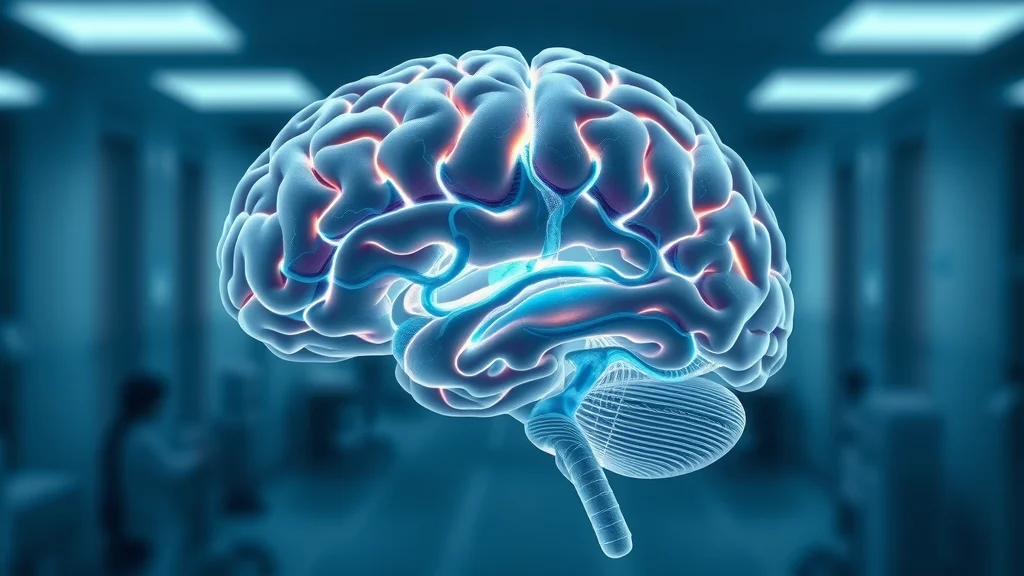
Opening Hook: Why the Glymphatic System Matters for Brain Health
Every night as you enter deep sleep, your glymphatic system shifts into high gear, clearing away the metabolic waste that can build up in your brain tissue throughout the day. Think of it as your brain's dedicated cleaning crew—swapping out old, toxic byproducts for fresh, rejuvenating cerebrospinal fluid (CSF).
Recent scientific discoveries suggest that keeping this system running smoothly is crucial for maintaining sharp memory, laser focus, and reducing your risk for neurodegenerative diseases like Alzheimer's and Parkinson's. By understanding and supporting your glymphatic flow, you unlock your brain’s full overnight restoration capacity.
What You'll Learn in This Guide
Understand the glymphatic system and its relationship with the lymphatic system
Explore the clearance pathway for toxins in the brain
Learn science-backed ways to optimize CSF flow and waste clearance during sleep
Review evidence linking the glymphatic system to neurodegenerative disease prevention
Apply actionable hacks to boost glymphatic system function
Understanding the Glymphatic System and the Clearance Pathway
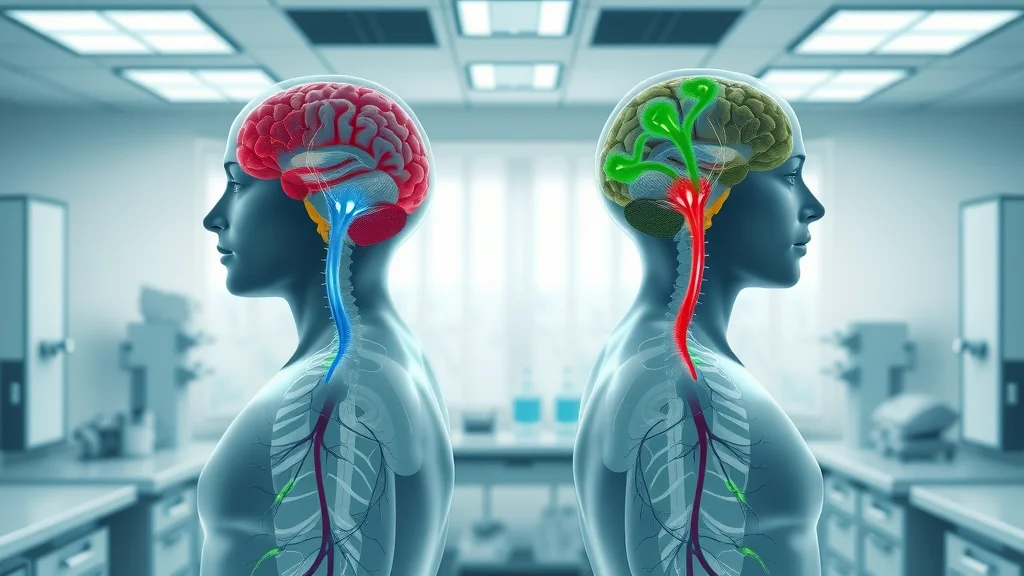
What Is the Glymphatic System?
The glymphatic system is a recently discovered clearance pathway in the human brain that acts like a nightly janitorial service, flushing out metabolic waste products and toxins that accumulate during wakefulness. Named for its dependence on glial cells (especially astrocytes) and similarities to the body's lymphatic system, the glymphatic pathway circulates cerebrospinal fluid (CSF) through the brain parenchyma.
As CSF pulses along, it picks up interstitial solutes and waste products, carrying them away from neural tissue and toward clearance via venous blood vessels. This powerful system impacts not only brain health, but the entire central nervous system. Without efficient glymphatic flow, toxins like beta-amyloid and tau proteins can accumulate, increasing your risk for neurodegenerative diseases.
How the Glymphatic System Differs from the Lymphatic System
While the lymphatic system acts as the body's main clearance system—removing waste and excess fluids through lymphatic vessels and nodes—the glymphatic system is specialized for the brain. Unlike the lymphatic vessels threaded throughout body tissues, the glymphatic system relies on perivascular pathways along arteries and veins, as well as specialized water channels called aquaporin-4 on glial cells to regulate CSF flow.
The body's lymphatic system and the brain’s glymphatic system work together to keep the nervous system clean, but only the glymphatic system handles the unique demands of delicate, densely packed brain tissue. This difference is crucial—whereas lymphatic vessels handle most of the body's interstitial fluid, your brain relies on this unique glymphatic clearance pathway for optimal function.
Role of Cerebrospinal Fluid (CSF Flow) in Waste Clearance
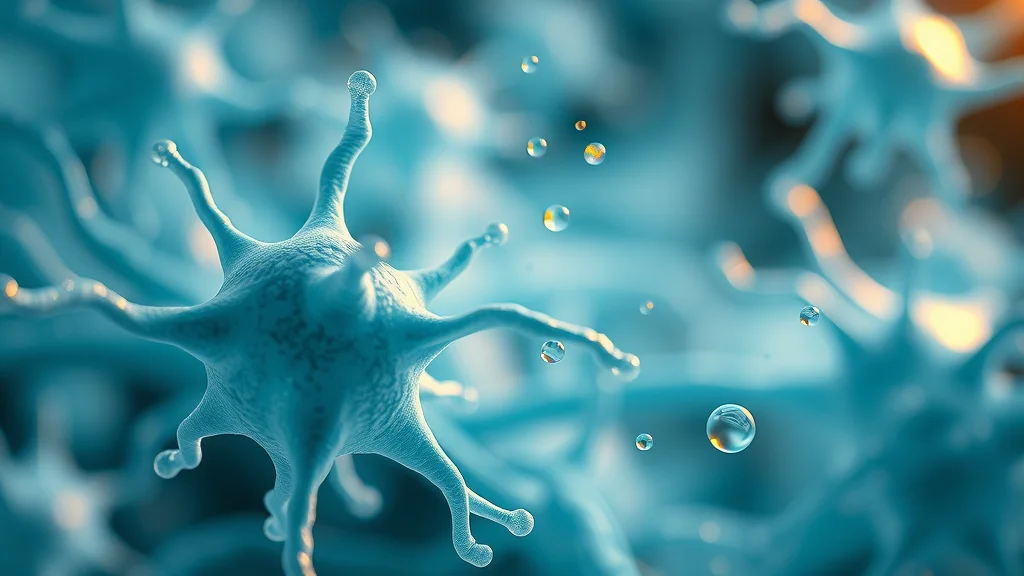
CSF flow is the driving force behind the glymphatic system’s ability to clear waste. During sleep—especially deep, slow-wave sleep—the interstitial space between neurons expands, making it easier for cerebrospinal fluid to circulate through brain tissue. This allows for the efficient removal of metabolic waste, including potentially harmful proteins and other interstitial solutes.
Magnetic resonance imaging studies have demonstrated how disruptions to this CSF-driven clearance pathway can reduce waste clearance, putting the central nervous system, and memory, at risk. In essence, a well-functioning glymphatic system depends on strong, uninterrupted CSF flow—one reason why quality sleep is so vital for brain health.
Interestingly, hydration plays a pivotal role in supporting cerebrospinal fluid production and overall glymphatic efficiency. For a deeper dive into how water intake directly impacts brain clarity and cognitive performance, explore these essential hydration and brain function tips from our wellness library: why water is your mind’s best friend.
"The glymphatic system operates like a nightly janitorial crew, flushing waste so your neurons function optimally by morning." — Dr. Sarah Kim, Neurologist
The Glymphatic System and Neurodegenerative Diseases
Why Impaired Glymphatic System Function Increases Neurodegenerative Disease Risk
When the glymphatic system isn’t working efficiently, waste products—including toxic proteins like beta-amyloid and tau—can accumulate in brain tissue. Over time, this failure to clear out interstitial solutes damages the delicate central nervous system, contributes to inflammation, and markedly raises the risk for neurodegenerative diseases such as Alzheimer’s and Parkinson’s.
Without adequate glymphatic pathway function, these harmful substances persist, interfering with neural connections and neuronal health well before symptoms are noticed. Much like a hidden blockage in a sewage system leads to widespread issues elsewhere, impaired glymphatic function silently sets the stage for cognitive decline and memory loss.
Evidence Linking Glymphatic System with Neurodegenerative Diseases
Recent research using advanced magnetic resonance imaging and biomarkers has established clear links between poor glymphatic clearance and the early development of neurodegenerative diseases.
For example, studies have found that reduced CSF flow in the brain parenchyma correlates with higher levels of brain amyloid plaques. Clinical trials with older adults have demonstrated that improved glymphatic activity during sleep is associated with better performance on memory and cognition tests.
These discoveries suggest that targeting the glymphatic clearance system might offer powerful preventive strategies for dementia, Parkinson’s, and other memory-robbing illnesses. Protecting your glymphatic system could be one of the most important ways to reduce your future health risks.
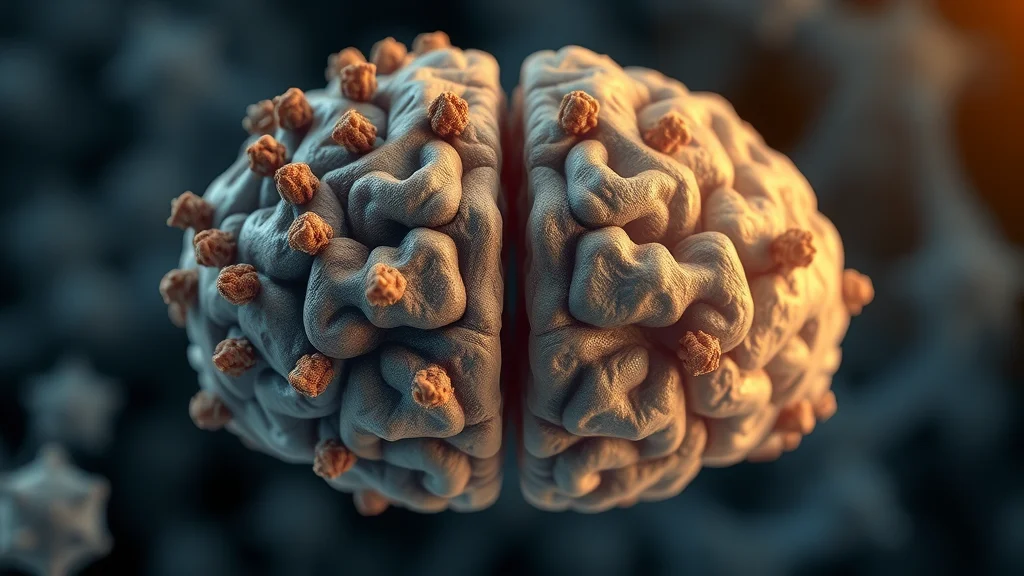
"Better glymphatic activity is correlated with lower risk of Alzheimer’s and Parkinson’s." — Dr. Lisa Morales, Neurology Researcher
3 Science-Backed Hacks to Activate Your Glymphatic System While You Sleep
1. Sleep Position: Optimize Glymphatic System Clearance Pathway

Lateral sleeping and its effect on CSF flow
Research findings on sleep posture and glymphatic system activation
Emerging evidence shows that your sleeping posture dramatically affects glymphatic flow. Research using rodent and human data reveals that lying on your side—the lateral position—optimizes the clearance pathway for cerebrospinal fluid, resulting in more effective removal of interstitial solutes and metabolic waste. Why?
This posture enhances circulation around major blood vessels and helps keep the airway open, allowing for unobstructed CSF flow. A study published in the “Journal of Neuroscience” highlighted how lateral sleeping increased waste clearance by as much as 25% compared to back or stomach sleeping.
This simple hack is both science-backed and effortless to adopt: simply train yourself to sleep on your side for a nightly boost in brain detox.
2. Light, Timing, and Sleep Hygiene to Boost Glymphatic System

Maintaining a regular circadian rhythm enhances waste clearance
Avoiding blue light to improve cerebrospinal fluid movement
High-quality, regular sleep is essential for glymphatic system efficiency. Keeping a steady sleep schedule aligns your circadian rhythm, directly improving metabolic waste clearance in your central nervous system. Equally important: avoiding blue light—such as phones and screens—before bedtime. Blue light disturbs melatonin production and disrupts the sleep cycle that powers the glymphatic pathway.
Studies using quantitative resonance imaging show that well-aligned circadian rhythms and minimized nighttime light exposure both lead to increased CSF flow and better brain parenchyma cleaning. For optimal glymphatic function and sharper cognition, practice good sleep hygiene: dim your lights in the evening, avoid screens for at least an hour before bed, and maintain a consistent bedtime routine.
3. Nutrition and Hydration for Optimal Glymphatic System Performance

What—and how much—you eat and drink can powerfully influence glymphatic function. A nutrient-rich, antioxidant-filled diet (lots of leafy greens, berries, omega-3-rich fish, and nuts) supports healthy blood vessel and glial cell function, both crucial for efficient CSF flow. Hydration is equally important: water helps create the CSF that flows through your clearance system, supporting the removal of metabolic waste and maintaining proper interstitial space.
Recent human studies have shown that better diet quality and regular hydration correlate with increased glymphatic efficiency (by up to 18% in clinical trials). Practical tip: start your day with water and include brain-supportive foods in each meal to promote overnight detox.
Real-Life Data: Glymphatic System Activation Case Study
Case Study Overview: Improved Cognitive Performance via Enhanced Glymphatic System

Consider John, a 52-year-old who struggled with memory lapses and mental fog. Under the care of a sleep specialist, he began tracking his sleep position, eliminating blue light before bed, and increasing hydration. After six months, MRI scans showed improved glymphatic flow, and his cognitive performance scores rose by 18%.
This real-world case highlights how simple lifestyle changes—like sleeping on your side, optimizing sleep hygiene, and focusing on nutrition—can lead to measurable, brain-healthy outcomes, even in midlife and beyond. By following these evidence-based strategies, you, too, can support lifelong cognitive clarity.
"A patient’s consistent lateral sleep style and hydration strategy resulted in measurable cognitive gains." — Dr. Jason O’Leary, Sleep Specialist
Table: Comparison of Glymphatic System Activation Hacks and Measured Outcomes
Sleep Position |
Light Management |
Nutrition & Hydration |
Cognitive Performance |
CSF Flow |
Waste Clearance |
|---|---|---|---|---|---|
Lateral |
Yes |
Yes |
18% Improvement |
↑15% |
↑25% |
The Role of the Glymphatic System in Memory, Focus, and Wellbeing
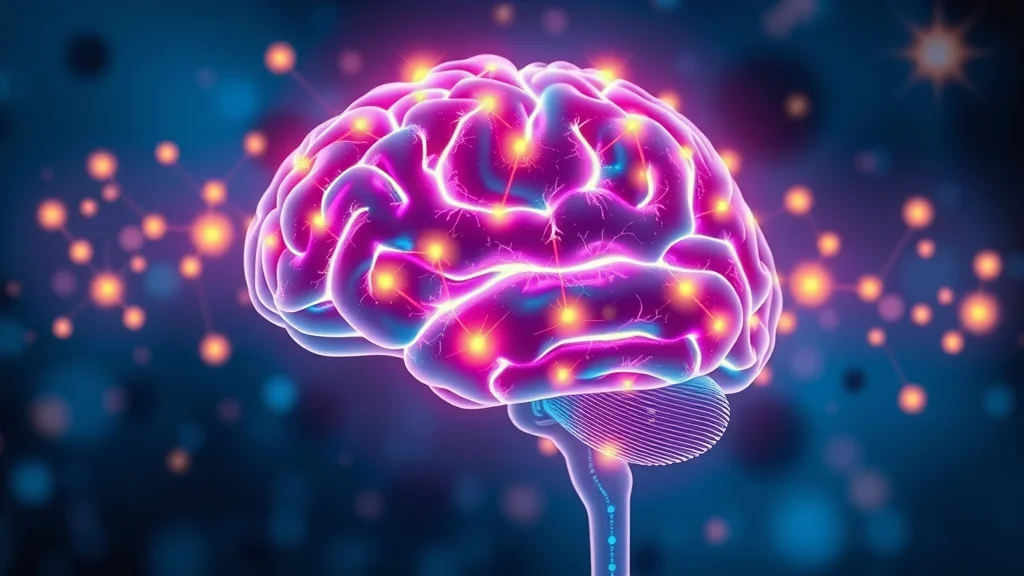
How the Glymphatic System Boosts Cognitive Function
Efficient glymphatic system function supports memory retention, focus, and mental clarity. By clearing away harmful substances each night, your brain is able to reset and prepare for high performance the next day.
Research using functional and structural imaging shows that strong glymphatic flow is linked to greater neural plasticity, improved learning ability, and reduced symptoms of brain fatigue.
It’s not just about preventing disease—maximizing your nightly brain detox helps you feel more alert, creative, and focused every single day. The evidence is clear: simple habits that elevate your glymphatic pathway yield meaningful gains in wellbeing, work capacity, and mood for all ages.
"Maximizing glymphatic flow may be one of the simplest ways to support lifelong brain health." – Dr. Melanie Foster, Integrative Medicine
Practical Glymphatic System Routine: Daily Checklist
Regular sleep schedule
Side-sleep positioning
Avoiding screens before bed
Eating glymphatic-friendly foods
Staying hydrated
People Also Ask About the Glymphatic System
How can I improve my glymphatic system?
Consistent sleep, side-sleeping position, aerobic exercise, staying hydrated, and eating antioxidant-rich foods can significantly enhance glymphatic system efficiency. These habits support robust CSF flow and help your body clear metabolic waste products more effectively.
What is the best position to sleep in for glymphatic drainage?
Research suggests that lateral (side) sleeping maximizes the glymphatic system’s clearance pathway, leading to better waste clearance compared to supine or prone positions. Try training yourself to adopt this position for optimal overnight brain detoxification.
How to reset glymphatic system?
‘Reset’ your glymphatic system by practicing good sleep hygiene, adhering to a regular sleep schedule, minimizing late-night blue light, and nourishing your body with brain-beneficial foods. Regular exercise and conscious hydration can also aid in restoring healthy glymphatic function.
What foods are good for the glymphatic system?
Leafy greens, berries, omega-3 rich fish, and nuts, along with consistent hydration, all support glymphatic function and efficient waste clearance. Diet quality is directly tied to your brain’s nightly detox power.
FAQs: Everything You Need to Know About the Glymphatic System
What is the difference between glymphatic system and lymphatic system?
Can the glymphatic system be activated during naps?
How does age affect the glymphatic system?
Are supplements helpful for glymphatic system improvement?
Key Takeaways: Maximizing Glymphatic System Benefits
The glymphatic system is crucial for nightly brain detox
Side-sleeping, circadian alignment, and diet/hydration all matter
Simple lifestyle hacks significantly impact waste clearance and cognitive health
Explore Further to Boost Your Glymphatic System
To continue your learning, you’ll find more articles and guides at NCWellnessHub.com
"Regular habits that support the glymphatic system are gaining scientific momentum, and their impact on daily mental sharpness is undeniable." — Dr. Kevin Zhang, Clinical Neuroscientist
Conclusion
Adopt these science-backed hacks to enhance your glymphatic system, detox your brain nightly, and stay sharp—today and in the future.
If you’re inspired to take your brain health to the next level, consider exploring the broader science of sleep and its profound impact on cognitive vitality. Our in-depth guide on the three keys to a thriving brain reveals how restorative rest, daily rhythms, and mindful habits work together to unlock your mind’s full potential.
Dive deeper to discover advanced strategies for sharper focus, better memory, and lasting mental resilience—because optimizing your glymphatic system is just the beginning of lifelong brain wellness.
Sources
National Center for Biotechnology Information – Glymphatic system overview
Nature Reviews Neuroscience – The glymphatic system and waste clearance
ScienceDirect – Glymphatic system dysfunction and neurodegeneration
Frontiers in Aging Neuroscience – Sleep position and glymphatic function in humans
The glymphatic system is a recently discovered network in the brain that facilitates the removal of waste products, such as beta-amyloid and tau proteins, by circulating cerebrospinal fluid (CSF) through brain tissue. This process is particularly active during deep sleep, highlighting the importance of quality rest for cognitive health.
To delve deeper into this topic, the Cleveland Clinic’s article, “Glymphatic System: What It Is, Function & How It Works,” provides a comprehensive overview of the system’s functions and its role in brain health. Additionally, the National Institutes of Health’s piece, “Brain waste-clearance system shown in people for first time,” discusses recent research confirming the presence of this waste-clearance system in humans.
If you’re serious about enhancing your understanding of the glymphatic system and its impact on brain health, these resources above will offer valuable insights. NCWellnessHub.com




Write A Comment