


Feeling fatigued or foggy can be frustrating, but it might signal vitamin B12 deficiency. I've been there—struggling daily until I found fast, effective ways to restore energy and clarity. Understanding this deficiency is crucial for reclaiming your health and vitality.
Feeling Fatigued? Recognizing Vitamin B12 Deficiency Early

Vitamin B12 deficiency is far more common than most people realize, yet the early signs often go unnoticed. If you’ve been feeling exhausted, experiencing memory lapses, or sensing a decline in your mental sharpness, you’re not alone—and these could be vital clues that your body is lacking an essential nutrient. Vitamin B12 plays a central role in making red blood cells, powering your nervous system, and supporting daily energy levels. Ignoring early symptoms can quickly lead to more serious health problems, including deficiency anemia, neurological symptoms, and an increased risk of developing cardiovascular disease.
Recognizing these signs and acting promptly is the key to preventing permanent nerve damage and avoiding long-term complications. Many people attribute persistent tiredness or difficulty thinking clearly to just being stressed or getting older, but with timely detection and intervention, you can make a real difference in your overall wellbeing.
Blood tests and routine screenings are highly recommended—especially if you fall into high-risk groups like vegetarians, vegans, older adults, or those with conditions affecting nutrient absorption. Let’s break down how to recognize symptoms of vitamin B12 deficiency and empower yourself to take control of your health faster than ever.
Quote from Dr. Stephanie Jones, MD: "Persistent fatigue and brain fog are often overlooked signs of vitamin B12 deficiency, but timely detection can prevent long-term health issues."

Symptoms of Vitamin B12 Deficiency: What to Watch For
Many individuals experience subtle yet impactful signs when they have a low level of vitamin B12. These symptoms may include a persistent lack of energy, unexplained weakness, memory issues, or even mood changes such as irritability or mild depression. Numbness and tingling in the hands or feet—a result of nervous system disruption—are classic warning signs not to ignore.
It's important to understand that these changes aren't always sudden. They may build gradually, making it all too easy to explain them away as part of daily stress or the natural process of aging. But left untreated, the lack of vitamin B12 will progressively damage your nerves, make red blood cells inefficient, and diminish your overall quality of life.
Fatigue
Memory issues
Weakness
Numbness or tingling
Mood changes (irritability or depression)
If you recognize more than one of these early warning signs—especially combined with other risk factors—seek medical advice promptly for a thorough evaluation. Early intervention is your best defense.
It's also important to consider how lifestyle factors, such as alcohol consumption, may further impact your vitamin status. For a deeper look at how drinking habits can interfere with the absorption and effectiveness of essential vitamins, including B12, explore this guide on the effects of alcohol on vitamin absorption.
Why Symptoms of Vitamin B12 Deficiency Are Often Missed
Despite the potentially serious effects, vitamin B12 deficiency can fly under the radar. The overlap between symptoms of vitamin B12 deficiency and everyday stresses means these issues are often written off or misattributed. Older adults are especially at risk, as symptoms like memory loss or muscle weakness can mask the underlying problem.
In addition, many health professionals may focus on more prevalent conditions (like iron deficiency or thyroid problems), inadvertently overlooking B12 as a source of trouble—unless prompted by specific blood tests. Optimal healthcare means being proactive: knowing your risks and advocating for testing when necessary.
Conversely, certain common medications, chronic digestive conditions, or dietary restrictions (think veganism or chronic gastrointestinal issues) increase your risk of developing vitamin B12 deficiency. If you notice a gradual onset of symptoms or belong to a higher-risk group, reliable diagnosis hinges on laboratory evidence. Don’t assume your symptoms are simply a sign of aging or daily overload—timely testing could make all the difference for your nervous system and overall wellbeing.
Quote from Lucy Chen, RD: "Many cases of vitamin B12 deficiency are misattributed to stress or aging. Testing is the only way to know for sure."
What You'll Learn About Vitamin B12 Deficiency

How to identify and diagnose vitamin B12 deficiency
The fastest, evidence-based treatments
How to prevent deficiency anemia and support nervous system and cardiovascular health
Latest case studies and expert insights
Understanding the science behind vitamin B12 deficiency, how it’s diagnosed, and what treatments are most effective will empower you to make informed decisions about your health. Whether you want to help yourself, a family member, or simply learn to prevent future issues, you’ll find straightforward answers and actionable advice supported by medical expertise throughout this comprehensive guide.
Understanding Vitamin B12 Deficiency: Causes and Risk Factors
What Causes Vitamin B12 Deficiency?
Vitamin B12 deficiency is triggered by a variety of causes, ranging from simple dietary habits to complex absorption issues. The most common risk factor is inadequate intake of animal-based foods; vegans and some vegetarians are at especially high risk due to the absence of natural B12 sources in plant-based diets. However, even those who eat meat or dairy can develop deficiency, particularly if their digestive system is unable to properly absorb the vitamin.
Conditions like pernicious anemia—where the body cannot produce intrinsic factor, a protein necessary for B12 absorption—commonly underlie persistent deficiency. Other absorption challenges include chronic gastrointestinal disorders such as celiac or Crohn’s disease, where the intestine is unable to efficiently take up nutrients.
Inadequate dietary intake (e.g., vegan/vegetarian diets)
Absorption issues (pernicious anemia, gastrointestinal disorders, lack of intrinsic factor)
Medications affecting absorption (such as Metformin or proton pump inhibitors)
Certain medications further contribute to low vitamin B12 absorption. For example, long-term use of medications that reduce stomach acid, or drugs used for diabetes management, can compromise B12 levels over time. If you fall into any of these categories, routine blood tests are essential for early detection and prevention of deficiency anemia or more serious complications.

Folate Deficiency vs. Vitamin B12 Deficiency: Key Differences
Many people confuse folate deficiency with vitamin B12 deficiency because their symptoms overlap—both can cause anemia, fatigue, and neurological symptoms. However, their origins and optimal treatments differ. Vitamin B12 is mainly sourced from animal products and requires adequate intrinsic factor for absorption, while folic acid (another form of folate) is commonly found in leafy vegetables and fortified foods.
Though both deficiencies can lead to megaloblastic anemia—a condition marked by large, poorly formed red blood cells—the underlying mechanisms differ, and so do the required treatments. Misdiagnosing one for the other can delay proper care and allow neurological damage to progress.
Feature |
Vitamin B12 Deficiency |
Folate Deficiency |
|---|---|---|
Main Source |
Animal-based foods (meat, eggs, dairy, fish) |
Leafy greens, beans, fortified cereals |
Absorption Risk Factor |
Pernicious anemia, lack of intrinsic factor, GI disorders, medications |
Alcoholism, poor diet, certain medications |
Symptoms |
Fatigue, memory issues, numbness, deficiency anemia, neurological symptoms |
Fatigue, weakness, megaloblastic anemia, no neurological effects |
Treatment |
Vitamin B12 injections/oral supplements |
Folic acid supplements, diet changes |
Both deficiencies require specific vitamins and minerals for recovery. Blood tests and comprehensive medical evaluation are the only reliable methods to distinguish between them.
How Vitamin B12 Deficiency Impacts Your Body
Deficiency Anemia: When Your Body Runs Low
Vitamin B12 is vital for your body to make red blood cells. When B12 runs low, your body can't make red blood cells correctly—a condition known as deficiency anemia or megaloblastic anemia. This anemia results in larger-than-normal red blood cells that do a poor job carrying oxygen. You might feel tired, out of breath, or notice your skin is paler than usual. Without enough B12, your body's low red blood cell count triggers fatigue, dizziness, and even heart palpitations. This form of anemia is particularly serious in older adults but can affect people of any age, including children.
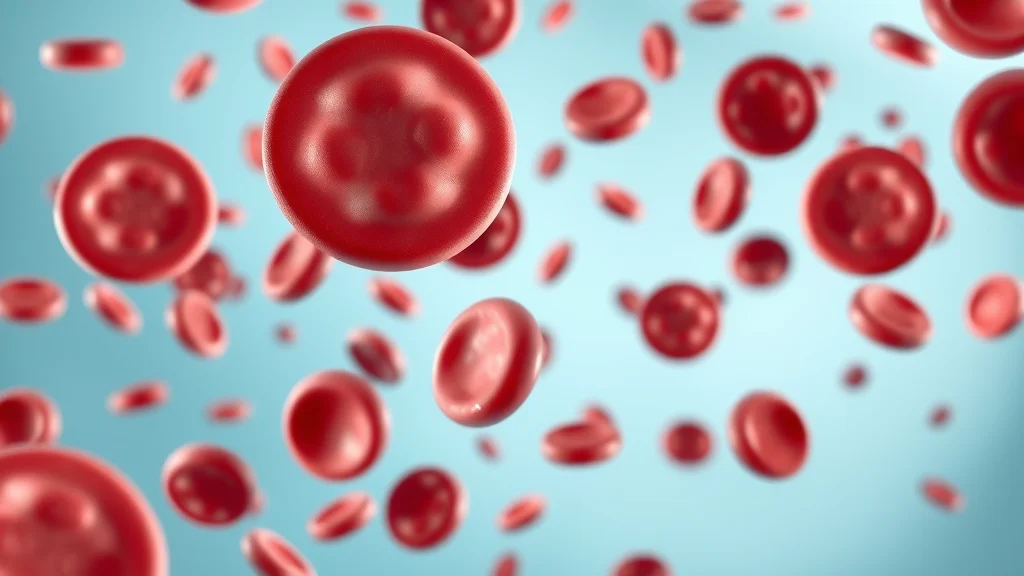
Addressing deficiency anemia is urgent. Prolonged lack of vitamin B12 can progress to multi-organ impacts and put strain on your heart and lungs. Quick and correct treatment restores red blood cell production and brings oxygen back to tissues, rapidly improving symptoms like tiredness and mental fog.
Nervous System Effects of Vitamin B12 Deficiency
Perhaps the most dangerous consequences of vitamin B12 deficiency are those that affect the nervous system. Without enough B12, you may experience nerve tingling (especially in hands and feet), poor balance, memory problems, and confusion. In severe or prolonged cases, these neurological symptoms can become permanent. Children and older adults are particularly at risk, but anyone left untreated can suffer irreversible nerve damage. That’s why early recognition and prompt therapy matter. B12 is essential for maintaining the health of nerve cells and producing myelin—the protective sheath around nerves.
You may even notice changes in mood or mental health, since B12 deficiency can contribute to depression and other cognitive disturbances. This makes regular assessment and timely intervention crucial to preserving both your body’s and your mind’s long-term health.
Vitamin B12 Deficiency and Cardiovascular Disease
People often overlook the link between vitamin B12 deficiency and cardiovascular disease. When the body’s B12 stores are low, homocysteine—a naturally occurring amino acid—builds up in the blood, increasing the risk for heart disease and other vascular diseases.
Elevated homocysteine damages arteries, paving the way for hardened blood vessels, heart attacks, and strokes over time. Addressing vitamin B12 deficiency isn’t just about feeling more energetic: it’s about protecting your heart and circulatory system against future complications.
Quote from Dr. Rebecca Lamar, PhD: "Untreated vitamin B12 deficiency can lead to irreversible nerve damage and increased cardiovascular risk."
Fast B12 supplementation significantly reduces these risks, improves red blood cell health, and keeps your blood vessels resilient—making this a vital part of heart-healthy living.
Diagnosis of Vitamin B12 Deficiency: Blood Tests and Medical Evaluation
How Blood Tests Diagnose Vitamin B12 Deficiency
Blood tests are the gold standard for diagnosing vitamin B12 deficiency. If you notice symptoms or belong to a higher-risk group, a primary care provider will likely order a CBC (complete blood count) to check your red blood cell size and number, along with a serum B12 level.
Low B12 levels indicate a likely deficiency, but further tests might be required to confirm the cause, especially if the results are borderline. Elevated MCV (mean corpuscular volume) in blood tests can point to megaloblastic anemia often associated with B12 or folate deficiency.

Additional blood tests may include measurements of methylmalonic acid or homocysteine, which rise when B12 is low and can distinguish between vitamin B12 deficiency and other types of anemia. Always rely on a licensed health professional’s interpretation of your results to decide on the best intervention.
Other Testing: Diagnosing Folate Deficiency and Related Conditions
Besides the serum B12 blood test, your doctor may check for folate deficiency or other contributors to anemia. Since symptoms overlap—such as fatigue, weakness, and mood changes—a comprehensive evaluation helps ensure effective treatment. Vitamin B12 and folate are both necessary to form healthy blood cells, and missing either can disrupt your energy and health.
CBC and serum B12 level
Methylmalonic acid (MMA) and homocysteine tests
Checking for deficiency anemia or folate deficiency
For people with ongoing symptoms despite apparently "normal" B12 results, additional tests like MMA and homocysteine offer deeper insights. Prompt diagnosis lets you start fast-acting therapies before lasting complications arise.
How to Raise B12 Levels Quickly and Effectively
Fast-Acting Treatments for Vitamin B12 Deficiency
Vitamin B12 injections vs. oral supplements
Dietary solutions: animal products, fortified foods
Addressing absorption issues
Restoring your body’s B12 supply starts with identifying the cause of the deficiency. For most people, oral B12 supplements and dietary adjustments quickly boost levels, especially when the issue is due to diet alone. However, if you have absorption problems—like pernicious anemia or certain digestive disorders—fast-acting intramuscular B12 injections are the gold standard. Injections bypass digestive obstacles, raising blood B12 levels immediately and easing symptoms within days.

Include B12-rich foods (like eggs, fish, dairy, and meat) or fortified cereals in your daily routine. Consult a healthcare provider to select the right dosage and form, ensuring your recovery is safe, effective, and tailored to your medical profile.
Recommended Dosages: Vitamins and Minerals for Deficiency
Correcting vitamin B12 deficiency depends on matching your treatment to your body’s needs. Initial therapy for severe cases usually involves several injections over the first few weeks, followed by oral supplements or less frequent shots for maintenance. Mild cases may resolve with high-dose oral B12 alone, especially if no absorption issues exist. It’s also crucial to address any coexisting deficiencies, such as folic acid or iron, and maintain a well-rounded intake of essential vitamins and minerals for overall recovery and prevention.
Nutrient |
Recommended Dose (Adults) |
Form |
|---|---|---|
Vitamin B12 (cobalamin) |
1,000 mcg daily (oral) or 1,000 mcg weekly (injection, as needed) |
Methylcobalamin, Cyanocobalamin |
Folate (Folic Acid) |
400–1,000 mcg daily |
Folic Acid Supplements/Food |
Iron |
18 mg daily (women), 8 mg daily (men) |
Ferrous Sulfate, Ferrous Gluconate |
Vitamin D3 |
600–2,000 IU daily |
Cholecalciferol |
Always confirm your regimen with a qualified doctor or dietitian, especially if you have underlying health issues or take medications that may affect absorption.
Long-Term Strategies to Prevent Vitamin B12 Deficiency
Routine blood tests for at-risk populations
Comprehensive diet planning
Managing underlying health issues
Monitoring nervous system and cardiovascular health

Lasting health comes from regular monitoring, diet diversity, and managing conditions that could reduce your absorption of B12 or other vitamins and minerals. If you follow a vegan or vegetarian diet, fortified foods or supplements are essential. Schedule periodic blood tests—especially if you have a history of deficiency anemia or digestive disorders.
Pay attention to subtle changes in your energy, mood, or neurological function, and involve a care provider early if you spot issues. With the right proactive steps, you can minimize your risk of developing vitamin B12 deficiency for the rest of your life.
Expert Case Study: Quick Recovery from Vitamin B12 Deficiency
"After just four weeks of targeted supplementation, my patient’s lab values normalized and their energy levels soared," – Dr. Michael Turner, General Practitioner.
Case Analysis: Key Steps for Rapid Improvement
Detailed blood test and diagnosis
Choosing optimal treatment (injection versus supplements)
Lifestyle and dietary adjustments
This real-life case demonstrates the transformation possible with early detection and diligent care. The patient presented with severe fatigue, numbness, and memory lapses. Their care provider immediately ordered blood tests, revealing both a low serum B12 level and a raised MCV—hallmarks of megaloblastic, deficiency anemia. A regimen of weekly B12 injections, later shifting to high-dose oral supplementation, prompted significant improvement within a month.
Continued progress relied on incorporating B12-rich and fortified foods and tracking lab values every three months. This hands-on approach—combining evidence-based medicine with dietary support—highlights how timely intervention can restore health rapidly.

Addressing Common Questions About Vitamin B12 Deficiency
What happens when your B12 is low?
When vitamin B12 falls below a normal level, your body’s ability to make red blood cells is compromised, potentially leading to deficiency anemia. You may feel excessively tired, weak, and may notice numbness or tingling in your hands and feet. Over time, untreated B12 deficiency can cause neurological symptoms (like balance issues or mood changes) and elevate your risk for cardiovascular disease by increasing homocysteine. If left untreated, the damage—especially to the nervous system—can become permanent.
How can I raise my B12 levels quickly?
Quickly raising your B12 levels depends on the underlying cause. For those with absorption problems, B12 injections provide the fastest results, often leading to noticeable improvement within days. If the deficiency is mild or due to diet, high-quality oral supplements (1,000 mcg daily) or an increase in animal-derived or fortified foods are usually effective. Always consult a healthcare professional to tailor the therapy and track your progress over time with regular blood tests.
What are the two main causes of B12 deficiency?
The two most common causes of vitamin B12 deficiency are inadequate dietary intake (especially among vegans/vegetarians or people with very restricted diets) and absorption issues stemming from conditions like pernicious anemia (which involves a lack of intrinsic factor), chronic gastrointestinal diseases, or long-term medication use that interferes with vitamin absorption.
What are the early warning signs of B12 deficiency?
Early warning signs include persistent fatigue, memory lapses, muscle weakness, a general feeling of “not being yourself,” numbness or tingling in the hands or feet, and unexplained mood changes such as depression or irritability. These symptoms should prompt you to seek a blood test to detect low vitamin B12 before more serious complications develop.
Short educational animated explainer visually illustrating the progression and treatment of vitamin B12 deficiency. Clean, brand-friendly infographics and animations depict symptoms, diagnosis, and therapies in an upbeat, encouraging style.
Explore your options for fast and effective vitamin B12 recovery, with visual comparisons between the pros and cons of injections versus oral supplements. Always consult your healthcare provider before making treatment decisions.

FAQs: Your Vitamin B12 Deficiency Questions Answered
Can you have normal bloodwork and still have vitamin B12 deficiency?
Yes. In some cases, people can have symptoms despite “normal” serum B12 levels, especially with borderline values or if there are issues with B12 transport or utilization. Advanced tests (like MMA and homocysteine) can help clarify the diagnosis.Are plant-based eaters at higher risk?
Absolutely. Since B12 is not naturally found in plants, vegetarians and vegans are at increased risk and should rely on fortified foods or supplements. Regular screening is recommended.Which medications cause decreased vitamin B12 absorption?
Proton pump inhibitors (for acid reflux), metformin (for diabetes), and certain anticonvulsants can reduce B12 absorption and may necessitate extra monitoring or supplementation.How often should at-risk adults get screened?
At-risk adults (elderly, vegetarians/vegans, those on interfering medications, people with GI conditions) should have annual blood tests to monitor B12 status and intervene promptly if levels fall.
Key Takeaways: Fast Relief from Vitamin B12 Deficiency
Watch for early warning signs—don’t ignore fatigue or memory problems
Timely blood tests and medical advice are essential
Fast-acting therapies can restore energy and prevent serious complications
Dietary and lifestyle changes help ensure lasting health
Reclaim Your Energy—Take Action on Vitamin B12 Deficiency Today
Don’t wait until symptoms worsen—proactive blood tests, swift treatment, and ongoing care can help you reclaim your vitality quickly. Collaborate with a qualified health provider, monitor your progress, and maintain healthy habits to ensure lasting protection against vitamin B12 deficiency.
Conclusion: Transform Your Health by Addressing Vitamin B12 Deficiency
Recognize the symptoms, get tested early, and treat quickly—taking charge of your B12 levels now can prevent life-changing complications and help you reclaim your energy for good.
If you’re committed to optimizing your health beyond vitamin B12, consider how interconnected your cardiovascular system is with overall wellness. Understanding hidden risk factors—like elevated lipoprotein(a)—can further empower you to protect your heart and longevity.
For a comprehensive perspective on heart health and proactive strategies, discover the essentials in this in-depth guide to lipoprotein(a) and heart disease risk. Taking the next step in your wellness journey means staying informed and making choices that support your body from every angle.
Sources
Vitamin B12 deficiency is a condition that can lead to serious health issues if left unaddressed. To gain a comprehensive understanding of this topic, consider exploring the following authoritative resources:
“Vitamin B12 Deficiency Anemia” by Johns Hopkins Medicine provides an in-depth look at the causes, symptoms, and treatment options for this condition. (hopkinsmedicine.org)
“Vitamin B12 Deficiency: Symptoms, Causes & Treatment” by the Cleveland Clinic offers detailed information on diagnosis, management, and preventive strategies for vitamin B12 deficiency. (my.clevelandclinic.org)
These resources will equip you with the knowledge needed to recognize, address, and prevent vitamin B12 deficiency effectively. Discover more trusted wellness information at NCWellnessHub.com.




Write A Comment