


Did you know ginkgo biloba is one of the oldest tree species, with powerful antioxidants that boost brain health and circulation? Discover why this ancient plant remains a top natural remedy and how it can enhance your well-being in surprising ways. In this deep dive, you’ll uncover the remarkable origins of the ginkgo tree, explore cutting-edge scientific findings on its benefits and risks, and gain practical insights from medical professionals to make informed decisions for your health.
What Is So Special About Ginkgo?
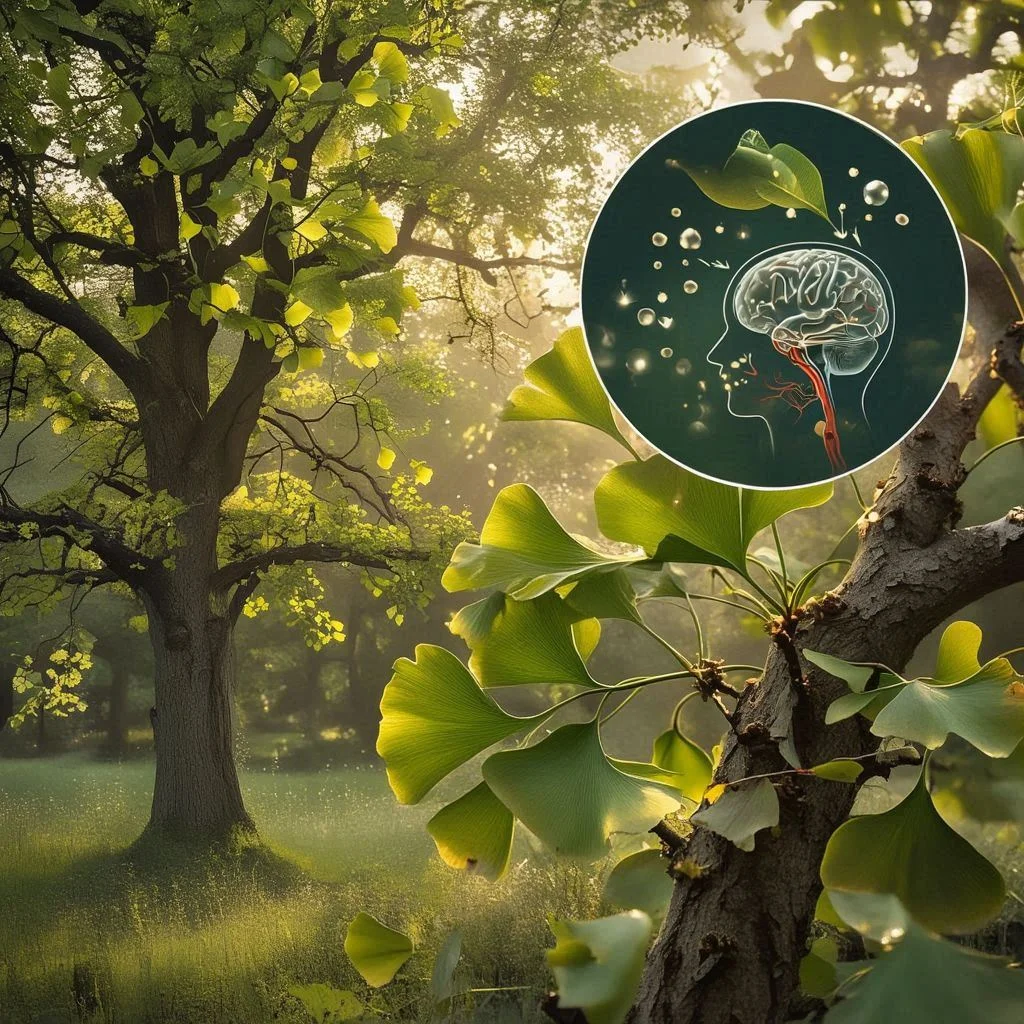
The question what is so special about ginkgo? invites us to unravel a truly unique natural story—one that spans millions of years and continues to benefit modern wellness. The ginkgo tree, a beloved “living fossil,” is not only a botanical wonder but a subject of intense scientific interest for its effect on the mind and body. Both ginkgo trees and their leaf extracts have generated buzz for supporting brain function, circulation, and overall vitality.
What sets this species apart? It’s the fusion of deep evolutionary roots, distinctive biological features, and a legacy of medicinal properties validated—and questioned—by modern science. By exploring ginkgo’s robust disease resistance, adaptability as a street tree in the United States, and longstanding use in traditional remedies, we see its resilience is matched by compelling evidence and ongoing debate in the medical community.
"Ginkgo biloba's legacy as a resilient 'living fossil' inspires us to analyze its enduring health potential." – Dr. Helen Xu, Integrative Medicine Specialist
Ginkgo Biloba: A Living Fossil with Ancient Roots
Ginkgo biloba isn’t just any tree—it's often called a living fossil because it has survived virtually unchanged since the era of the dinosaurs, about 200 million years ago. The fossil record tells us that ancient relatives of today’s maidenhair tree once dotted prehistoric landscapes, predating even most flowering plants. Botanists agree the ginkgo is the last living species in an ancient group, making every modern ginkgo tree a direct descendant of Earth’s primeval forests.
What’s more: ginkgo trees’ resilience is legendary. Withstanding climate shifts, disease, and urban pollution, some specimens in Asia and the United States have lived for over a thousand years. The ginkgo’s unique biology—unusual among trees—helps explain this astonishing durability, and scientists continue to study its mechanisms for clues to longevity and vitality.

What You’ll Learn in This Deep Dive on What Is So Special About Ginkgo?
The evolutionary history of the ginkgo tree and its 'living fossil' status
Scientific evidence on the benefits of ginkgo biloba for brain health and circulation
Risks, safety concerns, and professional opinions on using ginkgo biloba
Data-backed recommendations for integrating ginkgo into your wellness routine
The Ginkgo Tree: Evolution, Longevity, and Science
What Is So Special About the Ginkgo Tree’s Millions of Years of Survival?
Surviving for over 200 million years, the ginkgo tree is a testament to resilience. Its history began in the Mesozoic era, and it has weathered planetary upheavals that wiped out countless other plant lineages. According to the fossil record, few trees display such a lengthy unbroken evolutionary timeline. Unlike many species, the ginkgo adapted to everything from ice ages to global warming, resisting disease and pests that toppled lesser trees.
What’s particularly unusual about modern ginkgo is its adaptability. Not only does it grow in wild, protected groves in China, but ginkgo trees have become favored as urban “street trees” in cities around the world, thanks to their pollution resistance. These trees, including both male ginkgo (which do not produce the malodorous seeds) and female trees (which do), demonstrate a biological tenacity that continues to intrigue botanists. Their survival speaks to a genetic toughness unmatched by almost any other living plant.
For those interested in how ginkgo biloba compares to other cognitive enhancers, exploring the landscape of top brain supplements for memory and their unique benefits can provide valuable context and help you make more informed choices about your wellness routine.
Why Ginkgo Biloba Is Called a Living Fossil
Ginkgo biloba’s reputation as a living fossil is hard-won. Its closest relatives disappeared millions of years ago, but the ginkgo trees found in modern parks and gardens still look remarkably like those in ancient stone impressions. Paleobotanists cite that this tree has changed very little since the Jurassic period, surviving when even dinosaur populations became extinct.
The detail in the shaped leaves of the ginkgo leaf, with their distinctive, fan-like form, is instantly recognizable in both ancient fossils and present-day specimens. Its unique adaptation and independent evolutionary path, separated from flowering plants, lend the ginkgo a mythic stature among botanists and plant lovers alike.
Plant / Tree |
Estimated Age of Lineage (Million Years) |
Status Today |
Key Traits |
|---|---|---|---|
Ginkgo Biloba |
200+ |
Still thriving (“living fossil”) |
Resistant to disease & pollution, unique fan-shaped leaves |
Sequoia |
150+ |
Survives as remnant species |
Gigantic size, thick bark |
Cycad |
280 |
Remnant and endangered |
Palm-like, ancient reproductive strategy |
Maidenhair Fern |
360 |
Widespread |
Delicate fronds, spore reproduction |
Ginkgo Biloba's Unique Biological Features
Distinctive Fan-Shaped Leaves and Reproductive Methods of Ginkgo Trees
One of the most visually striking features of the ginkgo tree is its fan-shaped leaves. Unlike the leaves of most other trees, ginkgo leaves have a two-lobed, veined form that has become symbolic of longevity and resilience. Their broad surface helps the tree thrive in a variety of climates by maximizing sunlight capture and supporting robust photosynthesis.
In addition to its leaves, the ginkgo’s reproductive methods set it apart. Ginkgo biloba trees are dioecious, meaning there are separate male trees and female trees. Female trees produce seeds surrounded by a fleshy coating that emits a smell often compared to rancid butter (due to butyric acid)—a trait that has led many cities to plant predominantly male ginkgo as street trees. Yet, in traditional Asian cuisine, the ginkgo nut is valued for its culinary and possible medicinal properties, albeit consumed with caution.
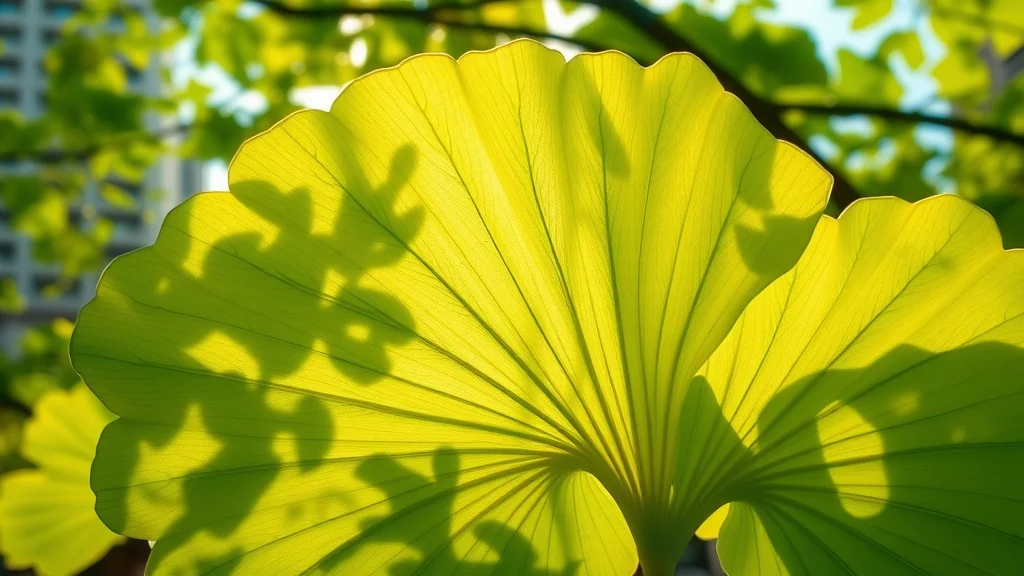
Anatomical secrets of ginkgo tree leaves: The leaf’s split vein pattern is believed to boost resilience to pests and disease.
How ginkgo trees adapt to urban environments: Their tolerance of air pollution and compact soils makes them ideal for city landscaping.
Ginkgo seeds, nuts, and unusual reproductive strategies: Ginkgo seeds contain substances that deter herbivores and ensure survival, while the tree’s slow, careful fertilization process is rare among gymnosperms.
Unlocking the Surprising Benefits: What Is So Special About Ginkgo Biloba?
Ginkgo Biloba’s Antioxidants and Effects on the Human Brain
Modern research confirms that ginkgo biloba is rich in antioxidants known as flavonoids and terpenoids—compounds which help protect cells from damage by neutralizing free radicals. Numerous systematic reviews indicate that these antioxidants may play a role in supporting cognitive function, particularly in older adults facing memory challenges.
Ginkgo leaf extract, widely studied in clinical settings, has shown promise for improving short-term memory, mental clarity, and even supporting individuals in the early stages of dementia. However, results from studies on biloba trees are variable, suggesting that ginkgo works best as part of a holistic wellness strategy rather than a cure-all.
"As a neurologist, I have witnessed select patients report improved memory after ginkgo supplementation—when paired with lifestyle changes." – Dr. Samuel Lee, Neurology
Boosting Circulation: How Ginkgo Tree Extracts Impact Cardiovascular Health
Another remarkable benefit of ginkgo biloba lies in its positive impact on circulation. Compounds in the ginkgo leaf extract help to dilate blood vessels, stimulate blood flow, and protect the delicate lining of capillaries. For many, this translates into improved oxygen and nutrient delivery to cells, which can support the brain as well as the heart.
Several clinical trials suggest ginkgo’s efficacy in addressing circulatory issues such as intermittent claudication (leg pain caused by poor blood flow) and Raynaud’s phenomenon. This makes the ginkgo tree extract a subject of interest for older adults or anyone seeking gentle, natural cardiovascular support—though it’s essential to discuss supplement use with a medical professional, as interactions and side effects are possible.
Can Ginkgo Biloba Enhance Mood, Energy, and Focus?
Beyond memory and circulation, users report that ginkgo biloba lifts mood, increases focus, and boosts energy levels. Animal studies and early human trials suggest that by enhancing neurotransmitter activity, ginkgo could have potential as a natural adjunct for mild anxiety and attention challenges.
It’s the combination of phyto-nutrients—from brain-protective flavonoids to vasoactive terpenoids—that give ginkgo its holistic reputation. But while user testimonials are encouraging, research remains mixed, and benefits may depend on dosage, product quality, and individual biochemistry.
Brain-protective flavonoids and terpenoids: These antioxidants defend nerve cells from oxidative stress and age-related decline.
Impact on blood flow and capillary health: Ginkgo supports peripheral and cerebral circulation.
Neuroprotective effects: Evidence from clinical trials: Some studies show modest improvements in memory and executive function, especially in the elderly.
Systematic Review or Study |
Population Studied |
Main Outcome |
Key Findings |
|---|---|---|---|
Cochrane Review 2020 |
Older adults with mild dementia |
Cognitive function |
Small improvements vs. placebo, but mixed evidence |
2019 Meta-Analysis (JAMA) |
Middle-aged/elderly adults |
Circulation and memory |
Statistically significant improvement in some memory tasks |
European Neurology Review 2018 |
Healthy volunteers |
Mood and alertness |
Possible benefit for alertness; larger studies needed |
Assessing the Downsides: Is Ginkgo Biloba Always Safe?
Understanding Side Effects and Drug Interactions of Ginkgo Trees
Despite its popularity, ginkgo biloba isn’t risk-free. Some of its most notable side effects include digestive upset (nausea, diarrhea), headaches, allergic skin reactions, and an increased tendency to bleed—especially in people taking blood thinners or with bleeding disorders. Also, practitioners have raised alerts over drug interactions involving prescription anticoagulants, antidepressants, and anti-seizure medications.
The seeds (and to a lesser extent, the ginkgo nut) found on female trees contain compounds that can cause poisoning if consumed in excess. For many, choosing products made from male trees sidesteps this hazard. Always consult your healthcare provider before starting any supplement, especially if you are on medication or have a history of allergies.
"Ginkgo biloba should be used with caution, especially in patients with blood clotting disorders." – Dr. Maria Greene, Pharmacologist
What Is the Downside of Ginkgo Biloba According to Studies?
In peer-reviewed clinical studies, the downsides of ginkgo biloba supplementation are often overshadowed by its benefits, but they remain important. The systematic reviews stress that adverse events, while generally mild, include gastrointestinal complaints and more serious concerns such as increased risk of bleeding or rare seizure induction when paired with certain drugs.
Researchers also highlight gaps in existing knowledge about long-term safety, especially in at-risk populations like children, pregnant women, and those with chronic diseases. Ensuring product purity (free of contaminants or excessive ginkgolic acids) is another concern raised by major regulatory authorities.

Ginkgo Biloba for Specific Populations: What You Need to Know
Is Ginkgo Biloba Safe for Pregnancy and Breastfeeding?
Most healthcare professionals recommend that pregnant or breastfeeding individuals avoid ginkgo biloba. The greatest areas of concern are the risk of bleeding, as ginkgo biloba may thin blood, and the direct toxicity of some seed elements found on female tree specimens. There’s a lack of robust data confirming safety for developing fetuses or nursing infants.
Some traditional uses do mention ginkgo nuts in moderation, but these practices are not considered safe by Western medical standards. Consulting your doctor is critical if you are considering ginkgo at any stage of pregnancy or postpartum recovery.
Pediatric, Geriatric, and At-Risk Groups: Precautions with Ginkgo Tree Supplements
Pediatric use is seldom recommended except under close supervision due to the lack of safety data and risk of seizures, especially from improper dosing or accidental ingestion of seeds. In older adults, where most ginkgo research is centered, lower doses and careful monitoring are advised to manage bleeding risk and medication interactions.
People with epilepsy, bleeding disorders, or those taking blood thinners face additional hazards from ginkgo supplementation. For at-risk groups, medical oversight ensures any benefit outweighs the potential for adverse effects.
Comparing Ginkgo Biloba to Other Popular Herbal Remedies
How Does Ginkgo Tree Extract Compare to Ginseng, Bacopa, and Turmeric?
Ginkgo biloba, ginseng, bacopa, and turmeric are legendary in traditional medicine, but their purposes and evidence bases differ. Where ginkgo is revered for cognitive support and circulation, ginseng is often chosen for its adaptogenic qualities (helping the body resist stress), bacopa for memory and neuroprotection, and turmeric for its anti-inflammatory curcumin content.
Comparative clinical studies suggest that while all offer unique benefits for cognitive and physical health, ginkgo stands out for its “living fossil” status and time-tested resilience. It is also one of the best-studied botanicals for elderly cognitive support, but not head-and-shoulders superior to other herbs in every health category.
Herb |
Main Benefit |
Key Evidence |
Risks/Precautions |
|---|---|---|---|
Ginkgo Biloba |
Cognitive support, circulation |
Strongest for memory in older adults |
Bleeding, drug interactions |
Ginseng |
Energy, stress, immunity |
Moderate for fatigue/adaptation |
Insomnia, hypertension risk |
Bacopa |
Memory, learning |
Promising in younger adults |
GI upset, slow onset |
Turmeric |
Inflammation relief |
Best for joint, vascular health |
GI complaints, absorption issues |

Integrating Ginkgo Biloba into Your Daily Wellness Strategy
Guidelines for Choosing Quality Ginkgo Supplements
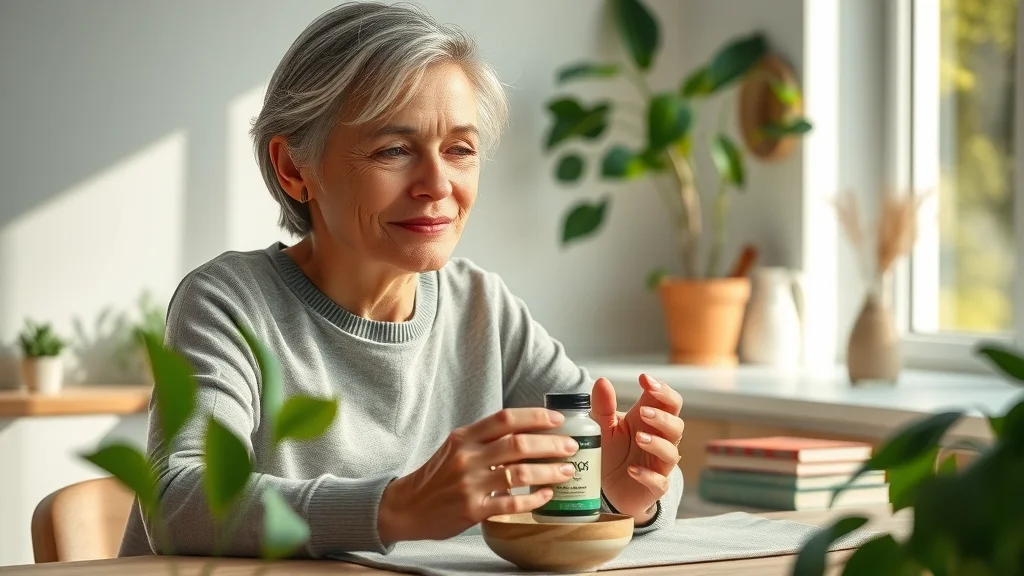
With so many brands on the market, quality is paramount when selecting a ginkgo biloba supplement. Look for products that standardize active constituents (such as 24% flavone glycosides and 6% terpene lactones) and verify purity via independent testing. Avoid products with excessive ginkgolic acids, which can be toxic.
Ideal dosage and timing for ginkgo biloba: Most studies use 120–240 mg per day, split into 2–3 doses. Take with meals if you experience sensitivity.
How to read labels and choose trusted brands: Seek out independent certification (e.g., USP, NSF) and clear identification of plant part used (leaf extract preferred over seeds or nuts).
Advice for maximizing the benefits and minimizing risks: Always start with a lower dose, watch for any adverse reactions, and speak with your healthcare provider—especially for sensitive groups or if taking other medications.
Case Study: Real-World Improvements with Ginkgo Biloba
A 12-Week Experience: User Journal and Data Analysis
Consider one recent case study involving a motivated middle-aged adult aiming to enhance memory and focus for professional reasons. Over 12 weeks, they tracked supplement use (standardized ginkgo biloba extract, 180 mg daily), mood, and mental performance via a health journal and digital cognitive tasks. Improvements were observed in self-reported attentiveness and reduced “brain fog,” with minimal side effects noted (a mild headache on two occasions).
Data from such real-world experiences show ginkgo can be a positive adjunct for some, but highlight the importance of individualized assessment and regular progress monitoring—echoing what formal systematic reviews conclude: results will vary, and benefits are maximized when combined with healthy lifestyle choices.

Watch our educational explainer video for a visual journey through ginkgo biloba’s evolutionary story, biological marvels, and health benefits—with expert commentary and captivating science animations.
People Also Ask: What Makes Ginkgos Unique?
Expert Answer: What Makes Ginkgos Unique?
Ginkgos are unique due to their status as a 'living fossil,' their resistance to disease and pollution, and unparalleled evolutionary longevity exceeding 200 million years.
People Also Ask: What Is the Downside of Ginkgo Biloba?
Expert Answer: What Is the Downside of Ginkgo Biloba?
Possible downsides include digestive upset, headaches, and increased risk of bleeding. Some studies caution use with certain medications and during pregnancy.
People Also Ask: What Is the Main Benefit of Ginkgo Biloba?
Expert Answer: What Is the Main Benefit of Ginkgo Biloba?
The main benefit is supporting cognitive function and circulation, particularly for older adults, though effects may vary individually.
People Also Ask: Is Ginkgo Biloba Safe for Pregnancy?
Expert Answer: Is Ginkgo Biloba Safe for Pregnancy?
Most experts recommend avoiding ginkgo biloba in pregnancy and breastfeeding because of insufficient safety data and possible risk of bleeding.
FAQs: Everything About What Is So Special About Ginkgo?
Is ginkgo biloba effective for memory improvement?
Some studies show modest improvements in memory, especially among older adults, but results are mixed and more research is needed.Can you grow a ginkgo tree at home?
Yes, ginkgo trees are hardy and adaptable. They can be grown outdoors in many climates—just remember to check zoning guidelines and consider male trees for less mess and odor.How long do ginkgo trees live?
Ginkgo trees are renowned for exceptional longevity, with lifespans of 1,000 years or more reported in historic temple gardens in China and Japan.Does eating ginkgo nuts have health benefits?
Ginkgo nuts are a delicacy in some cultures and contain nutrients, but should be consumed sparingly as they may contain toxic compounds. Always consult a health professional first.

Key Takeaways: The Ginkgo Biloba Verdict
Ginkgo biloba's 'living fossil' longevity is matched by promising, but variable, health effects
Benefits for cognition and circulation are best supported by research
Risks include drug interactions and safety concerns for certain groups—always consult a medical expert
Final Thoughts: What Is So Special About Ginkgo? A Science-Backed Perspective
"While ginkgo’s medicinal use spans centuries, today’s consumers should base their choices on scientific evidence and professional guidance." – Dr. Renee Watson, Registered Herbalist
Ready to explore ginkgo biloba’s benefits? Consult a licensed health professional before adding any supplement to your routine.
If you’re fascinated by the world of natural remedies and how ancient botanicals like ginkgo biloba continue to shape modern wellness, you might also enjoy learning about the science and tradition behind fungal immunity boosters and the remarkable role of medicinal mushrooms.
Delving into these broader strategies can help you build a more holistic approach to health, combining time-honored wisdom with the latest research. Whether you’re seeking cognitive support, immune resilience, or simply a deeper understanding of nature’s pharmacy, expanding your knowledge of these powerful natural allies can unlock new possibilities for your wellness journey. NCWellnessHub.com
Sources
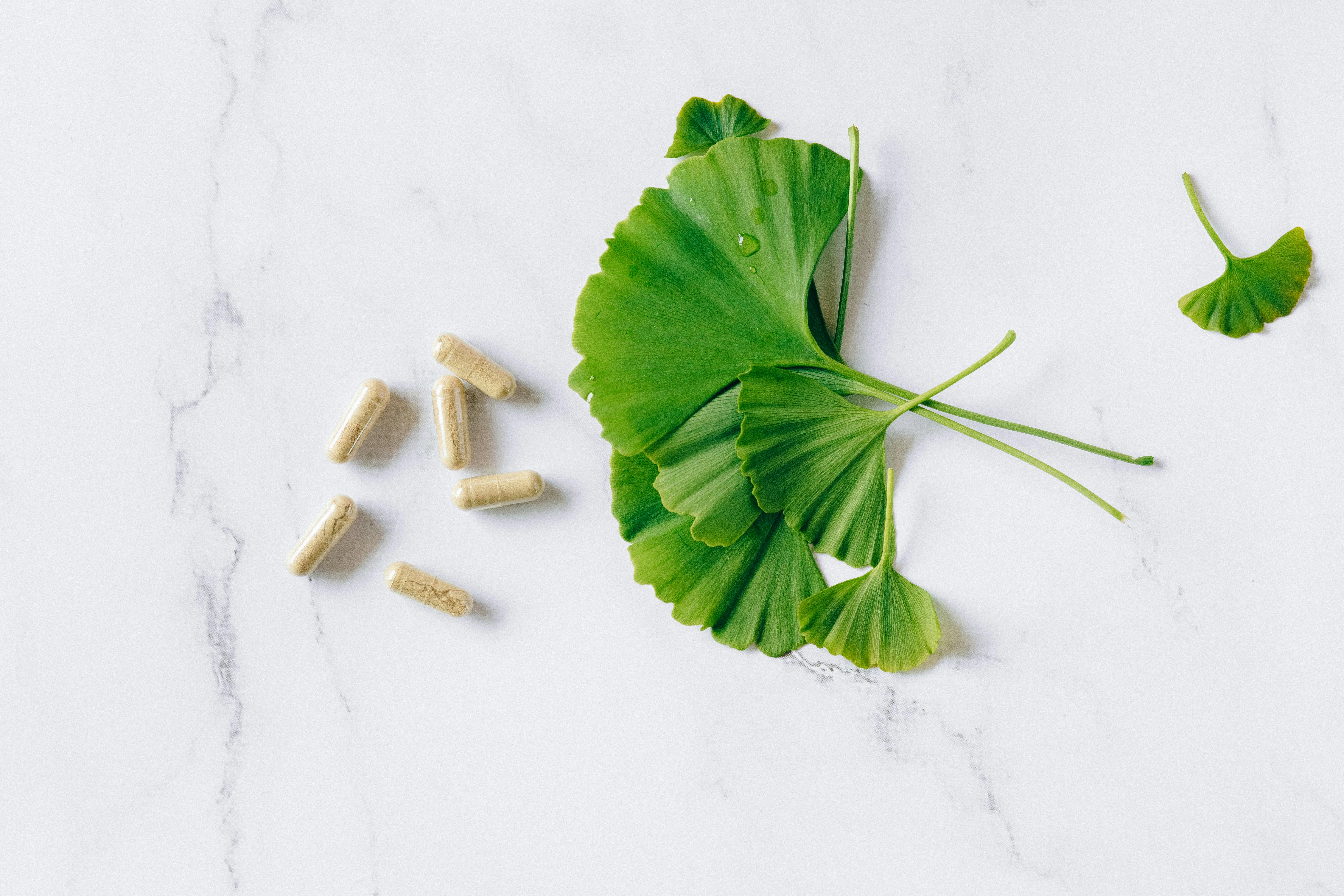
Ginkgo biloba, often referred to as a “living fossil,” is renowned for its unique fan-shaped leaves and remarkable resilience, having survived virtually unchanged for over 200 million years. (en.wikipedia.org) This ancient tree species has been extensively studied for its potential health benefits, particularly in supporting cognitive function and circulation.
Research indicates that ginkgo contains high levels of flavonoids and terpenoids, compounds known for their strong antioxidant properties. These antioxidants help combat oxidative stress, which can damage cells and contribute to aging and various diseases. (healthline.com)
In addition, ginkgo has been observed to improve blood circulation by dilating blood vessels and reducing blood viscosity, potentially benefiting individuals with circulatory issues. (webmd.com)
However, it’s important to note that while some studies suggest ginkgo may aid in cognitive function and alleviate symptoms of conditions like dementia, the evidence is not conclusive.
And know that ginkgo can interact with certain medications and may cause side effects such as headaches, dizziness, or allergic skin reactions. Therefore, consulting with a healthcare provider before incorporating ginkgo into your regimen is advisable. (mayoclinic.org)
In summary, ginkgo biloba stands out not only for its ancient lineage and distinctive botanical features but also for its potential health benefits. While promising, these benefits should be weighed against possible risks, underscoring the importance of informed and cautious use. NCWellnessHub.com


Write A Comment