


We've all hoped for a quick, natural solution to shed pounds safely—but what if those herbal supplements could be harming more than helping? Understanding their true safety and effectiveness isn’t just smart; it’s essential for your health and peace of mind

A Critical Look: Can Herbal Weight Loss Supplements Help You Lose Weight Safely?
Are they a helpful support for sustainable weight loss or a hidden risk disguised as “all-natural”?
Scientific research into herbal medicine for weight loss reveals a complex picture. Some dietary supplements—like those containing green tea extract or garcinia cambogia—have been subjected to clinical trials and systematic review. However, results remain mixed, with only modest effects on weight loss seen and notable risks of side effects, drug interactions, and poorly regulated ingredients.
Experts stress that understanding the science—and seeking guidance from a qualified care provider—is crucial before starting any loss supplement. In this article, we’ll examine the research, highlight the hidden dangers, explore marketing hype, and arm you with expert-backed advice to navigate the crowded world of weight loss supplements.
-
What You'll Learn
The science behind the safety and effectiveness of herbal weight loss supplements
Risks and side effects associated with popular loss supplements
How to evaluate dietary supplements and herbal medicines for weight loss
Expert and celebrity opinions on losing weight with herbal remedies
Key questions to ask before starting a herbal loss supplement
Understanding Herbal Weight Loss Supplements: What Are They and How Do They Promise Weight Loss?

Herbal weight loss supplements are products derived from plants—roots, leaves, seeds, or extracts—used to support weight management efforts. Throughout history, cultures worldwide have turned to herbal medicine for everything from mild appetite suppression to metabolic support. In modern times, these remedies are sold as dietary supplements, often touting a “natural” approach to help people “lose weight.”
Each promises fat burning, reduced hunger, or accelerated metabolism, but do these claims stand up to scrutiny? Marketers point to centuries of traditional use and emerging science, yet regulatory oversight for these dietary supplements remains far less stringent compared to prescription medications
“Many people believe that 'natural' means 'safe,' but herbal medicines can carry serious risks just like pharmaceuticals.” - Dr. Lisa Tran, Clinical Pharmacologist
Definition and history of herbal medicine use in weight loss
How herbal medicines and dietary supplements claim to help lose weight
Popular types of herbal weight loss supplements (green tea, garcinia cambogia, etc.)
Evaluating the Safety and Effectiveness of Herbal Weight Loss Supplements: Scientific Evidence and Systematic Review Findings

The safety and effectiveness of herbal weight loss supplements have been explored in numerous systematic reviews and clinical trials. Analyzing recent research led by the Charles Perkins Centre at the University of Sydney, as well as data from the Boden Collaboration for Obesity, reveals a complicated landscape.
Supplements like green tea extract have demonstrated mild weight loss, with most users losing less than five pounds over several months. Other ingredients, such as garcinia cambogia and bitter orange, show inconsistent results, and meta-analyses caution that benefits are often offset by increased risks of side effects compared to placebos.
While some dietary supplements offer modest support for weight management, none outperform traditional methods centered around balanced nutrition, physical activity, and sustainable lifestyle changes. Clinical trials often note increased rates of side effects like digestive upset, elevated blood pressure, and, in rare cases, liver injury.
Importantly, regulation in the supplement industry is less rigorous than for prescription medications, leaving gaps in safety assurance for the consumer. A transparent, evidence-based approach—and consultation with a healthcare professional—is essential for navigating this uncertain terrain.
For those looking to enhance their weight loss journey with added support and accountability, exploring the role of community can be just as impactful as choosing the right supplement. In fact, joining weight loss support groups has been shown to boost motivation and long-term success, offering a practical complement to any wellness strategy.
Table: Major Herbal Weight Loss Supplements vs. Effectiveness & Reported Side Effects
Supplement |
Key Ingredient |
Reported Effectiveness |
Common Side Effects |
Notable Warnings |
|---|---|---|---|---|
Green Tea Extract |
Catechins, Caffeine |
Modest weight loss, increased metabolism |
Insomnia, jitteriness, liver toxicity (rare) |
Avoid with heart or liver conditions |
Garcinia Cambogia |
Hydroxycitric acid |
Slight appetite suppression, inconsistent weight loss |
Nausea, digestive issues, potential liver damage |
Linked to rare but serious liver injury |
Bitter Orange |
Synephrine |
Mild fat burning, questionable effectiveness |
Increased blood pressure, heart palpitations |
Risky for those with cardiovascular conditions |
Raspberry Ketones |
Raspberry extract |
Insufficient human evidence |
Nervousness, rapid heartbeat (uncommon) |
Safety not established |
Summary of major systematic reviews and clinical studies
Evidence-based effectiveness for weight loss supplement products
Common side effects reported in clinical trials
Do herbal weight loss supplements outperform traditional dietary supplements?
The Risks: Potential Side Effects, Drug Interactions, and Warnings for Herbal Medicines
Despite their appeal, herbal weight loss supplements come with real risks—especially since many users assume “natural” means “harmless.” The most common side effects include nausea, diarrhea, constipation, insomnia caused by stimulants like caffeine, and increased blood pressure. Reports of severe liver damage linked to certain herbal dietary supplements, such as those containing green tea extract or garcinia cambogia, have prompted medical alerts and recalls.
Interactions are particularly dangerous for those on medications for blood pressure, diabetes, or heart disease, as herbal compounds may amplify or block these drugs’ effects. The Food and Drug Administration (FDA) frequently issues warnings about unlabeled ingredients or contamination in loss supplements. Always read labels carefully, and, crucially, inform your care provider before starting any supplement—hidden risks can be life-threatening, not just disappointing.
“It's crucial for patients to inform their healthcare provider before starting any new supplement—herbal or otherwise.” - Dr. Jaime Lee, Board-Certified Family Medicine Physician
Most common side effects linked to herbal weight loss supplements and loss products
Possible drug interactions and contraindications with dietary supplements
FDA warnings and safety alerts for herbal medicines in weight loss
Who Should Avoid Herbal Weight Loss Supplements? Special Considerations and Care Provider Guidance

Certain people should be especially cautious—or completely avoid—herbal weight loss supplements. At-risk groups include pregnant and nursing women, teenagers, older adults, and those with chronic conditions, including heart, liver, or kidney disease, or people managing eating disorders. For anyone taking prescription medications for blood pressure, diabetes, or psychiatric conditions, the risk of interactions is significant.
If you belong to any of these groups, it’s vital to consult a healthcare care provider before starting a new loss supplement. Your doctor or pharmacist is trained to spot dangerous interactions and will help monitor any signs of adverse reactions. Regular check-ins can reduce complications—never assume herbal means safe simply because a product doesn’t require a prescription.
At-risk populations: Pregnant/nursing women, teens, those with health conditions
When to seek medical advice before using weight loss supplements
-
Role of care provider in monitoring supplement safety
-

Comparing Herbal vs. Conventional Weight Loss Supplements: Is Natural Always Safer?
While “herbal” and “natural” are used as marketing buzzwords, not all herbal medicines are inherently safer than synthetic dietary supplements or prescription weight loss supplements. The regulatory environment is especially lax for plant-based loss supplements—in the US, the Food and Drug Administration (FDA) does not require pre-market approval for supplements, only reactively pulling unsafe products after adverse events. By contrast, prescription drugs undergo rigorous safety testing and standardization for both dose and active ingredient potency.
Case studies abound of both helpful and harmful “natural” ingredients: green tea extract and certain fiber supplements have scientific backing, while the likes of ephedra or bitter orange have led to heart attacks and strokes.
When considering a weight loss supplement, science—not anecdote—must come first. As the supplement industry continues to grow, consumers must become savvy about the differences between well-researched herbal medicines and unsubstantiated “miracle weight loss” claims.
“Not all herbal medicines are created equal; some are supported by science, while others are based on anecdote.” - Dr. Monica Patel, Registered Dietitian
Natural vs. synthetic ingredients in weight loss supplements
Regulation gaps for herbal medicines and dietary supplements
Case examples: Effective herbal ingredients vs. risky weight loss supplement claims
Real Results or Hype? Celebrities, Influencers, and the Marketing of Herbal Weight Loss Supplements

Celebrity endorsements and social media trends have dramatically influenced the popularity of herbal weight loss supplements. High-profile figures often share “miraculous” before-and-after photos and testimonials, fueling demand for supplements that may or may not be effective—or even safe.
Marketing tactics ranging from glossy Instagram posts to dramatic influencer videos play on consumer emotion, sometimes pushing loss supplements with no scientific basis.
It’s vital for consumers to distinguish between authentic advice and paid promotion—always ask: what’s the evidence?
“Always ask: What’s the evidence behind this product? As a fitness coach, I warn clients against miracle claims.” – Jordan Brooks, Certified Personal Trainer
Popular celebrity endorsements and social media trends in herbal weight loss supplements
Marketing tactics that overpromise weight loss results
-
Legal actions and controversies involving supplement advertising
-

How to Choose Safe and Effective Herbal Weight Loss Supplements: A Practical Guide
Check for third-party testing and certification on dietary supplements. Look for seals from respected organizations; these verify ingredient purity and correct dosage.
Research the scientific backing for any loss supplement—review clinical studies, not just testimonials.
Consult a healthcare provider before starting any weight loss supplement. Your doctor can help identify interactions and tailor advice to your unique medical history.
Recognize red flags: Avoid proprietary blends that don’t list individual amounts, products with exaggerated “quick fix” claims, and supplements lacking ingredient transparency.
People Also Ask: How did Kelly Clarkson lose weight so quickly?
Summary of public statements and interviews from Kelly Clarkson regarding weight loss supplements and lifestyle changes
Kelly Clarkson’s Reported Weight Loss Methods
Kelly Clarkson’s widely publicized weight loss sparked endless speculation about her methods. However, in interviews, Clarkson herself has denied using herbal weight loss supplements or any unproven quick fixes. Instead, she credits her progress to a focused lifestyle change—including mindful eating, portion control, and incorporating more whole foods.
Notably, she attributes much of her transformation to managing a thyroid condition, highlighting the importance of medical oversight. While rumors of supplement use circulated online, Clarkson’s story serves as a reminder: the healthiest, most effective path to lasting weight loss is grounded in nutrition, moderate physical activity, and medical guidance, not a miracle pill or untested loss product.
People Also Ask: What is the 3-3-3 rule for losing weight?
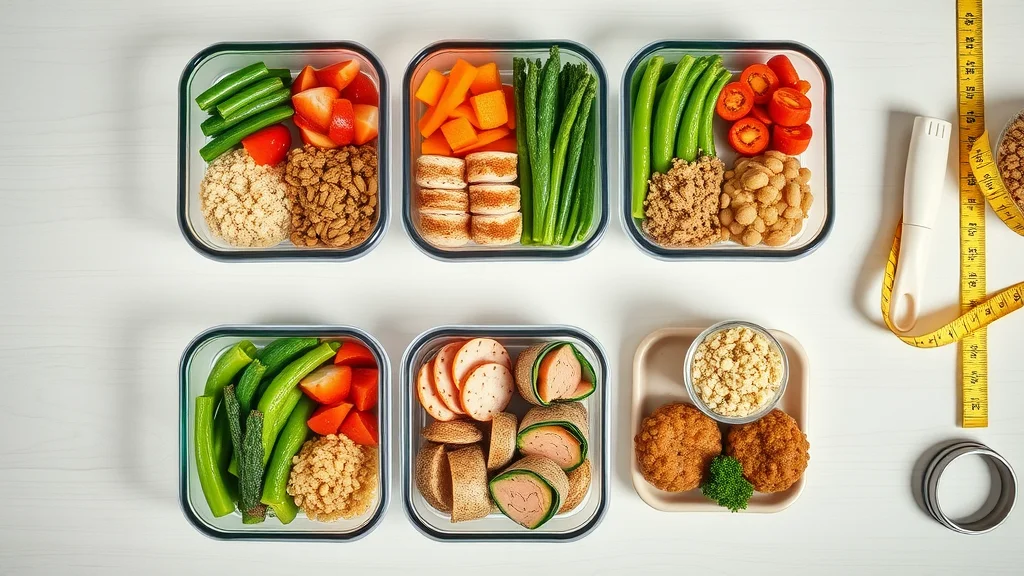
Explanation: The 3-3-3 Approach in Weight Loss and Its Applicability to Herbal Weight Loss Supplements
The 3-3-3 rule is a simple framework some nutritionists recommend for structuring meals: eat three meals each day, with three core food components (protein, vegetable, whole grain), for three weeks as a reset strategy. This technique encourages consistency, balance, and the avoidance of crash diets or reliance on dubious weight loss supplements.
Applied to herbal weight loss supplements, the principle underscores that no supplement is a substitute for real, sustained dietary change. Supplements should never replace balanced meals or serve as a shortcut around the fundamentals of healthy weight management.
People Also Ask: What is the safest and most effective weight loss pill?
Review: Comparing Prescription, Over-the-Counter, and Herbal Weight Loss Supplements for Safety and Effectiveness
When it comes to supplements for weight loss, safety and effectiveness are closely tied to regulation and scientific validation. Prescription weight loss supplement products, like orlistat or phentermine, are approved by the Food and Drug Administration after strict clinical trials. Over-the-counter (OTC) dietary supplements and herbal remedies lack this rigorous oversight, so efficacy and safety can vary dramatically.
Some herbal products, such as those containing glucomannan or green tea extract, show mild benefits but are not risk-free. The “best” weight loss solution is individualized—always consult your care provider to decide whether prescription, herbal, or lifestyle change is safest for you.
People Also Ask: Is herbal medicine safe for weight loss?
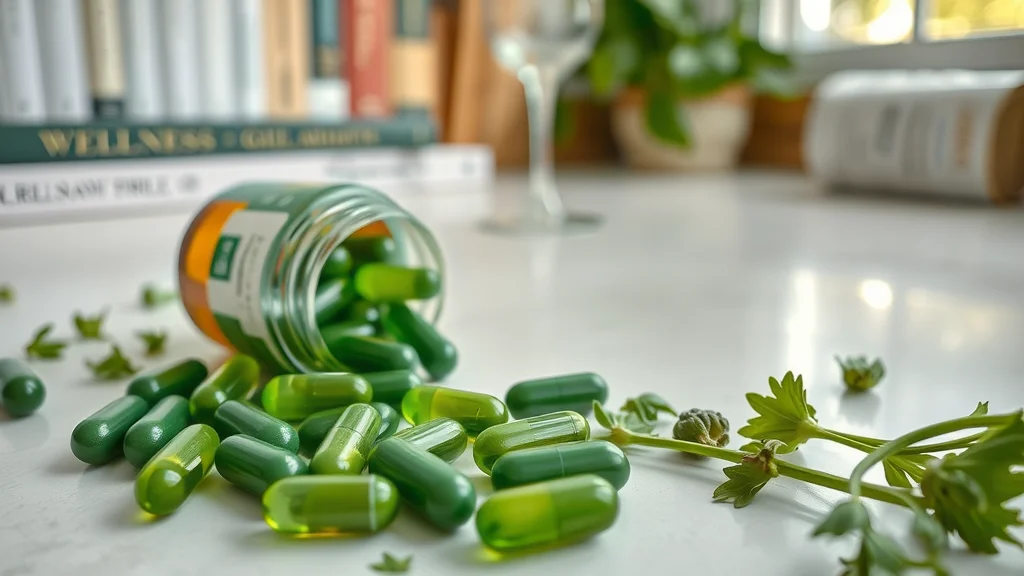
Summary: Scientific Consensus and Cautions for Herbal Medicines and Dietary Supplements in Weight Loss
The scientific consensus acknowledges that while some herbal medicines and plant-based dietary supplements may assist in weight loss—mainly when combined with healthy eating and physical activity—the potential for unpredictable side effects and drug interactions cannot be ignored.
Most medical organizations caution against relying on herbal weight loss supplements as a primary strategy. When considering any supplement, request evidence of safety and effectiveness, insist on full ingredient transparency, and consult a medical professional for personalized advice.

Frequently Asked Questions About the Safety and Effectiveness of Herbal Weight Loss Supplements
Can herbal weight loss supplements cause liver damage?
Yes, certain supplements—especially ones containing green tea extract or garcinia cambogia—have been linked to cases of acute liver injury, though these are relatively rare. Always consult a healthcare provider and discontinue use if you experience symptoms such as abdominal pain, jaundice, or unusual fatigue.Are weight loss supplement side effects always dangerous?
Not always. Mild side effects like digestive upset or jitteriness are common, but some reactions (especially interactions with medications or pre-existing health conditions) can be severe. Always discuss new supplements with your doctor.How do you report adverse reactions to dietary supplements?
If you experience a bad reaction, report it to the FDA’s MedWatch program online or contact your healthcare provider. Early reporting helps track unsafe products and protects other consumers.Do any herbal medicines for weight loss have FDA approval?
No. The FDA does not approve herbal dietary supplements for weight loss; it only acts against those proven unsafe after they’re already on the market.
Key Takeaways: Weighing the Safety and Effectiveness of Herbal Weight Loss Supplements
Scientific evidence on herbal weight loss supplements is mixed; safety concerns remain
Seek professional advice before starting any herbal or dietary supplement
Transparency in ingredients and scientific support is crucial for supplement safety
-
Ongoing personal and scientific evaluation is key for safe and effective weight management
-

Final Thoughts: Is It Time to Rethink Herbal Weight Loss Supplements?
Herbal weight loss supplements are not a one-size-fits-all solution
Prioritize safety, effectiveness, and informed choices over quick fixes
Explore reputable resources and talk to your provider to learn more
If you’re ready to move beyond the uncertainty of supplements and focus on strategies that deliver real, lasting results, consider setting clear, actionable goals for your wellness journey. Discover how to create weight loss goals that actually work and learn why ditching guesswork in favor of proven methods can transform your progress.
For a deeper dive into sustainable approaches and expert-backed tips, explore our comprehensive guide on effective weight loss goal setting—your next step toward empowered, healthy change starts here.
Explore More: Your path to better wellness continues—browse additional topics at: NCWellnessHub.com
References
CDC: Losing Weight – https://www.cdc.gov/healthyweight/losing_weight/
NIH: Dietary Supplements for Weight Loss – https://ods.od.nih.gov/factsheets/WeightLoss-Consumer/
NCCIH: Herbs at a Glance – https://www.nccih.nih.gov/health/herbs-at-a-glance
Charles Perkins Centre – https://www.unsw.edu.au/research/our-research/charles-perkins-centre
Browse additional health, fitness and wellness topics at: NCWellnessHub.com
The article “Are Herbal Weight Loss Supplements Safe?” from the Cleveland Clinic provides an in-depth analysis of how these supplements claim to work, potential side effects, and the importance of consulting healthcare providers before use.


Write A Comment