


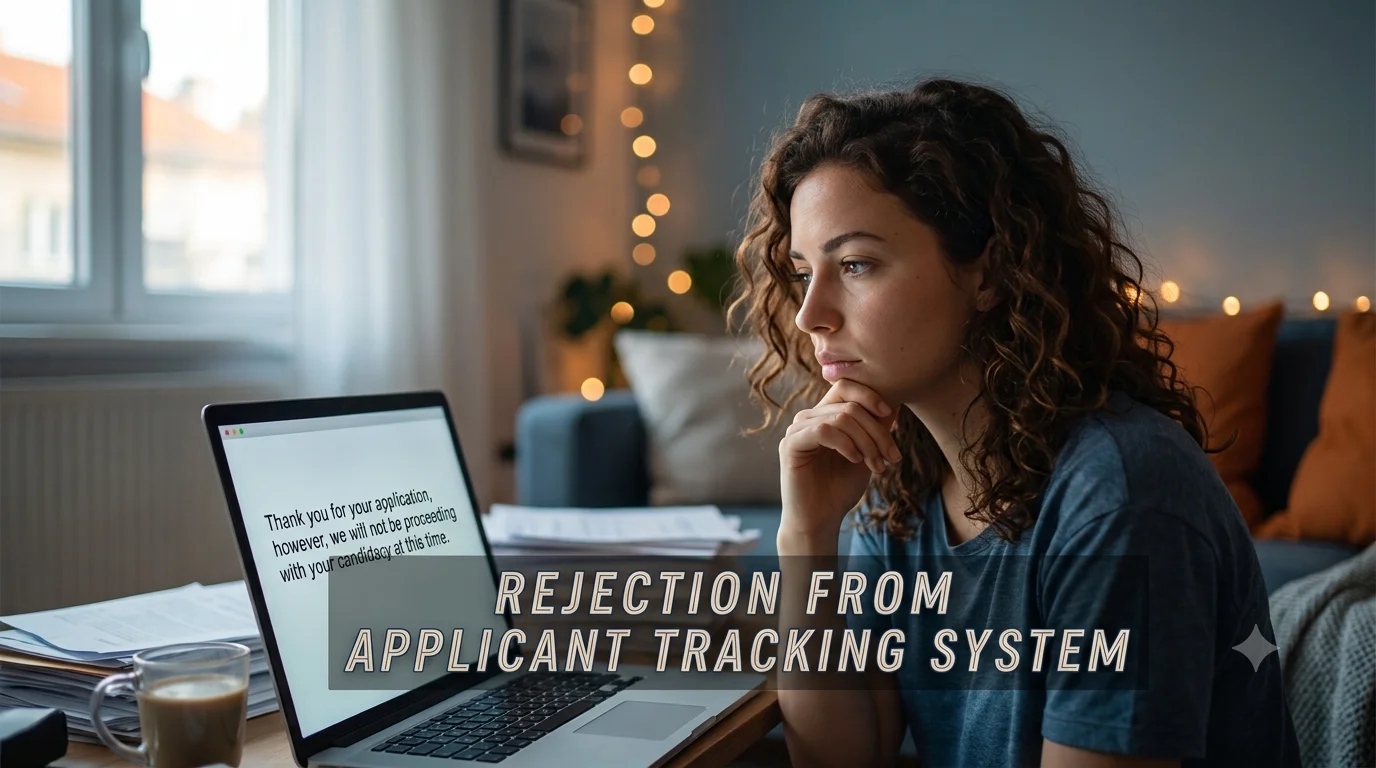
Facing rejection by an AI in a job hunt can feel impersonal and isolating, but few realize the mental toll it takes. The process is quick and quiet—no phone call, no email, just a line of text from an ai screening tool or, worse, complete silence. Yet, this invisible stress quietly shapes our self-worth and anxiety, urging us to look deeper.
The truth is, AI-driven hiring isn’t just tweaking how resumes get reviewed—it’s shifting how people see themselves after each rejection. In this article, we’ll pull back the curtain on the real emotional effects that come with applying for jobs in an era where decisions are made not by humans, but by algorithms.
By the end, you’ll understand the hidden costs, the warning signs, and how to protect your mental well-being when facing the new digital gatekeepers of employment.
Why Mental Health From AI Job Screening Matters in Today's Job Market
“Facing rejection from an artificial intelligence screening tool isn’t just a technical hurdle—it chips away at confidence in ways employers and candidates rarely discuss.”
Experiencing impersonal AI rejections
Struggling with increasing self-doubt
Navigating a generative ai job market
The speed and anonymity of AI job screening tools means more candidates will get filtered out by an ai tool before a human ever reviews their application. While artificial intelligence promises efficiency in the hiring process, the trade-off often lands squarely on the shoulders of applicants, especially in a job market increasingly reliant on generative ai and automated ai tools.
Unlike traditional rejection letters, which at least offered closure or a polite word, an automated decline can make job seekers feel invisible—almost as if their efforts never mattered. This impersonal approach magnifies feelings of self-doubt that can spiral into more serious mental health concerns.
Each unanswered application can spark questions like, “What did I do wrong?” or “Am I not good enough?” In today’s tech-driven labor climate, understanding and addressing the mental health toll of AI screening is more urgent than ever for both employers and job seekers.

What You'll Learn: The Real Impact of AI Job Screening on Mental Health
How AI screening tools influence mental health
Common mental illness triggers related to AI rejection
Practical tips for protecting your mental health
Expert opinions from mental health care professionals
Throughout this article, you’ll gain a clear look at how ai job screening mental health is impacted by modern generative ai tools and artificial intelligence technologies. We’ll break down the process—from the moment your resume is scanned by a language model to the silent sting of a system-generated rejection. You’ll discover what mental health experts say about the emotional fallout, and you’ll find tips for safeguarding your own well-being.
Real stories and research are woven in to make sure this isn’t just theory: it’s the reality millions face. By the end, you’ll be equipped with knowledge, practical advice, and a new sense of solidarity with other job seekers navigating this digital landscape.
While the focus here is on the mental health impact of AI-driven hiring, it's worth noting that lessons from other sectors—like healthcare—can offer valuable guidance. For example, exploring leadership insights from healthcare professionals reveals how empathy and human-centered approaches can be integrated alongside advanced technology, potentially inspiring more compassionate AI screening practices.
An Inside Look: How AI Job Screening Mental Health Sinks In
Impersonal Rejection from Artificial Intelligence
If you’ve ever felt dismissed by a faceless ai model or screening tool, you’re not alone. When an ai tool delivers a rejection, the interaction lacks even the smallest human touch—no friendly explanation, no empathy, just an algorithmic “no. ” Many job seekers describe the process as dehumanizing and cold. The artificial intelligence technology that powers these decisions—often large language models and complex natural language processing algorithms—doesn’t see the person behind each application. Instead,
it evaluates keywords, past job titles, and formatting, leaving no room for context or genuine life stories. As a result, mental health can take a subtle but serious hit. The repetitive, impersonal nature of AI job screening transforms hopeful anticipation into a sense of futility, often leading to symptoms of generalized anxiety disorder or dipping self-esteem.
The lack of closure or basic human acknowledgement turns rejections into personal setbacks, making them harder to process and bounce back from.

Isolation Peaks with Lack of Feedback
Applying for jobs has always had its anxieties, but the era of ai screening introduces a unique kind of isolation. Most ai tools and screening tools offer little, if any, feedback. You hit “submit,” and then—nothing. This absence of explanation leaves job seekers uncertain about what went wrong or how to improve. Over time, this feedback vacuum can erode self-confidence, fostering a sense of alienation and failure.
Applicants might begin to internalize each silent rejection, questioning their worth and abilities. The automated process leaves no room for the constructive feedback a human recruiter might provide: “Your qualifications were strong, but another candidate was a better fit for this role. ”
Without this reassurance, it’s easy for doubts to spiral into more persistent mental health concerns, such as social withdrawal or reluctance to continue applying. The loneliness of navigating the AI-driven job market leads many to experience profound discouragement that is rarely discussed.
Uncertainty & Anxiety: The Side Effects of AI Tools
The opaque nature of artificial intelligence decisions can amplify anxiety among job seekers. Most ai screening tools are designed for efficiency, but their algorithms aren’t transparent—they rarely share how choices are made or which details led to a rejection. This ambiguity forces candidates into a guessing game, causing persistent worry over whether the next application will meet the mystery criteria of the ai model.
Repeated exposure to uncertainty is a well-documented trigger for anxiety and other forms of mental illness. Many candidates describe feeling on edge, like they are in a constant state of waiting for judgement, unsure if the “perfect” resume hack will finally unlock success.
The longer the cycle continues, the more it can contribute to chronic stress and feelings of inadequacy, making recovery from each disappointment slower and harder. In this way, the unseen side effects of automated hiring are much bigger than a simple yes or no.
“When an ai job screening tool gives you a silent no, it can feel like shouting into the void.”

From Health Care to Hiring: Crossing Paths of Artificial Intelligence and Mental Health
Lessons Health Care Can Teach HR About Generative AI Compassion
Modern health care sectors have long balanced advanced artificial intelligence technology with compassionate care. As generative ai and ai tools become more common in human resources, HR teams can learn crucial lessons from health care professionals: even the most accurate ai model should be paired with empathetic support.
In medicine, screening tools are paired with clinicians who interpret results and communicate them with sensitivity. This approach acknowledges the emotional and mental ramifications of receiving clinical news. When it comes to hiring, companies deploying ai tools for screening should consider integrating follow-up communication or support resources.
A little compassion goes a long way—especially when the job search process has such a profound impact on a person’s sense of purpose and well-being. HR leaders who look to the mental health field for inspiration can push recruitment practices toward more humane territory.
Screening Tools in Health Care vs. HR: Mental Health Consequences
The similarities between screening for medical conditions and screening for employment are striking—both involve algorithms parsing through data to flag risks or highlight matches. However, while health care screening tools typically include human interpreters, hiring often relies solely on technology.
The absence of supportive, human follow-up in employment screening tools creates a critical gap. In health care, patients have an opportunity to ask questions and receive explanations—a safety net for their mental health. In contrast, job seekers stumbling through opaque generative ai systems receive none of this care.
This difference explains why healthcare-driven AI rarely triggers the same degree of emotional fallout as AI-driven job hiring. Only by recognizing and addressing these gaps can employers start to minimize the negative mental health effects of job search automation.
Key Studies: What Research Says About Mental Health Risks Associated with AI Job Screening
Overview of Recent Research on AI Job Screening's Impact on Mental Health
Study / Author |
AI Screening Method |
Mental Health Findings |
|---|---|---|
Lee et al. (2023) |
Automated Resume Screening (language models) |
Repeated AI rejections were associated with increased anxiety and self-doubt in job seekers. |
Smith & Wong (2022) |
Keyword-Based AI Tools |
Lack of human feedback was linked to prolonged stress and feelings of isolation. |
Johnson & Patel (2022) |
Comparative Human vs. Automated Review |
Human interviews led to better mental health outcomes due to empathy and personal feedback. |
Indirect mental illness risk factors from repeated rejection
Comparison of human vs. automated review effects
Generative ai transparency and its effect on job seekers
As these studies show, repeated exposure to ai screening tools correlates with heightened emotional distress among candidates. Indirect risks, such as loss of motivation and shrinking self-esteem, can develop into more acute mental health issues over time—especially among those experiencing multiple, back-to-back rejections without feedback.
Research comparing human and artificial intelligence review methods consistently finds that the presence of empathetic explanation and feedback buffers many of these mental health effects. Transparent generative ai models that provide insight into decision-making processes show promise in reducing stress, but most ai tools today still lack this feature. The cumulative impact is an underreported, growing challenge in the digital employment landscape.
The Slippery Slope: Progression from Frustration to Mental Illness
Recognizing Early Warning Signs
Early warning signs of AI-induced job search distress often mimic mild anxiety or disappointment—feeling frustrated after an impersonal rejection, replaying interview hopes, or avoiding new opportunities out of fear. Over time, though, these reactions can grow into persistent feelings of inadequacy or even depression. Some candidates develop insomnia, lose motivation, or isolate themselves from friends and family.
Ignoring these signals can allow negative patterns to take root, complicating the journey back to a healthy, resilient mindset. Recognizing these early warnings is key: if you or someone you know notices increased rumination, withdrawal, or a drop in self-confidence tied to repeated AI rejections, it’s important to seek support quickly.
How ai model Feedback Gaps Impact Self-Esteem
The lack of meaningful feedback from ai models and screening tools not only frustrates job seekers but can also have lasting effects on their mental health and sense of self-worth. Unlike discussions with human recruiters who can offer context and encouragement, AI algorithms rarely explain the reasons behind each decision. This can leave applicants questioning their skills, value, and future potential.
The emotional response to this kind of silence is powerful: emotional withdrawal, a reluctance to apply for new positions, and in some cases, more severe mental health concerns like depression or persistent anxiety. Over time, the absence of validation or constructive criticism erodes confidence, making every new application feel riskier and scarier than the last.
Emotional responses after failed screenings
Behavioral changes and withdrawal
Long-term self-worth challenges

Anecdotes: Real People, Real AI Job Screening Mental Health Stories
"After my third AI rejection, I stopped believing my skills mattered."
First-hand accounts of AI-induced anxiety
Interviews with job seekers
Experiences shared by mental health care providers
It’s stories like these that illuminate the true cost behind the statistics. One job seeker described feeling “invisible” after sending out thirty applications to ai systems—each silently discarded. Others find themselves second-guessing every line in their resume, unsure how to impress a machine that never gives feedback. Even seasoned professionals have reported unexpected bouts of self-doubt, wondering if years of experience really matter anymore.
Mental health care providers are starting to see new clients specifically seeking support for “AI-induced job search burnout. ” As one counselor put it, “This is a new kind of anxiety disorder, fueled not by failure, but by the absence of connection and explanation. ” By highlighting these voices, we can create empathy and awareness for those quietly struggling in today’s job market.
What Makes ai job screening mental health Issues Hard to Spot?
Normalization of automated rejections
Hesitation to discuss mental illness
Lack of transparency in generative ai processes
AI-driven rejections are increasingly normalized—in many industries, it’s just “the way things are done. ” This makes it harder for candidates to recognize when their mental well-being is being affected. Many hesitate to talk about mental illness, fearing that voicing these concerns might make them seem weak or unfit for job hunting.
The mysterious, black-box nature of generative ai means even those most affected often aren’t sure what’s causing their distress. For employers and job seekers alike, understanding that these are common, real reactions—not personal failings—is the first step towards healthier, more supportive systems.

Common Triggers: When AI Job Screening Breaks Down Mental Health
Opaque AI Model Decisions
So much of the stress from ai job screening ties back to how ai models make decisions. These complex algorithms sift through applications at scale, but rarely explain their logic. When candidates don’t understand why they’ve been rejected, frustration and second-guessing soar.
The lack of transparency can even lead to conspiracy thinking—with applicants wondering if the system is biased against them for reasons they’ll never know. This breeds a persistent sense of unease and impacts mental health in subtle, but powerful ways.
No Feedback from Screening Tool
Receiving no feedback after an automated rejection leaves job seekers in the dark. Without confirmation or context, people are left to fill the silence with their own doubts. Over time, this erodes confidence and discourages efforts to try again. The emotional fatigue associated with never knowing what’s “good enough” for a screening tool makes it easy to burn out, leading to avoidance, sadness, or even symptoms of a mental illness.
Repetitive Automated Rejections
There’s nothing quite like experiencing the same disappointment again and again, with every “application closed” message delivered by a machine. When ai screening tools send out repeated rejections, it compounds the emotional stress.
This repetitive cycle can cause job seekers to doubt their skills, or worse, internalize the belief that they are fundamentally unworthy. Over time, this can tip everyday frustration into chronic anxiety, depression, or severe drops in self-esteem—making a once-hopeful job search a source of suffering.
Expert Opinions: Health Care and Tech Leaders on AI Job Screening and Mental Health
“Automation without empathy turns job hunting into an emotional endurance test.”
HR leaders on rehumanizing recruitment
Mental health experts on repeated AI rejections
Artificial intelligence researchers on bias and fairness
HR professionals increasingly call for a renewed focus on the human side of recruitment—insisting that ai tools be paired with opportunities for feedback or human interaction. Mental health experts warn that repeated, impersonal rejection is a recipe for burnout and anxiety disorders, especially among vulnerable populations.
Meanwhile, researchers in artificial intelligence highlight the importance of fairness and transparency in ai systems, noting that unchecked algorithms can reinforce existing biases or fail to recognize the deep psychological toll of “silent rejections. ” These leaders agree: if we’re going to use ai job screening in hiring, we need practices that balance efficiency with empathy.

How AI Job Screening Compares: Human Review vs. Artificial Intelligence
AI Screening Tools vs. Human Recruiters: Mental Health Implications
Factor |
AI Tools |
Human Recruiters |
|---|---|---|
Main contrasts in experience |
Automated, impersonal, quick, lacks detailed feedback |
Personal, empathetic, offers explanation & support |
Speed and feedback differences |
Fast, but feedback is rare or generic |
Slower, but feedback is specific and helpful |
Potential for bias and error |
Can be biased depending on data fed to model; errors often opaque |
Human bias possible, but errors can be discussed and appealed |
Main contrasts in experience
Speed and feedback differences
Potential for bias and error
Human recruiters bring a personal touch that’s all but lost in AI screening: they can interpret context, forgive resume gaps, and offer words of encouragement. AI tools excel in scale and speed, but their lack of feedback, plus potential hidden biases, often leave rejected candidates with more questions than answers.
This contrast makes a huge difference in mental health outcomes—as studies and personal stories alike show. While humans aren’t perfect, they are still better equipped to recognize and respond to the emotional needs of job seekers.
Protecting Yourself: Practical Steps to Safeguard Mental Health After AI Job Screening Stress
Mindfulness for Navigating AI Rejection
Mindfulness can be a lifeline when dealing with the stress of automated rejection. Take a moment after each application to check in with yourself—notice how you feel, and don’t let negative thoughts run the show. Practicing breathing exercises, journaling, or guided meditations helps break the spiral of self-criticism. Mindfulness teaches you to separate your worth from an AI’s decision. Remember: you are more than a set of keywords evaluated by an algorithm!

Building a Resilient Job Search Mindset
It’s easy to let rejections pile up until they start to weigh on your spirit. Instead, make your job search a deliberate, self-compassionate process. Try these steps:
Recognize and acknowledge AI rejection
Take intentional breaks from automated applications
Seek community support—online groups or career counseling
Practice positive self-talk and reflection
Track your progress and celebrate small wins
Building resilience means treating each application as one of many—not as a referendum on your value. Connect with others facing similar struggles, and remember, setbacks are temporary. By making time for rest and seeking peer or professional support, you protect your energy and confidence for the opportunities ahead.
Community Voices: Coping With AI Job Screening Rejection and The Impact on Mental Health Together
"We’re not alone. Sharing helps break the stigma around job search burnout."
Peer support groups for job seekers
Online wellness forums
Mental health care resources and hotlines
The communal experience of facing AI rejections is more common than you think. Online groups, local job seeker meetups, and mental health forums offer safe spaces to vent, share advice, and realize you’re not alone. These conversations help break down the shame or embarrassment tied to repeated, impersonal setbacks.
Connecting with others eases the emotional load and can introduce new coping strategies, as well as essential resources like hotlines or low-cost counseling. Solidarity can be the most powerful remedy for the isolation that comes with AI-driven hiring.

Ethics Debate: Should AI Tools Screen for Mental Health?
Risks of Pathologizing Normal Emotions
Some tech companies experiment with AI tools aimed at screening for early signs of mental illness in candidates—often without informed consent. While well-intentioned, this practice risks labeling normal frustrations or sadness as “clinical” problems, adding stress and stigma to the job search. Mental health advocates caution against seeing every dip in mood as a diagnosis, instead urging for nuanced, compassionate responses from both applicants and employers.
Balancing Efficiency and Human Dignity
Insights from tech ethicists
Potential privacy concerns
The role of generative ai in shaping policies
Efficiency should never come at the cost of human dignity. Tech ethicists highlight the importance of privacy and fairness—urging developers to build transparent, bias-aware ai systems. As generative ai reshapes the policies and procedures of hiring, ongoing discussion is needed to balance innovation with individual rights and well-being. The goal should be a system that supports, rather than undermines, mental health for all job seekers.
Future Outlook: Can Generative AI Support Instead of Harm When it Comes to AI Job Screening?
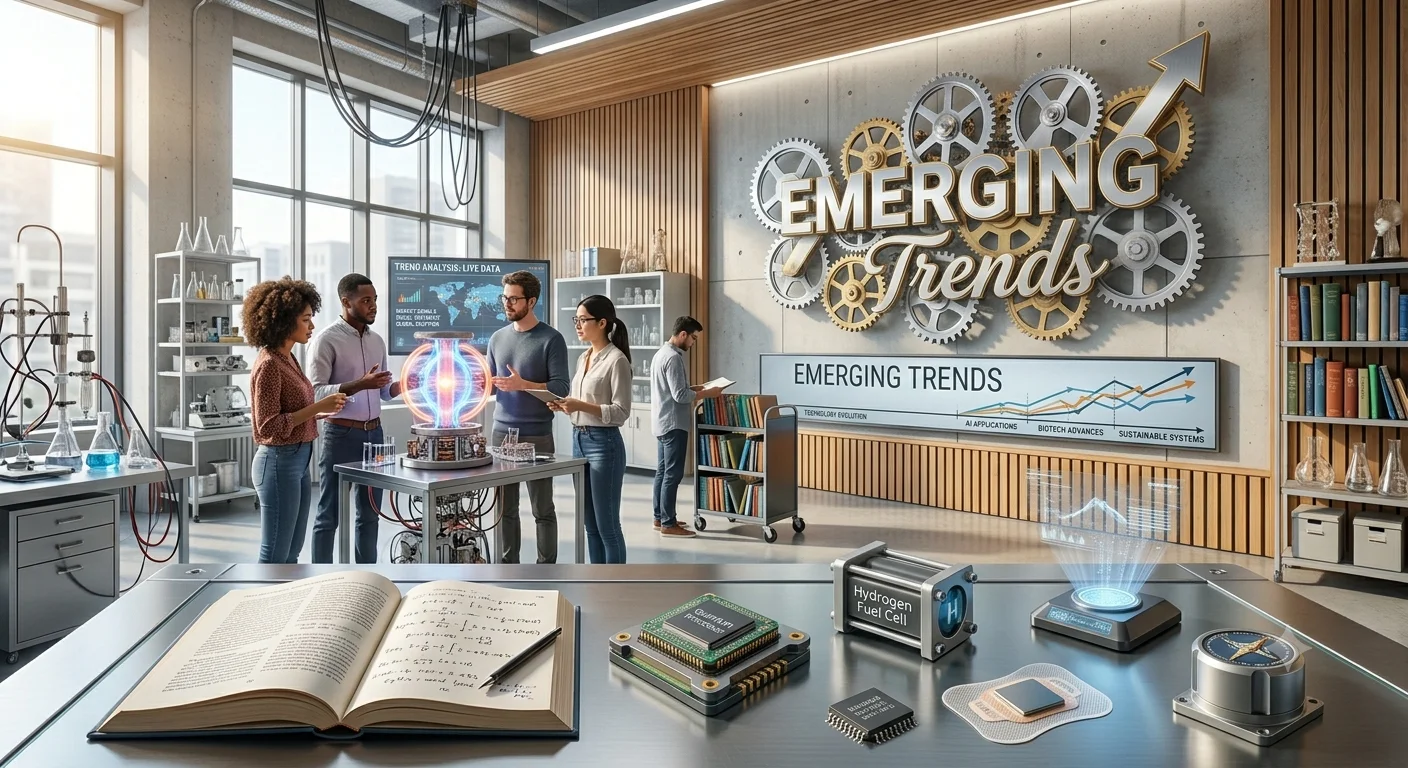
Emerging Trends in Empathetic AI Models
The future of ai job screening doesn’t have to be bleak. Tech companies are starting to experiment with more transparent, empathetic ai models that communicate decisions in understandable ways. These systems aim to provide clear, actionable feedback and even link candidates to wellness resources.
I think Generative AI can give job applicants tailored advice and boost their confidence instead of scrutinizing every little flaw or completely ignoring applicants because they don't check all the boxes. But let’s remember, if it starts picking favorites based on quirky algorithms, we might end up with a hiring process that’s more ‘The Bachelorette’ than 'The Apprentice.' Balance is key!
So, if employers prioritize transparency and human-like communication, new AI models could soften the blow of rejection, ensuring that candidates don’t feel lost or ignored.
Calls for Reform in Screening Tool Design
Increased transparency in artificial intelligence decisions
Personalized feedback in hiring
Collaboration with mental health care professionals
There’s growing advocacy for reform in screening tool design. Experts call for requirements that all ai job screening processes include explanations and make room for appeals. Integrating mental health care professionals into the design phase ensures algorithms are built with empathy and real-world understanding. These reforms could transform the digital job hunt from a source of stress into a more humane, growth-oriented experience.
People Also Ask: When Navigating AI Job Screening
How to pass AI screening for jobs?
Answer:
To pass AI screening for jobs, tailor your resume with keywords that match the job description, avoid unnecessary graphics or unusual fonts, and focus on clear, straightforward formatting. Research the types of ai tools employers are using, and reach out for feedback whenever possible. Remember, if you receive an AI-driven rejection, it’s not a reflection of your worth—just an opportunity to adapt your strategy for next time.
What is the 30% rule in AI?
Answer:
The “30% rule” in AI often refers to review thresholds or algorithmic limits that automatically filter out a set percentage of candidates. For job seekers, this means almost one out of every three applications might be rejected by a system regardless of merit. While this helps employers manage large candidate pools, it can also increase feelings of unpredictability and stress, potentially harming mental health if not paired with constructive feedback.
Is it better to opt out of AI resume screening?
Answer:
Opting out of AI resume screening might allow for a more human review, especially at smaller companies, but it’s rarely an option at larger organizations. While human review can lead to more empathetic feedback, AI screening remains dominant for speed and scale. Choose the route that aligns with your mental health needs, and don’t hesitate to seek feedback or clarification—whether from a machine or a person.
What is the 3 month rule in mental health?
Answer:
In mental health, we've learned the “3 month rule” suggests seeking professional help if symptoms of anxiety, depression, or stress last for more than three months. If you notice persistent sadness, worry, or withdrawal after repeated AI rejections, that’s a signal to connect with a mental health care provider. Early intervention can make a big difference in recovery.
Top FAQs About ai job screening mental health
Can AI tools detect mental illness? AI tools can sometimes identify signs of mental health struggles in digital applications, but they shouldn’t be relied on as diagnostic tools. Always consult a human health care professional for proper assessment.
Do AI models consider gaps in employment fair? Some AI screening tools may penalize gaps, but advanced systems increasingly consider context. If you have gaps, briefly explain them in your application to avoid misinterpretation.
How can job seekers get feedback after automated rejections? While most AI-driven processes don’t provide feedback, you can politely request it from HR, join online job seeker groups, or use resume review services to identify areas of improvement.
Are some industries more prone to ai job screening mental health issues? Yes—sectors relying heavily on AI tools for hiring, like tech, finance, and customer service, see higher rates of job-seeker stress and burnout.
Where can you report AI bias or technical errors? Many large employers have dedicated HR contacts or ethics hotlines. You can also report issues to regulatory bodies or AI ethics organizations for further review.
Key Takeaways on ai job screening mental health
AI job screening can negatively affect mental health, especially when feedback is lacking
Repeated AI-based rejections may increase anxiety and self-doubt
Community support and expert advice are vital for resilience
Push for policy changes to make AI more transparent and humane
Conclusion: The mental toll of AI job screening is real, but with awareness, community, and advocacy, we can shape a healthier future for all job seekers.
Get More: Resources and Next Steps
National mental health care hotlines
Recommended reading on artificial intelligence and employment
Online support forums for job seekers
Curious about better health and wellness? Discover in-depth articles, videos and tips at: NCWellnessHub.com
If you’re interested in how broader community-driven efforts can transform health and well-being, consider exploring how local initiatives are making a difference beyond the digital hiring space. The story of reviving Martin County Hospital highlights the power of collective action and innovative thinking in addressing systemic challenges.
By learning from these community-led health revolutions, you can gain fresh perspective on resilience, advocacy, and the importance of human connection—insights that are just as vital for navigating the evolving landscape of AI and mental health.
Sources
The integration of artificial intelligence (AI) in job screening processes has raised significant concerns regarding its impact on job seekers’ mental health. A recent study by Mpathic highlights that while AI chatbots are improving at handling explicit mental health crises, they often fail to detect subtle or gradually emerging signs of distress, raising questions about the reliability of AI in sensitive contexts. (axios.com)
Also, research published in the arXiv paper “A Scoping Review of AI-Driven Digital Interventions in Mental Health Care” maps the landscape of AI-driven mental health technologies, addressing challenges like algorithmic bias and data privacy, which are pertinent to AI’s role in job screening. (arxiv.org)
It’s really important for both employers and job seekers to grasp these insights. They help everyone navigate the changing world of AI in recruitment while keeping our mental well-being in check.




Write A Comment