NC Wellness Hub
update
North Carolina Wellness Hub
update
  • Home
  • Categories
    • Wellness
    • General Health
    • Holistic
    • News
    • Living & Travel
    • Lifestyle
    • Fitness & Exercise
    • Mental Health
    • Stress Management
    • FEATURE
    • Sleep
    • Allergies
    • Medicines & Supplements
    • Weight Loss
    • Kids Health
    • Fertility & Pregnancy
    • Cancer
    • Heart Health
    • Skin & Hair
    • Arthritis
    • Dental
    • Vision
    • Digestive
    • Bone Health
    • Sports Performance
  • About Us
  • Editorial Standards
July 04.2026
1 Minute Read

What Happens to Your Brain During a Waterfront Vacation?

Imagine the soothing waves washing away stress, your mind unclenching with each gentle breeze. Waterfront vacations aren’t just escapes—they’re vital for your mental health, recharging creativity and emotional balance. Discover how these serene moments deeply heal and refresh your brain, making every trip a boost to your well-being.

Unlocking the Mind: How Your Brain Changes During a Waterfront Vacation

  • Overview of the transformative effects on your brain during a waterfront vacation

  • Introduction to cognitive flexibility, stress relief, and the multisensory benefits of visiting the beach

When you embark on a waterfront vacation, the effects on your brain extend far beyond a simple change of scenery. Research shows that visiting the beach can genuinely alter brain waves, restructure neural pathways, and encourage the release of feel-good chemicals. The calming sight and sound of the ocean waves serve as good medicine for the mind and body, offering relief that daily life rarely provides.

From the subtle shifts in mental clarity and cognitive flexibility to a decrease in stress levels, the beach environment provides what experts call a "restorative environment"—one in which attention, creativity, and emotional health rebound rapidly.

Delving deep into the science of waterfront escapes, you’ll find that the benefits go well beyond relaxation. Time spent surrounded by water immerses you in multisensory experiences that can dramatically improve mental health for working adults, weary parents, and anyone caught in the cycle of everyday life.

By stepping outside your comfort zone and into the rhythmic embrace of nature, you introduce your brain to an environment richly designed to foster soft fascination, a meditative state that refreshes attention and lifts mood. This is the start of understanding why a simple trip to the beach feels like pressing the reset button for your mind.

Serene beach landscape with soft waves, inviting shoreline, seashells, gentle surf, and shimmering water - your brain during a waterfront vacation?

What You’ll Learn About Your Brain During a Waterfront Vacation

  • The science behind mental rejuvenation by the water

  • Key psychological and neurological shifts

  • Expert insights and practical benefits

In this ultimate guide, you'll uncover how spending time near water isn’t just a luxury—it's a necessity for sustained neurological well-being. We’ll examine exactly how your brain during a waterfront vacation functions differently, supported by recent academic studies and direct commentary from medical professionals. You’ll learn why the ocean’s horizon calls up a powerful sense of awe that recharges your brain regions dedicated to creativity and focus.

This exploration covers the complete guide to brain health at the water, including how multisensory input (sights, sounds, scents) amplifies cognitive flexibility, how restful sleep is easier to achieve, and how stress-related brain activity actually decreases. Along the way, we'll explain the subtle neurochemical changes, practical steps you can take, and highlight actionable takeaways to bring these healing elements back into your daily life.

While a waterfront vacation offers a powerful reset for your mind, there are also everyday strategies to support emotional well-being. For instance, incorporating simple habits like laughter can provide immediate mood boosts and stress relief—discover more about the emotional benefits of laughter and how it enhances overall wellness in your daily routine.

Sensory Immersion: The Neuroscience Behind Visiting the Beach

How Sound and Sight at the Beach Influence Your Brain During a Waterfront Vacation?

“Gentle waves and wide horizons provide the brain with restorative environments, reducing mental fatigue.” — Dr. Lila Kho, Clinical Neuropsychologist

The beach delivers a multisensory feast—the crash of ocean waves, the reflection of sunlight on water, and the feel of soft sand beneath your feet. Research has shown that these experiences trigger a profound effect on your brain during a waterfront vacation. The sound of water, for instance, aligns your brain waves into a more meditative state, supporting deep relaxation and faster mental recovery.

Visual elements, like the limitless sea or shifting skyline, foster soft fascination—a term psychologists use to describe environments that calm the mind while gently engaging the senses. This backdrop naturally encourages us to close your eyes, breathe deeply, and let go of daily life’s constant demands.

Not only do these settings lower levels of mental fatigue, but they also boost positive emotions and a greater sense of awe. Studies published in reputable news outlets and professional association journals confirm that visits to the beach lower activity in brain regions related to stress and overthinking.

Immersing yourself in such settings can foster neural plasticity and spark a sense of creativity, making the beach more than just a pretty place—it’s a potent elixir for brain health. Spending time outdoors and by the water may offer the ultimate guide to regaining balance and refreshment when daily life feels overwhelming.

Relaxed person sitting on a beach listening to the waves, calm mood, edge of surf, soothing ocean waves for your brain during a waterfront vacation

Cognitive Flexibility and Creativity Amplified by Your Brain During a Waterfront Vacation?

  • Boosting problem-solving and novel thinking through exposure to aquatic environments

  • What medical research reveals about visiting the beach and cognitive flexibility

Cognitive flexibility, or your brain's ability to adapt and generate new ideas, is significantly heightened by spending time in natural, waterfront settings. Neuroscientists have found that the gentle unpredictability of ocean waves and the ever-changing conditions at the shore force the mind to step out of its comfort zone, creating ideal conditions for creative thought.

The act of delving deep into an environment rich in distracting, yet non-threatening, stimuli (like soft sea breezes and varied scents) gives the mind and body a break from the relentless focus of daily life. This alternative stimulation has been shown in a study published in a respected science journal to foster the emergence of new neural pathways, encouraging the brain to approach familiar challenges in novel ways.

These unique experiences not only provide a welcome break for working adults but also enhance problem-solving skills—making time at the beach more than just a leisure activity. Medical research demonstrates that “blue spaces”—areas near water—can increase brain flexibility, boost cognitive skills, and leave you feeling more inspired.

The combination of gentle movement, natural light, and the patternless rhythm of ocean waves helps your mind transition into a more open, meditative state. Ultimately, this sets the stage for increased creativity and greater flexibility when you return to everyday life.

Thoughtful adult sketching ideas in a beach notebook, inspired creativity by your brain during a waterfront vacation

Emotional Reset: Stress & Anxiety Relief for Your Brain During a Waterfront Vacation?

Physiological Processes: How Stress Levels Shift by the Water

"Natural water settings promote a decrease in stress-related brain activity and support emotional regulation." — Dr. Omar Stanford, Psychiatrist

One of the most immediate effects of a waterfront vacation is the marked decrease in stress and anxiety. Natural water settings—such as spending time at the beach or strolling along a lakeshore—activate the parasympathetic nervous system, shifting brain chemistry toward rest and recovery.

According to Dr. Omar Stanford, just a few minutes spent absorbing the sights and sounds of ocean waves can lower levels of cortisol, the body’s main stress hormone. This physiological response gives your brain a pause from handling the constant input and pressure of everyday life, allowing it to recalibrate emotional balance.

Medical experts suggest that exposure to water also increases the release of oxytocin—the "bonding" hormone—leading to an overall feeling of safety and connectedness. This release, paired with lowered activity in stress processing brain regions, supports a true emotional reset.

Waterfront vacations, therefore, don’t just provide temporary relaxation; they create lasting neural changes that make us feel more resilient and optimistic upon returning home.

Person breathing deeply on a quiet pier, relaxed and content, calming waterfront for your brain during a waterfront vacation

The Beach, Mindfulness, and Your Brain During a Waterfront Vacation?

  • Why mindfulness comes naturally in waterfront settings

  • How visiting the beach helps anchor your attention

The unique environment of a beach is a natural catalyst for mindfulness. The gentle repetition of ocean waves, shifting clouds, and the tactile sensation of sand beneath your feet draws your attention fully into the present.

Unlike the constant distractions of daily life, these settings encourage you to practice mindfulness with ease. Simply watching the horizon or listening to the swell of the surf anchors your awareness, helping you to enter a meditative state almost effortlessly.

This ease of attention helps explain why visiting the beach is often described as a "reset" for both mind and body. Mindfulness, when practiced in a waterfront environment, enhances cognitive flexibility while promoting deep relaxation.

Medical studies have found that regular exposure to natural water settings not only helps break cycles of anxious overthinking but also trains the mind to be more present—a skill that can improve everything from decision-making to emotional health once you’re back in your normal routine.

Improved Sleep and Deep Rest: Nighttime Healing for Your Brain During a Waterfront Vacation?

  • Fresh air, natural rhythms, and their impact on sleep cycles

"Seaside vacations are associated with improved sleep quality and a reset of mental fatigue." — Dr. Helen Wu, Sleep Medicine Specialist

Many people notice that spending time near water leads to deeper, more restorative sleep. There’s scientific merit behind this observation: The soothing sounds of ocean waves and the gentle movement of fresh air orchestrate a natural symphony that synchronizes with your body’s circadian rhythms.

According to Dr. Helen Wu, a leading sleep medicine specialist, seaside environments help to dissipate the mental fatigue accumulated in daily life, prompting the brain to enter more stable patterns of rest.

The exposure to natural light during the day—especially that found in open, sunny beach settings—regulates melatonin production, further enhancing your ability to fall asleep and experience deep rest.

Increased physical activity, whether through swimming, beachcombing, or gentle yoga, further primes the body for restful sleep. The result is a true reset: you wake refreshed, alert, and ready to face new challenges with a mind that’s had a chance to fully recover.

Cozy bedroom with open balcony overlooking a moonlit sea, tranquil ambiance promoting brain rest during a waterfront vacation

Neurochemical Bliss: Dopamine, Serotonin, and Your Brain During a Waterfront Vacation?

  • How water activities increase positive neurotransmitters

  • The link between movement, sunlight, and mood while visiting the beach

From the sense of freedom in diving into the surf to the joy of running barefoot through the sand, active experiences at the shore have a direct impact on brain chemistry. Physical activity in sunlight not only increases dopamine and serotonin—essential neurotransmitters that lift mood and support mental energy—but also physically rewires neural pathways to favor states of happiness and well-being. Water itself provides unique sensory feedback that excites the brain’s reward systems, leaving you with that unmistakable feeling of bliss.

Group activities, play, and laughter generate the release of oxytocin and endorphins, which act as natural antidepressants. These effects linger long after you leave the shore, providing a neurological foundation for increased resilience to stress and more positive emotions in the weeks that follow. In this way, a waterfront vacation delivers more than fleeting pleasure; it is a form of preventive care for your brain and emotional health.

Active group playing in surf, joyful expressions, energetic movement—natural dopamine boost during your brain during a waterfront vacation

People Also Ask

Is the beach good for your brain?

Yes, the beach is widely regarded as beneficial for brain health. Medical research and expert opinion converge on the point that time spent near water refreshes key brain regions and lifts cognitive flexibility. Not only does exposure to the beach environment induce a meditative state and improve positive emotions, but it also reduces stress and mental fatigue in a way that daily life rarely can.

Spending time at the shore has become a recommended practice for enhancing mental health and well-being in both adults and children, proving that the ocean is far more than a leisure destination—it’s a natural therapy.

What does it mean when your brain is on vacation?

When your brain is on vacation, it’s operating in a unique mode: neural pathways involved in stress, overthinking, and routine planning recede while those linked with creativity, curiosity, and relaxation become more active.

This doesn’t mean your brain has “shut off”—far from it. Instead, a waterfront vacation prompts cognitive shifts that let you process thoughts differently, foster problem-solving, and nurture a meditative state that re-balances the mind. The experience acts as good medicine, allowing you to return to regular life with renewed energy and sharper focus.

Can a beach trip be good for your mental health?

Absolutely. A beach trip can dramatically reduce anxiety and promote happiness by physically lowering levels of stress hormones and increasing positive neurotransmitters. The multisensory environment—soothing sights, sounds, and even scents—helps your mind break free from negative thought patterns common in everyday life.

Numerous studies published by news outlets and professional associations confirm that time at the beach can support long-term mental health by teaching your brain to shift out of crisis-mode and experience genuine relaxation.

Why is the beach so healing?

The healing power of the beach lies in its status as a restorative environment—places that our brains are evolutionarily wired to seek. The rhythmic movement of water, open horizons, and meditative state induced by ocean waves combine to dilute the mental fatigue and overstimulation of modern life.

From an evolutionary perspective, humans have long sought proximity to water sources for both safety and comfort. Today, the beach's calming features, coupled with the endorphin boost from sunlight and movement, make us feel healed, revived, and ready to reengage with the world.

Woman meditating peacefully on a sun-warmed rock by the water, calm serene beach for your brain during a waterfront vacation

Practical Ways to Enhance Your Brain During a Waterfront Vacation?

  • Simple activities to maximize cognitive benefits while visiting the beach

  • Staying present, digital detox, and mindful movement

To optimize the brain benefits of your time at the shore, consider integrating activities that boost cognitive flexibility and deepen the experience. Practice mindfulness: Sit quietly for a few moments, focusing on the sensation of the breeze, the fragrance of salt air, or the gentle rhythm of the ocean waves. Let this soft fascination anchor you in the present moment.

Engage in activities that require gentle movement and awareness—like walking barefoot on the sand, swimming, or light yoga. Take a digital detox by minimizing your use of smartphones and devices, which can help maintain your meditative state and reduce information overload. Finally, leverage creativity: Sketch, write, or simply let your thoughts wander, giving your brain during a waterfront vacation all the tools it needs to heal and flourish.

Family engaging in light yoga on a sunrise-lit beach, stretching and mindful movement for your brain during a waterfront vacation

“Nature-based escapes like waterfront vacations support sustained neurological well-being and long-term mental balance.” — Dr. Min-ji Park, Integrative Psychologist

The cumulative message from the latest research is clear: Spending time by the water isn’t a mere luxury. It’s a fundamental way to invest in your brain’s health, resilience, and joyful engagement with the world.

Table: Brain Benefits of Visiting the Beach During a Waterfront Vacation

Benefit Type

Examples at the Beach

Science-Backed Effects

Emotional

Relaxation, stress reduction, euphoria, increased happiness

Lower cortisol, increased serotonin and dopamine, release of oxytocin

Cognitive

Creativity, problem-solving, attention restoration

Boosts in cognitive flexibility, new neural pathways, improved executive function

Physical

Better sleep, energy, stronger immunity, healthy movement

Melatonin regulation, circadian reset, endorphin release

List: Quick Tips to Boost Brain Health on Your Next Waterfront Vacation

  • Practice Mindfulness: Take time daily to focus all your senses on your surroundings for a deeper meditative state.

  • Engage in Gentle Movement: Swim, walk, or do yoga to stimulate physical and mental well-being.

  • Take a Digital Detox: Unplug from technology to allow your brain to reset and reconnect with nature.

  • Immerse in Nature’s Rhythms: Match your day to the sun’s natural cycles—sunrise walks, afternoon swims, peaceful sunsets.

  • Try Creative Activities: Sketch, journal, or brainstorm as the sights and sounds of the beach spark new ideas.

FAQs: Your Brain During a Waterfront Vacation?

  • Q: How quickly can you feel the mental benefits of a waterfront vacation?
    A: Many people notice a sense of calm and clarity within minutes to hours of arriving at the beach, thanks to immediate shifts in stress hormones and the meditative effect of multisensory stimuli.

  • Q: Are the brain health benefits of visiting the beach temporary or long-lasting?
    A: While some effects are immediate, such as lowered stress, medical studies suggest that regular trips to water environments can produce lasting improvements in resilience, mood, and cognitive flexibility.

  • Q: Can you create a similar restorative effect for your brain if you can’t get to the beach?
    A: Yes! Listening to recordings of ocean waves or walking near any body of water can trigger similar restorative processes, though the immersive experience of a beach trip offers the greatest impact.

  • Q: Is there a best time of day for maximizing the mental health benefits of the beach?
    A: Early morning and late afternoon tend to be ideal: natural light is gentle, crowds are fewer, and your senses are primed for restful engagement and creativity.

Key Takeaways: Fast Facts on Your Brain During a Waterfront Vacation?

  • Waterfront vacations trigger neurological and emotional healing in your brain.

  • Spending time at the beach promotes cognitive flexibility, creativity, and mindfulness.

  • Mind and body experience real stress relief, positive emotions, and restful sleep.

  • Even short visits offer lasting mental health benefits for daily and long-term well-being.

Continue Your Journey Toward Well-being

  • Your path to better wellness continues—browse additional topics at: NCWellnessHub.com

Conclusion

The next time you feel mentally spent, remember: a waterfront escape is more than a treat—it’s an investment in your long-term brain health and happiness.

If you’re inspired to keep nurturing your mind and body beyond your next beach getaway, consider exploring other holistic wellness strategies that support your mental health year-round.

For a broader perspective on how daily habits can transform your well-being, discover the remarkable impact of regular movement—such as the benefits of walking 7,000 steps a day—by visiting this in-depth guide to walking for health and vitality.

Small, consistent changes can create a ripple effect, helping you sustain the clarity, creativity, and calm you experience by the water in every aspect of your life.

Sources

  • What is 'Vacation Brain'—and Is It Real?

  • Going to the beach is good for your brain, according ... - https://www.nationalgeographic.com/health/article/beach-ocean-mental-health-benefits

  • Does Your Brain Need a Vacation? - https://sbmag.net/does-your-brain-need-a-vacation/

  • Science Finds That Visiting the Beach is Good for Your Brain - https://www.hiltonheadpropertiesrandr.com/blog/science-finds-visiting-beach-is-good-for-brain

  • 4 ways a beach vacation changes your brain - https://www.abc15.com/news/national/4-ways-a-beach-vacation-changes-your-brain-according-to-research

  • How do our brains react when we travel for vacation? - https://blog.xcaret.com/en/how-do-our-brains-react-when-we-go-on-vacation-travel/

Mental Health

0 Comments

Write A Comment

*
*
Please complete the captcha to submit your comment.
Related Posts All Posts

The "Blue Mind" Effect: Why Sitting Near Water Shuts Off Your Brain’s Stress Switch

Ever felt instant calm while sitting by a lake or ocean? That peaceful clarity isn’t just in your mind—it’s science. Discover how being near water genuinely switches off stress, boosting well-being and creativity, making it essential for mental health and happiness in today’s hectic world.The Science Behind Why Being Near Water Is RelaxingThe neurological response of the nervous system to blue space: Being in blue spaces activates the parasympathetic nervous system, which signals relaxation and recovery. The brain's amygdala, responsible for processing stress and fear, shows reduced activity when exposed to calming sights and sounds of water, creating an immediate sense of peace and comfort.How bodies of water stimulate relaxation and lower stress: The gentle sound of waves, rhythmic motion of water, and visual expanse of blue trigger pink noise, a sound frequency that lulls the mind much like white noise but softer. Exposure to these natural cues slows heart rate and reduces cortisol (the stress hormone), producing a measurable drop in anxiety and tension."Spending time near water engages multiple senses, allowing our brains to shift into a more calm, meditative state." – Dr. Wallace J. Nichols, marine biologist and author of Blue MindOur nervous system is designed to react positively to environments that offer a break from overstimulation—a reason why being near a lake, river, or ocean can clear your mental fog almost instantly. Blue spaces provide unique healing power not easily matched by crowded cityscapes or even other types of natural spaces like parks. Research shows that the sights, sounds, and even the smell of a body of water can shift our brains from anxious “red mind” states into restorative “blue mind,” filling us with clarity and quiet.Even a short stroll by the sea or simply sitting by a gently flowing stream ignites our senses in ways modern life rarely allows. The iconic sea air and water’s steady rhythm can lower your heart rate and blood pressure, and the effect is almost universal: people of all ages report less stress and more joy after spending time near water. Understanding the effects of water on our bodies is crucial in appreciating how contact with blue space, whether it’s the ocean, lakes, or rivers, contributes to our mental health and well-being.While immersing yourself in blue spaces can be a powerful antidote to stress, building resilience often requires a combination of daily practices. For those interested in actionable strategies, exploring micro habits that help armor your mind against stress can complement the restorative effects of water and further support lasting mental well-being.What You'll Learn About Why Being Near Water Is RelaxingHow 'blue mind' is different from other mindfulness approachesBenefits of spending time in blue spaces for mental healthWhy blue space offers unique sensory experiencesThe concept of the blue mind effect is transformative, offering approaches to stress relief that differ radically from traditional mindfulness. In this article, you’ll discover why being near water is relaxing from a scientific, psychological, and practical perspective. You will find strategies for integrating blue space into your routine and see how water-centric environments uniquely stimulate our senses.Expect to gain insight into the distinct psychological benefits of blue space compared to green spaces like parks. Learn about the subtle but powerful ways the colour blue and soothing soundscapes of bodies of water support emotional and physical health. Real stories, expert commentary, comparative insights, and actionable lists—this guide provides everything you need to understand and harness the benefits of blue spaces for yourself.Blue Mind and Blue Space: How Water Shapes Our Mental HealthDefining Blue Mind and Blue SpaceThe psychological link between colour blue and emotional response: Studies show that the colour blue—whether in sky or water—is consistently rated as the most calming hue. It lowers anxiety, encourages introspection, and fosters open thinking. Our brains associate the colour blue with safety, tranquility, and possibilities, explaining why water makes time seem to slow down and worries fade away.Pink noise, blue spaces, and water’s calming soundscape: The sound of water is an example of “pink noise,” which is proven to help the brain enter a calm, meditative state. Pink noise, delivered by waves or babbling streams, blocks out harsh sounds and helps the mind recover from overstimulation, lowering heart rate and blood pressure more effectively than random white noise."Our research suggests the colour blue and the rhythmic sounds of water create a unique auditory and visual environment that helps the mind recover from stress." – Dr. Catherine Kelly, environmental psychologistThe blue mind state is a term coined by marine biologist Dr. Wallace J. Nichols. It describes the mildly meditative, peaceful feeling people get when they are close to, in, on, or under water. Blue space refers not only to the physical presence of water but also the sensory experiences water makes possible—sound, touch, and sight working in harmony. It’s not just about scenic beauty; it’s about physiological restoration.When you immerse yourself in a body of water or even sit quietly beside it, your mind quickly shifts from a state of chronic stress (“red mind”) to the restorative calm of “blue mind. ” This is more than a trend in wellness or health care—it’s a documented effect that scientists and environmental psychologists have studied worldwide. The interplay of gentle waves, diffuse colour blue, and the subtle background “pink noise” of water activates our nervous system’s rest-and-digest mode, helping us recharge physically and emotionally.The Nervous System’s Response: Why Being Near Water Is RelaxingWater’s effect on stress hormones and the parasympathetic nervous system: When you’re near water, your body triggers the parasympathetic nervous system. This system is the body’s natural “off switch” for stress, lowering cortisol, reducing blood pressure, and encouraging better breathing and slower heart rate. The biology is clear: exposure to sweet sounds and sights of water promote a state of rest and relaxation.Comparing blue spaces with green spaces for psychological benefits: Green spaces like parks also reduce stress; however, research shows that blue spaces may offer deeper levels of relaxation, likely because of pink noise and the universal comforting associations people have with water.Physical indicators: from lower heart rate to reduced anxiety: Clinical studies note people exposed to blue space show consistently lower heart rate and blood pressure, report fewer anxious feelings, and even experience improved sleep quality.On a physiological level, pink noise from water calms the hypothalamus and limbic system, regions involved with emotion and stress. Being close to water makes our bodies relax involuntarily, resulting in measurable reductions in anxiety, improved heart rate and blood pressure, and a feeling of safety that is hardwired from our evolutionary past. The therapeutic benefit isn’t limited to physical health; emotionally, the experience leaves us uplifted, peaceful, and more creative.While green spaces like parks provide powerful support for wellness, comparative research highlights that adding water to natural scenes takes relaxation several steps further. Blue spaces are especially beneficial for those dealing with chronic stress or anxiety, as water’s multisensory cues provide a potent break from the demands of daily life. The healing power of blue space becomes clear during those moments when the simple act of watching waves or listening to rainfall creates quiet joy and contentment.Spending Time Near Water: Real-Life Benefits and TestimoniesPersonal stories: How time near water improved well-being: Many individuals describe visiting lakes or seas as a “reset button” for their mental state. Accounts from people who suffer anxiety or burnout repeatedly reference a renewed clarity, more positive emotions, and restored sense of control after time near water.The role of water in enhancing creativity and problem-solving: Artists, writers, and entrepreneurs alike report creative breakthroughs after simply walking by a riverbank or sitting beside a pool. Water’s calming background reduces distractions, boosting focus and out-of-the-box thinking."Regular visits to bodies of water have been linked to drastic improvements in mental health and resilience against daily stressors." – Dr. Jenny Roe, professor of environmental psychologyShared stories continue to confirm what studies suggest: spending time in blue space is good for your mental and emotional health. Whether alone in quiet meditation or engaged in playful group activities by the water’s edge, people report stronger feelings of connection, gratitude, and happiness. Testimonies from teachers, caregivers, and those in health care echo the theme of blue space as a safe, uplifting environment that restores energy and quiets anxiety.On the practical side, blue spaces foster creativity and sharpen problem-solving skills. The soothing multitextural cues of water limit the “background noise” of life and make mental space for reflection and inspiration. If you’ve ever taken a walk along a river and returned with a flash of insight—or simply felt better equipped to handle daily hurdles afterward—you’ve experienced another dimension of the blue mind effect at work.Ways to Experience the Relaxing Effects of Blue SpaceSimple activities: Sitting quietly by a riverbank, meditating at a lakeshore, or practicing mindful swimming at a pool. Even a few minutes of focused attention by water can soften tension and refresh your thoughts.Urban blue space: When traveling to the countryside or sea isn’t possible, find local city fountains, waterfront parks, or small ponds. Pause, watch gentle water motion, breathe deeply, and let urban blue spaces provide your daily refresh.Incorporating the colour blue and water features inside your home: Bring the spirit of blue space indoors with tabletop fountains, aquariums, or blue-themed décor. Gentle water sounds and cool blue hues can turn a living room or office into a zone of calm and creativity.Bringing blue space into your life doesn’t require a grand vacation or even close proximity to an ocean—little changes deliver big benefits. Try adding blue decorative elements to your space, queueing up nature soundtracks of gentle water, or visiting your local park fountain. These micro-moments bolster well-being and make it easier to stay centered whatever your week brings.Opportunities for enjoying the effects of water exist everywhere. Consider creating a mindful morning routine with water sounds, or plan a weekly ritual of spending time at the nearest blue or green spaces. Embracing simple activities—like watching raindrops on a window or placing a small fountain near your desk—transforms everyday stress into relaxation and focused joy.Table: Comparative Benefits of Spending Time Near Water vs. Other SpacesSpace TypeStress ReductionSensory ImpactAccessibilityBlue Space (Lakes, Rivers, Oceans)High–very effective at lowering stress, anxiety, and heart rateMultisensory: sound (pink noise), colour blue, tactile coolness, movementVaries: natural blue spaces may require travel; urban blue spaces are increasingly availableGreen Space (Parks, Gardens)Moderate–reduces stress, supports emotional well-beingVisual (green hues), limited sound masking, earthy scentsGenerally high: accessible in most residential areasIndoor Water Features / Blue DécorLow to moderate–subtle relaxation boost and mental upliftVisual cues, gentle water sounds if presentHigh: controllable in home or work environmentsUrban Spaces (without water or greenery)Low–often associated with increased stress and stimulationArtificial sights, city noiseVery high: present everywhereWhy Being Near Water Is Relaxing: People Also AskWhy is it calming to be near water?Our nervous system is wired to recognize water as a safe, replenishing environment. The sights and sounds of blue spaces, from gentle waves to cool blue hues, naturally slow our heart rate and encourage mindful breathing. Water’s multi-sensory cues silence stressful thoughts and encourage the mind to shift into relaxation mode quickly and effectively.Why is being near water good for you?Blue spaces offer emotional and physical benefits that go beyond what green spaces alone provide. Exposure to water is linked to lower stress, better mood, improved heart health, and greater overall well-being. Mental health improves as anxiety decreases and creativity increases, giving us tools for better resilience in stressful times.Why does water soothe my soul?This deep comfort stems from the blue mind effect—an evolutionary mechanism built on the persistent, gentle cues water makes. Our ancestors relied on water for survival, so we’re hardwired to associate its presence with safety, renewal, and rest. The rhythm of water, its unique pink noise, and the endless shade of blue all conspire to quiet the mind and support self-healing.Why do I like being near water?People’s preference for water is shaped by individual nervous system reactions, sensory enjoyment, and even cultural influences that see water as symbolic of cleansing and hope. Spending time near a body of water taps into ancient instincts for calm and security—reasons why so many people gravitate to lakes, rivers, or seas for holidays, reflection, or simple joy.FAQs About Why Being Near Water Is RelaxingDoes science really back the 'blue mind' effect?Yes. A growing number of peer-reviewed studies in psychology, neuroscience, and environmental health support the blue mind effect. Scientists have measured improvements in mood, stress hormones, heart rate, and blood pressure following time spent in blue spaces.Are there risks to spending time in blue spaces?For most people, enjoying natural blue spaces like lakes or rivers presents few risks, provided safety and environmental guidelines are followed. Always account for local water quality, currents, and supervise young swimmers. Rarely, some individuals may be sensitive to humidity or pollen, but the emotional and physical health benefits typically outweigh minor discomforts.Can virtual blue space experiences relax the brain too?New research shows that even digital blue space—nature videos of water or immersive soundtracks—can provide some of the relaxing benefits of real environments, especially in high-stress moments or if access to natural water is limited.Key Takeaways: Why Being Near Water Is RelaxingBeing near water calms the mind, reduces stress, and supports mental healthBlue space offers restorative relaxation unreplicated by other environmentsIntegrating water experiences into daily life significantly promotes well-beingActionable takeaways: Even brief time in blue spaces offers powerful tools for stress reduction and creativity. Nature’s water features—real or virtual—elevate well-being and nurture mental health in today’s fast-paced world.Further Exploration: Enhancing Mental Health Through Blue SpaceResources for blue space research and water-centered mindfulness: Seek out reputable organizations, research journals, and wellness authors exploring the science and psychology of water for current breakthroughs and self-guided blue mind exercises.Suggestions for incorporating more blue mind experiences in everyday routines: Start a weekly ritual of walking by water, meditate to water sounds, or use art and décor in calming blue tones to give your home a sense of restorative peace every day.As new insights emerge, keep integrating water’s healing effects into your self-care routine—your mind and body will thank you.If you’re inspired by the restorative power of blue spaces, consider how creative expression can further enhance your journey to well-being. Many individuals have discovered that engaging in art therapy—especially after life-changing events—can unlock new pathways to healing and hope.To see how creativity and mindful environments intersect for profound recovery, explore the transformative stories in how stroke survivors find hope and healing through art therapy. Let your next step be a blend of nature, creativity, and self-care for a more resilient, joyful life.Your Next Step to Wellness Starts HereYour path to better wellness continues—browse additional topics at: NCWellnessHub.comSourcesThe Science Behind How Just Being Near Water Can Help ... - https://headlight.health/the-science-behind-how-just-being-near-water-can-help-mental-health-even-virtually/How Being Near Water Helps Mental Health - https://bcbsm.mibluedaily.com/stories/podcast/how-being-near-water-helps-mental-health8 Reasons Being in or Around Water Boosts Your Mood & ... - https://womenandwavessociety.com/8-reasons-why-being-in-on-or-around-water-makes-you-feel-so-good/Blue Mind: Why being in, near or on water is good for your ... - https://www.marjon.ac.uk/professional-development-for-teachers/blue-mind/Why Being Near Water Really Does Make Us Happier - https://www.cntraveler.com/story/why-being-near-water-really-does-make-us-happierWater as a Wellness Secret across the US - https://heroesonthewater.org/water-is-the-secret-to-wellness/How Time Spent Near Water Enhances Our Health - https://www.bluezones.com/2025/01/how-time-spent-near-water-enhances-our-health/

The 3 Pillars of a Winning Argument: Clarity, Calm, and Compassion

Master the 3 C's of a strong argument: Clarity, Calm, and Compassion. Learn practical communication skills that improve workplace conversations and conflict resolution.

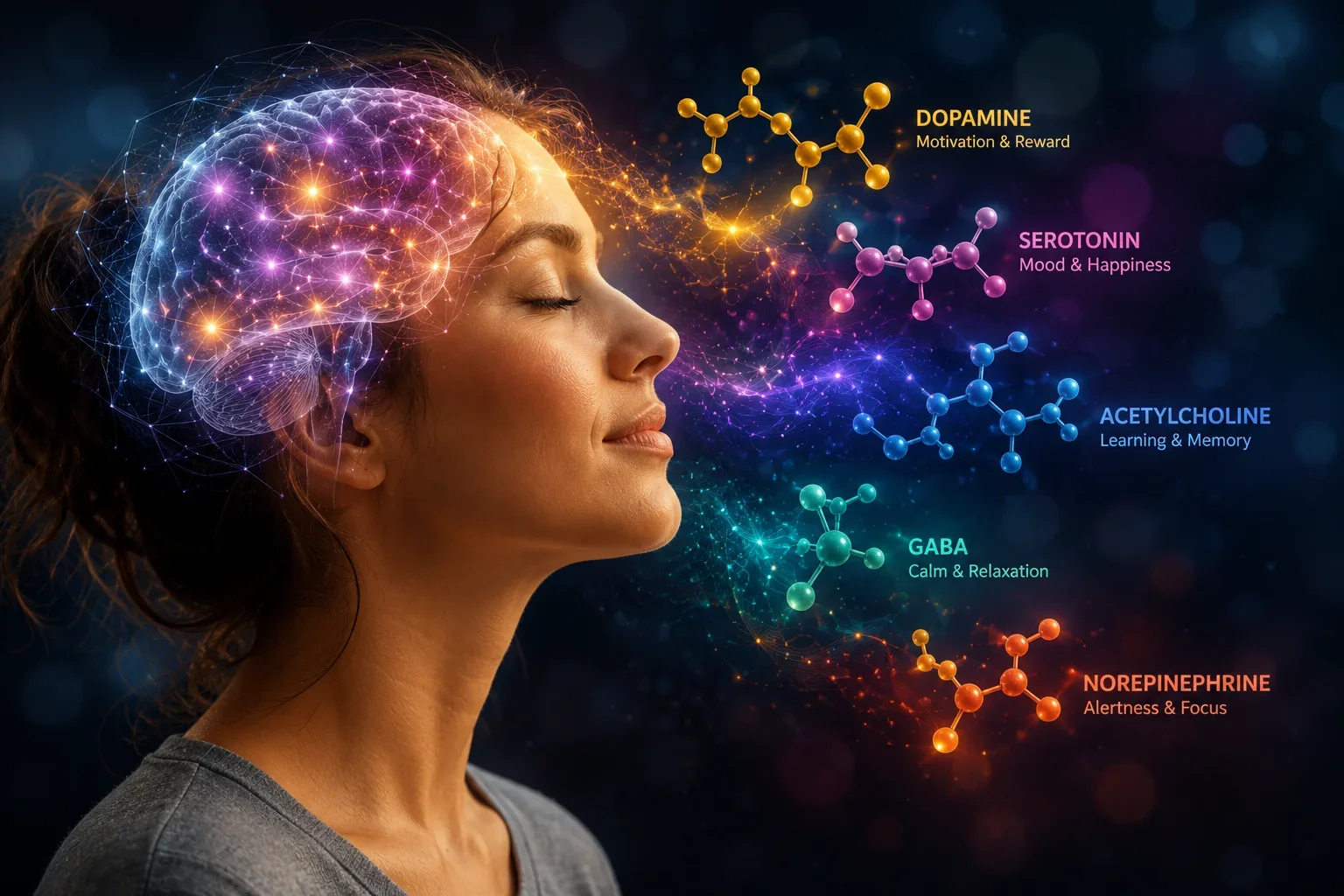
The Invisible Puppeteers: Exactly What Neurotransmitters Do to Control Your Every Thought

Did you know tiny chemicals called neurotransmitters orchestrate every thought you have? These invisible messengers directly influence your mood, memory, and actionsUnlocking Neurotransmitters: What You'll Learn in This GuideWhat neurotransmitters do and why they matterThe types and functions of key neurotransmittersHow neurotransmitters influence the nervous system and central nervous systemWays neurotransmitters shape personality, mood, memory, and decisionsResearch findings and expert quotes on neurotransmitter impactThe Unseen Influence – Neurotransmitters Do What?A Hidden Orchestra: How Neurotransmitters Control ThoughtsMost people never stop to wonder what happens inside their brain when they experience a sudden burst of excitement, puzzle over a difficult math problem, or simply enjoy a favorite song. Yet, all these experiences are orchestrated by a hidden cast of chemical messengers called neurotransmitters.These biological agents work behind the scenes—moving quickly and quietly across microscopic gaps—to send rapid-fire signals between nerve cells, or neurons, and their target cells. This chemical conversation is what allows our brains to process information, control movement, and even develop our unique personalities. Without neurotransmitters, your thoughts, feelings, and memories would simply not exist.By understanding the question, "neurotransmitters do what?", you unlock the foundations of your own mind"Neurotransmitters are the brain's language. Without them, our thoughts wouldn’t form." – Dr. Karen Wu, NeurologistNeurotransmitters Do What? Defining the Role of These Messenger MoleculesInside the Central Nervous System: Neurotransmitters at WorkNeurotransmitters are tiny chemicals, but their influence is monumental. In the central nervous system, which includes the brain and spinal cord, neurotransmitters serve as the main means of communication between neurons and their target cells. When an electrical signal (called an action potential) travels down a neuron to the axon terminal, it triggers the release of these chemical messengers into the synaptic cleft (the small gap between neurons).The released neurotransmitters then carry the message to a specific receptor on the receiving neuron, muscle cell, or gland, causing a specific response such as muscle contraction, hormone release, or thought formation. This relay system keeps the central and peripheral nervous systems running in harmony and is essential for sensation, movement, and cognition.By acting as chemical messengers, neurotransmitters directly manage how we act and feel. They can influence the firing speed of nerve cells and even modulate entire networks in the brain and throughout the body. For example, the neurotransmitter dopamine affects motivation and reward behaviors, while serotonin regulates mood and general sense of wellbeing.Their constant interplay means that any imbalance—too much or too little of a specific neurotransmitter—can result in mental health challenges or physical symptoms, including mood disorders and psychiatric disorders. The importance of these messenger molecules in everyday life cannot be overstated.The intricate relationship between neurotransmitters and mental health becomes especially clear when considering conditions like depression or ADHD, where chemical imbalances can significantly impact mood, focus, and daily functioning. For practical strategies to support your mental wellness and actionable tips to lift your mood, explore these quick mental health tips for overcoming feeling blue.How the Nervous System Relies on Neurotransmitters for CommunicationThe human nervous system is a complex network, and neurotransmitters are its signal carriers. In both the central nervous system (brain and spinal cord) and the peripheral nervous system (the nerves outside the brain and spinal cord), neurons rely on neurotransmitters to transmit signals efficiently. When a neuron becomes activated, the action potential travels along its axon until it reaches the axon terminal.There, neurotransmitters are released and diffuse across the synaptic cleft, binding to receptor sites on the next neuron or target cell. This chemical handoff is what enables nervous system messages to be rapid and precise—even faster than a blink—which is vital for everything from reflexes to complex cognitive processes like problem-solving.The bottom line? Neurotransmitters do what electricity alone never could: they give your nervous system both nuance and adaptabilityThe Science Behind Thought: How Neurotransmitters Affect Mood, Memory, and ActionChemical Conversations: How a Signal Moves from Neuron to Target CellWhen you consider what neurotransmitters do, picture a relay race happening at the molecular level. The process typically begins when an action potential travels down a neuron to the axon terminal. Here, vesicles—tiny sacs containing neurotransmitter chemicals—fuse with the membrane and spill their contents into the synaptic cleft.The neurotransmitters then float across the gap and dock at specific receptor sites on the next neuron, muscle cell, or gland. This chemical handshake can trigger a new electrical signal or directly cause the target cell to act, like contracting a muscle or firing another nerve cell.Key steps in this journey include neurotransmitter synthesis, packaging into vesicles, release upon electrical stimulation, binding to receptors, and finally, removal from the synapse either by reuptake, degradation, or diffusion. The role of the synapse is crucial: it acts as the switching station of the nervous system, determining whether information gets passed on or stopped.Certain neurotransmitters like glutamate are considered excitatory (encouraging the next cell to fire), while others like GABA are inhibitory (discouraging action). It’s a chemical ballet where timing, amount, and target all shape the effect.Key steps in neurotransmitter release and uptakeThe role of the synapse in the nervous system"Our moods and memories are, in essence, a dance of neurotransmitters across billions of connections." – Dr. Jason Lee, PsychiatristMajor Players: What Do Key Neurotransmitters Do?Comparison of Major NeurotransmittersNeurotransmitterMain FunctionEffect on Target CellAssociated BehaviorsDopamineMotivation and rewardExcitatory/modulatory—stimulates action in target cells, increases alertnessPleasure, motivation, addiction, motor controlSerotoninMood and wellbeingModulatory—stabilizes mood, inhibitory on some pathwaysMood regulation, sleep, appetite, impulse controlAcetylcholineAttention and learningExcitatory—activates muscles, enhances alertnessLearning, memory, muscle movementGABABrain "brake"—calms neuron activityInhibitory—reduces neural activityAnxiety reduction, sleep, coordinationGlutamateBrain "gas"—main excitatory neurotransmitterExcitatory—increases activity in target cellsLearning, memory, sensory processingDopamine: Motivation and rewardSerotonin: Mood and wellbeingAcetylcholine: Attention and learningGABA & Glutamate: The brakes and gas of the central nervous systemThe Dual Impact: How Neurotransmitters Excite or Inhibit the Target CellExcitatory vs. Inhibitory Effects in the Central Nervous SystemNeurotransmitters can have two main effects on their target cells: excitatory or inhibitory. An excitatory neurotransmitter will cause the receiving neuron or muscle cell to become more likely to fire an action potential—it’s like stepping on the accelerator. Glutamate is the primary excitatory neurotransmitter, helping drive learning, memory, and sensory processing throughout the central nervous system.On the flip side, an inhibitory neurotransmitter acts like a brake, making the target cell less likely to fire. GABA is the central nervous system's main inhibitory neurotransmitter—calming neural activity and playing a key role in anxiety reduction and muscle control.This dynamic balance ensures the brain doesn't become overstimulated (as in seizures) or shut down (as in coma). It’s the interplay of these two functions that allows the body and mind to stay flexible and responsive. Any disruption in this balance—whether from stress, disease, or substance use—can have profound effects on mental and physical health, underscoring the power of what neurotransmitters do in everyday life.Balancing Act: Why Both Are Crucial for Brain HealthPicture the brain as a highly sophisticated car—it needs both gas and brakes. The right proportion of excitatory and inhibitory signals allows the brain to be alert, adaptable, and stable, but also calm and focused. Too much excitation can lead to anxiety, irritability, and even seizures, while too much inhibition can cause drowsiness, depression, or cognitive sluggishness.Proper brain health hinges on these forces being in equilibrium, with neurotransmitters like GABA and glutamate playing lead roles. This balanced activity enables everything from smooth muscle coordination to emotional regulation—showing the enormous impact neurotransmitters have, not just on disease, but on everyday experience."An imbalance in the mix of neurotransmitters can alter everything from sleep cycles to self-control." – Dr. Aisha Patel, NeuropharmacologistHow Neurotransmitters Shape Personality and Decision-MakingPersonality Traits Linked to Neurotransmitter ActivitySurprising as it may sound, much of what makes you “you” can be traced back to the subtle patterns of neurotransmitter activity in your brain. Neurotransmitter levels and types are linked with personality traits—dopamine, for example, is associated with extroversion, energy, and risk-taking, while serotonin is tied to feelings of contentment, caution, and emotional stability.Studies suggest that even differences in traits like conscientiousness, openness, and impulsivity may largely stem from the relative abundance or sensitivity to certain neurotransmitters. This means that neurotransmitters do more than transmit signals in the nervous system—they help paint the unique picture of each individual’s character.Other factors, including amino acid availability (the building blocks of neurotransmitters), stress levels, nutrition, and genetics, play a role in determining neurotransmitter synthesis and function. As a result, your experiences, habits, and environment can further shape your personality by influencing your body’s chemical messengers.Decision Fatigue and Reward Pathways in the BrainEvery decision you make, from mundane daily choices to life-changing events, involves an intricate network of neurotransmitters operating in real time. Dopamine plays a central role in reward pathways—the brain’s incentive system—helping determine which choices seem desirable or worth repeating.When you experience “decision fatigue,” it’s often a sign that neurotransmitter reserves have been depleted, leading to reduced judgment, slower processing, and an urge to seek easier options. Glutamate, acetylcholine, and other messengers also help manage decision-making by affecting focus, attention, and learning.This chemistry shapes not only individual decisions but also patterns of behavior. People prone to impulsivity may have altered dopamine or serotonin activity, while those with anxiety disorders might be more influenced by GABAergic (inhibitory) mechanisms. Recent research underscores how modifying neurotransmitter levels—via therapy, medication, or even lifestyle—can influence key decision-making circuits and help treat psychiatric disorders."Every unique personality emerges from a symphony of chemical signals playing in real time." – Dr. Thomas Winslow, Behavioral ScientistWhat Happens When You Lack Neurotransmitters? Disorders and DeficienciesCommon conditions: Depression, anxiety, ADHD, Parkinson’sImpact on the central nervous system and daily functionHow treatments target neurotransmittersWhen the balance of neurotransmitters goes awry, the consequences can touch every area of life. Too little serotonin is linked with depression and anxiety disorders. Low dopamine causes symptoms in Parkinson’s disease, including tremors and difficulty moving. ADHD involves disruptions in both dopamine and norepinephrine pathways.Since neurotransmitters act as chemical messengers between nerve cells and target cells throughout the nervous system, even minor deficiencies can affect mood, attention, sleep, appetite, and muscle movement. Treatments—including medications (like SSRIs for serotonin), dietary changes (impacting amino acid intake), and even psychotherapy—often aim to restore chemical balance at the synapse, highlighting how central neurotransmitters are to both mental and physical well-being.Doctors can target neurotransmitter systems in highly specific ways, from blocking reuptake (recycling) to stimulating or inhibiting certain receptor sites. This is why medications for depression, anxiety, and movement disorders are so effective for many people—because they address the underlying chemistry directly."Understanding what's happening at the chemical level can empower patients to pursue effective strategies for mental wellbeing." – Dr. Sienna Young, Clinical PsychologistWhat Do Neurotransmitters Do? People Also AskWhat do neurotransmitters do?Neurotransmitters act as chemical messengers in the nervous system, transmitting signals between neurons and across synapses to influence nearly all bodily functions, thoughts, moods, and actions. These molecules allow your nerves to communicate, control reflexes, shape perceptions, and enable every mental event.What is the most important neurotransmitter?While several neurotransmitters are crucial, glutamate is the most abundant and essential for synaptic transmission, learning, and memory. Other key players include dopamine, serotonin, and GABA, each of which has unique effects on behavior and cognition in the central nervous system.What two effects might neurotransmitters have?Neurotransmitters can have excitatory effects, stimulating action in target cells, or inhibitory effects, damping or pausing neural activity. Both roles are vital for balanced brain function—preventing overstimulation and ensuring well-regulated responses.What happens when you lack neurotransmitters?Deficiencies in specific neurotransmitters may lead to mood disorders, cognitive impairments, neurological conditions, and disruptions in the central nervous system's normal function. Restoring neurotransmitter balance is often central to effective treatment for these challenges.Frequently Asked Questions About What Neurotransmitters DoDo certain foods or activities naturally increase neurotransmitter levels? Yes, foods rich in amino acids (such as lean meats, eggs, nuts, and legumes) support neurotransmitter production. Exercise and social interaction can also boost neurotransmitter levels, particularly dopamine and serotonin.Are neurotransmitters only located in the brain or throughout the nervous system? Neurotransmitters are present throughout the entire nervous system—including the brain, spinal cord, and peripheral nerves—wherever nerve cells communicate with target cells.How are neurotransmitters measured in medical practice? While direct measurement is complex, techniques include spinal fluid analysis, blood markers, and advanced imaging scans such as PET, used mostly in research or for diagnosis of severe disorders.Can supplements or medications change what neurotransmitters do? Yes, certain medications, herbal supplements, and dietary approaches can increase or decrease neurotransmitter action, but always consult a healthcare provider before using them for health concerns.Key Takeaways: The Lasting Secret of What Neurotransmitters DoNeurotransmitters are the chemical basis of every mental event.Imbalances underlie common mental health challenges.New therapies target neurotransmitter processes for brain health.Understanding what neurotransmitters do can help optimize your mental wellness.Conclusion: The Profound Power of Neurotransmitters and Your Next StepsNeurotransmitters do what no other molecules can—control the energy, mood, and actions that make you unique. Learn, understand, and take charge of your brain health.If you’re fascinated by the profound impact neurotransmitters have on your thoughts and behaviors, you might be curious about how these chemical messengers relate to specific conditions like ADHD. Delving deeper into the science behind the ADHD brain can reveal how neurotransmitter dynamics shape attention, focus, and daily life. For a broader perspective on the neurological roots of attention and behavior, discover the latest research and expert insights in our comprehensive guide on the science behind ADHD and the brain. Expanding your understanding of these connections can empower you to make informed choices for your mental wellness journey.Keep learning and thriving with reliable health resources at: NCWellnessHub.comSourcesNational Institutes of Health – https://www.ncbi.nlm.nih.gov/books/NBK10943/Psychology Today – https://www.psychologytoday.com/intl/basics/neurotransmittersVerywell Mind – https://www.verywellmind.com/what-are-neurotransmitters-2795394Cedars-Sinai – https://www.cedars-sinai.org/health-library/diseases-and-conditions/n/neurotransmitters.htmlEncyclopedia Britannica – https://www.britannica.com/science/neurotransmitterNeurotransmitters are chemical messengers that play a pivotal role in transmitting signals across the nervous system, influencing everything from mood and memory to muscle movement. To deepen your understanding of their functions and significance, consider exploring the following resources:“Neurotransmitters: What They Are, Functions & Types” (my.clevelandclinic.org)“Neurotransmitters: Types, Functions and Disorders” (kenhub.com)These articles provide comprehensive insights into the various types of neurotransmitters, their specific roles within the nervous system, and how imbalances can lead to different health conditions. If you’re keen on understanding how these chemical messengers influence your thoughts and behaviors, these resources will offer valuable information. NCWellnessHub.com

Terms of Service

Privacy Policy

Core Modal Title

Sorry, no results found

You Might Find These Articles Interesting

T
Please Check Your Email
We Will Be Following Up Shortly
*
*
*