

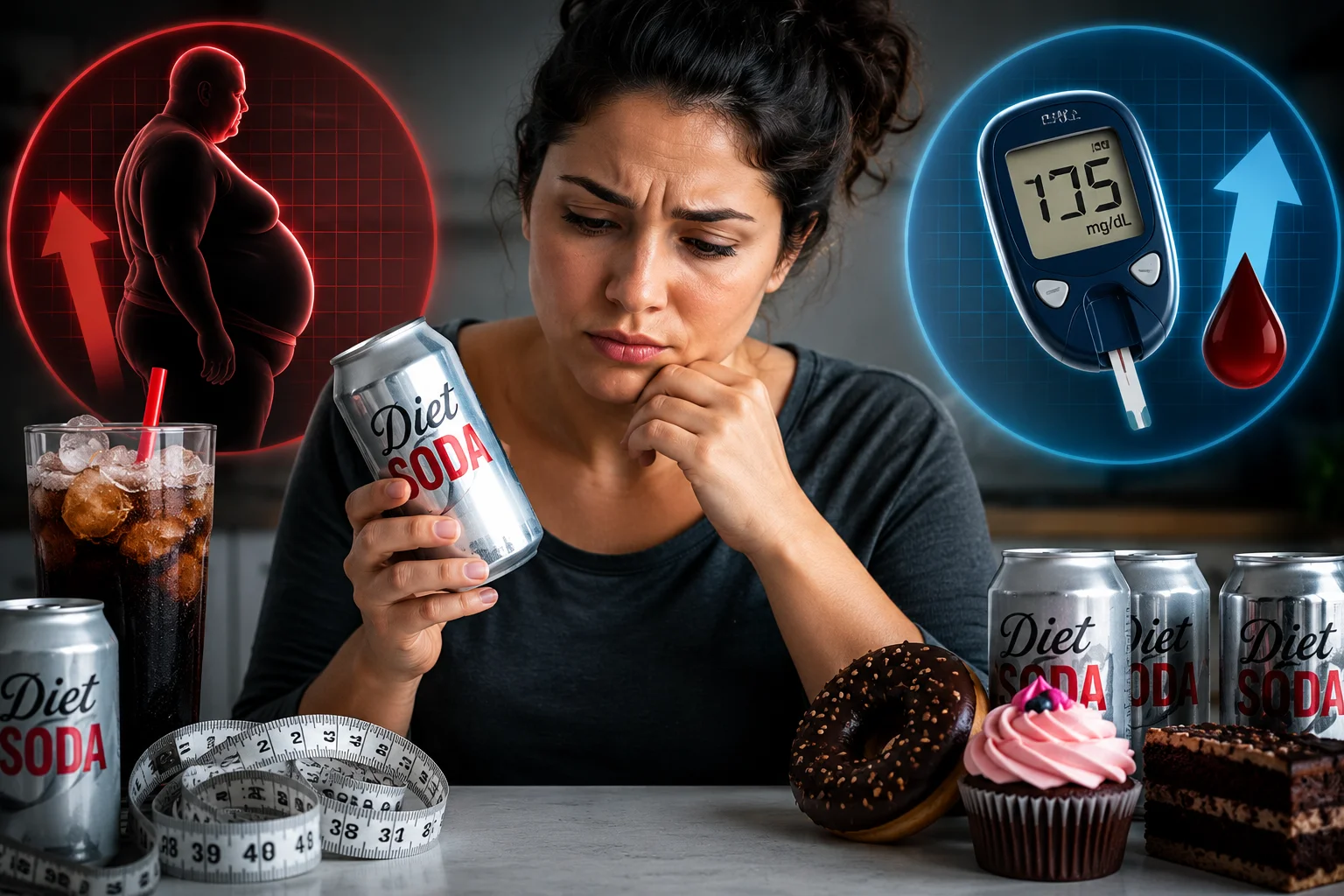
Could your daily diet soda habit be secretly driving weight gain or increasing diabetes risk? Many believe diet sodas are a safe alternative, but is that truly the case? Let's uncover the truth behind diet sodas and their surprising effects on obesity and health.
Could Diet Sodas on Obesity Risk Be Greater Than You Think?
Diet sodas promise guilt-free refreshment, boasting zero calories and the allure of weight loss. But as obesity rates and diabetes diagnoses surge, experts are digging deeper into the real effects of diet sodas on obesity. Are these drinks truly the healthier substitute for sugar-laden sodas, or do they harbor potential risks that outweigh their benefits? Studies investigating diet sodas on obesity suggest that their impact may be more complicated than once believed.
Recent consumer patterns show that reaching for a diet soda isn’t just about cutting calories; it’s also tied to hopes of achieving or maintaining a healthy body weight. However, mounting evidence—supported by both clinical and observational data—raises concerns about a possible unintended consequence: weight gain.
Further, while these beverages can play a role in reducing sugar intake, their effects on waist circumference and metabolic health, like improved insulin sensitivity or increased diabetes risk, remain contentious.
Before tossing that next can into your cart, let’s critically examine the science, weigh claims versus controlled trial outcomes, and offer practical guidance for navigating the mixed messages surrounding diet sodas on obesity.
For those seeking actionable ways to manage their weight beyond beverage choices, it’s helpful to consider a holistic approach. Exploring science-backed strategies for faster and more sustainable weight loss can complement your understanding of how diet sodas fit into the bigger picture—discover practical methods in these top evidence-based weight loss strategies.

Opening Insights: Popular Beliefs vs. Clinical Evidence About Diet Sodas on Obesity
Conventional wisdom touts diet sodas as safer than regular, sugar-sweetened beverages, mainly for those who want to lose weight or manage body weight. The marketing is persuasive: swap out sugar, swap out pounds. Yet large-scale observational studies and randomized, controlled trials paint a nuanced picture. Clinical evidence increasingly shows that heavy diet soda consumption could relate to a higher risk of weight gain and even metabolic disturbances, particularly when substituted for plain water or healthier drinks.
While many randomized trials find only modest benefits within short time frames, some suggest longer-term risks, including an increased waist circumference or greater cravings for sweets, which may ultimately derail weight loss efforts. To move past the hype, it’s essential to understand both the strengths and limitations of existing studies—something we’ll explore in-depth in this article.
What You'll Learn About Diet Sodas on Obesity and Diabetes
The science behind diet sodas and weight loss
Links between artificial sweeteners and body weight
Comparisons with regular soda and sweetened beverages
Major clinical trial findings on diet sodas and diabetes risk
Tips for informed beverage choices
Understanding Diet Sodas on Obesity: Essential Definitions
Diet sodas are fizzy drinks that swap out sugar for artificial sweeteners like aspartame, sucralose, or saccharin, promising all the taste with none of the calories. In contrast, a regular soda may pack 150 calories or more per can from simple sugars, fueling the global concern around sweetened beverage intake and its relationship to overweight and obesity. The central claim fueling the popularity of diet beverages is weight control—consumers are led to believe these swaps lead directly to weight loss.
Artificial sweeteners, often considered a modern marvel, are under increasing scrutiny. While they provide sweetness without adding calories, scientific debate continues over their possible impacts on appetite, cravings, and longer-term metabolic changes like insulin resistance. As the landscape of sweetened drinks expands, it becomes crucial to define what exactly we’re putting into our bodies when we reach for a diet drink over its sugary cousin.
What are diet sodas and how do they differ from regular soda?
Types of artificial sweeteners in diet sodas
Why diet sodas are promoted for weight loss
The Popularity of Diet Sodas: A Modern Health Trend
The popularity of diet sodas in recent decades reflects a seismic shift in public awareness of the health risks tied to sugar-sweetened beverages. Sparked by warnings from health authorities and a rising incidence of obesity and diabetes, more Americans have embraced diet beverages as everyday staples, lured by promises of calorie foods alternatives and improved health. This surge has fueled a slick marketing push, with brands positioning their offerings as the intelligent, waistline-friendly choice.
Despite these claims, the public health narrative is far from settled. While consumption of traditional sugary sodas is down, controlled trial evidence and epidemiological studies increasingly question whether diet sodas deliver on the weight loss and cardiometabolic risk reduction they advertise. Consumers are left to decipher a maze of persuasive ads and emerging scientific debate, unsure where safety and genuine benefit meet hype.
Diet Soda Marketing and Consumer Perceptions
Advertising paints diet soda as both fashionable and functional—a guilt-free treat for the weight-conscious. Modern campaigns regularly feature active, happy individuals and even health professionals extolling the benefits of diet drinks for weight management and increased energy. However, a closer look shows that these messages often outpace the current science. Consumer perceptions are shaped as much by clever slogans as by actual clinical data.
Public relations efforts from industry groups like the American Beverage Association reinforce the belief that diet sodas play a key role in reducing cardiometabolic risk. But independent research increasingly finds a gap between marketing spin and the reality revealed by controlled trials—a gap that can lead consumers astray when making everyday health decisions.

Growth in Diet Drink Sales: The Promise of Weight Loss and Low Calories
Diet drink sales have soared as more individuals seek to lose weight or maintain a healthy body weight. The promise is enticing: enjoy fizzy refreshments minus the sugar crash or calorie spike. Brands promote diet beverages as tools for weight loss and improved public health, but researchers urge caution, pointing out that correlation doesn’t always mean causation in real-world settings.
The surge in diet soda consumption is partially credited to the shift in dietary guidelines, steering consumers away from added sugars. Yet, questions about whether these artificially sweetened drinks support long-term healthy habits or inadvertently fuel compensatory cravings continue to challenge the narrative. While diet sodas may help in short-term calorie reduction, a closer look at their effects on metabolism, appetite, and waist circumference is needed to make sound choices.
The Relationship Between Diet Sodas on Obesity and Body Weight
Examining diet sodas on obesity demands a careful look at existing science, from short-term controlled trials to observational studies that track real-world drinkers for years. Do these no-calorie beverages help with weight loss, or is there an unexpected link to weight gain and higher body weight? Let’s break down what the evidence reveals.
The key lies in comparing what happens when consumers switch from regular soda to diet, or from sweetened drinks to non-caloric alternatives. Do these choices translate into real, sustained reductions in waist circumference and body fat, or could they create new challenges for appetite control and metabolic health? By reviewing the latest data, we uncover if diet sodas fulfill their promises—or if risks lurk beneath those sugar-free bubbles.
Can Diet Sodas Help You Lose Weight?
In controlled laboratory settings, swapping regular soda for diet soda often leads to fewer calories consumed, at least in the short term. Several controlled trials show slight decreases in body weight and waist circumference among those who replace calorie-laden sodas with artificially sweetened alternatives. However, this benefit tends to plateau or disappear over time, raising questions about longer-term effectiveness.
Short-term controlled trial outcomes generally support modest weight loss from diet soda substitution.
Clinical evidence suggests any weight change is less dramatic in habitual diet soda drinkers compared to those who primarily consume water or unsweetened tea.
Long-term follow-ups frequently show no advantage—or even risk of weight gain and increased waist circumference—among heavy diet soda users.
Real-world use is complicated by factors like increased appetite or cravings, possibly triggered by artificial sweetener exposure. For lasting results, switching to diet beverages may be helpful for some, but isn’t a guaranteed pathway to weight loss for all.

Weight Gain, Sweetened Beverages, and the Science Behind It
Epidemiological research often shows a paradox: people who consume more diet sodas sometimes have greater body weight and a higher risk of weight gain. Why? Some hypotheses focus on “compensatory behaviors. ” For example, when choosing a zero-calorie soda, some individuals may subconsciously reward themselves with more food later—offsetting any calorie savings.
Additionally, exposure to intense sweetness from artificial sweeteners may alter taste preferences, leading to heightened cravings for sweet or high-calorie foods. This can sabotage weight loss goals, even when overall sweetened beverage calories are reduced. These factors, combined with biological and environmental influences, make it clear that diet sodas alone cannot determine one’s body weight destiny. Individual lifestyle, physical activity, and total caloric intake still hold the largest roles.
Diet Sodas and Diabetes: Separating Fact From Fiction
With diabetes rates climbing, it’s natural to wonder if diet sodas offer protection or pose new risks. Replacing sugar-sweetened beverages with artificially sweetened ones might seem like a smart choice, but the reality, as revealed by clinical studies, is anything but simple. Some populations see modest improvements in glycemic control, while others experience worsened insulin resistance or higher risk of developing diabetes.
Meta-analyses of clinical research and long-term studies find that although diet sodas do not raise blood sugar acutely, their habitual use correlates with an increased risk of type 2 diabetes in some cohorts. The underlying mechanisms may include altered gut microbiota, metabolic “confusion,” or changes in appetite regulation, reinforcing the call for individualized health advice and caution.
Sweetened Beverage Alternatives and Diabetes Risk
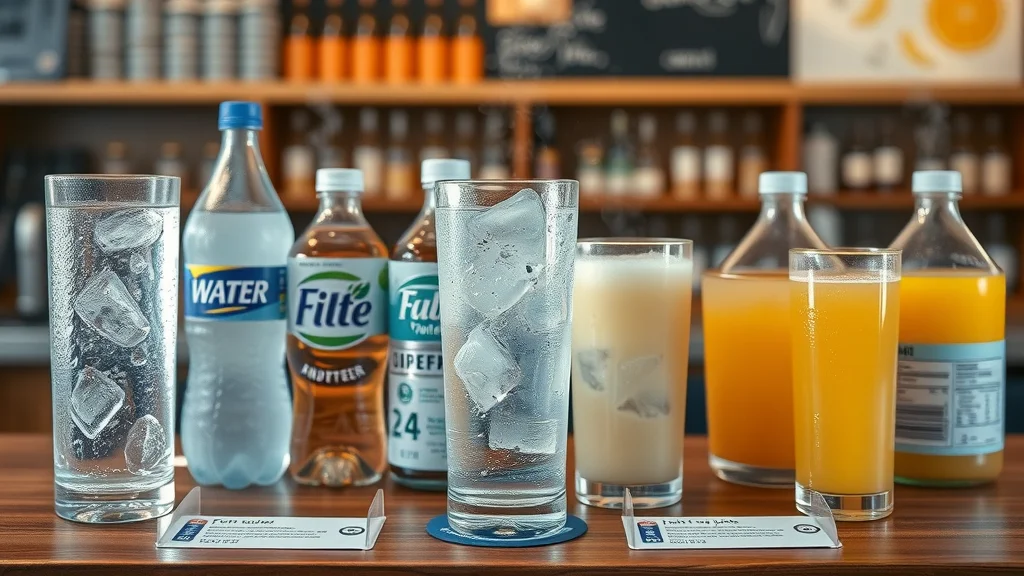
What should you drink instead of regular soda or diet soda? Water, unsweetened teas, and infusions shine as the gold standard for public health. For individuals at risk of diabetes or those already diagnosed, choosing diet beverages may be better than sticking with sugary sodas—but only if overall diet and physical activity remain balanced. Artificially sweetened beverages don’t directly spike blood sugar, yet the long-term metabolic impacts are not fully understood.
In light of conflicting data, most physicians advise moderation. Relying solely on non-nutritive sweetened sodas to manage diabetes isn’t advisable. Instead, a focus on whole-food nutrition, reduced processed sweetened beverage intake, and mindful lifestyle changes is likely to offer greater health rewards.
Artificial Sweeteners and Metabolic Outcomes: Friend or Foe?
Artificial sweeteners like aspartame and sucralose are subject to intense scrutiny for their health effects. Multiple reviews of clinical and pre-clinical evidence indicate that, while non-nutritive sweeteners may reduce caloric intake in the short term, their effects on body weight and cardiometabolic risk are inconsistent. Concern persists that these compounds may alter gut microbiota or cause subtle metabolic changes that predispose some users to weight gain or impaired glucose tolerance.
Other studies show a reassuring safety profile, especially at typical dietary doses. The American Beverage Association and regulatory agencies generally maintain artificial sweeteners are safe when consumed within established guidelines. However, if you have sensitivities or underlying health issues, discussing use with a healthcare provider is always prudent.

Major Clinical Studies on Diet Sodas, Weight Gain, and Diabetes
Study |
Design |
Key Findings |
Implications |
|---|---|---|---|
Fowler et al., 2008 (San Antonio Heart Study) |
Observational |
Diet soda drinkers showed higher weight gain over 8 years than non-drinkers |
Potential for compensatory eating and increased cravings |
Nielsen & Popkin, 2004 |
Systematic Review |
Mixed evidence for weight loss; possible positive effect on reducing calorie intake short-term |
Short-term benefits; need for monitoring long-term effects |
Swithers SE, 2013 (Review) |
Review of clinical trials |
Artificially sweetened beverages may disrupt metabolic responses compared to regular soda |
Possible increased risk of type 2 diabetes and metabolic syndrome |
Azad et al., 2017 |
Systematic Review of RCTs |
No strong evidence for long-term weight loss or improved metabolic health |
Moderation is key; water preferred as primary beverage |
Controlled Trials Versus Observational Studies: What Do They Reveal About Diet Sodas on Obesity?
Understanding the science behind diet sodas on obesity means knowing how to interpret both controlled trials and observational data. Randomized controlled trials (RCTs) provide the highest quality evidence by assigning participants to consume diet vs. regular sodas under controlled conditions. Most RCTs demonstrate that diet sodas can reduce caloric intake and lead to short-term weight loss or stabilization; however, these effects often diminish with time.
Observational studies, on the other hand, track people’s beverage choices in their natural environment. While they are valuable for generating hypotheses, they’re also subject to confounding variables—lifestyle, eating habits, and physical activity—that can muddy the waters. In these studies, diet soda drinkers sometimes experience more weight gain and greater waist circumference increases than non-drinkers. These seemingly paradoxical results highlight the importance of considering the broader dietary and behavioral context.
Differences between study types can help clarify reported outcomes.
RCTs offer causality but usually for shorter timeframes.
Observational data suggest patterns and correlations but cannot prove cause and effect.

Expert Opinions and Quotes on Diet Sodas on Obesity
"Some research suggests diet sodas may not be the harmless alternative many believe." – Leading endocrinologist
Many medical experts now recommend viewing diet sodas with an informed, critical eye. They caution that while switching to diet beverages can help some people reduce calorie and sugar intake, it is not a panacea for obesity, body weight issues, or diabetes. The bottom line: use moderation and prioritize overall dietary patterns.

Pros and Cons List: Diet Sodas on Obesity and Health Outcomes
Potential benefits: Calorie reduction, sugar-free alternative, may assist with short-term weight loss.
Potential risks: Heightened cravings, potential for increased appetite, possible metabolic changes, risk of weight gain and cardiometabolic risk.
When considering diet sodas on obesity, weigh pros and cons. While these beverages can help in calorie management, the potential for negative metabolic impacts and increased cardiometabolic risk means caution is warranted, especially for long-term use.
Are Diet Sodas the Best Alternative to Regular Soda? Weighing All Options
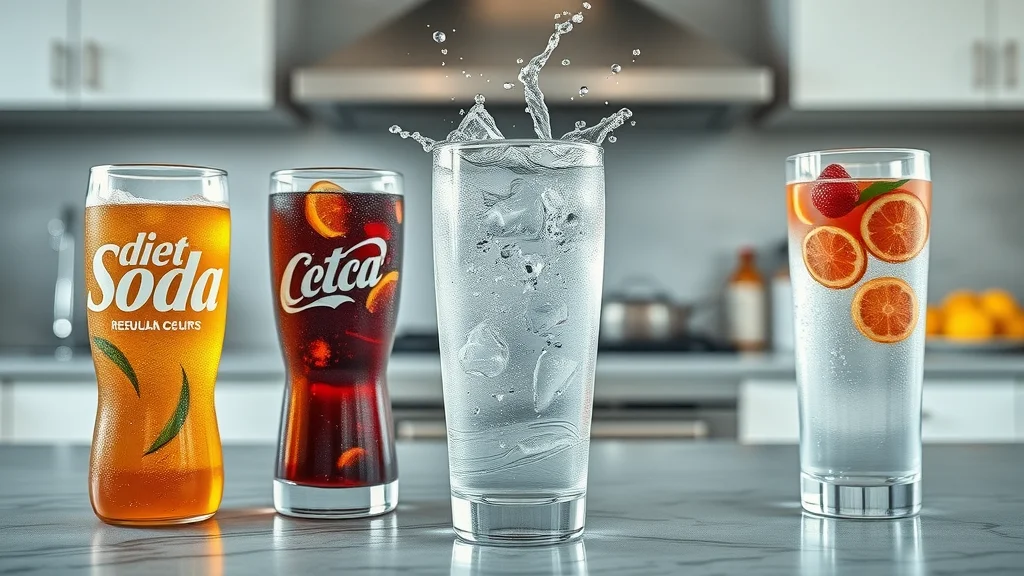
For those aiming to cut back on sugar-sweetened beverages, diet sodas might appear to be the obvious answer. Yet, when measured against healthier choices such as water, infused water, or naturally unsweetened drinks, their advantage appears less clear. Comparing diet sodas to regular soda, the caloric benefits are certainly there, but the potential for negative metabolic effects and influences on body weight tip the scale.
Diet sodas vs. regular soda: Lower calorie content, possible slight short-term benefit for weight control.
Diet sodas vs. other sweetened beverages: Mixed findings, water and herbal teas are safest for most.
Hidden sugars in "healthy" drinks: Always read labels—fruit juices, smoothie drinks, and flavored waters can be high in sugar.
Ultimately, moderation and label awareness are crucial, as healthful hydration habits extend well beyond selecting “zero sugar” drinks.
People Also Ask About Diet Sodas on Obesity
Do Diet Sodas Cause Weight Gain?
Answer: A review of current research, including key controlled trial results and potential causal factors.
Most controlled trial evidence suggests diet sodas do not directly cause weight gain in the short term and can help reduce caloric intake compared to regular soda. However, some longer observational studies reveal that frequent diet soda drinkers are more likely to experience increases in body weight and waist circumference over time. Potential factors include compensatory increases in calorie consumption, changes in appetite, and psychological effects.
It is essential to remember that individual outcomes vary, and no singular beverage determines overall weight change—diet, activity, and lifestyle matter most.
Are Artificial Sweeteners Safe for Diabetics?

Answer: Analysis of artificial sweetener use, metabolic effects, and physician recommendations.
Broadly, artificial sweeteners used in diet soda are considered safe for people with diabetes when consumed in moderation. They do not raise blood sugar directly, offering a potentially safer alternative to sweetened beverages. However, some research suggests a possible link to altered gut health or increased cravings, which could indirectly affect glycemic control. Most healthcare providers recommend occasional use, with a greater emphasis on water, herbal teas, and nutrient-dense options.
Does Drinking Diet Soda Increase Waist Circumference?

Answer: The evidence connecting diet sodas, body weight, and midsection fat.
Several studies have found an association between high diet soda consumption and increased waist circumference, especially among older adults. While controlled trials are less definitive, the trend in large-scale, real-world data suggests that regular consumption may relate to greater accumulation of abdominal fat, even when not accompanied by overall weight gain. Mechanisms may involve appetite stimulation, changes in metabolism, or behavioral factors.
Best Practices for Consumers: Informed Choices About Diet Sodas on Obesity
Read ingredient labels for hidden sugars and unusual artificial sweeteners.
Track changes in body weight and waist circumference if using diet sodas regularly.
Consult with healthcare professionals before making significant dietary changes, particularly if you have diabetes or other metabolic concerns.
By following these best practices, you can make more informed beverage choices and reduce potential health risks associated with diet sodas on obesity.
FAQs About Diet Sodas on Obesity and Diabetes
How often is it safe to drink diet sodas?
Most experts recommend limiting diet soda to occasional use—ideally less than one can per day—and prioritizing water or unsweetened beverages as your main drinks.Do diet sodas affect blood sugar?
While diet sodas do not directly impact blood glucose, research suggests long-term metabolic effects are possible, making moderation and variety essential.Can switching from regular soda to diet soda guarantee weight loss?
Switching may reduce calories and help with short-term weight loss, but results vary based on overall diet and lifestyle. Sustainable change depends on broader healthy habits.
Key Takeaways on Diet Sodas on Obesity and Diabetes
Evidence is mixed, and individual outcomes vary
Some risk may exist for weight gain and metabolic disturbance
Informed consumption is essential
Final Thoughts: Are Diet Sodas a Solution or Part of the Problem for Obesity?
Diet sodas occupy a gray zone in the health debate—less damaging than sugar-sweetened drinks, but not a health solution. Their effects on obesity, body weight, and diabetes are far from black and white.
Personal Reflection: Weighing the Evidence and Making Choices
Ultimately, moderation is key. If you enjoy diet sodas, use them sparingly and as part of a broader plan that prioritizes whole foods, regular physical activity, and overall calorie balance. The path to optimal health lies not in finding the perfect diet soda but in building sustainable healthy habits.
If you’re interested in tackling stubborn weight issues that go beyond beverage choices, especially those linked to hormonal or metabolic imbalances, there’s more to explore. For example, understanding how to address specific challenges like PCOS-related belly fat can unlock new pathways to better health and confidence.
Dive deeper into targeted solutions and holistic wellness by reading about effective ways to reduce PCOS belly fat and boost your overall well-being. Expanding your knowledge empowers you to make smarter, more personalized choices on your health journey.
Discover more trusted information like this at: NCWellnessHub.com
Sources
JAMA Network – https://jamanetwork.com/journals/jama/fullarticle/2673150
American Heart Association – https://www.ahajournals.org/doi/full/10.1161/CIRCRESAHA.119.312150
Recent studies have raised concerns about the role of diet sodas in weight management and metabolic health. For instance, the article “New concerns about diet sodas” from Harvard Health highlights that sugar-free sodas are linked to the development of metabolic syndrome—a cluster of conditions that often precedes or accompanies diabetes.
Also, the study “Diet soda intake is associated with long-term increases in waist circumference in a biethnic cohort of older adults: the San Antonio Longitudinal Study of Aging” published in PubMed found that diet soda users experienced greater increases in waist circumference over time compared to non-users.
These findings suggest that, despite their calorie-free appeal, diet sodas may contribute to weight gain and metabolic disturbances. If you’re serious about managing your weight and metabolic health, these resources provide valuable insights into the potential risks associated with diet soda consumption. NCWellnessHub.com


Write A Comment