NC Wellness Hub
update
North Carolina Wellness Hub
update
  • Home
  • Categories
    • Wellness
    • General Health
    • Holistic
    • News
    • Living & Travel
    • Lifestyle
    • Fitness & Exercise
    • Mental Health
    • Stress Management
    • FEATURE
    • Sleep
    • Allergies
    • Medicines & Supplements
    • Weight Loss
    • Kids Health
    • Fertility & Pregnancy
    • Cancer
    • Heart Health
    • Skin & Hair
    • Arthritis
    • Dental
    • Vision
  • Bone Health
  • Digestive
June 13.2026
1 Minute Read

The Weight Loss Peptides Backed by Science: What Works, What's Hype, and What Every Woman Should Know Before Trying Them

Many women feel overwhelmed by weight loss options, facing conflicting advice that breeds doubt. Understanding which peptides truly work isn’t just about shedding pounds—it’s reclaiming confidence and control. Let’s explore the science to help you navigate this journey with clarity and empower the choices that serve your health best.

Understanding Peptides for Weight Loss Women: What the Science Says

  • What You'll Learn:

    • What peptides for weight loss women actually are

    • The latest scientific research and clinical trial findings

    • How peptide therapy affects body fat, weight loss, and weight management in women

    • Potential benefits, side effects, and what to discuss with your doctor

When it comes to peptides for weight loss women, the internet is flooded with buzzwords, promises, and a confusing mix of facts and myths. But before you dive into new regimens, it’s vital to ground your choices in science—not hype. Peptides are short chains of amino acids acting as powerful signaling molecules in the body.

Emerging research and clinical trials suggest certain peptides may influence fat loss, body fat, and overall weight management for women. However, outcomes depend on numerous factors, including your health history, the type and dosage of peptide therapy, and how closely protocols are managed by medical professionals.

Recent scientific advances are revealing how some peptides interact with metabolic pathways—specifically targeting fat loss and improving insulin resistance. Clinical trials have shown varying degrees of effectiveness, but emphasis remains on a personalized approach: nothing replaces guidance from qualified experts for any weight loss intervention.

Next, we’ll unravel precisely what makes peptides different, why they’re in the spotlight, and what the latest evidence says about their role in weight management for women.

Informative science-focused collage of diverse women reviewing peptide therapy research charts and molecular diagrams for weight loss in a clinic setting

Why Peptides for Weight Loss Women Are Trending: Addressing the Surge in Interest

  • How social media, celebrity endorsements, and wellness trends have driven the popularity of peptide therapy for weight loss

In recent years, the buzz around peptides for weight loss women has exploded across social media and wellness platforms. Influencers and celebrities tout dramatic body transformations, fueling a new wave of curiosity. Eye-catching before-and-after stories and bold marketing claims suggest peptides are the next frontier in fast-track fat loss.

This sudden surge is also linked to the rising trend of personalized medicine, where women seek tailored solutions for body fat, metabolism, and weight management, often inspired by public figures and fitness icons who share their “secret weapons” on platforms like Instagram and TikTok.

However, the excitement surrounding peptide therapy can blur the lines between genuine scientific findings and cleverly crafted marketing. Experts caution that not every peptide promoted for weight loss is backed by rigorous evidence. Ensuring your information and sources are trustworthy is crucial in a landscape crowded with hype, unregulated supplements, and exaggerated claims.

“Amid growing curiosity, it’s vital to separate marketing from medical evidence. Not every peptide is proven for weight loss,” says Dr. Alicia Hammond, endocrinologist.

The Science Behind Peptides for Weight Loss Women: Mechanisms, Types, and Effects

How Peptide Therapy Works in Weight Management

  • Definition of peptide therapy

  • Role of peptides in body fat reduction, fat loss, and metabolism

  • Interaction with receptor agonist pathways

  • Overview of GLP-1, GHRP, and other key peptide families for weight loss

Peptide therapy refers to the use of specific amino acid sequences to influence biological processes—often by imitating or boosting naturally occurring hormones. In the context of weight management and fat loss, certain peptides activate pathways that help regulate appetite, control blood sugar, and encourage the body to burn more fat.

Peptides like GLP-1 receptor agonists, for example, can mimic incretin hormones that trigger insulin release and slow gastric emptying, supporting both satiety and a decrease in body weight.

When peptides act as receptor agonists, they bind to specific sites on cells, starting a chain of events that may help women reduce body fat and control weight gain. Among the most researched are GLP-1 analogs, GHRP (Growth Hormone Releasing Peptides), and others—each with a distinct method of action.

While peptides are often categorized with supplements, medically prescribed peptide therapy is regulated, much like pharmaceutical drugs, and should only be used under clinical supervision for weight loss or fat loss.

“Peptides for weight loss women are more than just supplements—they’re active agents in metabolic regulation,” notes Dr. Sunita Rao, board-certified obesity specialist.
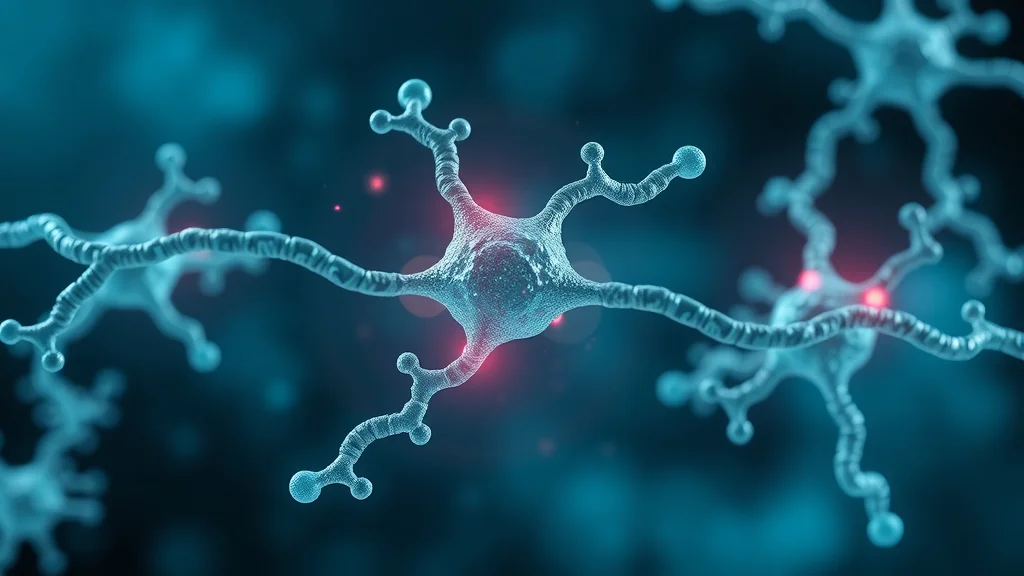
Dynamic molecular structure illustrating interconnected peptide chains for metabolic action in women’s weight loss therapy

For those interested in how natural foods and ingredients can also support metabolism and fat burning, exploring the role of ramps—a wild vegetable known for its metabolic benefits—can offer additional strategies alongside peptide therapy. You can learn more about this approach in the article on how ramps can help burn fat and boost metabolism.

Key Peptides for Weight Loss Women: Clinical Trials and Outcomes

Comparison of Major Peptides for Weight Loss

Peptide

Type

Primary Action

Clinical Evidence (in Women)

Key Considerations

Semaglutide

GLP-1 receptor agonist

Appetite suppression, lowers blood sugar, supports significant weight loss

Extensive: Multiple clinical trials showing significant weight loss in women

Requires medical supervision, common side effects may include nausea

Tesamorelin

GHRH analog

Stimulates growth hormone release, alters body fat distribution

Supported in specific populations (e.g., HIV-associated fat loss)

Best for targeted fat loss, not general weight loss

CJC-1295

GHRH analog

Increased growth hormone, improves fat metabolism

Promising, but fewer human trials

Ongoing research on optimal protocols

GHRP-6

Growth hormone releasing peptide

Boosts GH, may increase lean muscle, alters fat metabolism

Early evidence, mostly in animal/limited human studies

Potential for weight gain if not properly managed

Top Peptides for Weight Loss in Females: Evidence and Emerging Leaders

  • Semaglutide (GLP-1 receptor agonist): Clinical trials, effects on body fat and weight management, and use in women

  • Tesamorelin, CJC-1295, and GHRP-6: Roles and supporting studies

  • Peptides for weight loss vs. traditional fat loss medications

Among the peptides for weight loss women, Semaglutide stands out. As a GLP-1 receptor agonist, Semaglutide has robust evidence from multiple clinical trials demonstrating significant weight loss, especially in women struggling with obesity or metabolic syndrome.

Participants in these studies experienced lower body fat and better control of blood sugar levels. Tesamorelin and CJC-1295, both GHRH analogs, play a more nuanced role—helpful in specific scenarios such as addressing fat distribution changes, but not necessarily effective for all forms of weight loss.

GHRP-6 is another peptide showing benefit in growth hormone stimulation, potentially increasing lean muscle tissue and impacting fat loss. However, compared to traditional weight loss medications, which typically act via appetite suppression or stimulating fat metabolism, peptides act at the hormonal signaling level, influencing several systems simultaneously.

Importantly, the overall consensus in clinical trials is that while peptides can be powerful tools, none—Semaglutide included—are silver bullets; results depend greatly on individual biology and adherence to a comprehensive health plan.

“Recent clinical trials point to semaglutide’s significant impact, but it’s not a silver bullet for all women,” emphasizes Dr. Nina Lam, metabolic health specialist.

Clinical trial with diverse women participants and researchers evaluating peptide therapy for weight loss in a modern study setting

Peptides for Weight Loss Women: Myths, Marketing Hype, and Evidence-Based Truths

Common Myths About Peptides for Weight Loss

  • Debunking the idea that all peptides for weight loss are miracle cures

  • Clarifying peptides versus other weight loss supplements

Despite promising science, the notion that all peptides for weight loss are miracle solutions is simply untrue. Peptides, unlike most over-the-counter supplements, act as signaling molecules within the body—yet each type is highly specific in function.

While GLP-1 receptor agonists like Semaglutide have validated clinical outcomes, many “peptide” products in the supplement market are unregulated, often lacking credible evidence or being confused with generic amino acid blends.

It’s also a myth to believe peptides alone melt away fat or compensate for poor lifestyle habits. Authentic peptide therapy for fat loss is medically supervised, personalized, and supported by clinical studies—not just marketing hype. Supplements claiming “proprietary peptide blends” should be treated with skepticism, as the actual content and safety are rarely disclosed or reviewed by regulatory bodies.

Separating Practical Use from Promotional Claims

  • How regulatory agencies evaluate peptide therapy for weight loss

  • Red flags in online marketing

Regulatory agencies like the FDA oversee clinical-grade peptide therapy but do not regulate most peptides sold as supplements online. This gap creates an environment where bold marketing flourishes, often stretching scientific truths or omitting critical safety data.

Before considering any peptide product, look for red flags such as miracle claims, lack of ingredient transparency, and “doctor testimonials” that cannot be verified. It’s essential to choose medical-grade peptide therapy prescribed by a qualified provider, especially for weight management, body fat regulation, or addressing insulin resistance concerns.

If a product promises rapid fat loss “without diet or exercise” or calls itself a “miracle cure,” it’s likely more hype than science. Instead, rely on evidence-based approaches that prioritize your long-term health and are overseen by healthcare professionals with expertise in peptide therapy.

Cautious woman investigating supplement bottles and product ads for peptide weight loss therapy, reviewing claims responsibly

Benefits and Drawbacks: Peptides for Weight Loss Women Explored

Potential Health Benefits

  • Fat loss, appetite regulation, improved insulin sensitivity

  • Impact on body fat distribution

Medically supervised peptide therapy can offer several benefits for women aiming to manage their weight. Certain peptides help curb appetite, supporting better portion control and caloric intake. Others act at the hormonal level to improve blood sugar regulation and reduce insulin resistance, both of which are crucial for effective weight loss.

Peptides like GLP-1 receptor agonists have been shown in clinical trials to deliver significant weight loss and reduce body fat in women who previously struggled with traditional diet and exercise alone.

Additional benefits include potential improvement in body fat distribution, helping shift stubborn fat from visceral areas to healthier patterns—all under careful monitoring. Consistent adherence to proven protocols, combined with healthy habits, amplifies these positive effects. Still, individual results may vary depending on factors such as genetics, medical history, and lifestyle.

Risks, Side Effects, and Considerations

  • Side effects: nausea, fatigue, joint pain, risk of weight gain with incorrect use

  • Contraindications for certain health conditions

Like any medical intervention, peptides for weight loss women carry certain risks and side effects. The most common side effects include nausea, digestive discomfort, fatigue, and occasionally joint pain. In rare cases, improper or unsupervised use of growth hormone-stimulating peptides may lead to unintended weight gain, as fat loss gives way to increased fluid retention or lean muscle gain in a non-optimized protocol.

Those with pre-existing health conditions—such as thyroid disease, uncontrolled blood sugar levels, or a history of certain cancers—should approach peptide therapy with caution and only under physician supervision.

Always disclose your health history and current medications to your doctor. Monitoring and prompt communication of side effects to your provider is essential for safety and protecting long-term wellness.

“Peptide therapy isn’t risk-free. Side effects must be discussed seriously before starting,” warns Dr. Monica Perez, clinical nutritionist.

Dual-concept image showing woman feeling energetic after peptide therapy versus fatigued due to possible side effects in weight loss journey

What Every Woman Should Know Before Starting Peptides for Weight Loss

Is Peptide Therapy Right for You?

  • Checklist for consulting your healthcare provider

  • Questions to ask about body fat, fat loss, and medical history

Before embarking on peptide therapy for weight loss, women should schedule a comprehensive consultation with a healthcare provider specializing in metabolic health and peptide therapy. Key checklist items for the conversation include: reviewing your full health history, discussing current and past medical conditions, disclosing any supplements or medications, and setting realistic goals for weight loss, fat loss, and body composition. It's crucial to ask whether your body fat distribution and health status align with the peptides being considered and to understand any contraindications or interactions that might pose risk.

Open dialogue about expectations and responsibilities helps ensure safety and supports a more successful outcome. Peptides are powerful tools, but only when matched correctly to your unique needs and monitored throughout.

Avoiding Common Pitfalls with Peptides for Weight Loss

  • Avoiding unverified sources and internet marketing claims

  • Proper follow-up and monitoring

One of the most common pitfalls when exploring peptides for weight loss women is acquiring products from unverified sources. Avoid those marketed directly online without the oversight of a healthcare professional. The risks include contamination, improper dosages, and unregulated ingredients. Safe practice requires that you follow an individualized, medically approved protocol paired with ongoing follow-up appointments and lab testing.

Monitoring side effects, reporting changes, and adjusting therapy are essential for maximizing benefits and minimizing harm. Don’t fall for “miracle” advertisements—prioritize your well-being and rely on professional guidance.

Lifestyle Factors That Enhance the Effectiveness of Peptides

  • Combining peptides with traditional weight management, nutrition, fitness

  • The importance of sustainable behavioral change

Optimal results with peptides for weight loss women come when therapy is integrated into a holistic wellness plan. This includes a balanced diet rich in protein and fiber, regular physical activity, adequate sleep, and stress management. Behavioral changes—like mindful eating, consistent exercise, and realistic goal-setting—augment the effects of peptide therapy and encourage sustainable fat loss.

Remember, peptides are not a replacement for healthy living; instead, they serve as one element within a broader weight management strategy. Consistency, regular communication with your provider, and self-monitoring are your best allies in reaching and maintaining your weight loss goals.

Woman having a thoughtful medical consultation about peptide therapy for weight loss in a sunlit doctor’s office

Practical Guide: How to Use Peptides for Weight Loss Women Safely

How Peptides Are Administered for Weight Loss

  • Injections vs. oral forms

  • Supervision under medical professionals

Most peptides for weight loss women are administered via subcutaneous injection, ensuring direct and controlled delivery into the bloodstream. While oral forms and nasal sprays are being studied, they typically have lower bioavailability. Administration should take place under the guidance of a licensed medical professional, using sterile technique and following protocols designed for your body weight, health history, and weight management goals.

Never self-administer peptides without proper instruction, as misuse increases the risk of common side effects and may undermine your progress. Regular follow-ups and lab tests are critical for safety and efficacy in peptide therapy.

Steps for Getting Started with Peptide Therapy

  1. Find a reputable healthcare provider specializing in peptide therapy

  2. Thorough health assessment and baseline measurement of body fat and weight

  3. Establish individualized protocol

  4. Regular clinical follow-up and adjustment

These steps help ensure peptide therapy for weight loss women is approached safely and scientifically. Starting with an expert ensures you receive the appropriate peptides, your vitals are tracked, and any side effects or adverse outcomes are quickly managed.

Medical professional preparing peptide injection safely for weight management in women’s clinical protocol

Expert Tips and Best Practices for Success with Peptides for Weight Loss Women

  • Track your weight loss journey with journaling or digital tools

  • Balance diet, exercise, and sleep with peptide therapy

  • Monitor and report any side effects to your provider

Achieving significant, sustainable weight loss extends beyond therapy itself. Consider keeping a journal or using digital health apps to log your body weight, energy, and well-being. This record helps you and your healthcare provider identify patterns, troubleshoot obstacles, and celebrate progress.

Optimize outcomes by maintaining a balanced diet (emphasizing whole foods), engaging in regular strength and cardio training, and prioritizing quality sleep—each of which enhances peptide action and supports lean muscle while reducing unwanted body fat.

Be proactive about noting any side effects and keep your healthcare team informed about any concerns, questions, or symptoms. The more you participate in your care, the greater your long-term success with peptides for weight loss women.

Modern woman tracking weight loss journey with a digital app in a bright kitchen, emphasizing healthy lifestyle factors in peptide therapy

Animated explainer covering peptide mechanisms, clinical data graphics, and healthy lifestyle visuals related to women’s weight loss. Styled in a clean and modern motion design aesthetic with friendly, professional narration.

Hear directly from women about their personal experiences with peptide therapy for weight loss, including real-world challenges and positive changes.

Frequently Asked Questions About Peptides for Weight Loss Women

What peptides are best for weight loss for females?

  • Summary of leading peptides for female weight loss and evidence supporting each

The leading peptides validated by clinical trials for weight loss in women are GLP-1 receptor agonists such as Semaglutide, which have demonstrated significant reductions in body weight and fat loss. Tesamorelin and CJC-1295 are GHRH analogs that may support specific types of fat loss, especially in women with unique metabolic needs. Always discuss these options with a healthcare provider to determine the best approach for your health.

What is the 3 3 3 rule for fat loss?

  • Explaining the rule’s relevance (if any) in peptide therapy and fat loss

The "3 3 3 rule" for fat loss usually refers to balanced routines—such as three days of strength, three days of cardio, and three strategic healthy meals per day. While this behavioral approach is not tied specifically to peptide therapy, combining structured fitness and nutritional strategies with peptides can improve and sustain fat loss results for women.

What are the negatives of taking peptides?

  • In-depth look at adverse effects, risks, and contraindications

The downsides of peptide therapy for weight loss women may include side effects like nausea, headaches, digestive upset, fatigue, and, if misused, unintended weight gain or metabolic changes. Peptides are contraindicated in women with certain chronic health conditions; risks elevate if used without regular medical oversight. Monitoring, transparency with providers, and clinical dosing protocols are essential to minimize these risks.

Are peptides the same as Ozempic?

  • Comparison of peptides for weight loss vs. GLP-1 analogs such as Ozempic

Ozempic is a brand name for Semaglutide, a GLP-1 receptor agonist peptide approved for both diabetes and weight loss management. While not all peptides function the same way, GLP-1 analogs like Ozempic represent one class of peptide therapy. Other peptides—such as GHRPs and GHRH analogs—act through different metabolic pathways. Work with your physician to determine which approach is most appropriate for your unique body composition and weight management goals.

Side-by-side, clear medical illustration of peptides and Ozempic for weight loss, highlighting differences and similarities

Key Takeaways: Peptides for Weight Loss Women

  • Science supports a handful of peptide therapies for weight loss in women

  • Risks and side effects should not be overlooked

  • Consult with a health professional before starting

  • Combine with healthy lifestyle changes for optimal results

Empowered, diverse women celebrating weight loss success together outdoors, highlighting community and healthy lifestyle with peptide therapy

Further Resources and Continuing Your Wellness Journey

  • Links to reputable health information and clinical trial registries

  • Recommended reading and professional association contacts

  • Your path to better wellness continues—browse additional topics at: NCWellnessHub.com

Conclusion

Peptides for weight loss women can be a game-changer when guided by science and expert care—stand informed, stay safe, and always personalize your approach for lasting success.

If you’re interested in expanding your understanding of how supplements fit into a healthy lifestyle, especially when it comes to evaluating their effectiveness and safety, our in-depth guide on the pros and cons of gummy supplements offers valuable insights. Exploring these broader wellness strategies can help you make more informed decisions and build a holistic approach to your health journey.

Sources

  • National Library of Medicine – https://www.ncbi.nlm.nih.gov/pmc/articles/PMC9404371/

  • ClinicalTrials.gov – https://www.clinicaltrials.gov/

  • Endocrine Society – https://www.endocrine.org/

  • FDA – https://www.fda.gov/drugs

In exploring the topic of peptides for weight loss in women, two authoritative resources provide valuable insights:

  1. “Peptides for Weight Loss: What You Need to Know” (ro.co)

This article offers a comprehensive overview of peptide-based medications approved by the FDA for weight loss, such as Wegovy (semaglutide), Zepbound (tirzepatide), and Saxenda (liraglutide). It explains how these peptides mimic natural hormones to regulate appetite, digestion, and blood sugar levels, thereby supporting weight management.

  1. “Best Peptides for Weight Loss in Women: Research Guide 2025” (compoundreview.com)

This guide delves into how female hormonal physiology influences the selection and effectiveness of weight loss peptides. It discusses the roles of GLP-1 agonists like semaglutide and tirzepatide, highlighting their impact on appetite suppression and metabolic enhancement, particularly in postmenopausal women.

For women seeking to understand the science behind weight loss peptides and their practical applications, these resources offer evidence-based information to inform safe and effective choices.

NCWellnessHub.com

Weight Loss

0 Comments

Write A Comment

*
*
Please complete the captcha to submit your comment.
Related Posts All Posts

What does taking Berberine do for you?

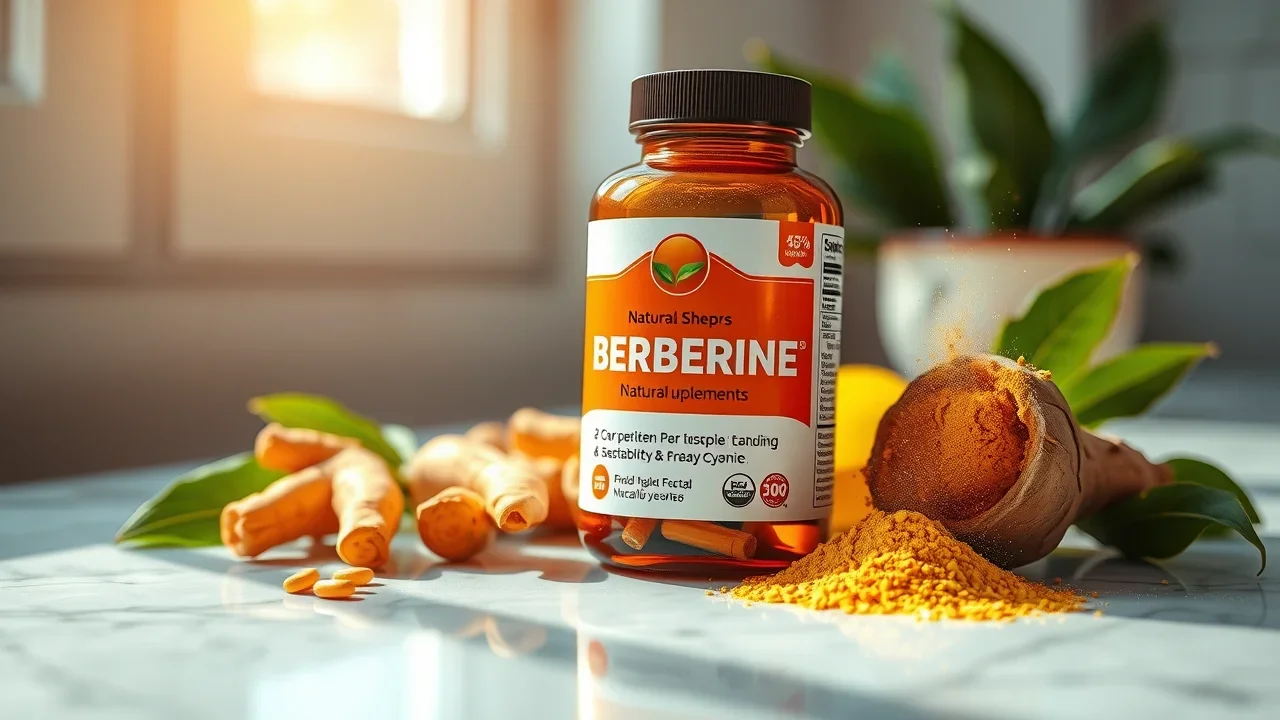
Did you know berberine supplements can boost metabolism and aid weight loss? Studies reveal they help balance blood sugar and promote fat burning, making berberine a powerful natural tool. But there are questions about how the studies were run and if the results have been peer reviewed. Caution: Be careful and talk to your doctor first. Having said that, let's discover why incorporating berberine could transform your wellness journey and support healthy weight management.If you’ve scrolled social media or browsed wellness forums lately, chances are you’ve come across mentions of berberine supplements for weight loss. While the buzz is real, what does the science say—and what have real people experienced firsthand? This article offers insight-driven, accessible answers for anyone considering taking berberine to support their weight management and overall health journey.Unlocking the Potential: How Berberine Supplements for Weight Loss Change the GameBerberine and Its Transformational EffectsHow berberine supplements for weight loss influence metabolismBlood sugar regulation and glucose levelsMy personal journey with berberine supplement useBerberine supplements for weight loss are rapidly gaining traction as more people search for natural solutions to reach their health goals. What sets berberine apart from other dietary supplements is its multifaceted impact on the body. Not only do some studies say berberine ramps up metabolism and supports the body’s ability to burn fat, but it also helps regulate blood sugar and glucose levels by influencing how cells respond to insulin. Some doctors say this is just not true.Research shows this plant-based compound activates AMP-activated protein kinase (AMPK), often referred to as the “metabolic master switch,” which plays a crucial role in how your body utilizes energy, stores fat, and manages blood glucose.For many, berberine supplements have translated into noticeable changes in overall energy, appetite management, and progress in body mass index (BMI) reduction. Of course, these effects aren’t automatic—consistency in supplement usage, balanced nutrition, and sensible lifestyle choices are key. (Keeping in mind that berberine can potentially be tough on your liver and kidneys.) The synergy of these factors has made berberine a reliable choice for those seeking to optimize not only weight loss but also holistic wellness.What You'll Learn About Berberine Supplements for Weight LossKey health benefits and effects of berberineReal explorations on berberine and weight lossPotential side effects and safety precautionsExpert opinions and scientific evidenceThis guide will demystify berberine supplements for weight loss, outlining not only what they do for your body, but also how to use them safely, what side effects to look out for, and why the wellness world is so intrigued by their potential. You’ll discover the science behind berberine’s popularity, real user experiences, expert insights, and tips for making berberine a part of your healthy lifestyle—if you choose to try it.“Berberine may help regulate blood sugar, high blood pressure and lipid levels and improve the gut mycobiome (the healthy bacteria in the intestines).” — Dr. Layth TumahFor those interested in how targeted lifestyle changes can further enhance the effects of supplements like berberine, exploring effective strategies to overcome PCOS belly fat can provide additional practical insights into metabolic health and weight management.Introducing Berberine Supplements for Weight Loss: Origin, Uses, and Rising PopularityWhat is Berberine? Exploring Origins and FormsBerberine is a bioactive compound found in several plants, including Oregon grape, barberry, and goldenseal. Traditionally recognized for its vivid yellow hue and medicinal properties, berberine has been a staple in Chinese and Ayurvedic medicine for centuries. Modern-day berberine supplements are most often found in capsule or tablet form, making it easy to incorporate into daily wellness routines. These forms are chosen for their effectiveness and ease of absorption.Why Berberine Supplements for Weight Loss Are Gaining AttentionThe surge in berberine’s popularity is no accident. Growing bodies of research and trending interest on social media highlight how this supplement may assist in weight management, regulate blood sugar, and improve cardiovascular health. People are drawn to the natural origins and broad benefits of berberine, especially those seeking alternatives to conventional medications. While not a magic bullet, berberine supplements are a compelling piece of the holistic health puzzle due to their promising impact on metabolism and blood glucose levels, particularly when adopted alongside healthy habits.Berberine Key Facts: Origins, Forms, and Common UsesAspectDetailsSourcePlants like Oregon grape, barberry, goldenseal, tree turmericCommon FormsCapsule, tablet, powder, tinctureTraditional UsesBlood sugar regulation, digestive health, infection controlModern FocusWeight loss, metabolic support, cardiovascular benefitsHealth Benefits of Berberine Supplements for Weight LossPrimary Health Benefits: Beyond Weight LossEffects of berberine on blood glucose and metabolismBenefits of berberine for cardiovascular healthImpact on digestive health and inflammationTaking berberine isn’t just about the scale. Berberine supplements for weight loss offer a host of broader health benefits, including significant effects on blood sugar and metabolism. Research shows berberine can enhance insulin sensitivity, making cells better able to respond to insulin, and thus aiding in the regulation of blood glucose levels. This has made berberine a notable natural remedy for managing not only weight but also diabetes and metabolic health conditions.“Berberine supplements can be a valuable tool in supporting healthy blood sugar and cholesterol levels.” — Dr. Brent BauerMoreover, berberine’s influence extends to cholesterol and triglyceride regulation, both of which contribute to long-term cardiovascular health. Some studies suggest a positive effect on blood lipid profiles, potentially reducing the risk of heart disease. On the digestive front, berberine demonstrates anti-inflammatory and antimicrobial properties, supporting gut health and minimizing inflammation. Collectively, these effects of berberine illustrate why this supplement is lauded as more than just a weight loss tool—it’s a multipurpose ally in overall wellbeing."Berberine represents an exciting natural alternative for those looking to manage weight and promote healthy blood sugar levels."The Effect of Berberine on Weight Loss: How Do Berberine Supplements for Weight Loss Really Work?Mechanisms: How Berberine Supports Weight ManagementFat burning and metabolism-boosting effectsRole of berberine in appetite regulationThe most intriguing research about berberine supplements for weight loss points to how they kickstart fat burning and rev up metabolism. By activating key enzymes like AMP-activated protein kinase (AMPK), berberine helps the body convert sugar and stored fat into energy rather than accumulating additional body fat.This process not only supports the reduction of overall body weight, but can also improve body mass index (BMI). Even more compelling, berberine may play a role in appetite control, subtly influencing hormones responsible for hunger and satiety to help curb overeating—a critical advantage for sustainable weight loss journeys.Beyond the metabolic boost, berberine may inhibit fat cell growth and promote healthy glucose levels, making it much harder for excess body fat to accumulate, especially when users combine the supplement with a reasonable diet and active lifestyle. Its unique mechanisms support lasting weight management rather than promoting temporary fixes, which makes berberine a standout compared to some other dietary supplements. For many individuals, these effects translate into steady, realistic progress rather than quick but unsustainable drops in body weight.Scientific Opinions: Exploring the Effect of Berberine on Weight Loss"Scientific studies have shown that consistent use of berberine can support modest weight loss, particularly when paired with lifestyle changes."When considering the effects of berberine on weight loss, expert and user opinions often align: berberine alone is unlikely to deliver dramatic drops in body weight, but it can effectively support overall efforts. Clinical research demonstrates that participants who take berberine supplements for weight loss often see improvements in fat reduction and body mass.This is mostly noticed when berberine is combined with healthy eating and regular exercise, where the supplement amplifies the body’s natural weight loss abilities. The existing studies point to a modest yet statistically significant effect of berberine on weight management, particularly in adults with metabolic syndrome or insulin resistance.Summary Table: Reported Studies on Berberine and Weight Loss OutcomesStudy FocusMain FindingsBody Weight ReductionModest reduction in body weight and BMI when combined with healthy lifestyle practices.Blood Sugar RegulationImprovements in fasting blood glucose and insulin sensitivity observed.Appetite ControlSome subjects reported reduced appetite and easier dietary compliance.Blood Sugar, Glucose Levels, and Berberine Supplements: Understanding the Full ImpactHow Berberine Regulates Blood Sugar and Glucose LevelsThe connection between blood sugar, metabolism, and weight lossBerberine’s impact on blood glucose levels in daily lifeRegulating blood sugar and glucose levels is central to how berberine supplements for weight loss work their magic. Stable blood sugar helps prevent the peaks and crashes that can lead to insulin resistance, fatigue, and weight gain. Berberine naturally improves insulin sensitivity and helps cells respond to insulin more efficiently, meaning less sugar remains circulating in the bloodstream. This not only lessens the risk of metabolic disorders but also supports steady energy throughout the day—key for anyone pursuing active weight loss or maintenance.In real life, this works out as better post-meal glucose control and fewer unwanted cravings. When your blood sugar is stable, you’re less likely to engage in impulsive snacking or experience the “afternoon energy slump. ” For people with prediabetes or who struggle to lose weight because of insulin resistance, berberine can offer a uniquely supportive edge by helping the body process sugars more efficiently. This foundational benefit anchors the whole range of positive outcomes linked to berberine supplement use.Effects of Berberine on Overall Wellbeing and HealthMetabolic healthCardiovascular functionDigestive and gut healthBenefits of berberine supplements aren’t limited to weight loss or glucose regulation. Regular use is linked to improved metabolic health by balancing lipids, reducing unhealthy cholesterol levels, and bolstering cardiovascular function. Berberine’s influence on metabolic markers contributes to healthier body composition and improves long-term health outlooks for those at risk of metabolic syndrome or related health conditions.Digestive and gut health also receive a significant boost from berberine’s antimicrobial and anti-inflammatory natural properties. Many users report fewer digestive disturbances, more regular bowel movements, and a notable decrease in systemic inflammation. Having experienced these subtle yet profound changes personally, I find that taking berberine daily offers a genuine sense of balance and vitality, with positive effects felt throughout the mind and body.My Experience: Personal Perspective on Berberine Supplements for Weight LossJourney with Berberine: Expectations vs. RealityI'm looking at berberine supplements for weight loss with cautious optimism, encouraged by the supportive research and compelling user stories. My expectation is to see a gradual shift in opinion over the next few years but I want to see more legitimate studies first..The reality? It could just be another hyped tactic to sell unregulated supplements. For someone to get rich quick. I have had a few people tell me the most impactful change they had was the sense of steady energy and reduced cravings. These subtle shifts made it far easier for them to stick with a healthy eating plan and remain consistent in exercise, reinforcing my belief that berberine works best as part of a well-rounded wellness strategy rather than as a stand-alone “miracle pill. ”Berberine Supplement Routine: Practical Tips for Maximum BenefitTaking berberine works best when you keep a regular routine and combine it with mindful lifestyle choices. If I were to take it tomorrow, I would speak to my doctor first and maybe begin with a lower dose to gauge my body’s reaction and gradually increase to the recommended amount, avoiding any sudden side effect. It’s important to have berberine with meals, which can support better absorption and reduce potential digestive side effects. Still, I'll talk to my doctor before doing anything with berberine.I suspect pairing berberine use with balanced nutrition and at least moderate physical activity will amplify both weight management and the benefits of berberine for blood sugar regulation and gut health.Potential Side Effects of Berberine Supplements for Weight LossUnderstanding the Side Effects of BerberineCommon side effects and who is at riskMitigating potential negative effectsJust like any supplement, it has been reported that berberine can present side effects for some individuals, though these are typically mild and infrequent when used as directed. Common side effects of berberine supplements include mild digestive discomfort—such as cramping, constipation, or diarrhea—particularly when first starting or when doses are too high. People with existing health conditions, those taking medications, or anyone who is pregnant or breastfeeding should be especially cautious and seek medical advice before starting.To minimize risks and side effects of berberine, begin with a small dose and slowly build up to the standard recommended amount. Drinking plenty of water and timing berberine with meals can further reduce digestive symptoms.If you have a chronic condition or are on medications (including for blood sugar control, blood pressure, or cholesterol), always talk with your health care provider before taking berberine. This ensures there’s no risk of unwanted interactions or side effects that could outweigh the benefits.Expert Insights: When to Exercise Caution with Berberine Supplement Use"While side effects of berberine are rare at recommended doses, always consult your healthcare provider before beginning a new supplement."People Also Ask: Insights on Berberine Supplements for Weight LossDoes berberine actually help you lose weight?Expert and user opinions suggest that berberine supplements for weight loss can offer modest results for most people, most effectively when combined with balanced nutrition and regular exercise. The current scientific consensus is that berberine can help lower body mass index and support weight management, but results vary from person to person. Lifestyle factors play a critical role in maximizing benefits.What is the downside to berberine?Potential downsides of berberine supplements for weight loss include mild digestive discomfort or rare interactions with medications. Digestive issues such as bloating or cramps are most common, especially at higher doses. Those on medications or with chronic health conditions should seek guidance from a healthcare provider to avoid adverse interactions or side effect risks.Can I take berberine if I have MS?Those with MS should consult a healthcare professional, as research on berberine supplements for weight loss and autoimmune conditions is still limited. There is not enough evidence to confirm safety or effectiveness of berberine for individuals with MS, so personalized medical advice is crucial.Will berberine get rid of SIBO?Berberine may have a positive effect on gut flora, but its usage for SIBO should be supervised by a practitioner specializing in digestive health. While berberine’s antimicrobial properties offer potential, professional oversight is necessary to ensure it’s an appropriate remedy and to avoid disrupting healthy gut balance.FAQs About Berberine Supplements for Weight LossCan berberine supplements for weight loss interact with other medications?Yes, berberine can interact with certain prescription drugs—especially those affecting blood sugar, cholesterol, or blood pressure. Always consult your healthcare provider to review potential drug-supplement interactions.Is it safe to take berberine supplements daily?For most healthy adults, daily berberine use at recommended doses is generally considered safe. However, those with specific health conditions or who are pregnant or breastfeeding should only use berberine under professional supervision.How quickly might effects be noticed when taking berberine for weight loss?Individual results may vary, but many users notice changes in blood sugar, energy, or appetite within several weeks. Weight loss results may take several months, especially if paired with diet and lifestyle modifications.Key Takeaways on Berberine Supplements for Weight LossBerberine offers a natural boost to metabolism and weight managementBenefits include blood sugar regulation and cardiovascular healthSide effects of berberine supplements are usually mild, but caution is advisedStay curious and informed—discover more trusted information like this at: NCWellnessHub.comConclusion: When taken mindfully, berberine supplements for weight loss deliver real benefits by supporting metabolism, balancing blood sugar, and promoting overall health—always combine with expert guidance and healthy lifestyle habits for best results.Experts often talk about berberine as a supplement that shows some exciting potential for managing blood sugar and cholesterol levels. However, they also highlight that it’s not without its risks, and further research is definitely needed.If you’re inspired to take your wellness journey even further, consider learning how a comprehensive approach can amplify your results. Medical weight loss programs offer personalized support, advanced strategies, and professional guidance that go beyond supplements alone. Discover how integrating medical expertise with your healthy habits can truly transform your life by exploring the transformative impact of medical weight loss—and unlock new possibilities for lasting health and confidence.SourcesNational Library of Medicine – https://www.ncbi.nlm.nih.gov/pmc/articles/PMC2410097/Healthline – https://www.healthline.com/nutrition/berberineWebMD – https://www.webmd.com/diet/supplement-guide-berberineIn exploring the potential of berberine supplements for weight loss, it’s beneficial to consider insights from reputable sources. The article “Berberine for Weight Loss: Does It Work?” by the Cleveland Clinic provides an overview of current research, highlighting that while berberine may aid in weight management, more studies are needed to confirm its effectiveness. (health. clevelandclinic.org)Similarly, Harvard Health’s piece, “Can berberine help me lose weight?”, discusses the supplement’s mechanisms and emphasizes the importance of consulting healthcare professionals before use. (health. harvard. edu)These resources offer valuable perspectives for those considering berberine as part of their weight loss journey.NCWellnessHub.com

Liquid Deception: How Artificial Sweeteners May Actually Fuel Weight Gain

I was convinced artificial sweeteners were harmless until I noticed unexpected weight gain myself. This revelation challenges everything we believe about "diet" products. Understanding this hidden truth can empower you to make truly healthier choices and reclaim control over your weight and well-being. In this article, I’ll reveal the paradox behind artificial sweeteners weight gain, share both the science and stories that matter, and help you avoid the traps I—and millions of others—fell for.Opening Confession: My Experience with Artificial Sweeteners and Weight GainLike many people hoping to shed a few pounds, I swapped my daily sugary sodas for diet soda, believing every calorie saved would bring me closer to my goal body weight. Yet, over several months, I noticed my clothes fitting tighter and the bathroom scale inching up, not down. I tracked calories and made other healthy changes, but the only constant was my artificial sweetener habit. It forced me to question: could diet beverages, outwardly “healthier” because of zero added sugar, be fueling my increased body mass and stubborn adipose tissue? My story is far from unique—thousands have found themselves puzzled by the paradox of artificial sweeteners weight gain, which is why I’m sharing what really happens when you look beyond the sweet taste and marketing promises. Contemplating the hidden impact of artificial sweeteners on body weight at the breakfast table.What You'll Learn About Artificial Sweeteners Weight GainHow artificial sweeteners may contribute to weight gainImpact of artificial sweeteners on body weight, adipose tissue, and metabolic healthStatus of scientific studies on artificial sweeteners weight gainPractical insights to avoid hidden pitfalls of calorie sweetenersExpert quotes and data-driven conclusionsThe Artificial Sweeteners Weight Gain Paradox: Why ‘Diet’ Might Not Mean HealthyThe term artificial sweetener refers to a wide range of substances that deliver a sweet taste without the calories found in sugar. These include aspartame, sucralose, saccharin, and stevia—each claiming to help with body weight management. Most are hundreds of times sweeter than regular sugar, so only tiny amounts are needed to make food or drinks taste sweet. This “zero-calorie” reputation is trumpeted everywhere from diet soda commercials to snack packaging, making it easy to believe that swapping sugar for artificial sweeteners is a simple road to weight loss and a healthier body mass index (BMI).However, this logic is often misleading. Recent observational studies and controlled trials reveal that people regularly consuming diet beverages can develop an increased body weight, even as their added sugar intake drops. How does this happen? It turns out, “diet” doesn’t always mean healthier—especially if it masks habits or triggers responses in the body that can quietly undermine efforts at weight management. By trusting every “zero calorie” label, consumers might overlook how the reward pathway in the brain, appetite regulation, and even gut health are affected by artificial sweeteners, leading to outcomes opposite those intended.Scientific Evidence: Do Artificial Sweeteners Cause Weight Gain or Weight Loss?"Recent research from randomized controlled trials suggests artificial sweeteners may paradoxically encourage increased body weight in some individuals." — Dr. Sara Moore, Nutrition ScientistScientific opinion about the relationship between artificial sweeteners weight gain is undergoing a shift. For years, weight loss claims were built on the logic that swapping out sugar equals lost pounds. But today, both randomized controlled trials and observational studies show more nuanced, sometimes troubling, results. While some trials suggest that artificial sweeteners can help reduce energy intake in the short term, longer-term trials—and real-world experience—have linked frequent use to higher BMI and even increased body fat.Why the contradiction? Part of the answer lies in the differences between controlled settings and real life. While a randomized controlled trial can isolate one variable, such as switching to diet beverages, everyday habits—like compensating with extra snacks or the psychological “reward” of picking a “diet” product—can tip the balance. Another factor is the health status of study participants: in those with metabolic syndrome or impaired metabolic health, any disruption of appetite signals or glucose response can lead to adipose tissue accumulation, even if calorie intake appears lower.For those interested in practical, science-backed strategies to address stubborn fat, you might find it helpful to explore how certain foods and simple daily habits can specifically target visceral fat. The article reveals how a single tablespoon of a common ingredient may support visceral fat reduction and weight management, offering actionable tips that complement the insights shared here.Artificial Sweeteners Weight Gain in Controlled TrialsWhen scientists examine artificial sweeteners weight gain in randomized controlled trials, their findings vary depending on design and population. Meta-analyses—which pool data across multiple studies—highlight that some people lose weight with artificially sweetened drinks, while others either gain or experience no change. The role of metabolic health is critical: individuals with underlying metabolic syndrome or insulin resistance may be more vulnerable to the “paradox” effect, where consuming artificial sweeteners changes how the body manages hunger, body weight, and fat storage.For instance, studies show that diet beverages may disrupt the sweet taste receptor system, resulting in signals that increase energy intake or cravings for real sugar, negating their calorie-free advantage. Meanwhile, adults with healthy metabolism often experience more neutral or even mildly positive outcomes. Clearly, no verdict is one-size-fits-all—and that’s why it’s vital to look at a broad comparison of outcomes.Comparison of Studies on Artificial Sweeteners and Weight Gain/LossSource/StudyParticipantsDurationReported EffectBody Weight ChangeAdipose Tissue ChangeRandomized Controlled Trial AAdults w/ overweight12 monthsMixed (weight gain in some)+1.2 kg vs control↑ trunk fat massRandomized Controlled Trial BHealthy adults6 monthsNeutral-0.2 kg differenceNo significant changeMeta-Analysis of RCTsAdults & children3–24 monthsVaried, but risk for ↑ BMIHigher BMI in longer useNot always measuredObservational Study CMiddle-aged, habitual usersMulti-yearPredicts weight gain+2.1 kg increase↑ adiposity/waistBiological Mechanisms: How Artificial Sweeteners Influence Body Weight and Adipose TissueUnderstanding the biological mechanisms behind artificial sweeteners weight gain is key to unraveling why zero-calorie products don’t always equal zero risk. Artificial sweeteners interact with the brain’s reward pathway, taste receptors, hormones, and even the gut, all of which influence hunger, satiety, and the storage of fat or adipose tissue. Notably, new research is uncovering how these substances can disrupt appetite regulation and make it harder to achieve or maintain a healthy body weight. Biological pathways: how artificial sweeteners may influence appetite, gut health, and fat formation.For example, the lack of real calories in diet soda doesn't always mean fewer cravings. The sweet taste can prime your brain to expect a glucose rush. When calories don’t arrive, hunger or cravings for carbohydrates may spike, contributing to higher calorie consumption over time. Additionally, some studies show that the gut microbiome can shift with frequent artificial sweetener exposure, leading to metabolic changes that support the growth of adipose tissue and even increase the risk for weight gain or metabolic syndrome.How artificial sweeteners affect appetite regulationImpact on adipose tissue formationPotential impact on blood sugar and metabolic healthHow Do Artificial Sweeteners Interact with Gut Microbiome and Metabolic Health?The connection between artificial sweeteners and our gut health is a rapidly evolving area of science. When artificial sweeteners reach the digestive tract, they interact with gut bacteria, sometimes causing shifts that are linked to poorer metabolic health. Altered microbiome profiles have been tied to difficulty in regulating blood sugar, raising the stakes for those prone to metabolic syndrome or insulin resistance.Specific observational studies reveal that people who routinely consume these sweeteners can develop gut flora profiles associated with increased body mass and even greater adipose tissue deposits. The interplay isn’t fully understood, but the mounting data suggests that even foods intended to help control body weight might have unintended, long-term effects.Microbiome alterations related to artificial sweetener intakeInfluence on metabolic syndrome and insulin response Not all beverages are equal: soda with artificial sweetener vs. water—think before you sip.Comparing Artificial Sweeteners: Are All Types Equally Linked to Weight Gain?Not all artificial sweeteners are created equal. Some are metabolized in the body while others pass through largely unchanged. Aspartame, sucralose, and saccharin are the most common in diet soda and other diet beverages, while stevia—praised as "natural"—is increasingly used as a substitute. Their effects on body weight and adipose tissue can differ, and emerging data suggest that some (like saccharin and sucralose) may be more closely associated with weight gain and metabolic changes than others.Breakdown of aspartame, sucralose, saccharin, stevia, and other non-calorie sweetenersRelative risks for increased body weight and adipose tissue Not all sweeteners are equal: relative risks for weight gain vary among popular options.Calorie Sweeteners vs Artificial Sweeteners: What’s Worse for Weight Gain?Comparing calorie sweeteners (like sugar, honey, agave) with their artificial counterparts opens a new debate. Classic wisdom holds that “real” sugar increases body mass index and contributes to the obesity epidemic via high energy intake, but swapping to artificial sweetener in diet soda doesn’t guarantee weight loss. Short-term, people may see diminished sugar intake and a lower calorie bill, but over the long haul, disruptions to appetite, gut health, or the brain’s sweet taste perception may drive weight gain anyway.The best answer isn't always “ditch sugar for artificial sweeteners. ” By choosing water, unsweetened teas, or whole foods instead, you sidestep the complex metabolic effects of both and support your body’s natural appetite regulation. The quest for sweetness—natural or artificial—may always have hidden consequences for adipose tissue and body weight.Short-term vs long-term effectsSugar, honey, agave, and artificial sweetener outcomesMarketing Myths: How Diet Products With Artificial Sweeteners Target Weight Loss SeekersWalking down the grocery aisle, it’s easy to believe “diet” and “sugar-free” guarantees a leaner physique. Marketing for diet soda, low-calorie snacks, and deceptively healthy diet products exploits our faith in quick fixes for body weight. Bright labels, buzzwords like “zero calorie,” and celebrity endorsements suggest anyone can win the fight against weight gain—so long as you buy their product. “Diet” doesn’t always mean healthy: hidden risks on grocery shelves for those hoping for easy weight loss.Analysis of diet soda, low-calorie snacks, and sugar-free foodsLabeling tricks about artificial sweeteners and body weight perception"Just because it's labeled 'diet' doesn't mean it's good for your waistline." — Registered Dietitian Laura SmithRelatable Stories: Readers’ Real Experiences with Artificial Sweeteners and Weight GainYou don’t need to look far to find anecdotes about the confusing effects of artificial sweeteners weight gain. Some find that dropping diet soda and artificially sweetened snacks triggers weight loss and less adipose tissue around their waistline. Others experience no change, while a third group actually sees their body weight increase despite dutifully avoiding added sugar. Factors like metabolic health, genetics, eating habits, and psychological responses all play a role—making personal experiences a vital piece of the puzzle. Diverse perspectives: some lose, some gain—everyone has their own story with artificial sweeteners and weight.User testimonials about increased body weightContrasting perspectives: weight gain, weight loss, or no changeDebunking Common Misconceptions About Artificial Sweeteners Weight GainA persistent myth about artificial sweeteners is that they're a “free pass” for dieters—eat as many as you like with no consequences for body weight. In reality, the differences between artificial sweeteners and calorie sweeteners are complex and highly individual. For some, swapping sugar for a sweet taste from a diet beverage helps control body mass, but for others, it could lead to more hunger, cravings, and even increased adipose tissue. The body may still store fat if overall habits, metabolism, or microbiome balance tip out of favor.Are artificial sweeteners ‘free passes’ for dieting?Differences between artificial sweeteners and calorie sweetenersWhy your body might still store fat (adipose tissue)Practical Advice: Healthier Ways to Manage Weight Beyond Artificial SweetenersIf you’re ready to take charge of your health and sidestep the artificial sweeteners weight gain dilemma, try these evidence-backed steps:Gradually reduce dependence on artificial sweeteners by resetting your sense of sweetness—start by using half as much in coffee, or splitting diet sodas with seltzer water.Swap in whole foods: Replace diet beverages and snacks with naturally sweet options like fruit, which also provide fiber and nutrients.Set realistic goals: Focus on moving toward a balanced, enjoyable diet and a sustainable body mass index rather than chasing a quick “fix.” Small daily changes, like choosing a fresh smoothie over a diet soda, can support healthier weight and metabolism.People Also Ask: Will I Lose Weight If I Cut Out Artificial Sweeteners?AnswerAlthough individual results vary, some people experience reduced cravings and easier weight loss after cutting artificial sweeteners, as appetite regulation and metabolic health can improve.Scientific evidence is mixed, so monitoring personal progress is essential.FAQs: Artificial Sweeteners Weight Gain and MoreHow long does it take to see changes in body weight after removing artificial sweeteners?Most people notice differences in appetite, cravings, or body mass within weeks, but substantial weight loss may take months as the body resets and habits adapt.Are natural sweeteners safer for metabolic health?Generally, unprocessed options like fruit or small amounts of honey may be less disruptive to metabolic health, but they still contain calories and should be used mindfully.Can artificial sweeteners trigger cravings for calorie sweeteners?Yes, the sweet taste can stimulate the reward pathway of the brain, sometimes increasing cravings for sugar and calories.What role does adipose tissue play in weight management?Adipose tissue stores excess energy as fat. Chronic disruptions in hunger hormones, metabolism, or dietary choices can cause it to increase, impacting body weight and health. Progress takes time: monitoring your weight after making dietary changes can guide your health journey.Key Takeaways on Artificial Sweeteners, Body Weight, and Your HealthArtificial sweeteners may contribute to weight gain for some people.Metabolic health, appetite, and individual biology play important roles.Being critical of ‘diet’ marketing can help consumers make informed choices.Moving Forward: Redefining a ‘Healthy’ Diet in Light of Artificial Sweeteners Weight GainTrue health isn’t just about choosing “diet” options—it’s about understanding your body, listening to your experiences, and making mindful, informed dietary choices so that you support real weight loss and long-term well-being.If you’re inspired to take a more holistic approach to your health journey, consider looking beyond just sweeteners and examining other hidden factors in your diet that may be affecting your well-being. For example, even foods that seem healthy can sometimes cause unexpected issues like bloating or discomfort. To deepen your understanding and uncover what else might be impacting your body, explore this guide to identifying foods that may be causing bloating—even the ones you think are good for you. Expanding your knowledge in this way can empower you to make smarter, more personalized choices for lasting wellness.For well-curated articles and expert perspectives, visit NCWellnessHub.comSourcesNCBI – https://www.ncbi.nlm.nih.gov/pmc/articles/PMC6164250/Healthline – https://www.healthline.com/nutrition/artificial-sweeteners-good-or-badPubMed – https://pubmed.ncbi.nlm.nih.gov/29154034/Harvard School of Public Health – https://www.hsph.harvard.edu/nutritionsource/healthy-drinks/artificial-sweeteners/JAMA Network Open – https://jamanetwork.com/journals/jamanetworkopen/fullarticle/2736985CDC – https://www.cdc.gov/nutrition/data-statistics/diet-beverages-and-body-weight.htmlFrontiers in Nutrition – https://www.frontiersin.org/articles/10.3389/fnut.2021.669914/fullRecent studies have raised concerns about the effectiveness of artificial sweeteners in weight management. A comprehensive review published in the Canadian Medical Association Journal analyzed data from 37 studies involving over 400,000 individuals and found no significant weight loss associated with artificial sweetener use. Instead, frequent consumption was linked to increased risks of obesity, diabetes, and heart disease. (time. com) Similarly, research highlighted by TIME suggests that drinking diet soda may contribute to weight gain rather than weight loss, with studies indicating that regular consumption is associated with higher risks of Type 2 diabetes, metabolic syndrome, and cardiovascular problems. (time. com) These findings suggest that artificial sweeteners may not be the weight-loss solution they are often marketed to be. Explore more evidence-based wellness content at NCWellnessHub.com

The Diet Soda Myth: Why ‘Zero Sugar’ Isn't a Shortcut to Weight Loss

Did you know that despite its 'zero sugar' label, diet soda might not aid weight loss as promised? Studies reveal artificial sweeteners can trigger cravings and metabolic changes, challenging the diet soda myth. Understanding this is key to making smarter beverage choices for real weight management success.Diet Soda Myth: Why Nutrition Facts Leave More Questions Than AnswersTake a glance at a can of diet soda and you’ll spot enticing promises: “zero sugar,” “no calories,” “guilt-free. ” But for those on a quest for weight loss, these claims may create more confusion than clarity. Despite the assurance on nutrition labels, experts warn the diet soda myth can distract us from the complexities of what these drinks do to our body and brain. While it’s true that diet soda lacks the calorie content of its sugary counterpart, the story doesn’t end with calories alone—especially when artificial sweeteners are involved.Today, more people than ever turn to diet sodas hoping to reduce belly fat, moderate their intake of added sugars, and make “smart” beverage choices. Yet, studies suggest that artificial sweeteners found in diet soda might have unintended health consequences. In fact, emerging research points toward possible disruptions in metabolism, increased cravings for sweet foods, and a greater risk for metabolic syndrome. As we peel back the labels, it’s crucial to move beyond marketing and look at how these beverages truly fit into our daily health picture.The Allure and Controversy Behind Diet Soda and Zero Sugar ClaimsThe diet soda myth thrives because the “zero sugar” label seems to offer a shortcut to weight loss without sacrifice. This allure taps into our desire for sweet foods without guilt. But behind the colorful cans and marketing buzzwords, there’s a brewing controversy. Nutritionists and health researchers increasingly note that artificial sweetener consumption may not deliver the promised results—and could even backfire.For many consumers, drinking diet soda is less about taste and more about hope: hope for easier weight management, freedom from calorie-counting, and better gut health. However, evidence is mounting that diet soda might not just fail to help; it might contribute to the very issues people want to avoid, including increased appetite, cravings for sweet foods, and potential risk of heart complications.The Rise of Artificial Sweetener and Artificial Sweeteners in ‘Healthy’ MarketingThe popularity of diet drinks has soared as beverage giants championed the power of artificial sweeteners to provide sweetness without calories. Substances like aspartame, sucralose, and saccharin have become household names, integral to the “diet” revolution. Brands tout these ingredients as tools for healthier living, making it easier to skip sugary sodas and reduce calorie intake.But as the market floods with new sweetened beverages, public health experts question the long-term impact. Epidemiological research and clinical trials highlight a link between high consumption of sweeteners and alterations in metabolism, taste preferences, and even potential cancer risk. While labeling and advertising play a powerful role in shaping consumer perception, it’s crucial to investigate what these “healthy” marketing messages really mean for our wellbeing.If you're interested in practical, science-backed ways to support weight management beyond just avoiding diet sodas, you might find it helpful to explore how natural beverages like green tea can play a role. For example, discovering the effective ways green tea supports fat burning for women can offer a more holistic approach to healthy hydration and metabolism.What You'll Learn: Debunking the Diet Soda MythWhat science really says about diet soda and weight lossKey artificial sweeteners used in diet sodaPotential cancer risks and health implicationsHow sweetened beverages may impact cravings and metabolismEvidence-based alternatives to diet soda for effective weight managementUnderstanding the Diet Soda Myth: Separating Perception from RealityWhy Diet Soda Promises May Fall Short for Weight LossMany people grab a can of diet soda expecting an automatic shortcut to weight loss. After all, replacing sugary drinks with a “diet” beverage seems like a no-brainer. However, decades of research complicate this logic. Studies suggest artificial sweeteners disrupt our body’s normal response to sweetness. Instead of signaling satisfaction, these “zero-calorie” substitutes can alter how our brain regulates hunger and fullness.In practical terms, this means that some people who drink diet soda may feel hungrier, crave more sweet foods, or compensate by eating additional calories elsewhere. The result? Despite consuming fewer soda calories, total daily intake may stay the same—or even rise. This phenomenon is sometimes called the “calorie compensation” effect, and it may help explain why drinking diet soda has not consistently led to reductions in body weight or decreased belly fat in controlled studies.Diet Soda Versus Regular Soda: Real Differences in Caloric, Metabolic, and Satiety ImpactAt a glance, the biggest difference between diet soda and regular soda is clear: calories and sugar content. Regular sodas are loaded with added sugars—contributing to spikes in blood sugar, weight gain, and increased risk for metabolic syndrome. Diet sodas, on the other hand, contain artificial sweeteners like aspartame, sucralose, or ace-K, which provide intense sweetness without the calories.But the metabolic story is more complicated. While it’s true that diet sodas cut the energy input, research shows their impact on appetite-regulation hormones and the reward centers of the body and brain suggests an unforeseen twist: these beverages may disrupt normal satiety cues, heighten cravings, and increase the likelihood of compensatory eating. The end result, according to recent meta-analyses, is little to no net benefit for weight loss—and in some cases, an increased risk for long-term metabolic health problems."Despite claims of ‘zero calories,’ studies suggest diet soda may undermine weight loss by influencing appetite-regulating hormones and increasing cravings."Artificial Sweetener in Diet Soda: More Than Meets the EyeTypes of Artificial Sweeteners Used in Diet SodaArtificial sweeteners have become the backbone of “zero sugar” products, each with distinctive properties and safety profiles. Aspartame and sucralose are particularly prevalent in popular diet drinks, while older agents like saccharin and ace-K (acesulfame potassium) still appear in ingredient lists. These compounds are often hundreds of times sweeter than sugar, allowing beverage companies to mimic sweetness with small doses and claim “no calories” on their product labels.While the FDA has deemed these sweeteners safe for general consumption, controversies persist. Concerns include their potential impact on gut health, glucose regulation, and even risk for certain diseases. Some sweeteners have been associated with bitter aftertastes or unique metabolic effects, making the discussion around artificial sweeteners complex for both scientists and consumers.Comparison of Common Artificial Sweeteners in Diet SodaSweetenerPropertiesFDA StatusPrevalence in Diet Soda BrandsPotential Health ConcernsAspartame~200x sweeter than sugar, heat unstableApproved, except rare conditions (PKU)Very Common (Diet Coke, etc.)Linked to headaches, possible cancer risk (in high doses), controversial in researchSucralose~600x sweeter, heat stableApproved, GRASCommon (Diet Pepsi, etc.)Gut microbiome impact, uncertain metabolic effectsSaccharin~300x sweeter, metallic aftertasteApproved, once under cancer risk reviewLess common today (Tab)Animal studies linked to cancer; later deemed safe for humansAce-K (Acesulfame K)~200x sweeter, used in blendsApproved, GRASCommon in mixturesLimited long-term human studies; possible metabolism effectsHow Artificial Sweeteners Affect Sweetened Beverages’ Role in Weight ManagementThough artificial sweeteners are often seen as an easy fix for those wanting to lose weight, the science tells a different story. When sweetened beverages mimic sugary sodas without the caloric punch, they don’t necessarily trick our metabolism—or our psychology. Research shows that non-caloric sweeteners can condition a heightened preference for sweet food, which may undermine efforts at healthy eating.Furthermore, some studies suggest that regular consumption of diet sodas may negatively affect gut health, disrupt blood sugar regulation, and increase the risk for metabolic disorders—contradicting the promise of safe, diet-friendly indulgence. While replacing sugar with artificial sweeteners lowers immediate calorie intake, the complex feedback loops between our physiology, appetite, and reward centers mean these drinks may not lead to sustained weight loss.Addressing Cancer Risk and Other Health Concerns of Diet SodaCurrent Research on Diet Soda and Cancer RiskOne of the most persistent worries about artificial sweeteners is their potential link to cancer risk. Animal studies historically flagged compounds like saccharin as potential carcinogens, prompting regulatory scrutiny in the 1970s. Today, most artificial sweeteners, including aspartame and sucralose, have been pronounced safe by the FDA when consumed within recommended limits. However, some epidemiological studies raise questions.For example, recent research suggests a possible association—though not proven causation—between high levels of aspartame intake and certain cancer incidences. It’s important to note that these studies often reference consumption levels much higher than the average person’s diet. Still, the public debate around diet soda and cancer risk keeps evolving as new science emerges, underscoring the need for ongoing, transparent research.Beyond Cancer: Exploring Metabolic and Cardiovascular ImpactsWhile cancer may grab headlines, concerns about diet soda go far beyond oncology. A growing body of evidence links regular diet soda consumption to changes in glucose metabolism, higher rates of metabolic syndrome, and disruptions in gut health. Some studies demonstrate an increased risk for heart disease and stroke among people who habitually drink diet soda.Even as the direct mechanisms are debated, the pattern is troubling: those who rely heavily on diet drinks might be rewiring their body’s appetite, hormonal, and metabolic functions in ways that undermine real health goals. These findings reinforce the importance of viewing “zero sugar” labels not as green lights, but as cues to dig deeper into what we’re really putting into our bodies."The diet soda myth persists despite mounting evidence linking artificial sweeteners to metabolic disturbances and potential long-term health effects."Sweetened Beverages, Habit Formation, and the Cravings ConundrumHow Diet Soda and Artificial Sweeteners Influence Taste Preferences and CravingsWhen we repeatedly consume highly sweetened beverages—diet or otherwise—our taste buds recalibrate. Over time, non-caloric sweeteners in diet soda can increase our desire for sweet food and drinks. This effect makes it challenging for people to cut back on sugar entirely, as their preferences shift toward intensely sweet flavors regardless of calorie count.Some studies even point to a feedback loop: the more sweetened beverages consumed, the harder it becomes to feel satisfied with less sweet alternatives, like plain glass of water or unsweetened tea. This cycle can perpetuate cravings, trigger additional snacking, and make real dietary change more difficult than simply swapping one soda for another.Is Diet Soda a Gateway to Consuming More Sweetened Beverages?Diet soda triggers for sweet cravings: Artificial sweeteners stimulate the brain’s reward systems, increasing desire for more sweet flavors.Physiological response to non-caloric sweets: Without calories, the body and brain may seek further satisfaction, leading to increased snacking or calorie intake elsewhere.Potential psychological and behavioral feedback loops: Habitual consumption of diet sodas may reinforce taste preferences and behaviors, making it harder to shift to less sweet or unsweetened beverages.People Also Ask: The Diet Soda Myth in Everyday LifeWhy should diet soda be avoided?Diet soda should be approached with caution because its artificial sweeteners may trigger appetite and cravings, and there's emerging evidence linking regular consumption to health risks, including metabolic changes and potential impacts on cardiovascular health.Can you actually lose weight drinking diet soda?While diet soda has zero sugar, evidence suggests it may not contribute to weight loss due to its effect on hunger signals and sweet cravings, often leading to increased calorie consumption elsewhere.Is it bad to drink a diet soda every day?Regular daily consumption of diet soda can increase the risk of metabolic syndrome and may contribute to negative cardiovascular outcomes, as well as perpetuate the diet soda myth for lasting wellness.What is the unhealthiest soda to drink?While regular sodas are high in sugar and calories, some diet sodas raise unique health concerns due to certain artificial sweetener combinations, so neither type is ideal for optimal health.Critiquing the Diet Soda Myth: A Closer Look at Industry MessagingHow Marketing Language Fuels the Diet Soda MythBeverage companies invest heavily in marketing messages that reinforce the diet soda myth, positioning these drinks as must-have tools for healthy living. Slogans like “guilt-free” or “zero sugar, zero compromise” tap deeply into consumer anxieties about weight loss and self-control, masking the reality that health outcomes aren’t determined by calorie counts alone.The use of vibrant branding, celebrity endorsements, and lifestyle imagery further cements the myth. This language glosses over the nuanced science—and potential health risks—associated with artificial sweetener intake. With so much noise in the marketplace, it becomes difficult for consumers to separate evidence-based guidance from corporate spin.Navigating Conflicting Research on Diet Soda Health RisksScientific studies on diet soda are often complex and sometimes contradictory. Some research highlights modest caloric savings, while other studies reveal concerning patterns between diet drinks and adverse health outcomes, ranging from obesity and metabolic syndrome to potential cancer risk. These discrepancies stem from differences in study design, populations observed, and length of follow-up.Industry-funded research sometimes downplays negative findings or highlights short-term benefits, leaving consumers confused. To navigate this tangle, it’s essential to look at the totality of evidence, emphasize large-scale, independent studies, and maintain a healthy skepticism toward marketing promises."Industry claims about diet soda often overshadow the scientific nuances, making it crucial for consumers to examine evidence over promises."Smarter Beverage Choices: Alternatives to Diet Soda for Weight Loss and HealthHealthier Sweetened Beverages and Zero Sugar SubstitutesFortunately, there are numerous alternatives to both diet soda and regular soda for those pursuing better weight management and overall health. The best choices are less processed, whole-food beverages with minimal or naturally occurring sugars. These drinks avoid the pitfalls of artificial sweetener consumption and support a more sustainable approach to hydration.Homemade and naturally flavored drinks can help retrain your taste buds and curb your cravings for intensely sweet foods, making the journey to wellness more enjoyable—and more effective—over the long term.List: Five Natural Beverage Options Supporting Better Weight ManagementInfused water with citrus and herbsUnsweetened iced green or herbal teaSparkling water with a splash of real fruit juiceHomemade kombucha with controlled sweetnessDiluted 100% fruit juicesKey Takeaways: Rethinking the Diet Soda MythArtificial sweeteners in diet sodas are not a weight loss cure-allThe diet soda myth persists due to marketing and consumer misconceptionsCurrent research supports prioritizing less processed, whole-food beveragesCritical evaluation of sweetened beverage choices is vital for overall wellnessFAQs: The Diet Soda Myth DemystifiedHow does the diet soda myth differ from other soda-related misconceptions?Unlike other soda misconceptions focused solely on sugar or calories, the diet soda myth involves the belief that removing sugar automatically makes a drink healthy. In reality, artificial sweetener use introduces other health concerns not present in regular sodas.Are some artificial sweeteners safer than others in diet soda?Yes—while all major artificial sweeteners approved by the FDA are considered safe when consumed in moderate amounts, some may have more research supporting their long-term safety. Individual sensitivities and health conditions can also play a role in which options are best.Can occasional diet soda consumption be part of a healthy diet?Occasional diet soda is unlikely to pose significant risk for most people, but frequent, habitual consumption may increase health risks. It’s best to enjoy these beverages in moderation and focus on natural alternatives when possible.Conclusion: Challenging the Diet Soda Myth for Healthier ChoicesSummary Reflections on Diet Soda, Artificial Sweeteners, and Health-Promoting SubstitutionsThe diet soda myth is deeply ingrained, but understanding the evidence gives us the power to choose smarter, more nourishing beverages.For those eager to continue their wellness journey and expand their knowledge of holistic health, exploring the broader landscape of nutrition and lifestyle strategies can be incredibly rewarding. The NC Wellness Hub offers a wealth of resources on topics ranging from stress management to the benefits of natural foods. Take the next step and discover actionable insights for managing stress and supporting your overall well-being—because true health is about more than just what you drink.Your path to better wellness continues—browse additional topics at: NCWellnessHub.comSourcesNCBI – Artificial Sweeteners: Effects on Weight, Appetite, and HealthCDC – Know Your Limit for Added SugarsFDA – Artificial Sweeteners in Diet SodaAmerican Heart Association – Artificial Sweeteners and Heart DiseaseAmerican Cancer Society – Are Artificial Sweeteners Safe?Harvard T.H. Chan School of Public Health – Artificial Sweeteners and HealthRecent studies have raised concerns about the health implications of diet soda consumption. For instance, research published in the journal Nature indicates that artificial sweeteners may disrupt gut bacteria, potentially leading to elevated blood sugar levels and an increased risk of metabolic disorders. (pbs. org)Also, the MD Anderson Cancer Center highlights that while diet sodas are low in calories, they may not aid in weight loss and could be associated with higher calorie intake from other foods. (mdanderson.org)For a comprehensive analysis of these issues, the article “Diet Soda: Good or Bad?” provides an in-depth look at the potential health effects of diet soda consumption. (healthline. com)If you really want to understand the complexities of diet soda and its impact on health, these resources offer valuable insights.

Terms of Service

Privacy Policy

Core Modal Title

Sorry, no results found

You Might Find These Articles Interesting

T
Please Check Your Email
We Will Be Following Up Shortly
*
*
*