


Did you know 80% of New Year resolutions fail by February? Mastering your new year wellness begins with one crucial step that can increase your success. Discover how this simple action can transform your approach and make your resolutions stick for a healthier, happier year. As the year draws to a close, many people make plans for a fresh start—but sustainable change isn’t about willpower alone.
Before setting any resolutions, it’s essential to prepare mentally and emotionally, connect with your primary care provider, and understand why purposeful reflection is the fastest route to attainable goals and lifelong wellness.

What You’ll Learn About New Year Wellness
The essential mindset shift for new year wellness success
How to prepare mentally and emotionally before making resolutions
The connection between primary care, mental health, and sustainable wellness goals
As you read, you’ll uncover simple ways to approach goal-setting with intention, helping you reduce stress and anxiety effectively. You’ll learn why primary care and mental health are cornerstones of any wellness journey, discover tools and strategies to make your goals stick, and see how social media and community support play a role. Most importantly, this guide will help you transform your new year wellness from a fleeting wish into a long-term reality by integrating mental health strategies and primary care insights.
While reflecting on your wellness journey is a powerful first step, it’s also important to consider how specific lifestyle choices can impact your long-term health. For example, understanding the effects of alcohol on your body and growth can inform more mindful resolutions—explore the science behind these choices in this evidence-based look at alcohol’s impact on growth and wellness.
Why Preparation Matters for New Year Wellness Goals
"Preparation is the key to success." – Alexander Graham Bell
Statistics: 80% of resolutions fail by February
Role of intentional preparation in long-term wellness
Research shows that most people set goals—with good intentions—but without groundwork, including mental health support and primary care guidance, even the best resolutions often fade away within weeks. In fact, 80% of New Year resolutions fail by February, proving that willpower alone isn’t enough for lasting change. Intentional preparation lays the foundation for wellness that endures beyond the initial excitement of the new year.
It strengthens both your mental health and motivation, helping you reduce stress so your goals remain meaningful as daily routine pressures inevitably return. For the coming year, making deliberate space for self-reflection helps reduce stress and allows you to align your health goals with your core values, your care provider’s advice, and your unique challenges.

The Critical Step: Reflect Before Your Resolutions for New Year Wellness
Before you draft your wellness goals or pledge a resolution to eat healthier, the most impactful step is to pause and reflect. Reflection creates clarity amid the noisy pressure to set goals simply for the sake of tradition, while supporting your mental health and reducing stress. Taking time to look back at your past year—your wellness journey, successes, setbacks, and lessons—makes your resolutions more attainable and rooted in what truly matters for your mental and physical health. This reflective practice is often overlooked, but it is the bridge to sustainable, realistic goals.
By carving out space for honest reflection, you unlock insights about what motivates you, when you’re most likely to feel stress and anxiety, and how you’ve already made progress in ways to improve both physical and mental health. This psychological groundwork makes your new year wellness journey more rewarding and less overwhelming.
What is Reflection and How Does It Enhance New Year Wellness?
Defining reflection in the context of new year wellness
Benefits: improved mental health, clarity in goal-setting, ability to reduce stress
Reflection in the context of new year wellness is the process of intentionally looking back at your experiences, choices, successes, and setbacks throughout the year. It’s more than a recap—it’s a mindful assessment of what’s working and what needs adjustment for better physical and mental health. This critical self-examination gives you a clear sense of purpose, helping you set realistic goals that reflect your actual needs and aspirations.
The benefits are substantial: research shows reflection not only improves mental health by providing closure and easing stress, but it also boosts your success in reaching new goals. When you take the time to reflect, you’re less likely to set vague or unattainable resolutions, and more likely to choose actionable, attainable resolutions that last well beyond the early days of January.
Evidence-Based Benefits of Pre-Resolution Reflection for New Year Wellness
Comparison of Resolution Success Rates: Spontaneous vs. Reflective Goal Setting
Approach |
Initial Success |
Success at 6 Months |
Correlation with Mental Health |
|---|---|---|---|
Spontaneous Resolutions |
High (Jan) |
Low (20% in July) |
Often stress and disappointment |
Reflective Goal Setting |
Moderate (Jan) |
High (50% in July) |
Improved emotional resilience |
Case studies: How reflection impacts new year wellness
Correlations between mindfulness, mental health, and primary care engagement
Case studies show individuals who practice structured reflection before setting new year wellness goals are significantly more likely to sustain healthy habits. Reflective practices—like journaling, discussing with a primary care provider, or participating in wellness coaching—lead to measurable improvements in both mental health and primary care engagement.
When people start with reflection, they are less likely to give up when setbacks occur, and more likely to adapt their goals to fit their evolving physical and emotional needs. Research shows that mindful goal-setting not only increases the likelihood of sticking to resolutions, but also reduces stress and supports a holistic approach to wellness.

How to Reflect: Step-by-Step Guide for Elevating New Year Wellness
Reflection doesn’t have to be complicated. Here is a straightforward, stepwise approach to transform your new year wellness experience and lay the foundation for goals that endure. These steps blend psychological research, insights from primary care, and real-world success stories to provide simple ways you can prepare for a fresh start.
Step 1: Schedule Quiet Time for Honest Self-Assessment
Why solitude aids new year wellness reflection
Solitude is vital when reflecting on past experiences and preparing for the coming year. By stepping away from social media noise, daily routine distractions, and outside expectations, you can zero in on the patterns that shape both your mental and physical health. During this quiet time, focus on how you truly feel—physically, emotionally, and mentally.
Ask yourself what worked, what made you stressed, and which habits you struggled to maintain. Research shows that self-assessment in a peaceful environment enables honest evaluation and helps uncover realistic ways to incorporate healthier behaviors moving forward. This practice of solitude not only helps you reduce stress but also gives you control over your new year wellness direction.
Step 2: Review Your Last Year—Wins, Losses, and Learnings
Questions to ask yourself for deeper insight into your mental health and wellness journey
Looking back at your past year is essential for meaningful change. What patterns emerge? Which goals faded, and why? Consider your most significant wins—big or small—and the losses you encountered. Did your resolution to eat healthier last more than a few days a week? How did your daily routine influence your stress and anxiety? Reflect on which social media accounts inspired you and which triggered negative feelings.
Helpful questions include: – What helped me feel my best, physically and emotionally?– Which habits or thoughts increased my stress?– When did I feel supported by my community, friends, or care provider? By diving into these moments, you learn what strategies to carry forward and what to leave behind, equipping you to set goals that match your unique mental and physical health needs.
Step 3: Define Your Values to Guide New Year Wellness Goals
Exercises: Core values, vision boards, and realistic goal setting
Defining your values brings clarity to your resolutions. Core values act as a compass, helping you design wellness goals that feel personally meaningful and sustainable. Try writing a list of words that best describe what matters most—such as “health,” “growth,” “connection,” or “calm.” Turn these into a vision board or a set of guiding principles. This step grounds your resolutions in purpose, making them more resilient to stress and setbacks.
Physical activities like creating vision boards, journaling, or writing out your intentions alongside realistic goal setting will anchor you in your values and enhance your new year wellness journey. This exercise makes it easier to say no to trends that don’t serve you and yes to goals that truly benefit your mental and physical health over the long period ahead.
Tools to Support Your New Year Wellness Reflection
Top wellness planners and guided journals to structure your reflection
Apps for tracking mental health, primary care check-ins, and stress reduction
Best practices for integrating social media inspiration responsibly
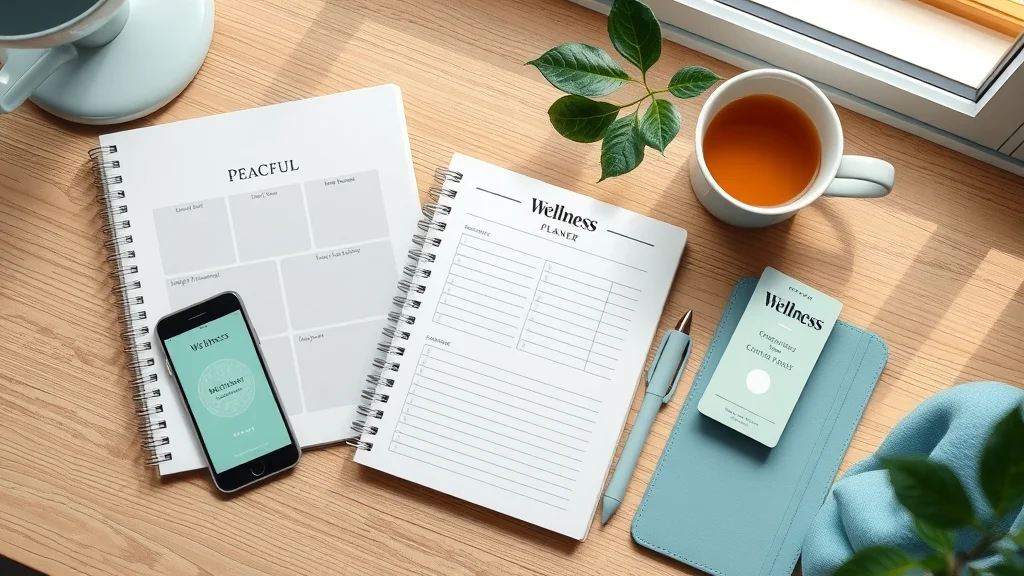
Harness tools to support your reflection process and help you stay on track throughout the year. A well-chosen wellness planner or guided journal offers prompts and space to organize thoughts, celebrate wins, and break down goals. There are mobile apps designed to track your mental health, remind you of primary care appointments, and even guide you through stress reduction exercises—making them perfect companions for your daily routine.
When seeking motivation or accountability, look for positive communities and inspiration on social media, but avoid the trap of comparison. Research shows that people who use these tools responsibly are more likely to set realistic and attainable resolutions, maintain momentum, and reach their health goals in the coming year.
Primary Care and Mental Health: Foundational Elements for New Year Wellness
Comprehensive new year wellness goes beyond setting goals—it requires building a foundation that addresses both physical and mental health with help from your primary care provider. The link between primary care, mental health screening, and your resolutions is stronger than ever, as research shows that people with regular check-ups and mental health support are more successful at maintaining lifestyle changes.
Why Schedule a Primary Care Check-Up Before Setting Resolutions?
Early detection and prevention for optimal wellness
Your primary care provider can give you a complete picture of your current physical and mental health. An annual check-up uncovers areas needing attention and provides guidance on attainable resolutions tailored to you—such as ways to improve air quality at home or different ways to incorporate more movement or nutrition into your routine. Early detection and prevention go a long way in safeguarding both physical and emotional health, and ensure that your new year wellness plan is not just ambitious, but also safe and sustainable. It’s the perfect time to ask for recommendations on stress reduction, sleep, or any specific concerns affecting your daily routine.
Mental Health Screening: Start Your Year With Insight
Benefits of annual screenings in achieving wellness and reducing stress
Just as primary care supports your body, mental health screenings support your mind and wellbeing. Annual check-ins make it easier to identify patterns in stress and anxiety, mood changes, or habits that may hold you back. Studies show that integrating mental health care into your routine increases resilience and makes it easier to adapt your goals throughout the year.
By discussing your plans with your primary care provider, you’ll uncover simple ways to reduce stress, manage setbacks, and achieve meaningful, realistic goals that span both mental health and physical needs, making your wellness journey sustainable in the long run.

Social Media, Community, and Accountability in New Year Wellness
Leveraging positive communities online and offline
Constructive uses of social media for inspiration and accountability
The downside of comparison and tips to avoid social media stress
Support networks—both online and offline—are invaluable in maintaining new year wellness goals. Participating in positive communities, whether that’s a fitness group, wellness forum, or mental health circle, encourages accountability and provides safe spaces for sharing wins and setbacks.
Social media, when used mindfully, offers endless inspiration and can help you track your goals, but beware the pitfall of comparison which can increase stress and negatively impact mental health. Set boundaries and choose to follow only those who lift you up and align with your wellness values. Promise yourself that social media will serve your journey—not derail it—and use it as a tool for meaningful connections instead of competition.
Reduce Stress: Mindfulness, Movement, and Routine for New Year Wellness
Daily habits that support stress reduction and new year wellness
Mindfulness exercises for clarity and sustainable change
Research shows that integrating simple daily habits into your routine is a powerful way to reduce stress and support sustainable change, benefiting both your mental health and overall wellness. Basic mindfulness techniques—like meditation, deep breathing, or mindful walking—bring clarity to your day and make it easier to manage the pressures that can derail new year wellness efforts. Movement, even just a few minutes a day, boosts energy and confidence, and is proven to reduce the risk of stress-related setbacks.
The key is consistency: keeping small, achievable promises to yourself, even if that means a brisk walk, a few stretches, or cutting back on late-night social media a few days a week. Over a long period, these simple ways to improve mental and physical health add up, promoting resilience and happiness throughout the year.

Setting SMART Wellness Goals for the New Year
How to build Specific, Measurable, Achievable, Relevant, and Time-bound goals
Adapting goals in response to changes in primary care and mental health status
A cornerstone of new year wellness is setting SMART goals: Specific, Measurable, Achievable, Relevant, and Time-bound. Instead of a vague resolution to eat healthier, be precise—“I will prepare three home-cooked meals a week for the next month,” for example. SMART goals provide a clear road map, making it easy to track success, measure progress, and adjust as your physical and mental health changes over time.
Remember that flexibility is essential; stay in contact with your primary care provider or mental health professional, and don’t hesitate to revise goals to keep them attainable and realistic. The act of adaptive goal-setting is a form of self-care, keeping your new year wellness journey positive, motivating, and growth-oriented.
People Also Ask: Common Questions About New Year Wellness
What to do for good health in the new year?
Actionable tips: primary care visits, healthy routines, stress management
For good health in the new year, prioritize annual primary care visits and integrate healthy habits into your daily routine. Focus on practical steps like maintaining balanced nutrition, consistent movement, and regular sleep. Find simple ways to stay connected with supportive communities, reduce stress, and seek mental health check-ins. Avoid overwhelming goals—small, steady changes are most sustainable, and your care provider can help tailor health goals to your needs.
What is the most common New Year's resolution related to wellbeing?
Typical goals: exercise, improved mental health, eating habits
The most common new year’s resolutions related to wellbeing are to exercise more, eat healthier, and dedicate time for mental health practices like mindfulness or stress reduction. Many people also aim to improve sleep quality, reduce consumption of processed foods, and make meaningful connections with others for emotional support throughout the year.
How to wish someone good health in the new year?
Messages and supportive wishes for wellbeing
Wishing good health in the new year can be as simple as saying, “May this year bring you wellness, happiness, and strength,” or, “Wishing you a joyful, healthy, and peaceful new year.” Supportive words that specifically mention health and self-care encourage your loved ones to prioritize their physical and mental well-being as they set new goals.
What month is wellness month?
Key months for wellness awareness and related campaigns
While “wellness month” initiatives vary, August is often celebrated as National Wellness Month in the U.S., with campaigns focused on self-care, stress-busting activities, and new routines. Mental Health Awareness Month in May and World Health Day in April also promote holistic wellbeing and primary care engagement. These times offer the perfect opportunity to renew your commitment to healthy living and reflect on ways to improve your wellness journey.
Real-Life Stories: How Reflection Transformed New Year Wellness
"Taking a pause before setting goals helped me align my resolutions with my mental health needs." – Wellness Journal User
Brief success stories highlighting pre-resolution reflection
One woman, Sarah, credits a single afternoon spent journaling with changing her new year wellness forever. By reflecting on her stress triggers and speaking with her primary care provider, she set small, realistic goals and achieved lasting improvements. Another story is John, who joined a social media wellness community, learned how to adapt his resolutions, and reduced stress over the long period by focusing on daily self-care practices. These stories show that pre-resolution reflection gives people clarity to set goals that stick and keeps motivation high when challenges arise.
Lists: Top 10 Reflection Prompts for New Year Wellness
What accomplishment am I most proud of this year?
Where did I struggle most, and what did I learn?
What habits improved my physical and mental health?
Which relationships or communities brought me support?
What events triggered the most stress or anxiety?
How did I adapt to changes in my health or lifestyle?
What goals were most rewarding and why?
Which self-care practices brought me joy?
How did social media affect my wellbeing?
What core value do I want to focus on next year?
Tables: Comparing New Year Wellness Strategies
Table comparing outcomes: direct goal setting vs. reflection-first approach
Strategy |
Short-Term Motivation |
Long-Term Success |
Impact on Mental Health |
|---|---|---|---|
Direct Goal Setting |
High in January |
Low (often diminish by February) |
Increased stress and disappointment |
Reflection-First |
Steady |
Consistent, lasting change |
Improved mood and resilience |

FAQs About New Year Wellness Preparation
Why is reflection important before setting new year wellness goals?
Reflection clarifies what truly matters to you. It reduces the risk of making unrealistic or vague resolutions, and helps align your goals with your actual physical and mental health needs. This approach creates a foundation for sustainable change and has been proven to increase success rates, reduce stress, and boost motivation throughout the year.
How can primary care visits improve my new year wellness journey?
Primary care visits offer a clinical perspective and early detection opportunities, helping you tailor your new year wellness goals to your unique health status and mental health needs. With your care provider’s insight, you can set more attainable resolutions and address areas—like stress, nutrition, or chronic conditions—that may be barriers to wellness. Regular follow-ups keep your plans adaptive and relevant.
Which tools are best for tracking my progress?
Guided journals, wellness planners, and mental health apps are excellent tools for tracking progress. Look for features like daily prompts, mood and habit tracking, primary care reminders, and community forums for accountability. Choose what fits your style to ensure consistent use and easy review of your growth over time.
Can social media foster accountability for new year wellness?
Yes, when used positively, social media communities can provide meaningful accountability, inspiration, and support. Share your goals with groups or friends, celebrate progress, and seek encouragement. Avoid comparing your journey with others by following accounts that promote authentic, positivity-driven wellness.

Key Takeaways
Reflection is foundational to successful new year wellness
Integrate primary care and mental health for holistic wellbeing
Leverage tools, community, and mindful planning
Conclusion: Begin Your New Year Wellness Journey with Reflection
Encouragement to begin the year with reflection and intention
Begin your year with intention—pause, reflect, and set goals rooted in wellness, for lasting positive change.
Ready to Prioritize Your New Year Wellness? Start with a Guided Journal Today.
Ready to transform your new year wellness? Start your journey with a guided wellness journal or planner that helps you cultivate reflection, set SMART goals, and track progress every step of the way.
If you’re inspired to take your wellness journey even further, consider exploring holistic strategies that go beyond resolutions and daily habits. For a deeper dive into transformative health principles and actionable insights from leading experts, discover Dr. Berg’s essential health and wellness guidance for lifelong transformation. This resource offers advanced perspectives and practical tips to help you sustain positive change, empowering you to make this year your healthiest yet.
Sources
Before setting your New Year resolutions, it’s crucial to engage in intentional reflection to enhance your wellness journey. The article “Health and Wellness Tips for the Holidays and New Year” offers practical advice on integrating manageable fitness routines and self-care practices into your daily life, emphasizing the importance of setting realistic, attainable goals to avoid frustration and support mental health. (americanspa.com)
In addition, Bayer’s “New Year’s Wellness: Prioritizing Personal Self-Care, Health and Nutrition” provides insights into creating achievable wellness goals, highlighting the significance of self-care and balanced nutrition in maintaining overall well-being. (bayer.com)
If you're truly ready to level up your health game and crush those big-life goals, these tools will hand you the real-deal tactics to nail 'em like a boss. NCWellnessHub.com




Write A Comment