

Lying awake, night after night, feeling helpless—many know the frustration of insomnia all too well. But there’s hope. Cognitive behavioral therapy for insomnia offers a proven path to restful sleep, helping you reclaim peace and restore your well-being naturally through evidence-based behavioral therapy. Discover how tonight.

Sleepless Nights: Personal Reflections on Insomnia and the Search for Answers
“Lying awake, night after night, feeling helpless—many know the frustration of insomnia all too well.”
Insomnia isn’t just about lost sleep time—it’s about restless hours, racing thoughts, and the overwhelming sense that sleep may never truly come. For years, I battled through endless nights, desperate for even a fragment of restful slumber. Like countless others struggling with a stubborn sleep disorder, I found myself caught in the web of worry, exhaustion, and self-doubt that insomnia spins. The harder I tried to force sleep, the more elusive it became, eventually affecting my sleep quality and everyday functionality.
The journey to understanding cognitive behavioral therapy for insomnia began when traditional remedies and medications offered no lasting solution, highlighting the importance of therapy for insomnia rooted in behavioral therapy principles. I searched for answers—reading about behavioral therapy for insomnia, exploring sleep medicine, and even considering sleep clinics. It was during this quest that I discovered Cognitive Behavioral Therapy for Insomnia (CBT-I): an approach rooted in science, focused on habits and thoughts, promising not just relief but transformation.
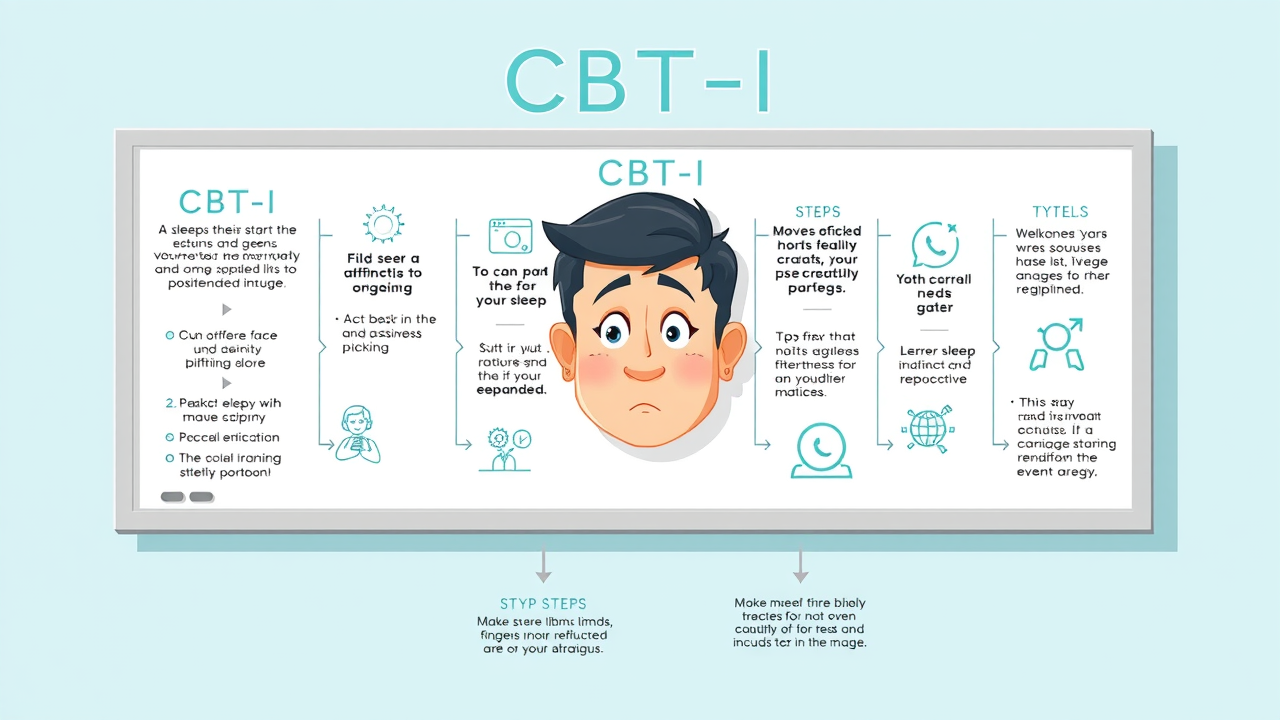
What You'll Learn About What Is Cognitive Behavioral Therapy for Insomnia?
What Cognitive Behavioral Therapy for Insomnia (CBT-I) is and how it helps
The scientific basis and history behind CBT-I
Comparison of CBT-I to traditional insomnia treatments including medication
Tips and resources for starting CBT-I, including digital tools
The author's personal experience and opinion on CBT-I effectiveness
Understanding Insomnia: Causes, Impacts, and Connection to Major Depressive Disorder
Defining Insomnia and Its Symptoms

Insomnia is more than a fleeting inconvenience—it’s a persistent sleep disorder marked by difficulty falling asleep, frequent waking, or an inability to achieve total sleep time that leaves you rested. People suffering from chronic insomnia may spend hours tossing and turning, struggling with sleep onset and unable to return to sleep after brief awakenings (wake after sleep).
These insomnia symptoms commonly include daytime fatigue, irritability, trouble concentrating, and a negative impact on mental health. Understanding how sleep hygiene and daily habits interact with mental states is crucial, as these factors often reinforce the sleep disorder cycle and diminish sleep quality.
The diagnosis of insomnia often relies on patient history and sleep diaries, with health professionals examining the impact on work, relationships, and mood. It is classified as a primary or secondary condition, depending on whether it exists independently or alongside another health issue. This classification helps guide the insomnia treatment approach and underlines the complexity of resolving chronic insomnia without professional input.
While understanding the roots of insomnia is essential, it’s equally important to recognize how emotional well-being can influence sleep quality. For instance, exploring the emotional benefits of laughter may offer additional strategies to support mental health and complement behavioral approaches to insomnia.
How Insomnia Relates to Major Depressive and Depressive Disorder
The relationship between insomnia and mental health, particularly major depressive disorder and depressive disorder, is well-established. Research indicates that persistent sleep disorders often contribute to the onset or worsening of depression symptoms. In some cases, insomnia can precede depression, while in others it exacerbates an existing depressive condition, creating a challenging cycle that can be hard to break.
The mutual reinforcement of insomnia and depression can prolong both conditions and complicate recovery. Effective treatment for insomnia, especially through approaches like cognitive behavioral therapy for insomnia, has shown promise in relieving not only sleep disturbances but also symptoms of major depressive disorder.
From my own experience, addressing insomnia with CBT-I led to noticeable improvements in mood and resilience. Patients with both depressive disorder and insomnia often require integrated treatment plans, as improved sleep can contribute to the remission of depression symptoms and vice versa. The synergy between mental health professionals and behavioral sleep medicine specialists is critical in such scenarios.
The Emotional and Physical Toll of Chronic Sleeplessness
Chronic insomnia takes a heavy toll, both emotionally and physically. Prolonged sleep loss impairs the brain’s ability to manage stress, dampens focus, and erodes personal relationships. The continuous struggle to fall and stay asleep isn’t purely exhausting—it can also foster feelings of despair, helplessness, and isolation. The effect size of insomnia extends beyond mere daytime sleepiness; it interferes with memory, immune function, and emotional regulation, leading to increased risks for anxiety and other mental health challenges.
Failing to address insomnia symptoms undermines well-being and can contribute to a vicious cycle of poor health and decreased motivation. This is why evidence-based solutions, like cognitive behavioral therapy and behavioral interventions that address thought patterns and habits, are increasingly recognized as first-line treatment for longstanding sleep disorders.
What Is Cognitive Behavioral Therapy for Insomnia? An In-Depth Exploration
Origins and Principles of Cognitive Behavioral Therapy (CBT)

Cognitive Behavioral Therapy (CBT) originated from the recognition that our thoughts, feelings, and behaviors are deeply interconnected. Initially developed to treat mood disorders like depression, its adaptable structure was later adapted for multiple health issues—including insomnia treatment. CBT works by identifying negative or inaccurate thoughts (“cognitions”) and problematic behaviors that contribute to a condition, and then systematically reshaping them.
In the context of insomnia, CBT principles lay the foundation for behavioral therapy for insomnia, or CBT-I. Instead of simply managing symptoms, CBT-I aims to uproot the factors sustaining chronic sleeplessness, guiding individuals to recognize unhelpful beliefs (“I’ll never sleep tonight”) and counterproductive behaviors (spending hours in bed awake). This evidence-based approach is championed by sleep medicine professionals for its effectiveness and relatively low risk of side effects compared to pharmacological treatments.
Adapting Cognitive Behavioral Therapy for Insomnia Treatment
CBT-I adapts standard cognitive behavioral therapy to directly target sleep disorders by weaving together sleep-specific education, behavioral changes, and cognitive interventions, making it a leading therapy for insomnia. The therapy typically involves structured sessions—delivered in person, online, or through digital tools—where participants learn about sleep cycles, understand stimulus control, and practice behavior changes to improve sleep quality.
The key adaptation is its focus on sleep-specific habits and beliefs. Protocols cover topics such as limiting napping, establishing a consistent sleep schedule, improving sleep hygiene, and modifying worries about sleep. Cognitive interventions address “catastrophic thinking” about the consequences of poor sleep, while behavioral components empower patients to regain control over their total sleep time and wake after sleep. Ultimately, CBT-I equips individuals to break the cycle of insomnia, promoting lasting remission of both sleep issues and associated mental health challenges.
How Does Behavioral Therapy for Insomnia Work?
The Role of Thoughts, Behaviors, and Sleep Hygiene

Behavioral therapy for insomnia operates on a simple but powerful idea: by changing your thoughts and behaviors around sleep, you can restore natural sleep patterns, a core principle of cognitive behavioral therapy. This means learning to recognize counterproductive habits (such as lying awake in bed for hours) and actively practicing sleep hygiene like maintaining a regular bedtime, limiting screens before sleep, and optimizing your sleep environment.
A cornerstone of CBT-I is the sleep journal, where tracking total sleep time, sleep onset, and periods of wake after sleep helps both therapist and individual identify hidden patterns. Over time, negative beliefs ("I'll never get to sleep") can be replaced with more realistic expectations, and new routines are established to support healthy sleep quality. In my experience, being intentional about sleep-related thoughts and behaviors turned insurmountable frustration into hope and progress.
CBT-I Protocols: Stimulus Control, Sleep Restriction, and More
CBT-I protocols include a range of strategies developed through years of research in behavioral sleep medicine. Stimulus control trains your brain to associate the bed with sleep by instructing you to get up after 15–20 minutes of wakefulness, only returning to bed when sleepy. Sleep restriction limits the time spent in bed to match actual sleep, gradually increasing that window as sleep quality improves.
Other components include cognitive restructuring (challenging harmful beliefs about sleep), relaxation techniques, and education on circadian rhythms. Each aspect addresses a unique element of chronic insomnia, empowering people with insomnia to regain agency over their sleep time. These methods are consistently refined and validated through randomized controlled trials and published studies in the field of sleep medicine.
Comparison Table: Cognitive Behavioral Therapy for Insomnia vs. Medication vs. Alternative Treatments
Treatment Method |
How It Works |
Short-Term Effectiveness |
Long-Term Effectiveness |
Risks/Side Effects |
Dependency Risk |
Cost & Accessibility |
|---|---|---|---|---|---|---|
CBT-I (Cognitive Behavioral Therapy for Insomnia) |
Addresses thoughts and behaviors to promote healthy sleep habits |
High (may take a few weeks) |
Very high (sustained improvement, low relapse risk) |
Minimal (virtually no medical side effects) |
None |
Provided by therapists; increasing digital/online access |
Medication |
Acts on brain chemistry to induce sleep |
Very high (rapid onset) |
Low–moderate (risk of building tolerance, relapse after discontinuation) |
Possible (drowsiness, memory problems, dependency, withdrawal) |
Moderate to high, especially with long-term use |
Prescription needed; may be covered by insurance |
Alternative Treatments (Herbal, Acupuncture, etc.) |
Varying mechanisms (relaxation, physical alignment, placebo effect) |
Low to moderate (individual results vary) |
Unknown to low (lack of robust evidence) |
Rare but possible allergic reactions/interactions |
None |
Usually low cost, over-the-counter |
The Science: Why Cognitive Behavioral Therapy for Insomnia is a Leading Insomnia Treatment
Current Evidence from Sleep Medicine Research

The scientific evidence behind cognitive behavioral therapy for insomnia, supported by extensive research in sleep medicine, is compelling. According to leading journals in sleep medicine, CBT-I consistently yields significant improvements in sleep onset, wake after sleep, and overall sleep quality. Multiple randomized controlled trials and meta-analyses conclude that CBT-I not only offers comparable short-term outcomes to medication but also maintains gains long-term—sometimes achieving the full remission of insomnia.
More importantly, CBT-I delivers these benefits without the side effects or dependency risks that plague many pharmacological solutions. The effect size for improvements among people with insomnia is robust, and guidelines from organizations like the American Academy of Sleep Medicine elevate CBT-I to a "gold standard" level. Studies also highlight its benefits for populations with both major depressive disorder and chronic insomnia, showing improved emotional resilience alongside restored sleep.
Expert Opinions on Therapy for Insomnia
"Cognitive behavioral therapy remains the gold standard for insomnia treatment, offering lasting solutions without dependency." – Sleep Medicine Specialist in NC
Experts across behavioral sleep medicine champion cognitive behavioral therapy for insomnia (CBT-I) as the preferred behavioral therapy for insomnia treatment. Sleep specialists underscore how focusing on behaviors, environment, and thought patterns enables individuals to reclaim healthy sleep without the pharmacological pitfalls of side effects and tolerance. As clinical adoption grows, many practitioners believe that digital delivery of CBT-I techniques—reinforced by ongoing professional support—will make this approach even more accessible to those in need.
From my perspective—and reflected in expert commentary—CBT-I’s emphasis on root causes, education, and practical skills makes it an empowering long-term choice. By enabling individuals to actively resolve the patterns sustaining sleep disorders, therapy for insomnia becomes more than a remedy—it is a transformational process.
Comparing Behavioral Therapy for Insomnia with Medication-Based Treatments
Short-Term vs. Long-Term Outcomes
Medications for insomnia can indeed provide rapid relief: falling asleep faster, less wake after sleep, and an increase in total sleep time, but behavioral therapy for insomnia offers longer-lasting benefits. However, the benefits often diminish over weeks and can be quickly lost if medications are stopped.
In contrast, behavioral therapy for insomnia, especially CBT-I, offers patients lasting strategies that promote sustained improvements in sleep quality and overall well-being. The risk of relapse with CBT-I is far lower than with pharmacological approaches, as reinforced by randomized control studies published in top sleep medicine journals.
My personal journey mirrored this distinction: sleeping pills offered a short-term patch, but true recovery came only through adopting CBT-I principles, step by step. For anyone seeking not just immediate comfort, but lifelong healthy sleep, the evidence leans in favor of behavioral therapy.
Side Effects, Dependency, and Safety Considerations
Prescription medications—while effective for some—carry a host of potential side effects: grogginess, dizziness, impaired memory, and, most notably, dependency. The risk of building tolerance can lead to escalating dosages and heightened withdrawal when stopping.
Alternately, cognitive behavioral therapy for insomnia has very few medical risks. CBT-I fosters autonomy by teaching coping skills, not by masking symptoms. This makes it especially safe as a first-line treatment, even for complex cases involving major depressive disorder or other concurrent mental health issues.
Pros of Behavioral Therapy for Insomnia: No dependency, lasting results, addresses root causes, minimal-to-no side effects, can be tailored for coexisting mental health concerns.
Cons of Behavioral Therapy for Insomnia: Requires commitment and time, may require trained guidance, initial access can be a challenge if specialized providers are limited.
Pros of Medications: Rapid relief, easily accessible by prescription, sometimes covered by insurance.
Cons of Medications: Risk of dependency/tolerance, short-term solutions, possible side effects, does not address underlying thought or behavioral patterns.
Who Can Benefit from Treatment for Insomnia Using CBT-I?
Adults, Teens, and the Elderly: Different Populations

Cognitive behavioral therapy for insomnia isn’t just for middle-aged adults—it’s highly adaptable for diverse age groups, from teenagers struggling with sleep time due to academic stress to seniors experiencing sleep disorder due to health changes. The principles of behavioral therapy are flexible: online and group formats appeal to younger users, while in-person, individually paced approaches can meet the needs of elderly individuals.
Studies routinely demonstrate that when tailored correctly, CBT-I leads to meaningful improvement for all these populations, regardless of the underlying insomnia symptoms. For anyone searching for long-term solutions, CBT-I is a robust answer.
Insomnia with Coexisting Major Depressive Disorder and Other Mental Health Issues
Patients facing both major depressive disorder and sleep disorders require coordinated care. Fortunately, CBT-I is recognized for its ability to improve both sleep and mood when applied in collaboration with other mental health treatments. Experts recommend combining CBT-I with therapies designed for depression or anxiety, ensuring patient safety and maximizing the remission of insomnia and related distress.
From group therapy models for people with insomnia and mood disorders to digital platforms with integrated mental health support, the behavioral approach is both versatile and effective, even for complex conditions intersecting physical and psychological health.
Step-by-Step: What to Expect from the Cognitive Behavioral Approach to the Treatment of Insomnia
-

The first step is assessment: understanding your sleep history, patterns, and any factors (medical or psychological) that may influence chronic insomnia. With your therapist, you’ll set specific goals for total sleep time, daytime energy, and reduction in wake after sleep.
-
Step 2: Tracking Sleep and Identifying Patterns
You’ll use a sleep diary or app to monitor bedtimes, risetimes, sleep onset, and awakenings. Tracking these metrics helps identify hidden behaviors and guides tailored intervention.
-
Step 3: Implementing Behavioral Therapy Techniques
Key strategies might include stimulus control (leaving the bed if unable to sleep), sleep restriction (limiting bed time initially), and environmental adjustments to reinforce cues for healthy sleep quality.
-
Step 4: Cognitive Restructuring
Together, you’ll challenge unhelpful beliefs (“I’ll never sleep again”) and replace them with adaptive, realistic thoughts that ease anxiety around sleep time.
-
Step 5: Reviewing Progress and Adjusting
The final step is reviewing improvements, troubleshooting persistent issues, and planning for long-term maintenance—even after therapy ends.
Real-Life Perspectives: Author’s Opinion and Experiences with Cognitive Behavioral Therapy for Insomnia
"In my own journey, CBT-I proved not just effective, but empowering—restoring hope after years of restless nights."

I began CBT-I after years of resisting non-drug solutions, fearing nothing would help my chronic insomnia. The turning point was learning there was a practical, proven method addressing both my anxious thoughts and bad sleep habits. In structured sessions, I tracked my patterns, implemented stimulus control, and practiced reframing negative beliefs about sleep. Gradually, my total sleep time expanded, and morning exhaustion faded.
Perhaps most importantly, CBT-I restored my confidence—not just in sleeping, but in managing life’s stressors. The empowerment from understanding my sleep disorder at a deeper level carried over into my work, mood, and relationships. For anyone exhausted by a cycle of failed remedies, I can honestly say: CBT-I transformed my nights, and by extension, my life.
Digital Tools: Is There a Free CBT App for Insomnia?
Review of Popular CBT-I Applications
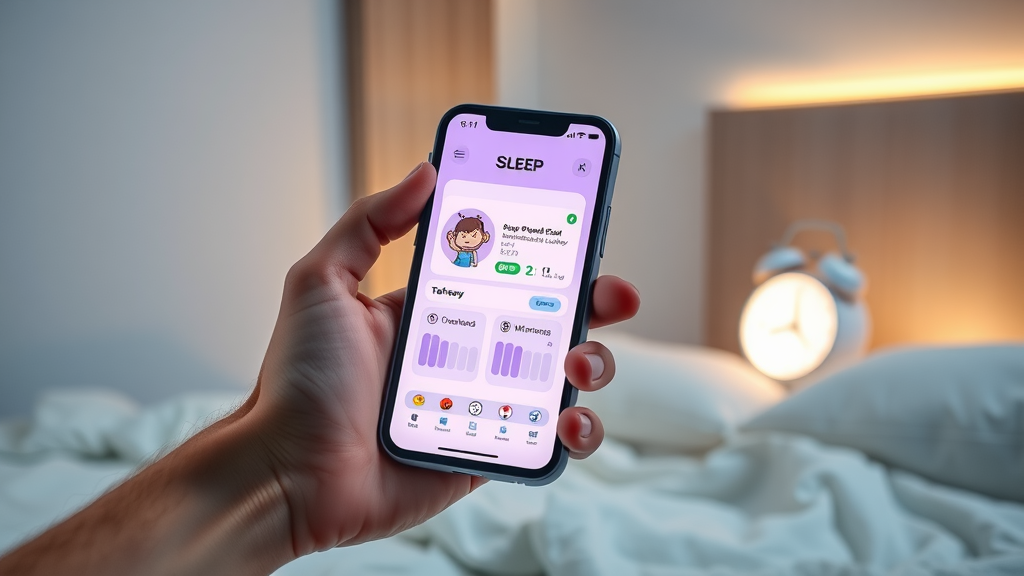
As technology advances, numerous digital cognitive behavioral therapy for insomnia (CBT-I) options have emerged, making behavioral therapy for insomnia more accessible. Free and paid apps—including virtual versions of sleep diaries, behavioral reminders, and educational modules—offer guided CBT-I experiences. Some popular choices include Sleepio, CBT-i Coach, and Insomnia Coach. Many of these platforms were developed in collaboration with sleep medicine experts and offer features such as mood tracking, progress visualization, and links to peer groups.
I tested several of these digital tools and found they’re especially convenient for busy schedules or those wanting to try behavioral therapy for insomnia before committing to professional guidance. The apps echo traditional CBT-I steps: assessment, pattern tracking, education on sleep hygiene, and techniques for challenging unhelpful thoughts.
Effectiveness, Accessibility, and Limitations
While free CBT-I apps provide an approachable entry point to behavioral sleep medicine, there are limitations. App-based CBT-I can be highly effective for motivated users with mild sleep disorders and a good understanding of behavioral change. However, complex cases—particularly those involving major depressive disorder, multiple failed insomnia treatment attempts, or other psychiatric comorbidities—may require in-person or telehealth support for best results.
Nevertheless, the increased accessibility is a net positive, offering structured help with minimal barriers. Most experts agree that while digital tools provide valuable resources, they work best as supplements or stepping stones to comprehensive care for persistent insomnia symptoms.
People Also Ask About What Is Cognitive Behavioral Therapy for Insomnia?
What is the CBT program for insomnia?
CBT-I typically includes education on sleep, strategies to improve behaviors and thoughts around sleep, stimulus control, sleep restriction, and cognitive techniques—all customized to the individual's sleep patterns.
Does CBT actually work for insomnia?
Yes, research in sleep medicine shows CBT-I is highly effective, especially for chronic insomnia, with positive long-term outcomes compared to medication.
Is there a free CBT app for insomnia?
Some free CBT-I apps offer guided sleep diaries and strategies, but their depth and effectiveness may vary compared to professional or paid versions.
What is the cognitive behavioral approach to the treatment of insomnia?
This approach focuses on changing negative thoughts and behaviors around sleep, using proven techniques to build healthier sleep patterns.
Key Takeaways on What Is Cognitive Behavioral Therapy for Insomnia?
CBT-I is a gold standard for non-drug insomnia treatment.
Effective for various populations, including those with mental health challenges.
Digital CBT-I tools are accessible, but may have limitations.

FAQs: What Is Cognitive Behavioral Therapy for Insomnia?
Is cognitive behavioral therapy for insomnia safe?
Yes, CBT-I is considered very safe and may be effective for both adults and older teens. It does not involve medication or pose significant medical risks, making it suitable for most individuals—even those with chronic physical or mental health conditions. For those with specific medical issues, professional guidance ensures the therapy is individualized.
How long does CBT-I treatment usually take?
A typical course of CBT-I ranges between 6 and 8 sessions, though some people see improvement sooner. Programs can be adapted for shorter or longer durations depending on the complexity of the sleep disorder and the presence of other mental or physical health conditions.
Can you do CBT-I on your own?
CBT-I can certainly be self-guided via books, online modules, or smartphone apps—which replicate much of the in-person structure found in behavioral therapy. However, professional support often leads to better adherence, more lasting results, and increased remission of insomnia in complicated cases.
How does CBT-I address both sleep and mental health issues?
CBT-I operates on the understanding that sleep and emotional well-being are deeply intertwined. By tackling negative thought patterns and unhealthy behaviors simultaneously, CBT-I often leads to improvements in mood, anxiety, and overall mental health as sleep improves.
Should You Try Cognitive Behavioral Therapy for Insomnia?

If you struggle to sleep and long-term solutions have disappointed you, cognitive behavioral therapy for insomnia (CBT-I) offers a safe, empowering, and proven path forward within the field of sleep medicine. Seek a skilled provider or explore digital options today—peaceful nights are within reach.
As you consider your next steps toward better sleep, remember that wellness is a holistic journey. Addressing insomnia with CBT-I is a powerful move, but exploring broader lifestyle strategies can further enhance your results.
For those interested in optimizing overall health and vitality, you might find inspiration in these natural approaches to hormone balance and wellness. By integrating sleep, emotional health, and physical well-being, you can unlock a more energized, resilient version of yourself—one restful night at a time.
See Cognitive Behavioral Therapy for Insomnia in Action
Patient Perspectives: Major Depressive Disorder and Cognitive Behavioral Therapy for Insomnia
Sources
https://www.sleepfoundation.org/insomnia/treatment/cognitive-behavioral-therapy-insomnia
https://www.aasm.org/resources/pdfs/practiceguidelines/Insomnia.pdf
Cognitive Behavioral Therapy for Insomnia (CBT-I) is a structured, evidence-based approach that addresses the underlying thoughts and behaviors contributing to chronic sleep disturbances. Unlike medications that often provide temporary relief, CBT-I focuses on long-term solutions by modifying maladaptive sleep patterns and cognitive distortions.
The therapy typically involves several key components:
Cognitive Restructuring: Identifying and challenging negative beliefs about sleep, such as catastrophic thinking regarding the consequences of poor sleep. (mcpress.mayoclinic.org)
Stimulus Control: Establishing a strong association between the bed and sleep by limiting activities in bed to sleep and intimacy, and going to bed only when sleepy. (stanfordhealthcare.org)
Sleep Restriction: Limiting the time spent in bed to the actual amount of sleep typically achieved, gradually increasing this as sleep efficiency improves. (stanfordhealthcare.org)
Relaxation Techniques: Incorporating methods such as deep breathing, progressive muscle relaxation, and meditation to reduce pre-sleep arousal. (the-cbt.com)
Sleep Hygiene Education: Promoting habits that support healthy sleep, including maintaining a consistent sleep schedule, creating a comfortable sleep environment, and avoiding stimulants before bedtime. (the-cbt.com)
Research indicates that CBT-I is highly effective, often leading to significant improvements in sleep quality and duration. It is considered the first-line treatment for chronic insomnia and can be beneficial across various populations, including older adults and those with comorbid conditions. (pubmed.ncbi.nlm.nih.gov)
For individuals seeking to implement CBT-I, options include working with trained therapists or utilizing digital platforms that offer structured programs. While self-guided resources can be helpful, especially when access to specialists is limited, professional guidance may enhance adherence and outcomes. (mayoclinic.org)
In summary, CBT-I offers a comprehensive, non-pharmacological approach to treating insomnia by addressing the cognitive and behavioral factors that perpetuate sleep difficulties, leading to sustainable improvements in sleep health.




Write A Comment