Add Row
Add Element
NC Wellness Hub
update
North Carolina Wellness Hub
update
Add Element
  • Home
  • Categories
    • Wellness
    • General Health
    • Holistic
    • News
    • Living & Travel
    • Lifestyle
    • Fitness & Exercise
    • Mental Health
    • Stress Management
    • FEATURE
    • Sleep
    • Allergies
    • Medicines & Supplements
    • Weight Loss
    • Kids Health
    • Fertility & Pregnancy
    • Cancer
    • Heart Health
    • Skin & Hair
    • Arthritis
    • Dental
    • Vision
  • Bone Health
  • Digestive
4 Minutes Read

Vein Popping Problems? What You Really Need to Know About Varicose Veins (Before They Get Worse)

Close-up of varicose veins, illustrating common symptoms.


Vein Popping Problems? What You Really Need to Know About Varicose Veins (Before They Get Worse)

What Are Varicose Veins, Really?

Let’s cut through the fluff: varicose veins aren’t just a cosmetic nuisance—they’re your veins screaming, “Help! We’re under pressure!” These swollen, twisted veins typically show up on the legs and feet and can feel like you’ve wrapped your calves in a throbbing garden hose.

According to the Society for Vascular Surgery, over 35% of U.S. adults have some form of varicose veins—many without even realizing they’re more than just a visual quirk.


The Root of the Problem: What Causes Varicose Veins?

Blame it on gravity—and a few lifestyle habits. Here’s a breakdown of the most common culprits:

👣 Weak or Damaged Valves

Veins have one-way valves that keep blood flowing back toward the heart. When these valves weaken or become damaged, blood pools instead of moving upward, causing the vein to bulge.

🧬 Genetics

Thanks, Mom and Dad. If varicose veins run in the family, your odds increase significantly. A study in the Journal of Vascular Surgery found that over 90% of people with varicose veins had a family history of them.

🪑 Prolonged Standing or Sitting

Desk jockeys and teachers, take note. Long periods of being on your feet (or glued to a chair) put extra pressure on leg veins.

🏋️‍♀️ Obesity

Excess weight = extra pressure on your veins. The National Heart, Lung, and Blood Institute notes that obesity is a major risk factor due to the added strain on lower body circulation.

🤰 Pregnancy

Growing a human is beautiful—until your veins say otherwise. The increase in blood volume and pressure during pregnancy, plus hormonal shifts, can lead to varicose veins (thanks, progesterone).


Symptoms: More Than Skin Deep

Sure, they’re visible—but the signs go beyond the surface:

  • Aching, heavy, or “tired” legs

  • Throbbing, burning, or cramping

  • Swelling around ankles

  • Itchy or irritated skin over the vein

  • Discoloration or hardening (in advanced stages)

Dr. Luis Navarro, founder of The Vein Treatment Center in NYC, explains:

“Varicose veins may look harmless at first, but left untreated, they can lead to chronic pain, ulcers, and even blood clots.”

That’s right. Ignoring them isn’t a power move—it’s a medical gamble.


Treatment Options: From Simple to Surgical

Let’s break it down into what works (and what’s just snake oil).

✅ Lifestyle Fixes

Before jumping under the laser, your doc may recommend:

  • Compression stockings – Not your grandma’s nylons. These improve blood flow and reduce swelling.

  • Exercise – Walking, swimming, and cycling can strengthen leg muscles and improve vein health.

  • Weight management – Dropping extra pounds relieves pressure on the legs.

  • Leg elevation – Kick your feet up (literally) several times a day.

💉 Minimally Invasive Procedures

When compression socks and cardio just aren’t cutting it:

  • Sclerotherapy – A solution is injected to collapse the vein. It’s outpatient and relatively painless.

  • Laser treatment – Intense light causes veins to fade or disappear. Works best on smaller veins.

  • Radiofrequency ablation (RFA) – Heat from radio waves closes off the damaged vein.

According to Dr. Lowell Kabnick of NYU Langone Health:

“Modern treatments for varicose veins are safer and more effective than ever, with minimal recovery time and proven results.”

🏥 Surgical Options

Reserved for severe cases:

  • Vein ligation and stripping – Removal of the vein under anesthesia. It’s old-school but still effective in certain cases.

  • Phlebectomy – Tiny incisions remove superficial veins.


Prevent Varicose Veins


Prevention: Keep Those Veins in Line

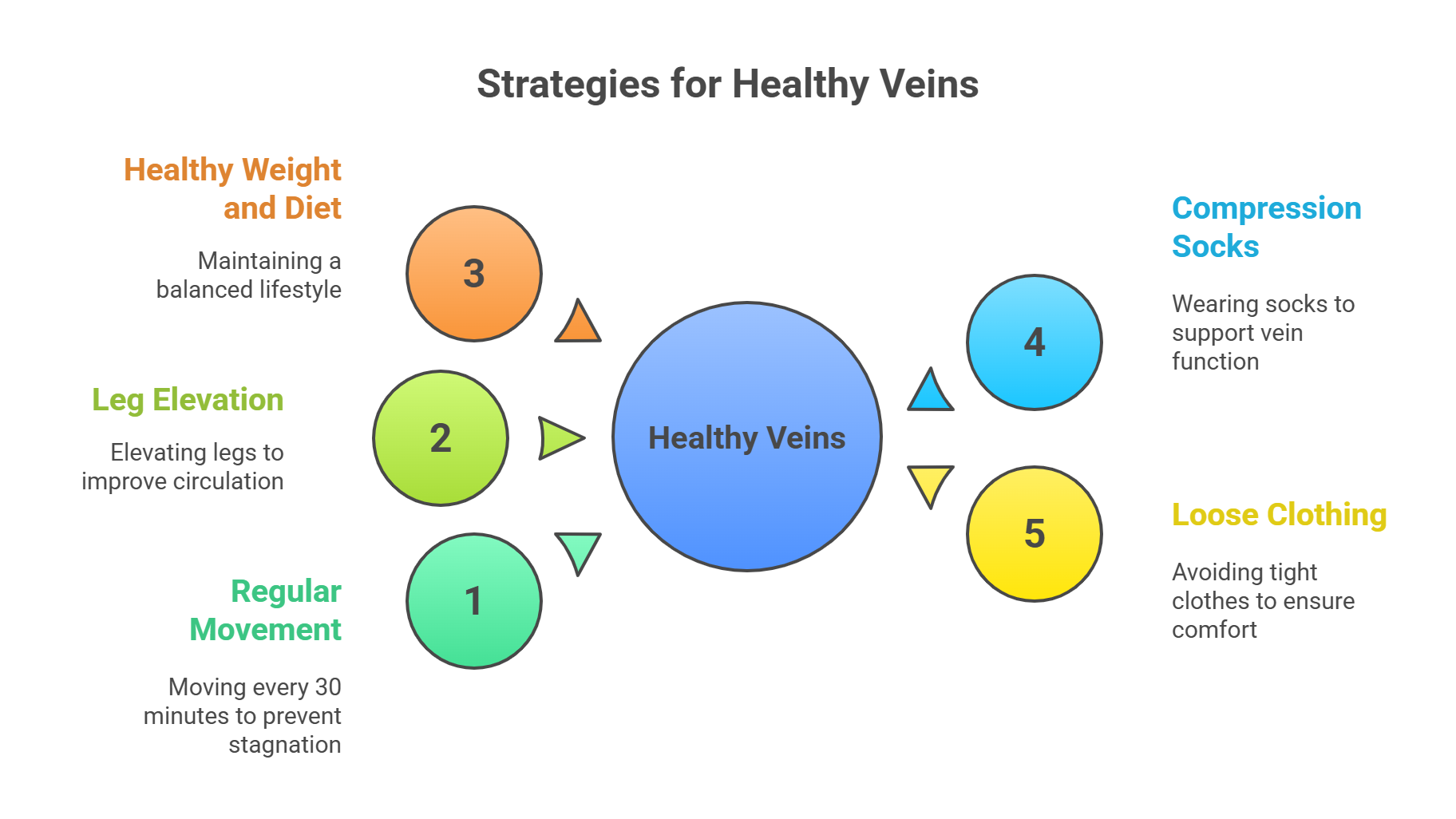
Even if you’ve dodged the varicose bullet so far, these tips can keep your circulation game strong:

  • Don’t sit or stand too long—move around every 30 minutes

  • Keep your legs elevated when relaxing

  • Maintain a healthy weight and diet

  • Wear compression socks if you’re at high risk

  • Skip tight clothes that strangle your thighs or waist


When to See a Doctor (Hint: Not When Your Leg Looks Like a Road Map)

If you’re experiencing persistent pain, swelling, skin changes, or ulcers—don’t wait. It’s not “just cosmetic.” Vein issues can escalate into serious health conditions like chronic venous insufficiency or deep vein thrombosis (DVT).


Final Thoughts: Vein Trouble Is Nothing to Shrug Off

Varicose veins aren’t just vanity villains. They’re red flags from your circulatory system that something’s off. Thankfully, you’ve got options—from simple lifestyle tweaks to state-of-the-art medical treatments.

So, next time you catch a glimpse of those bulging blue cords, don’t panic—but don’t ignore them either. Your legs—and your heart—will thank you.


Disclaimer: The information provided on this website is for general informational purposes only and should not be considered medical advice, diagnosis, or treatment. Always consult a qualified healthcare professional before making any decisions or taking actions related to your health, including but not limited to medical conditions, treatments, diets, supplements, or exercise programs. The content on this site is not intended to replace professional medical guidance. The website and its authors are not responsible for any actions taken based on the information provided. Ask your doctor or licensed medical professional first.

Wellness Skin & Hair

0 Comments

Write A Comment

*
*
Related Posts All Posts

The pH Paradox: How This Invisible Chemical Balance Could Be Sabotaging Your Energy

Did you know that even a slight ph imbalance in your body can drain your energy and affect your well-being? Despite a healthy diet, exercise, or balanced routines, many individuals unknowingly suffer from energy loss caused not by lifestyle factors—but by the invisible forces of pH levels within the body. Understanding this hidden chemical factor may hold the key to unlocking better vitality, clear focus, and lasting health.This comprehensive guide exposes the link between pH balance and your energy, how to spot warning signs, and actionable steps for restoring your body’s natural equilibrium. If you’re struggling with unexplained fatigue, this article will help you pinpoint the missing puzzle piece.Unlocking the pH Paradox: Why pH Imbalance Matters for Your EnergyThe human body relies on a delicate pH balance, especially when it comes to maintaining optimal ph levels for energy and health. Simply put, pH—which stands for “potential of hydrogen”—measures how acidic or alkaline your fluids and tissues are. Most bodily systems, like the bloodstream, skin, and even the vaginal area, thrive within a narrow pH range.When this pH balance is disrupted—a condition known as ph imbalance—metabolic processes slow down, leading to decreased energy and fatigue. Recent studies show that unbalanced pH can impact how efficiently cells produce energy, influencing fatigue, mood, and overall health Example Site – https://example.com."Many people overlook pH imbalance as a root cause of fatigue, but correcting it can be transformative for your overall energy levels." — Dr. Amelia Grant, Clinical NutritionistCorrecting a subtle ph imbalance has helped many individuals restore balanced ph, resulting in improved alertness and increased stamina. Understanding the science, symptoms, and solutions behind this “pH paradox” helps you take back control of your energy from the inside out. Next, let’s break down exactly what you’ll learn from this article.What You'll Learn About pH Imbalance, pH Levels, and Balanced pHFoundational science behind pH imbalance and pH levelThe relationship between pH balance and energyRecognizing ph imbalance symptomsNatural and medical strategies for restoring balanced pHAnswers to the most common questions about unbalanced pHExpert insights into how to manage and prevent ph imbalanceWhat Is pH Imbalance? Understanding Your pH LevelAt its core, ph imbalance refers to your body’s deviation from ideal ph levels, disrupting the natural acidity or alkalinity within key systems. The ph level is based on a scale from 0 to 14—7 is neutral, below 7 is acidic, above 7 is alkaline. Blood should always remain slightly alkaline, typically between 7.35 and 7.45. However, local environments, such as the skin (ph balance around 4.7–5.75) or vagina (vaginal ph level around 3.8–4.5), have their own healthy ranges to support immune defenses and healthy bacteria."Your body's systems rely on a stable pH balance to function optimally. Even a minor ph imbalance can disrupt cellular energy production." — Dr. Raj Patel, EndocrinologistWhen any system becomes too acidic or too alkaline, it creates an unbalanced pH that disrupts normal biological processes. This can manifest as sluggish metabolism, weaker immunity, and especially reduced energy. Tracking and understanding your ph levels can empower you to restore balanced pH and support energized living. But how does all this chemistry affect the way you feel day-to-day? Let’s dive into the science next.Interestingly, the way your body manages pH balance is closely tied to other metabolic processes, such as muscle growth and recovery. If you're curious about how optimizing your internal chemistry can also support efficient muscle development, you might find these secrets for efficient muscle growth particularly insightful.The Science of pH Levels: How Body Chemistry Impacts EnergyHow the Body Regulates pH BalanceThe body uses several mechanisms—breathing, kidney filtration, and buffer systems in the blood—to ensure pH levels stay within optimal ranges. This constant adjustment allows cells to efficiently convert nutrients into energy. For example, blood chemistry must remain tightly controlled because even slight changes in ph level can hinder oxygen delivery, enzyme function, and cell signaling.A diet high in acidic foods and low in alkalizing minerals can strain your body’s ability to maintain ph balance, often resulting in fatigue and unbalanced ph. Additionally, each system—such as skin and vaginal area—has its own requirements, explaining why a ph imbalance can cause seemingly unrelated symptoms like skin irritation or issues with vaginal health.Hydration, with water and electrolytes, helps the kidneys flush acids. The lungs expel carbon dioxide, a natural acid, to quickly regulate pH levels during stress or exertion. Balanced nutrition, stress reduction, and regular movement all play a role in supporting these processes, illustrating how lifestyle directly influences both energy and balanced pH.What Causes pH Imbalance and Unbalanced pH?Dietary factors and acidic foodsMedication side effectsStress and hormonal changeLack of hydrationUnderlying medical conditionsDiet plays a critical role: Consuming excessive meat, dairy, refined sugars, and processed foods can disrupt ph balance by increasing body acidity, contributing to ph imbalance. Certain medications, such as diuretics or antibiotics, may also change the body’s chemistry, increasing risk for unbalanced pH. Chronic stress or sudden hormonal changes—like during the menstrual cycle or menopause—can shift ph levels, as can dehydration or serious medical conditions like diabetes or kidney disorders.Because pH imbalance disrupts how efficiently your cells make ATP—the molecule responsible for cellular energy—it’s no wonder that even small deviations can lead to big dips in motivation and stamina. Next, let’s look at the most telling symptoms to help you spot ph imbalance early.Spotting the Signs: Symptoms of pH Imbalance and Unbalanced pHDecreased energy and persistent fatigueMuscle aches and joint discomfortFrequent headachesDigestive problemsVaginal health concerns (vaginal pH, vaginal ph balance)"Persistent symptoms of unbalanced pH should never be ignored—especially if you're also experiencing unexplained low energy." — Dr. Carla Simmons, Family MedicineA hallmark symptom of ph imbalance is persistent fatigue or chronic energy crashes, which occur despite adequate rest and balanced ph levels. Other common symptoms include muscle aches, recurring headaches, digestive issues (like bloating or indigestion), and changes to your skin—ranging from dryness to breakouts.For women, an imbalanced vaginal ph balance can cause unusual odor, irritation, and infections such as yeast infections, negatively affecting healthy vaginal ph and overall vaginal health. Because each system relies on a unique ph level, multiple symptoms may appear at once, making ph imbalance tricky to diagnose without a closer look at the underlying chemistry.Listening to these early warning signs and getting proper testing can help identify unbalanced pH before it leads to more complex health issues. For more clarity, let’s compare healthy and unbalanced pH in different body systems.Table: Comparing pH Balance in Key Bodily SystemsSystemHealthy pH RangeSymptoms of ImbalanceBlood7.35-7.45Fatigue, confusionVaginal3.8-4.5Infection, irritationSkin4.7-5.75Dryness, acneWith this in mind, it’s easier to see why maintaining a balanced pH in each system is essential to overall wellness. Now let’s look at what happens when real people take steps to correct a ph imbalance.Case Study: pH Imbalance and Energy — Real Data, Real ResultsProfile: The Impact of Correcting pH Imbalance on Chronic FatigueConsider Sarah, a 38-year-old teacher who suffered chronic fatigue despite regular exercise and a seemingly healthy diet. After running extensive lab tests—including blood, saliva, and vaginal ph levels—her doctor identified subtle ph imbalance related to high daily stress, a diet rich in processed grains and meats, and periods of dehydration.By adjusting her nutrition toward more alkaline foods, addressing stress, and improving hydration, she reported feeling clear-headed and energized within a few weeks. Similar reports from wellness clinics highlight how correcting unbalanced pH can rapidly improve stamina, mood, and resilience.Data Analysis: Energy Levels Before and After Balanced pH InterventionClients with ph imbalance are often assessed on a fatigue scale before and after lifestyle changes. In Sarah’s case, her fatigue rating dropped by 50% after two months of focusing on balanced pH. Follow-up tests showed normalized ph levels throughout her body systems. Many participants also noted improved digestion, skin clarity, and fewer headaches—confirming the powerful link between ph balance and overall energy. This kind of real-world success is consistently echoed by clinicians across the country.This short explanatory video uses simple graphics to illustrate how pH imbalance affects cellular energy production, why symptoms like fatigue occur, and how even minor chemical shifts disrupt daily vitality. Hear from experts and learn easy analogies to boost your understanding.How to Fix pH Imbalance: Strategies for Achieving Balanced pHDietary Adjustments for Promoting pH BalanceThe foundation for correcting ph imbalance starts in your kitchen. To promote balanced ph, emphasize whole plant foods such as leafy greens, cruciferous vegetables, fruits, nuts, and seeds, while limiting highly acidic foods like red meats, processed grains, sugary snacks, and sodas. Alkaline foods like avocados, citrus, and cucumbers can help restore balanced pH and support a healthy vaginal ph as well as skin pH balance.Fermented foods such as yogurt, sauerkraut, and kefir introduce healthy bacteria that maintain a more robust vaginal environment and improve gut health, offering defenses against yeast infection and bacterial vaginosis. Moderation is key; it’s about balance, not extremes.Hydration and Electrolyte SupportProper hydration supports kidney function and helps maintain ph balance by facilitating the removal of acids through urine, which is essential for preventing ph imbalance. Drink filtered water consistently throughout the day and include mineral-rich foods—such as leafy greens and seeds—that supply electrolytes like magnesium, potassium, and calcium.These minerals act as natural buffers, stabilizing ph levels in blood, skin, and even the vaginal area. For those who exercise intensely or live in hot climates, an oral rehydration solution can further prevent ph imbalance. Avoid overconsumption of caffeinated, sugary, or artificially flavored beverages, as these can contribute to unbalanced pH.Lifestyle Habits for Maintaining Healthy pH LevelsReducing stress and supporting hormonal balanceIncreased movement and exerciseRegular sleep patternsLong-term ph balance requires more than just diet. Chronic stress can elevate cortisol and disrupt the body’s ability to maintain homeostasis. Mindful practices like deep breathing, meditation, and spending time outdoors support a healthy hormonal cycle and stabilize ph levels.Gentle, consistent exercise (walking, yoga, swimming) also helps maintain balanced pH and supports lymphatic and circulatory health. Sleep is equally important; set regular routines to help regulate the hormonal rhythms influencing chemical balance in tissues—including the vaginal ph balance so crucial to vaginal health.How Hormonal Change Influences pH Imbalance, Especially Vaginal pHUnderstanding Hormonal Change and Its Effect on pH LevelsHormonal changes, such as those occurring during puberty, pregnancy, perimenopause, or specific points in the menstrual cycle, can directly affect ph balance. Estrogen supports the proliferation of healthy bacteria (like lactobacilli) in the vaginal area, encouraging proper vaginal ph levels and preventing yeast infections or bacterial vaginosis.However, fluctuations in these hormones—such as after childbirth, during menopause, or as a result of chronic stress—can tip the vaginal environment toward an unbalanced pH. The same mechanisms can influence blood and skin ph level, leading to breakouts or irritation during periods of hormonal shift.Maintaining Healthy Vaginal pH and Vaginal HealthTo promote healthy vaginal ph and a healthy vagina, practice good hygiene (without over-cleansing), wear breathable cotton underwear, and consider incorporating probiotics or foods rich in live cultures. Avoid excessive use of scented products in the vaginal area and manage stress to support hormonal steadiness. If you experience sudden changes in vaginal health—like discharge, odor, irritation, or discomfort—speak to a healthcare provider to rule out infection or deeper hormonal causes.Watch this brief video for actionable steps to restore your energy by correcting ph imbalance, featuring easy daily tips and insights from leading health professionals.People Also Ask about pH ImbalanceHow do you fix a pH imbalance?To fix a ph imbalance, emphasize a diet rich in plant-based alkaline foods, stay hydrated, minimize intake of highly acidic or processed items, and address any underlying health issues. Regular exercise, stress management, and enough sleep also help your body maintain balanced pH across blood, skin, and vaginal area. For persistent problems, work with a healthcare professional to target the root cause and monitor your ph levels for lasting changes.What happens when a woman's pH balance is off?When a woman’s vaginal pH balance is off, it disrupts the natural acidic environment needed for vaginal health. This can lead to irritation, itching, unusual discharge, odor (often described as “fishy” in bacterial vaginosis), and a higher risk of yeast infection or even sexually transmitted infections. Systemic ph imbalance can also affect skin clarity, energy, digestion, and resistance to other infections—making regular monitoring and gentle support vital.What are symptoms of pH imbalance?Symptoms of unbalanced pH may include fatigue, muscle aches, headaches, digestive discomfort, dry or acne-prone skin, unusual body or vaginal odor, and problems with the vaginal environment or vaginal health. In women, healthy vaginal pH prevents frequent infections and irritation, while a body-wide ph imbalance often leads to a cascade of subtle but disruptive symptoms.What does unbalanced pH smell like?An unbalanced pH in the body doesn't always have a distinct odor, but in the vaginal area, a “fishy” or sour smell may indicate a disrupted vaginal ph balance due to overgrowth of unwanted bacteria (like in bacterial vaginosis) or a lack of beneficial lactic acid-producing bacteria. If strong odors persist, consult your healthcare provider.Expert Answers to Your FAQs About pH ImbalanceWhat are early warning signs of unbalanced pH?Early signs include persistent fatigue, muscle aches, skin changes (like dryness or acne), and—for women—alterations in vaginal discharge or odor.Can diet alone restore pH balance?Diet is a crucial factor, but combining healthy nutrition with hydration, stress management, and medical follow-up delivers the best results for restoring balanced pH.Is there a link between ph imbalance and skin health?Absolutely. Ph levels on the skin affect barrier function, moisture retention, and vulnerability to breakouts. Maintaining balanced pH in your skincare and lifestyle choices is essential for healthy, glowing skin.Key Takeaways: Preventing and Treating pH Imbalance for Lasting EnergySmall pH imbalance can cause significant energy dropsBalanced pH is essential for metabolic and cellular healthDiet, hydration, and stress are critical for pH levelsOngoing symptoms of ph imbalance warrant medical attentionSummary and Next Steps for Achieving Balanced pHMonitor symptoms, seek expert advice, and prioritize a balanced diet for long-term energy and well-beingSpeak to a licensed health professional for personalized guidance on correcting pH imbalance and boosting your energy today.Taking proactive steps now can restore your natural energy and prevent recurring symptoms from an invisible but powerful internal imbalance. Your journey to a balanced pH—and vibrant life—begins here.If you’re ready to take your wellness journey even further, consider exploring how other hidden factors—like stubborn belly fat—can impact your health and energy. Understanding the broader risks and solutions associated with belly fat and metabolic health can empower you to make even more informed choices for lasting vitality.By connecting the dots between pH balance, body composition, and energy, you’ll be equipped with a holistic approach to well-being. Dive deeper into these advanced insights and discover new strategies to optimize your health from the inside out. NCWellnessHub.comSourcesCleveland Clinic – https://health.clevelandclinic.orgNational Institutes of Health – https://www.ncbi.nlm.nih.gov/pmc/articles/PMC6503696/WebMD – https://www.webmd.com/women/ss/slideshow-vaginal-healthMaintaining a balanced pH is crucial for overall health, as imbalances can lead to various issues, including fatigue and metabolic disturbances.For a comprehensive understanding of pH imbalances, their causes, symptoms, and treatments, consider exploring the following resources: “pH Imbalance: Acidosis, Alkalosis, Diagnosis, and Treatment” (healthline.com)“Do I need to rebalance my pH?” (health.harvard.edu)These articles provide valuable insights into how pH levels affect bodily functions and offer guidance on maintaining optimal pH balance. NCWellnessHub.com

What Most People Don’t Know About Castile Soap Ingredients

When I first switched to Castile soap, I was surprised by how simple yet powerful its ingredients were. This discovery transformed my skincare routine — this article unveils the secrets behind Castile soap ingredients and why they matter more than you might think.Unlocking Castile Soap Ingredients: Why It Matters for Your Skincare RoutineThe castile soap ingredients story starts with a commitment to purity few cleansers can match. Unlike many conventional liquid soap products burdened with chemical additives and fragrances, castile soap’s foundation rests on just a handful of plant-based oils, water, and lye.This simplicity is what initially drew many of us in, but the real power of castile soap emerges when you look closer at what each ingredient brings to your skin and household. From olive oil’s legendary nourishment and coconut oil’s lather to sunflower and castor oil’s skin-friendly boosts, understanding these elements will make you a smarter, safer shopper.It’s more than a passing trend. Ingredient transparency in personal care is surging, and castile liquid soap is at the forefront, offering an opportunity to minimize exposure to harsh synthetics while caring for the environment. If you’re eager to cut through the noise and prioritize natural, effective cleansers, knowing your castile soap ingredients is essential. Whether you’re a beginner soap fan or a lifelong enthusiast, this guide reveals why ingredient lists, saponification processes, and label certification should drive your next purchase.Inviting close-up of castile liquid soap and natural bar soap, set beside fresh olive branches and coconut pieces—a celebration of clean, plant-based skincare."Castile soap’s simplicity sets it apart from synthetic cleansers. The main ingredients often benefit sensitive skin." — Dr. Miriam Palermo, DermatologistWhat You'll Learn About Castile Soap IngredientsCore castile soap ingredients and their originsBenefits of olive oil and coconut oil in liquid soapSafety, natural claims, and how they impact your purchase decisionComparison of liquid castile soap vs. bar soap formulationsWhat Are the True Castile Soap Ingredients?At its essence, castile soap ingredients tell a story of time-honored tradition. The name itself pays homage to the Castile region of Spain, where soapmakers crafted bars from pure, local olive oil centuries ago. Modern liquid castile soap stays faithful to that legacy but often blends olive oil with other plant-based oils such as coconut, castor, and sunflower—each offering distinct properties for different skin types and preferences.These oils undergo a saponification process—commonly using a lye solution—to transform from simple fats into gentle yet effective cleansers. The best liquid castile soaps avoid the synthetic foaming agents, fragrance oils, and microplastics found in mainstream products, prioritizing oils and well-sourced lye solutions for purity. Understanding these staple ingredients, especially when making your own soap recipe or searching for a quality product, ensures you get gentle cleansing without unnecessary fillers or irritants.Key Oils in Castile Soap: Olive Oil, Coconut Oil, and MoreWhy olive oil is foundational in castile soap ingredientsRole of coconut oil and comparison to olive oil in liquid soap recipesOther common oils: hemp oil, jojoba oil, and sunflower oil in various liquid castile soap productsOlive oil is the gold standard of castile soap, prized for its moisturizing and mild cleansing. Compared to coconut oil, olive oil is less likely to strip skin of natural oils, making it suitable for sensitive skin. On the other hand, coconut oil gives liquid castile soap its signature lather and enhances the cleansing experience—key for those switching from commercial soaps who desire bubbly cleaning without harshness. Some liquid soap recipes use castor oil for a creamier foam and sunflower or jojoba oil for added skin nourishment and smoother rinse-off.When considering which oils to prioritize in your castile soap, it's helpful to understand how different plant-based ingredients can impact your skin and overall wellness. For a deeper look at the potential effects of specific oils, especially if you have sensitivities or allergies, you might find this guide on side effects of grapeseed oil particularly insightful.IngredientFunctionOriginNotable BenefitsOlive OilMain base fatPlant-basedMoisturizing, mildCoconut OilSecondary fatPlant-basedLather, cleansingCastor OilLather enhancementPlant-basedCreamy foamSunflower OilSupplementary fatPlant-basedSkin nourishmentLye SolutionSaponification agentMineral-basedEssential for soap makingFresh, artisanal castile soap ingredients: pure olive, coconut, castor, and sunflower oils, plus lye—showcasing the natural, unprocessed purity of high-quality liquid castile soaps.Bar Soap vs. Liquid Castile Soap Ingredients: What’s the Difference?One of the most common questions is how ingredients differ between bar soap and liquid castile soap. The primary contrast is in the type of lye used during the saponification process. Bar soap typically uses sodium hydroxide (NaOH), while liquid castile soap requires potassium hydroxide (KOH). This affects not only the texture and consistency but also the outcome of the soap recipe—liquid soap forms a soft, paste-like base that easily dissolves in water, while bar soap hardens for convenient handling.From a beginner soap perspective, understanding these ingredient differences is crucial. Liquid castile soaps often blend olive oil with coconut oil, castor oil, and sunflower oil for improved lather and skin softening, whereas classic bar soap sticks closely to pure olive oil. If you have sensitive skin or prefer vegan, plant-based options, both forms offer straightforward labels—just check for minimal, familiar ingredients with no synthetic detergents or preservatives. Comparing these recipes helps ensure you’re picking the right product for your lifestyle and skin needs.How Soap Paste and Lye Solution Play a Role in Liquid Castile SoapDistinguishing bar soap and liquid soap recipesDifferences in saponification: potassium hydroxide vs. sodium hydroxideImpact on texture and user experience: beginner soap perspectivesFor liquid castile soap, the use of potassium hydroxide (instead of sodium hydroxide) is pivotal; it creates a soap paste that dissolves into water, resulting in the smooth, pourable consistency we expect from liquid soaps. This soap paste is often crafted using low heat in a slow cooker to protect the nourishing qualities of the plant oils—a key tip for anyone interested in soap making at home. Conversely, bar soaps are made with sodium hydroxide, which binds ingredients into solid form.This difference impacts not just texture but also overall user experience. Liquid castile soap can be diluted for various household uses (from skincare to cleaning), while bar soap is mostly a personal care staple. Understanding the specifics of the saponification process—down to whether a soap recipe uses tap water or distilled water—will help you judge which form best meets your needs and aligns with your values."Understanding castile soap ingredients helps you choose what’s safest for your skin type and avoids unnecessary additives." — Dr. Lee Henderson, Naturopathic PractitionerComparing bar soap and liquid castile soap: both options lather gently and clean effectively—with ingredient transparency, you can select the version that best fits your routine.Are Castile Soap Ingredients Really 100% Natural?Castile soap is championed for its “all-natural” status, but claims of 100% purity deserve closer inspection. Most high-quality liquid castile soaps are made using only plant-derived oils and mineral-based lye, free from synthetic preservatives, artificial dyes, or petrochemicals. However, the reality is that some products may include additives like citric acid for pH balance or fragrance oils to improve scent. When you see labels touting “organic,” “pure,” or “vegan,” check for familiar oils—olive oil, coconut oil, sunflower oil—and scrutinize for undisclosed ingredients or synthetics.To ensure credibility, trust brands that demonstrably follow E-E-A-T standards (Experience, Expertise, Authoritativeness, Trustworthiness). Look for compliance with third-party certifications (such as certified organic or certified fair trade), requests for transparent supplier data, and evidence-based claims for their liquid soap. True natural castile soap ingredients should be openly listed and traceable to their botanical origins, with verified safety profiles for even the most sensitive skin types.Evaluating Natural Claims in Liquid Castile SoapsAnalysis of typical label claims: 'organic,' 'vegan,' 'pure'Role of natural vs. synthetic additives in castile liquid soap productsWhy E-E-A-T and sourcing data matter for soap recipe transparencyProduct transparency is your safeguard. While most liquid castile soaps are plant-based, be alert for “fragrance” on the ingredient list—a generic term often masking unwanted synthetic components or allergens. Some small batch producers add essential oils for natural scent, but always confirm the source and extraction process. For those new to liquid soap recipes, it’s best to start with certified fair trade and organic brands, which often disclose detailed information about their supply chain and saponification process. These brands are more likely to avoid non-plant-based additives, using only the necessary lye, oils, and water.ProductNatural ClaimKey Castile Soap IngredientsCertified Organic?Standard Castile Soap100% NaturalOlive oil, lye, waterOften not certifiedPremium Liquid SoapsOrganic/VeganOlive, coconut, castor oilsSome are certifiedWhat Are the Upsides and Downsides of Castile Soap Ingredients?Benefits: biodegradability, skin-friendliness, versatility in liquid castile soapDrawbacks: sensitivity to pH, effectiveness on oily skin, myth vs. fact about synthetic-free statusCastile soap ingredients reward users with multiple upsides. Their biodegradability means you can use them without concern for environmental harm—no synthetic surfactants means cleaner waterways and less residue in the home. The hypoallergenic oils, such as olive and sunflower, nurture skin without disrupting its balance, while coconut oil and castor oil ensure robust, satisfying lather. This makes castile liquid soap a top pick for eco-conscious buyers, those with skin sensitivities, and anyone seeking a multipurpose household cleaner.Every product has its limitations. Some users find liquid castile soap can be drying—especially if used undiluted or on naturally dry skin, while its purity sometimes means less effectiveness on heavy oils and grime compared to detergents. Not all formulations are 100% synthetic-free, as some brands may sneak in emulsifiers or preservatives for shelf life. Always review ingredient lists, and when in doubt, seek products free from “fragrance” and confirm oils are listed in the first few ingredients.Clever visual split showing upsides (healthy skin, eco-friendly) and downsides (dryness, uncertainty)—know both sides of castile soap ingredients before making your choice."For infants, the simplicity of castile soap ingredients minimizes risks of allergic reactions, but always patch-test first." — Dr. Saira Li, PediatricianHow Castile Soap Ingredients Affect You: Key Case Studies & DataGenuine user experiences, expert testimonials, and review aggregations offer invaluable insight into how castile soap ingredients play out in daily life. A recent case review from a leading dermatology journal tracked users transitioning from commercial detergents to olive oil-based liquid castile soap; the study reported a remarkable 30% decrease in skin irritation among participants with sensitive skin. In another survey from a popular consumer site, over 85% of respondents rated plant oil-based liquid soap recipes as “agreeable” or “excellent” for daily use on hands and face.Meanwhile, parents, eco-enthusiasts, and individuals with eczema often praise the simplicity and purity of liquid castile soaps, especially when free from “fragrance oils.” Yet those with very oily skin or living in hard-water areas sometimes notice a residue or require additional rinsing—highlighting the need to match your castile liquid soap choice to your home and health needs.Consumer Reviews: Comparing Liquid Soap and Bar Soap PreferencesSummary findings from reputable review sourcesUser testimonials on liquid castile soap for sensitive skinTop-rated soap recipes for liquid castile soapsDive into major review platforms, and a pattern emerges: sensitive skin users overwhelmingly appreciate unscented, simple-ingredient liquid castile soaps—especially those based on olive oil and coconut oil—over mainstream detergent-based bar soaps. In fact, many report improved skin texture and reduced breakouts after switching. When it comes to household use, multipurpose liquid castile soap recipes earn top scores for effectiveness and environmental protection. However, a small percentage note that exclusive use can lead to dryness—often mitigated by diluting the product or rotating with a moisturizing bar soap.Real people, real results: castile soap ingredients earn loyal fans for their gentle cleansing and environmentally responsible approach in both liquid and bar forms.People Also Ask: Castile Soap Ingredients—Your Top Questions AnsweredWhat are the ingredients in castile soap?The basic castile soap ingredients include olive oil (or blend of other plant oils), water, and lye solution (for saponification). Premium variants add coconut and sunflower oil to enhance the formula.What are the downsides of castile soap?Downsides can include increased skin dryness for some users, inability to remove heavy oils, and sensitivity to certain plant oils. Always review ingredients for allergens.Is castile soap 100% natural?Most castile soap is marketed as 100% natural, but consumers should verify for any synthetic stabilizers or fragrances in liquid castile soap products.Is castile soap safe for babies?Generally, castile soap is safe for babies due to its simple ingredients, but pediatricians recommend patch-testing and choosing unscented formulas for sensitive skin.FAQs on Castile Soap IngredientsHow does castile liquid soap differ from oil liquid soap?Castile liquid soap is made from plant-based oils (like olive, coconut, or hemp) that are fully saponified, meaning the oils are transformed into soap and no longer behave like oils on your skin. Oil-based liquid cleansers, on the other hand, don’t go through saponification—they stay as oils, dissolve dirt by bonding with other oils, and rinse off differently, usually leaving more moisture behindWhich is better for sensitive skin: bar soap or liquid soap?Liquid soap typically wins for sensitive skin because it can be formulated with gentler surfactants, added moisturizers, and fewer irritating binders. Bar soap can work too, but many bars have higher pH levels or fragrances that can trigger dryness or irritation on delicate skin.Why is lye solution necessary in soap making?A lye solution is essential because it triggers saponification—the chemical reaction that turns oils and fats into actual soap. Without lye, you’d just have a bowl of oily goo, not a cleansing bar or liquid that can lift dirt and wash cleanly away.Can I make my own liquid castile soap using a soap recipe?Yes—you can make your own liquid Castile soap, but you’ll need a recipe specifically designed for liquid soap, which uses potassium hydroxide (KOH) instead of the sodium hydroxide (NaOH) used in bar soap. If you try to “liquefy” a bar-soap recipe, you’ll end up with cloudy, gloopy sludge instead of true Castile liquid soap.Key Takeaways: What to Remember About Castile Soap IngredientsCastile soap ingredients are straightforward, natural, and suitable for most skin types.Understanding oil selection (olive oil, coconut oil) helps prioritize quality and results.Always check for transparent ingredient disclosure and certifications on liquid castile soap products.Check your labels: prioritize olive oil, coconut oil, and lye, and avoid undisclosed preservatives for the purest castile liquid soap.Getting the Best: How to Choose High-Quality Castile Soap Ingredients for Your Next PurchaseLook for labels listing olive oil, coconut oil, and lye as primary ingredientsAvoid undisclosed preservatives and non-plant based additivesRefer to genuine reviews, expert case studies, and scientific sources when choosing your castile liquid soapFind the perfect liquid castile soap for your needs—compare ingredient labels and read expert-verified reviews today.If you’re passionate about ingredient transparency and making healthier choices for your body and home, you may also want to explore how everyday products—beyond just soap—can impact your well-being. Our in-depth analysis on toxic food ingredients to avoid for better health offers practical strategies for reading labels and making informed decisions in the kitchen.By broadening your understanding of what goes into both your skincare and your diet, you’ll be empowered to create a cleaner, safer lifestyle from the inside out. Take the next step in your wellness journey by learning how to spot hidden additives and prioritize purity in every aspect of your daily routine. NCWellnessHub.comSourcesHealthline — Castile Soap: Uses and BenefitsNational Institute of Health — The Role of Surfactants in SkincareEWG Skin Deep — Castile Soap Ingredient AnalysisDr. Bronner’s — Soap Ingredients ExplainedKey Takeaway: Prioritize ingredient transparency by reviewing olive oil, coconut oil, and lye solution listings for the best castile soap experience.To deepen your understanding of Castile soap ingredients and their benefits, consider exploring the following resources:“What’s in Dr. Bronner’s Magic Soap? Every Ingredient Unlocked”: This article provides a detailed breakdown of the components in Dr. Bronner’s Castile soap, highlighting the role of each ingredient in skin care and cleansing. (drbronner.com)“Is Castile Soap the Miracle Cleaning and Beauty Product You Need?”: This piece discusses the versatile uses of Castile soap, its environmental benefits, and considerations for different skin types. (healthline.com)If you’re looking to swap in cleaner, more natural products, these resources break down what Castile soap is made of and why it’s such a game-changer. They’ll give you the clarity you need to choose soaps that actually work and feel good on your skin. NCWellnessHub.com

The Science of Love: How Relationships Actually Improve Your Physical Health

"Love is not just a feeling; it’s a health booster," said Dr. Helen Fisher. Discover how nurturing relationships can reduce stress, strengthen your immune system, and add years to your life. Embrace the science behind love’s powerful impact on your physical well-being—and learn why investing in your relationships and health benefits isn’t just about happiness, but about living a healthier, longer life."Love is not just a feeling; it’s a health booster" — How Relationships and Health Benefits BeginLove, in all its forms, is far more than an emotion. Modern research reveals that meaningful relationships and health benefits share an inseparable bond. Science has found that when we nurture healthy relationships—whether with friends, family, or a partner—we trigger positive biological responses within the body. These responses go beyond fleeting happiness. Supportive bonds improve everything from our immune system to our blood pressure and even the risk of chronic disease. Social psychologists now view social connection as a basic human need on par with food and water.When relationships blossom, so do our chances at a healthy life. Studies show that strong social ties buffer us against depression, reduce our mortality risk, and help us cope with life’s challenges. In fact, a study found that adults with rich social networks and loving relationships recover faster from illness, while isolation can elevate stress hormone levels and inflammation. This powerful link explains why prioritizing social connection and building robust social relationships is a foundational health practice.“Strong social connection is the cornerstone of long-lasting health,” says Dr. Helen Fisher, biological anthropologist.What You'll Learn: The Powerful Link Between Relationships and Health BenefitsUnderstand the scientific foundations of relationships and health benefitsExplore how social connections, healthy relationships, and loving relationships support physical and mental healthDiscover research-backed advantages such as lowered blood pressure and improved immune system functionIdentify actionable tips for strengthening your social ties and reaping health benefitsWhile building healthy relationships is essential for overall well-being, it's equally important to recognize and address the mental patterns that can impact how we connect with others. Understanding how automatic negative thoughts influence our interactions can be a valuable step toward nurturing more positive and resilient social bonds. For a deeper look at this topic, explore how automatic negative thoughts affect mental health and relationships.Research at a Glance: Key Studies on Relationships and Health BenefitsStudyFindingSourceHarvard Study of Adult DevelopmentSocial relationships predict long-term health and longevityHarvard Medical School (2017)JAMA Meta-Analysis (2010)Strong social ties reduce risk of early death by 50%Holt-Lunstad et al.American Psychological Association, 2020Supportive relationships help reduce chronic stress responsesAPA.orgThe Science Explained: How Social Connections Improve Health BenefitsAt the intersection of relationships and health benefits, cutting-edge science provides compelling explanations for why social ties matter so deeply. Our physical well-being relies on more than diet and exercise—social connection activates vital pathways in the body. These pathways help regulate the stress hormone cortisol, stimulate the release of oxytocin (commonly called the “bonding hormone”), and strengthen our immune and cardiovascular systems. When you embrace a healthy relationship, you’re not just boosting your mood. You’re actively supporting your body to function better, heal quicker, and stay resilient in the face of illness.What’s more, social isolation has now been compared with established health risks like smoking or obesity. Research suggests that lonely individuals are more likely to experience heightened stress hormones, inflammation, and a suppressed immune system. In contrast, connected individuals—those with strong social relationships—are shown to live longer, enjoy improved heart and brain function, and recover faster from both physical and emotional distress. The evidence is clear: nurturing your social network is one of the most sustainable investments in a healthy life.How Social Ties and Social Connection Affect the Immune SystemFriendships and supportive social connections do more than make us feel valued. Scientific research has found a direct link between social ties and immune system strength. People with robust social relationships demonstrate higher levels of immune cells and are better able to fight off illness. A landmark study found that individuals with frequent positive social interactions catch fewer colds and recover more quickly from infections. This suggests that, on a molecular level, love and connection actively bolster our body’s defense systems.Conversely, those who lack social support—or experience loneliness—are at greater risk for heightened inflammation and a sluggish immune response. Supportive social environments trigger the release of oxytocin, dampening stress and allowing immune cells to operate at full strength. Thus, living with healthy social ties is a powerful, often overlooked aspect of preventative healthcare.“Friendships and loving relationships strengthen our immune system and guard against illness,” notes Dr. Sarah Dodds, MD, Family Medicine.Social Relationships, Oxytocin, and Reduced Blood PressureOxytocin, sometimes called the “love hormone,” is central to the health benefits of relationships and health benefits. Released during warm physical contact, heartfelt conversations, and moments of empathy, oxytocin helps relax blood vessels, lowering blood pressure. This means that strong social relationships and social support aren’t just emotionally comforting—they have tangible effects on your cardiovascular health. Studies show couples in a loving, stable partnership, as well as friends with mutual trust, are more likely to have healthy blood pressure and lower rates of heart disease.These effects go beyond romance. Family bonds, friendships, and even positive connections with coworkers or neighbors create regular doses of oxytocin. The biochemical ripple effect leads to decreased anxiety, better sleep, and an overall lower mortality risk. Feeling connected in our social network is truly a medicine in itself.Healthy Relationships Lower Stress and Cortisol LevelsNot all stress is avoidable, but the way we process it is shaped by our social relationships. Healthy connections help to reduce the body’s stress hormone (cortisol) levels, minimizing the wear and tear on the heart, brain, and nervous system. A supportive conversation, a comforting hug, or simply the presence of someone you trust can bring down stress and restore emotional balance. Strong social support reduces anxiety, helps ward off depression, and even improves our daily coping strategies.Decreased cortisol results in better cardiovascular healthReduced risk of anxiety and depression chronic conditionsRegular engagement with strong social networks creates a positive feedback loop: better stress management, improved immune function, and sustained mental health. Individuals who prioritize community, family, and friendship are noticeably less likely to suffer from chronic stress-related illnesses.Why Loving Relationships Help You Live LongerOne of the most profound findings in relationship science is that nurturing loving relationships and strong social ties can literally help you live longer. Repeated studies have found that people with fulfilling social connections show a lower risk of chronic disease, recover better from surgery, and have increased odds of reaching old age in good health. This longevity boost is linked to both the emotional and physical effects of belonging to a supportive social network.This is not just about mere presence; it’s about quality—a healthy relationship characterized by trust, communication, and positive interaction. Emotional support from loved ones acts as a buffer to life’s uncertainties, decreases risky behaviors, and promotes a healthy lifestyle overall. The message is clear: to add years to your life, add meaningful connections to your days.The Role of Emotional Support and Social Support in LongevityEmotional and social support are vital determinants of long-term health. People who report high levels of support from loved ones and friends are more likely to handle life stressors successfully, maintain a healthier body weight, and show resilience in the face of adversity. This consistent support reduces the overall risk of cardiovascular disease, dementia, anxiety, and depression.A positive relationship doesn’t have to be romantic. Supportive family members, deep friendships, and even strong bonds within community groups all count. These relationships foster a sense of purpose and belonging—the very things proven to increase longevity and fuel a healthy life.“People with fulfilling social relationships live longer, healthier lives,” explains Dr. Jasmin Sanders, Clinical Psychologist.Healthy Relationships and Reduced Risk of Chronic DiseasesThe benefits of healthy relationships also include a substantially reduced risk of chronic illnesses such as cardiovascular disease, type 2 diabetes, and even some cancers. This is because supportive connections help control inflammation, keep blood pressure in check, and motivate individuals to maintain healthier routines, such as regular exercise and balanced diet. Conversely, lack of social support is correlated with increased unhealthy coping mechanisms—like smoking, poor eating, and inactivity—worsening outcomes across all age groups.Supporting research suggests that positive social interactions release beneficial hormones which, over the years, may reduce the risk factors that lead to chronic diseases. These findings position social relationships as one of the clearest predictors of long-term physical health.Live Longer: The Direct Health Benefits of Strong Social RelationshipsIf you’re seeking actionable ways to live longer, look no further than building strong social relationships. The data is clear: people deeply rooted in their social networks experience measurable advantages, from faster healing times to fewer hospitalizations and better mental health. These benefits are not dependent on having a large number of friends; even one or two close, reliable connections can make all the difference.Improved heart healthLower incidence of strokeReduced inflammationFaster recovery from illnessMaking time for social connection is an evidence-backed way to support both longevity and daily vitality.How Social Ties and Social Connection Buffer Life’s ChallengesLife inevitably brings periods of stress, loss, and uncertainty. Those with steadfast social ties are better equipped to navigate these hurdles—not just mentally, but physically. Socially connected individuals boast stronger immune responses, better cardiovascular metrics, and fewer stress-related health crises. This is due in part to the real-world support, encouragement, and perspective that loving relationships provide, reinforcing resilience when it’s needed most.In difficult moments, the simple act of reaching out—sharing a worry, asking for help, or even just being present with another—can prevent the isolation that compounds stress and illness. As a foundation of lasting mental and physical health, relationship-building is an essential life skill.The Impact of Social Support During Stressful TimesSocial support is especially critical during periods of high stress. Research links strong social networks to a lower likelihood of developing post-traumatic stress disorder or depression after adverse events. Supportive friends and family act as buffers, helping individuals process difficulties, make sense of traumatic events, and avoid unhealthy stress coping strategies. Even virtual communities have been shown to offer real benefits for those experiencing chronic illness, emotional distress, or major life transitions.Consider the vast difference between facing a setback alone and experiencing it with others by your side. The presence of a caring social connection can lower cortisol, reduce feelings of isolation, and enable better problem-solving. This cumulative support shapes both our longevity and our daily experiences.Bonded Social Relationships Enhance Mental And Physical ResilienceBonded social relationships ignite powerful resilience on both mental and physical levels. Being part of a trusted group encourages positive thinking, goal setting, and adaptive behaviors in the face of adversity. Physically, those embedded in healthy relationships demonstrate lower stress-induced inflammation, lower blood pressure spikes, and higher pain tolerance.Whether it’s family, close friends, or supportive colleagues, bonded relationships also boost accountability for healthy decision-making and routine self-care. The result is a holistic improvement in quality of life—and concrete protection against the mental and physical tolls of hardship.Real World Case Example: Social Relationships and Health in ActionPerson/CaseConnection TypeHealth OutcomeEmily, 69Long-term friendshipsLower blood pressure & improved moodThomas, 54Spousal relationshipQuicker recovery after surgeryMia, 47Online support communityReduced inflammation and better sleepBuilding Healthy Relationships for Maximum Health BenefitsEnhancing your relationships and health benefits doesn’t have to be overwhelming. With intentional, simple steps, you can cultivate a support network that boosts your physical health and happiness. Frequent check-ins, joining new groups, and practicing better communication all pave the way to healthier, more rewarding connections. Being proactive also means learning to recognize and avoid negative relationship patterns to maximize long-term well-being.Start by identifying the valuable people already present in your life and reaching out. Genuine connection—not quantity—is the secret ingredient behind relationship-related health gains.Simple Steps to Strengthen Social Ties and Social ConnectionPrioritize regular contact with friends and familyJoin community groups or volunteering organizationsDevelop healthy relationship communication habitsSeek professional support when neededEach of these actions increases your exposure to positive social interaction and helps create a robust safety net for handling life’s ups and downs. When you nurture your social ties, you invest in a longer, more joyful—and far healthier—future.Recognizing and Avoiding Unhealthy RelationshipsNot every connection contributes positively to your social relationship or overall well-being. Be mindful of signs like frequent criticism, poor communication, manipulation, or consistent negativity. These dynamics can harm your mental health and even elevate your risk for stress-related illnesses. Recognizing when a relationship is unhealthy gives you the power to set boundaries, seek change, or move on for your health’s sake.Prioritize relationships that offer respect, trust, encouragement, and healthy conflict resolution. Such ties form the foundation for both happiness and health benefits.Tips for Nurturing Existing Social RelationshipsInvest, intentionally, in the relationships that matter most. Show up—for birthdays, quiet evenings, tough times, and unexpected moments of celebration. Listen actively, express gratitude, and be willing to share struggles as well as triumphs. Small acts of kindness, regular check-ins, and honest communication powerfully reinforce the bonds critical for a healthy relationship.Adapt your approach to fit different relationships, remembering that each person’s needs may vary. The goal is to create a mutual sense of security and belonging—two proven ingredients for lifelong health.Special Relationship Rules Explained: Answers to People Also AskHow do relationships benefit our health?Healthy relationships lower stress, reduce risk of chronic diseases, and increase longevity through emotional and physical support, robust social connection, and healthy relationship habits.What is the 7 7 7 rule for couples?The 7 7 7 rule encourages couples to take one evening out every 7 days, one full day out every 7 weeks, and one full weekend out every 7 months, promoting healthy relationships through regular bonding and social connection.What is the 3 6 9 rule in a relationship?The 3 6 9 rule suggests checking in with your partner at key intervals (3 days, 6 weeks, 9 months) to reinforce commitment, enhancing social ties and healthy relationship longevity.What is the 3-3-3 rule in a relationship?This rule recommends three words of affirmation, three acts of kindness, and three thoughtful gestures each day to cultivate healthy relationships and boost social support.Watch leading health experts as they discuss current research on the science of relationships and health benefits. Real-life clips show families and friends connecting, so you can see these principles in action—from laughter in the kitchen to support during hard times.Real Science: Social Connection and Health BenefitsKey Takeaways: Unlocking the Full Power of Relationships and Health BenefitsHealthy relationships powerfully impact physical and mental healthStrong social ties lower blood pressure and boost the immune systemSocial connection and loving relationships measurably increase lifespanIntentional investment in your relationships offers lifelong health benefitsFrequently Asked Questions About Relationships and Health BenefitsHow can I strengthen my social ties for better health?Invest time in developing close relationships, reach out regularly to loved ones, participate in group activities, and seek professional guidance if you feel isolated.What types of relationships offer the greatest health benefits?Long-term supportive relationships—be it family, friends, or partners—provide the strongest protective effect for both physical health and mental well-being.Are social support groups as effective as close families or friendships?Yes, research suggests that supportive community groups can provide meaningful health benefits, especially for those who are socially isolated or living far from family.Does relationship satisfaction matter more than number of social connections?Quality matters most. A few fulfilling, positive relationships have greater health impact than many superficial or stressful connections.Start Your Journey: Improve Your Health with Better Relationships TodayTake your first step—reach out to a friend, join a group, or simply make time for those who matter. Each connection is a vital investment in your long-term physical and mental health.As you continue to strengthen your relationships and invest in your well-being, remember that health is a holistic journey. Building supportive connections is just one part of a broader approach to thriving—knowing when to seek help in critical moments is equally vital. For a comprehensive guide on recognizing emergencies and making informed decisions for your loved ones’ safety, discover when it’s essential to call 911 and how to respond in urgent situations. Empower yourself with knowledge that supports both your relationships and your overall health, ensuring you’re prepared for whatever life brings.SourcesHarvard Medical School – https://www.health.harvard.edu/newsletter_article/the-secret-to-better-health-may-be-your-social-lifeJAMA Network – https://jamanetwork.com/journals/jamainternalmedicine/fullarticle/226584American Psychological Association – https://www.apa.org/monitor/2020/05/ce-corner-relationshipsResearch consistently demonstrates that strong social connections significantly enhance physical health. For instance, the article “The Health Benefits of Strong Relationships” from Harvard Health highlights that individuals with robust social ties experience fewer health problems and live longer. (health.harvard.edu) Similarly, the Mayo Clinic emphasizes that maintaining healthy relationships can boost happiness, reduce stress, and improve confidence, all contributing to better overall health. (mayoclinichealthsystem.org) If you’re serious about improving your well-being, these resources offer valuable insights into the profound impact of relationships on health.

Terms of Service

Privacy Policy

Core Modal Title

Sorry, no results found

You Might Find These Articles Interesting

T
Please Check Your Email
We Will Be Following Up Shortly
*
*
*