NC Wellness Hub
update
North Carolina Wellness Hub
update
  • Home
  • Categories
    • Wellness
    • General Health
    • Holistic
    • News
    • Living & Travel
    • Lifestyle
    • Fitness & Exercise
    • Mental Health
    • Stress Management
    • FEATURE
    • Sleep
    • Allergies
    • Medicines & Supplements
    • Weight Loss
    • Kids Health
    • Fertility & Pregnancy
    • Cancer
    • Heart Health
    • Skin & Hair
    • Arthritis
    • Dental
    • Vision
  • Bone Health
  • Digestive
April 07.2026
1 Minute Read

Why Salmon Helps with Weight Loss

Did you know eating salmon can boost fat burning? Rich in omega-3s and protein, salmon supports metabolism and curbs appetite, making it a powerful ally in weight loss journeys. Discover why incorporating salmon can help you shed pounds more effectively and healthily.

Salmon and Weight Loss: How This Superfood Changes the Game

"Did you know eating salmon can boost fat burning? Rich in omega-3s and protein, salmon supports metabolism and curbs appetite, making it a powerful ally in weight loss journeys."

When it comes to effective weight loss, the foods you choose play a critical role in your journey. Salmon and weight loss are often mentioned together—and for good reason. This superfood stands out because it's packed with lean protein, healthy omega-3 fatty acids, and a spectrum of essential nutrients that not only encourage your body to burn fat but also help you feel full longer. The ability of salmon to help manage appetite and provide lasting satisfaction can prevent overeating and constant cravings, two common stumbling blocks for many starting a weight loss diet.

Dr. William Li (physician and researcher): "Eating salmon three times a week for eight weeks will actually cause you to lose up to 15 pounds."

What sets salmon apart from other protein sources isn’t just its rich, savory taste, but its effect on metabolism and energy utilization. The fatty acids in salmon, especially EPA and DHA, are linked to enhanced fat oxidation—a process where the body burns stored fat for fuel. Incorporating regular servings of salmon, whether grilled, baked, or poached, offers a sustainable, science-backed boost to your weight loss journey. Let’s take a detailed look at why this delicious fish is a favorite among dietitians and those who want to lose weight the healthy way.
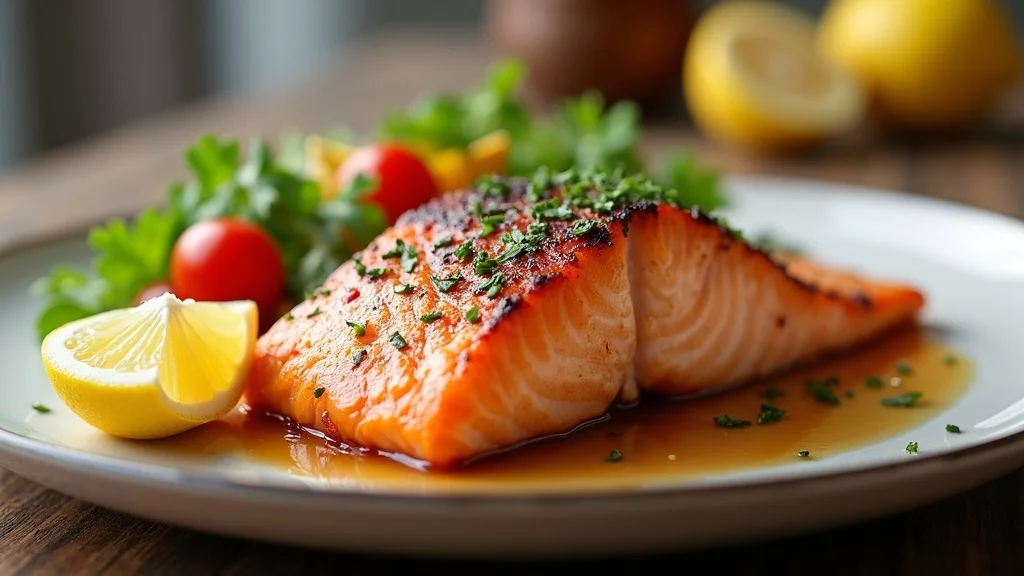
Grilled salmon fillet for weight loss with colorful vegetables and fresh lemon wedges on a dining table

What You'll Learn About Salmon and Weight Loss

  • The unique nutritional profile that makes salmon good for weight loss

  • The science behind salmon’s role in metabolism and appetite control

  • Ways to include canned salmon and smoked salmon in your diet

  • Practical strategies to eat salmon for weight loss and weight management

To understand why salmon and weight loss are closely related, it’s important to examine salmon’s nutritional value. Unlike many other fish or protein sources, salmon is rich in lean protein—a macronutrient essential for building muscle and maintaining a healthy metabolism.

Adequate protein intake through foods like wild salmon or even responsibly farmed salmon increases the number of calories the body burns at rest, supporting both muscle retention and effective fat loss. If you’re interested in how inflammation can impact your weight loss efforts and overall health, you might find it helpful to explore the hidden role of inflammation in wellness and metabolism.

Steph Grasso (registered dietitian): Recommends “Salmon Mondays” as a simple way to boost omega-3 intake from salmon, supporting overall health including weight management through its nutrient profile.

Salmon also stands out due to its high levels of omega-3 fatty acids, which research shows can support metabolic health, reduce inflammation, and make it easier for the body to burn stored fat as energy. In addition, salmon is an excellent source of vitamins B12, D, and selenium—key micronutrients that support the immune system and help your body burn energy efficiently. All of these benefits make salmon not only good for weight loss but a cornerstone of any balanced, weight loss diet.

Why Eating Salmon Is Good for Weight Loss

  • High-quality protein and its effect on appetite

  • Omega-3 healthy fats for metabolism support

  • Essential vitamins and minerals

High-quality protein in salmon promotes satiety, which means you'll feel full longer after eating. This curbs your appetite and helps maintain a calorie deficit required to lose weight. The healthy fats found in salmon—notably the fatty acids EPA and DHA—directly support fat oxidation and metabolic health, making them a vital part of your loss journey.

Jackie Topol (registered dietitian): "Its protein content and healthy fats can help keep you feeling full and satisfied longer" when eating salmon for weight loss.

Beyond protein and omega-3s, salmon delivers a comprehensive blend of nutrients such as vitamin D (supports weight management and mood), vitamin B12 (crucial for energy production), and selenium (essential antioxidant). By swapping more processed protein sources or fatty meats for salmon, you give your body clean-burning energy that encourages sustainable weight loss and encourages you to stick with your goals.

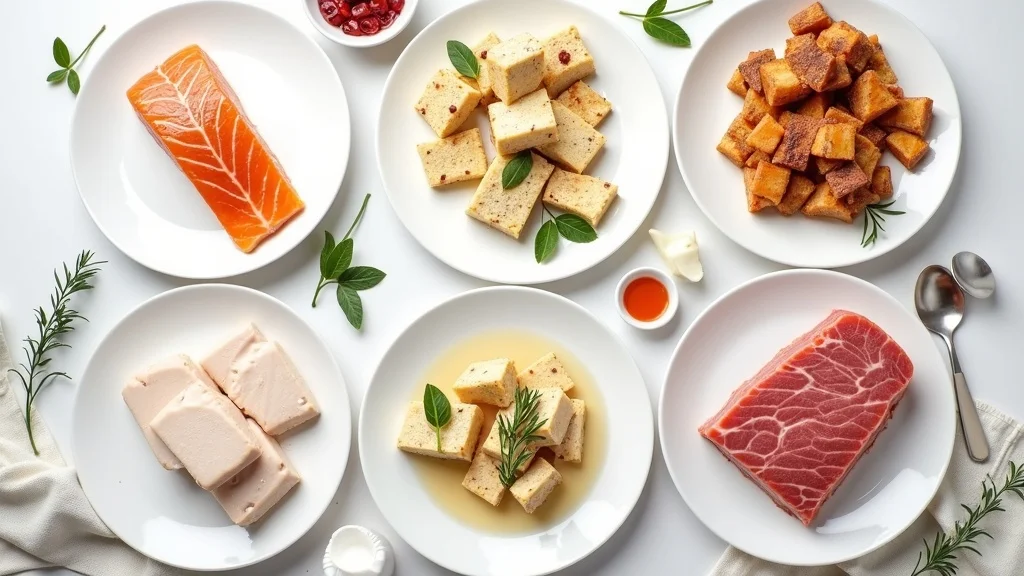
Nutritional Comparison: Salmon vs. Other Protein Sources (per 3-oz cooked portion)

Protein Source

Calories

Protein (g)

Healthy Fats (g)

Vitamins/Minerals

Grilled Salmon

175

19

8 (high in omega-3 fatty acids)

Vitamin D, B12, Selenium

Chicken Breast

140

26

3 (mostly unsaturated)

B3, B6, Phosphorus

Lean Beef

180

22

8 (higher in saturated fat)

Iron, B12, Zinc

Firm Tofu

80

8

5 (unsaturated, some omega-3s)

Calcium, Iron

Salmon versus other protein sources comparison: grilled salmon, chicken breast, tofu, lean beef

The Science-Backed Benefits: How Eating Salmon Supports Weight Loss

Science consistently highlights the weight loss benefits of salmon—thanks in large part to its unique makeup of healthy fats and proteins. When you eat salmon, the body receives an optimal ratio of these satiating macronutrients, which helps with both appetite and metabolism regulation. This makes salmon more than just tasty; it turns it into a reliable component in a successful weight management routine.

Unlike fried fish or heavily processed meats, fresh or wild salmon provides fuel the body burns efficiently. The fatty acids found in salmon may also combat inflammation, which is increasingly recognized as a barrier to effective weight loss and overall health. The more you replace high-calorie, processed foods with nourishing options like salmon fillet, the better you equip your body for long-term change.

Healthy Fats and Weight Loss: The Omega-3 Connection

"Salmon’s omega-3s not only boost your heart health but can increase fat oxidation and decrease cravings—two key elements of effective, healthy weight loss."

The omega-3 fatty acids in salmon (EPA and DHA) are celebrated for their fat-burning effects and their ability to improve heart health. Research shows that diets higher in omega-3s may increase the rate at which your body burns fat (also called fat oxidation), helping you lose weight effectively.

Omega-3s are also linked to decreased hunger and cravings, as they help regulate hormones that control appetite. Incorporating foods rich in omega-3 fatty acids, such as salmon, enables the body to burn stored fat more readily and fend off the constant desire to snack—making your weight loss diet easier and more sustainable over time.

Protein in Salmon: Staying Full, Reducing Overall Calories

  • Role of protein in curbing appetite

  • Impact on lean muscle and metabolism

Protein content in salmon doesn’t just give you strength—it also has a powerful impact on satiety, or feeling full longer. When you eat salmon as part of a meal, the combination of lean protein and healthy fats slows digestion. This helps prevent spikes and crashes in blood sugar, which can lead to cravings for sweets or processed foods. High-protein diets, especially those featuring fish like salmon, have been shown to help preserve lean muscle mass while the body burns fat—this is essential because muscle burns more calories, even at rest.

Eating enough high-quality protein can support weight loss by increasing metabolism (the number of calories your body burns daily). This effect, often called the 'thermic effect of food,' is higher for protein than for carbs or fats alone. Incorporating salmon into your regular meals, alongside whole grains and vegetables, is one of the simplest and tastiest ways to increase your protein intake and support weight management.

Young adult preparing fresh salmon for weight loss meal at kitchen counter

Salmon Versus Other Fish: Why Salmon Is Good for Weight Loss

  • Nutrient density vs. calories

  • Taste and versatility for sustainable weight loss plans

Compared to other fish, salmon offers a superstar combination: lower calories per serving than many meats, yet incredibly nutrient-dense. The flavor profile and moist texture of wild salmon or even responsibly farmed salmon can help transform boring loss diet menus into delicious meals you’ll look forward to. Nutrient density means you get more vitamins and minerals for each calorie consumed, which supports overall health and helps you stick to your weight loss plan long term.

The taste and versatility of salmon—grilled, baked, in salads, or as sushi—mean it’s easy to rotate into different meals, keeping your journey fresh and interesting. By swapping out high-calorie, fatty red meats or processed proteins for salmon, you’re reducing your intake of unhealthy saturated fats and sodium, offering your body the nutrients it needs to burn fat efficiently.

Practical Tips to Eat Salmon for Weight Loss Success

Smart Ways to Eat Salmon: Meal Planning for Weight Management

  • Grilled salmon recipes

  • How often to eat salmon

  • Canned salmon for convenience and affordability

  • Smoked salmon: When and how to enjoy it healthily

Building a weight management meal plan around salmon doesn’t have to be complicated. Whether you choose fresh salmon fillet or canned salmon for convenience, there are many delicious ways to eat salmon and boost your body's fat-burning potential. Grilled salmon with a squeeze of fresh lemon and a side of roasted vegetables is a simple, flavorful meal that fits perfectly into nearly any weight loss diet. Try adding salmon to hearty salads, grain bowls, or homemade salmon burgers for variety.

Experts recommend eating salmon 2–3 times a week to reap its maximum benefits for weight loss and health. If you’re busy, canned salmon offers a quick and budget-friendly alternative—mix it with olive oil, herbs, and chopped vegetables for an instant lunch. Smoked salmon can also be a healthy addition (in moderation), especially at breakfast with whole grain toast and greens. Just remember to keep add-ons like high-calorie sauces or creamy dressings to a minimum.

Salmon meal prep for weight management in kitchen with vegetables and sliced lemons

Weight Loss Meal Strategies Featuring Salmon

Consistency is key to a successful weight loss journey, and having a meal strategy makes it easier to stick to your goals. Plan your week by including various salmon recipes, alternating between grilled, baked, and canned salmon for different meals.

Consider batch-prepping salmon salads or salmon with roasted vegetables for lunch, and keep canned salmon on hand for quick dinners. By rotating salmon into your lunch and dinner options, you maintain a high-protein, nutrient-rich intake that keeps your body burning fat and helps manage appetite all day long.

Salmon Meal Plan: Sample Week for Weight Management

Day

Breakfast

Lunch

Dinner

Monday

Omelet with smoked salmon, spinach, tomatoes

Grilled salmon salad with olive oil and kale

Baked salmon, quinoa, and steamed broccoli

Wednesday

Salmon and avocado toast

Canned salmon and chickpea bowl

Salmon stir-fry with vegetables

Friday

Greek yogurt with berries and smoked salmon toast

Salmon lettuce wraps with cucumber

Grilled salmon, sweet potato, mixed greens

Canned Salmon, Smoked Salmon, and More: Comparing Salmon Options for Weight Loss

Is Canned Salmon Good for Weight Loss?

Canned salmon is good for weight loss—opened can with fork, parsley, and water

If you’re working with a tight budget or a packed schedule, canned salmon is a fantastic option for weight loss. It delivers almost all the nutritional benefits of fresh or wild salmon, especially when you choose varieties packed in water and without added oils.

The protein in canned salmon supports muscle retention and keeps you full, while the healthy omega-3s found in both wild and farmed canned salmon can help your body burn fat more efficiently. Add a can to salads, wraps, or homemade salmon cakes for quick, nourishing meals that fit your loss diet.

Canned salmon is also an eco-friendly choice when sourced from sustainable fisheries. It allows you to stock up and keep nutritious options readily available for busy weeks. Just be sure to check for sodium content and avoid heavily processed or flavored canned products if you’re focused on whole food eating.

Smoked Salmon and Weight Management: Fact vs. Fiction

  • Addition of sodium—what to watch for

  • Incorporating smoked and canned salmon responsibly

Smoked salmon offers delicious flavor and can provide similar nutritional benefits to fresh or canned forms. However, because it’s often cured or preserved with sodium, it’s important to enjoy it in moderation—especially if you’re watching your salt intake as part of a weight loss diet. Too much sodium can lead to water retention and mask true weight loss progress.

The best approach to smoked salmon is to pair moderate portions with plenty of fresh vegetables and whole grains, avoiding heavy sauces or creamy spreads. This keeps your meals balanced, supports weight loss, and ensures you’re not overdoing it on sodium or extras that hinder your body’s ability to burn fat.
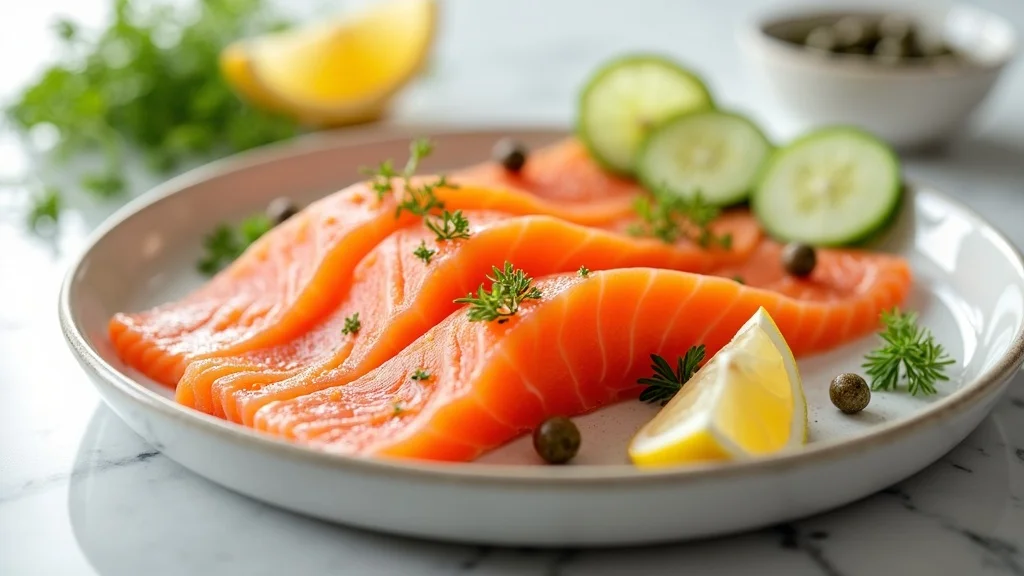
Smoked salmon platter for weight management with cucumbers, herbs, and lemon on ceramic plate

Why Salmon Is Good for Weight Loss: Expert Insights

"Incorporating oily fish like salmon into regular meals can help create a more satisfied, energetic, and balanced approach to weight loss than deprivation diets." — Registered Dietitian

Expert consensus underscores the value of salmon for weight management. Compared to restrictive diets that can leave you feeling deprived, eating salmon regularly encourages a holistic, satisfying approach to losing weight. Dietitians emphasize that oily fish such as salmon not only nourish the body with vital nutrients and fatty acids but also help you feel full and energized, making your weight loss journey more sustainable and enjoyable. By focusing on nutrient-dense choices, you build lasting habits that support your wellness goals.

These seasoned professionals recommend favoring wild salmon or responsibly farmed options to maximize both your health and the health of our oceans. With so many versatile, simple ways to include salmon in your meal plan, you set yourself up for long-term success—without the burdens of fad diets or harmful restrictions.

Toby Amidor (registered dietitian): "Salmon is a powerhouse for weight loss because its high-quality protein helps preserve muscle mass while the omega-3s reduce inflammation that can hinder fat loss."

Frequently Asked Questions About Salmon and Weight Loss

Does salmon help you lose belly fat?

Answer

Salmon alone won’t melt belly fat instantly, but it plays a supportive role in a healthy weight loss plan. The high-protein, omega-3-rich profile of salmon can help reduce overall body fat and support targeted fat loss by keeping you full and aiding the body’s natural fat-burning processes. Pairing salmon with regular exercise and balanced meals is an effective way to address belly fat over time.

What is the 3-3-3 rule for weight loss?

Answer

The 3-3-3 rule is a simple guideline recommending that you eat three balanced meals, exercise three times a week, and avoid eating within three hours of bedtime. It encourages consistent habits, portion control, and active living—all of which align well with including salmon in your diet! While not specific to salmon, this rule highlights the importance of lifestyle balance for successful weight management.

Should I eat salmon if I'm trying to lose weight?

Answer

Absolutely! Salmon is a nutrition powerhouse, filled with protein and healthy fats that fit perfectly into any weight loss or weight management plan. Eating salmon helps control appetite, maintain muscle, and keep metabolism running efficiently, making it a highly recommended choice for those seeking to lose weight in a healthy, sustainable way.

How to lose 15 pounds in 2 weeks?

Answer

Rapid weight loss promises may sound tempting, but losing 15 pounds in just two weeks is not typically safe or sustainable. Instead, aim for gradual progress by focusing on consistently eating nutritious, filling foods like salmon, pairing meals with plenty of vegetables, exercising regularly, and staying hydrated. Healthy, lasting weight loss is about building habits over time—not extreme, short-term efforts.

List: Best Practices for Using Salmon for Weight Loss

  • Choose wild-caught or responsibly farmed salmon

  • Limit high-calorie sauces

  • Balance each meal with vegetables

  • Incorporate salmon 2–3 times weekly

  • Use a variety of preparation methods

Jessica Cording (registered dietitian): "Incorporating salmon into your meals can support sustainable weight loss by promoting satiety and providing heart-healthy fats that stabilize blood sugar."

Key Takeaways: How Salmon and Weight Loss Go Hand in Hand

  • Salmon offers a potent mix of protein and healthy fats vital for sustainable weight loss.

  • Canned and smoked salmon provide convenient and nutritious choices for busy lifestyles.

  • Making salmon a part of your regular diet may improve satiety and metabolic health.

Next Steps for Weight Loss: Discover More Healthy Eating Strategies

"Your path to better wellness continues—browse additional topics at: NCWellnessHub.com"

Conclusion: Salmon and Weight Loss—A Smart Choice for Lasting Change

In short: Salmon is a smart, delicious way to support lasting weight loss—packed with nutrients, it powers your journey without sacrifice. Dive into more healthy choices and see real results.

If you’re inspired to take your healthy eating journey further, there’s a world of nutritious recipes and wellness strategies waiting for you. Explore the NC Wellness Hub’s recipe collection for creative meal ideas that make healthy living both enjoyable and sustainable.

Whether you’re looking to diversify your protein sources or discover new ways to incorporate superfoods like salmon, these resources can help you build a balanced, flavorful routine. Let your next step be one of curiosity and empowerment—your path to lasting wellness is just getting started.

Sources

  • Healthline – https://www.healthline.com/nutrition/salmon-good-for-you

  • NIH – https://www.ncbi.nlm.nih.gov/pmc/articles/PMC6267280/

  • EatRight – https://www.eatright.org/food/nutrition/healthy-eating/the-benefits-of-eating-oily-fish

  • Verywell Fit – https://www.verywellfit.com/salmon-nutrition-facts-and-health-benefits-4117772

  • Medical News Today – https://www.medicalnewstoday.com/articles/286839

Incorporating salmon into your diet can significantly aid in weight loss due to its high protein content and rich supply of omega-3 fatty acids. The article “Salmon Nutrition: Health Benefits Explained” highlights that consuming salmon frequently can help regulate appetite hormones, increase metabolic rate, and may promote weight loss and decrease belly fat when combined with an active lifestyle. (healthline. com)

Also, “Salmon: Nutrition, Cooking Tips & Health Benefits” emphasizes that salmon’s high-quality protein and heart-healthy omega-3s can help keep you feeling full and satisfied, making it a smart choice for weight management. (webmd. com)

If you’re serious about achieving your weight loss goals, these resources provide valuable insights into how salmon can be a beneficial addition to your diet. NCWellnessHub.com


Weight Loss

0 Comments

Write A Comment

*
*
Please complete the captcha to submit your comment.
Related Posts All Posts

Liquid Deception: How Artificial Sweeteners May Actually Fuel Weight Gain

I was convinced artificial sweeteners were harmless until I noticed unexpected weight gain myself. This revelation challenges everything we believe about "diet" products. Understanding this hidden truth can empower you to make truly healthier choices and reclaim control over your weight and well-being. In this article, I’ll reveal the paradox behind artificial sweeteners weight gain, share both the science and stories that matter, and help you avoid the traps I—and millions of others—fell for.Opening Confession: My Experience with Artificial Sweeteners and Weight GainLike many people hoping to shed a few pounds, I swapped my daily sugary sodas for diet soda, believing every calorie saved would bring me closer to my goal body weight. Yet, over several months, I noticed my clothes fitting tighter and the bathroom scale inching up, not down. I tracked calories and made other healthy changes, but the only constant was my artificial sweetener habit. It forced me to question: could diet beverages, outwardly “healthier” because of zero added sugar, be fueling my increased body mass and stubborn adipose tissue? My story is far from unique—thousands have found themselves puzzled by the paradox of artificial sweeteners weight gain, which is why I’m sharing what really happens when you look beyond the sweet taste and marketing promises. Contemplating the hidden impact of artificial sweeteners on body weight at the breakfast table.What You'll Learn About Artificial Sweeteners Weight GainHow artificial sweeteners may contribute to weight gainImpact of artificial sweeteners on body weight, adipose tissue, and metabolic healthStatus of scientific studies on artificial sweeteners weight gainPractical insights to avoid hidden pitfalls of calorie sweetenersExpert quotes and data-driven conclusionsThe Artificial Sweeteners Weight Gain Paradox: Why ‘Diet’ Might Not Mean HealthyThe term artificial sweetener refers to a wide range of substances that deliver a sweet taste without the calories found in sugar. These include aspartame, sucralose, saccharin, and stevia—each claiming to help with body weight management. Most are hundreds of times sweeter than regular sugar, so only tiny amounts are needed to make food or drinks taste sweet. This “zero-calorie” reputation is trumpeted everywhere from diet soda commercials to snack packaging, making it easy to believe that swapping sugar for artificial sweeteners is a simple road to weight loss and a healthier body mass index (BMI).However, this logic is often misleading. Recent observational studies and controlled trials reveal that people regularly consuming diet beverages can develop an increased body weight, even as their added sugar intake drops. How does this happen? It turns out, “diet” doesn’t always mean healthier—especially if it masks habits or triggers responses in the body that can quietly undermine efforts at weight management. By trusting every “zero calorie” label, consumers might overlook how the reward pathway in the brain, appetite regulation, and even gut health are affected by artificial sweeteners, leading to outcomes opposite those intended.Scientific Evidence: Do Artificial Sweeteners Cause Weight Gain or Weight Loss?"Recent research from randomized controlled trials suggests artificial sweeteners may paradoxically encourage increased body weight in some individuals." — Dr. Sara Moore, Nutrition ScientistScientific opinion about the relationship between artificial sweeteners weight gain is undergoing a shift. For years, weight loss claims were built on the logic that swapping out sugar equals lost pounds. But today, both randomized controlled trials and observational studies show more nuanced, sometimes troubling, results. While some trials suggest that artificial sweeteners can help reduce energy intake in the short term, longer-term trials—and real-world experience—have linked frequent use to higher BMI and even increased body fat.Why the contradiction? Part of the answer lies in the differences between controlled settings and real life. While a randomized controlled trial can isolate one variable, such as switching to diet beverages, everyday habits—like compensating with extra snacks or the psychological “reward” of picking a “diet” product—can tip the balance. Another factor is the health status of study participants: in those with metabolic syndrome or impaired metabolic health, any disruption of appetite signals or glucose response can lead to adipose tissue accumulation, even if calorie intake appears lower.For those interested in practical, science-backed strategies to address stubborn fat, you might find it helpful to explore how certain foods and simple daily habits can specifically target visceral fat. The article reveals how a single tablespoon of a common ingredient may support visceral fat reduction and weight management, offering actionable tips that complement the insights shared here.Artificial Sweeteners Weight Gain in Controlled TrialsWhen scientists examine artificial sweeteners weight gain in randomized controlled trials, their findings vary depending on design and population. Meta-analyses—which pool data across multiple studies—highlight that some people lose weight with artificially sweetened drinks, while others either gain or experience no change. The role of metabolic health is critical: individuals with underlying metabolic syndrome or insulin resistance may be more vulnerable to the “paradox” effect, where consuming artificial sweeteners changes how the body manages hunger, body weight, and fat storage.For instance, studies show that diet beverages may disrupt the sweet taste receptor system, resulting in signals that increase energy intake or cravings for real sugar, negating their calorie-free advantage. Meanwhile, adults with healthy metabolism often experience more neutral or even mildly positive outcomes. Clearly, no verdict is one-size-fits-all—and that’s why it’s vital to look at a broad comparison of outcomes.Comparison of Studies on Artificial Sweeteners and Weight Gain/LossSource/StudyParticipantsDurationReported EffectBody Weight ChangeAdipose Tissue ChangeRandomized Controlled Trial AAdults w/ overweight12 monthsMixed (weight gain in some)+1.2 kg vs control↑ trunk fat massRandomized Controlled Trial BHealthy adults6 monthsNeutral-0.2 kg differenceNo significant changeMeta-Analysis of RCTsAdults & children3–24 monthsVaried, but risk for ↑ BMIHigher BMI in longer useNot always measuredObservational Study CMiddle-aged, habitual usersMulti-yearPredicts weight gain+2.1 kg increase↑ adiposity/waistBiological Mechanisms: How Artificial Sweeteners Influence Body Weight and Adipose TissueUnderstanding the biological mechanisms behind artificial sweeteners weight gain is key to unraveling why zero-calorie products don’t always equal zero risk. Artificial sweeteners interact with the brain’s reward pathway, taste receptors, hormones, and even the gut, all of which influence hunger, satiety, and the storage of fat or adipose tissue. Notably, new research is uncovering how these substances can disrupt appetite regulation and make it harder to achieve or maintain a healthy body weight. Biological pathways: how artificial sweeteners may influence appetite, gut health, and fat formation.For example, the lack of real calories in diet soda doesn't always mean fewer cravings. The sweet taste can prime your brain to expect a glucose rush. When calories don’t arrive, hunger or cravings for carbohydrates may spike, contributing to higher calorie consumption over time. Additionally, some studies show that the gut microbiome can shift with frequent artificial sweetener exposure, leading to metabolic changes that support the growth of adipose tissue and even increase the risk for weight gain or metabolic syndrome.How artificial sweeteners affect appetite regulationImpact on adipose tissue formationPotential impact on blood sugar and metabolic healthHow Do Artificial Sweeteners Interact with Gut Microbiome and Metabolic Health?The connection between artificial sweeteners and our gut health is a rapidly evolving area of science. When artificial sweeteners reach the digestive tract, they interact with gut bacteria, sometimes causing shifts that are linked to poorer metabolic health. Altered microbiome profiles have been tied to difficulty in regulating blood sugar, raising the stakes for those prone to metabolic syndrome or insulin resistance.Specific observational studies reveal that people who routinely consume these sweeteners can develop gut flora profiles associated with increased body mass and even greater adipose tissue deposits. The interplay isn’t fully understood, but the mounting data suggests that even foods intended to help control body weight might have unintended, long-term effects.Microbiome alterations related to artificial sweetener intakeInfluence on metabolic syndrome and insulin response Not all beverages are equal: soda with artificial sweetener vs. water—think before you sip.Comparing Artificial Sweeteners: Are All Types Equally Linked to Weight Gain?Not all artificial sweeteners are created equal. Some are metabolized in the body while others pass through largely unchanged. Aspartame, sucralose, and saccharin are the most common in diet soda and other diet beverages, while stevia—praised as "natural"—is increasingly used as a substitute. Their effects on body weight and adipose tissue can differ, and emerging data suggest that some (like saccharin and sucralose) may be more closely associated with weight gain and metabolic changes than others.Breakdown of aspartame, sucralose, saccharin, stevia, and other non-calorie sweetenersRelative risks for increased body weight and adipose tissue Not all sweeteners are equal: relative risks for weight gain vary among popular options.Calorie Sweeteners vs Artificial Sweeteners: What’s Worse for Weight Gain?Comparing calorie sweeteners (like sugar, honey, agave) with their artificial counterparts opens a new debate. Classic wisdom holds that “real” sugar increases body mass index and contributes to the obesity epidemic via high energy intake, but swapping to artificial sweetener in diet soda doesn’t guarantee weight loss. Short-term, people may see diminished sugar intake and a lower calorie bill, but over the long haul, disruptions to appetite, gut health, or the brain’s sweet taste perception may drive weight gain anyway.The best answer isn't always “ditch sugar for artificial sweeteners. ” By choosing water, unsweetened teas, or whole foods instead, you sidestep the complex metabolic effects of both and support your body’s natural appetite regulation. The quest for sweetness—natural or artificial—may always have hidden consequences for adipose tissue and body weight.Short-term vs long-term effectsSugar, honey, agave, and artificial sweetener outcomesMarketing Myths: How Diet Products With Artificial Sweeteners Target Weight Loss SeekersWalking down the grocery aisle, it’s easy to believe “diet” and “sugar-free” guarantees a leaner physique. Marketing for diet soda, low-calorie snacks, and deceptively healthy diet products exploits our faith in quick fixes for body weight. Bright labels, buzzwords like “zero calorie,” and celebrity endorsements suggest anyone can win the fight against weight gain—so long as you buy their product. “Diet” doesn’t always mean healthy: hidden risks on grocery shelves for those hoping for easy weight loss.Analysis of diet soda, low-calorie snacks, and sugar-free foodsLabeling tricks about artificial sweeteners and body weight perception"Just because it's labeled 'diet' doesn't mean it's good for your waistline." — Registered Dietitian Laura SmithRelatable Stories: Readers’ Real Experiences with Artificial Sweeteners and Weight GainYou don’t need to look far to find anecdotes about the confusing effects of artificial sweeteners weight gain. Some find that dropping diet soda and artificially sweetened snacks triggers weight loss and less adipose tissue around their waistline. Others experience no change, while a third group actually sees their body weight increase despite dutifully avoiding added sugar. Factors like metabolic health, genetics, eating habits, and psychological responses all play a role—making personal experiences a vital piece of the puzzle. Diverse perspectives: some lose, some gain—everyone has their own story with artificial sweeteners and weight.User testimonials about increased body weightContrasting perspectives: weight gain, weight loss, or no changeDebunking Common Misconceptions About Artificial Sweeteners Weight GainA persistent myth about artificial sweeteners is that they're a “free pass” for dieters—eat as many as you like with no consequences for body weight. In reality, the differences between artificial sweeteners and calorie sweeteners are complex and highly individual. For some, swapping sugar for a sweet taste from a diet beverage helps control body mass, but for others, it could lead to more hunger, cravings, and even increased adipose tissue. The body may still store fat if overall habits, metabolism, or microbiome balance tip out of favor.Are artificial sweeteners ‘free passes’ for dieting?Differences between artificial sweeteners and calorie sweetenersWhy your body might still store fat (adipose tissue)Practical Advice: Healthier Ways to Manage Weight Beyond Artificial SweetenersIf you’re ready to take charge of your health and sidestep the artificial sweeteners weight gain dilemma, try these evidence-backed steps:Gradually reduce dependence on artificial sweeteners by resetting your sense of sweetness—start by using half as much in coffee, or splitting diet sodas with seltzer water.Swap in whole foods: Replace diet beverages and snacks with naturally sweet options like fruit, which also provide fiber and nutrients.Set realistic goals: Focus on moving toward a balanced, enjoyable diet and a sustainable body mass index rather than chasing a quick “fix.” Small daily changes, like choosing a fresh smoothie over a diet soda, can support healthier weight and metabolism.People Also Ask: Will I Lose Weight If I Cut Out Artificial Sweeteners?AnswerAlthough individual results vary, some people experience reduced cravings and easier weight loss after cutting artificial sweeteners, as appetite regulation and metabolic health can improve.Scientific evidence is mixed, so monitoring personal progress is essential.FAQs: Artificial Sweeteners Weight Gain and MoreHow long does it take to see changes in body weight after removing artificial sweeteners?Most people notice differences in appetite, cravings, or body mass within weeks, but substantial weight loss may take months as the body resets and habits adapt.Are natural sweeteners safer for metabolic health?Generally, unprocessed options like fruit or small amounts of honey may be less disruptive to metabolic health, but they still contain calories and should be used mindfully.Can artificial sweeteners trigger cravings for calorie sweeteners?Yes, the sweet taste can stimulate the reward pathway of the brain, sometimes increasing cravings for sugar and calories.What role does adipose tissue play in weight management?Adipose tissue stores excess energy as fat. Chronic disruptions in hunger hormones, metabolism, or dietary choices can cause it to increase, impacting body weight and health. Progress takes time: monitoring your weight after making dietary changes can guide your health journey.Key Takeaways on Artificial Sweeteners, Body Weight, and Your HealthArtificial sweeteners may contribute to weight gain for some people.Metabolic health, appetite, and individual biology play important roles.Being critical of ‘diet’ marketing can help consumers make informed choices.Moving Forward: Redefining a ‘Healthy’ Diet in Light of Artificial Sweeteners Weight GainTrue health isn’t just about choosing “diet” options—it’s about understanding your body, listening to your experiences, and making mindful, informed dietary choices so that you support real weight loss and long-term well-being.If you’re inspired to take a more holistic approach to your health journey, consider looking beyond just sweeteners and examining other hidden factors in your diet that may be affecting your well-being. For example, even foods that seem healthy can sometimes cause unexpected issues like bloating or discomfort. To deepen your understanding and uncover what else might be impacting your body, explore this guide to identifying foods that may be causing bloating—even the ones you think are good for you. Expanding your knowledge in this way can empower you to make smarter, more personalized choices for lasting wellness.For well-curated articles and expert perspectives, visit NCWellnessHub.comSourcesNCBI – https://www.ncbi.nlm.nih.gov/pmc/articles/PMC6164250/Healthline – https://www.healthline.com/nutrition/artificial-sweeteners-good-or-badPubMed – https://pubmed.ncbi.nlm.nih.gov/29154034/Harvard School of Public Health – https://www.hsph.harvard.edu/nutritionsource/healthy-drinks/artificial-sweeteners/JAMA Network Open – https://jamanetwork.com/journals/jamanetworkopen/fullarticle/2736985CDC – https://www.cdc.gov/nutrition/data-statistics/diet-beverages-and-body-weight.htmlFrontiers in Nutrition – https://www.frontiersin.org/articles/10.3389/fnut.2021.669914/fullRecent studies have raised concerns about the effectiveness of artificial sweeteners in weight management. A comprehensive review published in the Canadian Medical Association Journal analyzed data from 37 studies involving over 400,000 individuals and found no significant weight loss associated with artificial sweetener use. Instead, frequent consumption was linked to increased risks of obesity, diabetes, and heart disease. (time. com) Similarly, research highlighted by TIME suggests that drinking diet soda may contribute to weight gain rather than weight loss, with studies indicating that regular consumption is associated with higher risks of Type 2 diabetes, metabolic syndrome, and cardiovascular problems. (time. com) These findings suggest that artificial sweeteners may not be the weight-loss solution they are often marketed to be. Explore more evidence-based wellness content at NCWellnessHub.com

The Diet Soda Myth: Why ‘Zero Sugar’ Isn't a Shortcut to Weight Loss

Did you know that despite its 'zero sugar' label, diet soda might not aid weight loss as promised? Studies reveal artificial sweeteners can trigger cravings and metabolic changes, challenging the diet soda myth. Understanding this is key to making smarter beverage choices for real weight management success.Diet Soda Myth: Why Nutrition Facts Leave More Questions Than AnswersTake a glance at a can of diet soda and you’ll spot enticing promises: “zero sugar,” “no calories,” “guilt-free. ” But for those on a quest for weight loss, these claims may create more confusion than clarity. Despite the assurance on nutrition labels, experts warn the diet soda myth can distract us from the complexities of what these drinks do to our body and brain. While it’s true that diet soda lacks the calorie content of its sugary counterpart, the story doesn’t end with calories alone—especially when artificial sweeteners are involved.Today, more people than ever turn to diet sodas hoping to reduce belly fat, moderate their intake of added sugars, and make “smart” beverage choices. Yet, studies suggest that artificial sweeteners found in diet soda might have unintended health consequences. In fact, emerging research points toward possible disruptions in metabolism, increased cravings for sweet foods, and a greater risk for metabolic syndrome. As we peel back the labels, it’s crucial to move beyond marketing and look at how these beverages truly fit into our daily health picture.The Allure and Controversy Behind Diet Soda and Zero Sugar ClaimsThe diet soda myth thrives because the “zero sugar” label seems to offer a shortcut to weight loss without sacrifice. This allure taps into our desire for sweet foods without guilt. But behind the colorful cans and marketing buzzwords, there’s a brewing controversy. Nutritionists and health researchers increasingly note that artificial sweetener consumption may not deliver the promised results—and could even backfire.For many consumers, drinking diet soda is less about taste and more about hope: hope for easier weight management, freedom from calorie-counting, and better gut health. However, evidence is mounting that diet soda might not just fail to help; it might contribute to the very issues people want to avoid, including increased appetite, cravings for sweet foods, and potential risk of heart complications.The Rise of Artificial Sweetener and Artificial Sweeteners in ‘Healthy’ MarketingThe popularity of diet drinks has soared as beverage giants championed the power of artificial sweeteners to provide sweetness without calories. Substances like aspartame, sucralose, and saccharin have become household names, integral to the “diet” revolution. Brands tout these ingredients as tools for healthier living, making it easier to skip sugary sodas and reduce calorie intake.But as the market floods with new sweetened beverages, public health experts question the long-term impact. Epidemiological research and clinical trials highlight a link between high consumption of sweeteners and alterations in metabolism, taste preferences, and even potential cancer risk. While labeling and advertising play a powerful role in shaping consumer perception, it’s crucial to investigate what these “healthy” marketing messages really mean for our wellbeing.If you're interested in practical, science-backed ways to support weight management beyond just avoiding diet sodas, you might find it helpful to explore how natural beverages like green tea can play a role. For example, discovering the effective ways green tea supports fat burning for women can offer a more holistic approach to healthy hydration and metabolism.What You'll Learn: Debunking the Diet Soda MythWhat science really says about diet soda and weight lossKey artificial sweeteners used in diet sodaPotential cancer risks and health implicationsHow sweetened beverages may impact cravings and metabolismEvidence-based alternatives to diet soda for effective weight managementUnderstanding the Diet Soda Myth: Separating Perception from RealityWhy Diet Soda Promises May Fall Short for Weight LossMany people grab a can of diet soda expecting an automatic shortcut to weight loss. After all, replacing sugary drinks with a “diet” beverage seems like a no-brainer. However, decades of research complicate this logic. Studies suggest artificial sweeteners disrupt our body’s normal response to sweetness. Instead of signaling satisfaction, these “zero-calorie” substitutes can alter how our brain regulates hunger and fullness.In practical terms, this means that some people who drink diet soda may feel hungrier, crave more sweet foods, or compensate by eating additional calories elsewhere. The result? Despite consuming fewer soda calories, total daily intake may stay the same—or even rise. This phenomenon is sometimes called the “calorie compensation” effect, and it may help explain why drinking diet soda has not consistently led to reductions in body weight or decreased belly fat in controlled studies.Diet Soda Versus Regular Soda: Real Differences in Caloric, Metabolic, and Satiety ImpactAt a glance, the biggest difference between diet soda and regular soda is clear: calories and sugar content. Regular sodas are loaded with added sugars—contributing to spikes in blood sugar, weight gain, and increased risk for metabolic syndrome. Diet sodas, on the other hand, contain artificial sweeteners like aspartame, sucralose, or ace-K, which provide intense sweetness without the calories.But the metabolic story is more complicated. While it’s true that diet sodas cut the energy input, research shows their impact on appetite-regulation hormones and the reward centers of the body and brain suggests an unforeseen twist: these beverages may disrupt normal satiety cues, heighten cravings, and increase the likelihood of compensatory eating. The end result, according to recent meta-analyses, is little to no net benefit for weight loss—and in some cases, an increased risk for long-term metabolic health problems."Despite claims of ‘zero calories,’ studies suggest diet soda may undermine weight loss by influencing appetite-regulating hormones and increasing cravings."Artificial Sweetener in Diet Soda: More Than Meets the EyeTypes of Artificial Sweeteners Used in Diet SodaArtificial sweeteners have become the backbone of “zero sugar” products, each with distinctive properties and safety profiles. Aspartame and sucralose are particularly prevalent in popular diet drinks, while older agents like saccharin and ace-K (acesulfame potassium) still appear in ingredient lists. These compounds are often hundreds of times sweeter than sugar, allowing beverage companies to mimic sweetness with small doses and claim “no calories” on their product labels.While the FDA has deemed these sweeteners safe for general consumption, controversies persist. Concerns include their potential impact on gut health, glucose regulation, and even risk for certain diseases. Some sweeteners have been associated with bitter aftertastes or unique metabolic effects, making the discussion around artificial sweeteners complex for both scientists and consumers.Comparison of Common Artificial Sweeteners in Diet SodaSweetenerPropertiesFDA StatusPrevalence in Diet Soda BrandsPotential Health ConcernsAspartame~200x sweeter than sugar, heat unstableApproved, except rare conditions (PKU)Very Common (Diet Coke, etc.)Linked to headaches, possible cancer risk (in high doses), controversial in researchSucralose~600x sweeter, heat stableApproved, GRASCommon (Diet Pepsi, etc.)Gut microbiome impact, uncertain metabolic effectsSaccharin~300x sweeter, metallic aftertasteApproved, once under cancer risk reviewLess common today (Tab)Animal studies linked to cancer; later deemed safe for humansAce-K (Acesulfame K)~200x sweeter, used in blendsApproved, GRASCommon in mixturesLimited long-term human studies; possible metabolism effectsHow Artificial Sweeteners Affect Sweetened Beverages’ Role in Weight ManagementThough artificial sweeteners are often seen as an easy fix for those wanting to lose weight, the science tells a different story. When sweetened beverages mimic sugary sodas without the caloric punch, they don’t necessarily trick our metabolism—or our psychology. Research shows that non-caloric sweeteners can condition a heightened preference for sweet food, which may undermine efforts at healthy eating.Furthermore, some studies suggest that regular consumption of diet sodas may negatively affect gut health, disrupt blood sugar regulation, and increase the risk for metabolic disorders—contradicting the promise of safe, diet-friendly indulgence. While replacing sugar with artificial sweeteners lowers immediate calorie intake, the complex feedback loops between our physiology, appetite, and reward centers mean these drinks may not lead to sustained weight loss.Addressing Cancer Risk and Other Health Concerns of Diet SodaCurrent Research on Diet Soda and Cancer RiskOne of the most persistent worries about artificial sweeteners is their potential link to cancer risk. Animal studies historically flagged compounds like saccharin as potential carcinogens, prompting regulatory scrutiny in the 1970s. Today, most artificial sweeteners, including aspartame and sucralose, have been pronounced safe by the FDA when consumed within recommended limits. However, some epidemiological studies raise questions.For example, recent research suggests a possible association—though not proven causation—between high levels of aspartame intake and certain cancer incidences. It’s important to note that these studies often reference consumption levels much higher than the average person’s diet. Still, the public debate around diet soda and cancer risk keeps evolving as new science emerges, underscoring the need for ongoing, transparent research.Beyond Cancer: Exploring Metabolic and Cardiovascular ImpactsWhile cancer may grab headlines, concerns about diet soda go far beyond oncology. A growing body of evidence links regular diet soda consumption to changes in glucose metabolism, higher rates of metabolic syndrome, and disruptions in gut health. Some studies demonstrate an increased risk for heart disease and stroke among people who habitually drink diet soda.Even as the direct mechanisms are debated, the pattern is troubling: those who rely heavily on diet drinks might be rewiring their body’s appetite, hormonal, and metabolic functions in ways that undermine real health goals. These findings reinforce the importance of viewing “zero sugar” labels not as green lights, but as cues to dig deeper into what we’re really putting into our bodies."The diet soda myth persists despite mounting evidence linking artificial sweeteners to metabolic disturbances and potential long-term health effects."Sweetened Beverages, Habit Formation, and the Cravings ConundrumHow Diet Soda and Artificial Sweeteners Influence Taste Preferences and CravingsWhen we repeatedly consume highly sweetened beverages—diet or otherwise—our taste buds recalibrate. Over time, non-caloric sweeteners in diet soda can increase our desire for sweet food and drinks. This effect makes it challenging for people to cut back on sugar entirely, as their preferences shift toward intensely sweet flavors regardless of calorie count.Some studies even point to a feedback loop: the more sweetened beverages consumed, the harder it becomes to feel satisfied with less sweet alternatives, like plain glass of water or unsweetened tea. This cycle can perpetuate cravings, trigger additional snacking, and make real dietary change more difficult than simply swapping one soda for another.Is Diet Soda a Gateway to Consuming More Sweetened Beverages?Diet soda triggers for sweet cravings: Artificial sweeteners stimulate the brain’s reward systems, increasing desire for more sweet flavors.Physiological response to non-caloric sweets: Without calories, the body and brain may seek further satisfaction, leading to increased snacking or calorie intake elsewhere.Potential psychological and behavioral feedback loops: Habitual consumption of diet sodas may reinforce taste preferences and behaviors, making it harder to shift to less sweet or unsweetened beverages.People Also Ask: The Diet Soda Myth in Everyday LifeWhy should diet soda be avoided?Diet soda should be approached with caution because its artificial sweeteners may trigger appetite and cravings, and there's emerging evidence linking regular consumption to health risks, including metabolic changes and potential impacts on cardiovascular health.Can you actually lose weight drinking diet soda?While diet soda has zero sugar, evidence suggests it may not contribute to weight loss due to its effect on hunger signals and sweet cravings, often leading to increased calorie consumption elsewhere.Is it bad to drink a diet soda every day?Regular daily consumption of diet soda can increase the risk of metabolic syndrome and may contribute to negative cardiovascular outcomes, as well as perpetuate the diet soda myth for lasting wellness.What is the unhealthiest soda to drink?While regular sodas are high in sugar and calories, some diet sodas raise unique health concerns due to certain artificial sweetener combinations, so neither type is ideal for optimal health.Critiquing the Diet Soda Myth: A Closer Look at Industry MessagingHow Marketing Language Fuels the Diet Soda MythBeverage companies invest heavily in marketing messages that reinforce the diet soda myth, positioning these drinks as must-have tools for healthy living. Slogans like “guilt-free” or “zero sugar, zero compromise” tap deeply into consumer anxieties about weight loss and self-control, masking the reality that health outcomes aren’t determined by calorie counts alone.The use of vibrant branding, celebrity endorsements, and lifestyle imagery further cements the myth. This language glosses over the nuanced science—and potential health risks—associated with artificial sweetener intake. With so much noise in the marketplace, it becomes difficult for consumers to separate evidence-based guidance from corporate spin.Navigating Conflicting Research on Diet Soda Health RisksScientific studies on diet soda are often complex and sometimes contradictory. Some research highlights modest caloric savings, while other studies reveal concerning patterns between diet drinks and adverse health outcomes, ranging from obesity and metabolic syndrome to potential cancer risk. These discrepancies stem from differences in study design, populations observed, and length of follow-up.Industry-funded research sometimes downplays negative findings or highlights short-term benefits, leaving consumers confused. To navigate this tangle, it’s essential to look at the totality of evidence, emphasize large-scale, independent studies, and maintain a healthy skepticism toward marketing promises."Industry claims about diet soda often overshadow the scientific nuances, making it crucial for consumers to examine evidence over promises."Smarter Beverage Choices: Alternatives to Diet Soda for Weight Loss and HealthHealthier Sweetened Beverages and Zero Sugar SubstitutesFortunately, there are numerous alternatives to both diet soda and regular soda for those pursuing better weight management and overall health. The best choices are less processed, whole-food beverages with minimal or naturally occurring sugars. These drinks avoid the pitfalls of artificial sweetener consumption and support a more sustainable approach to hydration.Homemade and naturally flavored drinks can help retrain your taste buds and curb your cravings for intensely sweet foods, making the journey to wellness more enjoyable—and more effective—over the long term.List: Five Natural Beverage Options Supporting Better Weight ManagementInfused water with citrus and herbsUnsweetened iced green or herbal teaSparkling water with a splash of real fruit juiceHomemade kombucha with controlled sweetnessDiluted 100% fruit juicesKey Takeaways: Rethinking the Diet Soda MythArtificial sweeteners in diet sodas are not a weight loss cure-allThe diet soda myth persists due to marketing and consumer misconceptionsCurrent research supports prioritizing less processed, whole-food beveragesCritical evaluation of sweetened beverage choices is vital for overall wellnessFAQs: The Diet Soda Myth DemystifiedHow does the diet soda myth differ from other soda-related misconceptions?Unlike other soda misconceptions focused solely on sugar or calories, the diet soda myth involves the belief that removing sugar automatically makes a drink healthy. In reality, artificial sweetener use introduces other health concerns not present in regular sodas.Are some artificial sweeteners safer than others in diet soda?Yes—while all major artificial sweeteners approved by the FDA are considered safe when consumed in moderate amounts, some may have more research supporting their long-term safety. Individual sensitivities and health conditions can also play a role in which options are best.Can occasional diet soda consumption be part of a healthy diet?Occasional diet soda is unlikely to pose significant risk for most people, but frequent, habitual consumption may increase health risks. It’s best to enjoy these beverages in moderation and focus on natural alternatives when possible.Conclusion: Challenging the Diet Soda Myth for Healthier ChoicesSummary Reflections on Diet Soda, Artificial Sweeteners, and Health-Promoting SubstitutionsThe diet soda myth is deeply ingrained, but understanding the evidence gives us the power to choose smarter, more nourishing beverages.For those eager to continue their wellness journey and expand their knowledge of holistic health, exploring the broader landscape of nutrition and lifestyle strategies can be incredibly rewarding. The NC Wellness Hub offers a wealth of resources on topics ranging from stress management to the benefits of natural foods. Take the next step and discover actionable insights for managing stress and supporting your overall well-being—because true health is about more than just what you drink.Your path to better wellness continues—browse additional topics at: NCWellnessHub.comSourcesNCBI – Artificial Sweeteners: Effects on Weight, Appetite, and HealthCDC – Know Your Limit for Added SugarsFDA – Artificial Sweeteners in Diet SodaAmerican Heart Association – Artificial Sweeteners and Heart DiseaseAmerican Cancer Society – Are Artificial Sweeteners Safe?Harvard T.H. Chan School of Public Health – Artificial Sweeteners and HealthRecent studies have raised concerns about the health implications of diet soda consumption. For instance, research published in the journal Nature indicates that artificial sweeteners may disrupt gut bacteria, potentially leading to elevated blood sugar levels and an increased risk of metabolic disorders. (pbs. org)Also, the MD Anderson Cancer Center highlights that while diet sodas are low in calories, they may not aid in weight loss and could be associated with higher calorie intake from other foods. (mdanderson.org)For a comprehensive analysis of these issues, the article “Diet Soda: Good or Bad?” provides an in-depth look at the potential health effects of diet soda consumption. (healthline. com)If you really want to understand the complexities of diet soda and its impact on health, these resources offer valuable insights.

BEST Snacks for a Flat Belly: Boost Your Fat-Burning Now

Did you know certain snacks can accelerate fat-burning by up to 20%? Choosing the best snacks for a flat belly isn't just about cutting calories—it's about fueling your body with smart ingredients to ignite fat-burning and keep energy highHow the Best Snacks for a Flat Belly Transform Fat-BurningDid you know certain snacks can accelerate fat-burning by up to 20%? Choosing the best snacks for a flat belly isn’t just about cutting calories—it’s about feeding your body the right ingredients to burn fat efficiently and feel energized throughout the day.What You'll Learn About Best Snacks for a Flat BellyTop scientifically-backed snacks for getting flat absHow each snack supports weight loss and boosts metabolismExpert tips and data from medical and nutrition professionalsWays to incorporate these snacks into your daily routine for a flat bellyQuick Overview: Table of the Best Snacks for a Flat BellySnackTypeBenefitCalorie RangeSupports Fat-Burning?Expert RecommendationGreek YogurtDairyRich in protein, probiotic100-150YesYesDark ChocolateSweetRegulates cravings, antioxidants50-100YesYesLeafy Green WrapsVegetableLow-cal, high fiber30-60YesYesCelery Sticks with Nut ButterVegetable/SpreadSatiety, nutrients120-180YesYesBlack Bean SaladLegumeProtein, slow carbs130-200YesYesCottage Cheese & Red PepperDairy/VeggieProtein, vitamins110-140YesYesPeanut Butter & Banana SlicesFruit/SpreadHealthy fats150-180YesYesOlive Oil Drizzled FetaDairy/FatHealthy fat, taste130-160YesYesFor those looking to maximize the fat-burning potential of their snack choices, it can be helpful to consider how these foods fit into a broader dietary approach. If you’re interested in aligning your snack habits with a low-carb lifestyle for even greater weight loss results, check out these top tips for what to eat on a low-carb diet for weight loss—many of the snacks featured here can be seamlessly incorporated.1. Greek Yogurt: Protein-Rich Snack for Flat Abs and Weight LossWhy Greek Yogurt Is Among the Best Snacks for a Flat BellyHigh in protein for satiety and muscle supportFilled with probiotics supporting gut healthLow in sugar (choose plain varieties)Greek yogurt is a powerhouse among the best snacks for a flat belly. Thanks to its high protein content, it keeps you feeling full longer, curbs cravings, and also supports muscle growth—which is key for improving metabolism and burning belly fat. Plain Greek yogurt also packs probiotics, which bolster gut health and help with digestion, reducing bloating and supporting a flatter stomach. Unlike many snacks, it’s low in added sugar (especially unflavored versions), making it an ideal option for those seeking to lose weight. Research shows that individuals who consume adequate protein in their snacks report feeling full til their next meal and are more successful at long-term weight loss. Add a sprinkle of chia seeds or a handful of berries for added flavor without compromising the nutrition."The protein in Greek yogurt helps keep you full, making it an ideal snack for weight loss and targeting belly fat." – Dr. Amanda Lewis, Registered Dietitian2. Dark Chocolate: Surprising Benefits for Flat AbsDark Chocolate as One of the Best Snacks for a Flat BellyRegulates appetite and reduces sweet cravingsContains antioxidants that combat inflammationOpt for 70% cacao or higher for best resultsWhile dark chocolate may seem like an indulgence, it’s also one of the best snacks for a flat belly according to many nutritionists. When chosen wisely (at least 70% cacao), dark chocolate provides essential antioxidants called flavonoids, which reduce inflammation—a key factor in belly fat accumulation. Plus, it helps curb your appetite and manages sweet cravings, reducing the temptation for snacks high in added sugar. Moderation is vital, as eating one or two small squares can provide fullness and satisfaction without excessive calories. Studies reveal that people who include small amounts of dark chocolate in their diet are better able to stick to weight loss plans and are less likely to binge on less healthy treats. The rich, complex flavor of dark chocolate also makes it easier to satisfy a sweet tooth with less food overall, making this snack both practical and pleasurable for fans of flat abs and healthy fat strategies.3. Leafy Green Wraps: Low-Cal and Flat Abs-FriendlyUsing Leafy Greens in the Best Snacks for a Flat BellySpinach, kale, and lettuce wraps are nutrient-denseHigh fiber aids digestionPerfect for portable, fat-burning snacksIf you want to boost your intake of fiber and micronutrients without added sugar or excess calories, leafy green wraps are an ideal solution and rank high among the best snacks for a flat belly. Filling large spinach or romaine leaves with lean protein, hummus, or black beans provides a portable snack that’s low in calories but high in satiating fiber. Leafy greens also support natural detoxification processes, helping your system shed water weight and reduce bloating. Their vitamins and minerals—such as vitamin K in kale—back healthy metabolism and immune function. This snack option is easily customized to fit various taste preferences and dietary needs (add red peppers for spice, feta cheese for creaminess, or balsamic vinegar for tang). Leafy greens play a central role in weight loss routines recommended by licensed nutritionists and dietitians striving for flat ab success."Leafy greens are one of my favorite hacks for keeping snacks lean and flattening the belly." – Natalie Chen, Celebrity Fitness Coach4. Celery Sticks with Nut Butter: Crunchy, Satisfying Snack for Flat AbsCelery Sticks with Peanut or Nut Butter as Best Snacks for a Flat BellyCelery is low-calorie and hydratingNut butters (peanut, almond) add healthy fat and proteinGreat for sustained energy and curbing overeatingCelery sticks paired with nut butter (like almond or peanut) score big as a crunchy, flavorful snack for flat abs. Celery is extremely low in calories and rich in water, helping with hydration and keeping you full. The addition of nut butter provides a dose of healthy fats and plant protein, supporting your metabolism and promoting satiety. This combo is particularly effective at stabilizing blood sugar, which helps reduce hunger and prevents energy crashes between meals. Dietitians highlight this simple snack because it is quick to prepare, satisfying til your next meal, and easy to modify based on taste or nutrition goals (consider sunflower or cashew butter for variety). Including this snack in your daily plan can help break the cycle of high-calorie, low-nutrient munching—making it one of the best snacks for a flat belly and easier weight loss.5. Black Bean Salad: Flat Belly Fiber and Protein PowerHow Black Bean Snacks Support Flat Abs and Weight LossHigh in fiber: supports digestion and reduces bloatProvides plant-based protein for weight lossEasy to prepare with olive oil, herbs, and red pepperBlack bean salads are a nutrient-dense powerhouse and a top choice among best snacks for a flat belly for a few compelling reasons. Rich in both fiber and plant-based protein, black beans help regulate digestion, beat bloat, and maintain steady energy levels. A simple salad with black beans, diced red pepper, green onion, and a drizzle of heart-healthy olive oil offers a wealth of vitamins without excess calories or added sugars. This combination supports healthy blood sugar management and helps you feel full longer, two critical components for weight loss and maintaining flat abs. Plant protein not only helps maintain muscle but also speeds up calorie-burning at rest. Research published in the journal Nutrients shows people who eat legumes regularly experience improved weight management and better metabolic health. Adding herbs and a splash of balsamic vinegar amps up the flavor without compromising your goals."A fiber-rich black bean snack can help maintain a flat stomach by keeping your digestive system in check." – Dr. Kavita Rao, Nutrition Researcher6. Cottage Cheese & Red Pepper: Flat Abs Snack with a PunchWhy Cottage Cheese with Red Pepper Makes the List of Best Snacks for a Flat BellyCottage cheese: high in slow-digesting proteinRed pepper: boosts metabolism, adds vitaminsLow in calories, high on tasteCottage cheese topped with red pepper delivers both flavor and function in your quest for flat abs. Cottage cheese is known for its high content of casein, a slow-digesting protein that helps preserve muscle and promote long-lasting fullness. Red peppers contribute metabolism-boosting capsaicin plus a payload of vitamin C, supporting fat loss and bolstering your immune system. This combo is low in calories but rich in protein, which is especially effective for anyone looking to lose weight and build a strong, toned core. It’s no wonder that licensed nutritionists and dietitians often recommend this snack for its balance of macros and micronutrients and because it's easy to prep ahead for the week. Pair with fresh herbs or a dash of black pepper for even more health benefits and taste.7. Peanut Butter & Banana Slices: Smart Carb Snack for Weight LossCombining Peanut Butter and Banana for the Best Snacks for a Flat BellyBanana: potassium-rich, helps reduce water retentionPeanut butter: adds protein and healthy fat for fullnessPeanut butter spread on banana slices is a satisfying, energy-boosting snack that fits seamlessly into a belly-fat burning routine. Bananas are loaded with potassium, which helps reduce water retention and fight bloating—a common enemy of flat abs. Peanut butter, meanwhile, supplies plant protein and healthy fat, both of which aid in feeling full and maintaining steady blood sugar. According to studies, combining smart carbs (like banana) with protein and healthy fat leads to more stable energy, reduced cravings, and better adherence to healthy eating plans associated with weight loss. This snack is wonderful before workouts or as an afternoon pick-me-up, and can be garnished with chia seeds or a sprinkle of cinnamon for extra benefits and flavor."Pairing smart carbs like banana with a protein-rich spread helps keep blood sugar steady for a flatter belly." – Julie Turner, Licensed Nutritionist8. Olive Oil Drizzled Feta Cheese: Mediterranean Magic for Flat AbsOlive Oil and Feta as Best Snacks for a Flat BellyOlive oil contains healthy monounsaturated fats for weight regulationFeta cheese is protein-rich and lower in fat than many snacksPerfect for curbing hunger between mealsIncorporating olive oil drizzled over feta cheese makes for a delicious and effective Mediterranean-inspired snack for flat abs. Olive oil is well-studied for its monounsaturated healthy fats, which have direct benefits for fat loss and overall weight regulation. Feta cheese is comparatively lower in fat than many other cheeses and offers a punch of protein, aiding muscle maintenance and long-term satiety. This snack is light yet deeply flavorful, making it easy to prepare and enjoy between meals. The Mediterranean diet, rich in olive oil and feta, has been associated with reduced belly fat and improved metabolic health in multiple studies, including those reviewed by the Mayo Clinic and Harvard Medical School. Just a drizzle of oil and a few cubes of feta can help you stave off hunger til your next meal, supporting weight loss and maintaining a flat ab profile with healthy fats, not added calories or sugars.How to Incorporate the Best Snacks for a Flat Belly Into Your Daily RoutineSnack preparation and meal timing tipsSmart portion sizes for weight lossRealistic habits for busy peopleMaking the best snacks for a flat belly part of your daily routine starts with planning and preparation. Set aside a few minutes each week to prep ingredients—wash and chop leafy greens, portion out nuts or nut butters, and make salad jars ahead of time. Time your snacks for mid-morning or afternoon, when hunger often peaks and you’re most tempted to reach for processed treats. Stick to smart portion sizes, such as a palmful of nuts, 1-2 tbsp of nut butter, or a half-cup of Greek yogurt, so you fuel up without breaking your calorie budget. For busy schedules, keep single-serve containers handy and stash shelf-stable items, such as dark chocolate or nuts, in your bag or desk. Consistency and balance are key: choose snacks combining protein, fiber, and healthy fats and rotate your choices to stave off boredom and support lasting results. Licensed nutritionists and dietitians emphasize forming habits that fit your lifestyle, not force drastic changes overnight.Sample Day Menu: Flat Abs Snack PlanTimeSnackNotes10:00amGreek Yogurt with SeedsHigh protein mid-morning12:30pmLeafy Green Wrap with Black Bean SaladLunchtime fiber & protein3:00pmCelery Sticks with Almond ButterSatisfying afternoon crunch8:00pmDark Chocolate SquareSweet, portion-controlled dessert"Small dietary tweaks, like adding these snacks, can deliver big results for a flatter stomach in just a few weeks." – Dr. Mia Kwon, Nutrition Sciences ProfessorPeople Also Ask: Best Snacks for a Flat BellyWhat snacks help a flat stomach?Snacks featuring high-fiber veggies, protein sources like Greek yogurt and nut butter, and healthy fats such as olive oil or avocado are best for supporting a flat stomach. Each of these options helps control appetite and supports metabolism.What are good snacks for losing belly fat?Good snacks for losing belly fat include black beans, leafy greens, dark chocolate, cottage cheese, and peanut butter with fruit. These foods provide balanced nutrients, which aid in fat-burning and satiety.What foods do I need to eat to get a flat stomach?Eat plenty of high-protein snacks, high-fiber vegetables, moderate healthy fats, and low-sugar foods. Choose snacks like leafy green wraps, Greek yogurt, and olive oil-dressed veggies.What to drink to get a flat stomach fast?Drinks that support a flat belly include green tea (boosts metabolism), water (reduces bloating), and unsweetened herbal teas. Avoid sugary beverages and soda.Key Takeaways: Best Snacks for a Flat BellyChoose snacks that combine protein, fiber, and healthy fatsStay consistent and watch portion sizesIncorporate variety for long-term successFAQs: Best Snacks for a Flat BellyHow many snacks per day are recommended for a flat belly? Most experts suggest 1-2 balanced snacks per day, in addition to regular meals, to control hunger and support metabolism without overconsuming calories.Are there snacks to avoid if you want flat abs? Avoid processed snacks high in added sugar, refined flour, or unhealthy trans fats. Instead, opt for whole foods like nuts, plain Greek yogurt, and vegetables.How can I satisfy a sweet tooth and still lose weight? Choose naturally sweet snacks with nutritional benefits, such as fruit paired with nut butter or a square of dark chocolate, to satisfy cravings while supporting weight loss.Conclusion: Start Incorporating the Best Snacks for a Flat Belly TodayHarnessing the best snacks for a flat belly can spark significant changes in your health journey. Choosing nourishing, evidence-backed options ensures that your efforts bring long-lasting results for weight loss and flat abs.Discover the science behind inflammation and its surprising effects on your health in our in-depth guide, What's the Deal With Inflammation? The Hidden Fire That Could Be Wrecking Your HealthDiscover more trusted information like this at: NCWellnessHub.comReady to build your flat ab plan? Explore new expert guides and nutrition tips at NCWellnessHubSourcesNutrients Journal – https://www.ncbi.nlm.nih.gov/pmc/articles/PMC7071223/Mayo Clinic – https://www.mayoclinic.org/healthy-lifestyle/nutrition-and-healthy-eating/in-depth/mediterranean-diet/art-20047801Harvard School of Public Health – https://www.hsph.harvard.edu/nutritionsource/healthy-weight/diet-reviews/mediterranean-diet/Medical News Today – https://www.medicalnewstoday.com/articles/322043Incorporating the right snacks into your diet can significantly aid in achieving a flatter belly. For instance, Greek yogurt with berries combines high-protein yogurt with antioxidant-rich fruits, promoting satiety and reducing bloating. Similarly, apple slices with almond butter offer a satisfying mix of fiber and healthy fats, helping to control hunger and stabilize blood sugar levels. NCWellnessHub.com

Terms of Service

Privacy Policy

Core Modal Title

Sorry, no results found

You Might Find These Articles Interesting

T
Please Check Your Email
We Will Be Following Up Shortly
*
*
*