



Ever wondered why top soccer players swear by specific pre-game meals? Their nutrition isn’t just routine—it’s a sacred ritual fueling peak performance. Understanding what they eat before a game unlocks secrets to endurance and energy you can apply to your own fitness journey.
Unlocking the Pre-Game Secret: Why Soccer Players Prioritize What They Eat Before a Game
"Elite athletes treat their pre-match nutrition as carefully as their training and tactics." – Laura Williams, Certified Sports Nutritionist
Role of nutrition in match day performance
Tradition and routine for world-class soccer players
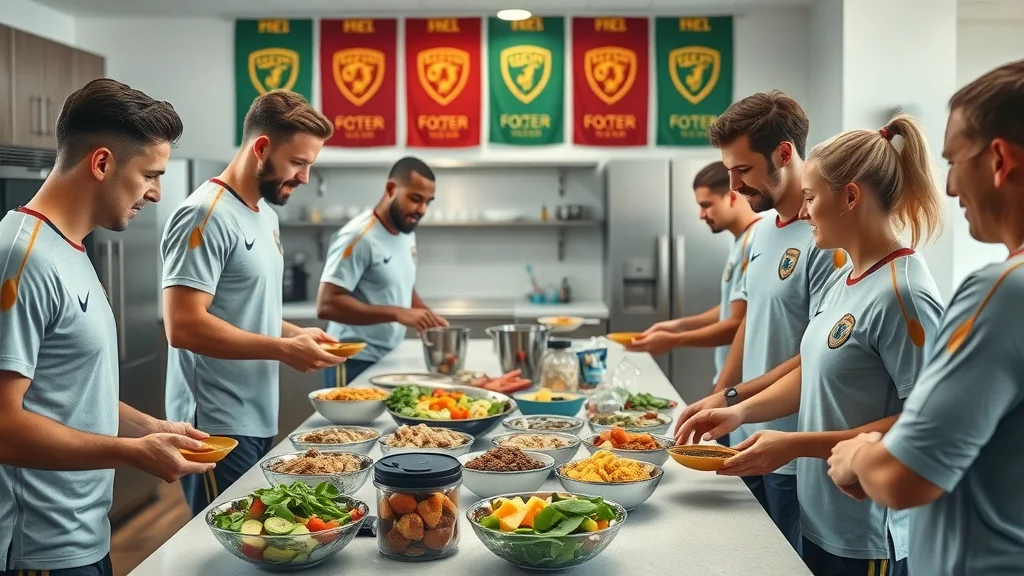
For professional footballers, what they eat before a soccer game is more than just a matter of taste—it's a crucial factor in optimizing match day performance. While some fans may see match day rituals as superstition, there is increasing scientific evidence that proper sports nutrition directly affects energy availability, reduces early fatigue, and improves physical capabilities during play.
Many teams have established match day traditions that their players follow closely; these routines are supported by nutrition strategies designed to top off energy stores, maintain muscle glycogen, and minimize digestive issues before the game.
Nutrition coordinators and sports scientists now play as big a role in readiness as coaches and trainers. They ensure that the meal consumed before a soccer game is formulated for quicker digestion, reducing the risk of uncomfortable side effects like stomach cramps or sluggishness.
When implemented correctly, these match day nutritional tactics not only help optimize energy but also support consistency and mental focus on the field, showing that what goes on in the kitchen is as important as hours spent on the pitch.
What You'll Learn About What Soccer Players Eat Before a Game
Core principles of match day nutrition strategies
Typical pre-game meal components for elite athletes
Athlete-specific examples and expert recommendations
This article unveils the key match day nutrition strategies soccer players use before a game. You'll discover how carbs, lean protein, hydration, and meal timing are balanced for performance optimization. We'll explore what professional footballers actually eat prior to a game and dive into real examples from world-class players.
If you want to improve your own sports performance or simply understand how the pros do it, the insights below provide practical, science-backed guidance for fueling success on match day.
Whether you're a competitive athlete or simply enjoy the game, this guide will help you implement the same principles that keep soccer stars at their peak. From the night before routines to morning-of strategies, you’ll be equipped to support your own energy stores, muscle glycogen, and physical performance—just like the pros.
While understanding what to eat before a soccer game is crucial, the expertise behind these recommendations often comes from professionals with specialized training. If you’re curious about the differences between a certified nutritionist and a registered dietitian—and how their guidance shapes elite athletes’ meal plans—explore this detailed comparison of nutrition experts and their roles in sports performance.
Match Day Nutrition Strategies: The Science Behind What Soccer Players Eat Before a Game
"Consuming the right balance of carbohydrates and proteins is crucial for endurance on the pitch." – Dr. Michael Carter, Athletic Trainer
Importance of carbohydrates for glycogen stores
Protein for muscle recovery and strength
Hydration and micronutrient focus
Scientific evidence confirms that match day meal composition critically shapes a player's ability to perform at their best under pressure. The go-to strategy for soccer nutrition is to emphasize complex carbohydrates, which replenish muscle glycogen stores and provide lasting energy throughout the soccer game.
Carbs help top off your energy just prior to the game, enabling athletes to avoid early fatigue and perform at their best without a physical crash in critical moments.
Alongside carbs, protein intake is implemented to support muscle repair and reduce soreness post-match, while also helping maintain steady blood sugar for focus. The right mix of both macronutrients paves the way for improved physical and mental performance optimization.
Coaches often recommend including moderate amounts of protein from lean sources like grilled chicken or fish and incorporating hydration strategies with water or a low-sugar sports drink to maintain electrolyte balance and avoid potential side effects of dehydration.
Fiber fruits and vegetables are also included, in balanced amounts, to deliver essential vitamins and support overall health—but with an aim to reduce fiber to avoid digestive issues during the game. With all these factors combined, soccer players can optimize energy and readiness for the demands of professional football.
Typical Pre-Game Meal Components: What Do Soccer Players Eat Before a Game?
Complex carbohydrates: pasta, rice, sweet potatoes
Lean proteins: chicken, fish, quinoa
Vegetables and fruits: antioxidants and vitamins
Controlled fats and sugars
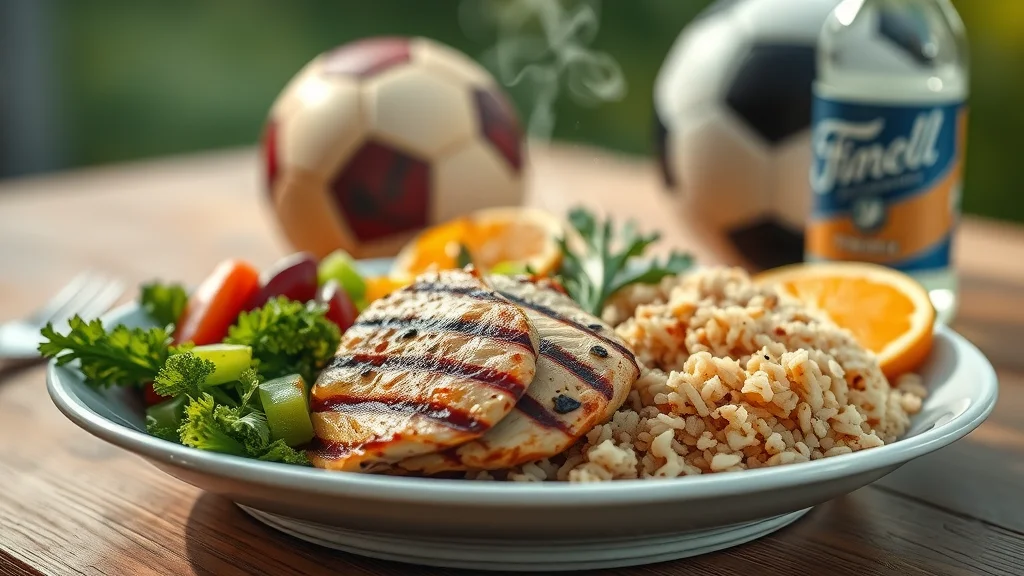
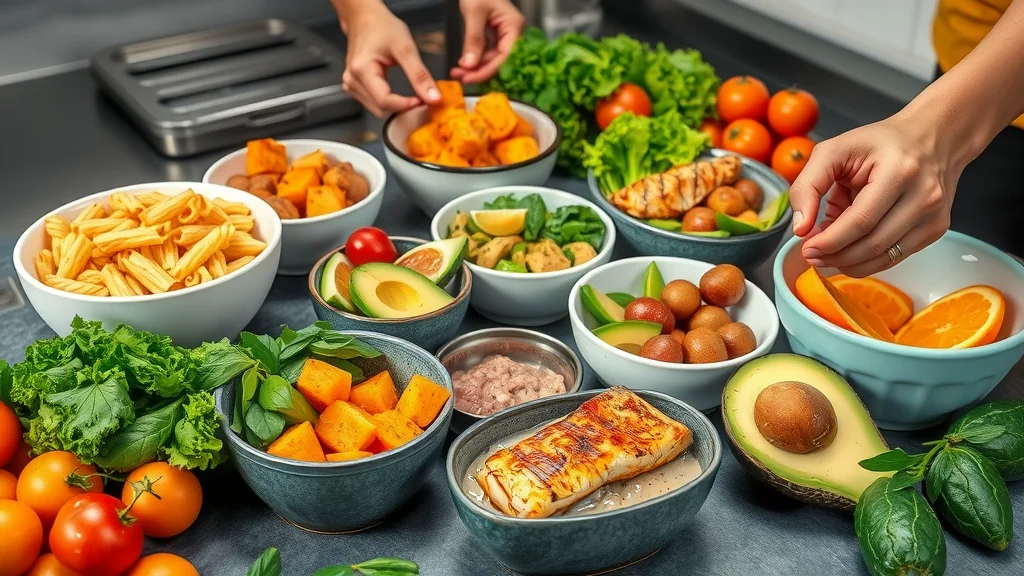
Pre-game meals for professional footballers are carefully crafted as part of their match day nutrition to deliver sustained energy and rapid digestion. Complex carbs like pasta, brown rice, and sweet potatoes form the base, priming muscles with a steady supply of glucose that fortifies muscle glycogen stores for the soccer game ahead. Lean proteins such as grilled chicken, turkey, or select seafoods are added to support muscle repair and stave off tissue breakdown during extended play.
To complete the meal, moderate portions of fruits and vegetables (particularly those lower in fiber) supply vital antioxidants and micronutrients, aiding cellular repair without causing digestive issues commonly linked to high-fiber or overly rich foods.
Controlled amounts of healthy fats—often from avocado, olive oil, and nuts—are allowed for satiety and hormone balance, while sugary desserts and fried foods are strictly minimized. This approach ensures soccer players eat before a game in a way that sustains energy, supports focus, and prepares them to perform at the highest level.
Match Day Meal Sample Table
Meal Component |
Examples |
Benefits for Soccer Players |
|---|---|---|
Complex Carbohydrates |
Pasta, brown rice, sweet potatoes |
Fuels muscle glycogen stores, sustains energy |
Lean Proteins |
Chicken breast, fish, eggs, quinoa |
Muscle repair & recovery, satiety |
Fruits & Vegetables |
Banana, berries, spinach, carrots |
Antioxidants, vitamins, reduce side effects |
Healthy Fats |
Avocado, olive oil, nuts (moderation) |
Cell health, anti-inflammatory support |
Hydration |
Water, sports drink (lectrolytes, low sugar) |
Avoids dehydration, maintains performance |
Pre-Game Meal Examples and Nutrition Breakdown
A typical pre-game meal might include a grilled chicken breast, a portion of brown rice, steamed broccoli, and a small side of fruit like orange slices or a banana. Such combinations are deliberately low in fat and fiber, which minimizes the risk of digestive issues or cramps before a crucial soccer game.
By keeping the meal simple and nutrient-dense, players can look forward to improved physical and mental performance, avoiding common side effects from food choices that aren’t easily digested or processed.
Some teams favor bowl-style meals: a base of quinoa or whole grain pasta, topped with lean protein (like turkey or hard-boiled eggs), paired with roasted sweet potatoes and fresh spinach, plus a drizzle of olive oil for healthy fats.
Many sports nutritionists recommend balance and moderation, adjusting the portion size so players feel good, not heavy, prior to the match. The goal remains to maximize energy stores while allowing for quicker digestion and peak readiness as soon as the whistle blows.
Real-World Routines: What World Cup Soccer Players Eat Before a Game
"My pre-game meals are timed and measured—fuel is as important as training." – Anna Lopez, Professional Soccer Player
Comparison of meal timing (evening vs. morning matches)
Snack vs. main meal options
The role of team chefs and nutrition coordinators
World Cup match day routines often differ by region and match schedule, but consistency remains the golden rule for professional footballers. For evening matches, players may have a full meal 3–4 hours prior, such as baked fish, sweet potatoes, and lightly cooked vegetables, followed by a light snack—like a banana or energy bar—within an hour of game time.
Morning matches tighten the timeline, emphasizing a slightly smaller meal such as scrambled eggs with whole-grain toast, paired with water or a carefully chosen sports drink for carbs and electrolytes.
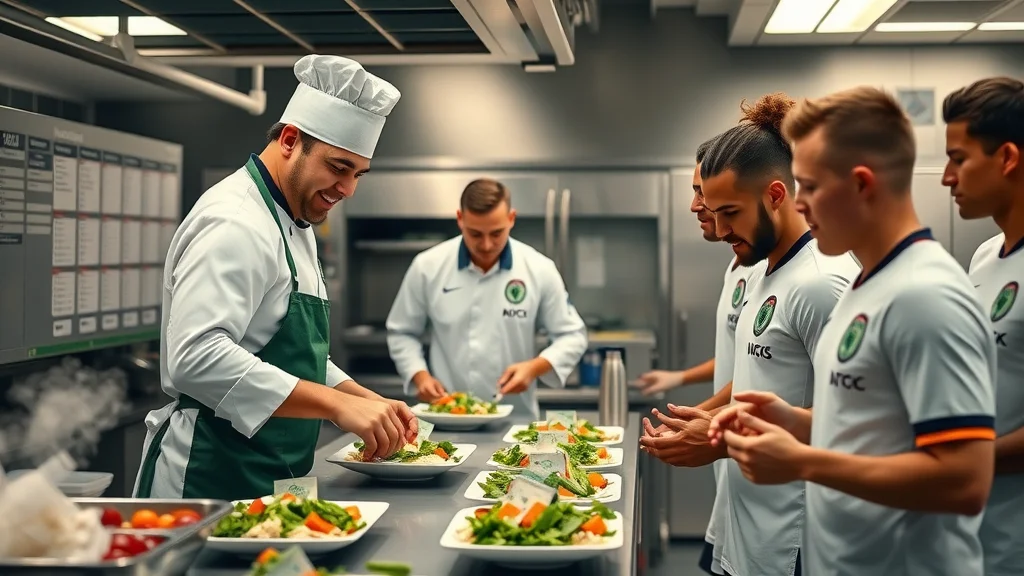
Soccer clubs now employ nutrition coordinators and dedicated chefs to personalize each player's match day meal and snack options, taking dietary restrictions and preferences into account for optimal performance. These professionals structure pre-game eating, monitor hydration, and ensure players are consuming foods that will ‘feel good’ in both mind and body.
Precision and individualization in nutrition strategies help avoid digestive issues, reduce fiber when necessary, and implement scientific approaches that have been validated by top athletic trainers worldwide.
People Also Ask: What Do Soccer Players Eat Before a Game?
What does Messi eat before a game?
Typical choices: grilled chicken, rice, fruit, water
Focus on simplicity and digestion
"I try to keep it light—pasta, chicken, nothing too heavy." – Lionel Messi in an interview
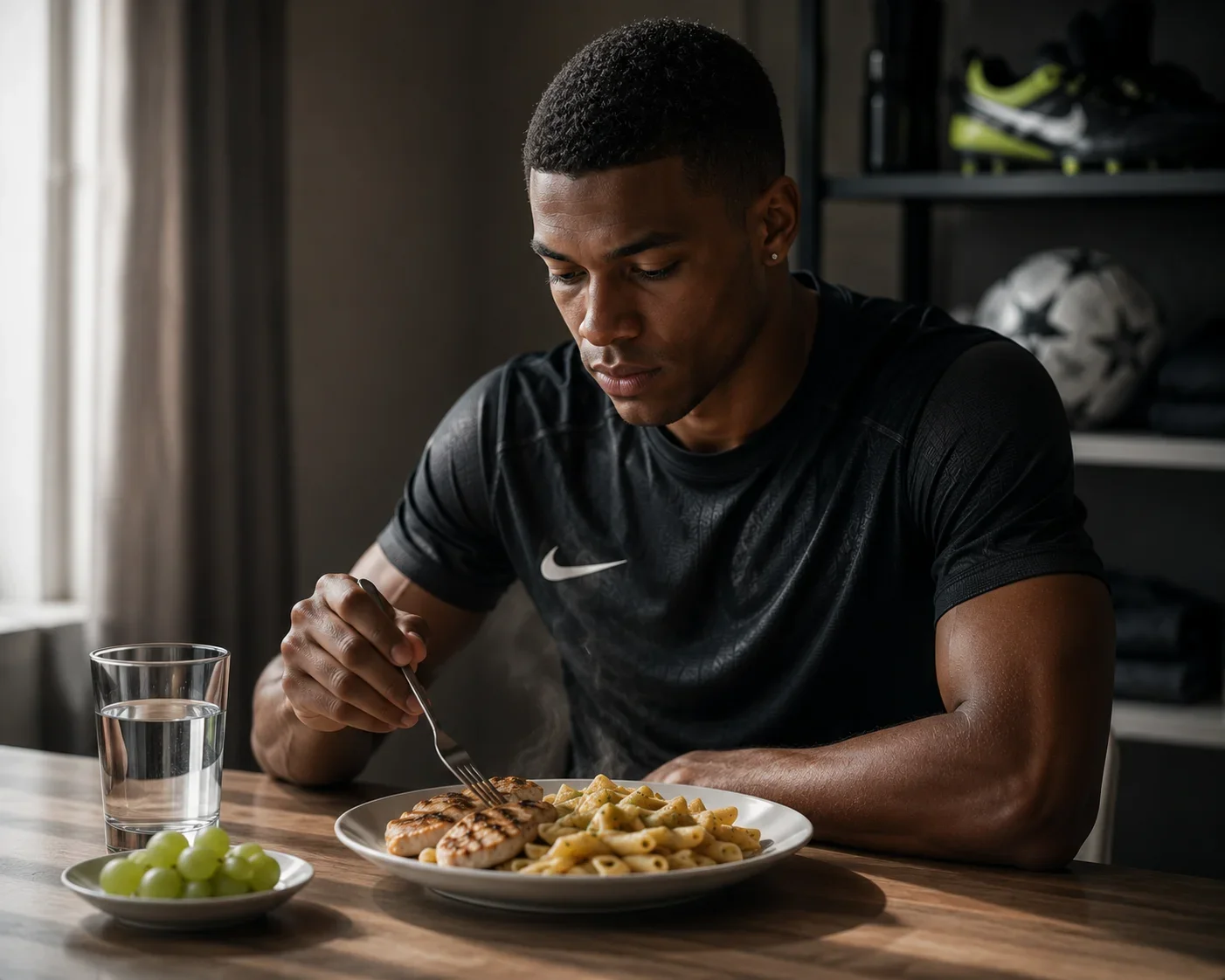
Lionel Messi’s pre-game nutrition is renowned for its simplicity and efficiency. He typically opts for a light meal consisting of grilled chicken or plain pasta, perhaps with a side of fruit and a glass of water. By prioritizing foods with low fiber and avoiding anything greasy or rich, Messi ensures he feels good and avoids digestive issues before going on the pitch.
This matches broader match day strategies for energy optimization and reduced risk of side effects. The focus on easy-to-digest carbs and lean protein reflects a philosophy adopted by many professional footballers: maximize muscle glycogen stores and minimize anything that could cause discomfort during intense play.
What is the 80 / 20 rule in soccer?
80% healthy nutritious foods, 20% flexibility
Promotes sustainability in nutrition strategies
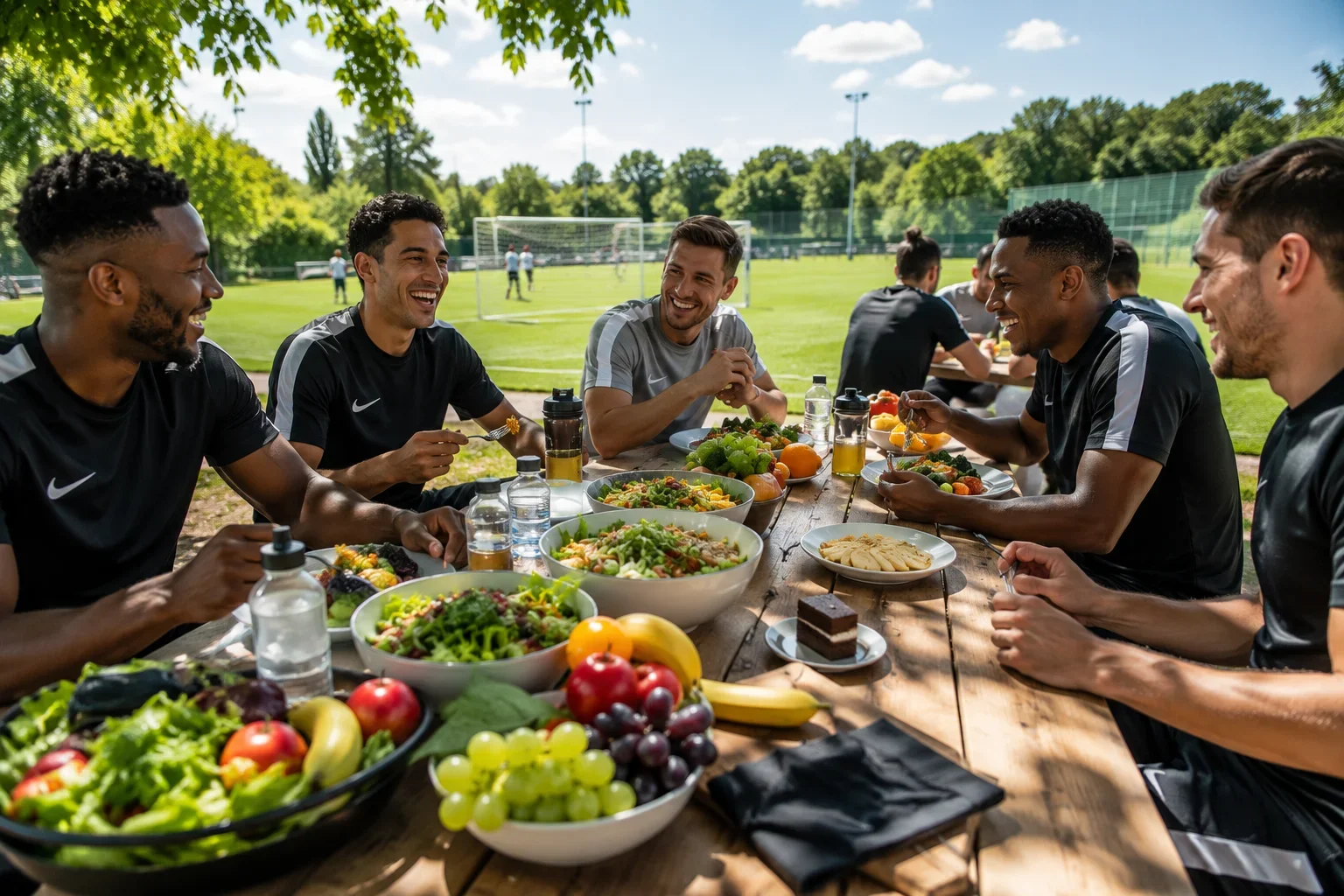
The 80 20 rule is a sustainable approach to nutrition strategies for soccer players both on and off match day. Athletes are encouraged to consume 80% of their meals from healthy, nutritious sources—like complex carbs, lean protein, and fiber fruits and vegetables—while reserving about 20% of their diet for more flexible options.
This could mean allowing an occasional dessert or treat, which helps create balance and keeps nutrition sustainable without strict deprivation. Such practices, when implemented correctly, support long-term performance optimization and mental wellness, acknowledging that complete restriction is neither practical nor necessary for most professional footballers.
What does Ronaldo eat before a soccer game?
Whole grains, eggs, fruit, and hydration
Avoids fried and processed foods
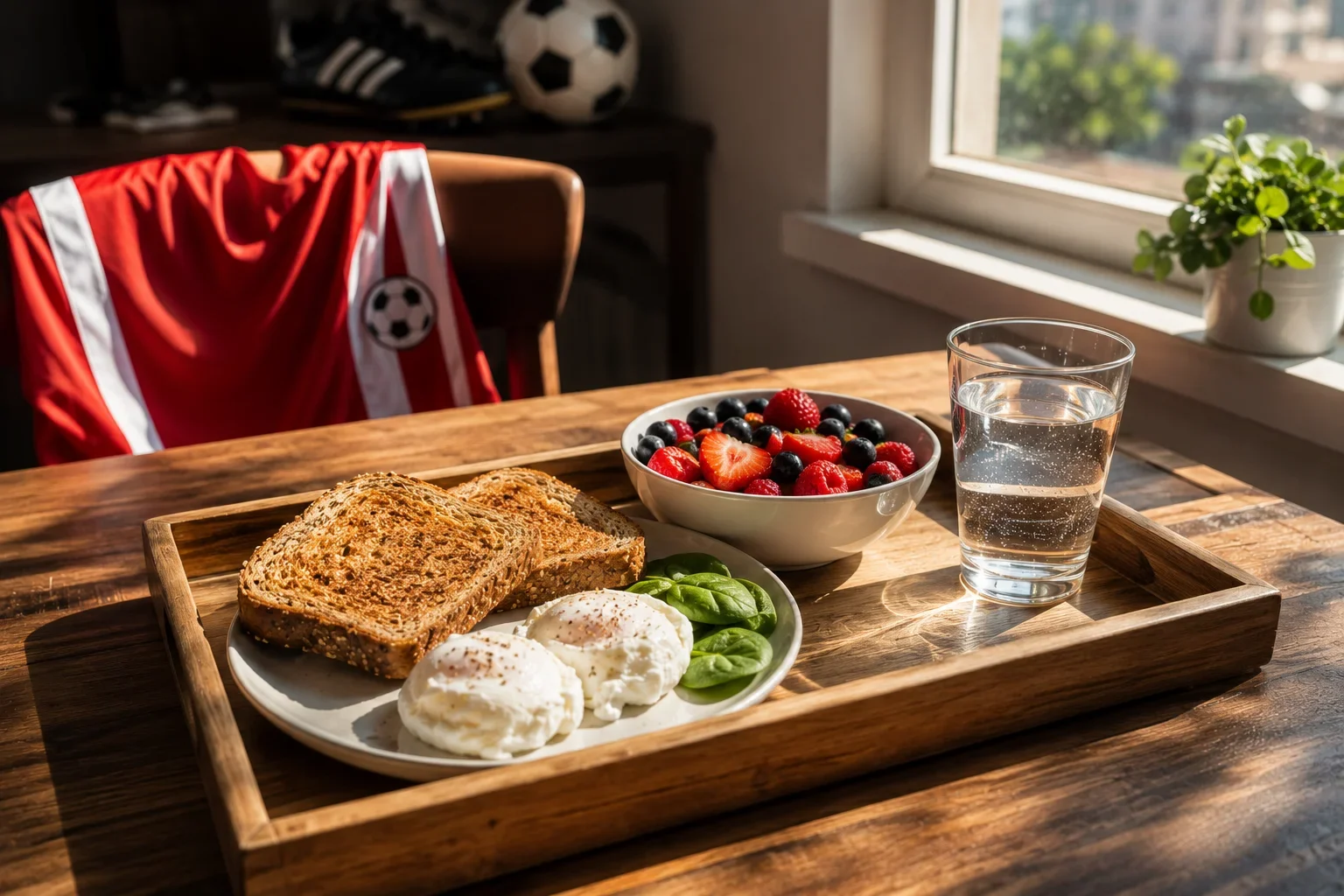
Cristiano Ronaldo is a model for diligent pre-game nutrition. Prior to a soccer game, he is known to eat whole grain toast, poached eggs, and fresh fruit, always paired with plenty of water or a low-sugar sports drink to top off his energy stores. What stands out in Ronaldo's match day routine is his avoidance of fried foods and processed snacks, choosing instead options that offer quicker digestion and steady energy release. His nutrition strategies are designed to optimize muscle glycogen availability, reduce the risk of early fatigue, and support peak performance on the field.
What to do 4 hours before a soccer game?
Balanced meal: carbs, lean protein, hydration
Time for digestion and energy optimization
Exactly four hours before a soccer game, it's important to consume a complete meal focused on complex carbohydrates, lean protein, and proper hydration. For example, a bowl of brown rice with grilled chicken and steamed carrots, followed by a piece of fruit and water, gives the body enough time to digest complex ingredients and store up muscle glycogen ahead of high-intensity play.
Nutrition experts discourage eating high-fiber or heavy, greasy foods at this time, since they can cause digestive issues or side effects like bloating or nausea on match day. Proper timing of this meal ensures energy availability is at its peak when the game begins.
FAQs: What Soccer Players Eat Before a Game and Match Day Nutrition
-
How far in advance should a soccer player eat before a game?
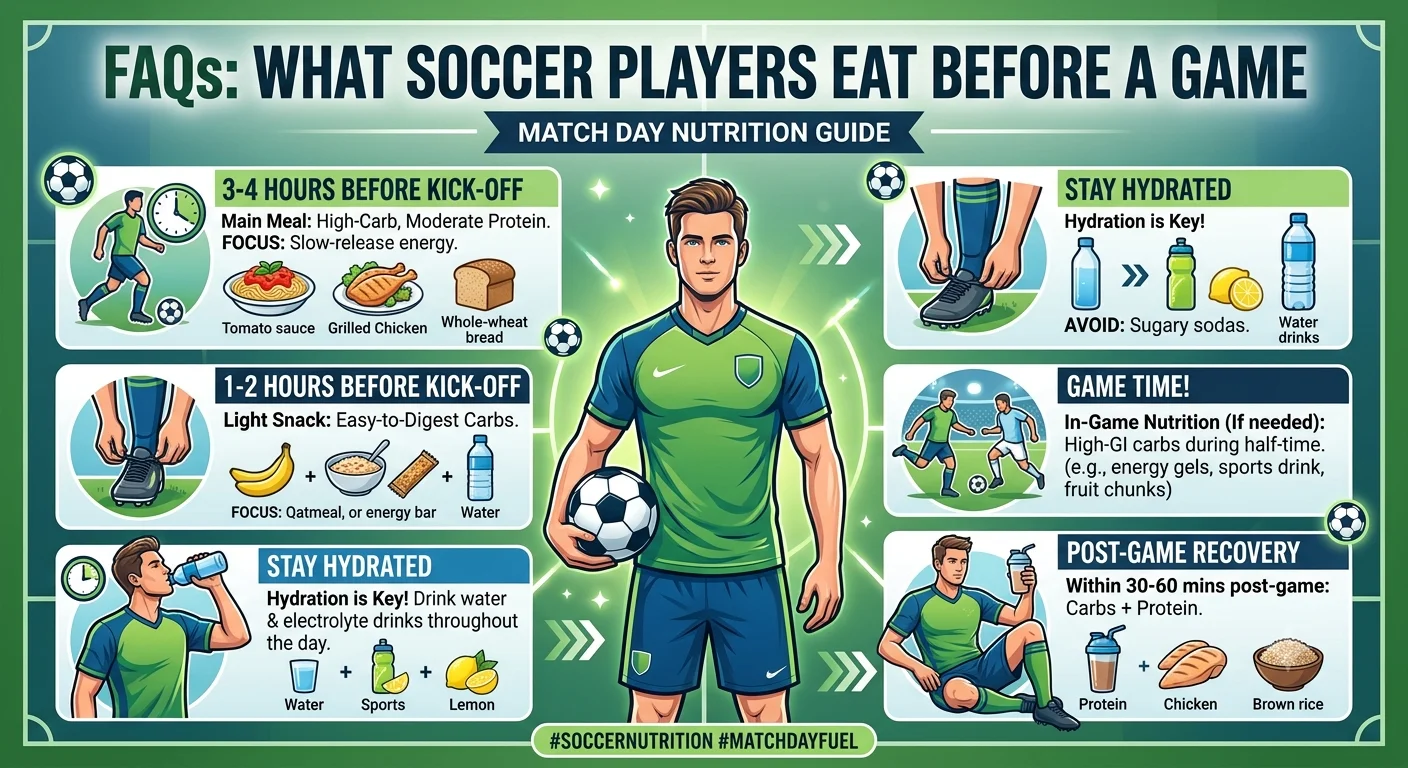
Most nutritionists recommend eating a full meal about 3–4 hours prior to a game. This allows sufficient time for digestion, preventing discomfort and ensuring energy from food is available for use as muscle glycogen. Some players may top off their energy with a small snack about 1 hour prior to the game if needed.
-
Are energy drinks recommended?
While some soccer players use sports drinks for quick carbs and electrolytes, it's essential to avoid those with excessive sugar or caffeine content. Water remains the best hydration option for most, with sports drinks used strategically when additional energy or electrolyte support is needed for performance optimization.
-
What to avoid before a soccer game?
Soccer players are advised to minimize high-fat, fried, processed, or high-fiber foods right before playing. These can lead to digestive issues, sluggishness, or unwanted side effects like stomach discomfort that may affect performance during the match day event.
Key Takeaways from Professional Soccer Nutrition Strategies
Consistency in meal timing and choice supports performance
Meal composition matters: focus on carbs, protein, hydration
Individualization is key—every player tunes their routine
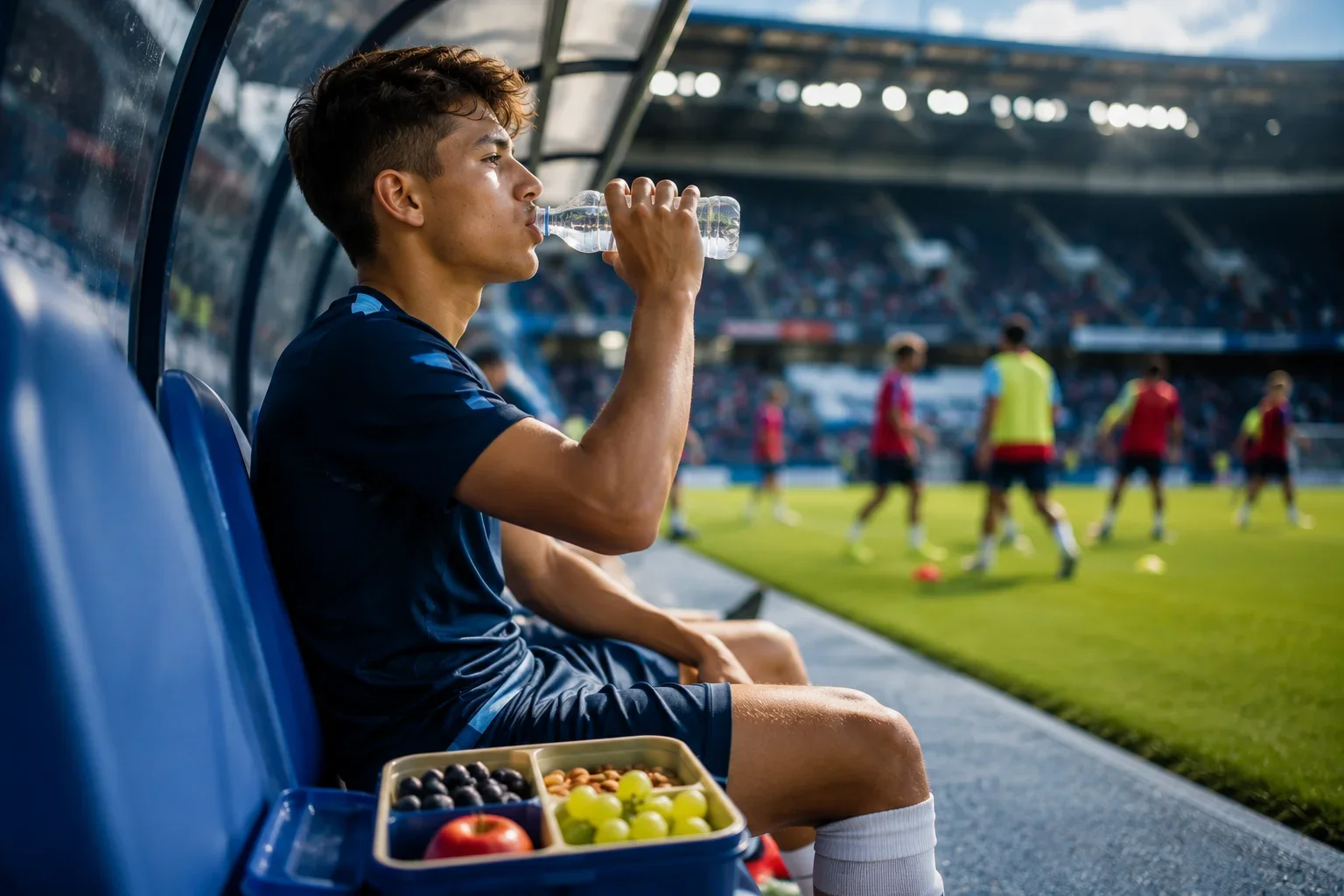
The evidence is clear: what soccer players eat before a game as part of their match day nutrition is a science-backed, individualized process. Consistency and balance are the foundations of match day performance optimization in soccer. Each player fine-tunes their routine, meal timing, and specific choices with the help of sports nutrition pros to ensure they feel good, avoid digestive issues, and play at their very best.
For More on Nutrition and Lifestyle Wellness, Visit: NCWellnessHub.com
If you’re inspired to take your nutrition and performance to the next level, consider exploring how your body responds to different fueling strategies over time. Understanding the physiological changes that occur during periods of fasting can offer valuable insights into energy management, recovery, and metabolic flexibility—concepts that are increasingly relevant for athletes and fitness enthusiasts alike.
For a deeper dive into how your body adapts and thrives through various stages of fasting, check out this comprehensive guide on the stages of fasting and their impact on health and performance. Expanding your knowledge in this area can help you make more informed choices, whether you’re preparing for a big match or optimizing your everyday wellness routine.



Write A Comment