NC Wellness Hub
update
North Carolina Wellness Hub
update
  • Home
  • Categories
    • Wellness
    • General Health
    • Holistic
    • News
    • Living & Travel
    • Lifestyle
    • Fitness & Exercise
    • Mental Health
    • Stress Management
    • FEATURE
    • Sleep
    • Allergies
    • Medicines & Supplements
    • Weight Loss
    • Kids Health
    • Fertility & Pregnancy
    • Cancer
    • Heart Health
    • Skin & Hair
    • Arthritis
    • Dental
    • Vision
  • Bone Health
  • Digestive
June 23.2026
1 Minute Read

The Invisible Puppeteers: Exactly What Neurotransmitters Do to Control Your Every Thought

Did you know tiny chemicals called neurotransmitters orchestrate every thought you have? These invisible messengers directly influence your mood, memory, and actions

Unlocking Neurotransmitters: What You'll Learn in This Guide

  • What neurotransmitters do and why they matter

  • The types and functions of key neurotransmitters

  • How neurotransmitters influence the nervous system and central nervous system

  • Ways neurotransmitters shape personality, mood, memory, and decisions

  • Research findings and expert quotes on neurotransmitter impact

The Unseen Influence – Neurotransmitters Do What?

A Hidden Orchestra: How Neurotransmitters Control Thoughts

Most people never stop to wonder what happens inside their brain when they experience a sudden burst of excitement, puzzle over a difficult math problem, or simply enjoy a favorite song. Yet, all these experiences are orchestrated by a hidden cast of chemical messengers called neurotransmitters.

These biological agents work behind the scenes—moving quickly and quietly across microscopic gaps—to send rapid-fire signals between nerve cells, or neurons, and their target cells. This chemical conversation is what allows our brains to process information, control movement, and even develop our unique personalities. Without neurotransmitters, your thoughts, feelings, and memories would simply not exist.

By understanding the question, "neurotransmitters do what?", you unlock the foundations of your own mind
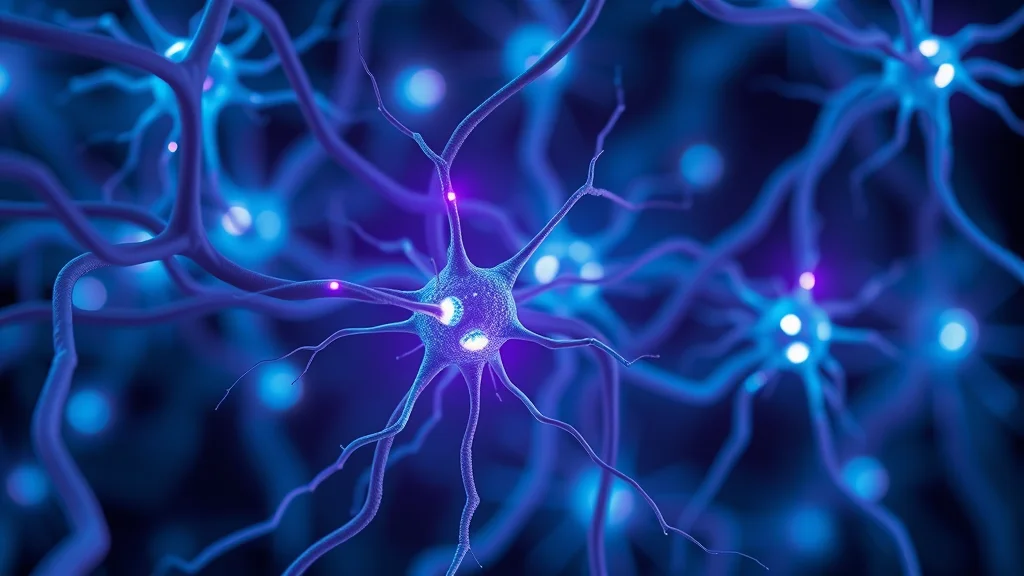
Vivid illustration of neurons communicating with glowing synapses, highlighting neurotransmitter action in the central nervous system

"Neurotransmitters are the brain's language. Without them, our thoughts wouldn’t form." – Dr. Karen Wu, Neurologist

Neurotransmitters Do What? Defining the Role of These Messenger Molecules

Inside the Central Nervous System: Neurotransmitters at Work

Neurotransmitters are tiny chemicals, but their influence is monumental. In the central nervous system, which includes the brain and spinal cord, neurotransmitters serve as the main means of communication between neurons and their target cells. When an electrical signal (called an action potential) travels down a neuron to the axon terminal, it triggers the release of these chemical messengers into the synaptic cleft (the small gap between neurons).

The released neurotransmitters then carry the message to a specific receptor on the receiving neuron, muscle cell, or gland, causing a specific response such as muscle contraction, hormone release, or thought formation. This relay system keeps the central and peripheral nervous systems running in harmony and is essential for sensation, movement, and cognition.

By acting as chemical messengers, neurotransmitters directly manage how we act and feel. They can influence the firing speed of nerve cells and even modulate entire networks in the brain and throughout the body. For example, the neurotransmitter dopamine affects motivation and reward behaviors, while serotonin regulates mood and general sense of wellbeing.

Their constant interplay means that any imbalance—too much or too little of a specific neurotransmitter—can result in mental health challenges or physical symptoms, including mood disorders and psychiatric disorders. The importance of these messenger molecules in everyday life cannot be overstated.

The intricate relationship between neurotransmitters and mental health becomes especially clear when considering conditions like depression or ADHD, where chemical imbalances can significantly impact mood, focus, and daily functioning. For practical strategies to support your mental wellness and actionable tips to lift your mood, explore these quick mental health tips for overcoming feeling blue.

How the Nervous System Relies on Neurotransmitters for Communication

The human nervous system is a complex network, and neurotransmitters are its signal carriers. In both the central nervous system (brain and spinal cord) and the peripheral nervous system (the nerves outside the brain and spinal cord), neurons rely on neurotransmitters to transmit signals efficiently. When a neuron becomes activated, the action potential travels along its axon until it reaches the axon terminal.

There, neurotransmitters are released and diffuse across the synaptic cleft, binding to receptor sites on the next neuron or target cell. This chemical handoff is what enables nervous system messages to be rapid and precise—even faster than a blink—which is vital for everything from reflexes to complex cognitive processes like problem-solving.

The bottom line? Neurotransmitters do what electricity alone never could: they give your nervous system both nuance and adaptability

The Science Behind Thought: How Neurotransmitters Affect Mood, Memory, and Action

Chemical Conversations: How a Signal Moves from Neuron to Target Cell

When you consider what neurotransmitters do, picture a relay race happening at the molecular level. The process typically begins when an action potential travels down a neuron to the axon terminal. Here, vesicles—tiny sacs containing neurotransmitter chemicals—fuse with the membrane and spill their contents into the synaptic cleft.

The neurotransmitters then float across the gap and dock at specific receptor sites on the next neuron, muscle cell, or gland. This chemical handshake can trigger a new electrical signal or directly cause the target cell to act, like contracting a muscle or firing another nerve cell.

Key steps in this journey include neurotransmitter synthesis, packaging into vesicles, release upon electrical stimulation, binding to receptors, and finally, removal from the synapse either by reuptake, degradation, or diffusion. The role of the synapse is crucial: it acts as the switching station of the nervous system, determining whether information gets passed on or stopped.

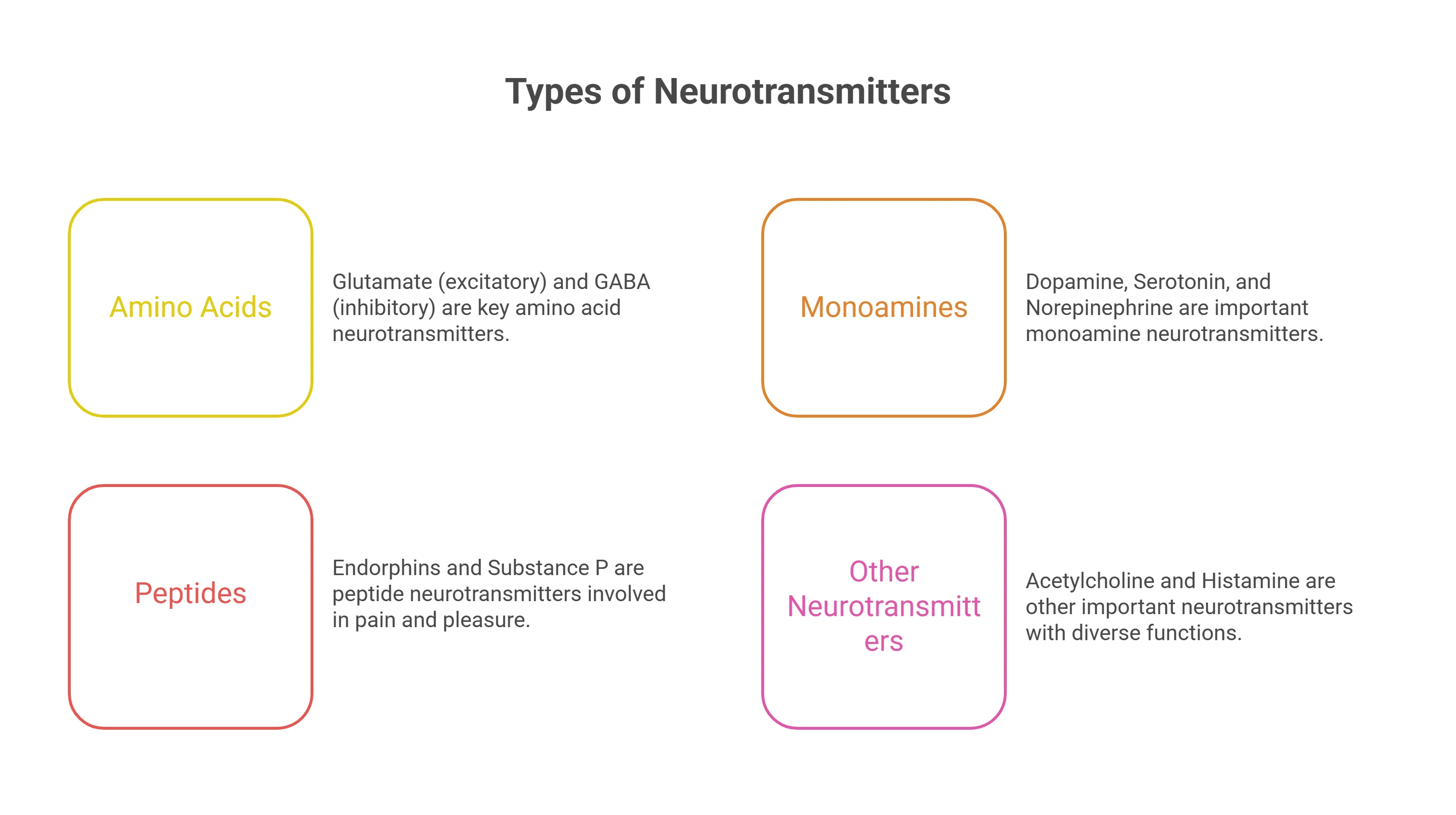
Certain neurotransmitters like glutamate are considered excitatory (encouraging the next cell to fire), while others like GABA are inhibitory (discouraging action). It’s a chemical ballet where timing, amount, and target all shape the effect.
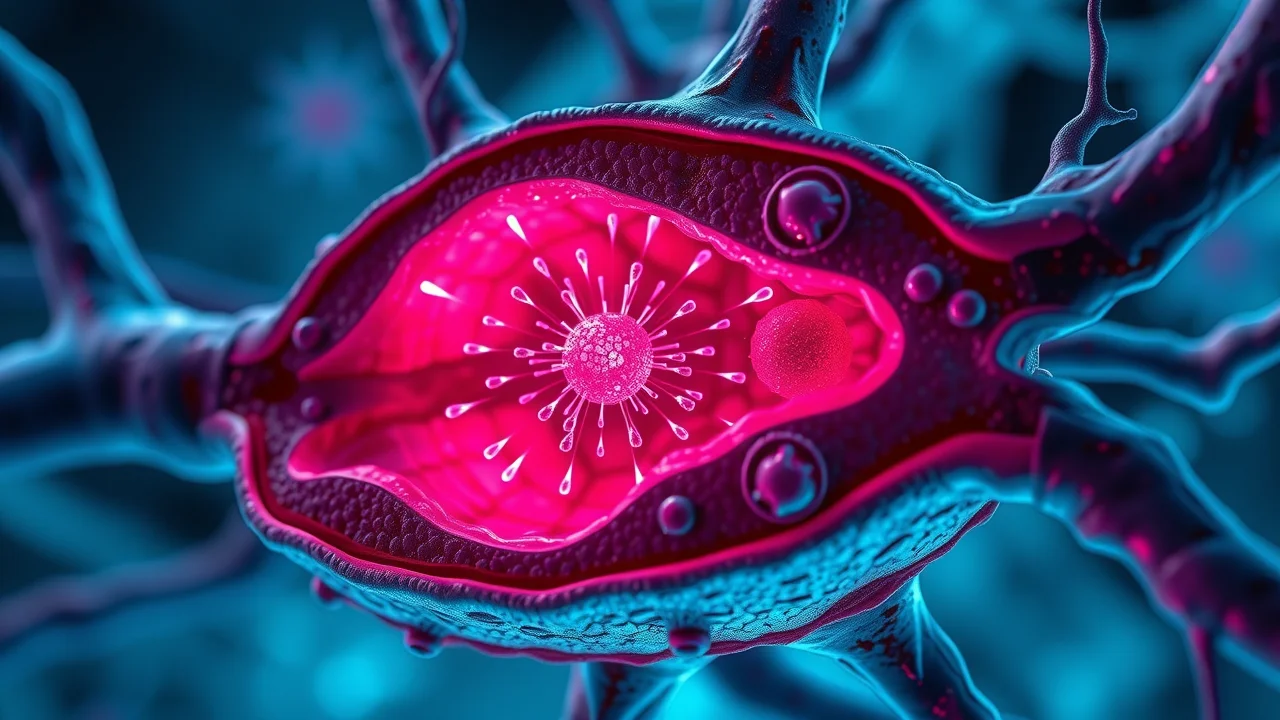
Detailed cross-sectional view of a synapse showing neurotransmitter release and signal transmission in the nervous system
  • Key steps in neurotransmitter release and uptake

  • The role of the synapse in the nervous system

"Our moods and memories are, in essence, a dance of neurotransmitters across billions of connections." – Dr. Jason Lee, Psychiatrist

Major Players: What Do Key Neurotransmitters Do?

Comparison of Major Neurotransmitters

Neurotransmitter

Main Function

Effect on Target Cell

Associated Behaviors

Dopamine

Motivation and reward

Excitatory/modulatory—stimulates action in target cells, increases alertness

Pleasure, motivation, addiction, motor control

Serotonin

Mood and wellbeing

Modulatory—stabilizes mood, inhibitory on some pathways

Mood regulation, sleep, appetite, impulse control

Acetylcholine

Attention and learning

Excitatory—activates muscles, enhances alertness

Learning, memory, muscle movement

GABA

Brain "brake"—calms neuron activity

Inhibitory—reduces neural activity

Anxiety reduction, sleep, coordination

Glutamate

Brain "gas"—main excitatory neurotransmitter

Excitatory—increases activity in target cells

Learning, memory, sensory processing

Infographic showing the structures and functions of five major neurotransmitters: dopamine, serotonin, acetylcholine, GABA, and glutamate
  • Dopamine: Motivation and reward

  • Serotonin: Mood and wellbeing

  • Acetylcholine: Attention and learning

  • GABA & Glutamate: The brakes and gas of the central nervous system

The Dual Impact: How Neurotransmitters Excite or Inhibit the Target Cell

Excitatory vs. Inhibitory Effects in the Central Nervous System

Neurotransmitters can have two main effects on their target cells: excitatory or inhibitory. An excitatory neurotransmitter will cause the receiving neuron or muscle cell to become more likely to fire an action potential—it’s like stepping on the accelerator. Glutamate is the primary excitatory neurotransmitter, helping drive learning, memory, and sensory processing throughout the central nervous system.

On the flip side, an inhibitory neurotransmitter acts like a brake, making the target cell less likely to fire. GABA is the central nervous system's main inhibitory neurotransmitter—calming neural activity and playing a key role in anxiety reduction and muscle control.

This dynamic balance ensures the brain doesn't become overstimulated (as in seizures) or shut down (as in coma). It’s the interplay of these two functions that allows the body and mind to stay flexible and responsive. Any disruption in this balance—whether from stress, disease, or substance use—can have profound effects on mental and physical health, underscoring the power of what neurotransmitters do in everyday life.
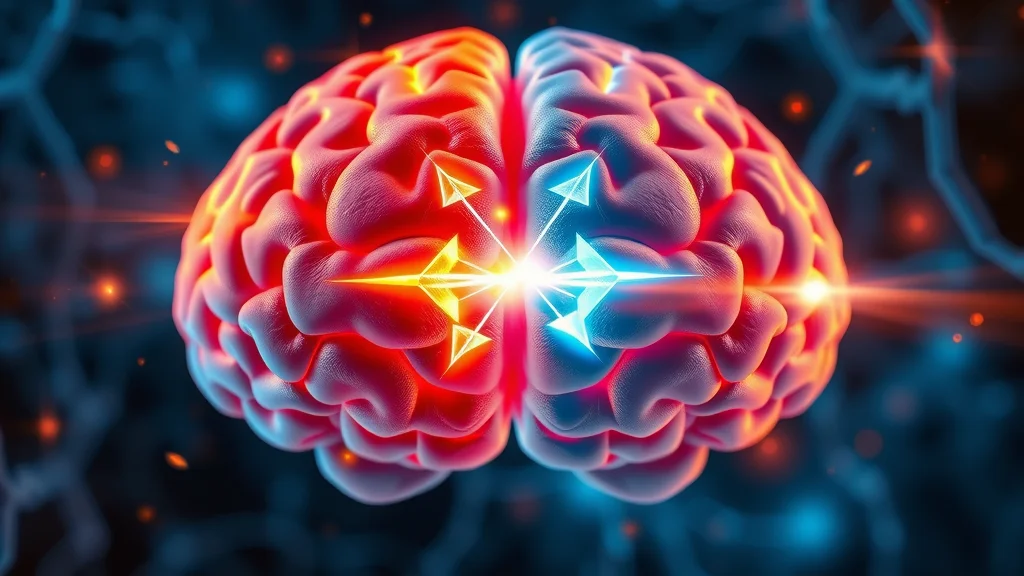
Conceptual illustration showing excitatory versus inhibitory neurotransmitter action in brain tissue

Balancing Act: Why Both Are Crucial for Brain Health

Picture the brain as a highly sophisticated car—it needs both gas and brakes. The right proportion of excitatory and inhibitory signals allows the brain to be alert, adaptable, and stable, but also calm and focused. Too much excitation can lead to anxiety, irritability, and even seizures, while too much inhibition can cause drowsiness, depression, or cognitive sluggishness.

Proper brain health hinges on these forces being in equilibrium, with neurotransmitters like GABA and glutamate playing lead roles. This balanced activity enables everything from smooth muscle coordination to emotional regulation—showing the enormous impact neurotransmitters have, not just on disease, but on everyday experience.

"An imbalance in the mix of neurotransmitters can alter everything from sleep cycles to self-control." – Dr. Aisha Patel, Neuropharmacologist

How Neurotransmitters Shape Personality and Decision-Making

Personality Traits Linked to Neurotransmitter Activity

Surprising as it may sound, much of what makes you “you” can be traced back to the subtle patterns of neurotransmitter activity in your brain. Neurotransmitter levels and types are linked with personality traits—dopamine, for example, is associated with extroversion, energy, and risk-taking, while serotonin is tied to feelings of contentment, caution, and emotional stability.

Studies suggest that even differences in traits like conscientiousness, openness, and impulsivity may largely stem from the relative abundance or sensitivity to certain neurotransmitters. This means that neurotransmitters do more than transmit signals in the nervous system—they help paint the unique picture of each individual’s character.

Other factors, including amino acid availability (the building blocks of neurotransmitters), stress levels, nutrition, and genetics, play a role in determining neurotransmitter synthesis and function. As a result, your experiences, habits, and environment can further shape your personality by influencing your body’s chemical messengers.

Diverse people in thoughtful discussion with subtle neural network overlays, illustrating the connection between personality and neurotransmitters

Decision Fatigue and Reward Pathways in the Brain

Every decision you make, from mundane daily choices to life-changing events, involves an intricate network of neurotransmitters operating in real time. Dopamine plays a central role in reward pathways—the brain’s incentive system—helping determine which choices seem desirable or worth repeating.

When you experience “decision fatigue,” it’s often a sign that neurotransmitter reserves have been depleted, leading to reduced judgment, slower processing, and an urge to seek easier options. Glutamate, acetylcholine, and other messengers also help manage decision-making by affecting focus, attention, and learning.

This chemistry shapes not only individual decisions but also patterns of behavior. People prone to impulsivity may have altered dopamine or serotonin activity, while those with anxiety disorders might be more influenced by GABAergic (inhibitory) mechanisms. Recent research underscores how modifying neurotransmitter levels—via therapy, medication, or even lifestyle—can influence key decision-making circuits and help treat psychiatric disorders.

"Every unique personality emerges from a symphony of chemical signals playing in real time." – Dr. Thomas Winslow, Behavioral Scientist

What Happens When You Lack Neurotransmitters? Disorders and Deficiencies

  • Common conditions: Depression, anxiety, ADHD, Parkinson’s

  • Impact on the central nervous system and daily function

  • How treatments target neurotransmitters

When the balance of neurotransmitters goes awry, the consequences can touch every area of life. Too little serotonin is linked with depression and anxiety disorders. Low dopamine causes symptoms in Parkinson’s disease, including tremors and difficulty moving. ADHD involves disruptions in both dopamine and norepinephrine pathways.

Since neurotransmitters act as chemical messengers between nerve cells and target cells throughout the nervous system, even minor deficiencies can affect mood, attention, sleep, appetite, and muscle movement. Treatments—including medications (like SSRIs for serotonin), dietary changes (impacting amino acid intake), and even psychotherapy—often aim to restore chemical balance at the synapse, highlighting how central neurotransmitters are to both mental and physical well-being.

Doctors can target neurotransmitter systems in highly specific ways, from blocking reuptake (recycling) to stimulating or inhibiting certain receptor sites. This is why medications for depression, anxiety, and movement disorders are so effective for many people—because they address the underlying chemistry directly.

Realistic image of a person meeting with a healthcare provider about neurotransmitter-related health issues

"Understanding what's happening at the chemical level can empower patients to pursue effective strategies for mental wellbeing." – Dr. Sienna Young, Clinical Psychologist
What Do Neurotransmitters Do? People Also Ask

What do neurotransmitters do?

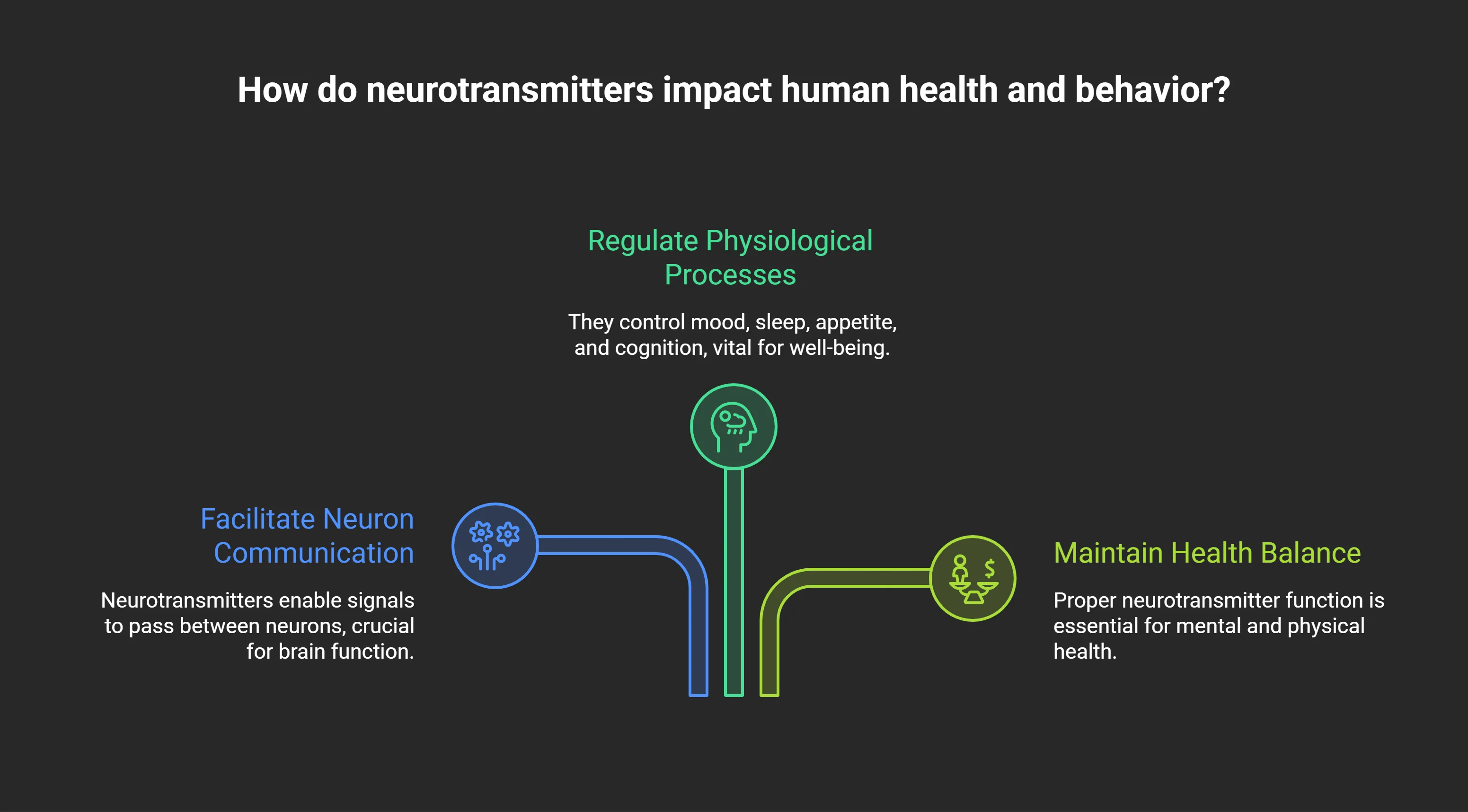
Neurotransmitters act as chemical messengers in the nervous system, transmitting signals between neurons and across synapses to influence nearly all bodily functions, thoughts, moods, and actions. These molecules allow your nerves to communicate, control reflexes, shape perceptions, and enable every mental event.

What is the most important neurotransmitter?

While several neurotransmitters are crucial, glutamate is the most abundant and essential for synaptic transmission, learning, and memory. Other key players include dopamine, serotonin, and GABA, each of which has unique effects on behavior and cognition in the central nervous system.

What two effects might neurotransmitters have?

Neurotransmitters can have excitatory effects, stimulating action in target cells, or inhibitory effects, damping or pausing neural activity. Both roles are vital for balanced brain function—preventing overstimulation and ensuring well-regulated responses.

What happens when you lack neurotransmitters?

Deficiencies in specific neurotransmitters may lead to mood disorders, cognitive impairments, neurological conditions, and disruptions in the central nervous system's normal function. Restoring neurotransmitter balance is often central to effective treatment for these challenges.
Frequently Asked Questions About What Neurotransmitters Do

  • Do certain foods or activities naturally increase neurotransmitter levels? Yes, foods rich in amino acids (such as lean meats, eggs, nuts, and legumes) support neurotransmitter production. Exercise and social interaction can also boost neurotransmitter levels, particularly dopamine and serotonin.

  • Are neurotransmitters only located in the brain or throughout the nervous system? Neurotransmitters are present throughout the entire nervous system—including the brain, spinal cord, and peripheral nerves—wherever nerve cells communicate with target cells.

  • How are neurotransmitters measured in medical practice? While direct measurement is complex, techniques include spinal fluid analysis, blood markers, and advanced imaging scans such as PET, used mostly in research or for diagnosis of severe disorders.

  • Can supplements or medications change what neurotransmitters do? Yes, certain medications, herbal supplements, and dietary approaches can increase or decrease neurotransmitter action, but always consult a healthcare provider before using them for health concerns.

Key Takeaways: The Lasting Secret of What Neurotransmitters Do

  • Neurotransmitters are the chemical basis of every mental event.

  • Imbalances underlie common mental health challenges.

  • New therapies target neurotransmitter processes for brain health.

  • Understanding what neurotransmitters do can help optimize your mental wellness.
Conclusion: The Profound Power of Neurotransmitters and Your Next Steps

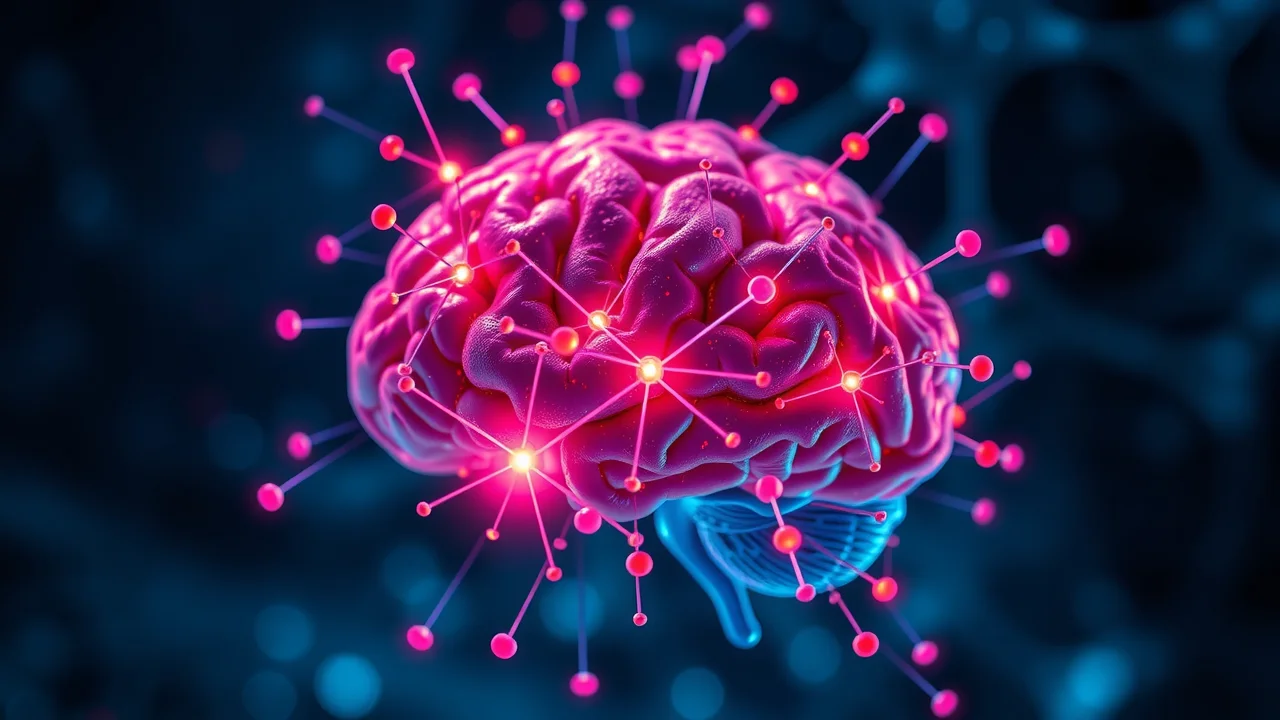
Neurotransmitters do what no other molecules can—control the energy, mood, and actions that make you unique. Learn, understand, and take charge of your brain health.

If you’re fascinated by the profound impact neurotransmitters have on your thoughts and behaviors, you might be curious about how these chemical messengers relate to specific conditions like ADHD. Delving deeper into the science behind the ADHD brain can reveal how neurotransmitter dynamics shape attention, focus, and daily life. For a broader perspective on the neurological roots of attention and behavior, discover the latest research and expert insights in our comprehensive guide on the science behind ADHD and the brain. Expanding your understanding of these connections can empower you to make informed choices for your mental wellness journey.

Keep learning and thriving with reliable health resources at: NCWellnessHub.com

Sources

  • National Institutes of Health – https://www.ncbi.nlm.nih.gov/books/NBK10943/

  • Psychology Today – https://www.psychologytoday.com/intl/basics/neurotransmitters

  • Verywell Mind – https://www.verywellmind.com/what-are-neurotransmitters-2795394

  • Cedars-Sinai – https://www.cedars-sinai.org/health-library/diseases-and-conditions/n/neurotransmitters.html

  • Encyclopedia Britannica – https://www.britannica.com/science/neurotransmitter

Neurotransmitters are chemical messengers that play a pivotal role in transmitting signals across the nervous system, influencing everything from mood and memory to muscle movement. To deepen your understanding of their functions and significance, consider exploring the following resources:

  • “Neurotransmitters: What They Are, Functions & Types” (my.clevelandclinic.org)

  • “Neurotransmitters: Types, Functions and Disorders” (kenhub.com)

These articles provide comprehensive insights into the various types of neurotransmitters, their specific roles within the nervous system, and how imbalances can lead to different health conditions. If you’re keen on understanding how these chemical messengers influence your thoughts and behaviors, these resources will offer valuable information. NCWellnessHub.com
Mental Health

0 Comments

Write A Comment

*
*
Please complete the captcha to submit your comment.
Related Posts All Posts

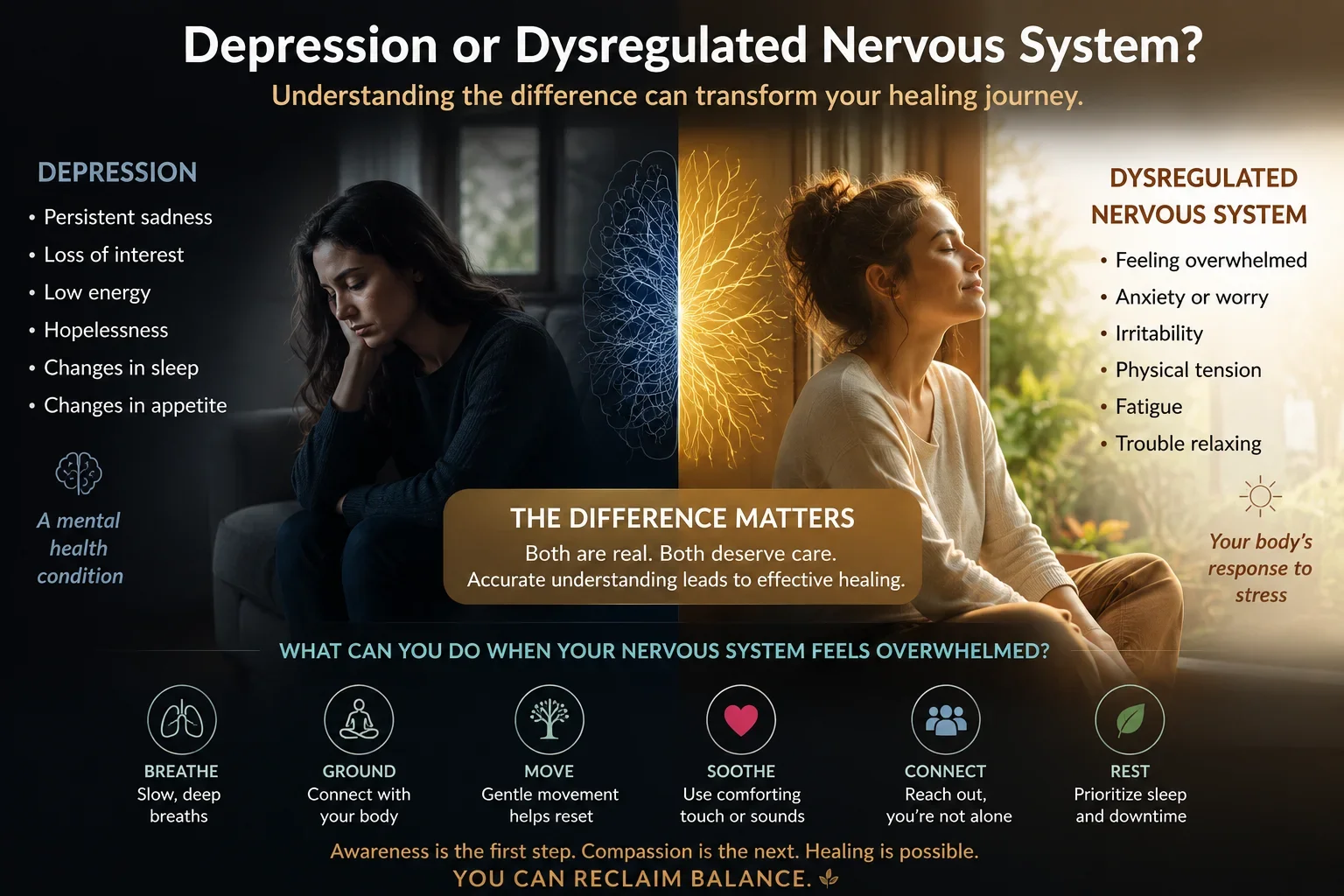
The Difference Between Depression and a Dysregulated Nervous System (And How to Find Your Way Back)

Ever wonder if your low mood stems from depression or a dysregulated nervous system? Understanding this difference can transform your healing journey and help you reclaim balance. So, what can you do when your nervous system feels overwhelmed?Let’s explore the answers together. In this guide, you’ll learn the practical steps, recognize crucial symptoms, and discover supportive strategies for regaining well-being—rooted not only in mental health, but also in the regulation of your body and mind.Ever Wonder If Your Low Mood Is Depression or Nervous System Dysregulation?Many people experience periods of low mood and find themselves questioning whether it’s depression or something driven by their nervous system. The overlap in symptoms is real: fatigue, trouble focusing, aches, and general disinterest in things that once brought joy. Yet, beneath these feelings, your body’s internal systems—especially the autonomic nervous system—may be sounding an alarm.When the sympathetic nervous system is stuck on “high alert” or your body cycles through stress responses without relief, you may endure chronic exhaustion, irritability, and even sensations like shortness of breath. Recognizing nervous system dysregulation as a possible root cause can help you choose healing approaches that go beyond traditional mental health treatment, fostering a better connection between mind and body.The key is knowing what to look for and listening closely to both emotional and physical signals. We live in demanding times, and sometimes our systems need support to exit survival mode so we can truly recover. Below, we’ll break down exactly how to tell the difference between clinical depression and nervous system low mood, what to do, and how to find practical relief—starting today.How Understanding Nervous System Low Mood Can Transform RecoveryUnderstanding the role of the nervous system in low mood is a game-changer. When you realize that your persistent feelings of sadness or exhaustion may actually result from a dysregulated nervous system—not just depression—you gain more options for support. Rather than relying only on talk therapy or medication, you might integrate grounding exercises, breathing practices, or gentle movement into your routine.Approaches like these target the source of your distress at the body’s level, helping you exit high alert and begin true recovery. Recognizing this connection often empowers people to find ways to heal that are tailored, comprehensive, and sustainable.Interestingly, the connection between your nervous system and overall well-being is also influenced by the health of your gut. If you’re curious about how nutrition and digestive health can play a role in regulating mood and supporting nervous system balance, you may find it helpful to explore how a healthy gut can heal your body and mind for additional insights.What Causes Low Mood: The Importance of Identifying Nervous System InvolvementRooting out the origins of low mood requires more than noting sadness or irritability—it demands a holistic review of physical symptoms, sleep, appetite, and energy levels. System dysregulation may show up as chronic muscle tension, rapid heart rate, or digestive trouble that persists even as your mood fluctuates.The sympathetic nervous system can be kicked into overdrive by chronic stress, disrupting the natural “rest and digest” balance that keeps humans calm and adaptive. Identifying nervous system involvement paves the way for targeted strategies instead of one-size-fits-all solutions, which is invaluable for long-term mental health and resilience.What You'll Learn About Nervous System, Low Mood, and RecoveryHow to tell if your low mood is rooted in depression or a dysregulated nervous systemKey physical symptoms of nervous system dysregulationThe connection between survival mode and mental healthPractical steps for nervous system low mood—what to doAnswers to common questions about mood and well-beingUnderstanding Low Mood: Is It Always Depression or Is Your Nervous System Dysregulated?Distinguishing Between Low Mood and Nervous System DysregulationThe terms “depression” and “nervous system dysregulation” are sometimes used interchangeably, but they describe different phenomena. Depression involves a persistent low or flat mood, loss of pleasure, and often drastic changes in sleep or appetite. Nervous system dysregulation, meanwhile, centers on your body and mind reacting as if under continual stress—showing up as irritability, exhaustion, or nervous energy, even when there’s no clear “reason” for these feelings.Both conditions can lead to low mood, but distinguishing between them is essential so that interventions can target the true cause, whether that be emotional, physical, or both. Identifying your unique pattern helps you to make decisions about health treatment that are tailored to your real needs.It’s also possible to experience both at once. The autonomic nervous system may spiral into a fight or flight state after trauma or extended periods of stress, even in absence of diagnosable depression. Learning to tell the difference—by consulting with a mental health care provider or examining your symptoms thoughtfully—is a step toward meaningful, lasting change.Flight Response and Survival Mode in the Nervous SystemWhen you’re overwhelmed, your body can enter what is often described as “survival mode”. During this state, the sympathetic nervous system takes charge, priming you for a flight response—or, alternatively, “fight” or “freeze. ” Physically, this looks like increased heart rate, tense muscles, shallow breathing, and difficulty concentrating. Even after the initial stress passes, a dysregulated nervous system might hang onto this high-alert state.Persistent survival mode makes it difficult to relax, sleep, or even enjoy simple pleasures—trapping you in a cycle of low mood and physical symptoms. Understanding the science behind these feelings can motivate you to take steps that specifically calm the body, helping it leave survival mode and return to equilibrium.Recognizing The Signs: Physical Symptoms of Nervous System DysregulationCommon Physical Symptoms of Nervous System Dysregulation to Watch ForYour nervous system speaks as much through the body as through mood. Watch for these physical symptoms—especially if emotional distress is accompanied by unexplained aches, changing heart rate, or persistent fatigue:Shortness of breathChronic fatigueMuscle tensionDigestive issuesHeart palpitationsThese signs often arise when the sympathetic nervous system is stuck “on,” stimulating stress hormones that keep your body vigilant, tight, and prone to exhaustion. If your symptoms improve or worsen with stress, this suggests a strong role for system dysregulation—a clue to shift your recovery plan towards body-based strategies like deep breathing or simple exercise.Why Low Mood Can be Linked to Nervous System ImbalancesLow mood doesn’t always mean depression. Sometimes, the body’s struggle with nervous system dysregulation causes persistent sadness, irritability, or even grumpiness. When the parasympathetic nervous system—responsible for “rest and digest”—is underactive, the body may fail to fully calm itself after stress, leading to ongoing exhaustion.Over time, unresolved stress responses exhaust both body and mind, making mood lows worse and recovery more difficult. That’s why addressing nervous system low mood needs a comprehensive approach—not just thinking positive, but actually supporting your system’s capacity to find calm again.How the Dysregulated Nervous System Impacts Mental HealthSurvival Mode: The Nervous System’s Fight, Flight, or Freeze ResponseSurvival mode is the body’s instinctive response to stress. The sympathetic nervous system triggers adrenaline and cortisol, preparing you for real or imagined threats. This response is healthy in the short term, but when it persists, it affects every part of your well-being: mood, concentration, sleep, and physical health. In some, this ongoing alert state is so subtle that it masquerades as mere irritability or a bad mood, yet it steadily drains emotional resources, upending your ability to relax, connect, or even make decisions.When your dysregulated nervous system gets “stuck” in overdrive, daily worries are amplified. You may notice mild anxiety, a sense of being overwhelmed, or simply a lack of joy in activities you used to enjoy. Recognizing survival mode is the first step toward breaking free from its grip—and finding personalized strategies for recovery.System Dysregulation and Persistent Low Mood: A Vicious CycleOnce your nervous system is dysregulated, it can become locked in a self-perpetuating cycle: stress worsens low mood, which makes stress responses more intense, which in turn deepens mood lows. Your body’s signals become subtle warning bells that, if left unaddressed, can lead to chronic tension, poor sleep, and even greater struggles with mental health.Knowing how this cycle operates equips you to intervene early—through grounding methods, breathwork, or supportive habits. Remember, your path to feeling better may begin not only with therapy, but also with gentle support for your body’s own systems and stress responses."Understanding the difference between clinical depression and a dysregulated nervous system is crucial for targeted and effective healing approaches."Root Causes: Why Does Your Nervous System Get Dysregulated?Common Triggers for Nervous System DysregulationChronic stressPast trauma or adverse childhood experiencesPoor sleep habitsPhysical health issuesNutritional imbalancesFactors like chronic stress or unresolved trauma can lock the autonomic nervous system into unhealthy patterns. Disrupted sleep—whether due to work, lifestyle, or insomnia—prevents the body from fully resetting, while poor nutrition or physical health struggles magnify imbalance. Recognizing and addressing these triggers is foundational for anyone seeking to understand nervous system low mood and what to do next.Genetics, Environment, and Lifestyle: The Interplay Behind Nervous System Low MoodYour background, environment, and daily habits all contribute to the way your nervous system responds to stress. A family history of anxiety or depression can make some individuals more sensitive to system dysregulation. Meanwhile, a nurturing environment supports resilience—but ongoing pressures, lack of social connection, or negative experiences can strain even the most balanced system.Healthy adjustments—such as optimizing sleep, eating nourishing foods, building supportive relationships, and finding ways to unwind—are all critical for both the mind and body in recovery.Nervous System Low Mood: What To Do For Immediate ReliefGrounding Techniques to Calm a Dysregulated Nervous SystemPractice deep, slow breathing to address shortness of breathProgressive muscle relaxationMindful observation of your physical symptomsUse of comfortable, calming environmentsVisualization and sensory-based calming techniquesGrounding is about anchoring your mind in the present moment and letting your body exit high alert. Slow, mindful breathing signals the parasympathetic nervous system to restore calm, slowing your heart rate and easing tense muscles. Progressive muscle relaxation—a simple exercise involving tightening and releasing different groups of muscles—can quickly interrupt stress spirals.Mindful attention to your symptoms (not fighting them, but witnessing them with curiosity) also helps break the cycle. Surround yourself with soft textures, gentle light, and quiet sounds to reinforce the message of safety. Small sensory rituals—the warmth of a mug, the softness of a blanket—encourage your rest and digest system to reengage and your mood to gently lift.Simple Lifestyle Adjustments to Support Nervous System WellbeingStrategic changes in daily habits can rapidly benefit your nervous system. Building in brief movement breaks, eating at regular intervals, and keeping a consistent bedtime all help the brain and body remember that safety is available. Even a deep breath before meals or after a challenging interaction tells your system it’s time to shift gears.Try an audio guide for meditation or guided breathwork for extra support, or walk in nature for a regular dose of restorative calm. These small shifts can make a substantial difference when nervous system low mood strikes and you’re wondering what to do.Long-Term Strategies for Overcoming System Dysregulation and Low MoodTherapeutic Approaches: From Somatic Practices to CBTAddressing persistent nervous system low mood usually calls for a comprehensive plan combining both psychological and body-centered therapies. Approaches such as somatic experiencing, gentle yoga, or body scan meditations encourage your system to regularly leave survival mode.Cognitive behavioral therapy (CBT) also remains powerful—helping address unhelpful thinking patterns while the body is learning new ways to process stress. Professional guidance from a mental health provider familiar with nervous system dysregulation can be especially valuable, providing strategies that address both mind and body.Combining these approaches increases resilience and reduces the chance of falling back into old stress cycles. Over time, your system learns to stay calm even when life gets challenging, creating space for joy and renewed motivation.Building Daily Habits for a Resilient Nervous SystemRegular physical activityMindfulness meditationConsistent, restorative sleepHealthy social connectionsThink of recovery as a gradual shift rather than a race. Small, daily actions—physical movement, deep breathing, spending quality time with friends, or protecting your sleep schedule—send repeated signals to your autonomic nervous system that it can relax.Over time, these habits wire your brain and body for greater ease, gently but powerfully reducing the “high alert” that underlies low mood and anxiety. Eventually, your mind and body work together in healing harmony, and the question of nervous system low mood what to do grows easier to answer each day.How Nervous System Dysregulation Relates to Depression and AnxietyThe Overlap: Nervous System Dysregulation and Mental Health DisordersThe boundary between nervous system dysregulation and mental health disorders like depression and anxiety can be blurry. Both conditions may include low mood, exhaustion, irritability, or trouble concentrating. However, when basic self-care and body-based strategies lead to significant relief, it may indicate that your main challenge relates more to system dysregulation than depression alone. Importantly, it’s possible to have both occurring at once—which is why working with a qualified mental health provider is crucial for clarity.Understanding this overlap helps people avoid unnecessary shame and empowers you to seek varied types of care, from therapy or support groups to breathwork or yoga. Self-compassion is essential here: you’re not failing if standard interventions don’t provide relief right away. You may simply need to find ways of support that are better matched to your unique experience.When to Seek Professional Help for Persistent Low MoodWhile self-guided recovery is valuable, sometimes symptoms linger or worsen. It’s wise to seek professional support if:Your low mood lasts more than two weeks without improvementYou experience thoughts of self-harm, severe hopelessness, or daily struggle to functionPhysical symptoms like shortness of breath or heart palpitations become overwhelmingEfforts at self-regulation and lifestyle change aren’t enoughIf in doubt, speak to a care provider or use a helpline number. There’s strength in reaching out for support, and guidance from a medical or mental health professional ensures you’re not navigating recovery alone."There’s no shame in asking for support. Mental health and the nervous system are deeply connected, and understanding both is powerful."People Also Ask: Your Nervous System Low Mood Questions AnsweredHow to boost mood when feeling down?AnswerBegin by giving yourself permission to pause. Take a few deep breaths, noticing their sensations in your belly and chest. Step out into fresh air or sunlight, even for a few minutes. Gentle movement—like a walk or stretching—can increase energy and prompt a shift in mood. For more persistent low mood, try a simple exercise in gratitude, write down three small things you appreciate, or listen to soothing music or an audio guide. These quick practices directly engage both your body and mind and remind your system that better feelings are within reach.How to treat nervous system depression?AnswerTreating nervous system depression involves a mix of mental health strategies and physical interventions. Regular use of grounding techniques (like breathwork and mindfulness), improving your sleep, and seeking supportive community can all help regulate the autonomic nervous system. For some, therapy (such as CBT or somatic therapy) is a vital addition. If symptoms do not improve with lifestyle change, consult a qualified mental health professional for guidance and, if needed, more intensive treatments.How to snap out of a bad mood?AnswerIn the moment, shift your environment: change your scenery, splash cold water on your face, or step outside. Try a deep breathing exercise—inhale for a slow count of four, hold, and exhale for six. Small physical shifts often lead to mental ones. Additionally, distract your mind with a pleasant activity, or connect with a friend for a quick, supportive chat. Remember, “snapping out” isn’t always immediate, but these habits help your nervous system begin to reset, inviting your mind and body back to balance.Why am I grumpy all the time?AnswerChronic grumpiness may signal that your nervous system is frequently in “high alert” or survival mode due to stress, lack of rest, or unresolved worries. Try reviewing your sleep routine, nutrition, and physical symptoms. If you notice other signs—muscle tension, digestive issues, frequent irritability—your dysregulated nervous system might be to blame. Gentle grounding strategies, occasional “tech breaks,” and regular times for relaxation can help, but if you remain persistently grumpy, consult with a mental health professional for more tailored help.Comparing Depression and Dysregulated Nervous System: A Side-by-Side TableAspectDepressionDysregulated Nervous SystemOnsetPersistent, unexplained sadnessTriggered by environmental or physical stressorsPhysical SymptomsSleep changes, appetite issuesShortness of breath, muscle tensionMoodGenerally low or flatFluctuates with stress statesInterventionsTherapy, medicationGrounding, breathwork, stress reductionFAQs: Nervous System Low Mood—What to Do and Where to Go NextWhat’s the first step if I suspect nervous system dysregulation?Pause and become aware of both your mood and physical state. Try a grounding or deep breathing exercise, noting changes. Begin tracking symptoms and reach out for professional advice if you remain uncertain or distressed. Early awareness supports more effective recovery.What signs mean it’s time to seek professional support?If low mood persists for weeks, is accompanied by severe fatigue, changes in appetite, thoughts of self-harm, or overwhelming physical symptoms, consult a mental health care provider. Severe or escalating symptoms warrant prompt professional attention.Are there quick self-tests to identify nervous system involvement?No diagnostic tool replaces a medical assessment, but paying attention to how symptoms change with stress, rest, or breathing techniques can provide insight. Tools like checking your heart rate or rating symptoms (before and after grounding exercises) help you learn how closely mood and body are linked.How long does it take to regulate a dysregulated nervous system?Everyone’s recovery timeline is unique, but many people see improvements within weeks of regularly practicing grounding, optimizing sleep, and maintaining supportive routines. Major changes or deep stressors may require longer, with professional support recommended when symptoms are persistent or severe.Key Takeaways on Nervous System Low Mood and RecoveryLow mood can be a sign of both depression and nervous system dysregulation.Recognizing physical symptoms helps target your recovery approach.Immediate and long-term strategies are available for nervous system support.Professional help is available whenever you feel stuck or overwhelmed.Take the Next Step Toward Nervous System and Mental Health WellbeingFor more trusted advice on supporting your nervous system and overcoming low mood, discover more at: NCWellnessHub.comIf you’re ready to deepen your understanding of holistic health and how interconnected systems influence your mood and resilience, consider exploring the broader landscape of health policy and its impact on mental wellness.By learning about upcoming health policy challenges in North Carolina, you’ll gain valuable perspective on the resources, support, and systemic changes that shape your journey to well-being.Taking this next step can empower you to advocate for yourself and your community, ensuring that your path to recovery is supported not just individually, but collectively as well.SourcesHealthline – https://www.healthline.com/health/depressed-nervous-systemMindBodyGreen – https://www.mindbodygreen.com/articles/nervous-system-dysregulation-symptoms-signsNCBI – https://www.ncbi.nlm.nih.gov/pmc/articles/PMC6189708/Understanding the distinction between depression and a dysregulated nervous system is crucial for effective healing. To further explore this topic, consider the following resources:“Your Vagus Nerve May Be Key To Fighting Anxiety and Stress” (health.clevelandclinic.org)This article explains how the vagus nerve influences your body’s stress response and offers techniques to stimulate it, promoting relaxation and emotional balance.“Dysregulated Nervous System: What It Means and How to Regulate” (thriveworks.com)This resource provides practical, science-backed methods to help regulate your nervous system, including self-care strategies and routines to enhance emotional well-being.If you’re seeking to understand and address low mood related to nervous system dysregulation, these resources offer valuable insights and actionable steps to guide your journey toward balance and well-being. NCWellnessHub.com

What Is a Neural Pathway? Unlocking Brain Secrets Today

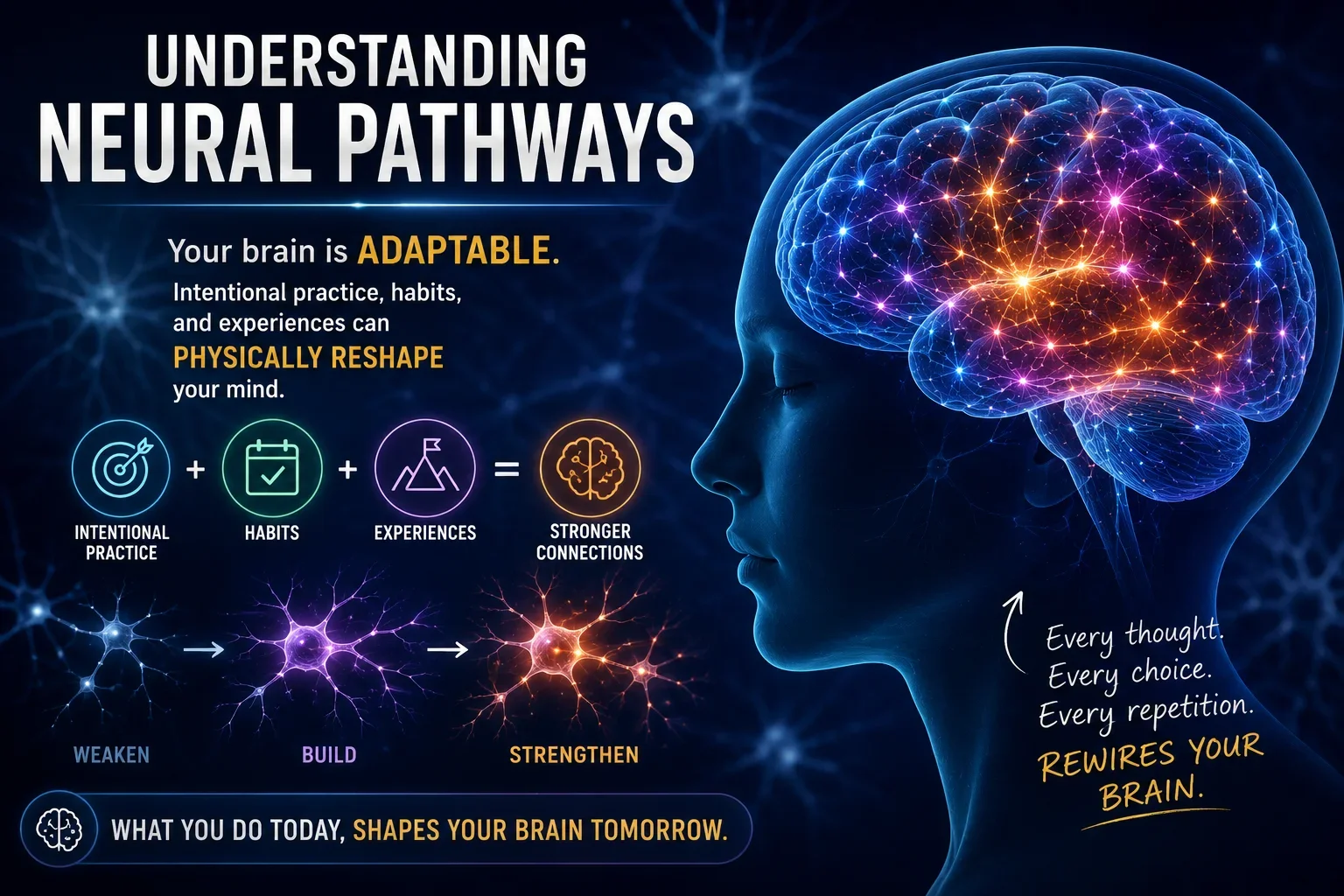
Have you ever felt stuck in a thought or habit? Neural pathways shape who we are, unlocking them could transform your mind and life. Understanding what a neural pathway is offers insight into rewiring your brain for growth, healing, and endless possibilities.The Power of Neural Pathways: Unlocking Your Brain’s PotentialWhen you ask, what is a neural pathway, you’re probing the very architecture of the human mind. These biological “highways” are how every thought, movement, emotion, and sensation travel, forming networks that guide everything from your morning routine to lifelong learning. Understanding neural pathways lets you harness your brain’s adaptability, a concept backed by modern neuroscience that shows how intentional practice, habits, and experiences can physically reshape your mind. Neural pathways aren’t static. Throughout our lives, our brains build, strengthen, or weaken these connections based on what we do, think, and experience. Whether you want to break a bad habit, learn a new skill, or recover after injury, unlocking and rewiring neural pathways is key. Recent brain research highlights just how powerful neuroplasticity is—your ability to rewire neural connections enables growth, healing, and even recovery from traumatic events. By understanding and actively engaging with your neural pathways, you empower yourself to take charge of your mental and emotional wellbeing, paving the way toward a more adaptable and fulfilling life."Neural pathways are the highways of the brain—every sensation, thought, and movement travels this intricate network." — Dr. Olivia Carter, Cognitive NeuroscientistWhat You’ll Learn About Neural PathwaysDefinition of neural pathways and why they matterKey types of neural pathways: sensory pathway, motor pathway, associative pathwaysHow neural pathways relate to the spinal cord, basal ganglia, and dorsal columnWays to strengthen or rewire neural pathwaysExpert insights and scientific perspectivesWhat Is a Neural Pathway? Core Concepts and DefinitionsUnderstanding Neural Pathways in the Brain and Nervous SystemAt its core, the answer to what is a neural pathway revolves around the structure of the nervous system—an interconnected mesh of neurons communicating through chemical and electrical signals. Each neural pathway traces a specific route through this system, carrying messages across the brain and spinal cord to coordinate movement, interpret sensation, or even summon a memory. These routes are not random; rather, they carve patterns from the repetition of thought, experience, or behavior. A neural pathway allows for efficient signaling, meaning frequent use makes the pathway stronger and more automatic over time. The nervous system depends on these well-established tracks for nearly every bodily function. For example, the ascending sensory pathways relay touch, temperature, or pain signals from the skin through spinal cord tracts like the dorsal column to the brain’s somatosensory cortex. In contrast, descending motor pathways transmit movement commands from the primary motor cortex through the corticospinal tract to activate muscles. Thanks to their intricate design, neural pathways allow for quick processing and complex integration across regions such as the basal ganglia, white matter, and cerebral cortex, ensuring seamless body-brain coordination.Key Roles of Neural Pathways in Behavior and LearningNeural pathways are instrumental in shaping how we act and learn. Each time a child learns to tie their shoes or an adult remembers a name, a specific neural circuit lights up. Through repetition and experience, these circuits become reinforced, transforming conscious effort into automatic skill. The adaptability of neural pathways—known as neuroplasticity—enables us to form new habits, break old ones, and even recover abilities lost to injury. Learning and memory go hand-in-hand with the strengthening of synaptic connections within these neural networks. Practice and repetition cement pathways, while new experiences foster alternate routes for learning. For instance, playing an instrument engages both the motor pathway for movement and associative pathways for rhythm and memory. This intricate dance between various pathways makes every learning experience an act of subtle transformation, highlighting just how much our brains are capable of changing across a lifetime."A neural pathway is essentially a series of connected neurons that send signals throughout the brain and body." — Journal of NeuroscienceTypes of Neural Pathways: Sensory, Motor, and AssociativeSensory Pathway: Carrying Information from the Body to the BrainThe sensory pathway is vital for how we interpret the world. Sensory neurons within the peripheral nervous system detect touch, temperature, pain, and pressure, sending this data up through structures like the dorsal root, root ganglion, and dorsal column. This journey ends in the somatosensory cortex of the cerebral cortex, where the brain deciphers the input. The dorsal column, medial lemniscus, and pyramidal tracts travel together, transmitting nuanced sensory information such as vibration, proprioception, and precise touch. The thoroughness of these ascending sensory tracts allows us to instantly recognize a warm mug or sharp pinprick. The integrity of these neural pathways is essential for feeling and responding to our environments. Damage to the sensory pathway—by trauma, illness, or degeneration—can result in numbness, pain, or loss of sensation, underscoring just how critical these connections are for daily life.Motor Pathways: Managing Movement and CoordinationMotor pathways are responsible for our every voluntary action, from lifting a finger to running a marathon. The journey begins in the primary motor cortex, where motor neurons fire signals that descend through the corticospinal tract, synapsing in the spinal cord and sending impulses outward to the muscles. In this relay, structures like the white matter, pyramidal tract, and even cerebellar peduncles play pivotal roles in transmitting accurate and coordinated commands. This communication is vital for fluid, coordinated movement. Deficits or injury within the motor pathway can impair muscle strength, balance, or precision. For instance, diseases that affect motor neurons (such as ALS) or trauma to the spinal cord disrupt these neural highways, resulting in impaired mobility or paralysis. The robustness and flexibility of motor pathways are why practice, rehabilitation, and therapy can help recover function after an accident or illness.Associative Neural Pathways: Connecting Thoughts, Emotions, and MemoriesWhile sensory and motor pathways cover the basics of feeling and doing, associative neural pathways handle the processing, linking, and interpretation in between. These pathways crisscross multiple regions, integrating memory, emotion, and higher-order thinking. Systems like the basal ganglia and cerebral cortex play leading roles here, enabling us to recognize patterns, solve problems, and recall memories. Associative pathways explain why hearing a song might bring back an old emotion or how repeated thoughts can become ingrained beliefs. Their flexibility allows for creative connections, adaptation after trauma, and the rewiring seen in therapeutic interventions. Understanding these pathways is crucial for professions like psychology, cognitive behavioral therapy, and mental health, where targeted interventions can help reshape thinking and emotional habits.Major Types of Neural Pathways and Their FunctionsTypeMain FunctionKey StructuresSensory PathwayTransmits sensory information from body to brainDorsal column, dorsal root ganglion, somatosensory cortex, medial lemniscusMotor PathwayDirects voluntary movement signals from brain to musclesPrimary motor cortex, corticospinal tract, motor neurons, white matterAssociative PathwayLinks memories, emotions, and complex thinkingBasal ganglia, cerebral cortex, substantia nigra, cerebellar peduncleUnderstanding how neural pathways are formed and reinforced is essential for anyone looking to make lasting changes in their habits or resilience. For practical strategies on building positive routines and protecting your mind from daily stressors, explore how micro habits can help armor your mind against stress and boost resilience.The Anatomy of Neural Pathways: Basal Ganglia, Spinal Cord, and the Dorsal ColumnHow the Spinal Cord Supports Neural PathwaysThe spinal cord is the main conduit for messages traveling between the brain and body. Acting as a relay station, the spinal cord manages ascending sensory inputs via the dorsal columns and descending motor instructions through the corticospinal tract. Bundles of white matter in the spinal cord create protected “tracks” for these signals to move efficiently and accurately. When considering what is a neural pathway, the spinal cord is where much of the magic happens. For instance, the dorsal root receives sensory input, transmitting it through the dorsal column to higher brain centers, while motor neurons descend and exit via the ventral root. Disruption to this area—by trauma or disease—often results in profound changes to sensation or mobility, emphasizing how integral the spinal cord is to effective neural pathway functioning.Functions of the Basal Ganglia in ProcessingThe basal ganglia are a group of deep brain structures crucial for regulating movement, rewards, habits, and routines. They interact with motor, sensory, and associative neural pathways, filtering and fine-tuning signals before they reach the motor cortex or influence behavior. The interaction between the substantia nigra, striatum, globus pallidus, and other nuclei within the basal ganglia is key for smooth, coordinated motion and for learning new motor skills and habits. Deficits in the basal ganglia are linked to disorders like Parkinson’s disease, obsessive-compulsive disorder, and addiction, underscoring how disruptions in this region's neural pathways profoundly impact both physical movement and behavior. The basal ganglia's ability to adapt highlights the potential for targeted therapies and rehabilitation to rebuild healthier patterns after diagnosis or brain injury.Role of the Dorsal Column in Sensory PathwaysThe dorsal column plays a pivotal role in the sensory pathway, carrying fine touch, vibration, and proprioceptive signals from the body up the spinal cord to the medulla oblongata, then relaying the input through the medial lemniscus to the somatosensory cortex. This system ensures we can discriminate between different textures, shapes, and positions, forming the backbone for both protective reflexes and complex emotional responses triggered by sensation. Disorders affecting the dorsal column—whether from spinal injury or diseases like multiple sclerosis—interfere with the brain's ability to accurately interpret sensory information, sometimes leading to numbness or loss of balance. This makes the dorsal column critical for everyday functioning and recovery from neurological conditions."Disruptions or damage to specific neural pathways can profoundly impact motor function and sensation." — Dr. Aisha Patel, NeurologistHow Are Neural Pathways Formed, Strengthened, and Changed?Neuroplasticity: The Brain’s Ability to Rewire Neural PathwaysOne of the brain’s most remarkable features is its neuroplasticity—the ability to change, adapt, and reorganize its neural pathways throughout life. Neuroplasticity is how learning, memory, and recovery are possible after injuries such as stroke or trauma. New experiences cause neurons to forge fresh synaptic connections, while repeated behaviors—or even thoughts—strengthen these links, making actions more automatic. Studies show that practicing new skills, like learning an instrument or language, not only activates but also physically reshapes the neural circuitry involved. This continuous rewiring underscores the importance of both positive experiences and intentional repetition for optimal brain health. Interventions like cognitive behavioral therapy, physical rehabilitation, and even mindfulness meditation rely on neuroplasticity to help individuals replace unhelpful pathways with more adaptive ones.Habits and Repetition: Cementing Neural Pathway ConnectionsEvery time you repeat an action or thought, you are reinforcing the corresponding neural pathway—this is the science behind habit formation. The more frequently a pathway is used, the thicker (and faster) it becomes, which is why skills feel automatic over time. Breaking a habit or learning a new one requires activating new pathways through consistent repetition, ensuring the brain learns and transitions to the new routine. Strategies to cement neural pathway connections include deliberate practice, positive reinforcement, and consistent exposure to new challenges. The process may be slow at first, but with patience and focus, the brain naturally adapts. Just as a well-trodden trail becomes easier to walk, repeated brain activity smooths and strengthens neural routes, setting the stage for lasting personal change.Practice and repetitionConsistent learningPositive reinforcementWhy Do Neural Pathways Matter for Health, Behavior, and Recovery?Examples: Overcoming Bad Habits and Adopting New OnesEveryday behaviors—both good and bad—are the results of years of neural pathway reinforcement. Overcoming bad habits (such as smoking or procrastination) requires intention, repetition, and sometimes the guidance of professionals to weaken an old pathway while strengthening a new, healthier one. Techniques like swapping behaviors, mindfulness training, or positive reinforcement exploit neuroplasticity, making new routines eventually feel effortless. Conversely, adopting beneficial habits—like regular exercise, healthy eating, or meditating—activates entirely new associative, sensory, and motor pathways. Each repetition further engrains the routine, eventually making it second nature and part of your identity. This dynamic highlights how understanding and leveraging neural pathways can drive genuine transformation in health and wellness.Role of Neural Pathways in Rehabilitation After InjuryRecovery from brain injury, stroke, or spinal cord trauma is often measured by the brain’s ability to use existing or alternate neural pathways. Rehabilitation professionals harness the principles of neuroplasticity with targeted therapy, retraining patients to move, speak, or perform daily tasks as new circuits are formed and strengthened. Physical therapy, occupational therapy, and cognitive rehabilitation all rely on repeated practice, consistent challenges, and supportive feedback to encourage the brain to “remap” lost functions. Though results vary by individual, this approach has enabled many to regain independence and thrive after life-changing injuries, offering hope and optimism to patients and families alike.Mental Health Implications and Neural RewiringNeural pathways play a crucial role in mental health. Patterns of thought, mood, or behavior—whether healthy or unhelpful—are embedded in associative neural networks. Therapeutic interventions, such as cognitive behavioral therapy (CBT) and mindfulness-based practices, aim to disrupt maladaptive circuits and foster healthier, more resilient patterns. Modern neuroscience has begun to map how these changes are reflected physically in the brain, showing that targeted interventions not only shift mental states but also reshape synaptic connections. This has revolutionized mental health treatment, giving clinicians new tools for empowering lasting positive change and recovery from depression, anxiety, addiction, and more."Therapeutic approaches that target neural pathways are opening new doors in mental health and neurorehabilitation." — American Journal of PsychiatryPeople Also Ask about Neural PathwaysHow do you strengthen neural pathways?Answer: Strengthening neural pathways involves repeated practice, learning new skills, engaging in novel activities, and mindfulness techniques that promote plasticity and connectivity within the brain’s networks. The more frequently a pathway is engaged, the more robust and efficient it becomes. This can include learning a musical instrument, solving puzzles, exercising, or even consistent meditation.How long does it take to rewire your neural pathways?Answer: The process is highly individualized, depending on the complexity of the task and frequency of practice. Neural pathway changes can begin within weeks, but strengthening them for lasting change may take months or longer. Consistency, patient repetition, and positive reinforcement are essential for establishing durable neural adaptations.Do neural pathways ever go away?Answer: While some pathways weaken with disuse, the neural architecture often remains, making it easier to reactivate those connections later with practice and exposure. This “use it or lose it” phenomenon means old skills can often be revived with training, even after a period of inactivity.What damages neural pathways?Answer: Neural pathways may be damaged by trauma (such as injury or stroke), degenerative diseases (like multiple sclerosis), substance abuse, or chronic stress—all of which can disrupt normal signaling in the brain and nervous system. Prompt intervention and rehabilitation are crucial for optimizing recovery and function when damage occurs.Frequently Asked Questions about Neural PathwaysCan adults create new neural pathways?What role do neural pathways play in memory?How does exercise benefit neural pathways?Are neural pathways permanent?Key Takeaways on What Is a Neural PathwayNeural pathways are fundamental to brain function and personal transformation.Both biology and behavior shape how neural pathways form, strengthen, or weaken.Awareness and intentional practice can harness the power of neuroplasticity for growth and healing.Glossary of Key Neural Pathway TermsTermDefinitionNeural PathwayA series of connected neurons responsible for transmitting signals in the brain and nervous system.Sensory PathwayRoutes that carry sensory information from the body to the brain.Motor PathwayNeural connections transmitting movement commands from the brain to muscles.Basal GangliaBrain structures essential for movement regulation, learning, and habits.Dorsal ColumnA spinal cord tract carrying touch and proprioception signals to the brain.NeuroplasticityThe brain's lifelong ability to reorganize and form new neural pathways.Explore More about Neural Pathways and Brain Health Today"Our understanding of neural pathways is the bridge to a healthier, more adaptable brain." — Dr. Linh Tran, Clinical NeuropsychologistIf you’re fascinated by how neural pathways influence not just learning and habits but also our deepest emotions and impulses, there’s even more to uncover. Dive into the neuroscience behind powerful drives like revenge and discover how the brain’s circuitry shapes our most complex behaviors in this in-depth exploration of the revenge brain. By understanding the broader landscape of neural networks, you’ll gain advanced insight into both the light and shadow sides of human nature—empowering you to navigate your own mind with greater awareness and mastery.Discover more trusted information like this at: NCWellnessHub.comBy exploring and understanding what is a neural pathway, you take the first step toward unlocking your own potential for lifelong growth, healing, and positive change. For the latest science and expert guidance, continue your journey at NCWellnessHub. com.Understanding neural pathways is essential for comprehending how our nervous system functions. The article “Neural pathway” on Wikipedia provides a comprehensive overview, detailing the structure and function of these pathways, including their roles in transmitting signals between different regions of the nervous system. (en.wikipedia.org) Also, the “Neural Pathway - an overview” article on ScienceDirect offers in-depth insights into the anatomical and functional components of neural pathways, discussing how they are organized and how they facilitate communication within the nervous system. (sciencedirect.com) If you’re serious about delving deeper into the intricacies of neural pathways, these resources will provide you with valuable information and a solid foundation for further exploration. NCWellnessHub.com

Mental Health Matters: Why Raleigh-Area Stress Is Real and How to Handle It

Feeling overwhelmed in Raleigh isn't just in your head—it's a shared reality. Mental health struggles touch us all, but help exists. Recognizing this truth is the first step to healing and accessing effective mental health services in North Carolina. Discover how local mental health resources North Carolina can empower you to reclaim peace and resilience today.Why Stress and Mental Health Struggles Are Prevalent in Raleigh, North Carolina"In the storm of overwhelm, recognition is your lighthouse. Acknowledging the waves is the first step to calm shores."Raleigh has become one of the fastest-growing cities in the United States, celebrated for its cultural diversity and economic opportunities. However, with this rapid growth comes increased pressure—rising housing costs, competitive job markets, busy school environments, and heavier traffic all contribute to heightened daily stress. For many, these modern stressors lead to anxiety, depression, and feelings of isolation, especially if adequate mental health resources and behavioral health services in North Carolina are not known or easily accessible.Recent years have seen an uptick in reports of burnout among working professionals and students alike in Raleigh. While the city’s reputation for opportunity and community is well-deserved, it’s essential to recognize the lived experience of those struggling quietly. The stress is not simply individual—it reflects broader societal and economic trends, making collective solutions even more important. Understanding and accessing appropriate mental health services and behavioral health support, including tailored plans, to address these unique local challenges gives Raleigh residents the best chance at well-being.What You'll Learn About Mental Health Resources North CarolinaKey causes of stress and mental health challenges in RaleighOverview of mental health resources North Carolina offersStep-by-step guide to accessing mental health servicesRole of primary care providers in behavioral health supportHow to find tailored plans for specific needs, including developmental disabilities and substance abuseThis guide equips you with practical tools for finding effective mental health support and care providers in Raleigh and across North Carolina. We’ll cover the warning signs, outline the types of help available, and highlight steps to take for immediate and long-term care. You’ll also learn how primary care and specialized care providers are key partners on your road to recovery.As you explore the different types of mental health challenges, it's important to recognize that not all struggles look the same—some individuals may experience shyness, while others face more complex conditions like avoidant personality disorder. For a deeper understanding of these distinctions and how they impact daily life, you might find it helpful to review the key differences between shyness and avoidant personality and how each can influence your approach to seeking support.Understanding Mental Health, Mental Illness, and Developmental Disabilities in North CarolinaDefining Mental Health, Mental Illness, and Developmental DisabilitiesMental health means more than just the absence of disease; it’s the ability to handle daily stress, build healthy relationships, and live productively. Mental illness refers to diagnosable disorders such as depression, anxiety, bipolar disorder, and schizophrenia that significantly impact mood, thinking, or behavior.In North Carolina, understanding these definitions also includes recognizing developmental disabilities, which are lifelong conditions impacting cognitive or physical functioning, like autism spectrum disorder or Down syndrome.North Carolina’s mental health resources and health services are designed to address these broad challenges. Treatment options often combine behavioral health services, peer support programs, individualized counseling, and tailored plans for those also facing traumatic brain injury, substance abuse, or dual diagnoses. A coordinated approach—often beginning with a trusted primary care provider—helps residents access both routine mental health care and emergency behavioral health support as needed.Mental Health in Raleigh and Across North CarolinaMental Health Trends: North Carolina vs. National AveragesNorth CarolinaNational Average (U.S.)% of adults with mental illness21.7%19.1%% of youth with at least one major depressive episode16.2%14.4%% reporting frequent stress28.3%25.7%% who could not access needed mental health services16%11.8%Data shows mental health challenges are common in North Carolina, and access to mental health services is still a struggle for many—making awareness of available resources more important than ever.Types of Mental Health Resources North Carolina Residents Can AccessPublic and Private Health Services: Local and Statewide OptionsCounseling centersSupport groupsOnline behavioral health platformsMental health crisis hotlinesFrom counseling centers in Raleigh’s communities to statewide telehealth options, North Carolinians have access to a rich tapestry of public and private mental health services and health service providers. Crisis hotlines are available 24/7, connecting callers to immediate support, while peer support groups offer a chance for individuals with lived experience to help each other. These services are complemented by online behavioral health platforms that facilitate confidential appointments and chat-based care, now more accessible thanks to telemedicine laws.Public-funded mental health resources, such as clinics operated by county health departments, exist alongside private practices and specialized treatment centers. Whether your need is urgent—such as a mental health crisis hotline or a mobile crisis team—or ongoing, like scheduled therapy at a managed care facility, you can find help for everything from mild stress to severe mental health issues. It’s these multiple layers of health services that make North Carolina’s system adaptable, though finding the right fit can require a tailored approach.Primary Care Providers and Their Role in Mental Health ServicesA trusted primary care provider is often your first and most important ally in accessing mental health services and managing mental illness. They can screen for symptoms of mental illness, provide initial guidance, and refer you to specialists in behavioral health. In many cases, they coordinate your treatment plan, making sure medications and therapies work together safely.Importantly, your primary care provider will track overall wellness, considering not just mental but also physical conditions, such as a history of traumatic brain injury or chronic illnesses that affect mood. They can also provide education about preventing fraudulent text scams, which have become a concern in health service communication—never trust a request for payment by text, and always verify before sharing information. Many practices in Raleigh now offer integrated behavioral health support, including access to peer support specialists right in the clinic.Tailored Plans: Addressing Substance Abuse and Developmental DisabilitiesSome individuals need a tailored plan, especially when facing substance abuse challenges or living with developmental disabilities, to ensure comprehensive mental health care. These plans go beyond one-size-fits-all care. In North Carolina, specialty programs within community mental health centers and state-funded agencies offer team-based approaches—bringing together therapists, peer support specialists, social workers, and medical professionals for holistic support.Accessing peer support is especially valuable for those with lived experience in recovery from substance use disorder or adapting to life with a traumatic brain injury. Peer support groups and peer support specialists are trained to help others navigate the emotional, social, and practical challenges associated with recovery. With a tailored plan, individuals can also connect to managed care networks for medication, therapy, transportation, and help with daily life skills, ensuring comprehensive, ongoing support.Navigating North Carolina's Health Service SystemNavigating North Carolina's health service system and mental health services can feel overwhelming, but knowing where to start helps. Local managed care organizations (LME/MCOs) coordinate services in each county. They offer helplines, online directories, and guidance for people with mental illness, as well as tailored plans for those with developmental disabilities or substance abuse concerns. Start by reaching out to your county’s mental health crisis team or visiting their website to view their network of providers.Peer support groups and mobile crisis units are accessible through local health departments and regional partners. For urgent help, you can call or text a crisis line, and in emergencies, mobile crisis teams can come to you. When choosing a care provider, check for specialization in your area of concern, such as dual-diagnosis (mental health plus substance abuse) or resources for adults with traumatic brain injury. Remember—North Carolina prioritizes access, but wait times can vary, especially for specialized services, so don’t delay reaching out if you see warning signs.How to Access Mental Health Services in Raleigh and North CarolinaInitial Assessment: When to Seek a Primary Care ProviderRecognizing warning signsHow to approach a primary care providerSteps after diagnosisThe starting point for many is recognizing the warning signs that it’s time to seek help. These can include persistent sadness, withdrawal from social activities, difficulty sleeping, changes in appetite, and trouble focusing. If you or a loved one notice these symptoms, schedule a visit with your primary care provider. They are trained in the early detection of mental health conditions and can perform an initial diagnosis.After your initial appointment, your provider will discuss next steps: they may prescribe medication, refer you to a behavioral health specialist, or suggest local peer support or a support group. In urgent situations, such as threats of self-harm, they may direct you to a mobile crisis unit or call or text a specific local or national mental health hotline. Mental health support often involves multiple professionals, so expect a care plan tailored to your unique needs.Working With Care Providers: Building a Support NetworkBuilding a strong support network means connecting with a team of care providers—therapists, social workers, nurses, and peer support specialists—who work in partnership for your recovery. Successful mental health care in North Carolina deeply values communication and collaboration.Once you find a mental health or care provider you trust, attend regular appointments, be honest about symptoms, and keep the lines of communication open. You can strengthen outcomes by bringing in family or friends to offer additional perspective and encouragement. Support groups, in-person or online, connect you with people who have navigated similar journeys and provide valuable lived experience. Embracing the full circle of behavioral health services paves the way for lasting improvement.Insurance, Free Options, and Financial Support for Mental Health ServicesFinances shouldn’t be a barrier to gaining mental health support. In North Carolina, many community mental health services operate on a sliding scale based on income. Medicaid, Medicare, and private insurance plans often cover core services, including therapy, medication, and inpatient or outpatient care. For people without insurance, city and county clinics frequently offer free or low-cost options, and many counseling centers provide payment assistance or charitable support.Be cautious of fraudulent text scams claiming to provide free health services but then request payment by text—always verify the organization directly. The state’s network of vetted care providers and managed care options means you can get help safely and affordably. Don’t hesitate to ask about available grants, nonprofit programs, or peer-support-based financial aid as you explore your options.People Also Ask: Key Questions on Mental Health Resources North CarolinaDoes North Carolina have free mental health services?Answer: Explore options for free and sliding-scale mental health services, eligibility criteria, and how to apply in North Carolina.Yes, North Carolina offers a range of free and sliding-scale mental health services, especially through county health departments, non-profit counseling centers, and community clinics. Eligibility is typically based on income and residency. To apply, contact your local health department, visit their website, or call the statewide behavioral health helpline. Emergency mobile crisis units are available at no cost, and online platforms may offer initial consultations for free. Peer support and group therapy options are commonly provided at reduced or no cost for qualifying residents.What is the 3 month rule in mental health?Answer: Explanation of the "3 month rule," its relevance to ongoing care, and how it applies within North Carolina’s mental health system.The "3 month rule" in mental health typically refers to the need for continuous care or assessment over three months before a diagnosis moves from "provisional" to "confirmed." This is important for conditions such as depression or anxiety, ensuring the diagnosis is accurate and treatment is appropriate. In North Carolina, adhering to this rule allows providers to implement a tailored plan and helps patients access longer-term behavioral health services, including insurance and Medicaid coverage options.Does North Carolina have good mental health services?Answer: Objective overview of system strengths, challenges, and expert viewpoints on mental health services in North Carolina.North Carolina's mental health services system offers a broad array of support, including public clinics, private therapists, and innovative programs like peer support specialists and mobile crisis teams. Strengths include diversity of services and community integration. Challenges remain, such as provider shortages in rural areas and wait times for specialized care. However, the state’s commitment to improving access and reducing stigma is evident, and experts urge continued investment in integrated, community-based mental health support.What are the four types of mental health services?Answer:North Carolina offers four primary types of mental health services:Inpatient care—24/7 treatment in a hospital setting, often for crisis stabilization.Outpatient services—Scheduled treatment sessions at clinics or with private therapists, allowing clients to live at home.Residential programs—Long-term supportive housing with daily behavioral health interventions.Community-based services—Peer support groups, case management, and support specialists who help with daily life in clients’ own communities.Key Takeaways: Navigating Mental Health Services in North CarolinaUse of local health services yields effective supportEarly intervention, especially via primary care providers, greatly improves outcomesFree and affordable care options are available statewideSpecialized resources exist for developmental disabilities and substance abuseFAQs About Mental Health Resources North CarolinaHow do I find a mental health care provider in Raleigh?Start by asking your primary care provider for a referral or use online directories provided by your county’s LME/MCO (Local Management Entity/Managed Care Organization). Community clinics and non-profit groups like NAMI North Carolina can help match you with peer support, therapy, or a specialist based on your needs.Are developmental disabilities services available through mental health resources North Carolina?Yes, North Carolina’s mental health services include comprehensive support for developmental disabilities. Specialized clinics, tailored plans, and care coordinators offer resources for both children and adults—these include therapy, life skills training, and family support.What emergency contacts are available for mental health crises?In a mental health emergency, you can call or text the NC Suicide and Crisis Lifeline (988), your county’s crisis hotline, or reach out to a mobile crisis team. Hospitals and many clinics have on-call behavioral health staff 24/7, and national resources like the Crisis Text Line (text HOME to 741741) are also available.The Importance of Using Mental Health Resources in North Carolina"Access to comprehensive mental health services in North Carolina is one of the most significant factors in overcoming the stigma and barriers surrounding mental illness."Local experts routinely highlight that seeking help—whether from primary care providers, peer support specialists, or a support group—makes a tangible difference in recovery. Removing the barriers, prioritizing communication, and using the whole spectrum of behavioral health resources are major keys to community and individual resilience.Conclusion: Taking the First Step Toward Better Mental Health with North Carolina ResourcesEmpower Yourself—Reach Out to a Mental Health Provider Near You TodayTaking one small step—reaching out to a mental health provider, calling a crisis hotline, or joining a peer support group—can change your life. North Carolina’s compassionate, accessible resources are here for you, every step of the way.If you’re interested in how mental health support is evolving in North Carolina, especially for younger populations, you’ll want to explore how innovative school telehealth programs are making a difference. Discover how remote therapy is being integrated into local schools and what this means for early intervention and long-term well-being by reading about Cone Health’s leadership in school telehealth and remote therapy.Expanding your knowledge of these forward-thinking solutions can help you or your loved ones access care more easily and stay ahead of the curve in mental wellness. Embracing new approaches and staying informed ensures you’re prepared to make the most of North Carolina’s growing network of mental health resources.Experience moving stories from North Carolina residents who have faced stress, sought help, and found new hope through local support services and caring professionals.Watch this guide for hands-on tips to find, contact, and access the right mental health providers in Raleigh and across North Carolina.SourcesNC Department of Health and Human Services – https://www.ncdhhs.govNAMI North Carolina – https://nami.nc.orgSubstance Abuse and Mental Health Services Administration – https://www.samhsa.govCDC Mental Health – https://www.cdc.gov/mentalhealthAccessing mental health resources in North Carolina is crucial for individuals seeking support. The North Carolina Department of Health and Human Services offers comprehensive crisis services, including 24/7 helplines and mobile crisis teams, ensuring immediate assistance is available statewide. (ncdhhs.gov)In addition, the National Alliance on Mental Illness (NAMI) North Carolina provides support groups, educational resources, and advocacy for those affected by mental health conditions. (naminc.org)For healthcare providers, the North Carolina Psychiatry Access Line (NC-PAL) offers mental health consultation and education to enhance care for children, youth, and families. (ncpal.org)These resources collectively contribute to a robust support system for mental health across the state.For more mental health related topics, you may find this LINK helpful.

Terms of Service

Privacy Policy

Core Modal Title

Sorry, no results found

You Might Find These Articles Interesting

T
Please Check Your Email
We Will Be Following Up Shortly
*
*
*