


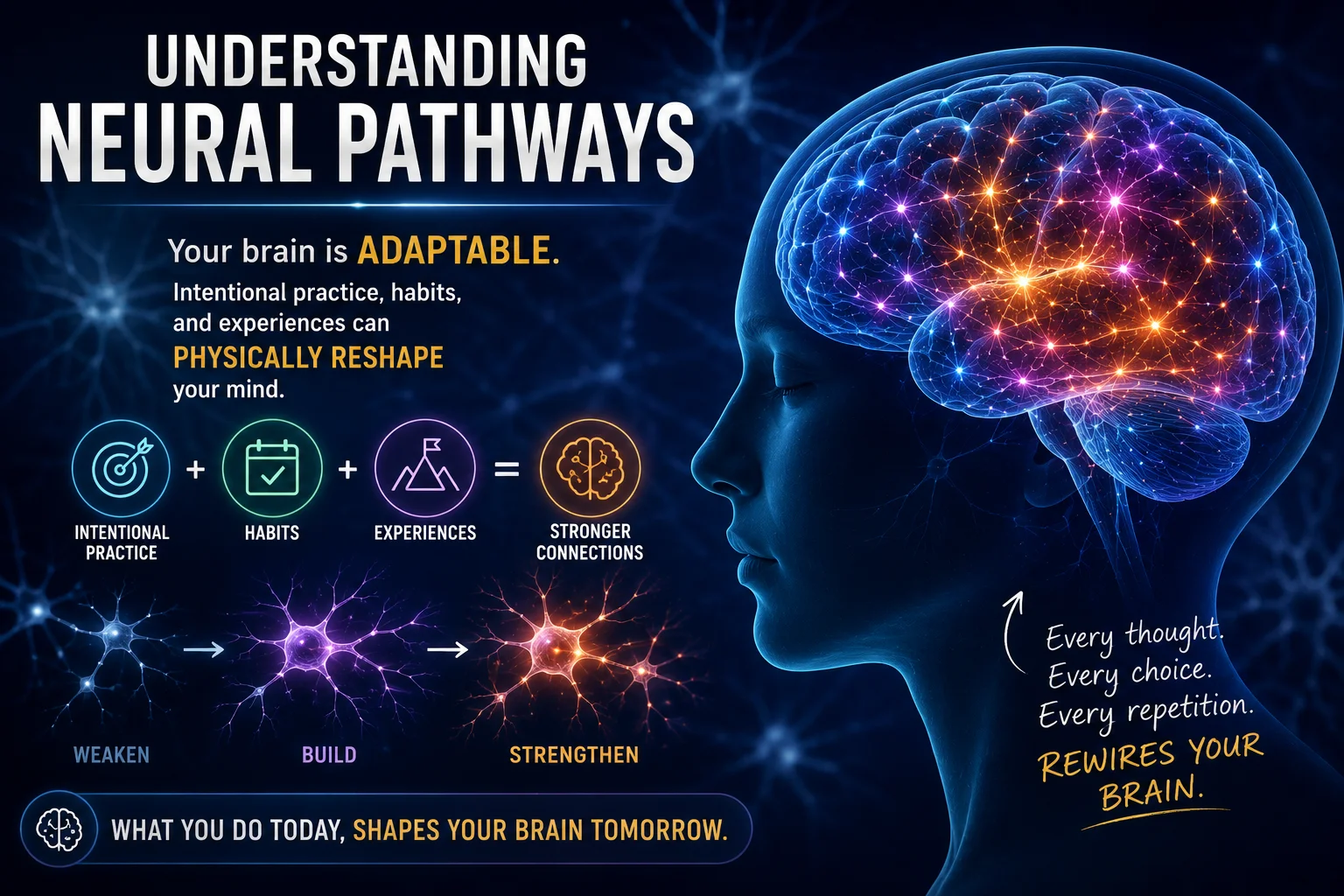
Have you ever felt stuck in a thought or habit? Neural pathways shape who we are, unlocking them could transform your mind and life. Understanding what a neural pathway is offers insight into rewiring your brain for growth, healing, and endless possibilities.
The Power of Neural Pathways: Unlocking Your Brain’s Potential
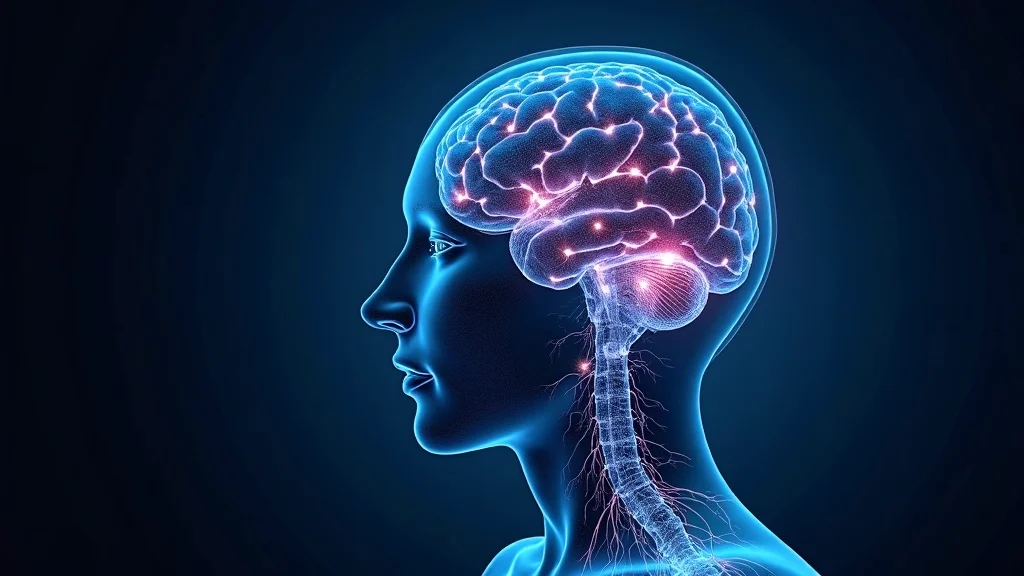
When you ask, what is a neural pathway, you’re probing the very architecture of the human mind. These biological “highways” are how every thought, movement, emotion, and sensation travel, forming networks that guide everything from your morning routine to lifelong learning.
Understanding neural pathways lets you harness your brain’s adaptability, a concept backed by modern neuroscience that shows how intentional practice, habits, and experiences can physically reshape your mind. Neural pathways aren’t static. Throughout our lives, our brains build, strengthen, or weaken these connections based on what we do, think, and experience.
Whether you want to break a bad habit, learn a new skill, or recover after injury, unlocking and rewiring neural pathways is key. Recent brain research highlights just how powerful neuroplasticity is—your ability to rewire neural connections enables growth, healing, and even recovery from traumatic events.
By understanding and actively engaging with your neural pathways, you empower yourself to take charge of your mental and emotional wellbeing, paving the way toward a more adaptable and fulfilling life.
"Neural pathways are the highways of the brain—every sensation, thought, and movement travels this intricate network." — Dr. Olivia Carter, Cognitive Neuroscientist
What You’ll Learn About Neural Pathways
Definition of neural pathways and why they matter
Key types of neural pathways: sensory pathway, motor pathway, associative pathways
How neural pathways relate to the spinal cord, basal ganglia, and dorsal column
Ways to strengthen or rewire neural pathways
Expert insights and scientific perspectives
What Is a Neural Pathway? Core Concepts and Definitions
Understanding Neural Pathways in the Brain and Nervous System
At its core, the answer to what is a neural pathway revolves around the structure of the nervous system—an interconnected mesh of neurons communicating through chemical and electrical signals. Each neural pathway traces a specific route through this system, carrying messages across the brain and spinal cord to coordinate movement, interpret sensation, or even summon a memory.
These routes are not random; rather, they carve patterns from the repetition of thought, experience, or behavior. A neural pathway allows for efficient signaling, meaning frequent use makes the pathway stronger and more automatic over time. The nervous system depends on these well-established tracks for nearly every bodily function. For example, the ascending sensory pathways relay touch, temperature, or pain signals from the skin through spinal cord tracts like the dorsal column to the brain’s somatosensory cortex.
In contrast, descending motor pathways transmit movement commands from the primary motor cortex through the corticospinal tract to activate muscles. Thanks to their intricate design, neural pathways allow for quick processing and complex integration across regions such as the basal ganglia, white matter, and cerebral cortex, ensuring seamless body-brain coordination.
Key Roles of Neural Pathways in Behavior and Learning
Neural pathways are instrumental in shaping how we act and learn. Each time a child learns to tie their shoes or an adult remembers a name, a specific neural circuit lights up. Through repetition and experience, these circuits become reinforced, transforming conscious effort into automatic skill. The adaptability of neural pathways—known as neuroplasticity—enables us to form new habits, break old ones, and even recover abilities lost to injury.
Learning and memory go hand-in-hand with the strengthening of synaptic connections within these neural networks. Practice and repetition cement pathways, while new experiences foster alternate routes for learning. For instance, playing an instrument engages both the motor pathway for movement and associative pathways for rhythm and memory.
This intricate dance between various pathways makes every learning experience an act of subtle transformation, highlighting just how much our brains are capable of changing across a lifetime.
"A neural pathway is essentially a series of connected neurons that send signals throughout the brain and body." — Journal of Neuroscience
Types of Neural Pathways: Sensory, Motor, and Associative
Sensory Pathway: Carrying Information from the Body to the Brain
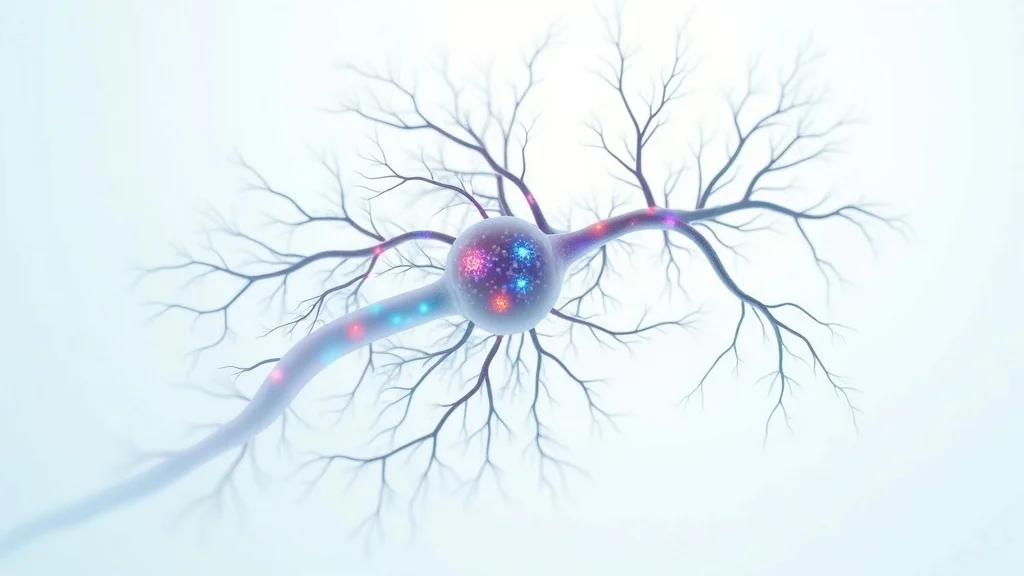
The sensory pathway is vital for how we interpret the world. Sensory neurons within the peripheral nervous system detect touch, temperature, pain, and pressure, sending this data up through structures like the dorsal root, root ganglion, and dorsal column. This journey ends in the somatosensory cortex of the cerebral cortex, where the brain deciphers the input.
The dorsal column, medial lemniscus, and pyramidal tracts travel together, transmitting nuanced sensory information such as vibration, proprioception, and precise touch. The thoroughness of these ascending sensory tracts allows us to instantly recognize a warm mug or sharp pinprick.
The integrity of these neural pathways is essential for feeling and responding to our environments. Damage to the sensory pathway—by trauma, illness, or degeneration—can result in numbness, pain, or loss of sensation, underscoring just how critical these connections are for daily life.
Motor Pathways: Managing Movement and Coordination
Motor pathways are responsible for our every voluntary action, from lifting a finger to running a marathon. The journey begins in the primary motor cortex, where motor neurons fire signals that descend through the corticospinal tract, synapsing in the spinal cord and sending impulses outward to the muscles. In this relay, structures like the white matter, pyramidal tract, and even cerebellar peduncles play pivotal roles in transmitting accurate and coordinated commands.
This communication is vital for fluid, coordinated movement. Deficits or injury within the motor pathway can impair muscle strength, balance, or precision. For instance, diseases that affect motor neurons (such as ALS) or trauma to the spinal cord disrupt these neural highways, resulting in impaired mobility or paralysis. The robustness and flexibility of motor pathways are why practice, rehabilitation, and therapy can help recover function after an accident or illness.
Associative Neural Pathways: Connecting Thoughts, Emotions, and Memories
While sensory and motor pathways cover the basics of feeling and doing, associative neural pathways handle the processing, linking, and interpretation in between. These pathways crisscross multiple regions, integrating memory, emotion, and higher-order thinking.
Systems like the basal ganglia and cerebral cortex play leading roles here, enabling us to recognize patterns, solve problems, and recall memories. Associative pathways explain why hearing a song might bring back an old emotion or how repeated thoughts can become ingrained beliefs.
Their flexibility allows for creative connections, adaptation after trauma, and the rewiring seen in therapeutic interventions. Understanding these pathways is crucial for professions like psychology, cognitive behavioral therapy, and mental health, where targeted interventions can help reshape thinking and emotional habits.
Major Types of Neural Pathways and Their Functions
Type |
Main Function |
Key Structures |
|---|---|---|
Sensory Pathway |
Transmits sensory information from body to brain |
Dorsal column, dorsal root ganglion, somatosensory cortex, medial lemniscus |
Motor Pathway |
Directs voluntary movement signals from brain to muscles |
Primary motor cortex, corticospinal tract, motor neurons, white matter |
Associative Pathway |
Links memories, emotions, and complex thinking |
Basal ganglia, cerebral cortex, substantia nigra, cerebellar peduncle |
Understanding how neural pathways are formed and reinforced is essential for anyone looking to make lasting changes in their habits or resilience. For practical strategies on building positive routines and protecting your mind from daily stressors, explore how micro habits can help armor your mind against stress and boost resilience.
The Anatomy of Neural Pathways: Basal Ganglia, Spinal Cord, and the Dorsal Column
How the Spinal Cord Supports Neural Pathways
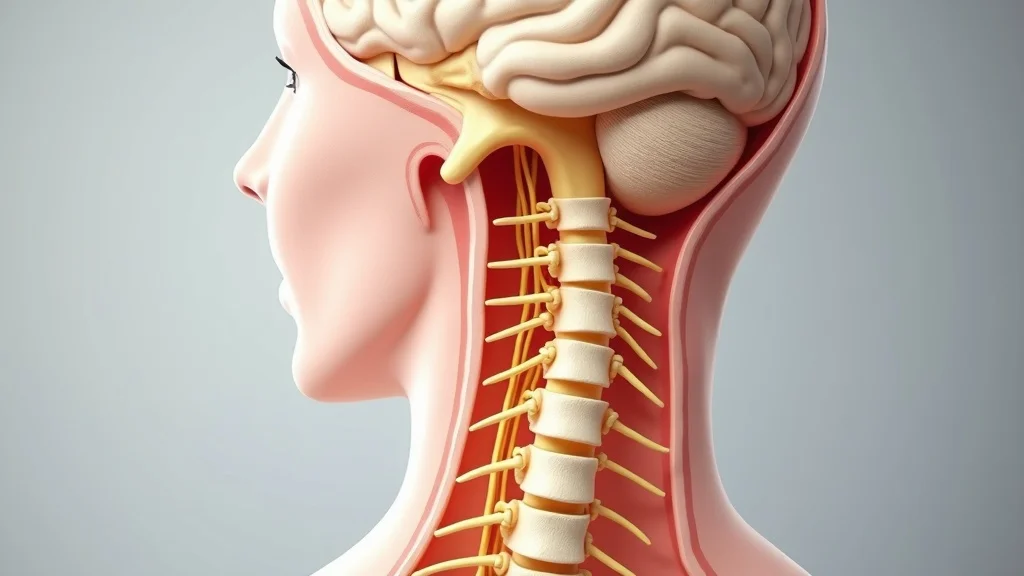
The spinal cord is the main conduit for messages traveling between the brain and body. Acting as a relay station, the spinal cord manages ascending sensory inputs via the dorsal columns and descending motor instructions through the corticospinal tract. Bundles of white matter in the spinal cord create protected “tracks” for these signals to move efficiently and accurately.
When considering what is a neural pathway, the spinal cord is where much of the magic happens. For instance, the dorsal root receives sensory input, transmitting it through the dorsal column to higher brain centers, while motor neurons descend and exit via the ventral root.
Disruption to this area—by trauma or disease—often results in profound changes to sensation or mobility, emphasizing how integral the spinal cord is to effective neural pathway functioning.
Functions of the Basal Ganglia in Processing
The basal ganglia are a group of deep brain structures crucial for regulating movement, rewards, habits, and routines. They interact with motor, sensory, and associative neural pathways, filtering and fine-tuning signals before they reach the motor cortex or influence behavior. The interaction between the substantia nigra, striatum, globus pallidus, and other nuclei within the basal ganglia is key for smooth, coordinated motion and for learning new motor skills and habits.
Deficits in the basal ganglia are linked to disorders like Parkinson’s disease, obsessive-compulsive disorder, and addiction, underscoring how disruptions in this region's neural pathways profoundly impact both physical movement and behavior. The basal ganglia's ability to adapt highlights the potential for targeted therapies and rehabilitation to rebuild healthier patterns after diagnosis or brain injury.
Role of the Dorsal Column in Sensory Pathways
The dorsal column plays a pivotal role in the sensory pathway, carrying fine touch, vibration, and proprioceptive signals from the body up the spinal cord to the medulla oblongata, then relaying the input through the medial lemniscus to the somatosensory cortex. This system ensures we can discriminate between different textures, shapes, and positions, forming the backbone for both protective reflexes and complex emotional responses triggered by sensation.
Disorders affecting the dorsal column—whether from spinal injury or diseases like multiple sclerosis—interfere with the brain's ability to accurately interpret sensory information, sometimes leading to numbness or loss of balance. This makes the dorsal column critical for everyday functioning and recovery from neurological conditions.
"Disruptions or damage to specific neural pathways can profoundly impact motor function and sensation." — Dr. Aisha Patel, Neurologist
How Are Neural Pathways Formed, Strengthened, and Changed?
Neuroplasticity: The Brain’s Ability to Rewire Neural Pathways
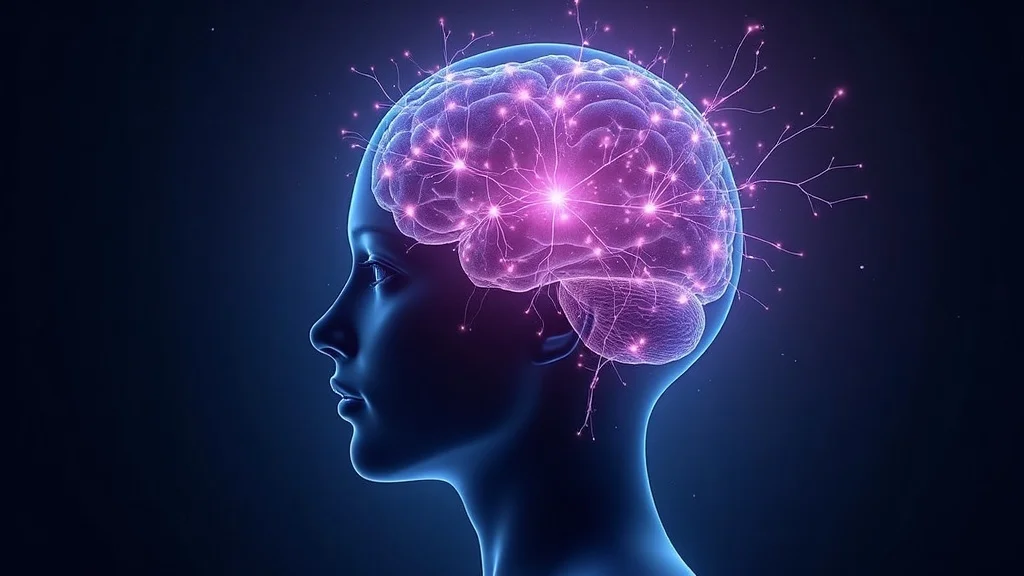
One of the brain’s most remarkable features is its neuroplasticity—the ability to change, adapt, and reorganize its neural pathways throughout life. Neuroplasticity is how learning, memory, and recovery are possible after injuries such as stroke or trauma. New experiences cause neurons to forge fresh synaptic connections, while repeated behaviors—or even thoughts—strengthen these links, making actions more automatic.
Studies show that practicing new skills, like learning an instrument or language, not only activates but also physically reshapes the neural circuitry involved. This continuous rewiring underscores the importance of both positive experiences and intentional repetition for optimal brain health.
Interventions like cognitive behavioral therapy, physical rehabilitation, and even mindfulness meditation rely on neuroplasticity to help individuals replace unhelpful pathways with more adaptive ones.
Habits and Repetition: Cementing Neural Pathway Connections
Every time you repeat an action or thought, you are reinforcing the corresponding neural pathway—this is the science behind habit formation. The more frequently a pathway is used, the thicker (and faster) it becomes, which is why skills feel automatic over time. Breaking a habit or learning a new one requires activating new pathways through consistent repetition, ensuring the brain learns and transitions to the new routine.
Strategies to cement neural pathway connections include deliberate practice, positive reinforcement, and consistent exposure to new challenges. The process may be slow at first, but with patience and focus, the brain naturally adapts. Just as a well-trodden trail becomes easier to walk, repeated brain activity smooths and strengthens neural routes, setting the stage for lasting personal change.
Practice and repetition
Consistent learning
Positive reinforcement
Why Do Neural Pathways Matter for Health, Behavior, and Recovery?

Examples: Overcoming Bad Habits and Adopting New Ones
Everyday behaviors—both good and bad—are the results of years of neural pathway reinforcement. Overcoming bad habits (such as smoking or procrastination) requires intention, repetition, and sometimes the guidance of professionals to weaken an old pathway while strengthening a new, healthier one. Techniques like swapping behaviors, mindfulness training, or positive reinforcement exploit neuroplasticity, making new routines eventually feel effortless.
Conversely, adopting beneficial habits—like regular exercise, healthy eating, or meditating—activates entirely new associative, sensory, and motor pathways. Each repetition further engrains the routine, eventually making it second nature and part of your identity. This dynamic highlights how understanding and leveraging neural pathways can drive genuine transformation in health and wellness.
Role of Neural Pathways in Rehabilitation After Injury
Recovery from brain injury, stroke, or spinal cord trauma is often measured by the brain’s ability to use existing or alternate neural pathways. Rehabilitation professionals harness the principles of neuroplasticity with targeted therapy, retraining patients to move, speak, or perform daily tasks as new circuits are formed and strengthened.
Physical therapy, occupational therapy, and cognitive rehabilitation all rely on repeated practice, consistent challenges, and supportive feedback to encourage the brain to “remap” lost functions. Though results vary by individual, this approach has enabled many to regain independence and thrive after life-changing injuries, offering hope and optimism to patients and families alike.
Mental Health Implications and Neural Rewiring
Neural pathways play a crucial role in mental health. Patterns of thought, mood, or behavior—whether healthy or unhelpful—are embedded in associative neural networks. Therapeutic interventions, such as cognitive behavioral therapy (CBT) and mindfulness-based practices, aim to disrupt maladaptive circuits and foster healthier, more resilient patterns.
Modern neuroscience has begun to map how these changes are reflected physically in the brain, showing that targeted interventions not only shift mental states but also reshape synaptic connections. This has revolutionized mental health treatment, giving clinicians new tools for empowering lasting positive change and recovery from depression, anxiety, addiction, and more.
"Therapeutic approaches that target neural pathways are opening new doors in mental health and neurorehabilitation." — American Journal of Psychiatry
People Also Ask about Neural Pathways
How do you strengthen neural pathways?
Answer: Strengthening neural pathways involves repeated practice, learning new skills, engaging in novel activities, and mindfulness techniques that promote plasticity and connectivity within the brain’s networks. The more frequently a pathway is engaged, the more robust and efficient it becomes. This can include learning a musical instrument, solving puzzles, exercising, or even consistent meditation.

How long does it take to rewire your neural pathways?
Answer: The process is highly individualized, depending on the complexity of the task and frequency of practice. Neural pathway changes can begin within weeks, but strengthening them for lasting change may take months or longer. Consistency, patient repetition, and positive reinforcement are essential for establishing durable neural adaptations.
Do neural pathways ever go away?
Answer: While some pathways weaken with disuse, the neural architecture often remains, making it easier to reactivate those connections later with practice and exposure. This “use it or lose it” phenomenon means old skills can often be revived with training, even after a period of inactivity.
What damages neural pathways?
Answer: Neural pathways may be damaged by trauma (such as injury or stroke), degenerative diseases (like multiple sclerosis), substance abuse, or chronic stress—all of which can disrupt normal signaling in the brain and nervous system. Prompt intervention and rehabilitation are crucial for optimizing recovery and function when damage occurs.
Frequently Asked Questions about Neural Pathways
Can adults create new neural pathways?
What role do neural pathways play in memory?
How does exercise benefit neural pathways?
Are neural pathways permanent?
Key Takeaways on What Is a Neural Pathway
Neural pathways are fundamental to brain function and personal transformation.
Both biology and behavior shape how neural pathways form, strengthen, or weaken.
Awareness and intentional practice can harness the power of neuroplasticity for growth and healing.
Glossary of Key Neural Pathway Terms
Term |
Definition |
|---|---|
Neural Pathway |
A series of connected neurons responsible for transmitting signals in the brain and nervous system. |
Sensory Pathway |
Routes that carry sensory information from the body to the brain. |
Motor Pathway |
Neural connections transmitting movement commands from the brain to muscles. |
Basal Ganglia |
Brain structures essential for movement regulation, learning, and habits. |
Dorsal Column |
A spinal cord tract carrying touch and proprioception signals to the brain. |
Neuroplasticity |
The brain's lifelong ability to reorganize and form new neural pathways. |
Explore More about Neural Pathways and Brain Health Today
"Our understanding of neural pathways is the bridge to a healthier, more adaptable brain." — Dr. Linh Tran, Clinical Neuropsychologist
If you’re fascinated by how neural pathways influence not just learning and habits but also our deepest emotions and impulses, there’s even more to uncover. Dive into the neuroscience behind powerful drives like revenge and discover how the brain’s circuitry shapes our most complex behaviors in this in-depth exploration of the revenge brain.
By understanding the broader landscape of neural networks, you’ll gain advanced insight into both the light and shadow sides of human nature—empowering you to navigate your own mind with greater awareness and mastery.
Discover more trusted information like this at: NCWellnessHub.com
By exploring and understanding what is a neural pathway, you take the first step toward unlocking your own potential for lifelong growth, healing, and positive change. For the latest science and expert guidance, continue your journey at NCWellnessHub. com.
Understanding neural pathways is essential for comprehending how our nervous system functions. The article “Neural pathway” on Wikipedia provides a comprehensive overview, detailing the structure and function of these pathways, including their roles in transmitting signals between different regions of the nervous system. (en.wikipedia.org)
Also, the “Neural Pathway - an overview” article on ScienceDirect offers in-depth insights into the anatomical and functional components of neural pathways, discussing how they are organized and how they facilitate communication within the nervous system. (sciencedirect.com)
If you’re serious about delving deeper into the intricacies of neural pathways, these resources will provide you with valuable information and a solid foundation for further exploration. NCWellnessHub.com




Write A Comment