
Add Row
Add Element
NC Wellness Hub
update
North Carolina Wellness Hub
update
Add Element
  • Home
  • Categories
    • Wellness
    • General Health
    • Holistic
    • News
    • Living & Travel
    • Lifestyle
    • Fitness & Exercise
    • Mental Health
    • Stress Management
    • FEATURE
    • Sleep
    • Allergies
    • Medicines & Supplements
    • Weight Loss
    • Kids Health
    • Fertility & Pregnancy
    • Cancer
    • Heart Health
    • Skin & Hair
    • Arthritis
    • Dental
    • Vision
  • Bone Health
  • Digestive
March 03.2026
1 Minute Read

Why Brain Injury Awareness Day Could Change Lives Today

Every March 4, Brain Injury Awareness Day shines a spotlight on the silent epidemic of brain injury affecting millions globally. Recognizing brain injury could transform support, recovery outcomes, and prevention efforts.

Understanding Brain Injury Awareness Day helps break stigma, educate communities, and empower brain injury survivors. Discover why celebrating awareness today can truly change lives for the better.
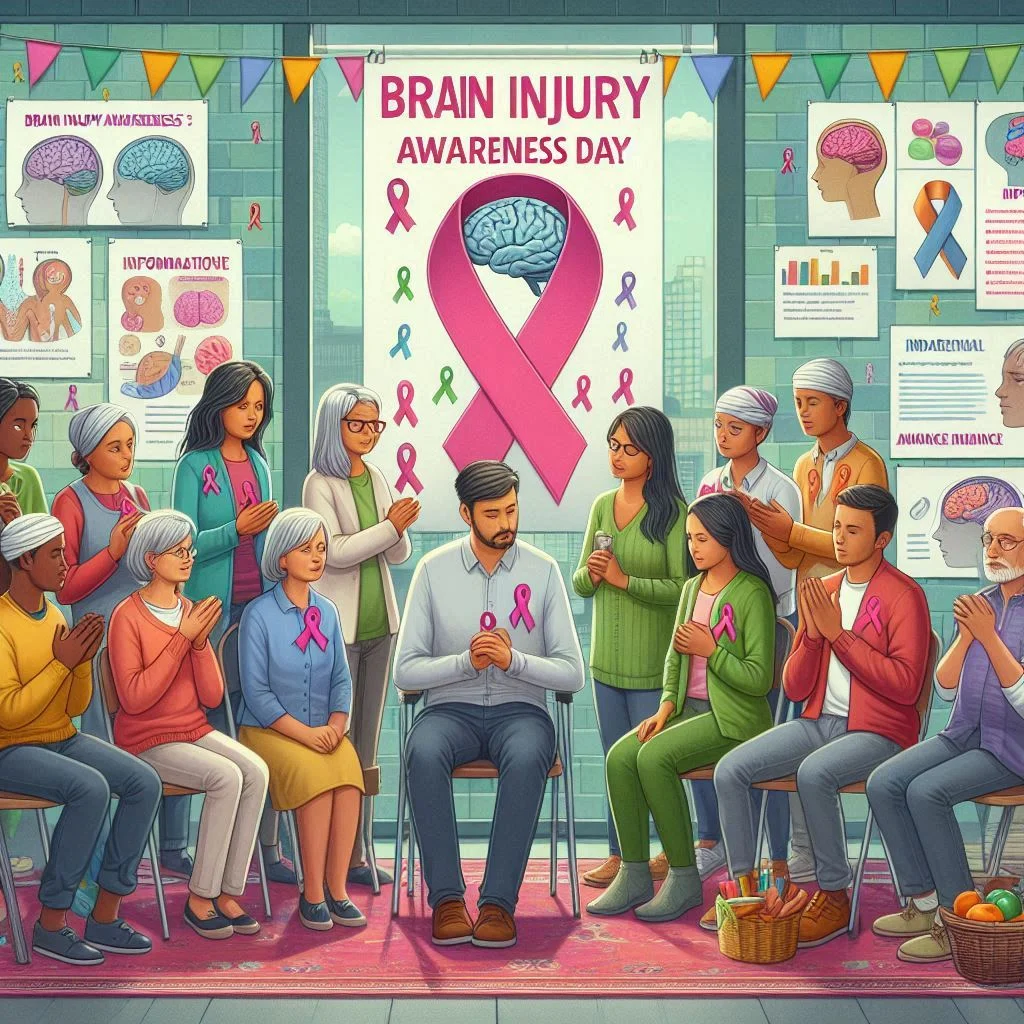
Understanding Brain Injury Awareness Day March 4

  • Brief history of brain injury awareness day March 4: The roots of Brain Injury Awareness Day trace back to the early efforts of medical advocacy groups and organizations such as the Brain Injury Association of America and local injury associations. The aim was—and continues to be—drawing national attention to the struggles faced by individuals with brain injuries, shedding much needed light on a public health issue often overlooked by broader society.

    Since its establishment, Brain Injury Awareness Day has become a vital part of the brain injury calendar, engaging policymakers, medical professionals, and injury associations across the United States and internationally.

Informative collage of Brain Injury Awareness Day March 4 events, showing people of all ages engaging with displays, green awareness ribbons, and event tables in a community center.
  • Evolution of injury awareness day and injury awareness month: Originally centered on a single advocacy day event, the mission quickly expanded to encompass an entire Brain Injury Awareness Month. This evolution provided extended opportunities for education and community involvement while amplifying the advocacy impact regionally and nationally.

    Brain Injury Awareness Month now features educational campaigns, school initiatives, and coordinated events on Capitol Hill, where national injury task forces advocate for increased federal support for brain injury survivors.

  • Relationship to brain injury awareness month and global campaigns: While Brain Injury Awareness Day anchors the movement on March 4, its momentum carries through a variety of global campaigns throughout March. Collaborative efforts across countries help unify messages about prevention, recovery, and support for individuals with brain injury, connecting local task forces and global partners under a shared advocacy vision.

What You'll Learn About Brain Injury Awareness Day March 4

  • Key facts about brain injury, traumatic brain injury, and recovery: Understand the prevalence, impacts, and hopes for healing surrounding brain injuries.

  • How participation in awareness day changes lives: Real stories and data showing the ripple effects of increased awareness, education, and advocacy.

  • Ways to get involved and support injury awareness: Practical tips for individuals, families, and local organizations to make a meaningful difference.

The Impact of Brain Injuries: Why Awareness Matters

  • Types of brain injuries and common causes: Brain injuries are typically classified as traumatic brain injuries (TBI), caused by falls, car accidents, or sports injuries, and acquired brain injuries (ABI) from strokes or infections. According to the Centers for Disease Control and Prevention, TBIs account for a significant share of emergency room visits and long-term disability cases, highlighting the widespread, life-changing impact on both individuals and families.

  • Statistics on traumatic brain injuries: The CDC estimates that more than 2.8 million Americans sustain a traumatic brain injury each year. Of those, around 50,000 result in death, and over 90,000 lead to permanent disability. These staggering numbers underscore why advocacy day and injury awareness month campaigns are critical for education and prevention.

  • Emotional and financial toll on survivors and families: Brain injuries can radically alter daily life, hindering independence and affecting relationships. The financial strain—from medical bills to lost income—compounds the challenges faced by survivors. Support groups, frequently established following Brain Injury Awareness Day March 4 events, provide essential hope and coping strategies for individuals and families affected by brain injuries.

As awareness grows, so does the potential for innovative solutions in brain health. For a closer look at how technology is transforming brain injury recovery and prevention, explore the latest expert insights on emerging tech innovations reshaping brain wellness.

Empathetic support group for brain injury survivors, showing diverse adults in a sunlit room expressing hope and comfort, with green awareness items visible.

"Awareness is the foundation for prevention and advocacy." — Dr. Maya Hudson, Neurologist

Breaking the Stigma: The Importance of Brain Injury Awareness Day March 4

  • Misconceptions about brain injuries and survivors: Many still believe that only severe accidents result in brain injuries, or that full recovery is always possible. Such misconceptions perpetuate stigma, leading to isolation for survivors and underfunded research for treatment advances. Brain Injury Awareness Day March 4 combats misconceptions by sharing accurate brain injury statistics, survivor stories, and hosting advocacy day events that educate and engage communities.

  • How injury awareness day empowers survivors: Visibility through awareness day events makes it easier for those living with brain injury to share their experiences, seek resources, and build support networks. Annual advocacy pushes—including congressional brain injury task force initiatives—also strengthen resources available to survivors through the injury association of America and local groups.

  • Personal story: Overcoming stigma and rebuilding after a traumatic brain injury: Consider the journey of Jessica, a young athlete who suffered a traumatic brain injury during a school basketball game. Through her school’s injury awareness day activities, she learned to advocate for herself, joined a peer support group, and helped launch a student-led injury task force, turning adversity into empowerment for herself and her community.

"Visibility through events like Brain Injury Awareness Day creates hope and access to resources." — Dr. Robert Lin, Rehabilitation Specialist

Brain Injury Awareness Month vs. Brain Injury Awareness Day March 4

Injury Awareness Day (March 4)

Brain Injury Awareness Month (March)

Global Awareness Campaigns

Focuses energy on one nationwide advocacy day; rallies policy makers, medical professionals, and survivors for collective action.

Spans the entire month, allowing for in-depth education, school programs, and sustained fundraising and advocacy efforts.

Unifies international partners (e.g., United States, Europe, Asia-Pacific), sharing prevention and recovery resources worldwide.

High visibility through local events and media.

Continuous engagement, workshops, and online campaigns.

Expansion of resources, translation of materials, cross-cultural exchange.

  • Different levels of participation, advocacy, and impact: While injury awareness day delivers immediate, concentrated action and media coverage, the full month campaign enables deeper learning and sustained engagement from various sectors—proving that both are vital to lasting change.

  • Highlighting the synergy between ongoing monthly and annual campaigns: When day-long and month-long advocacy efforts work together, their impact multiplies—survivors feel heard, policies shift, and the general public gains knowledge to help prevent future brain injuries.

How to Participate in Brain Injury Awareness Day March 4

  • Host or help with a local event: Set up informational booths at libraries, recreation centers, or on your school campus. Invite survivors and healthcare professionals to speak about the realities of living with brain injuries, and collaborate with your local brain injury association for materials and guidance.

  • Share on social media: Post facts, survivor stories, and prevention tips using hashtags like #BrainInjuryAwareness and #BrainInjuryAwarenessDay to increase reach.

  • Volunteer with advocacy organizations: Join existing groups such as the Brain Injury Association of America, state injury associations, and rehabilitation task forces. Volunteering amplifies your impact and fosters community connections.

  • Work with brain injury associations and coalitions for greater reach: Collaborating with official injury association networks not only expands the scope of local events but ensures access to medically accurate, resource-rich materials that support both advocacy and recovery.

Community volunteers at Brain Injury Awareness Day March 4, handing out green ribbons and flyers at an outdoor city fair with booths and displays.
  • Resources for hosting and promoting awareness activities: The Brain Injury Association of America, local brain injury task forces, and the Centers for Disease Control and Prevention all offer toolkits, presentation materials, and guides for effective education during awareness month and advocacy day activities. These resources are available for schools, workplaces, healthcare professionals, and grassroots organizers.

Original Data: Case Studies Highlighting the Importance of Brain Injury Awareness Day March 4

  • Case study: A school’s injury awareness day boosts student understanding and empathy: At Franklin High School, participation in the March 4 Brain Injury Awareness Day led to a 75% increase in the number of students who could identify concussion symptoms and a remarkable rise in students willing to seek help after a head injury. The school’s injury task force collaborated with a local injury association for interactive brain health workshops, underlining the power of community partnerships and education.

Students and teacher participate in brain injury awareness activity using educational models and green wristbands in a decorated schoolroom.
  • Case study: Local brain injury association’s March 4 event drives new support group sign-ups: In Springfield, a March 4 event hosted by the regional brain injury association saw a 40% uptick in survivors joining ongoing support groups. Personalized information sessions, led by medical professionals and survivors, encouraged families to access year-round resources beyond the annual advocacy day.

Expert Insights: How Brain Injury Awareness Day March 4 Supports Recovery and Prevention

  • Medical expert perspectives on increased awareness and early intervention: According to Dr. Sofia Bennett, a licensed clinical psychologist, “Prevention and timely support are improved when communities recognize brain injuries early.” Awareness day events promote understanding of the warning signs and highlight the importance of swift medical intervention, directly impacting recovery and quality of life.

  • The lifelong value of injury awareness day education: Annual education campaigns have shown measurable improvements in public health outcomes. Research indicates that communities prioritizing injury awareness day programs register a higher rate of early TBI diagnosis, better access to rehabilitation services, and stronger social networks for individuals with brain injury.

Doctor discussing brain injury recovery with a survivor in a modern clinic, surrounded by brain models and green awareness items.

"Prevention and timely support are improved when communities recognize brain injuries early." — Dr. Sofia Bennett, Licensed Clinical Psychologist

People Also Ask: Common Questions on Brain Injury Awareness Day March 4 and Awareness Month

When is the World brain injury awareness Day?

  • World brain injury awareness day is recognized on March 4, aligning with national and international advocacy. This annual event brings together organizations and individuals around the globe to focus on education, brain injury prevention, and support for survivors—all key themes addressed during injury awareness month as well.

What is the color for brain injury awareness?

  • Green is the official color representing brain injury awareness. You’ll often see green ribbons, wristbands, and themed displays at injury awareness day events worldwide. Wearing green on March 4 is a powerful act of solidarity for those living with brain injuries and helps increase the visibility of important advocacy messages.

Close-up of hands tying a green brain injury awareness ribbon on a lapel, symbolizing support and advocacy.

Is March the month of brain awareness?

  • Yes, March is widely recognized as brain injury awareness month globally. This month-long campaign extends the impact of the March 4 advocacy day, empowering individuals, organizations, and medical professionals to promote lasting change through a vast range of educational programs and outreach efforts.

What awareness month is March?

  • March is brain injury awareness month, focusing on education, advocacy, and support for individuals with brain injuries and their families. Its observance is strengthened through events like brain injury awareness day and broad participation by injury associations across the globe.

FAQs: Brain Injury Awareness Day March 4

  • What is brain injury awareness day March 4? Brain Injury Awareness Day March 4 is an annual advocacy day recognized both nationally and internationally, serving as a focal point for education on causes, prevention, and recovery strategies for brain injuries. It brings together survivors, families, healthcare professionals, and policymakers to highlight research, challenges, and available resources.

  • How can communities support brain injury awareness day? Communities support this critical advocacy day by organizing informational events, participating in online campaigns, wearing green in solidarity, and working with injury task forces and associations to distribute educational materials and foster inclusivity for survivors.

Key Takeaways: The Lifelong Impact of Brain Injury Awareness Day March 4

  • Greater awareness leads to early detection and prevention of brain injuries.

  • March 4 events foster support networks for survivors and families.

  • Community participation is vital for reducing stigma and improving recovery outcomes.

  • Ongoing education and advocacy ensure sustainable progress year-round.

Conclusion: Why Brain Injury Awareness Day March 4 Matters Now More Than Ever

  • Taking part in Brain Injury Awareness Day March 4 fosters understanding, decreases stigma, and can have a real-life impact on millions—through support, early intervention, and ongoing education for years to come.

  • Stay involved, stay informed, and support survivors and their families beyond one day or month—the journey to greater brain injury awareness is ongoing and essential for healthier communities everywhere.

If you’re inspired to deepen your understanding of brain health and the future of recovery, consider exploring how cutting-edge technology is revolutionizing the field. From AI-powered diagnostics to wearable devices that support cognitive wellness, the landscape of brain injury prevention and care is rapidly evolving.

Discover how these innovations are shaping tomorrow’s solutions and what they could mean for survivors, families, and advocates alike by visiting this expert guide on technology’s impact on brain health.

By staying informed about the latest advancements, you can play a vital role in supporting a healthier, more resilient community—today and in the years ahead.

Ready to Make a Difference? Join Brain Injury Awareness Day March 4 and Start Changing Lives.

Take action today! Whether you volunteer, share information online, or simply wear green, your participation in Brain Injury Awareness Day March 4 can change lives—starting with raising awareness and ending stigma in your own community.

Sources

  • CDC – Traumatic Brain Injury: Get the Facts

  • Brain Injury Association of America – Awareness Month

  • Brain Injury Canada – Awareness Month

  • United Nations – World Brain Day

Brain Injury Awareness Day on March 4 is a pivotal event dedicated to increasing public understanding of brain injuries and their profound impact on individuals and communities. This day serves as a catalyst for education, advocacy, and support, aiming to reduce stigma and promote resources for those affected.

For instance, the Brain Injury Association of America hosts annual events in Washington, D.C., focusing on awareness and advocacy, bringing together survivors, families, and professionals to discuss advancements and challenges in brain injury care. (braininjuryfl.org)

Similarly, the Department of Health in Hawai‘i organizes rallies and exhibits, such as the “Rock It, Don’t Stock It” rally, to provide injury prevention tips and resources to the public. (health.hawaii.gov)

Participating in Brain Injury Awareness Day can take various forms, including attending local events, sharing information on social media, or engaging in educational activities. These efforts contribute to a broader understanding of brain injuries, fostering a supportive environment for survivors and their families.

By recognizing and supporting Brain Injury Awareness Day, individuals and communities can play a crucial role in enhancing awareness, promoting prevention strategies, and improving the quality of life for those affected by brain injuries. NCWellnessHub.com

News

0 Comments

Write A Comment

*
*
Related Posts All Posts

Overdose Death Decline Pushes US Longevity to Historic Milestone—Here's What It Means

For the first time in decades, a decline in overdose deaths has helped boost U. S. life expectancy to a historic high. This surprising turnaround offers new hope and reveals how tackling this crisis can profoundly impact national health and longevity.What You’ll Learn:How the overdose death decline U.S. longevity link marks a turning point in U.S. healthKey factors driving the reduction in overdose deaths and rising life expectancyImpact of public health policy and data quality on recent trendsExpert and public insights on the road aheadA Turning Point: Overdose Death Decline and US Longevity at a GlanceThe United States has reached a pivotal milestone—life expectancy is rising again for the first time in years, largely thanks to a decline in overdose deaths. This shift signals not just an improvement in national health but also a testament to the power of strategic public health interventions. Experts agree that the relentless fight against the drug overdose crisis, fueled by targeted prevention and policy changes, is finally yielding life-saving results.For decades, the death count from drug overdoses steadily eroded U. S. longevity. But recent statistics from the Centers for Disease Control and Prevention and the National Center for Health Statistics reveal a different narrative: as overdose death rates fall, Americans are living longer. This progress did not happen overnight. Instead, it’s the reward of sustained efforts from healthcare workers, community leaders, and policymakers nationwide, proving that collective action can change the trajectory of a nation’s health."For the first time in years, we're witnessing the positive impact of dedicated public health interventions on both overdose deaths and life expectancy." – Dr. Alicia Young, EpidemiologistGoogle Snippet Optimized Summary: Overdose Death Decline US LongevityThe recent decline in overdose death rates has led to a notable increase in US life expectancy. This milestone is driven by successful public health interventions, improved access to treatment, and more extensive overdose prevention programs. Accurate data and ongoing vigilance are vital to sustain this progress, pointing toward a brighter and healthier future for the U. S.Overdose Death Decline in the United States: The Numbers Behind the MilestoneOver the past decade, the United States grappled with a surge in overdose deaths, much of it fueled by synthetic opioids like fentanyl. At their peak, drug overdose death counts surpassed 100,000 annually, dramatically dragging down national life expectancy. However, recent provisional counts from the Centers for Disease Control and Prevention (CDC) show a hopeful trend: for the first time in years, the annual death rate linked to overdoses is declining. Between 2022 and 2023, the number of drug overdose deaths dropped by nearly 3%, with notable decreases in several states representing the hardest-hit regions.Moreover, these numbers carry significance beyond just statistics—they reveal the multi-layered dynamics between public health efforts and national wellness. As overdose death counts fall, the impact reverberates throughout society, contributing directly to an uptick in life expectancy. This progress also underscores the success of programs ranging from naloxone distribution to improved data quality, providing a blueprint for future efforts.While overdose deaths have been a major focus, it's important to recognize that other public health policies can also shape health outcomes on a broad scale. For example, legislative changes such as the Big Beautiful Bill and its impact on healthcare access in North Carolina demonstrate how policy shifts can influence community well-being and access to essential services.Comparison Table: Yearly Overdose Death Count, Drug Overdoses, and Life Expectancy in the US (Past Decade)YearOverdose Death CountLife Expectancy (Years)201447,05578.9201663,63278.6201867,36778.7202091,79977.02021107,62276.42022105,37777.52023*102,42978.1*2023 values are provisional, per CDC/National Center for Health StatisticsData Quality and Provisional Counts: Interpreting Overdose Death, Drug Overdose, and US Longevity DataInterpreting trends in overdose death decline us longevity relies on high-quality, timely data. The CDC and National Center for Health Statistics publish both final statistics and provisional counts of drug overdose deaths, which are later verified and finalized. Provisional counts help public health officials respond quickly, but they are subject to revisions as pending investigations resolve and new information emerges.Experts stress that data quality is fundamental to understanding how overdose deaths influence life expectancy. If deaths are misclassified or reporting is delayed, it can distort public health responses and policy priorities. States with robust vital statistics systems are better equipped to identify dangerous spikes in drug overdose death rates and intervene early. As Dr. Marcus Lee, Health Policy Analyst, explains:"Reliable reporting is essential for public health policy—without accurate data, our efforts against overdose deaths and to boost life expectancy are undermined." – Dr. Marcus Lee, Health Policy AnalystHow a Decline in Overdose Deaths Bolstered Life ExpectancyThere is a direct and powerful relationship between declining overdose death counts and rising life expectancy in the U. S. Over the past several years, the rising tide of drug overdose deaths (especially those involving synthetic opioids) caused a noticeable drop in overall longevity. But thanks to focused public health interventions and broader awareness, the tide is turning. States that implemented comprehensive prevention programs are now reporting fewer deaths and a welcome extension of healthy years for their populations.These gains are not equally distributed, however. Some states using aggressive overdose prevention efforts have outperformed others, showcasing the possibilities when robust resources, community engagement, and government leadership align. In urban centers like New York City and across states such as Vermont and Massachusetts, a mix of state-funded harm reduction programs and expanded access to treatment have yielded promising results. Nationwide, these improvements are proof that effective, evidence-based strategies can save lives and increase life expectancy.Drug Overdose Deaths: Public Health Strategies and Their ImpactPublic health experts attribute the reduction in drug overdose deaths to a handful of evidence-based strategies. Chief among them are widespread naloxone distribution programs, which reverse opioid overdoses before they become fatal. Community outreach, overhauled prescription monitoring, and the establishment of overdose prevention centers all play a role in lowering the death rate. Improved resources for mental health have also contributed, addressing the complex underlying challenges that often accompany substance use disorders.Prescription drugs and synthetic opioids remain a concern, but the shift toward collaboration—bringing together first responders, community leaders, and healthcare professionals—has created a multi-pronged response that is finally gaining traction. When these strategies are consistently funded and monitored, as supported by robust vital statistics and public health data, they help break the cycle of overdose deaths that has long plagued the country.Key Public Health Interventions Reducing Overdose Deaths:Naloxone distribution programsOverdose prevention centersImproved mental health resourcesPrescription monitoring initiativesProvisional Counts of Drug Overdose and Pending Investigations ExplainedWhen tracking the count of drug overdose deaths, it’s important to recognize the distinction between final and provisional counts. Provisional counts are early tallies based on death certificates and may change as records are verified or reclassified. Factors such as pending investigations or cases awaiting toxicology reports can affect these numbers, which is why ongoing analysis and transparency in reporting are essential.These provisional statistics, updated monthly by the Centers for Disease Control and Prevention, allow for quicker identification of dangerous trends. However, experts caution that sudden increases or decreases in overdose death rates should be interpreted in the context of potential future adjustments. High data quality and consistent methodologies remain crucial for meaningful public health action.Lessons from Declining Overdose Death Counts and US Longevity ImprovementThe drop in overdose deaths is more than a statistical success—it’s a demonstration of what’s possible through persistent intervention, community support, and data-driven policy. The U. S. is witnessing a reshaping of its health trajectory because of investments in both prevention and recovery, as well as greater attention to accurate, rapid reporting of overdose death counts. For families who lost loved ones and for communities long impacted by the drug crisis, each life saved is a chance at a healthier, longer future.But the journey doesn’t end with today’s success. As the nation seeks to sustain these improvements in life expectancy, lessons learned from leading states—and from ongoing data refinement—will set the stage for continued progress.Linking Public Health Policy, Drug Overdoses, and Longevity GainsThe synergy between public health policy and tangible longevity gains underscores the importance of sustained funding, political will, and grassroots involvement. Initiatives like robust prescription monitoring, expanded access to mental health care, and comprehensive harm reduction measures do more than reduce deaths in the short term—they create the foundation for generational change in how substance use is addressed nationwide.Ongoing challenges remain, including the threat of new, potent synthetic opioids and continuing disparities across demographic groups. However, policy innovation combined with public engagement is showing that the tide of drug overdose deaths can be turned. As data becomes more accessible and interventions more finely tuned, there is every reason to believe the recent uptick in life expectancy can continue.Regional Differences: Which States Are Leading the Overdose Death Decline US Longevity Charge?Not all regions have benefited equally from the decline in overdose deaths. States like Vermont, Massachusetts, Ohio, and California have taken aggressive stances, implementing some of the nation’s most robust harm reduction and public health strategies. These states have reported some of the steepest drops in overdose death counts and have seen the most significant improvements in life expectancy metrics.Regional support networks, investment in community health resources, and partnerships between local governments and advocacy groups have empowered these areas to make strides where others have lagged. Continuing to study what sets these states apart will help forge a national roadmap for future victories in reducing deaths and raising US longevity.States With Greatest Declines in Overdose Deaths:VermontMassachusettsOhioCaliforniaPeople Also Ask: Overdose Death Decline US LongevityHow did the overdose death decline affect US longevity?The decline in overdose deaths has allowed U. S. life expectancy to rebound after years of steady decline. By reducing preventable deaths among working-age adults, particularly from synthetic opioids, the average lifespan in the U. S. is once again trending upward. Leading states show that consistent application of prevention programs can move the needle on longevity nationwide.What role did public health interventions play in reducing overdose deaths and boosting life expectancy?Comprehensive public health interventions have been critical to reducing both the death count and improving life expectancy. Programs emphasizing naloxone availability, overdose prevention centers, and mental health treatment have proven not only to save lives but also to help communities heal. The data demonstrate that where these interventions are broad and sustained, life expectancy climbs.Are recent overdose death declines and life expectancy gains sustainable?While the progress is promising, experts urge vigilance. The fight against drug overdoses is ongoing, especially amid the challenge of synthetic opioids. Continuous investment in public health, data collection, and policy enforcement is required to ensure that the nation’s gains are more than a temporary blip, but a long-term trend toward improved health and longevity.Expert Opinions and Public Reaction on Overdose Death Decline Us LongevityThe plateau and subsequent drop in overdose deaths has drawn attention from both public health leaders and the broader public. Healthcare providers express cautious optimism, noting that while the trend is favorable, the risk of sudden spikes due to changes in drug supply or policy waning is ever-present. Ongoing concerns include the rise of new synthetic opioids and uneven improvements in life expectancy across demographic lines.Public health forums highlight a resounding point: funding and focus must not waver, or the death toll could again rise. Meanwhile, the public is getting more engaged, demanding continued government accountability and support for overdose prevention initiatives.Highlights from Recent Public Health Forums:Growing optimism among healthcare providersContinued concerns over opioid and fentanyl outbreaksImportance of sustaining funding for drug overdose preventionPanel discussion: Experts Weigh In on Overdose Death Decline and US LongevityKey Takeaways: What the Overdose Death Decline Means for US LongevityOverdose death decline is propelling historic gains in US longevity.Reliable data and robust public health interventions are crucial.Continued vigilance is necessary to sustain progress.Frequently Asked Questions: Overdose Death Decline Us LongevityFAQs:What are the main causes of the overdose death decline?Main causes include state and national investments in naloxone distribution, expansion of mental health services, tighter prescription monitoring, and widespread implementation of overdose prevention centers. These measures have driven down the death count and improved access to life-saving resources.How does improved life expectancy correlate with fewer drug overdose deaths?Every life saved from a drug overdose contributes to an increase in national life expectancy. Because overdose deaths disproportionately affect younger people, reducing these deaths has a magnified impact on the country’s average lifespan.What steps can communities take to further reduce overdose deaths?Communities can expand naloxone training, invest in mental health support, support public health campaigns around opioid safety, and partner with policymakers to sustain overdose prevention funding.Explore More: Discover In-Depth Health and Wellness InsightsCurious about better health? Discover in-depth articles and tips at: NCWellnessHub.comConclusionThe overdose death decline us longevity story shows what’s possible when communities, policymakers, and health professionals work together. Sustained effort and data-driven approaches have brought new life—and hope—to the nation’s health.If you’re interested in how broader lifestyle and dietary choices can influence long-term health outcomes, there’s even more to explore. Understanding the hidden dangers of processed foods and their connection to chronic conditions like diabetes can empower you to make informed decisions for yourself and your family. For a deeper dive into the intersection of nutrition, prevention, and wellness, check out this comprehensive guide on processed foods and diabetes. Expanding your knowledge on these topics is a powerful next step toward a healthier, more resilient future.SourcesCDC – National Center for Health Statistics – Provisional Drug Overdose Death CountsCDC – US Life Expectancy ReboundsKFF – State Overdose Death RatesNIH – US Drug Overdose Deaths Drop for First Time in YearsNCBI – Trends in US Drug Overdose DeathsThe recent decline in drug overdose deaths has significantly contributed to an increase in U. S. life expectancy, reaching a historic high of 79 years in 2024. This improvement is largely attributed to reduced mortality rates from major causes of death, including heart disease, cancer, and notably, drug overdoses. (apnews. com) In 2024, the United States experienced a 27% decrease in overdose deaths, marking the largest single-year decline recorded by the CDC in 45 years. Approximately 80,000 people died from overdoses, down from 110,000 in 2023. Experts attribute this reduction to factors such as increased availability of naloxone, expanded access to addiction treatment, changes in drug use patterns, and the impact of opioid settlement funds totaling around $50 billion. (apnews. com) This positive trend underscores the effectiveness of targeted public health interventions and highlights the importance of sustained efforts in combating the opioid crisis to further enhance national health and longevity.

Gerber Recalls Select Arrowroot Biscuits Over Possible Plastic or Paper Contamination

Gerber Recalls Select Arrowroot Biscuits Over Possible Plastic or Paper ContaminationGerber has issued a voluntary recall of certain arrowroot biscuit products after a potential contamination risk involving small pieces of soft plastic or paper, according to an announcement from the U.S. Food and Drug Administration (FDA).The recall affects 5.5-ounce packages of Gerber Arrowroot Biscuits with “Best Before” dates between October 16, 2026, and December 16, 2026. Consumers are advised to check the 10-digit batch code located on the back of the package to determine whether their product is included in the recall.Gerber stated that no injuries or illnesses have been reported in connection with the affected products.The company traced the issue to an arrowroot flour supplier that initiated its own recall after identifying a possible contamination concern. Gerber confirmed it has discontinued working with the supplier as part of its safety response.Parents and caregivers are urged not to feed the recalled biscuits to children. Impacted products can be returned to the retailer where they were purchased for a full refund.In a statement, Gerber emphasized that product safety remains its top priority and apologized for any concern or inconvenience caused to families and retailers.Stay empowered with reliable wellness information—visit: NCWellnessHub.com

Are Antibiotic-Resistant Infections the Threat We Can’t Ignore?

Antibiotic-resistant infections cause over 1.2 million deaths annually worldwide, surpassing many diseases. Understanding their rise is crucial to combating this hidden crisis that threatens modern medicine and public health. Discover why ignoring this issue could lead to catastrophic consequences—and what we can do to fight back.Antibiotic-Resistant Infections: The World Health Crisis at Our Doorstep"Antibiotic-resistant infections cause over 1.2 million deaths annually worldwide, surpassing many diseases." — World Health OrganizationThe rise of antibiotic-resistant infections is not just a distant worry—it is a concern knocking at our front doors, threatening the very foundation of modern medicine. Reports from the World Health Organization (WHO) reveal that these infections now account for more than a million deaths each year, a rate that exceeds that of several other major diseases.The global spread of resistant infections is a profound threat to healthcare and public safety, as first-line antibiotic treatments increasingly fail. This has a domino effect on health systems, placing additional stress on already stretched care systems, especially in low and middle income countries.The World Health Organization’s latest resistance surveillance report found alarming trends: urinary tract infections, bloodstream infections, and other common bacterial infections are becoming far more resistant to antibiotics. Strong antibiotics that were once the choice treatment for infections caused by coli and klebsiella pneumoniae are struggling against these evolving threats.As hospital wards see more patients with infections unresponsive to standard care, the reality is clear: antimicrobial resistance is reshaping patient outcomes and health organization priorities worldwide. The question isn’t whether antibiotic resistance is a threat, but how soon it will undermine the progress made in saving lives from bacterial infections.What You’ll Learn About Antibiotic-Resistant Infections and Their Global ImpactThe rise of antibiotic-resistant infections globallyRecent World Health Organization findingsThe underlying causes fueling antibiotic resistanceWhy public health systems are sounding the alarmActionable steps to address this growing crisisUnderstanding Antibiotic-Resistant Infections and Their PrevalenceBacterial Infection Trends and Health Organization WarningsOver the last decade, the steady emergence of antibiotic resistance has significantly altered the landscape of infectious diseases. Global health organizations have sounded repeated alarms as bacterial infections, particularly those stemming from Escherichia coli and Klebsiella pneumoniae, display increased resistance to antibiotics.According to a recent surveillance report by the Department of Antimicrobial Resistance at the World Health Organization, critical bacterial infections such as urinary tract infections are showing unprecedented levels of resistance. These trends are especially worrying in regions with weaker health systems where surveillance systems and care infrastructure lag behind higher-income countries.Surveillance data reveal that in Asia and the Eastern Mediterranean, the rates of resistance among common bacteria have soared. The global burden is most acute in low- and middle-income countries, where effective infection prevention and alternatives to antibiotic treatment are often not readily available.Consequently, millions of people are exposed to growing risks, with resistant infections exceeding the capacity of health organizations to respond in time. These findings are a wake-up call for public health authorities and policymakers—the world cannot afford to ignore the evolving patterns of bacterial infections worldwide.Addressing the spread of antibiotic-resistant infections requires not only medical innovation but also robust healthcare infrastructure. For a deeper look at how technology is transforming the fight against complex health threats, explore how AI is being integrated across healthcare systems to enhance diagnostics and patient care, offering new hope in managing infectious diseases.How Infections Worldwide Are Changing Medical PracticeThe rise in antibiotic-resistant infections is more than a scientific concern; it’s a practical challenge faced daily in clinics and hospitals around the world. Physicians are increasingly limited in their choice of effective antibiotic treatments, leading to longer hospital stays, more complicated therapy regimens, and higher patient mortality. For example, the emergence of resistant forms of gonorrhea, tuberculosis, and even routine infections like those caused by Staphylococcus aureus (MRSA) are forcing care providers to adapt, often with fewer tools at their disposal.Health systems are now required to invest more in infection control, monitoring, and education for both healthcare professionals and the public. Bacterial infections are no longer routine, and health organization guidance now routinely calls for caution, surveillance, and smarter use of antibiotics. The global increase in resistant infections is a testament to how the world health landscape is shifting, demanding a collective response to safeguard future generations against a return to the pre-antibiotic era.The Science Behind Antibiotic ResistanceWhat Makes Infections Resistant to Antibiotic Treatments?At its core, antibiotic resistance develops when bacteria evolve mechanisms to survive exposure to antibiotics that would normally kill them or halt their growth. The misuse and overuse of antibiotics—such as taking them for viral infections where they have no effect or not completing prescribed courses—accelerates this evolutionary process. Bacteria are incredibly adaptive; through genetic changes and the sharing of resistance genes via plasmids, they become increasingly resistant to antibiotic treatment. As a result, infections once easily managed now persist and spread more broadly in the community.The problem is not isolated to just one or two strains of bacteria. Increasing evidence suggests that common pathogens associated with hospital-acquired and community infections—like Escherichia coli, Klebsiella pneumoniae, and Staphylococcus aureus—show multi-drug resistance globally. This resistance is often transmitted between bacteria through horizontal gene transfer, compounding the threat. As resistance barriers build, clinical care becomes more complicated, frequently leaving doctors with limited, less effective, and sometimes more toxic options. The result? Growing medical uncertainty and mounting costs for health care systems worldwide.Antibiotic Resistance: Why Are More Bacterial Infections Hard to Treat?Today, more bacterial infections are becoming difficult to treat because bacteria are rapidly acquiring genes that grant them resistance to multiple classes of antibiotics. This complex interplay is driven by environmental exposure to antibiotics (including in agriculture and animal husbandry), poor infection control in health facilities, and lack of new drugs to stay ahead of evolving bacteria. As a consequence, conditions that once responded reliably to a short course of treatment—like urinary tract infections, pneumonia, and bloodstream infections—now often require second- or even third-line drugs, which may be less effective and more expensive.Additionally, when infections are resistant to antibiotic treatments, patients may require longer hospitalizations and face higher risks of complications including sepsis and death. These dynamics are not limited to high-income countries; resource-limited settings often experience the brunt of these shifts due to weaker health systems and limitations in surveillance. With the pipeline for new antibiotics nearly stagnant, health care providers and world health organizations face urgent pressure to find alternative strategies for combating resistant infections and preserving the efficacy of the antibiotics we still have.How Antibiotic-Resistant Infections Affect Individuals and CommunitiesResistant Infections in Hospitals and Public Health SettingsThe impact of antibiotic-resistant infections is most visible within hospitals, where vulnerable patients are at heightened risk. Complications from resistant infections, such as resistant urinary tract and bloodstream infections, can quickly escalate in healthcare environments. These settings also see higher rates of transmission, especially when infection control practices are inadequate. Immunocompromised patients, such as those receiving cancer therapy or surgery, are especially susceptible to the devastating effects of antimicrobial resistance. Entire health systems can be overwhelmed by outbreaks of resistant infections, particularly in countries with weaker health system infrastructures.According to the World Health Organization, we are now on the brink of “a post-antibiotic era where common infections may once again kill.” This sobering warning highlights the cascading effects when antibiotic resistance undermines our ability to treat otherwise routine bacterial infections. Public health agencies globally are urging a reassessment of how antibiotics are prescribed and used. The failure to control resistant infections in hospitals not only endangers individual patients but can cause wider outbreaks that spread into the community, endangering millions of people."We are approaching a post-antibiotic era where common infections may once again kill." — WHOThe Role of the World Health Organization in Combating Antibiotic-Resistant InfectionsGlobal Strategies for Controlling Bacterial InfectionsThe World Health Organization (WHO) has been at the forefront of the fight against antibiotic resistance, spearheading global strategies aimed at controlling the spread of bacterial infections. These efforts include establishing the Global Antimicrobial Resistance Surveillance System (GLASS) to collect and analyze resistance data worldwide, and promoting coordinated international action.The organization works closely with national health authorities to develop guidelines on antibiotic stewardship—ensuring that antibiotics are prescribed appropriately and only when necessary. COUNTRY-level collaborations and technical support have helped reinforce infection control standards, especially in weaker health systems struggling to contain the spread of resistant infections.WHO also addresses public health threats through capacity building, training healthcare workers, and increasing general awareness about the dangers of misuse and overuse of antibiotics. By emphasizing the importance of coordinated, multisectoral action—including governments, industry, and civil society—the World Health Organization is driving forward a collective effort to safeguard our current antibiotics and limit future resistance.Notable Research from the World Health Organization on Antibiotic ResistanceRecent research from the WHO has confirmed the alarming spread of antimicrobial resistance in regions such as Asia and the Eastern Mediterranean. The organization’s landmark 2023 surveillance report, published by the Department of Antimicrobial Resistance, identified high rates of resistance in key pathogens responsible for infections worldwide.The report found that resistance to commonly used drugs for infections like pneumonia, urinary tract infections, and sexually transmitted infections is rising sharply. MRSA, ESBL-producing E.coli, and multi-drug resistant forms of tuberculosis (MDR-TB) were particularly highlighted as urgent threats.The WHO’s findings stress the importance of ongoing resistance surveillance, investment in drug research, and capacity building for rapid diagnostics. These measures are critical for early detection and response to bacterial infection outbreaks that are resistant to antibiotic treatments. Notably, the WHO advocates for international cooperation, emphasizing that antibiotic-resistant infections do not respect borders and require a globally united response to contain the threat.Key Causes Behind the Rise of Resistant InfectionsOverprescribing and misuse of antibioticsPoor infection prevention in healthcare facilitiesLack of new drug developmentGlobal travel and spread of resistanceWhy Antibiotic-Resistant Infections Threaten Modern MedicineImpact on Surgery, Cancer Therapy, and Chronic Disease ManagementThe implications of antibiotic-resistant infections extend far beyond individual illnesses—they threaten the core of modern medicine. Antibiotics are central to the success of major surgeries, cancer treatments, organ transplants, and even childbirth. Without effective antibiotics, the risk of deadly post-surgical infections rises sharply, and otherwise manageable complications become potentially fatal.According to the Centers for Disease Control and Prevention (CDC), “without effective antibiotics, even minor surgeries carry serious risk.” This scenario is not speculative; healthcare workers are already witnessing treatment failures in real time.Patients undergoing chemotherapy for cancer or those living with chronic conditions like diabetes are particularly vulnerable. If a bacterial infection occurs and is resistant to antibiotic treatments, the underlying therapy plan may fail, endangering the patient’s prognosis. Inadequate protection against infections can stall medical advances, reversing decades of achievements in healthcare. As resistance continues to spread, health systems face surges in costs, resource use, and preventable deaths, making the battle against antibiotic resistance a defining struggle for the century."Without effective antibiotics, even minor surgeries carry serious risk." — CDCUrgent Solutions for Tackling Antibiotic-Resistant InfectionsEnhance antibiotic stewardshipInvest in rapid diagnosticsSupport research for new antimicrobialsImprove infection control in hospitalsPeople Also Ask: Critical Questions About Antibiotic-Resistant InfectionsWhat are antibiotic-resistant infections, and why are they so dangerous?Antibiotic-resistant infections are illnesses caused by bacteria that have developed the ability to withstand drugs designed to eliminate them. They are dangerous because standard antibiotics are often powerless, leading to longer illnesses, more expensive or toxic treatments, and a greater risk of complications or death. This resistance can make previously routine infections much harder, if not impossible, to treat—placing individuals and entire communities at risk.How does antibiotic resistance spread among bacterial infections?Antibiotic resistance spreads when bacteria acquire genes that make them resilient against antibiotic drugs. This can occur through direct genetic mutations, or more often, by exchanging resistance genes with other bacteria via horizontal gene transfer. Resistance is fueled by the overuse and incorrect use of antibiotics in medicine and agriculture, poor infection control, and international travel, contributing to the global spread of resistant bacteria.What can individuals and healthcare providers do to prevent resistant infections?Both individuals and healthcare providers play a crucial role. Patients should only take antibiotics as prescribed, never share antibiotics, and complete their antibiotic courses fully. Healthcare providers can support robust infection prevention, prescribe antibiotics only when necessary, and practice careful antibiotic stewardship. Together, these steps help slow the spread of antibiotic resistance and protect the effectiveness of current and future treatments.Frequently Asked Questions About Antibiotic-Resistant InfectionsCan antibiotic resistance be reversed?While some resistance can decrease if antibiotics are used less frequently, many resistance genes remain, so reversal is difficult. Ongoing research aims to develop alternatives and restore sensitivity.Are all bacterial infections resistant to antibiotics?No, not all bacterial infections are resistant. However, the proportion of infections resistant to standard treatments is rising worldwide, especially for common bacteria like E.coli and Klebsiella pneumoniae.What steps are being taken by health organizations globally?The World Health Organization and national agencies are implementing surveillance systems, encouraging responsible antibiotic use, funding research for new drugs, and promoting infection prevention in healthcare settings.Key Takeaways on the Global Threat of Antibiotic-Resistant InfectionsAntibiotic-resistant infections are a growing global crisis.Public health efforts are urgently needed to slow resistance.Everyone plays a role in combating antibiotic resistance.Conclusion: Why the Threat of Antibiotic-Resistant Infections Demands Immediate AttentionAntibiotic-resistant infections threaten public health, healthcare systems, and the future of modern medicine; urgent, coordinated action is necessary to prevent a world where common infections are once again fatal.Take Action: Learn More and Support Efforts to Combat Antibiotic-Resistant InfectionsStay informed, practice responsible antibiotic use, and support organizations combating antibiotic resistance. Every action helps in defending against this global threat.The challenge of antibiotic resistance is just one example of how public health and environmental issues are deeply interconnected. If you’re interested in how communities are mobilizing to address urgent health threats beyond infections—such as chemical contamination and regulatory action—discover how residents are advocating for stronger protections in the face of delayed EPA PFAS regulations. Learn how grassroots efforts are shaping the future of public health policy and find inspiration for taking action in your own community.Sourceshttps://www.who.int/news-room/fact-sheets/detail/antimicrobial-resistancehttps://www.cdc.gov/drugresistance/about.htmlhttps://www.who.int/initiatives/glassAntibiotic-resistant infections are a growing global health crisis, with the World Health Organization (WHO) reporting that one in six laboratory-confirmed bacterial infections worldwide in 2023 were resistant to antibiotic treatments. (who.int) This alarming trend underscores the urgent need for coordinated action to combat antimicrobial resistance.For a comprehensive understanding of antimicrobial resistance, the WHO’s fact sheet titled “Antimicrobial resistance” provides detailed insights into the causes, consequences, and strategies to address this pressing issue. (who.int)Additionally, the Centers for Disease Control and Prevention (CDC) offers valuable information on the subject in their resource “About Antimicrobial Resistance,” which outlines key facts and preventive measures. (cdc.gov)If you’re serious about understanding and addressing the threat of antibiotic-resistant infections, these resources will equip you with the necessary knowledge and tools to contribute effectively to global efforts. NCWellnessHub.com

Terms of Service

Privacy Policy

Core Modal Title

Sorry, no results found

You Might Find These Articles Interesting

T
Please Check Your Email
We Will Be Following Up Shortly
*
*
*