
NC Wellness Hub
North Carolina Wellness Hub
  • Home
  • Categories
    • Wellness
    • General Health
    • Holistic
    • News
    • Living & Travel
    • Lifestyle
    • Fitness & Exercise
    • Mental Health
    • Stress Management
    • FEATURE
    • Sleep
    • Allergies
    • Medicines & Supplements
    • Weight Loss
    • Kids Health
    • Fertility & Pregnancy
    • Cancer
    • Heart Health
    • Skin & Hair
    • Arthritis
    • Dental
    • Vision
    • Digestive
    • Bone Health
    • Sports Performance
  • About Us
  • Editorial Standards
November 22.2025
1 Minute Read

Will Collagen Help with Arthritis? Discover the Truth Now

Could collagen be the breakthrough your arthritis treatment needs? Many wonder if this popular supplement truly eases joint pain and inflammation. Let’s explore the science behind collagen’s role in arthritis relief and find out if it’s the game-changer you’ve been searching for.
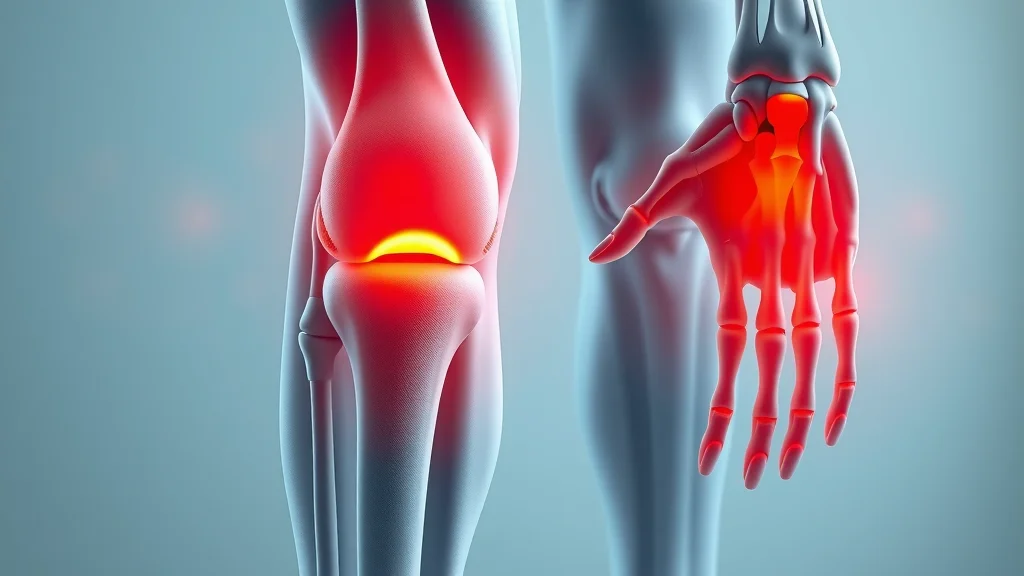
Human knee and hand joints showing osteoarthritis and rheumatoid arthritis variations with inflamed and healthy cartilage -- will collagen help with arthritis

Could Collagen Be the Arthritis Treatment Breakthrough?

When battling joint pain, stiffness, or decreased mobility, finding real relief can feel like a never-ending trial-and-error process. The main question on many minds is: will collagen help with arthritis? With the surge in collagen supplements flooding the market, patients and health professionals alike are curious—can this "building block" protein, especially type II collagen, transform arthritis management and improve joint health?

At the heart of this question lies a sincere hope: that collagen supplementation, particularly with hydrolyzed collagen and type II collagen supplements, might restore joint health and ease the everyday discomfort caused by knee osteoarthritis, rheumatoid arthritis, and other degenerative joint issues. Scientific interest is mounting as preliminary clinical trials and systematic reviews begin to reveal how different collagen types—especially type II collagen and hydrolyzed collagen—may offer anti-inflammatory effects and support for damaged cartilage, contributing to improved joint health. Today’s arthritis sufferers have more options than ever, and collagen is quickly rising to the top of that list.

Understanding Arthritis: Knee Osteoarthritis, Rheumatoid Arthritis, and Joint Health

Two of the most common forms of arthritis—knee osteoarthritis and rheumatoid arthritis—attack the body in different ways, often leading to debilitating joint pain. Osteoarthritis results from the gradual wearing away ofarticular cartilage, which cushions the knee and other joints. This cartilage loss causes stiffness, pain, and limited movement. In contrast, rheumatoid arthritis is an autoimmune condition in which the immune system mistakenly attacks the connective tissue surrounding joints, provoking chronic inflammation and swelling

Joint health, then, is not just a matter of mobility—it’s about maintaining your body’s structural integrity over time. Collagen, with its unique triple helix amino acid structure, is recognized as the most abundant protein in our connective tissues, making it a crucial target for anyone seeking sustainable arthritis relief or prevention.

Are You Seeking Solutions to Joint Pain and Reduced Mobility?

Living with arthritis means enduring more than physical pain; it often brings frustration, emotional stress, and changes in daily habits. Whether it’s the struggle to walk up stairs, grip a coffee mug, or simply get out of bed without joint pain, millions are searching for solutions that go beyond temporary pain relief. For many, the question isn’t just “Does it work?” but “Is this the relief I’ve been missing?” Collagen supplementation has become a hot topic in online forums and doctor’s offices for exactly this reason: people are desperate for something different.

Many individuals considering collagen supplement therapy have tried—and sometimes exhausted—NSAIDs, physical therapy, and even surgery. The possibility that something as accessible as collagen could offer a “new lease” on joint health is enticing. But does it live up to the hype, and is it a practical solution for your arthritis struggles? Let’s break down exactly what you’ll learn in this article.

What You'll Learn About Collagen and Arthritis

  • The science behind will collagen help with arthritis

  • Key differences between collagen peptides and collagen supplements

  • Insights on knee osteoarthritis, rheumatoid arthritis & joint pain

  • The role of clinical trials & expert opinions

Joint Health and the Science: Will Collagen Help with Arthritis?

Joint health is the cornerstone of mobility and independence, especially for those with arthritis. Keeping knees, hands, and hips strong allows for daily function without constant pain or swelling. In recent years, research has zeroed in on collagen—a protein responsible for strengthening articular cartilage, tendons, and ligaments—as a major focus in the pursuit of arthritis relief. But how does collagen work, and is there solid science behind its reputation as a joint soother?

Unlike conventional anti-inflammatory drugs, collagen supplementation, including hydrolyzed collagen and type II collagen supplements, aims to address the root cause: the gradual breakdown of cartilage and loss of essential amino acids in joints, thereby promoting joint health. By introducing collagen peptides or type II collagen into the body (usually as a dietary supplement or hydrolyzed collagen powder), the hope is to stimulate the body’s natural repair mechanisms. But does this promise translate into noticeable benefits for people with knee osteoarthritis or rheumatoid arthritis? Recent clinical trial data offers cautious, but promising, evidence.

For parents navigating arthritis in children or teens, understanding the nuances of joint health and treatment options is especially important. If you’re preparing for a pediatric rheumatology visit, you may find these essential tips for parents preparing for pediatric rheumatology appointments helpful in making the most of your consultation and supporting your child’s care journey.

Why Joint Health Matters in Arthritis Relief

Without strong cartilage and healthy connective tissue, the weight-bearing stress of standing, walking, or even sitting can become unbearable. The building block function of collagen is crucial: it forms the framework that gives flexibility, shock absorption, and resilience to joints. Numerous systematic reviews have shown that supporting cartilage integrity, especially in the knee, is key for both arthritis management and prevention.

Physical therapist helps older adult with knee exercises to improve joint health in arthritis -- will collagen help with arthritis

But it’s not just about the “structure”—collagen may also reduce inflammation and modulate immune responses. For patients with inflammatory arthritis, improved joint health translates directly into less pain, better movement, and a more active, fulfilling life.

How Collagen Supplementation Works for Joint Pain

When you take a collagen supplement, such as hydrolyzed collagen or collagen peptides, your body breaks it down into smaller amino acids that help rebuild cartilage and improve joint health. These are reassembled into new collagen fibers, which help maintain cartilage, skin, and tendons. Multiple clinical trials now indicate that daily supplementation with hydrolyzed collagen or type II collagen can lead to measurable improvements in joint pain among people with arthritis.

"Keeping your joints healthy or improving your joint health is a relatively small investment with a big potential pay-off. Fortunately, there are numerous ways to improve joint health naturally, without surgery or expensive supplements." - Dr. Peter Seymour, DO (Sports Medicine Physician)

The exact mechanism is still being investigated, but some researchers believe that oral collagen may help “train” the immune system to stop attacking joints (in the case of rheumatoid arthritis), while also improving the density of knee cartilage and reducing inflammation. It’s a multidimensional approach that sets collagen apart from other dietary supplements or traditional painkillers.

Types of Arthritis: Knee Osteoarthritis Versus Rheumatoid Arthritis

Will Collagen Help with Arthritis in Different Forms?

The role of collagen in arthritis depends on the specific type you are dealing with. Most research has centered on knee osteoarthritis, where cartilage damage and joint pain can become severe over time. In these cases, hydrolyzed collagen and type II collagen supplements have shown promising results by helping replenish lost structural proteins. However, those battling rheumatoid arthritis—an autoimmune disease—face additional complexity.

While early studies suggest some improvement in both pain and inflammation, the autoimmune nature of rheumatoid arthritis makes it more difficult to predict who will benefit. Each collagen type—from I, II, to III—has a specific role in human tissues, and their effectiveness varies depending on the underlying cause of joint deterioration. Ultimately, while collagen shows most promise for degenerative issues like osteoarthritis, it may also offer an adjunct benefit for autoimmune conditions, when combined with other treatments.

Review of Clinical Trials: Collagen and Knee Osteoarthritis

Recent clinical trials have monitored how collagen hydrolysate, hydrolyzed collagen, and type II collagen peptides affect patients with knee osteoarthritis, showing promising results in reducing joint pain. In one double-blind clinical trial, participants taking a daily dose of hydrolyzed collagen and type II collagen supplements reported statistically significant improvements in joint pain and functionality after 12 weeks, compared to a placebo group.

Team of scientists discusses knee osteoarthritis research findings for collagen supplements -- clinical trial

These findings are echoed in systematic reviews, which conclude that collagen supplements can increase knee cartilage thickness and reduce pain. While more research is needed, especially in diverse populations, the current data strongly supports a “beneficial effect” of collagen for wear-and-tear arthritis, particularly in the elderly and physically active.

Collagen’s Effects on Rheumatoid Arthritis and Joint Pain

The evidence for collagen’s effectiveness, particularly type II collagen supplements, in rheumatoid arthritis is less robust but still shows potential benefits in reducing inflammation and joint pain. Some studies indicate an immune-modulating property of type II collagen, which may help reduce the body’s attack on its own cartilage. Patients with rheumatoid arthritis who added oral collagen type II to their diet experienced modest reductions in swelling and morning stiffness.

Even if results are more variable, some collagen peptide users with autoimmune joint issues report greater ease of movement and lower levels of pain. This suggests that while collagen supplements might not be a miracle cure for rheumatoid arthritis, they have a place as part of an integrative management plan—especially if used alongside prescribed medications, anti-inflammatory foods, and physical therapy.

Collagen Supplements Explained: Hydrolyzed Collagen, Type II Collagen, and More

Understanding Collagen Peptides and II Collagen

Not all collagen supplements on the shelves are created equal; choosing the right collagen supplement, such as hydrolyzed collagen or type II collagen, is essential for targeting joint health and arthritis relief. Collagen peptides (often labeled as “hydrolyzed collagen”) are broken down into small, easily absorbed molecules. This makes them especially suited for supplementation, as they quickly enter the bloodstream and reach joint tissues. Type II collagen, meanwhile, is the primary type found in cartilage—making it the most directly relevant for joint health.

Various hydrolyzed collagen supplement bottles and powders in a kitchen with greenery -- joint pain relief

Capsules, powders, and even liquid drinks are now available, with some products combining types I, II, and III collagen for a more comprehensive approach. When choosing a supplement, it’s helpful to know which type will target your specific needs—especially when it comes to arthritis.

Differences Between Collagen Type I, II, and III

Type I collagen primarily supports skin, bones, and tendons, while type II collagen is crucial for articular cartilage (the smooth tissue in your joints), and type III collagen supports blood vessels and organs. For arthritis, type II collagen and hydrolyzed variants offer the greatest benefit, especially as shown in clinical trial results for knee osteoarthritis sufferers.

Understanding the composition and amino acid content of each collagen type enables more targeted supplementation. Some evidence also suggests that taking multiple collagen types together may support overall connective tissue health, but results are most pronounced for type II in the context of joint protection.

Hydrolyzed Collagen: What Does Research Say About Joint Pain Relief?

Hydrolyzed collagen—collagen that’s been enzymatically treated for improved absorption—is the most common ingredient in joint care supplements and has been shown in clinical trials to reduce joint pain and improve mobility. Research, including several systematic reviews and a major clinical trial, indicates that hydrolyzed collagen supplementation can decrease joint pain scores and enhance mobility in both healthy individuals and those with early arthritis.

Moreover, hydrolyzed collagen is often considered safer and less likely to cause adverse reactions compared to “raw” collagen or cartilage extracts. The result is a widely available, easy-to-use solution that’s proven to offer real relief for many individuals grappling with knee pain and stiffness.

How to Choose the Right Collagen Supplement for Joint Health

With so many options on the market, choosing the best collagen supplement involves understanding the source (bovine, chicken, fish), type, and “hydrolyzed” status. Look for products that are:

  • Specifically labeled as Type II or “hydrolyzed,”

  • Manufactured by reputable brands,

  • Third-party tested for purity and collagen content,

  • Backed by clinical studies or positive user reviews.

Ensuring proper dosage and combining with vitamin C may further enhance absorption and joint health benefits.

Type of Collagen

Source

Benefits

Best Uses

Type I

Bovine, Fish

Supports skin, bones, tendons

Overall connective tissue support

Type II

Chicken

Cartilage repair, joint health

Osteoarthritis, joint pain relief

Type III

Bovine, Fish

Supports organs, blood vessels

Combined with Type I for elasticity

Peptides (Hydrolyzed)

All

Improved absorption, multi-tissue support

Best for supplementation

Clinical Trials and Research Findings: Will Collagen Help with Arthritis?

Summary of Clinical Trials on Collagen Supplementation and Joint Pain

In dozens of peer-reviewed clinical trials, researchers have studied the effects of various collagen supplements on arthritis symptoms and joint pain. A common finding across these studies is that 8–12 weeks of daily collagen peptide or hydrolyzed collagen intake leads to noticeable improvements in comfort, flexibility, and quality of life for people with knee osteoarthritis.

Though dosage and product formulation vary, consistent themes include reduced morning stiffness, easier stair-climbing, and fewer pain-related sleep interruptions. Importantly, many studies support the “additive effect” of collagen when used in conjunction with exercise and traditional arthritis medications.

Notable Clinical Trial Results for Knee Osteoarthritis and Rheumatoid Arthritis

In a pivotal trial published in a leading rheumatology journal, individuals with knee osteoarthritis who consumed type II collagen saw statistically significant reductions in pain and increased physical function. Meanwhile, a separate cohort of rheumatoid arthritis patients experienced less swelling and tenderness when given small daily doses of undenatured type II collagen as an “immune tolerance” therapy.

Meta-analyses and systematic reviews also suggest that while collagen’s beneficial effects are clearest in osteoarthritis, there is room for further research in the autoimmune arthritis arena. However, the safety profile is generally excellent—making collagen supplementation a reasonable adjunct to established medical therapies.

"As an orthopedic surgeon focusing on joint replacement, I see increasing evidence supporting collagen supplements for reducing inflammation, arthritis pain, and even helping to regenerate cartilage. Collagen is the building block of cartilage and bones, and studies show benefits like more collagen formation and less joint pain." - Dr. Travis Clegg, M.D., orthopedic surgeon

Collagen’s Beneficial Effect: What the Experts Say on Joint Health

Rheumatologists and orthopedic specialists increasingly view collagen supplementation as part of a balanced approach to joint pain management. Expert opinions highlight that while it is not a “cure,” collagen can help reinforce joint structures, improve resilience, and reduce chronic inflammation—if taken regularly and combined with other joint-friendly lifestyle interventions.

Doctor explains clinical research on collagen supplementation and joint health to patient -- will collagen help with arthritis

Ultimately, the consensus is that collagen should not be relied on as a sole therapy for moderate-to-severe arthritis, but it has earned its place within the broader conversation about personalized pain relief and joint health.

Limitations of Research on Collagen Supplements

Despite encouraging results, experts caution that most studies have relatively short durations (generally 2–6 months), moderate sample sizes, and varying product formulations. There is a need for larger, longer-term clinical trials to understand the full benefits of collagen supplementation and to determine who is most likely to experience a beneficial effect.

Additionally, as with any dietary supplement, quality and consistency can vary widely between products, making it vital for consumers to select reputable brands and consult healthcare providers regarding suitability and potential risks.

Expert Perspectives: Will Collagen Help with Arthritis Symptoms?

Rheumatologists Discuss Collagen Supplementation for Arthritis Relief

A growing number of rheumatologists report cautiously positive outcomes in patients using collagen supplements as a complementary therapy. Most agree that type II collagen is the “gold standard” for joint health support in osteoarthritis, while hydrolyzed forms may benefit those with a broader symptom profile or sensitivity issues. As always, experts urge individualized treatment and awareness of underlying conditions before beginning supplementation.

By reviewing clinical trial evidence, patient testimonials, and laboratory research, it’s clear that attention to dosage, product quality, and consistency are the foundation of any successful collagen supplementation plan. However, results may differ depending on the severity of disease, genetics, and lifestyle factors.

Physical Therapists on Joint Pain and Collagen Supplements

Physical therapists, who work closely with arthritis sufferers on mobility and pain reduction, frequently observe benefits when patients combine a collagen peptide regimen with structured rehabilitation. Many recommend collagen as an adjunct to exercise, noting faster recovery and improved motivation in those who stick with daily use for at least three months.

""Collagen treatment showed a significant reduction in the total WOMAC index, reflecting improvements in stiffness and pain relief in osteoarthritis patients."​ - PubMedncbi.nlm.nih.gov

Movement, diet, and consistent supplementation form a winning trio, say the pros. However, they caution that physical therapy and medical evaluation should always precede any new routine, especially for those with a complex arthritis history.

Side Effects and Safety: Should You Try Collagen Supplements for Joint Pain?

Understanding Potential Collagen Supplement Side Effects

Collagen supplements are generally considered safe, with most users experiencing few or only minor side effects. Reported issues can include digestive discomfort, such as bloating, heartburn, or a feeling of fullness. Individuals with specific food allergies (to eggs, fish, shellfish, or poultry) should check ingredient lists and choose hypoallergenic brands to minimize the risk of a reaction.

Middle-aged woman reading collagen supplement label in her kitchen -- side effects and safety

Potential interactions with blood thinners, diabetes medications, or immunosuppressive drugs should be discussed with a healthcare professional prior to starting a new collagen supplement protocol. Hydration, moderation, and medical monitoring are key ingredients in a safe, effective approach.

Who Should Avoid Collagen Supplementation

  • Allergy risks

  • Medication interactions

  • Digestive issues

If you have a history of severe allergies, immune disorders, or are pregnant/nursing, consult a physician or registered dietitian before adding collagen to your routine. Children and adolescents should use with extra caution, as long-term safety data is limited for these age groups.

How to Integrate Collagen Supplements for Optimal Joint Health

Recommended Dosages for Hydrolyzed Collagen and Peptides

Most clinical trials on hydrolyzed collagen and collagen peptides use daily dosages ranging from 2.5g to 15g per day. Experts recommend starting on the lower end and adjusting based on personal tolerance and medical history. Split doses (morning and evening) may improve absorption.

Hand placing collagen capsules into a pill organizer beside water and healthy breakfast -- how to use collagen supplements for joint pain

For osteoarthritis, 10g daily is a common target. Always follow manufacturer recommendations, and increase gradually as your body adapts.

Best Practices for Taking Collagen Supplements

Consistency is critical when seeking collagen’s beneficial effect on joint health. Experts suggest:

  • Taking collagen at the same time each day

  • Mixing powders in coffee, smoothies, or soups for easy compliance

  • Combining with vitamin C (via food or supplement) to boost natural collagen synthesis

"Consistency is key for seeing potential benefits from collagen supplementation." – Nutritionist

Remember, visible results often take at least 2–3 months to appear. Keeping a joint pain diary and monitoring mobility can help track your progress over time.

Lifestyle Tips to Boost Collagen’s Beneficial Effect on Joint Health

  • Include dietary sources of collagen such as bone broth, chicken skin, and fish skin

  • Practice joint-friendly exercises (swimming, walking, cycling)

  • Co-supplement with vitamin C-rich foods (citrus, berries, red peppers)

Embracing a holistic approach—collagen supplementation plus an active, well-rounded lifestyle—can maximize the benefits of collagen for those living with arthritis.

Will Collagen Help with Arthritis? Real-World Experiences

User Stories: Collagen Supplements for Knee Osteoarthritis Relief

Personal accounts help bring the science to life. Many users with long-standing knee osteoarthritis have reported marked improvements in joint pain, swelling, and daily activity after adding hydrolyzed collagen peptides to their self-care routine. These changes are most apparent for users who stick to recommended doses and make other positive lifestyle changes.

Happy senior couple walks and laughs in the park after finding knee pain relief with collagen

Empowered by their progress, individuals often experience a renewed sense of hope—and motivation to continue with exercise and healthy eating. While not everyone achieves life-changing results, the number of satisfied testimonials is growing fast.

Comparing Results: Rheumatoid Arthritis Versus Other Joint Pain Conditions

The response to collagen supplementation among those with rheumatoid arthritis is more varied. While some feel notable decreases in morning stiffness and episode frequency, others experience only mild relief. Still, compared to traditional painkillers, collagen’s strong safety profile and potential for long-term joint health make it worth considering for those unresponsive to other therapies.

"After three months on a collagen peptide regimen, my knee osteoarthritis symptoms were noticeably reduced." – Patient testimonial

Customizing supplementation—paired with medical supervision and lifestyle modification—remains the gold standard for all arthritis sufferers.

Watch: Video – See how collagen may help repair cartilage and improve joints with Dr Jeffrey Peng.

Studies

An ongoing clinical trial (2025) on collagen peptide supplementation is testing varying doses (around 5 g and 10 g daily) over 6 months to establish optimal dose-response relationships for joint health, highlighting the importance of treatment duration for achieving maximum benefits. (Clinical Trials)

A randomized controlled trial (2025) studying undenatured type II collagen reported that daily intake of 40 mg for 3 months significantly reduced knee osteoarthritis symptoms compared to placebo. The results suggest that even relatively low doses can be effective if taken consistently for at least this period. (Nature)

A 2025 open-label study assessed collagen in doses ranging from 2 g to 8 g daily over 24 weeks. Results indicated a positive correlation between dose and symptom improvement, with sustained benefits observed at the higher doses after 6 months. (Orthpedic Reviews)

A recent trial (2025) on collagen hydrolysate evaluated doses of 2 g versus 10 g daily over 12 weeks. Findings showed a dose-response pattern, with the higher dose leading to greater improvements in pain and joint function, emphasizing that longer treatment duration combined with increased dosage enhances outcomes.

People Also Ask About Will Collagen Help with Arthritis

What type of collagen is best for arthritis?
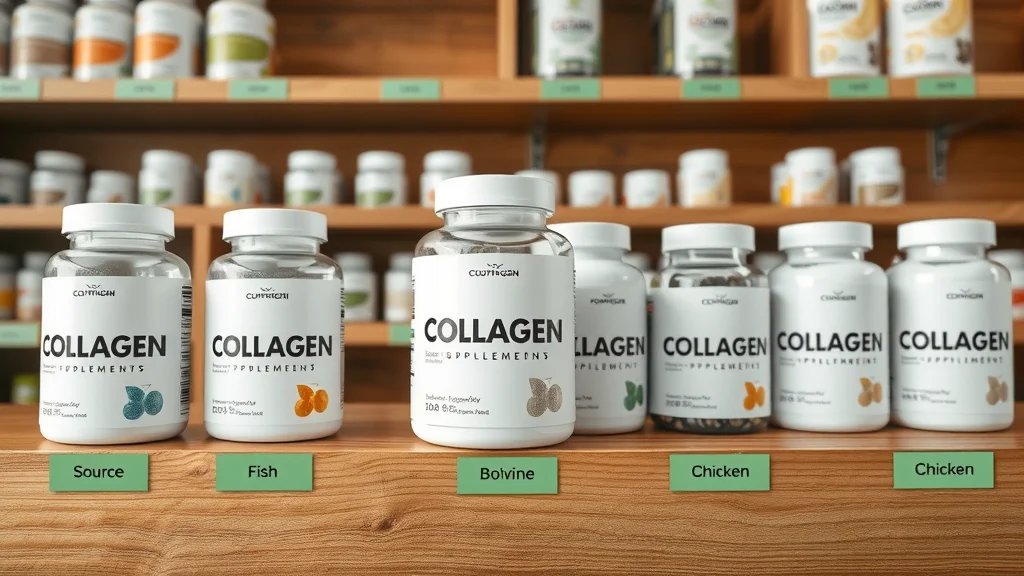
Different types of collagen supplement bottles (Type I, II, III), various powders, fish, bovine, chicken source, for joint health and arthritis

Evidence and expert opinions suggest type II collagen is most commonly researched for joint health, especially in osteoarthritis. Hydrolyzed collagen peptides are also popular for general joint pain relief.

How long does collagen take to work for arthritis?

Clinical trials show most users experience improvement in joint pain after 8-12 weeks of consistent collagen supplementation, though individual results may vary.

Is there a downside to taking collagen?

While most people tolerate collagen supplements well, some may experience minor digestive discomfort, and potential allergy concerns exist for those sensitive to animal-derived ingredients.

Is collagen or turmeric better for joints?

Collagen and turmeric both offer potential joint health benefits; collagen supports cartilage structure, while turmeric acts as an anti-inflammatory. Combining strategies may yield optimal results.

FAQs on Collagen, Arthritis, and Joint Health

  • Can collagen supplements reverse arthritis?

  • What is the difference between collagen peptide and regular collagen?

  • Are there age limits for taking collagen supplements?

  • Is collagen effective for all types of joint pain?

While collagen supplements can improve joint health and support pain relief, they do not reverse arthritis. Collagen peptides are broken down for easier absorption, while “regular” collagen is whole and harder to digest. There are no strict age limits for taking collagen; however, children and teenagers should consult a healthcare provider. Effectiveness varies depending on the type of joint pain or arthritis—benefits are strongest for osteoarthritis and mild to moderate inflammation.

Key Takeaways: Will Collagen Help with Arthritis?

  • Evidence supports collagen supplementation as a complementary option for certain types of arthritis, especially knee osteoarthritis

  • Type II and hydrolyzed collagen are most researched for joint health

  • Results vary, but most report relief after 2-3 months

  • Consult with healthcare professionals before starting new supplements

Summary and Moving Forward

Final Thoughts: Is Collagen a Game-Changer for Arthritis and Joint Health?

Serene person overlooking a sunrise by the lake, symbolizing improved mobility and joint health after collagen supplementation

While not a cure-all, collagen supplements are an accessible, science-backed option for improving joint pain and mobility—particularly for those battling knee osteoarthritis. Results may vary, but hope is on the horizon for those seeking more control over their arthritis symptoms.

Should You Add Collagen Supplementation to Your Arthritis Management Plan?

If you’re experiencing joint pain, talk with your doctor or specialist about collagen supplementation. Combined with exercise and healthy living, it could be a valuable component of your arthritis management journey.

As you continue your journey toward better joint health, remember that managing chronic conditions often requires a holistic and informed approach. Exploring how technology and remote monitoring are transforming care for complex illnesses can offer new perspectives on proactive health management.

For a deeper look at how digital tools are reshaping patient support, discover the importance of remote symptom monitoring in modern healthcare. Embracing innovative strategies—whether through supplements, lifestyle changes, or digital health—can empower you to take charge of your well-being and stay ahead in your personal health journey.

Ready to Try Collagen for Your Arthritis? Consult Your Doctor for Personalized Advice and Get Started Today!

Sources

  • NCBI – Collagen hydrolysate Supplementation and Joint Health

  • Arthritis Foundation – Collagen for Arthritis

  • American College of Rheumatology

  • Nature – Dietary Supplements in Osteoarthritis

Recent studies have explored the potential benefits of collagen supplementation for individuals with arthritis, particularly osteoarthritis (OA). A systematic review and meta-analysis of randomized controlled trials found that oral collagen administration significantly improved both function and pain scores in knee OA patients, suggesting that collagen supplements may alleviate OA symptoms. (pubmed.ncbi.nlm.nih.gov)

Another randomized, double-blind, placebo-controlled trial demonstrated that daily intake of low-molecular-weight collagen peptides over six months reduced knee pain and improved mobility in adults with early knee osteoarthritis. (nutraingredients-asia.com)

However, the efficacy of collagen supplementation in rheumatoid arthritis (RA) remains less clear. A comprehensive systematic review indicated that while some studies reported benefits, others did not, and the quality of evidence was generally low. Therefore, more rigorous research is needed to determine collagen’s role in RA management. (pubmed.ncbi.nlm.nih.gov)

In summary, collagen supplements show promise in improving symptoms of osteoarthritis, but their effectiveness in rheumatoid arthritis requires further investigation. NCWellnessHub.com
Arthritis

0 Comments

Write A Comment

*
*
Please complete the captcha to submit your comment.
Related Posts All Posts

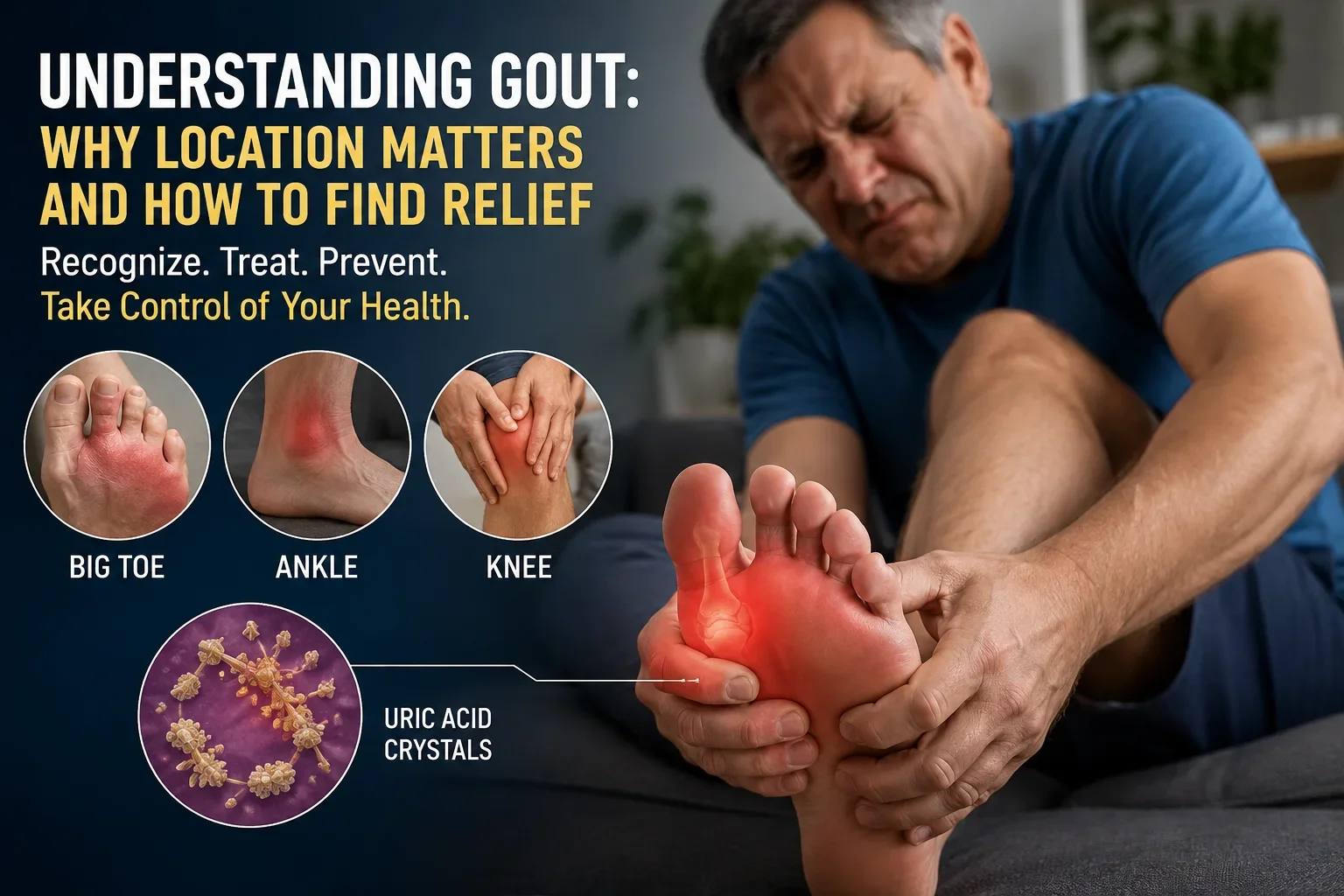
Is It Gout in Your Toe or Ankle? How Location Changes the Triggers

The sharp pain in your toe or ankle isn’t just a flare-up—it’s a signal your body desperately wants you to understand. Knowing how gout’s triggers differ by location can change how you cope and heal, turning confusion into relief and empowering you to reclaim your mobility. If you’ve ever wondered why your big toe is swollen one day and your ankle throbs the next, you’re not alone. This comprehensive guide unpacks the science and practical steps for recognizing, treating, and preventing gout attacks, tailored by joint location.Understanding the Difference Between Gout in Big Toe vs Ankle CausesThe difference between gout in big toe vs ankle causes lies at the very foundation of how gout develops and manifests throughout the body. Gout, a type of inflammatory arthritis, results from high uric acid levels in the blood, which accumulate and form needle-shaped crystals in joints. While both the big toe and ankle are susceptible to these painful attacks, the symptoms, triggers, and risk factors can vary significantly depending on the affected joint.This guide will equip you with actionable knowledge to not only differentiate between gout in these locations but to also recognize the subtle signs that could save you from prolonged pain and joint damage. By understanding your body’s signals and the unique triggers for each joint, you can prevent future gout flares and protect your mobility for the long run.The Shared Cause: Uric Acid Buildup in Toe Joint and AnkleAt the core of every gout flare, whether in the big toe or ankle, is uric acid buildup. Uric acid, a byproduct of purine breakdown (from foods like red meat, seafood, and certain beverages), normally dissolves in the bloodstream and exits via the kidneys.If the body produces too much uric acid, or the kidneys fail to remove enough, uric acid crystals begin to deposit in cooler joints like the big toe or larger joints such as the ankle. These sharp acid crystals provoke an intense immune response, resulting in pain, swelling, and redness—classic hallmarks of a gout attack.The difference in how these crystals trigger flares in the big toe compared to the ankle often stems from anatomy, blood flow, and joint usage patterns. While both locations share the root cause (hyperuricemia), understanding their unique triggers can improve how you manage and prevent recurrent attacks. Recognizing the early signals of uric acid buildup is crucial for targeting your treatment and preserving joint function.For those seeking additional ways to support joint health and manage arthritis symptoms, exploring the role of nutrients can be highly beneficial. In fact, understanding how vitamin D contributes to arthritis relief may offer complementary strategies alongside traditional gout management.Recognizing Signals From Your Body“The sharp pain associated with a gout flare in your toe or ankle is not just discomfort—it’s your body alerting you to a deeper imbalance.”Core similarities and differences between gout attacks in the big toe and ankleTriggers that uniquely affect each locationWays to distinguish gout flares vs other joint conditions such as rheumatoid arthritisPractical strategies for targeted prevention and reliefBig Toe Gout: Why the Big Toe is Most Often AffectedBig Toe Joint Anatomy and Vulnerability to Gout AttacksThe big toe joint, medically termed the first metatarsophalangeal (MTP) joint, is particularly prone to gout attacks due to a combination of anatomical and physiological factors. This joint bears significant weight during walking and running, making it subject to micro-traumas and daily wear. Its location at the body’s periphery means it has a slightly lower temperature compared to other joints, one reason uric acid crystals form here more easily.Reduced blood flow in this area can slow the clearance of uric acid, so microscopic deposits can build up over time. When the accumulation reaches a tipping point, the immune system attacks the uric acid crystals, causing intense pain and inflammation. Recognizing the unique vulnerability of the big toe joint allows for proactive steps in mitigating the risk of future gout flares, especially for those with a history of recurrent attacks in this location.Uric Acid Crystal Formation in the Big ToeUric acid crystals develop in the big toe when the concentration of uric acid in blood exceeds the threshold for solubility, leading to the formation of painful deposits. The cooler temperature of the toe joint acts as a catalyst for this process. As the crystals accumulate, the body’s defenses trigger strong inflammatory responses—resulting in extreme tenderness, heat, and swelling at the site. Over time, repeated flares can lead to chronic inflammation and, if underestimated or untreated, progressive joint damage.Those with repeated big toe gout flares often have additional risk factors such as dehydration, heavy alcohol intake, high-purine diets (think red meat and seafood), or underlying conditions like kidney disease, which alter uric acid handling. Understanding why the big toe is commonly the first target provides clarity in how to approach both prevention and treatment of future attacks.Common Triggers for Gout Attack in the Big ToeSeveral lifestyle and dietary factors can spark a gout attack in the big toe. Dehydration is a major culprit, reducing the kidneys’ ability to filter out uric acid. High-purine meals featuring red meat, seafood, or alcohol (especially beer and spirits) can rapidly raise uric acid levels. Sudden weight loss or fasting may also mobilize stored uric acid, precipitating flares.Other triggers include trauma (even minor stubbing or bumping of the toe), certain medications that alter uric acid excretion, and systemic illnesses that temporarily affect the body’s fluid balance. By tracking these risk factors, gout sufferers can better anticipate and sometimes prevent painful attacks, focusing on dietary moderation, proper hydration, and attention to other underlying health issues.Difference Between Gout in Big Toe vs Ankle Causes: Why the Ankle is TargetedAnkle Joint Characteristics and SusceptibilityThe ankle joint is another common site for gout flares but is often targeted for slightly different reasons than the big toe. The ankle is a large, complex joint with multiple bones and supporting soft tissues. While not as peripheral as the big toe, its extensive motion range and susceptibility to injury increase its risk for uric acid deposits—especially after trauma or in settings of longstanding high uric acid levels.Ankle flares are sometimes preceded by a history of sprains, fractures, or overuse injuries that make the joint environment more vulnerable. Additionally, those with more severe or poorly controlled hyperuricemia (chronically high blood uric acid) are at higher risk for gout episodes in the ankle. Because the ankle supports much of the body’s weight, inflammation here can be especially debilitating, often requiring prompt attention for relief and preservation of mobility.Uric Acid Buildup in Ankle vs Big ToeWhile uric acid buildup is the root cause for both big toe and ankle gout, the process can differ in its intensity and chronicity. The ankle is often affected in individuals with a history of persistent high uric acid levels or those who have experienced previous joint trauma. Unlike the big toe, where a single dietary indiscretion may provoke a flare, ankle involvement may signal a more advanced or systemic issue requiring long-term management.Understanding this distinction helps tailor prevention. For those with ankle involvement, evaluating for underlying conditions (such as kidney disease or high blood pressure) is crucial. Managing acid levels through dietary modification and appropriate medications, in consultation with a healthcare provider, can greatly reduce the frequency and severity of future attacks.Specific Triggers That Set Off Ankle Gout FlaresTriggers for gout flares in the ankle can overlap with those in the big toe but certain factors stand out. Prior joint injuries, such as sprains, can create a localized environment that fosters uric acid crystal formation. Major changes in hydration status, intense physical stress, or even prolonged immobility may also set the stage for ankle flares.Dietary excesses, especially those involving high-purine foods and alcohol, still play a significant role. However, systemic illnesses, medication changes, or poorly managed chronic health conditions (like high blood pressure or kidney disease) can more readily tip the balance for ankle involvement. Recognizing these triggers is key for both patients and clinicians aiming to prevent recurrent attacks.Previous Joint Trauma, Hydration Status, and Systemic StressorsPast joint trauma increases scar tissue and structural changes in the ankle, which can make it easier for uric acid crystals to settle. Similarly, systemic stressors like severe illness, surgery, or dehydration elevate uric acid concentration in the blood and joint fluid, priming the ankle joint for an attack.Regular physical activity with adequate hydration protects both the big toe and the ankle, but the need is heightened for the ankle due to its size and complexity. Individuals should take special precautions after ankle injuries or during times of bodily stress, ensuring their uric acid management plan is closely followed to minimize the risk of gout flares.Table: Side-by-Side Comparison – Difference Between Gout in Big Toe vs Ankle CausesCharacteristicBig Toe (1st MTP Joint)Ankle JointTriggering CausesRapid uric acid rise, dehydration, high-purine meals, joint stressChronic high uric acid, prior joint trauma, systemic illness, dehydrationSymptomsIntense pain, swelling, redness, warmth, sudden onsetPainful swelling, redness (sometimes less severe), possible reduced motionRisk FactorsDiet, obesity, kidney disease, alcohol, dehydrationPrior injuries, chronic hyperuricemia, systemic triggers, underlying diseaseOther Joint SignsOften the first joint affected, classic site for initial gout flareMay occur after big toe involvement or be associated with frequent attacks elsewhereRecognizing and Responding to Gout Flare Symptoms in Each LocationIntense Pain, Redness, and Swelling: How Symptoms Differ by LocationIntense pain, sudden redness, warmth, and swelling are the signature symptoms of a gout attack, but their presentation can vary depending on whether the big toe or ankle is affected. Big toe flares typically present with abrupt, severe pain—so acute that even the weight of a bedsheet feels intolerable. The area quickly appears red and swollen, sometimes accompanied by fever or chills if inflammation is severe.In the ankle, pain and swelling may develop more gradually, and can be mistaken for a sprain or other joint problem at first glance. There may be less redness compared to the toe, yet the discomfort is significant enough to hinder walking. Distinguishing these differences is vital for timely intervention, as the right diagnosis reduces the risk of long-term joint damage and ensures the most effective treatment is started quickly.Joint Fluid Analysis and Other Diagnostic ToolsWhen diagnosing the source of joint pain, joint fluid analysis remains the gold standard. Using a fine needle, a small sample of fluid is withdrawn from the affected joint and examined under a microscope for the presence of uric acid crystals. This quick test can confirm gout and also help rule out infections or other types of inflammatory arthritis, such as rheumatoid arthritis.Blood tests measuring uric acid levels, along with ultrasound or specialized imaging, may further support the diagnosis. Clinical evaluation and a thorough patient history round out the diagnostic process, helping differentiate between gout, sprains, infection, and other joint disorders that might mimic a gout attack—especially in less classic locations like the ankle.Distinguishing Gout from Rheumatoid Arthritis and Other ConditionsBecause symptoms can overlap, distinguishing gout attacks from other types of arthritis—especially rheumatoid arthritis—is crucial. Unlike gout, rheumatoid arthritis typically causes chronic, symmetrical joint swelling and stiffness, and is less likely to present as a sudden, one-sided attack. Blood tests for inflammatory markers and rheumatology panels can help clarify the diagnosis.Misdiagnosis may delay effective treatment, worsening pain and joint damage. Hence, if you’re unsure whether pain in your big toe or ankle is gout, don’t hesitate to consult your provider and request tests for uric acid and joint fluid analysis. Swift and accurate identification ensures the best chance for swift relief and long-term joint health.Treatment Options and Prevention, Tailored by LocationTreatment Options for Big Toe Gout FlaresThe mainstays of big toe gout treatment begin with aggressive pain management and inflammation control. Nonsteroidal anti-inflammatory drugs (NSAIDs), colchicine, or corticosteroids may be prescribed for rapid symptom relief, while ice packs and rest provide further comfort. Reducing physical activity and elevating the affected foot can minimize swelling. Long-term management focuses on lowering uric acid through medications and dietary changes, preventing future episodes in the vulnerable big toe joint.Since big toe attacks often have clear dietary or dehydration triggers, patients are encouraged to maintain adequate hydration and avoid high-purine foods and alcohol. Regular follow-ups with your healthcare provider help monitor uric acid levels and adjust therapy to minimize risks of future flares and joint destruction.Treatment Approaches for Ankle Gout AttacksAnkle gout flares follow similar treatment options as big toe attacks, but often require a more comprehensive approach. Due to the ankle’s weight-bearing function and complexity, immobilization, rest, and sometimes the short-term use of walking aids (like a cane or crutches) are beneficial. Cold compresses and NSAIDs offer immediate pain relief, while severe cases may call for corticosteroid injections or oral therapy.Long-term ankle gout control prioritizes strict uric acid management and careful monitoring for any signs of joint damage. Addressing underlying risk factors—such as managing high blood pressure or improving kidney function—helps to prevent recurrence. Collaboration with a rheumatologist is often recommended if ankle gout is severe, frequent, or chronic.Lifestyle Strategies: Diet, Hydration, and Physical ActivityRegardless of the affected joint, lifestyle strategies are cornerstone therapies for both preventing future attacks and aiding recovery. Staying consistently hydrated dilutes uric acid concentration, making crystal formation less likely. Modifying your diet by reducing intake of red meat, shellfish, and alcohol directly lowers the building blocks for uric acid production. Incorporating fruits, vegetables, whole grains, and low-fat dairy supports overall joint health and reduces flare risk.Physical activity should be balanced—gentle range-of-motion exercises keep joints flexible, while avoiding overuse and repetitive injuries helps protect vulnerable sites. Regular medical monitoring, including uric acid measurement and kidney checks, further supports sustainable, long-lasting control. “Personalized treatment—especially when guided by your unique triggers—can drastically reduce gout attacks, wherever they occur. ”Key Differences and Takeaways: Gout Attacks in Big Toe vs AnkleUric acid is the root cause, but unique triggers for each site existThe big toe is the ‘classic’ site due to anatomy and lower temperatureAnkle involvement often relates to trauma or severe hyperuricemiaQuick recognition and response can speed recoveryFrequently Asked Questions About the Difference Between Gout in Big Toe vs Ankle CausesWhat stops gout immediately?Immediate relief from a gout flare starts with rest, elevation of the affected joint (toe or ankle), and applying a cold compress to reduce inflammation. Anti-inflammatory medications like NSAIDs or colchicine—when prescribed and taken promptly—can stop or reduce acute symptoms quickly. Always consult with your healthcare provider before starting new medications, especially if this is your first attack or you have other underlying health conditions.How to tell if ankle pain is gout?Gout-related ankle pain tends to come on suddenly, with intense pain, redness, swelling, and warmth at the joint. It often follows a period of dietary excess, alcohol intake, dehydration, or recent illness. Compared to sprains or strains, gout pain is sharper, more intense, and accompanied by visible inflammation. When in doubt, joint fluid analysis and a healthcare evaluation are essential to confirm the diagnosis.What is the number one trigger for gout?The most common trigger for a gout attack in both the big toe and ankle is a rapid rise in uric acid levels, often following consumption of high-purine foods (like red meat and seafood), excessive alcohol, or dehydration. Other triggers like surgery, trauma, or sudden illness can also provoke attacks, particularly in predisposed joints. Staying hydrated and moderating purine-rich foods is your best defense against future gout flares.Will toe gout go away on its own?Mild gout in the big toe may resolve on its own after several days, but the pain can be severe and joint damage may result from repeated or untreated attacks. Prompt treatment shortens flare duration, reduces complication risk, and helps prevent chronic joint injury. Ankle gout, due to its larger size and support role, often needs more active management. If you suspect gout, seek medical advice for both rapid relief and lasting joint health.Discover more trusted information like this at: NCWellnessHub.comConclusion: Understanding the difference between gout in big toe vs ankle causes is the first step to faster relief, smarter prevention, and healthier joints. Stay alert to your body’s signals, act fast, and seek out strategies tailored to your unique triggers for the best chance at long-term comfort and mobility.If you’re interested in expanding your knowledge of how systemic health conditions can impact your overall well-being, you may find it valuable to explore related topics such as managing esophageal disorders for health-conscious adults. Taking a holistic approach to your health empowers you to recognize early warning signs, make informed lifestyle choices, and proactively address potential issues before they escalate.By connecting the dots between joint health and broader wellness, you can build a foundation for lasting vitality and resilience. Continue your journey toward optimal health by exploring more expert insights and practical strategies tailored to your needs.Discover more trusted information like this at: NCWellnessHub.comSourcesGout - Symptoms and causes - https://www.mayoclinic.org/diseases-conditions/gout/symptoms-causes/syc-20372897Can Gout Cause Ankle Pain? - https://www.cascadeutah.com/post/can-gout-cause-ankle-painGout vs Arthritis - https://www.bluebonnetfootandankleinstitute.com/blog/differences-between-gout-and-arthritisGout in Ankle: Symptoms, Causes, Treatments - https://www.hingehealth.com/resources/articles/gout-in-ankle/Signs of Gout in the Ankle: Symptoms, Causes, Next Steps - https://achillesfootandankle.com/signs-of-gout-in-the-ankle/Gout vs. Hallux Rigidus: Causes & Relief - https://www.riversideonline.com/en/patients-and-visitors/healthy-you-blog/blog/g/gout-or-hallux-rigidus-how-to-tell-whats-causing-your-toe-painGout/Gouty Arthritis In Depth: Risk Factors, Treatment - https://www.hss.edu/health-library/conditions-and-treatments/gout-risk-factors-diagnosis-treatment5 Signs That Your Big Toe Pain Could Be Gout - https://www.patelfootandanklecare.com/blog/5-signs-that-your-big-toe-pain-could-be-gout

Avoiding Common Arthritis Mistakes for a Pain-Free Life

Explore common arthritis misconceptions and how talking with doctors can improve pain management strategies.

Copper Bracelets and Arthritis: Do They Actually Work? Insights from Two Doctors

Update Do Copper Bracelets Help with Arthritis Pain? Arthritis sufferers often seek various ways to alleviate their pain, and one tool that has caught attention in recent years is the humble copper bracelet. But how effective are they really? Let’s dive into the science and opinions surrounding this trending topic.In 'Copper Bracelets For Arthritis: Do They Actually Work?', the discussion dives into the effectiveness of this popular alternative therapy, exploring key insights that sparked deeper analysis on our end. The Science Behind Copper Bracelets Copper is a metal that has been utilized for centuries, believed by many to possess healing properties. Some researchers suggest that the skin absorbs small amounts of copper when in contact with copper jewelry. This, in theory, could help reduce inflammation and pain. However, the scientific community remains divided. What Doctors Are Saying When it comes to health solutions, it's always wise to consult professionals. Two doctors were interviewed about the effectiveness of copper bracelets. Both highlighted that while some patients report a decrease in pain, these effects could largely be attributed to the placebo effect. The placebo effect is when a person feels better simply because they believe they are receiving treatment, regardless of whether the treatment is effective. Nevertheless, the doctors encourage staying in touch with health professionals while exploring various pain management techniques. Why Some People Believe in Copper Bracelets For many, wearing a copper bracelet can provide a sense of control over their arthritis. The idea that you can wear something that could potentially help can be empowering. It’s also important to note that shifting your mindset towards wellness and exploring alternative options can create positive health perspectives. Taking a Holistic Approach to Arthritis While copper bracelets might not be a cure-all, they can be part of a well-rounded approach to managing arthritis. Regular exercise, a healthy diet, and open communication with healthcare professionals are all critical in maintaining joint health. Arm yourself with knowledge: talking with doctors about all available options can lead to finding the right balance for your lifestyle. Your Experience Matters! Have you tried copper bracelets for arthritis? Your experiences could help others on similar journeys. Sharing your story can foster connections and offer support within the community. As you can see, while the jury is still out on the physical benefits of copper bracelets, they may hold psychological benefits that shouldn’t be overlooked. Whether you choose to wear one or not, remember: every individual's path to wellness is unique.

NCWellnessHub.com

Discover Your Hub for NC Health & Wellness info, your go-to resource for comprehensive insights, tips, and updates on healthcare, nutrition, fitness, and overall well-being in North Carolina.

COMPANY

  • Privacy Policy
  • Terms of Use
  • Advertise
  • Contact Us
  • Menu 5
  • Menu 6
NC Wellness Hub


Raleigh, North Carolina

ABOUT US

At NC Wellness Hub, we are more than just a resource; we are a community united by a shared passion for health and well-being. Our journey began with a simple yet profound belief: that everyone deserves access to the knowledge and support necessary to lead a fulfilling life.

© 2026 NC Wellness Hub All Rights Reserved. Richardson Drive , Raleigh, NC 27603 . Contact Us . Terms of Service . Privacy Policy

eyJjb21wYW55IjoiTkMgV2VsbG5lc3MgSHViIiwiYWRkcmVzcyI6IlJpY2hhcmRzb24gRHJpdmUgIiwiY2l0eSI6IlJhbGVpZ2giLCJzdGF0ZSI6Ik5DIiwiemlwIjoiMjc2MDMiLCJlbWFpbCI6Im1pa2VjZXJ0bWFuQGdtYWlsLmNvbSIsInRvcyI6IlBIQStQSE4wY205dVp6NDhaVzArVjJobGJpQjViM1VnYzJsbmJpMXBiaUIzYVhSb0lIVnpMQ0I1YjNVZ1lYSmxJR2RwZG1sdVp5WnVZbk53T3lCNWIzVnlJSEJsY20xcGMzTnBiMjRnWVc1a0lHTnZibk5sYm5RZ2RHOGdjMlZ1WkNCNWIzVWdaVzFoYVd3Z1lXNWtMMjl5SUZOTlV5QjBaWGgwSUcxbGMzTmhaMlZ6TGlCQ2VTQmphR1ZqYTJsdVp5QjBhR1VnVkdWeWJYTWdZVzVrSUVOdmJtUnBkR2x2Ym5NZ1ltOTRJR0Z1WkNCaWVTQnphV2R1YVc1bklHbHVJSGx2ZFNCaGRYUnZiV0YwYVdOaGJHeDVJR052Ym1acGNtMGdkR2hoZENCNWIzVWdZV05qWlhCMElHRnNiQ0IwWlhKdGN5QnBiaUIwYUdseklHRm5jbVZsYldWdWRDNDhMMlZ0UGp3dmMzUnliMjVuUGp3dmNENEtDanh3UGp4aElHaHlaV1k5SW1oMGRIQTZMeTkzZDNjdVoyOXZaMnhsTG1OdmJTSSthSFIwY0RvdkwzZDNkeTVuYjI5bmJHVXVZMjl0UEM5aFBqd3ZjRDRLQ2p4d1BpWnVZbk53T3p3dmNENEtDanh3UGp4emRISnZibWMrVTBWU1ZrbERSVHd2YzNSeWIyNW5Qand2Y0Q0S0NqeHdQbGRsSUhCeWIzWnBaR1VnWVNCelpYSjJhV05sSUhSb1lYUWdZM1Z5Y21WdWRHeDVJR0ZzYkc5M2N5QjViM1VnZEc4Z2NtVmpaV2wyWlNCeVpYRjFaWE4wY3lCbWIzSWdabVZsWkdKaFkyc3NJR052YlhCaGJua2dhVzVtYjNKdFlYUnBiMjRzSUhCeWIyMXZkR2x2Ym1Gc0lHbHVabTl5YldGMGFXOXVMQ0JqYjIxd1lXNTVJR0ZzWlhKMGN5d2dZMjkxY0c5dWN5d2daR2x6WTI5MWJuUnpJR0Z1WkNCdmRHaGxjaUJ1YjNScFptbGpZWFJwYjI1eklIUnZJSGx2ZFhJZ1pXMWhhV3dnWVdSa2NtVnpjeUJoYm1RdmIzSWdZMlZzYkhWc1lYSWdjR2h2Ym1VZ2IzSWdaR1YyYVdObExpQlpiM1VnZFc1a1pYSnpkR0Z1WkNCaGJtUWdZV2R5WldVZ2RHaGhkQ0IwYUdVZ1UyVnlkbWxqWlNCcGN5QndjbTkyYVdSbFpDQW1jWFZ2ZER0QlV5MUpVeVp4ZFc5ME95QmhibVFnZEdoaGRDQjNaU0JoYzNOMWJXVWdibThnY21WemNHOXVjMmxpYVd4cGRIa2dabTl5SUhSb1pTQjBhVzFsYkdsdVpYTnpMQ0JrWld4bGRHbHZiaXdnYldsekxXUmxiR2wyWlhKNUlHOXlJR1poYVd4MWNtVWdkRzhnYzNSdmNtVWdZVzU1SUhWelpYSWdZMjl0YlhWdWFXTmhkR2x2Ym5NZ2IzSWdjR1Z5YzI5dVlXeHBlbUYwYVc5dUlITmxkSFJwYm1kekxqd3ZjRDRLQ2p4d1BsbHZkU0JoY21VZ2NtVnpjRzl1YzJsaWJHVWdabTl5SUc5aWRHRnBibWx1WnlCaFkyTmxjM01nZEc4Z2RHaGxJRk5sY25acFkyVWdZVzVrSUhSb1lYUWdZV05qWlhOeklHMWhlU0JwYm5admJIWmxJSFJvYVhKa0lIQmhjblI1SUdabFpYTWdLSE4xWTJnZ1lYTWdVMDFUSUhSbGVIUWdiV1Z6YzJGblpYTXNJRWx1ZEdWeWJtVjBJSE5sY25acFkyVWdjSEp2ZG1sa1pYSWdiM0lnWTJWc2JIVnNZWElnWVdseWRHbHRaU0JqYUdGeVoyVnpLUzRnV1c5MUlHRnlaU0J5WlhOd2IyNXphV0pzWlNCbWIzSWdkR2h2YzJVZ1ptVmxjeXdnYVc1amJIVmthVzVuSUhSb2IzTmxJR1psWlhNZ1lYTnpiMk5wWVhSbFpDQjNhWFJvSUhSb1pTQmthWE53YkdGNUlHOXlJR1JsYkdsMlpYSjVJRzltSUdWaFkyZ2dVMDFUSUhSbGVIUWdiV1Z6YzJGblpTQnpaVzUwSUhSdklIbHZkU0JpZVNCMWN5NGdTVzRnWVdSa2FYUnBiMjRzSUhsdmRTQnRkWE4wSUhCeWIzWnBaR1VnWVc1a0lHRnlaU0J5WlhOd2IyNXphV0pzWlNCbWIzSWdZV3hzSUdWeGRXbHdiV1Z1ZENCdVpXTmxjM05oY25rZ2RHOGdZV05qWlhOeklIUm9aU0JUWlhKMmFXTmxJR0Z1WkNCeVpXTmxhWFpsSUhSb1pTQlRUVk1nZEdWNGRDQnRaWE56WVdkbGN5NGdWMlVnWkc4Z2JtOTBJR05vWVhKblpTQmhibmtnWm1WbGN5Qm1iM0lnWkdWc2FYWmxjbmtnYjJZZ1pXMWhhV3dnYjNJZ1UwMVRMaUJVYUdseklHbHpJR0VnWm5KbFpTQnpaWEoyYVdObElIQnliM1pwWkdWa0lHSjVJSFZ6TGlCSWIzZGxkbVZ5TENCd2JHVmhjMlVnWTJobFkyc2dkMmwwYUNCNWIzVnlJR2x1ZEdWeWJtVjBJSE5sY25acFkyVWdjSEp2ZG1sa1pYSWdZVzVrSUdObGJHeDFiR0Z5SUdOaGNuSnBaWElnWm05eUlHRnVlU0JqYUdGeVoyVnpJSFJvWVhRZ2JXRjVJR2x1WTNWeUlHRnpJR0VnY21WemRXeDBJR1p5YjIwZ2NtVmpaV2wyYVc1bklHVnRZV2xzSUdGdVpDQlRUVk1nZEdWNGRDQnRaWE56WVdkbGN5QjBhR0YwSUhkbElHUmxiR2wyWlhJZ2RYQnZiaUI1YjNWeUlHOXdkQzFwYmlCaGJtUWdjbVZuYVhOMGNtRjBhVzl1SUhkcGRHZ2diM1Z5SUdWdFlXbHNJR0Z1WkNCVFRWTWdjMlZ5ZG1salpYTXVJRmx2ZFNCallXNGdZMkZ1WTJWc0lHRjBJR0Z1ZVNCMGFXMWxMaUJLZFhOMElIUmxlSFFnSm5GMWIzUTdVMVJQVUNaeGRXOTBPeUIwYnladVluTndPenhvYVdkb2JHbG5hSFFnWTJ4aGMzTTlJbU52YlhCaGJubFRUVk5RYUc5dVpWVndaR0YwWlNJK2JuVnNiRHd2YUdsbmFHeHBaMmgwUGk0Z1FXWjBaWElnZVc5MUlITmxibVFnZEdobElGTk5VeUJ0WlhOellXZGxJQ1p4ZFc5ME8xTlVUMUFtY1hWdmREc2dkRzhnZFhNc0lIZGxJSGRwYkd3Z2MyVnVaQ0I1YjNVZ1lXNGdVMDFUSUcxbGMzTmhaMlVnZEc4Z1kyOXVabWx5YlNCMGFHRjBJSGx2ZFNCb1lYWmxJR0psWlc0Z2RXNXpkV0p6WTNKcFltVmtMaUJCWm5SbGNpQjBhR2x6TENCNWIzVWdkMmxzYkNCdWJ5QnNiMjVuWlhJZ2NtVmpaV2wyWlNCVFRWTWdiV1Z6YzJGblpYTWdabkp2YlNCMWN5NDhMM0ErQ2dvOGNENDhjM1J5YjI1blBsbFBWVklnVWtWSFNWTlVVa0ZVU1U5T0lFOUNURWxIUVZSSlQwNVRQQzl6ZEhKdmJtYytQQzl3UGdvS1BIQStTVzRnWTI5dWMybGtaWEpoZEdsdmJpQnZaaUI1YjNWeUlIVnpaU0J2WmlCMGFHVWdVMlZ5ZG1salpTd2dlVzkxSUdGbmNtVmxJSFJ2T2p3dmNENEtDanh2YkQ0S0NUeHNhVDV3Y205MmFXUmxJSFJ5ZFdVc0lHRmpZM1Z5WVhSbExDQmpkWEp5Wlc1MElHRnVaQ0JqYjIxd2JHVjBaU0JwYm1admNtMWhkR2x2YmlCaFltOTFkQ0I1YjNWeWMyVnNaaUJoY3lCd2NtOXRjSFJsWkNCaWVTQjBhR1VnVTJWeWRtbGpaU1lqTXprN2N5QnlaV2RwYzNSeVlYUnBiMjRnWm05eWJTQW9jM1ZqYUNCcGJtWnZjbTFoZEdsdmJpQmlaV2x1WnlCMGFHVWdKbkYxYjNRN1VtVm5hWE4wY21GMGFXOXVJRVJoZEdFbWNYVnZkRHNwSUdGdVpEd3ZiR2srQ2drOGJHaytiV0ZwYm5SaGFXNGdZVzVrSUhCeWIyMXdkR3g1SUhWd1pHRjBaU0IwYUdVZ1VtVm5hWE4wY21GMGFXOXVJRVJoZEdFZ2RHOGdhMlZsY0NCcGRDQjBjblZsTENCaFkyTjFjbUYwWlN3Z1kzVnljbVZ1ZENCaGJtUWdZMjl0Y0d4bGRHVXVJRWxtSUhsdmRTQndjbTkyYVdSbElHRnVlU0JwYm1admNtMWhkR2x2YmlCMGFHRjBJR2x6SUhWdWRISjFaU3dnYVc1aFkyTjFjbUYwWlN3Z2JtOTBJR04xY25KbGJuUWdiM0lnYVc1amIyMXdiR1YwWlN3Z2IzSWdkMlVnYUdGMlpTQnlaV0Z6YjI1aFlteGxJR2R5YjNWdVpITWdkRzhnYzNWemNHVmpkQ0IwYUdGMElITjFZMmdnYVc1bWIzSnRZWFJwYjI0Z2FYTWdkVzUwY25WbExDQnBibUZqWTNWeVlYUmxMQ0J1YjNRZ1kzVnljbVZ1ZENCdmNpQnBibU52YlhCc1pYUmxMQ0IzWlNCb1lYWmxJSFJvWlNCeWFXZG9kQ0IwYnlCemRYTndaVzVrSUc5eUlEeHpkSEp2Ym1jK1BITndZVzRnYzNSNWJHVTlJbU52Ykc5eU9pTkdSakF3TURBN0lqNTBaWEp0YVc1aGRHVWdlVzkxY2lCaFkyTnZkVzUwTDNCeWIyWnBiR1VnWVc1a0lISmxablZ6WlNCaGJua2dZVzVrSUdGc2JDQmpkWEp5Wlc1MElHOXlJR1oxZEhWeVpTQjFjMlVnYjJZZ2RHaGxJRk5sY25acFkyVWdLRzl5SUdGdWVTQndiM0owYVc5dUlIUm9aWEpsYjJZcExqd3ZjM0JoYmo0OEwzTjBjbTl1Wno0OEwyeHBQZ284TDI5c1Bnb0tQSEErSm01aWMzQTdQQzl3UGdvOGFHbG5hR3hwWjJoMElHTnNZWE56UFNKamIyMXdZVzU1VG1GdFpWVndaR0YwWlNJK1RrTWdWMlZzYkc1bGMzTWdTSFZpUEM5b2FXZG9iR2xuYUhRK1BHSnlJQzgrQ2p4b2FXZG9iR2xuYUhRZ1kyeGhjM005SW1OdmJYQmhibmxCWkdSeVpYTnpWWEJrWVhSbElqNVNhV05vWVhKa2MyOXVJRVJ5YVhabElDd2dVbUZzWldsbmFDd2dUa01nTWpjMk1ETThMMmhwWjJoc2FXZG9kRDQ4WW5JZ0x6NEtQR2hwWjJoc2FXZG9kQ0JqYkdGemN6MGlZMjl0Y0dGdWVWQm9iMjVsVlhCa1lYUmxJajRyTVRrNE5ESXdOVGMxT1RrOEwyaHBaMmhzYVdkb2RENDhZbklnTHo0S1BHaHBaMmhzYVdkb2RDQmpiR0Z6Y3owaVkyOXRjR0Z1ZVVWdFlXbHNWWEJrWVhSbElqNXRhV3RsWTJWeWRHMWhia0JuYldGcGJDNWpiMjA4TDJocFoyaHNhV2RvZEQ0PSIsInByaXZhY3kiOiJQSEErUEhOMGNtOXVaejVRVWtsV1FVTlpQQzl6ZEhKdmJtYytQQzl3UGdvS1BIQStQSE4wY205dVp6NVVhR1VnYVc1bWIzSnRZWFJwYjI0Z2NISnZkbWxrWldRZ1pIVnlhVzVuSUhSb2FYTWdjbVZuYVhOMGNtRjBhVzl1SUdseklHdGxjSFFnY0hKcGRtRjBaU0JoYm1RZ1kyOXVabWxrWlc1MGFXRnNMQ0JoYm1RZ2QybHNiQ0J1WlhabGNpQmlaU0JrYVhOMGNtbGlkWFJsWkN3Z1kyOXdhV1ZrTENCemIyeGtMQ0IwY21Ga1pXUWdiM0lnY0c5emRHVmtJR2x1SUdGdWVTQjNZWGtzSUhOb1lYQmxJRzl5SUdadmNtMHVJRlJvYVhNZ2FYTWdiM1Z5SUdkMVlYSmhiblJsWlM0OEwzTjBjbTl1Wno0OEwzQStDZ284Y0Q0OGMzUnliMjVuUGtsT1JFVk5Ua2xVV1R3dmMzUnliMjVuUGp3dmNENEtDanh3UGp4bGJUNVpiM1VnWVdkeVpXVWdkRzhnYVc1a1pXMXVhV1o1SUdGdVpDQm9iMnhrSUhWekxDQmhibVFnYVhSeklITjFZbk5wWkdsaGNtbGxjeXdnWVdabWFXeHBZWFJsY3l3Z2IyWm1hV05sY25Nc0lHRm5aVzUwY3l3Z1kyOHRZbkpoYm1SbGNuTWdiM0lnYjNSb1pYSWdjR0Z5ZEc1bGNuTXNJR0Z1WkNCbGJYQnNiM2xsWlhNc0lHaGhjbTFzWlhOeklHWnliMjBnWVc1NUlHTnNZV2x0SUc5eUlHUmxiV0Z1WkN3Z2FXNWpiSFZrYVc1bklISmxZWE52Ym1GaWJHVWdZWFIwYjNKdVpYbHpKaU16T1RzZ1ptVmxjeXdnYldGa1pTQmllU0JoYm5rZ2RHaHBjbVFnY0dGeWRIa2daSFZsSUhSdklHOXlJR0Z5YVhOcGJtY2diM1YwSUc5bUlFTnZiblJsYm5RZ2VXOTFJSEpsWTJWcGRtVXNJSE4xWW0xcGRDd2djbVZ3Ykhrc0lIQnZjM1FzSUhSeVlXNXpiV2wwSUc5eUlHMWhhMlVnWVhaaGFXeGhZbXhsSUhSb2NtOTFaMmdnZEdobElGTmxjblpwWTJVc0lIbHZkWElnZFhObElHOW1JSFJvWlNCVFpYSjJhV05sTENCNWIzVnlJR052Ym01bFkzUnBiMjRnZEc4Z2RHaGxJRk5sY25acFkyVXNJSGx2ZFhJZ2RtbHZiR0YwYVc5dUlHOW1JSFJvWlNCVVQxTXNJRzl5SUhsdmRYSWdkbWx2YkdGMGFXOXVJRzltSUdGdWVTQnlhV2RvZEhNZ2IyWWdZVzV2ZEdobGNpNDhMMlZ0UGp3dmNENEtDanh3UGp4emRISnZibWMrUkVsVFEweEJTVTFGVWlCUFJpQlhRVkpTUVU1VVNVVlRQQzl6ZEhKdmJtYytQQzl3UGdvS1BIQStQSE4wY205dVp6NVpUMVVnUlZoUVVrVlRVMHhaSUZWT1JFVlNVMVJCVGtRZ1FVNUVJRUZIVWtWRklGUklRVlE2UEM5emRISnZibWMrUEM5d1Bnb0tQRzlzUGdvSlBHeHBQbGxQVlZJZ1ZWTkZJRTlHSUZSSVJTQlRSVkpXU1VORklFbFRJRUZVSUZsUFZWSWdVMDlNUlNCU1NWTkxMaUJVU0VVZ1UwVlNWa2xEUlNCSlV5QlFVazlXU1VSRlJDQlBUaUJCVGlBbWNYVnZkRHRCVXlCSlV5WnhkVzkwT3lCQlRrUWdKbkYxYjNRN1FWTWdRVlpCU1V4QlFreEZKbkYxYjNRN0lFSkJVMGxUTGlBc0xpQkJUa1FnVlZNc0lFbFVKaU16T1R0VElFTlZVMVJQVFVWU1V5d2dSVmhRVWtWVFUweFpJRVJKVTBOTVFVbE5VeUJCVEV3Z1YwRlNVa0ZPVkVsRlV5QlBSaUJCVGxrZ1MwbE9SQ3dnVjBoRlZFaEZVaUJGV0ZCU1JWTlRJRTlTSUVsTlVFeEpSVVFzSUVsT1EweFZSRWxPUnl3Z1FsVlVJRTVQVkNCTVNVMUpWRVZFSUZSUElGUklSU0JKVFZCTVNVVkVJRmRCVWxKQlRsUkpSVk1nVDBZZ1RVVlNRMGhCVGxSQlFrbE1TVlJaTENCR1NWUk9SVk5USUVaUFVpQkJJRkJCVWxSSlExVk1RVklnVUZWU1VFOVRSU0JCVGtRZ1RrOU9MVWxPUmxKSlRrZEZUVVZPVkM0OEwyeHBQZ29KUEd4cFBrMUJTMFZUSUU1UElGZEJVbEpCVGxSWklGUklRVlFnS0drcElGUklSU0JUUlZKV1NVTkZJRmRKVEV3Z1RVVkZWQ0JaVDFWU0lGSkZVVlZKVWtWTlJVNVVVeXdnS0dscEtTQlVTRVVnVTBWU1ZrbERSU0JYU1V4TUlFSkZJRlZPU1U1VVJWSlNWVkJVUlVRc0lGUkpUVVZNV1N3Z1UwVkRWVkpGTENCUFVpQkZVbEpQVWkxR1VrVkZMQ0FvYVdscEtTQlVTRVVnVWtWVFZVeFVVeUJVU0VGVUlFMUJXU0JDUlNCUFFsUkJTVTVGUkNCR1VrOU5JRlJJUlNCVlUwVWdUMFlnVkVoRklGTkZVbFpKUTBVZ1YwbE1UQ0JDUlNCQlEwTlZVa0ZVUlNCUFVpQlNSVXhKUVVKTVJTd2dRVTVFSUNocGRpa2dRVTVaSUVWU1VrOVNVeUJKVGlCVVNFVWdVMDlHVkZkQlVrVWdWMGxNVENCQ1JTQkRUMUpTUlVOVVJVUXVQQzlzYVQ0S0NUeHNhVDVCVGxrZ1RVRlVSVkpKUVV3Z1JFOVhUa3hQUVVSRlJDQlBVaUJQVkVoRlVsZEpVMFVnVDBKVVFVbE9SVVFnVkVoU1QxVkhTQ0JVU0VVZ1ZWTkZJRTlHSUZSSVJTQlRSVkpXU1VORklFbFRJRVJQVGtVZ1FWUWdXVTlWVWlCUFYwNGdSRWxUUTFKRlZFbFBUaUJCVGtRZ1VrbFRTeUJCVGtRZ1ZFaEJWQ0JaVDFVZ1YwbE1UQ0JDUlNCVFQweEZURmtnVWtWVFVFOU9VMGxDVEVVZ1JrOVNJRUZPV1NCRVFVMUJSMFVnVkU4Z1dVOVZVaUJEVDAxUVZWUkZVaUJUV1ZOVVJVMGdUMUlnVEU5VFV5QlBSaUJFUVZSQklGUklRVlFnVWtWVFZVeFVVeUJHVWs5TklGUklSU0JFVDFkT1RFOUJSQ0JQUmlCQlRsa2dVMVZEU0NCTlFWUkZVa2xCVEM0OEwyeHBQZ29KUEd4cFBrNVBJRUZFVmtsRFJTQlBVaUJKVGtaUFVrMUJWRWxQVGl3Z1YwaEZWRWhGVWlCUFVrRk1JRTlTSUZkU1NWUlVSVTRzSUU5Q1ZFRkpUa1ZFSUVKWklGbFBWU0JHVWs5TklFOVNJRlJJVWs5VlIwZ2dUMUlnUmxKUFRTQlVTRVVnVTBWU1ZrbERSU0JUU0VGTVRDQkRVa1ZCVkVVZ1FVNVpJRmRCVWxKQlRsUlpJRTVQVkNCRldGQlNSVk5UVEZrZ1UxUkJWRVZFSUVsT0lGUklSU0JVVDFNdVBDOXNhVDRLUEM5dmJENEtDanh3UGp4emRISnZibWMrVEVsTlNWUkJWRWxQVGlCUFJpQk1TVUZDU1V4SlZGazhMM04wY205dVp6NDhMM0ErQ2dvOGNENVpUMVVnUlZoUVVrVlRVMHhaSUZWT1JFVlNVMVJCVGtRZ1FVNUVJRUZIVWtWRklGUklRVlFnUVU1RUlGTklRVXhNSUU1UFZDQkNSU0JNU1VGQ1RFVWdSazlTSUVGT1dTQkVTVkpGUTFRc0lFbE9SRWxTUlVOVUxDQkpUa05KUkVWT1ZFRk1MQ0JUVUVWRFNVRk1MQ0JEVDA1VFJWRlZSVTVVU1VGTUlFOVNJRVZZUlUxUVRFRlNXU0JFUVUxQlIwVlRMQ0JKVGtOTVZVUkpUa2NnUWxWVUlFNVBWQ0JNU1UxSlZFVkVJRlJQTENCRVFVMUJSMFZUSUVaUFVpQk1UMU5USUU5R0lGQlNUMFpKVkZNc0lFZFBUMFJYU1V4TUxDQlZVMFVzSUVSQlZFRWdUMUlnVDFSSVJWSWdTVTVVUVU1SFNVSk1SU0JNVDFOVFJWTWdLRVZXUlU0Z1NVWWdTRUZUSUVKRlJVNGdRVVJXU1ZORlJDQlBSaUJVU0VVZ1VFOVRVMGxDU1V4SlZGa2dUMFlnVTFWRFNDQkVRVTFCUjBWVEtTd2dVa1ZUVlV4VVNVNUhJRVpTVDAwNlBDOXdQZ29LUEc5c1Bnb0pQR3hwUGxSSVJTQlZVMFVnVDFJZ1ZFaEZJRWxPUVVKSlRFbFVXU0JVVHlCVlUwVWdWRWhGSUZORlVsWkpRMFU3UEM5c2FUNEtDVHhzYVQ1VVNFVWdRMDlUVkNCUFJpQlFVazlEVlZKRlRVVk9WQ0JQUmlCVFZVSlRWRWxVVlZSRklFZFBUMFJUSUVGT1JDQlRSVkpXU1VORlV5QlNSVk5WVEZSSlRrY2dSbEpQVFNCQlRsa2dSMDlQUkZNc0lFUkJWRUVzSUVsT1JrOVNUVUZVU1U5T0lFOVNJRk5GVWxaSlEwVlRJRkJWVWtOSVFWTkZSQ0JQVWlCUFFsUkJTVTVGUkNCUFVpQk5SVk5UUVVkRlV5QlNSVU5GU1ZaRlJDQlBVaUJVVWtGT1UwRkRWRWxQVGxNZ1JVNVVSVkpGUkNCSlRsUlBJRlJJVWs5VlIwZ2dUMUlnUmxKUFRTQlVTRVVnVTBWU1ZrbERSVHM4TDJ4cFBnb0pQR3hwUGxWT1FWVlVTRTlTU1ZwRlJDQkJRME5GVTFNZ1ZFOGdUMUlnUVV4VVJWSkJWRWxQVGlCUFJpQlpUMVZTSUZSU1FVNVRUVWxUVTBsUFRsTWdUMUlnUkVGVVFUczhMMnhwUGdvSlBHeHBQbE5VUVZSRlRVVk9WRk1nVDFJZ1EwOU9SRlZEVkNCUFJpQkJUbGtnVkVoSlVrUWdVRUZTVkZrZ1QwNGdWRWhGSUZORlVsWkpRMFU3SUU5U1BDOXNhVDRLQ1R4c2FUNUJUbGtnVDFSSVJWSWdUVUZVVkVWU0lGSkZURUZVU1U1SElGUlBJRlJJUlNCVFJWSldTVU5GTGp3dmJHaytDand2YjJ3K0NnbzhjRDQ4ZFQ1Q2VTQnlaV2RwYzNSbGNtbHVaeUJoYm1RZ2MzVmljMk55YVdKcGJtY2dkRzhnYjNWeUlHVnRZV2xzSUdGdVpDQlRUVk1nYzJWeWRtbGpaU3dnWW5rZ2IzQjBMV2x1TENCdmJteHBibVVnY21WbmFYTjBjbUYwYVc5dUlHOXlJR0o1SUdacGJHeHBibWNnYjNWMElHRWdZMkZ5WkN3Z0puRjFiM1E3ZVc5MUlHRm5jbVZsSUhSdklIUm9aWE5sSUZSRlVrMVRJRTlHSUZORlVsWkpRMFVtY1hWdmREc2dZVzVrSUhsdmRTQmhZMnR1YjNkc1pXUm5aU0JoYm1RZ2RXNWtaWEp6ZEdGdVpDQjBhR1VnWVdKdmRtVWdkR1Z5YlhNZ2IyWWdjMlZ5ZG1salpTQnZkWFJzYVc1bFpDQmhibVFnWkdWMFlXbHNaV1FnWm05eUlIbHZkU0IwYjJSaGVTNDhMM1UrUEM5d1Bnb0tQSEErSm01aWMzQTdQQzl3UGdvOGFHbG5hR3hwWjJoMElHTnNZWE56UFNKamIyMXdZVzU1VG1GdFpWVndaR0YwWlNJK1RrTWdWMlZzYkc1bGMzTWdTSFZpUEM5b2FXZG9iR2xuYUhRK1BHSnlJQzgrQ2p4b2FXZG9iR2xuYUhRZ1kyeGhjM005SW1OdmJYQmhibmxCWkdSeVpYTnpWWEJrWVhSbElqNVNhV05vWVhKa2MyOXVJRVJ5YVhabElDd2dVbUZzWldsbmFDd2dUa01nTWpjMk1ETThMMmhwWjJoc2FXZG9kRDQ4WW5JZ0x6NEtKbTVpYzNBNyJ9

Terms of Service

Privacy Policy

Core Modal Title

Sorry, no results found

You Might Find These Articles Interesting

T
Please Check Your Email
We Will Be Following Up Shortly
*
*
*