Add Row
Add Element
NC Wellness Hub
update
North Carolina Wellness Hub
update
Add Element
  • Home
  • Categories
    • Wellness
    • General Health
    • Holistic
    • News
    • Living & Travel
    • Lifestyle
    • Fitness & Exercise
    • Mental Health
    • Stress Management
    • FEATURE
    • Sleep
    • Allergies
    • Medicines & Supplements
    • Weight Loss
    • Kids Health
    • Fertility & Pregnancy
    • Cancer
    • Heart Health
    • Skin & Hair
    • Arthritis
    • Dental
    • Vision
  • Bone Health
  • Digestive
April 20.2026
2 Minutes Read

5 Effective Natural Tips to Relieve Constipation and Boost Digestive Health

Woman shares natural tips to relieve constipation with healthy foods.


Trust Your Gut: Understanding Constipation

Constipation is a common digestive issue affecting people of all ages. Characterized by infrequent bowel movements or difficulties in passing stools, it can lead to discomfort and frustration. Burdened by a busy lifestyle, many find themselves facing irregular digestion, often resulting in constipation. It’s vital to understand that this condition isn't merely a minor inconvenience; if left unresolved, it can disrupt daily life. Yet, the good news is that simple, natural remedies can help!


In 'Still Constipated? Try These 5 Natural Tips', practical methods are explored to alleviate constipation, prompting us to further delve into these insights and their impact on health.

5 Natural Tips to Relieve Constipation

In the short video "Still Constipated? Try These 5 Natural Tips", practical solutions are shared to combat this common problem. Here’s a synthesis of those ideas alongside additional insights:

  1. Hydration is Key: Drinking plenty of water facilitates digestion and softens stool. Aim for at least 8 glasses a day, boosting your fiber intake with fruits and vegetables to promote regularity.

  2. Fiber-Rich Foods: Include fruits, vegetables, whole grains, and legumes in your diet. These foods add bulk to your stool and help it pass through the digestive tract more smoothly.

  3. Stay Active: Regular physical activity stimulates intestinal function. Even simple activities like walking can improve digestion and help keep your routine regular.

  4. Mindful Eating: Pay attention to your eating habits. Set aside time to eat in a calm environment, chew slowly, and listen to your body’s signals about fullness and hunger.

  5. Herbal Remedies: Consider natural supplements like psyllium husk, flaxseed, or senna, which can act as gentle laxatives. However, consult with a healthcare professional before starting any new supplements.

Understanding the Impact of Stress on Digestion

While these practical tips focus on dietary adjustments and activity, it is essential to address the underlying factors contributing to constipation, especially stress. When we're stressed, our bodies can go into fight-or-flight mode, which affects gut motility. Incorporating stress management techniques such as mindfulness, meditation, or yoga can greatly improve digestive health and reduce constipation symptoms.

Final Thoughts: Your Health Journey Awaits!

Addressing constipation doesn't have to be a daunting challenge. With these natural tips in your toolbox, you can achieve better digestive health and overall wellness. Remember, signs of constipation are usually your body’s way of signaling that things aren't functioning optimally. Taking proactive steps can significantly enhance your quality of life.

Feeling inspired to take charge of your digestive health? Start implementing these natural solutions today! Your gut—and overall health—will thank you. Find additional content at: NCWellnessHub.com


Disclaimer: The information provided in this article is for educational purposes only and does not substitute for professional medical advice, diagnosis, or treatment. Never disregard professional medical advice or delay seeking it because of something you have read here.

Digestive

0 Comments

Write A Comment

*
*
Please complete the captcha to submit your comment.
Related Posts All Posts

Are Sweet Potatoes Low FODMAP? What You Need to Know

Are Sweet Potatoes Low FODMAP and Should You Include Them in a FODMAP Diet?Wondering if sweet potatoes fit into your low FODMAP diet? Discover the truth about their fermentable carbs and how to enjoy this nutritious root without triggering digestive issues. Get ready to transform your meals while keeping your gut happy! If you’re managing irritable bowel syndrome (IBS) or simply hoping for more digestive comfort, you might be wondering: are sweet potatoes low FODMAP? As one of the most beloved root vegetables, sweet potatoes find their way onto dinner plates across the worldWhat Are FODMAPs and Why Are They Important for Gut Health?Definition of FODMAPsFODMAPs is an acronym describing certain types of carbohydrates: fermentable oligosaccharides, disaccharides, monosaccharides, and polyols. These are short-chain carbs found in many foods that can be poorly absorbed in the gut, leading to symptoms like gas, bloating, stomach pain, and changes in bowel movements—especially in people with irritable bowel syndrome (IBS) or other digestive sensitivities.How the low FODMAP diet supports digestive healthA low FODMAP diet was developed to help those suffering from gut symptoms. By reducing or avoiding high FODMAP foods, individuals can lessen bloating, discomfort, and unpredictable digestion. This diet is widely endorsed by dietitians and has robust scientific support for helping manage IBS and similar bowel disorders. It typically starts with a “restriction phase” (eliminating high FODMAP foods) and is followed by gradual reintroduction to identify individual triggers.Relation between the FODMAP diet and sweet potato consumptionWhere do sweet potatoes land in this framework? While they’re a nutrient-rich root vegetable, their FODMAP status depends on matter such as portion control and preparationAre Sweet Potatoes Low FODMAP? Understanding FODMAP ContentAnalysis of FODMAP content in sweet potatoesThe core question—are sweet potatoes low FODMAP?—rests on the amount of a specific FODMAP called mannitol, a type of sugar alcohol naturally present in sweet potatoesScientific research and Monash University guidelinesMonash University, the founders of the low FODMAP diet, routinely tests foods for their FODMAP content. Their current recommendation: a serving of sweet potato up to 75 grams is low in FODMAPs. Larger quantities contain increased levels of mannitol, pushing the sweet potato into the moderate or even high FODMAP category, which may trigger symptoms for sensitive eaters.Serving size factors for low FODMAP sweet potato dishesServing size is everything. The low FODMAP diet is not just about which foods to eat, but how much. When preparing side dishes or meals, measure out sweet potato carefully. Small servings let you benefit from their flavor and nutrition without the gut upset associated with higher FODMAP foods. This portion-control practice is essential, especially during the diet’s restriction or elimination phase.If you’re looking for more inspiration on how to round out your meals with nutritious, gut-friendly options, you might enjoy exploring a variety of quick and easy side dishes that add both flavor and nutrition to your table. These ideas can help you build balanced plates while keeping FODMAPs in check.Sweet Potatoes vs Regular Potatoes: Which Are Lower in FODMAPs?Comparison of FODMAP food compositionUnlike sweet potatoes, regular potatoes (white and red varieties) are naturally low in FODMAPs regardless of serving size. That means you can enjoy generous portions of white or red potatoes without FODMAP-related concerns, making them a reliable staple on any FODMAP-friendly meal plan. In contrast, sweet potatoes’ FODMAP status is entirely portion dependent.Why some potatoes are low in FODMAPs—and others aren'tWhite potatoes and red potatoes contain negligible FODMAPs, so you don't need to restrict their intake on a low FODMAP diet. However, sweet potatoes and yams contain mannitol, a sugar alcohol. When consumed in higher quantities, this can cause symptoms in individuals with irritable bowel syndrome. Therefore, while sweet potatoes offer more natural sweetness and some extra nutrition, they require portion mindfulness. Serving Size Guidance: How Much Sweet Potato Is Low FODMAP?Monash University serving size recommendationsThe latest consensus from Monash University and expert dietitians is that a safe serving size for sweet potatoes on a low FODMAP diet is around 75 grams (about 1/2 cup, cooked and cubed). This portion limits mannitol intake and keeps symptoms at bay for most people sensitive to FODMAPs.Impacts of exceeded serving size and FODMAP sweet potato levelsWhen you exceed this serving size, the FODMAP content in sweet potato quickly rises from low to moderate and then high. For example, eating a larger amount (100 grams or more) can increase the risk of digestive symptoms like bloating, gas, or discomfort, especially in the restriction phase of the low FODMAP diet. This is because the body cannot efficiently absorb the increased mannitol in a large portion.Safe sweet potato portion for restriction phase of a low FODMAP dietTo stay symptom-free, keep your sweet potato serving size at or below 75 grams per meal. If you’re new to the low FODMAP diet or in the elimination phase, it’s best to measure your portion and monitor symptoms. After the restriction phase, you may gradually test larger amounts if your body tolerates them.Nutritional Benefits: Why Sweet Potatoes Are a Good FODMAP Food ChoiceKey vitamins and minerals in sweet potatoesSweet potatoes pack a nutritional punch, delivering fiber, beta carotene (which converts to vitamin A), vitamin C, potassium, and manganese. This root vegetable is a source of plant-based antioxidants and supports a balanced diet. For individuals on low FODMAP diets, sweet potatoes offer much more than just comfort food.Low FODMAP, high nutrition: Best practicesBalancing nutrition with gut health is possible—by following low FODMAP portion sizes, you can add sweet potatoes to your meals for extra color, flavor, and micronutrients. Try pairing them with fodmap-free foods like leafy greens, eggs, or protein, so you maximize nutrition while keeping FODMAPs in check. When prepared simply—think baking, roasting, or in mashed form—they become a delicious and nutritious side dish or main meal component. Potential Risks: Can Sweet Potatoes Cause Digestive Issues or Bloating?Symptoms to watch for: bloating and IBS triggersAlthough sweet potatoes can be part of a low FODMAP diet, eating too much can cause uncomfortable symptoms. People with IBS or sensitive digestive systems should watch for signs like bloating, cramps, or changes in bowel movements after consuming sweet potatoes. If you notice symptoms, review your portion size and consider whether you may have exceeded low FODMAP thresholds.Factors that increase FODMAP content in sweet potatoesFODMAP levels can rise due to cooking methods that concentrate sugars (like reducing them into purees) or combining sweet potatoes with other high FODMAP foods. Sticking to basic recipes and recommended serving sizes is especially important during the restriction phase or for those highly sensitive to high FODMAP foods.How to Prepare Low FODMAP Sweet Potato DishesMashed Sweet Potato: A Low FODMAP RecipeSimple recipe and ingredient tips for low FODMAP mashed sweet potatoMashed sweet potato is a classic side dish, and it’s easy to make it low FODMAP. Peel and cube 75g sweet potato, boil until tender, and drain well. Mash with a small amount of lactose-free milk or olive oil, salt, and pepper. For added flavor, consider herbs like chives or parsley—both FODMAP-friendly. Avoid adding garlic, onion, or high-FODMAP cheese. This simple recipe keeps mannitol levels in check while delivering creamy texture and comfort.Other Ways to Enjoy Sweet Potato on Low FODMAP DietFODMAP sweet potato fries, roasted cubes, and moreList: Creative low FODMAP sweet potato recipe ideasYou don’t have to limit yourself to mashed sweet potatoes! Try baking sweet potato fries (using a portion size of 75g per serving per person), roasting cubes alongside low-FODMAP veggies, or stirring sweet potato puree into omelets or salads. For creative meal planning, consider these ideas:Baked sweet potato cubes with rosemary and olive oilLow FODMAP sweet potato frittata (with spinach and lactose-free cheese)Roasted sweet potato and chicken saladSweet potato hash with eggsSimple sweet potato soup (with ginger and low-FODMAP broth) Table: FODMAP Content of Sweet Potato and Potato TypesPotato TypeTypical Serving SizeFODMAP ContentLow FODMAP PortionSweet Potato75g (½ cup, cooked)Low (green, per Monash University)Up to 75g per mealWhite Potato100g (1 medium)Low (safe even in larger amounts)No restrictionRed Potato100g (1 medium)Low (safe in standard servings)No restrictionYam75g (½ cup, cooked)Moderate in FODMAPs (mild in small portions)Up to 75g per meal—test toleranceWhat Do Dietitians Say About Are Sweet Potatoes Low FODMAP?"When enjoyed in correct portions, sweet potatoes can be a nutritious and gut-friendly option on the low FODMAP diet." – L. Allen, Registered Dietitian Are Sweet Potatoes Low FODMAP? Practical Tips for Adding Sweet Potato to Your DietBest practices for portion controlHow to include sweet potato in a balanced low FODMAP meal planMastering portion control is essential if you want to enjoy sweet potatoes and keep your low FODMAP diet on track. Always weigh your sweet potatoes after cooking to stick to the 75g guideline. For meal planning, pair sweet potatoes with low FODMAP foods like protein, leafy greens, or FODMAP-friendly grains such as quinoa. Rotate sweet potatoes with other low FODMAP root vegetables (like carrots, parsnips, or turnips) for balanced nutrition.For best results, introduce sweet potatoes slowly, especially if you’re just starting the restriction phase of the diet. Monitor symptoms and consult a registered dietitian for personalized guidance.This video explains the low FODMAP benefits of sweet potatoes, with portion size visuals, cooking methods, and insights from dietitians.People Also Ask: Are Sweet Potatoes Ok for IBS?Answer: Yes, sweet potatoes can be included in an IBS-friendly diet when consumed in low FODMAP serving sizes. Keeping your portion below the Monash University-recommended serving size can minimize digestive discomfort. People Also Ask: What Potato Types Are Lowest in FODMAPs?Answer: White potatoes and red potatoes are naturally low FODMAP foods in generous servings, while sweet potatoes are only low FODMAP in restricted amounts.People Also Ask: Is Sweet Potato Gut Friendly?Answer: Sweet potatoes are rich in fiber and nutrients, providing digestive benefits when enjoyed in appropriate portion sizes on the low FODMAP diet.People Also Ask: Can Sweet Potatoes Cause Bloating?Answer: Large servings of sweet potato can increase fodmap content and may cause bloating in sensitive individuals. Stick to recommended portion sizes to reduce this risk.Frequently Asked Questions: Are Sweet Potatoes Low FODMAP?What is the safest serving size of sweet potato on the low FODMAP diet?The safest serving size is 75 grams (about half a cup, cooked and cubed) per meal, which is classified as low FODMAP and unlikely to trigger IBS symptoms.Are mashed sweet potato dishes low in FODMAPs?Yes, as long as you stick to the recommended serving size (75g cooked per person) and use only low FODMAP ingredients like lactose-free milk or olive oil.What are the symptoms of exceeding the FODMAP limit with sweet potatoes?Eating more than the recommended amount raises mannitol levels and may cause bloating, gas, abdominal pain, or looser stools, particularly in those with irritable bowel syndrome.Key Takeaways for Are Sweet Potatoes Low FODMAP?Sweet potatoes can be enjoyed in small amounts as part of a low FODMAP diet.Portion size is critical to avoid digestive discomfort.Sweet potatoes provide nutritional benefits while fitting into a balanced FODMAP diet.Conclusion: Should You Eat Sweet Potato on a Low FODMAP Diet?Summary of research, expert recommendations, and practical ways to safely add sweet potatoes to your low FODMAP meal plan.Enjoy sweet potatoes in moderation, keeping portion sizes below 75 grams, for a nutritious and gut-friendly addition to your low FODMAP meals.If you’re interested in taking your digestive wellness journey even further, consider learning about the broader landscape of gut health and how specific dietary strategies can support healing. Our comprehensive SIBO diet food list offers advanced insights into foods that promote balance and comfort for sensitive digestive systems.Whether you’re managing IBS, SIBO, or simply aiming for optimal gut function, exploring these resources can empower you to make informed, sustainable choices. Unlock new levels of well-being by expanding your knowledge and discovering the next steps for a happier, healthier gut. Discover more trusted information like this at: NCWellnessHub.comReady to improve your digestive health? Discover more trusted information like this at: NCWellnessHub.comSourcesMonash University – https://www.monashfodmap.comIBS Diets (FODMAP Food List) – https://www.ibsdiets.org/fodmap-diet/fodmap-food-list/Healthline – https://www.healthline.com/nutrition/sweet-potatoes-good-or-badSweet potatoes can be included in a low FODMAP diet when consumed in appropriate portions. According to Monash University, a serving size of up to 75 grams (approximately ½ cup cooked) is considered low in FODMAPs and is generally well-tolerated by individuals with IBS. However, exceeding this amount increases the mannitol content, a type of polyol, which may trigger digestive symptoms. (healthline.com)It’s important to note that different varieties of sweet potatoes have varying FODMAP levels. For instance, purple kumara sweet potatoes are low FODMAP at 75 grams but become moderate in fructans at 150 grams. Therefore, adhering to recommended serving sizes is crucial to minimize the risk of digestive discomfort. (fodmapeveryday.com)In contrast, regular potatoes, such as white and red varieties, are naturally low in FODMAPs regardless of serving size, making them a more flexible option for those following a low FODMAP diet. (ntro.it.com)In summary, sweet potatoes can be a nutritious addition to a low FODMAP diet when consumed in moderation. By limiting intake to 75 grams per meal and being mindful of preparation methods, individuals can enjoy the benefits of sweet potatoes without compromising digestive health. NCWellnessHub.com

Struggling with GLP-1 Constipation? Here's How to Find Relief

Did you know that up to 30% of GLP-1 users experience constipation? This common side effect can disrupt daily routines and impact your overall wellnessGLP-1 Constipation: An Overlooked Side EffectGLP-1 receptor agonists—including medications such as Ozempic and others used to treat type 2 diabetes and support weight loss—have become increasingly popular due to their proven benefits for blood sugar management and weight reduction. However, one common side effect—constipation—often goes unaddressed.What makes glp1 constipation so prevalent? GLP-1 receptor agonists slow gastric emptying and affect gut motility, meaning that food and waste move more slowly through your digestive tractWhat is GLP-1 constipation and why is it such a common side effect?The impact of GLP-1 receptor agonists on digestion and bowel movements"Studies show that up to 30% of patients on GLP-1 receptor agonists report constipation as a side effect." — Journal of Clinical Endocrinology & Metabolism (2022)What You'll Learn About Managing GLP-1 ConstipationKey causes of glp1 constipationEvidence-based strategies for glp1 constipation reliefLifestyle modifications and medical interventions for glp1 constipationWhen to consult your doctor regarding GLP-1 related side effectsBy the end of this guide, you’ll have actionable, practical knowledge and a clear plan for managing the side effects of GLP-1 medications, armed with tips that blend medical authority and real-world effectiveness.Why Does Glp1 Constipation Happen? Mechanisms and Risk FactorsGLP-1 Receptor Agonists: How They Affect the GutGLP-1 receptor agonists—medications like semaglutide and liraglutide—mimic the effects of the body’s natural GLP-1 hormone. While primarily used to treat type 2 diabetes and assist with weight loss, these drugs also slow the digestive tract, particularly by delaying gastric emptying in the stomach and small intestine. This effect, while beneficial for blood sugar control, is also a leading driver of glp1 constipation and other side effects.The effect on gut motility and transit time means that both solids and liquids remain in the intestines longer, reducing the frequency and ease of bowel movements. Compared to other common side effects—such as nausea or mild abdominal discomfort—constipation can be uniquely persistent and challenging. According to Dr. Amanda Lee, Endocrinologist at Yale Medicine,"GLP-1 receptor agonists slow gastric emptying, which often leads to constipation."Effect on gut motility and transit timeComparison with other common side effectsMain Risk Factors for GLP-1 ConstipationSeveral factors influence who experiences constipation as a side effect:Dosage and duration of GLP-1 receptor agonist therapy: Higher doses and longer use may intensify constipation.Type of receptor agonist: Some formulations are more likely than others to cause slowed digestive transit.Hydration status: Low fluid intake increases the risk of hard, dry stools.Dietary fiber: Insufficient intake of soluble or insoluble fiber can worsen symptoms by providing less bulk to stools.Being aware of these risk factors can empower you to take early or preventive action, such as adjusting your fiber intake and paying close attention to hydration, before side effects escalate.In addition to dietary and hydration strategies, incorporating gentle movement can further support digestive health. For those seeking low-impact ways to stay active, exploring yoga stretches designed for recovery days may help stimulate gut motility and provide relief from constipation associated with GLP-1 medications.Symptoms and Signs: Identifying GLP-1 ConstipationRecognizing glp1 constipation goes beyond simply noting infrequent bowel movements. Unique symptoms may include persistent bloating, excessive straining, the sensation of incomplete evacuation, and generalized abdominal discomfort. Some users also report a sudden shift from their prior digestive patterns as soon as GLP-1 therapy begins.Symptoms unique to GLP-1 constipation as a side effectWhen constipation from GLP-1 receptor agonist must be treated urgentlyMore urgent warning signs include severe abdominal pain, vomiting, inability to pass stool or gas, and significant distension. These may indicate an acute blockage, which requires prompt medical care. As Dr. Brian Chen, Internal Medicine at Mayo Clinic, urgently notes:"If constipation is accompanied by severe abdominal pain or vomiting, seek medical attention immediately."First Steps: Lifestyle Solutions for GLP1 ConstipationMost cases of glp1 constipation can be improved—sometimes dramatically—using targeted lifestyle adjustments supported by research. Focusing on fiber intake, increased fluid intake, and regular physical activity forms the cornerstone of relief.Optimize Fiber Intake to Manage GLP1 ConstipationIncreasing dietary fiber adds bulk to stools and softens them by drawing water into the digestive tract. Good sources of fiber include whole grains, beans, lentils, leafy greens, fruits, and vegetables. Soluble fiber such as that from oats or psyllium husk, and insoluble fiber from wheat bran or raw veggies, both play important roles. GLP-1 users should aim to slowly raise fiber intake to 25–30 grams per day and monitor how their body adjusts. Rapid increases in fiber can cause bloating, so gradual changes are key.Dietary fiber intake: best sources for GLP-1 usersStay Hydrated: The Role of Fluid Intake in GLP-1 ConstipationAdequate fluid intake is critical to keeping stools soft and promoting regularity for those experiencing glp1 constipation. Water helps fiber work effectively by allowing it to swell and add volume to the stool, making it easier to pass. Most adults should aim for at least 8–10 cups of water daily, though those with higher fiber intake or engaging in significant physical activity may require more.How fluid intake helps prevent and manage glp1 constipationRegular Physical Activity to Alleviate GLP-1 ConstipationExercise isn’t just good for weight management and heart health—it also directly influences bowel movement frequency and reduces the risk of constipation. Activities such as brisk walking, cycling, swimming, and gentle yoga can all stimulate the digestive tract and support more effective peristalsis. Even 20–30 minutes of physical activity most days can have profound benefits. Start slowly and choose enjoyable activities to help the habit stick.Best exercise types for digestive healthTable: High-Fiber Foods and Recommended Fluid Intake for GLP-1 UsersHigh-Fiber FoodFiber Content (per serving)Recommended Water PairingOats (1 cup cooked)4g (soluble fiber)1–2 cups waterLentils (½ cup cooked)7g1 cup waterApple (with skin)4g1 cup waterLeafy salads (2 cups mixed greens)2g1 cup waterTargeted Remedies: Supplements and Medications for GLP-1 ConstipationIf lifestyle changes aren’t providing enough relief from GLP-1 related constipation, you may consider targeted supplements or medications as guided by medical professionals and clinical research. These options include fiber supplement products and stool softeners or laxatives.Consider a Fiber Supplement for Glp1 ConstipationWhen dietary modifications fall short, fiber supplements like psyllium husk, methylcellulose, or inulin can offer additional support. These supplements are available in powders, capsules, and chewables, and help to add bulk to stool, making passage easier. Psyllium husk in particular has strong clinical backing for regularizing bowel movements in those experiencing constipation. Always introduce fiber supplements gradually and with plenty of water to prevent bloating or cramps.Types of supplements and their effectiveness as a side effect remedyStool Softener and Laxative OptionsFor more stubborn glp1 constipation, over-the-counter stool softeners, such as docusate sodium, or osmotic laxatives like polyethylene glycol (MiraLAX), may be recommended. Clinical trials and expert guidelines suggest that osmotic laxatives are often first-line interventions for constipation linked to GLP-1 therapy (British Medical Journal, 2022)."Osmotic laxatives are often first-line interventions for GLP-1-induced constipation." — British Medical Journal (2022)Best stool softeners for glp1 constipation as advised by clinical trialsWhen to consider over-the-counter vs. prescription therapiesIf over-the-counter options fail, your provider might consider prescription approaches or adjust your GLP-1 regimen to balance the risks and benefits.Medical Guidance: Talking to Your Doctor About GLP-1 ConstipationIt's crucial to contact your healthcare provider if constipation persists despite home strategies, or if you develop severe symptoms. Your doctor can further tailor solutions, including adjusting your GLP-1 receptor agonist dosage, recommending different types of medications, or ruling out rare but serious complications like bowel obstruction.When lifestyle and at-home solutions aren’t enoughAdjustments to your GLP-1 receptor agonist therapy"Always communicate persistent glp1 constipation or new side effects with your provider to fine-tune your regimen." — Dr. Natasha Gupta, MD, Cleveland ClinicHow to relieve constipation from Ozempic?Specific approaches for Ozempic usersDoctor recommendations and proven interventionsFor users of Ozempic (semaglutide), focus on gradual increases in fiber intake and consistent fluid intake as first-line interventions. Incorporate pro-motility foods and gentle exercise. If symptoms persist, discuss with your doctor the potential use of fiber supplements and osmotic laxatives like polyethylene glycol. Clinical experience and research recommend osmotic agents over stimulant laxatives due to better tolerance and efficacy in this population. Always report any severe or sudden changes in bowel movement patterns to ensure there are no serious complications.Can GLP-1 Cause Bowel Blockage?Warning signs of blockage versus typical constipationWhat research says about bowel obstruction risk with GLP-1 treatmentsWhile glp1 constipation is typically benign, in rare cases, these medications can contribute to slowed motility severe enough to risk bowel obstruction. Warning signs include intense abdominal pain, persistent vomiting, inability to pass gas, and abdominal swelling. Research notes this is rare, but underscores the importance of early intervention if symptoms escalate. If you suspect a blockage or develop severe symptoms, seek urgent medical assessment.How Long Does GLP-1 Constipation Usually Last?Typical timeline for onset and resolutionFactors influencing the duration of glp1 constipationMost individuals begin experiencing constipation as a side effect within the first days to weeks of starting GLP-1 therapy. Mild symptoms may resolve with time and adjustments in diet or physical activity. However, for persistent cases, relief may require medications or therapy changes. Factors such as hydration status, fiber intake, overall health, and concurrent medications all influence duration and severity.What Is the Best Laxative for Constipation Caused by Semaglutide?Clinical best practices for semaglutide-induced constipationSafety profiles and professional recommendationsThe consensus among clinical experts is to begin with osmotic laxatives such as polyethylene glycol (MiraLAX) or lactulose for semaglutide-induced constipation. These are safe, effective, and generally well-tolerated for regular use. Stool softeners and fiber supplements are also recommended, but should be used in conjunction with adequate hydration.Stimulant laxatives (such as senna or bisacodyl) are reserved for short-term use and under a doctor’s guidance, particularly if milder options fail. Consult your provider before starting any new medication.GLP-1 Constipation: Other Frequently Asked QuestionsAre there GLP-1 receptor agonists less likely to cause glp1 constipation?Does weight loss relate to severity of glp1 constipation?Does adjusting fiber or fluid intake help resolve all side effects?What role does exercise play in reducing glp1 constipation from GLP-1 receptor agonists?Some GLP-1 receptor agonist formulations, dosing regimens, or newer agents may carry a lower risk of constipation. Discuss with your provider if side effects are disrupting your regimen. Some evidence also suggests individuals who experience more rapid or significant weight loss may notice increased constipation, potentially due to changing diet or reduced calorie intake.While fiber intake, fluid intake, and physical activity address the majority of side effects, severe symptoms should always be assessed medically. Exercise remains a powerful tool to encourage digestive motility and overall gut health in combination with lifestyle modifications.Key Takeaways for GLP-1 Constipation ReliefBuild daily habits: Prioritize a high-fiber diet, optimal fluid intake, and regular physical activity.Add fiber supplements or osmotic stool softeners if constipation persists.Track symptoms: Seek medical attention for severe or worsening side effects.Work collaboratively with your medical team to tailor your treatment for comfort and success.Expert Video: GLP-1 Constipation and Your HealthConclusion and Staying Informed on GLP-1 Constipation ManagementRegular communication with healthcare providersKeep up with new research on GLP-1 side effects and remediesExplore more evidence-based wellness content at NCWellnessHub.comIn summary: Address GLP-1 constipation early with proven lifestyle strategies and collaborate with medical professionals for best outcomes.If you’re committed to improving your overall well-being while managing GLP-1 side effects, consider how your daily habits can make a difference beyond digestion. Building a foundation of restorative sleep is another powerful way to support your body’s healing and metabolic processes.For actionable guidance on optimizing your nightly routine and unlocking deeper wellness, explore our comprehensive resource on healthy sleeping habits that boost your well-being. By integrating these holistic strategies, you’ll be better equipped to thrive on your health journey—one step, and one restful night, at a time. NCWellnessHub.comReferencesJournal of Clinical Endocrinology & Metabolism – https://academic.oup.com/jcem/article/107/3/804/6412823British Medical Journal – https://www.bmj.com/content/378/bmj-2022-070957Mayo Clinic Proceedings – https://www.ncbi.nlm.nih.gov/pmc/articles/PMC10140812/Yale Medicine – https://www.yalemedicine.org/conditions/glp-1-receptor-agonistsCleveland Clinic – https://www.clevelandclinic.org/diabetes/glp1Ready to feel better? Explore more practical, science-backed wellness content at NCWellnessHubManaging constipation associated with GLP-1 receptor agonists can be challenging, but several resources offer valuable insights and strategies. The article “Constipation from GLP-1 Medications: Causes & Natural Fixes” provides natural remedies, including optimizing hydration and increasing fiber intake, to alleviate this side effect.Additionally, “How To Manage Constipation On Zepbound And Other GLP-1 Medications: A Comprehensive Guide” offers comprehensive guidance on dietary adjustments and lifestyle changes to effectively manage constipation.If you’re serious about improving your digestive health while on GLP-1 therapy, these resources will provide you with practical and evidence-based strategies. Discover more trusted wellness information at NCWellnessHub.com

Does Kale Cause Gas and Bloating? Why “Healthy” Foods Sometimes Backfire

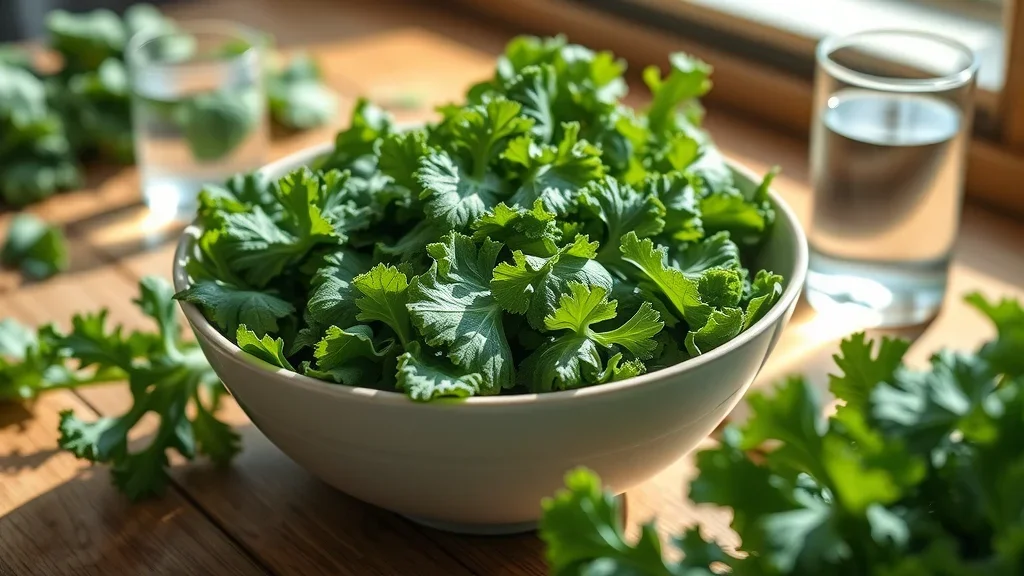
Ready to demystify the dark side of leafy greens? Let’s get started!Why Does Kale Cause Gas? Understanding the Surprising Side Effects of Eat KaleIf you’ve ever asked, does kale cause gas? you’re not aloneMedical experts clarify that even though kale is a nutritional powerhouse, its digestion can be tricky for some people. The high amounts of insoluble fiber, found most abundantly in raw kale and curly kale, move slowly through the large intestine. During this process, beneficial bacteria ferment the fibers and sugars, creating short-chain fatty acids—and unfortunately, gas. If you suddenly increase your intake of kale or other cruciferous vegetables, you might notice this side effect even more. How you prepare your leafy greens (raw or cooked) and your own digestive system’s adaptation also play significant roles in how your body reacts.Why does kale cause gas and bloating, even though it’s healthy?Scientific breakdown on raw kale, cooked kale, and the digestive systemHow to reduce discomfort when you eat kale and other leafy greensExpert and medical community perspectives, plus current studies citedOpening Thoughts: The Paradox of Leafy Green SuperfoodsWhy Do Healthy Foods Like Kale Sometimes Cause Digestive Health Problems?You might wonder: if kale is packed with nutrients and antioxidants, why does kale cause gas and bloating? The answer sits at the crossroads of nutrition and individualized digestionKale's role as a cruciferous vegetable means it contains tough plant compounds, such as cellulose and sulfur-rich glucosinolates, which can be hard for the digestive system to break down—especially in raw form. For some, this means stomach cramps, indigestion, or an unwanted bout of flatulence. Factors such as sudden dietary changes, consuming kale in large amounts, or a naturally sensitive gut amplify the risk. But recognizing your gut’s response to various leafy greens allows you to personalize how you enjoy these nutrient-dense foods without sacrificing comfort.What Happens in Your Body When You Eat Kale? Digestive System EffectsWhen you eat kale, your digestive system is put to work. The process begins in your mouth, where enzymes start to break down food, but most of kale’s transformation happens in the stomach and large intestine. Here, its high fiber content—mostly insoluble—pushes through your digestive tract, helping prevent constipation but also providing a feast for the microbes living in your large intestine. As these gut bacteria digest the fibrous and complex sugar components of kale, they release gas in the form of hydrogen, methane, and carbon dioxide, leading to bloating and flatulence.In addition, certain compounds in kale such as raffinose (a complex sugar) resist digestion in your small intestine. Once they reach the colon, these are rapidly fermented, further increasing gas production. For those with sensitive guts or preexisting digestive issues, large amounts of raw kale can exacerbate discomfort. But not all forms of kale act the same: cooking kale reduces the burden on your digestive system, altering the structure of complex sugars and tough fibers and making them easier to absorb and less likely to cause digestive side effects.For those interested in optimizing their overall nutrient intake while managing digestive discomfort, exploring foods rich in vitamin B12 can be especially beneficial. Incorporating a variety of B12-rich foods into your diet may help support energy levels and complement the benefits of leafy greens like kale.Raw Kale Versus Cooked Kale: Which Is Harder on Your System?Raw kale delivers the highest concentration of vitamins and antioxidants, but its tough fiber and nutrient density are double-edged swords for sensitive digestive tracts. Eating too much raw kale can lead to increased bloating, especially in those not used to high-fiber, cruciferous vegetables. Baby kale and tuscan kale might be a little gentler, but curly kale is especially fibrous and likely to cause more issues.On the flip side, cooked kale loses a small portion of heat-sensitive nutrients, but the process of steaming, sautéing, or boiling softens those tough fibers and breaks down some complex sugars. This makes cooked kale easier to digest and less likely to bother your bowel movements. If you love a kale salad but suffer digestive side effects, experiment with lightly steaming or sautéing the leaves—options like olive oil and lemon juice add both flavor and additional health benefits with fewer side effects.Table: Comparing the Fiber Content, Nutrients, and Side Effects of Raw Kale vs Cooked KaleRaw KaleCooked KaleFiber Content (per cup)2.6g (high)2.6g (density softened)Main NutrientsVitamins A, C, K, antioxidantsVitamins A, K (slightly reduced C), mineralsPotential Side EffectsMore gas, bloating, indigestion in sensitive gutLower risk of gas, easier to digestThe Role of Fiber Content in Kale and BloatingFiber is an essential part of digestive health—its benefits are well-documented, from regulating bowel movements to feeding beneficial gut bacteria. However, kale’s high fiber content—particularly insoluble fiber—can overwhelm some digestive systems. The rapid fermentation of these fibers and sugars is a main cause of gas. If you eat kale often, your body may adapt over time, but sudden increases in your diet can shock your digestive tract, causing bloating and cramps.Understanding how much kale is too much for your individual needs is key. Both raw kale and cooked kale offer benefits, but for those struggling with gas, moderated intake and varied preparation methods—like steaming, sautéing in olive oil, or even massaging baby kale for salads—can make it easier to digest. Rotating your leafy greens also supports a diverse gut microbiome, further enhancing your digestive health.Common Side Effects of Eating KaleGas and bloatingChanges in bowel movementsPotential thyroid interference (rare)Indigestion or stomach crampsQuote: Dr. Lina Patel, Registered Dietitian"In my practice, even healthy eaters can experience digestive discomfort when they suddenly increase their intake of leafy greens like kale — moderation and preparation methods matter."The Science Behind Why Kale Causes Gas—Current Studies on Kale, Fiber Content, and Digestive HealthCurrent research highlights the role of kale’s fiber content and fermentable sugars in gas production. According to studies published in journals such as Frontiers in Nutrition and the American Journal of Clinical Nutrition, complex carbohydrates, including raffinose and cellulose, are poorly digested in the small intestine. When these food particles reach the colon, gut bacteria break them down, producing gasses as natural byproducts. The more kale (and other high fiber foods) you eat, the higher the likelihood of these side effects, especially if your digestive tract isn’t used to digesting leafy greens regularly.The studies also reveal that cooking methods can influence how eating kale impacts your body. Boiling, steaming, or sautéing can lower the concentration of certain fermentable sugars and tough fibers, making kale less likely to trigger bloating. Despite occasional digestive upsets, researchers consistently affirm kale’s significant health benefits, from lowering cholesterol to promoting a healthy gut microbiome through its prebiotic effects.Quote: Dr. James O’Connor, Gastroenterologist"Certain fibers and natural sugars found in kale ferment in the digestive system, which can lead to gas and bloating in many individuals."Balancing Kale’s Health Benefits With Its Side EffectsFinding balance between kale’s renowned health benefits and its sometimes uncomfortable side effects requires both awareness and experimentation. Consuming kale—raw in a kale salad, lightly cooked, or blended—can boost your intake of antioxidants, vitamins, and minerals, while supporting your heart and immune system. But knowing your own limits, pacing your portion size, and adjusting for personal digestive quirks lets you harness the benefits of this leafy green without paying the price of gas and bloating.If you experience discomfort after eating kale, start small and try cooked versions first. Diversity is important: branching out to other leafy greens or rotating types of kale (curly kale, tuscan kale, baby kale) helps your gut adapt and sustains digestive health over time.How Cooking Kale Changes Its Side EffectsOne major way to manage the side effects of kale is to cook it. Cooking kale softens tough fibers and reduces the concentration of complex sugars like raffinose. Whether sautéed with olive oil, stewed, or added to soups, cooked kale is easier on the digestive system and much less likely to cause bloating or discomfort. Pairing kale with digestive aids such as lemon juice or a drizzle of healthy fat helps, too, as these elements support nutrient absorption and can make kale’s fibers gentler for sensitive stomachs."Cooking kale can break down tough fibers, making it easier to digest and less likely to cause bloating or gas." - Quote: Dr. Mia Chen, Nutrition ResearcherPractical Tips to Minimize Gas When You Eat Kale or Other Leafy Green VegetablesStart with small servings and gradually increase: Let your digestive system adjust—ramp up your leafy greens slowly over a few weeks.Try cooking kale before eating: Lightly sauté, steam, or boil. Cooking kale makes it easier to digest and helps prevent gas.Drink plenty of water: Hydration supports the passage of fiber through your digestive tract and can help ease bowel movements.Try digestive enzymes or probiotic supplements: These can support digestive health by helping your body break down fibers and promoting good gut bacteria."If you’re new to eating kale, sauté it lightly with olive oil and garlic to enhance not only the flavor but also the digestibility." - Quote: Chef Alana Rodriguez, Healthy Eating AuthorPeople Also Ask: How do you get rid of gas from kale?Digestive system tips: Immediate strategies for relief from gas after eating kaleIf you’re experiencing gas after eating kale, try these strategies: Drink a large glass of water to help move fiber along. Light exercise, such as a brisk walk, can stimulate digestion and help pass excess gas. Gentle stretches or poses like the “wind-relieving pose” can ease belly discomfort. For rapid relief, opt for cooked kale over raw kale in the future and consider including probiotic foods or supplements to bolster your gut bacteria for smoother digestion.People Also Ask: What are the worst foods for gas and bloating?List of notorious foods including kale, beans, broccoli, and others affecting digestive healthKale is not alone in its bloating effects. Other common offenders include:Beans and lentils (high in oligosaccharides)Broccoli, cauliflower, and other cruciferous vegetablesOnions and garlic (rich in fructans)Carbonated drinksWhole grains and high fiber bran cerealsCabbage and Brussels sproutsDairy (for those who are lactose intolerant)Each of these foods can challenge digestive health for some people, leading to gas and bloating, but they also offer important health benefits if enjoyed mindfully.People Also Ask: Does kale cause stinky gas?Sulfur compounds in kale and their impact on digestive system and gas odorKale contains natural sulfur compounds (such as glucosinolates), especially in raw form. When digested, gut bacteria break down these compounds, sometimes producing hydrogen sulfide—a gas notorious for its unpleasant, “rotten egg” smell. Not everyone will notice this, and cooking kale can help reduce the concentration of these sulfur-rich compounds. However, if you consistently notice stinky gas after eating kale, you may want to moderate your portion size or stick to cooked varieties to reduce the odor and support smoother digestive health.People Also Ask: How long does kale gas last?Timeline of digestive effects after eating kaleThe onset and duration of kale-induced gas varies based on your unique digestive system and other foods consumed. Generally, most people will notice symptoms of gas and bloating within 2 to 6 hours of eating kale, with effects dissipating within 12 to 24 hours after digestion is complete. Staying well-hydrated, choosing cooked kale, and gradually increasing fiber intake can significantly reduce the duration and intensity of these side effects. If issues persist, consult a registered dietitian for personalized advice.Frequently Asked Questions About Kale, Gas, and Digestive HealthHow much kale is too much for the digestive system?Most digestive experts recommend a serving of 1 to 2 cups of chopped kale per meal, especially when starting out. If you experience persistent gas or discomfort after increasing your intake, scale back and allow your gut bacteria to adjust before adding more leafy greens. Eating kale alongside other vegetables—and always with adequate hydration—can help your digestive system process high fiber foods more efficiently.Is kale more likely to cause gas if eaten raw or cooked?Raw kale is more likely to cause gas and bloating than cooked kale, due to its tough fibers and high levels of complex sugars like raffinose. Cooking kale makes it easier to digest by breaking down these plant compounds. If you love kale salads but struggle with digestive side effects, try lightly steaming or sautéing your greens for gentler digestion and fewer side effects.Are there any groups who should avoid kale because of side effects?While most people can tolerate moderate amounts of kale, individuals with preexisting thyroid issues or compromised digestive systems may need to limit intake. Kale contains goitrogens that can interfere with thyroid function in rare cases, especially when eaten raw in large amounts. Always consult with a healthcare provider or registered dietitian if you are unsure how kale fits into your individualized nutrition plan.Key Takeaways: Managing Gas and Enjoying Kale's Health BenefitsStart small, cook well, and listen to your body when you eat kale.Scientific evidence supports both kale’s health benefits and digestive side effects.If symptoms persist, discuss with a registered dietitian or healthcare provider.Final Thoughts and Next StepsPicture it as adjusting the sails on a windy day — small tweaks to how much and how you cook kale let you ride the breeze of its benefits without getting knocked around by gas."For those curious or cautious about dietary changes, information is your ally. Take what you’ve learned and apply it in ways that best suit your digestive health and personal wellness." – Michelle Evans, Wellness WriterIf you’re inspired to take a more holistic approach to your well-being, consider how gentle movement and lifestyle changes can further support your digestive and overall health. Our guide on gentle exercises for joint comfort offers practical routines that not only ease stiffness but can also promote better digestion and energy. Exploring these strategies alongside mindful eating can help you build a foundation for long-term vitality. Continue your wellness journey by integrating both nutrition and movement for a balanced, thriving lifestyle.Continue Exploring: Resources and Studies on Kale, Healthy Eating, and Digestive HealthTo continue your learning, you’ll find more articles and guides at NCWellnessHub.comReferences & Further ReadingFrontiers in Nutrition – The Impact of Kale Fibers on Gut HealthNational Institutes of Health – Dietary Fiber and Health OutcomesHarvard Health Publishing – The Benefits and Drawbacks of KaleAcademy of Nutrition and Dietetics – Should You Be Eating More Leafy Greens?Mayo Clinic – Causes of Gas and BloatingKale, a nutrient-dense leafy green, is celebrated for its health benefits but can cause gas and bloating in some individuals. This is primarily due to its high fiber content and the presence of raffinose, a complex sugar that ferments in the large intestine, producing gas. Cooking kale can help break down these fibers and sugars, making it easier to digest and reducing the likelihood of discomfort. (recipes.howstuffworks.com)Additionally, kale contains sulfur compounds, which, when digested, can produce hydrogen sulfide gas, contributing to bloating and flatulence. Introducing kale gradually into your diet and ensuring proper hydration can also help mitigate these effects. (apollo247.com)For more trusted health and wellness content, visit: NCWellnessHub.com

Terms of Service

Privacy Policy

Core Modal Title

Sorry, no results found

You Might Find These Articles Interesting

T
Please Check Your Email
We Will Be Following Up Shortly
*
*
*