
Add Row
Add Element
NC Wellness Hub
update
North Carolina Wellness Hub
update
Add Element
  • Home
  • Categories
    • Wellness
    • General Health
    • Holistic
    • News
    • Living & Travel
    • Lifestyle
    • Fitness & Exercise
    • Mental Health
    • Stress Management
    • FEATURE
    • Sleep
    • Allergies
    • Medicines & Supplements
    • Weight Loss
    • Kids Health
    • Fertility & Pregnancy
    • Cancer
    • Heart Health
    • Skin & Hair
    • Arthritis
    • Dental
    • Vision
  • Bone Health
  • Digestive
April 12.2026
1 Minute Read

Struggling with GLP-1 Constipation? Here's How to Find Relief

Did you know that up to 30% of GLP-1 users experience constipation? This common side effect can disrupt daily routines and impact your overall wellness

GLP-1 Constipation: An Overlooked Side Effect

GLP-1 receptor agonists—including medications such as Ozempic and others used to treat type 2 diabetes and support weight loss—have become increasingly popular due to their proven benefits for blood sugar management and weight reduction. However, one common side effect—constipation—often goes unaddressed.

What makes glp1 constipation so prevalent? GLP-1 receptor agonists slow gastric emptying and affect gut motility, meaning that food and waste move more slowly through your digestive tract

  • What is GLP-1 constipation and why is it such a common side effect?

  • The impact of GLP-1 receptor agonists on digestion and bowel movements

"Studies show that up to 30% of patients on GLP-1 receptor agonists report constipation as a side effect."
— Journal of Clinical Endocrinology & Metabolism (2022)
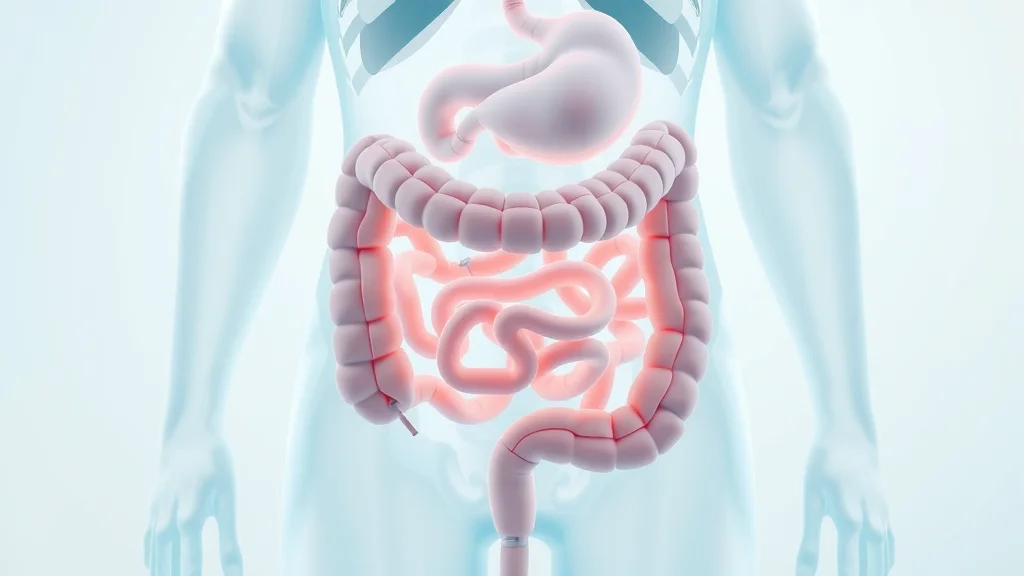
Medical infographic showing digestive system and constipation symptoms with intestines highlighted, relevant to glp1 constipation

What You'll Learn About Managing GLP-1 Constipation

  • Key causes of glp1 constipation

  • Evidence-based strategies for glp1 constipation relief

  • Lifestyle modifications and medical interventions for glp1 constipation

  • When to consult your doctor regarding GLP-1 related side effects

By the end of this guide, you’ll have actionable, practical knowledge and a clear plan for managing the side effects of GLP-1 medications, armed with tips that blend medical authority and real-world effectiveness.

Why Does Glp1 Constipation Happen? Mechanisms and Risk Factors

GLP-1 Receptor Agonists: How They Affect the Gut

GLP-1 receptor agonists—medications like semaglutide and liraglutide—mimic the effects of the body’s natural GLP-1 hormone. While primarily used to treat type 2 diabetes and assist with weight loss, these drugs also slow the digestive tract, particularly by delaying gastric emptying in the stomach and small intestine. This effect, while beneficial for blood sugar control, is also a leading driver of glp1 constipation and other side effects.

The effect on gut motility and transit time means that both solids and liquids remain in the intestines longer, reducing the frequency and ease of bowel movements. Compared to other common side effects—such as nausea or mild abdominal discomfort—constipation can be uniquely persistent and challenging. According to Dr. Amanda Lee, Endocrinologist at Yale Medicine,

"GLP-1 receptor agonists slow gastric emptying, which often leads to constipation."

Healthcare worker explaining gut health for GLP-1 users, highlighting constipation and digestive tract effects
  • Effect on gut motility and transit time

  • Comparison with other common side effects

Main Risk Factors for GLP-1 Constipation

Several factors influence who experiences constipation as a side effect:

  • Dosage and duration of GLP-1 receptor agonist therapy: Higher doses and longer use may intensify constipation.

  • Type of receptor agonist: Some formulations are more likely than others to cause slowed digestive transit.

  • Hydration status: Low fluid intake increases the risk of hard, dry stools.

  • Dietary fiber: Insufficient intake of soluble or insoluble fiber can worsen symptoms by providing less bulk to stools.

Being aware of these risk factors can empower you to take early or preventive action, such as adjusting your fiber intake and paying close attention to hydration, before side effects escalate.

In addition to dietary and hydration strategies, incorporating gentle movement can further support digestive health. For those seeking low-impact ways to stay active, exploring yoga stretches designed for recovery days may help stimulate gut motility and provide relief from constipation associated with GLP-1 medications.

Symptoms and Signs: Identifying GLP-1 Constipation

Recognizing glp1 constipation goes beyond simply noting infrequent bowel movements. Unique symptoms may include persistent bloating, excessive straining, the sensation of incomplete evacuation, and generalized abdominal discomfort. Some users also report a sudden shift from their prior digestive patterns as soon as GLP-1 therapy begins.

  • Symptoms unique to GLP-1 constipation as a side effect

  • When constipation from GLP-1 receptor agonist must be treated urgently

More urgent warning signs include severe abdominal pain, vomiting, inability to pass stool or gas, and significant distension. These may indicate an acute blockage, which requires prompt medical care. As Dr. Brian Chen, Internal Medicine at Mayo Clinic, urgently notes:

"If constipation is accompanied by severe abdominal pain or vomiting, seek medical attention immediately."

Adult patient with abdominal discomfort from glp1 constipation, sitting on a sofa and holding stomach, emphasizing the emotional and physical challenge

First Steps: Lifestyle Solutions for GLP1 Constipation

Most cases of glp1 constipation can be improved—sometimes dramatically—using targeted lifestyle adjustments supported by research. Focusing on fiber intake, increased fluid intake, and regular physical activity forms the cornerstone of relief.

Optimize Fiber Intake to Manage GLP1 Constipation

Increasing dietary fiber adds bulk to stools and softens them by drawing water into the digestive tract. Good sources of fiber include whole grains, beans, lentils, leafy greens, fruits, and vegetables. Soluble fiber such as that from oats or psyllium husk, and insoluble fiber from wheat bran or raw veggies, both play important roles. GLP-1 users should aim to slowly raise fiber intake to 25–30 grams per day and monitor how their body adjusts. Rapid increases in fiber can cause bloating, so gradual changes are key.

  • Dietary fiber intake: best sources for GLP-1 users

Healthy high-fiber breakfast for GLP-1 users showing whole grains, fruit, greens, and water to address constipation

Stay Hydrated: The Role of Fluid Intake in GLP-1 Constipation

Adequate fluid intake is critical to keeping stools soft and promoting regularity for those experiencing glp1 constipation. Water helps fiber work effectively by allowing it to swell and add volume to the stool, making it easier to pass. Most adults should aim for at least 8–10 cups of water daily, though those with higher fiber intake or engaging in significant physical activity may require more.

  • How fluid intake helps prevent and manage glp1 constipation

Regular Physical Activity to Alleviate GLP-1 Constipation

Exercise isn’t just good for weight management and heart health—it also directly influences bowel movement frequency and reduces the risk of constipation. Activities such as brisk walking, cycling, swimming, and gentle yoga can all stimulate the digestive tract and support more effective peristalsis. Even 20–30 minutes of physical activity most days can have profound benefits. Start slowly and choose enjoyable activities to help the habit stick.

  • Best exercise types for digestive health

Physically active adults walking in park to relieve glp1 constipation by stimulating digestive tract

Table: High-Fiber Foods and Recommended Fluid Intake for GLP-1 Users

High-Fiber Food

Fiber Content (per serving)

Recommended Water Pairing

Oats (1 cup cooked)

4g (soluble fiber)

1–2 cups water

Lentils (½ cup cooked)

7g

1 cup water

Apple (with skin)

4g

1 cup water

Leafy salads (2 cups mixed greens)

2g

1 cup water

Targeted Remedies: Supplements and Medications for GLP-1 Constipation

If lifestyle changes aren’t providing enough relief from GLP-1 related constipation, you may consider targeted supplements or medications as guided by medical professionals and clinical research. These options include fiber supplement products and stool softeners or laxatives.

Consider a Fiber Supplement for Glp1 Constipation

When dietary modifications fall short, fiber supplements like psyllium husk, methylcellulose, or inulin can offer additional support. These supplements are available in powders, capsules, and chewables, and help to add bulk to stool, making passage easier. Psyllium husk in particular has strong clinical backing for regularizing bowel movements in those experiencing constipation. Always introduce fiber supplements gradually and with plenty of water to prevent bloating or cramps.

  • Types of supplements and their effectiveness as a side effect remedy

Assorted fiber supplements and powder for GLP-1 constipation on a kitchen counter

Stool Softener and Laxative Options

For more stubborn glp1 constipation, over-the-counter stool softeners, such as docusate sodium, or osmotic laxatives like polyethylene glycol (MiraLAX), may be recommended. Clinical trials and expert guidelines suggest that osmotic laxatives are often first-line interventions for constipation linked to GLP-1 therapy (British Medical Journal, 2022).

"Osmotic laxatives are often first-line interventions for GLP-1-induced constipation."
— British Medical Journal (2022)

  • Best stool softeners for glp1 constipation as advised by clinical trials

  • When to consider over-the-counter vs. prescription therapies

If over-the-counter options fail, your provider might consider prescription approaches or adjust your GLP-1 regimen to balance the risks and benefits.

Medical Guidance: Talking to Your Doctor About GLP-1 Constipation

It's crucial to contact your healthcare provider if constipation persists despite home strategies, or if you develop severe symptoms. Your doctor can further tailor solutions, including adjusting your GLP-1 receptor agonist dosage, recommending different types of medications, or ruling out rare but serious complications like bowel obstruction.

Doctor discussing GLP-1 constipation remedies with patient, emphasizing trust and expertise
  • When lifestyle and at-home solutions aren’t enough

  • Adjustments to your GLP-1 receptor agonist therapy

"Always communicate persistent glp1 constipation or new side effects with your provider to fine-tune your regimen."
— Dr. Natasha Gupta, MD, Cleveland Clinic

How to relieve constipation from Ozempic?

  • Specific approaches for Ozempic users

  • Doctor recommendations and proven interventions

For users of Ozempic (semaglutide), focus on gradual increases in fiber intake and consistent fluid intake as first-line interventions. Incorporate pro-motility foods and gentle exercise. If symptoms persist, discuss with your doctor the potential use of fiber supplements and osmotic laxatives like polyethylene glycol.

Clinical experience and research recommend osmotic agents over stimulant laxatives due to better tolerance and efficacy in this population. Always report any severe or sudden changes in bowel movement patterns to ensure there are no serious complications.

Can GLP-1 Cause Bowel Blockage?

  • Warning signs of blockage versus typical constipation

  • What research says about bowel obstruction risk with GLP-1 treatments

While glp1 constipation is typically benign, in rare cases, these medications can contribute to slowed motility severe enough to risk bowel obstruction. Warning signs include intense abdominal pain, persistent vomiting, inability to pass gas, and abdominal swelling. Research notes this is rare, but underscores the importance of early intervention if symptoms escalate. If you suspect a blockage or develop severe symptoms, seek urgent medical assessment.

How Long Does GLP-1 Constipation Usually Last?

  • Typical timeline for onset and resolution

  • Factors influencing the duration of glp1 constipation

Most individuals begin experiencing constipation as a side effect within the first days to weeks of starting GLP-1 therapy. Mild symptoms may resolve with time and adjustments in diet or physical activity. However, for persistent cases, relief may require medications or therapy changes. Factors such as hydration status, fiber intake, overall health, and concurrent medications all influence duration and severity.

What Is the Best Laxative for Constipation Caused by Semaglutide?

  • Clinical best practices for semaglutide-induced constipation

  • Safety profiles and professional recommendations

The consensus among clinical experts is to begin with osmotic laxatives such as polyethylene glycol (MiraLAX) or lactulose for semaglutide-induced constipation. These are safe, effective, and generally well-tolerated for regular use. Stool softeners and fiber supplements are also recommended, but should be used in conjunction with adequate hydration.

Stimulant laxatives (such as senna or bisacodyl) are reserved for short-term use and under a doctor’s guidance, particularly if milder options fail. Consult your provider before starting any new medication.

GLP-1 Constipation: Other Frequently Asked Questions

  • Are there GLP-1 receptor agonists less likely to cause glp1 constipation?

  • Does weight loss relate to severity of glp1 constipation?

  • Does adjusting fiber or fluid intake help resolve all side effects?

  • What role does exercise play in reducing glp1 constipation from GLP-1 receptor agonists?

Some GLP-1 receptor agonist formulations, dosing regimens, or newer agents may carry a lower risk of constipation. Discuss with your provider if side effects are disrupting your regimen. Some evidence also suggests individuals who experience more rapid or significant weight loss may notice increased constipation, potentially due to changing diet or reduced calorie intake.

While fiber intake, fluid intake, and physical activity address the majority of side effects, severe symptoms should always be assessed medically. Exercise remains a powerful tool to encourage digestive motility and overall gut health in combination with lifestyle modifications.

Key Takeaways for GLP-1 Constipation Relief

Checklist for glp1 constipation relief with water, fruit, walking shoes, and medications
  • Build daily habits: Prioritize a high-fiber diet, optimal fluid intake, and regular physical activity.

  • Add fiber supplements or osmotic stool softeners if constipation persists.

  • Track symptoms: Seek medical attention for severe or worsening side effects.

  • Work collaboratively with your medical team to tailor your treatment for comfort and success.

Expert Video: GLP-1 Constipation and Your Health

Conclusion and Staying Informed on GLP-1 Constipation Management

  • Regular communication with healthcare providers

  • Keep up with new research on GLP-1 side effects and remedies

  • Explore more evidence-based wellness content at NCWellnessHub.com

In summary: Address GLP-1 constipation early with proven lifestyle strategies and collaborate with medical professionals for best outcomes.

If you’re committed to improving your overall well-being while managing GLP-1 side effects, consider how your daily habits can make a difference beyond digestion. Building a foundation of restorative sleep is another powerful way to support your body’s healing and metabolic processes.

For actionable guidance on optimizing your nightly routine and unlocking deeper wellness, explore our comprehensive resource on healthy sleeping habits that boost your well-being.

By integrating these holistic strategies, you’ll be better equipped to thrive on your health journey—one step, and one restful night, at a time. NCWellnessHub.com

References

  • Journal of Clinical Endocrinology & Metabolism – https://academic.oup.com/jcem/article/107/3/804/6412823

  • British Medical Journal – https://www.bmj.com/content/378/bmj-2022-070957

  • Mayo Clinic Proceedings – https://www.ncbi.nlm.nih.gov/pmc/articles/PMC10140812/

  • Yale Medicine – https://www.yalemedicine.org/conditions/glp-1-receptor-agonists

  • Cleveland Clinic – https://www.clevelandclinic.org/diabetes/glp1

Ready to feel better? Explore more practical, science-backed wellness content at NCWellnessHub

Managing constipation associated with GLP-1 receptor agonists can be challenging, but several resources offer valuable insights and strategies. The article “Constipation from GLP-1 Medications: Causes & Natural Fixes” provides natural remedies, including optimizing hydration and increasing fiber intake, to alleviate this side effect.

Additionally, “How To Manage Constipation On Zepbound And Other GLP-1 Medications: A Comprehensive Guide” offers comprehensive guidance on dietary adjustments and lifestyle changes to effectively manage constipation.

If you’re serious about improving your digestive health while on GLP-1 therapy, these resources will provide you with practical and evidence-based strategies. Discover more trusted wellness information at NCWellnessHub.com


Digestive

0 Comments

Write A Comment

*
*
Please complete the captcha to submit your comment.
Related Posts All Posts

Does Kale Cause Gas and Bloating? Why “Healthy” Foods Sometimes Backfire

Ready to demystify the dark side of leafy greens? Let’s get started!Why Does Kale Cause Gas? Understanding the Surprising Side Effects of Eat KaleIf you’ve ever asked, does kale cause gas? you’re not aloneMedical experts clarify that even though kale is a nutritional powerhouse, its digestion can be tricky for some people. The high amounts of insoluble fiber, found most abundantly in raw kale and curly kale, move slowly through the large intestine. During this process, beneficial bacteria ferment the fibers and sugars, creating short-chain fatty acids—and unfortunately, gas. If you suddenly increase your intake of kale or other cruciferous vegetables, you might notice this side effect even more. How you prepare your leafy greens (raw or cooked) and your own digestive system’s adaptation also play significant roles in how your body reacts.Why does kale cause gas and bloating, even though it’s healthy?Scientific breakdown on raw kale, cooked kale, and the digestive systemHow to reduce discomfort when you eat kale and other leafy greensExpert and medical community perspectives, plus current studies citedOpening Thoughts: The Paradox of Leafy Green SuperfoodsWhy Do Healthy Foods Like Kale Sometimes Cause Digestive Health Problems?You might wonder: if kale is packed with nutrients and antioxidants, why does kale cause gas and bloating? The answer sits at the crossroads of nutrition and individualized digestionKale's role as a cruciferous vegetable means it contains tough plant compounds, such as cellulose and sulfur-rich glucosinolates, which can be hard for the digestive system to break down—especially in raw form. For some, this means stomach cramps, indigestion, or an unwanted bout of flatulence. Factors such as sudden dietary changes, consuming kale in large amounts, or a naturally sensitive gut amplify the risk. But recognizing your gut’s response to various leafy greens allows you to personalize how you enjoy these nutrient-dense foods without sacrificing comfort.What Happens in Your Body When You Eat Kale? Digestive System EffectsWhen you eat kale, your digestive system is put to work. The process begins in your mouth, where enzymes start to break down food, but most of kale’s transformation happens in the stomach and large intestine. Here, its high fiber content—mostly insoluble—pushes through your digestive tract, helping prevent constipation but also providing a feast for the microbes living in your large intestine. As these gut bacteria digest the fibrous and complex sugar components of kale, they release gas in the form of hydrogen, methane, and carbon dioxide, leading to bloating and flatulence.In addition, certain compounds in kale such as raffinose (a complex sugar) resist digestion in your small intestine. Once they reach the colon, these are rapidly fermented, further increasing gas production. For those with sensitive guts or preexisting digestive issues, large amounts of raw kale can exacerbate discomfort. But not all forms of kale act the same: cooking kale reduces the burden on your digestive system, altering the structure of complex sugars and tough fibers and making them easier to absorb and less likely to cause digestive side effects.For those interested in optimizing their overall nutrient intake while managing digestive discomfort, exploring foods rich in vitamin B12 can be especially beneficial. Incorporating a variety of B12-rich foods into your diet may help support energy levels and complement the benefits of leafy greens like kale.Raw Kale Versus Cooked Kale: Which Is Harder on Your System?Raw kale delivers the highest concentration of vitamins and antioxidants, but its tough fiber and nutrient density are double-edged swords for sensitive digestive tracts. Eating too much raw kale can lead to increased bloating, especially in those not used to high-fiber, cruciferous vegetables. Baby kale and tuscan kale might be a little gentler, but curly kale is especially fibrous and likely to cause more issues.On the flip side, cooked kale loses a small portion of heat-sensitive nutrients, but the process of steaming, sautéing, or boiling softens those tough fibers and breaks down some complex sugars. This makes cooked kale easier to digest and less likely to bother your bowel movements. If you love a kale salad but suffer digestive side effects, experiment with lightly steaming or sautéing the leaves—options like olive oil and lemon juice add both flavor and additional health benefits with fewer side effects.Table: Comparing the Fiber Content, Nutrients, and Side Effects of Raw Kale vs Cooked KaleRaw KaleCooked KaleFiber Content (per cup)2.6g (high)2.6g (density softened)Main NutrientsVitamins A, C, K, antioxidantsVitamins A, K (slightly reduced C), mineralsPotential Side EffectsMore gas, bloating, indigestion in sensitive gutLower risk of gas, easier to digestThe Role of Fiber Content in Kale and BloatingFiber is an essential part of digestive health—its benefits are well-documented, from regulating bowel movements to feeding beneficial gut bacteria. However, kale’s high fiber content—particularly insoluble fiber—can overwhelm some digestive systems. The rapid fermentation of these fibers and sugars is a main cause of gas. If you eat kale often, your body may adapt over time, but sudden increases in your diet can shock your digestive tract, causing bloating and cramps.Understanding how much kale is too much for your individual needs is key. Both raw kale and cooked kale offer benefits, but for those struggling with gas, moderated intake and varied preparation methods—like steaming, sautéing in olive oil, or even massaging baby kale for salads—can make it easier to digest. Rotating your leafy greens also supports a diverse gut microbiome, further enhancing your digestive health.Common Side Effects of Eating KaleGas and bloatingChanges in bowel movementsPotential thyroid interference (rare)Indigestion or stomach crampsQuote: Dr. Lina Patel, Registered Dietitian"In my practice, even healthy eaters can experience digestive discomfort when they suddenly increase their intake of leafy greens like kale — moderation and preparation methods matter."The Science Behind Why Kale Causes Gas—Current Studies on Kale, Fiber Content, and Digestive HealthCurrent research highlights the role of kale’s fiber content and fermentable sugars in gas production. According to studies published in journals such as Frontiers in Nutrition and the American Journal of Clinical Nutrition, complex carbohydrates, including raffinose and cellulose, are poorly digested in the small intestine. When these food particles reach the colon, gut bacteria break them down, producing gasses as natural byproducts. The more kale (and other high fiber foods) you eat, the higher the likelihood of these side effects, especially if your digestive tract isn’t used to digesting leafy greens regularly.The studies also reveal that cooking methods can influence how eating kale impacts your body. Boiling, steaming, or sautéing can lower the concentration of certain fermentable sugars and tough fibers, making kale less likely to trigger bloating. Despite occasional digestive upsets, researchers consistently affirm kale’s significant health benefits, from lowering cholesterol to promoting a healthy gut microbiome through its prebiotic effects.Quote: Dr. James O’Connor, Gastroenterologist"Certain fibers and natural sugars found in kale ferment in the digestive system, which can lead to gas and bloating in many individuals."Balancing Kale’s Health Benefits With Its Side EffectsFinding balance between kale’s renowned health benefits and its sometimes uncomfortable side effects requires both awareness and experimentation. Consuming kale—raw in a kale salad, lightly cooked, or blended—can boost your intake of antioxidants, vitamins, and minerals, while supporting your heart and immune system. But knowing your own limits, pacing your portion size, and adjusting for personal digestive quirks lets you harness the benefits of this leafy green without paying the price of gas and bloating.If you experience discomfort after eating kale, start small and try cooked versions first. Diversity is important: branching out to other leafy greens or rotating types of kale (curly kale, tuscan kale, baby kale) helps your gut adapt and sustains digestive health over time.How Cooking Kale Changes Its Side EffectsOne major way to manage the side effects of kale is to cook it. Cooking kale softens tough fibers and reduces the concentration of complex sugars like raffinose. Whether sautéed with olive oil, stewed, or added to soups, cooked kale is easier on the digestive system and much less likely to cause bloating or discomfort. Pairing kale with digestive aids such as lemon juice or a drizzle of healthy fat helps, too, as these elements support nutrient absorption and can make kale’s fibers gentler for sensitive stomachs."Cooking kale can break down tough fibers, making it easier to digest and less likely to cause bloating or gas." - Quote: Dr. Mia Chen, Nutrition ResearcherPractical Tips to Minimize Gas When You Eat Kale or Other Leafy Green VegetablesStart with small servings and gradually increase: Let your digestive system adjust—ramp up your leafy greens slowly over a few weeks.Try cooking kale before eating: Lightly sauté, steam, or boil. Cooking kale makes it easier to digest and helps prevent gas.Drink plenty of water: Hydration supports the passage of fiber through your digestive tract and can help ease bowel movements.Try digestive enzymes or probiotic supplements: These can support digestive health by helping your body break down fibers and promoting good gut bacteria."If you’re new to eating kale, sauté it lightly with olive oil and garlic to enhance not only the flavor but also the digestibility." - Quote: Chef Alana Rodriguez, Healthy Eating AuthorPeople Also Ask: How do you get rid of gas from kale?Digestive system tips: Immediate strategies for relief from gas after eating kaleIf you’re experiencing gas after eating kale, try these strategies: Drink a large glass of water to help move fiber along. Light exercise, such as a brisk walk, can stimulate digestion and help pass excess gas. Gentle stretches or poses like the “wind-relieving pose” can ease belly discomfort. For rapid relief, opt for cooked kale over raw kale in the future and consider including probiotic foods or supplements to bolster your gut bacteria for smoother digestion.People Also Ask: What are the worst foods for gas and bloating?List of notorious foods including kale, beans, broccoli, and others affecting digestive healthKale is not alone in its bloating effects. Other common offenders include:Beans and lentils (high in oligosaccharides)Broccoli, cauliflower, and other cruciferous vegetablesOnions and garlic (rich in fructans)Carbonated drinksWhole grains and high fiber bran cerealsCabbage and Brussels sproutsDairy (for those who are lactose intolerant)Each of these foods can challenge digestive health for some people, leading to gas and bloating, but they also offer important health benefits if enjoyed mindfully.People Also Ask: Does kale cause stinky gas?Sulfur compounds in kale and their impact on digestive system and gas odorKale contains natural sulfur compounds (such as glucosinolates), especially in raw form. When digested, gut bacteria break down these compounds, sometimes producing hydrogen sulfide—a gas notorious for its unpleasant, “rotten egg” smell. Not everyone will notice this, and cooking kale can help reduce the concentration of these sulfur-rich compounds. However, if you consistently notice stinky gas after eating kale, you may want to moderate your portion size or stick to cooked varieties to reduce the odor and support smoother digestive health.People Also Ask: How long does kale gas last?Timeline of digestive effects after eating kaleThe onset and duration of kale-induced gas varies based on your unique digestive system and other foods consumed. Generally, most people will notice symptoms of gas and bloating within 2 to 6 hours of eating kale, with effects dissipating within 12 to 24 hours after digestion is complete. Staying well-hydrated, choosing cooked kale, and gradually increasing fiber intake can significantly reduce the duration and intensity of these side effects. If issues persist, consult a registered dietitian for personalized advice.Frequently Asked Questions About Kale, Gas, and Digestive HealthHow much kale is too much for the digestive system?Most digestive experts recommend a serving of 1 to 2 cups of chopped kale per meal, especially when starting out. If you experience persistent gas or discomfort after increasing your intake, scale back and allow your gut bacteria to adjust before adding more leafy greens. Eating kale alongside other vegetables—and always with adequate hydration—can help your digestive system process high fiber foods more efficiently.Is kale more likely to cause gas if eaten raw or cooked?Raw kale is more likely to cause gas and bloating than cooked kale, due to its tough fibers and high levels of complex sugars like raffinose. Cooking kale makes it easier to digest by breaking down these plant compounds. If you love kale salads but struggle with digestive side effects, try lightly steaming or sautéing your greens for gentler digestion and fewer side effects.Are there any groups who should avoid kale because of side effects?While most people can tolerate moderate amounts of kale, individuals with preexisting thyroid issues or compromised digestive systems may need to limit intake. Kale contains goitrogens that can interfere with thyroid function in rare cases, especially when eaten raw in large amounts. Always consult with a healthcare provider or registered dietitian if you are unsure how kale fits into your individualized nutrition plan.Key Takeaways: Managing Gas and Enjoying Kale's Health BenefitsStart small, cook well, and listen to your body when you eat kale.Scientific evidence supports both kale’s health benefits and digestive side effects.If symptoms persist, discuss with a registered dietitian or healthcare provider.Final Thoughts and Next StepsPicture it as adjusting the sails on a windy day — small tweaks to how much and how you cook kale let you ride the breeze of its benefits without getting knocked around by gas."For those curious or cautious about dietary changes, information is your ally. Take what you’ve learned and apply it in ways that best suit your digestive health and personal wellness." – Michelle Evans, Wellness WriterIf you’re inspired to take a more holistic approach to your well-being, consider how gentle movement and lifestyle changes can further support your digestive and overall health. Our guide on gentle exercises for joint comfort offers practical routines that not only ease stiffness but can also promote better digestion and energy. Exploring these strategies alongside mindful eating can help you build a foundation for long-term vitality. Continue your wellness journey by integrating both nutrition and movement for a balanced, thriving lifestyle.Continue Exploring: Resources and Studies on Kale, Healthy Eating, and Digestive HealthTo continue your learning, you’ll find more articles and guides at NCWellnessHub.comReferences & Further ReadingFrontiers in Nutrition – The Impact of Kale Fibers on Gut HealthNational Institutes of Health – Dietary Fiber and Health OutcomesHarvard Health Publishing – The Benefits and Drawbacks of KaleAcademy of Nutrition and Dietetics – Should You Be Eating More Leafy Greens?Mayo Clinic – Causes of Gas and BloatingKale, a nutrient-dense leafy green, is celebrated for its health benefits but can cause gas and bloating in some individuals. This is primarily due to its high fiber content and the presence of raffinose, a complex sugar that ferments in the large intestine, producing gas. Cooking kale can help break down these fibers and sugars, making it easier to digest and reducing the likelihood of discomfort. (recipes.howstuffworks.com)Additionally, kale contains sulfur compounds, which, when digested, can produce hydrogen sulfide gas, contributing to bloating and flatulence. Introducing kale gradually into your diet and ensuring proper hydration can also help mitigate these effects. (apollo247.com)For more trusted health and wellness content, visit: NCWellnessHub.com

Better Than Aspirin? Why the Meadowsweet Plant is the Pain Reliever Your Gut Will Love

“Nature itself is the best physician.” Discover how the meadowsweet plant offers a gentle, gut-friendly alternative to traditional pain relievers. Embrace a natural remedy that soothes pain without harming your digestive system—because caring for your body means trusting nature’s wisdom. In this guide, you’ll learn about meadowsweet’s powerful healing properties, its rich history, and how it compares to common medications like aspirin. Get ready to discover a botanical ally for both pain relief and digestive support."Nature itself is the best physician": Exploring the Healing Power of the Meadowsweet Plant“The meadowsweet plant offers a combination of gentle pain relief with digestive support, making it a unique herbal ally.” – Dr. Sarah Nguyen, NDGut health: Soothes and protects the digestive tractNatural pain reduction: Provides relief without harsh effectsTradition-backed remedy: Centuries of trusted healingIf you’re searching for a natural, safe way to ease discomfort, meadowsweet plant may be your answer. Unlike many over-the-counter painkillers, this wildflower brings more than just physical relief. Known scientifically as Filipendula ulmaria, meadowsweet has been cherished in herbal medicine for its remarkable ability to tame aches and soothe upset stomachs—all by harnessing nature’s innate chemistry. Not only does it thrive in full sun to partial shade and in moist soil, but its creamy clusters of white flowers brighten damp meadows and wild flower fields across Europe and North America. When used correctly, it can be a powerful and gentle addition to your natural health toolkit.For those interested in how gut health influences overall well-being, especially when managing digestive discomfort or conditions like diverticulitis, you may find it helpful to explore essential insights on diverticulitis and digestive health from a surgical perspective. Understanding the broader context of digestive care can further inform your approach to natural remedies like meadowsweet.What You’ll Learn About the Meadowsweet PlantHow meadowsweet works as a pain relieverThe science behind its gut-friendly qualitiesDifferences between meadowsweet and aspirinSafe usage, potential benefits, and moreBy the end of this article, you’ll not only know why the meadowsweet plant is favored by many, but also how it can safely fit into your wellness routine, how it compares to other pain relievers, and how modern research backs up its traditional acclaim. Let’s dive into the roots—and the science—of this unique herb.Meadowsweet Plant (Filipendula ulmaria): Overview and History“Filipendula ulmaria has been valued in both European and North American herbal traditions for centuries.” – Dr. Amanda Lewis, HerbalistOrigins in Europe and introduction to North AmericaOther names: Queen of the Meadow, Spiraea ulmaria, MeadwortTraditional uses: From pain relief to fevers in folk medicineThe meadowsweet plant, or Filipendula ulmaria, is native to Europe but has become naturalized in North America. You’ll find this herbaceous perennial thriving in damp meadows, wet woods, and along stream banks where it basks in full sun or partial sun. The plant’s elegant clusters of white flowers are unmistakable in the summer, often filling the air with a sweet, almond-like scent. Over the centuries, meadowsweet has garnered many common names, including Queen of the Meadow and Meadwort, reflecting both its medicinal value and its role in flavoring wine and mead.Historically, meadowsweet was a prized remedy for aches, headaches, and digestive disorders, long before synthetic drugs existed. It even held ceremonial importance—according to legends, it was a favorite flower of Queen Elizabeth I of England and spread across North American gardens as settlers recognized its usefulness. Its resilience means that meadowsweet grows in damp environments and can even handle periods of shade making it a common sight among native and naturalized wild flowers in both continents, especially mid to late summer.How the Meadowsweet Plant Relieves Pain: Salicylic Acid in Action“While both aspirin and meadowsweet contain salicylic compounds, the plant’s natural synergy appears gentler on the digestive tract.” – Dr. James Porter, PhD PharmacognosyNatural sources of salicylic acid: Present in flower, leaf, and rootComparison: Synthesized aspirin vs. natural plant sourceAbsorption: When consumed as tea or tincture, meadowsweet’s natural salicylic acid is slowly released and absorbed, providing pain-relieving effects that mimic aspirin but with herbal compounds that moderate irritation.Modulation of Pain Pathways: Salicylic derivatives in meadowsweet inhibit the enzymes responsible for producing inflammatory molecules, reducing pain and swelling in a way similar to non-steroidal anti-inflammatory drugs (NSAIDs).Digestive Protection: Unlike aspirin, meadowsweet contains soothing tannins and mucilage that protect the stomach lining, reducing the risk of ulcers or gastrointestinal discomfort—a core, gut-friendly benefit.Both meadowsweet plant and aspirin owe their pain relief to salicylic acid compounds. However, what sets meadowsweet apart is its natural synergy—the presence of flavonoids, tannins, and essential oils helps buffer the digestive tract. This makes it well-tolerated, even by those sensitive to synthetic painkillers. For those who need ongoing pain management, the gentle nature of meadowsweet can be transformative. Its interaction with pain pathways is complex and holistic, targeting both inflammation and discomfort through slow, steady absorption—an important distinction from immediate-release synthetic drugs.Gut-Friendly Benefits of the Meadowsweet PlantComparison of Digestive Effects: Aspirin vs. Meadowsweet PlanAspectAspirinMeadowsweet PlantRisk of stomach irritationHigh – may cause ulcers, gastritisLow – soothes digestive tissuesGut flora supportNo – may disrupt microbiomeYes – gentle on gut bacteriaAnti-inflammatory actionStrong but harshModerate and well-balancedAdapted for sensitive usersNoYesSoothing action on the stomach liningWhy meadowsweet may support gut floraCase study: Patient experiences with meadowsweet“My clinical practice often sees patients tolerate meadowsweet where conventional NSAIDs caused discomfort.” – Dr. Elena Romano, MD, Integrative MedicineUnlike aspirin, the meadowsweet plant is famous for its positive effects on digestive health. Aside from minimizing irritation, its natural compounds—like tannins and polysaccharides—actually protect and soothe the gastric mucosa. This makes it especially valuable for those prone to heartburn, indigestion, or gastritis. Current studies indicate that drinking meadowsweet tea, made from the dried flowers, does not disturb the balance of healthy gut bacteria. In fact, traditional records and new clinical case reports mention meadowsweet’s ability to lessen digestive pain and discomfort, making it a remarkable gut-friendly choice for regular use.Case studies highlight patients who experienced stomach distress from NSAIDs but found relief and comfort with meadowsweet. Its unique synergy—a blend of anti-inflammatory and mucilaginous (soothing) compounds—continues to intrigue researchers, suggesting that the plant’s time-honored reputation for supporting gut health is well-deserved.Meadowsweet Plant Safety, Dosage, and Potential InteractionsRecommended forms: Tea, tincture, capsulesDosage: Adults: 2–3g dried herb per day (tea); Children: consult an herbalist/NDInteractions: Consult your provider if you are on blood thinners, allergy to salicylates, or pregnantMeadowsweet is generally safe for most people when used as directed. The most common use is as a tea—steeping 1–2 teaspoons of the dried flowers or leaves in hot water for 10 minutes. Tinctures and encapsulated forms are available for those who prefer standardized dosing. For adults, moderate doses (2–3g dried herb per day) are considered effective and low-risk. For children, or those with sensitive systems, professional supervision is recommended. Always discuss new remedies with your healthcare provider, especially for those with known allergies to aspirin or salicylic acid, those on anticoagulants, or women who are pregnant or breastfeeding. Adverse reactions are rare but possible, emphasizing the importance of personalized guidance.How Meadowsweet Plant Compares to Other Herbal Pain RelieversComparison: Willow bark, turmeric, gingerEfficacy, safety, and digestive effectsWhen stacked against other herbal remedies, the meadowsweet plant holds its own. Willow bark is rich in salicylates like meadowsweet, but can be harsher on the stomach; turmeric is celebrated for anti-inflammatory power but may not directly relieve pain as swiftly; ginger supports digestive comfort and reduces mild pain, particularly in the case of muscle or joint aches.What makes meadowsweet unique is its balance: it blends gentle pain relief (thanks to salicylic acid) with a protective, anti-inflammatory action on the gut lining. For those with sensitive digestive systems, this can make all the difference between suffering and comfort. In terms of safety, meadowsweet stands out for its low risk of side effects and traditional integration across both European and North American herbal medicine. Its moderate efficacy, well-matched with its digestive harmony, often makes it the top choice for ongoing, low-risk pain management.Traditional and Modern Uses of the Meadowsweet Plant in North America and BeyondCurrent research findings highlight both anti-inflammatory and antimicrobial benefitsIntegration in traditional herbal practices: European, Native American, and holistic wellnessTable: Regions and Herbal Traditions Using Meadowsweet PlantRegionTraditional UsePreparationEuropePain relief, fevers, digestive aidTea, tincture, wine/mead flavorNorth AmericaInflammation, joint aches, stomach painTea, poultice, mixed with wild flowersAsiaMild pain, ceremonial usesInfusions, dried flowers in blendsIn both folk and modern herbalism, the meadowsweet plant has found a home among trusted gut-friendly remedies. Across Europe, it’s “Queen of the Meadow”— prized for reducing fevers and calming digestive upsets. Indigenous and early settlers in North America adopted it for joint complaints, headaches, and to flavor beverages. Today, as painkiller side effects are increasingly scrutinized, meadowsweet’s reputation is on the rise: modern science confirms many of its uses, from anti-inflammatory benefits to the positive impact on gut flora.How to Prepare and Use the Meadowsweet Plant for Pain ReliefBoil water (just off the boil, about 95°C/200°F).Add 1–2 teaspoons of dried meadowsweet flowers or leaves to your cup or teapot.Pour water over herbs and steep for 10–15 minutes.Strain and enjoy up to 2–3 cups daily for pain or digestive support.Meadowsweet tincture: Steep fresh or dried meadowsweet in alcohol for 2–4 weeks. Store in glass, away from sunlight.Recipes and blends: Pair meadowsweet with chamomile for calming tea, or with ginger for added anti-inflammatory benefit. Try infusing panna cotta or desserts with meadowsweet for a unique floral flavor.“From tea to tincture, meadowsweet can be easily incorporated into daily wellness routines.” – Holly Stevens, RH (Registered Herbalist)The Meadowsweet Plant and Scientific Research: What the Evidence ShowsReview of peer-reviewed research on meadowsweet confirms anti-inflammatory, antimicrobial, and gastroprotective action.Summary of clinical trials: Effective in mild pain and safe for GI tract; more research needed for chronic pain.Gaps in evidence: Larger-scale clinical trials and standardized dosage studies required.Modern research upholds many of the meadowsweet plant’s traditional uses. Peer-reviewed studies reveal not only a gentle anti-inflammatory effect but also notable digestive support, due to the plant’s ability to curb excess stomach acid and encourage beneficial bacteria. Small-scale clinical trials and observational case reports highlight improved comfort in patients with sensitive stomachs compared to those using NSAIDs. However, experts note gaps in large population studies and standardization. As science catches up, more robust data is needed to optimize its medicinal applications for a broader audience.People Also Ask About the Meadowsweet PlantWhat is meadowsweet herb good for?The meadowsweet plant is well-known for relieving occasional headaches, joint pain, and even digestive complaints like heartburn or nausea. Traditionally used for its anti-inflammatory and pain-reducing properties, it also helps to soothe and protect the digestive tract, making it a popular herbal support for those with sensitive stomachs.What is another name for meadowsweet?Meadowsweet is also known as Queen of the Meadow, Spiraea ulmaria, meadwort, and filipendula ulmaria. These names reflect its historic use in flavoring beverages (like mead) and its place among beautiful wild flowers of European and North American grasslands.Does meadowsweet spread?Yes—meadowsweet is a robust perennial plant that spreads by rhizomes and can naturalize in gardens and wild spaces. It often thrives in damp meadows or moist soil, forming lush stands with its iconic clusters of white flowers. Some gardeners manage its vigor by planting it in contained beds or alongside compatible wild flower species.Can you eat meadowsweet?Absolutely! Both the flowers and young leaves of the meadowsweet plant are edible and have been used in culinary traditions—think infusions for teas or as a unique flavor in desserts like panna cotta. Always confirm correct identification and avoid wild harvesting in polluted areas.FAQs: Meadowsweet Plant EssentialsIs the meadowsweet plant safe for everyone?While generally safe, meadowsweet should be avoided by those with allergies to salicylates or aspirin, as well as pregnant women, unless guided by a healthcare professional. Consult your doctor before use, especially if you take blood thinners.Can children use meadowsweet plant remedies?With professional guidance, meadowsweet has been used for mild pain and fevers in children, but always consult a pediatric herbalist or ND for exact doses and safety considerations.Is meadowsweet plant suitable for long-term use?Yes—when used in moderate amounts and as directed, meadowsweet is believed to be safe for long-term support. Monitoring and periodic reassessment is wise, as with all herbal remedies.How does meadowsweet compare to common OTC painkillers?Unlike many over-the-counter NSAIDs, meadowsweet offers similar pain-relieving effects without the same harsh impact on the gut, earning it a favored spot in both contemporary and traditional herbal medicine cabinets.Key Takeaways on the Meadowsweet Plant as a Pain RelieverMeadowsweet plant provides gentle, effective pain reliefSupports gut health—unlike most standard painkillersBacked by tradition and growing scientific studiesFurther Reading and Source ListPeer-reviewed articles on Filipendula ulmariaStudies on natural salicylic acid sourcesExpert commentary and clinical case reportsReady to Try the Meadowsweet Plant? Talk to Your Healthcare Provider FirstIf you’re curious about the meadowsweet plant, always consult a qualified healthcare provider or licensed herbalist before starting any new remedy—especially if you have existing health conditions, are pregnant, or take other medications.If you’re inspired by the natural healing potential of meadowsweet, consider broadening your understanding of how environmental factors and seasonal changes can impact your overall wellness. For instance, learning about the effects of North Carolina’s yellow dust phenomenon on allergies and respiratory health can help you make more informed choices for holistic self-care. Discover how environmental awareness and proactive strategies can complement your herbal regimen by exploring the hidden truths behind North Carolina’s yellow dust and its impact on your health. Taking a comprehensive approach to wellness empowers you to protect and nurture your body—inside and out.Meadowsweet (Filipendula ulmaria) is a perennial herbaceous plant native to Europe and Western Asia, commonly found in damp meadows, ditches, and riverbanks. It is known for its sweet-smelling, creamy-white flowers that bloom from June to September. (wildlifetrusts.org)Historically, meadowsweet has been valued for its medicinal properties, particularly its ability to relieve pain and reduce inflammation. The plant contains salicylates, compounds similar to those found in aspirin, which contribute to its analgesic effects. (webmd.com)Unlike synthetic aspirin, meadowsweet also possesses compounds that can soothe and protect the digestive tract, making it a gentler alternative for pain relief. However, due to the presence of salicylates, individuals with aspirin allergies or those on blood-thinning medications should consult a healthcare professional before using meadowsweet. (healthline.com)In addition to its medicinal uses, meadowsweet has been traditionally used to flavor wines, beers, and vinegars, and its flowers can be added to stewed fruit and jams to impart a subtle almond flavor. (en.wikipedia.org)For those interested in cultivating meadowsweet, it thrives in moist soils with full to partial sun exposure and can be propagated from seeds or cuttings. The plant is hardy in zones 3-8 and typically flowers in its third year of growth. (canr.msu.edu)In summary, meadowsweet offers a natural, gut-friendly alternative to traditional pain relievers, with a rich history of medicinal and culinary uses. Its unique combination of pain-relieving and digestive-soothing properties makes it a valuable addition to natural health practices. NCWellnessHub.com

Struggling with Lactose Intolerance? Here’s How to Find Relief

Did you know that lactose intolerance affects nearly 65% of the global population? Understanding this common digestive challenge is key to finding effective relief and improving your daily comfort. In this comprehensive guide, you'll discover simple, proven strategies to manage lactose intolerance, improve your daily quality of life, and enjoy food without fear.Whether you're newly diagnosed or looking for better symptom control, this article provides actionable tips, clear explanations, and expert-backed insights to help you take charge of your digestive health. Understanding Lactose Intolerance: Prevalence and ImpactLactose intolerance is among the most prevalent digestive conditions worldwide, impacting millions across every continent. This digestive disorder occurs when your body lacks sufficient lactase enzyme—the crucial protein that helps break down lactose found in many common milk products. Prevalence rates differ dramatically between regions and ethnic groups: in some East Asian populations, up to 90% experience some form of lactose intolerance, while rates are much lower in Northern Europe. People with lactose intolerance may find that even a small amount of dairy triggers uncomfortable symptoms, making everyday activities and social meals challenging.Lactose intolerance doesn't only disrupt digestion; it can also affect your nutrition, eating habits, and overall well-being. Many individuals struggle to maintain adequate intake of calcium and vitamin D if they avoid dairy, and may experience secondary impacts on bone health, energy levels, and even social situations. Recognizing how widespread and impactful lactose intolerance can be is the first step to managing it effectively and improving your quality of life. Key facts on lactose intolerance prevalencePopulations in East Asia, parts of Africa, South America, and Southern Europe are most affectedThose at risk include adults, certain ethnic groups, and individuals after gastrointestinal illnessCan disrupt nutrition, daily routines, and social experiences"Lactose intolerance doesn't just affect your gut; it can impact your nutrition and quality of life." – Dr. Janice Morrison, RDWhat You'll Learn About Lactose IntoleranceWhat causes lactose intolerance and its different typesHow lactose intolerance is diagnosedEffective symptom management strategiesThe role of diet, medications, and lifestyle modificationsEvidence-based insights from licensed medical professionalsWhat Is Lactose Intolerance?Definition and Overview of Lactose IntoleranceLactose intolerance is a digestive condition resulting from the body’s inability to fully digest lactose, the main sugar in milk and dairy products. This occurs due to insufficient production of an enzyme called lactase, which is produced in the small intestine. When lactase enzyme levels are low, undigested lactose passes into the colon, where it is fermented by bacteria, leading to symptoms such as bloating, abdominal pain, and diarrhea. This condition can range from minor discomfort after consuming dairy foods, to significant digestive distress with even small amounts of milk product.Hydrogen breath test is commonly used for diagnosisReaction to dairy product consumption is a classic indicatorLactase enzyme deficiency underpins all types of lactose intoleranceLactose intolerance should not be confused with a milk allergy, which involves the immune system reacting to milk proteins, not lactose itself. Understanding this distinction is crucial for getting the right treatment and dietary advice.Types of Lactose Intolerance: Primary, Secondary, and CongenitalPrimary Lactose IntolerancePrimary lactose intolerance is the most common form, developing gradually over time as lactase production naturally decreases after childhood. This process, driven largely by your genetic makeup, means that many adults—especially those from certain ethnic backgrounds—lose the ability to digest lactose as efficiently as when they were children.The result is that consuming standard dairy products such as milk, ice cream, or cheese can lead to the classic symptoms of lactose intolerance for millions worldwide. While some people may tolerate small amounts of dairy without issue, others may react to even traces of lactose in their diet. Secondary Lactose IntoleranceSecondary lactose intolerance arises when the small intestine is damaged from an illness, injury, or surgery, reducing the body’s lactase enzyme levels. Examples include gastroenteritis, celiac disease, Crohn’s disease, and certain medications that inflame or harm the gut lining.Unlike primary lactose intolerance, secondary types can be temporary; once the underlying condition heals and the intestinal lining recovers, lactase production—and lactose digestion—may return toward normal. Recognizing this difference is important because it means that some forms of lactose intolerance are potentially reversible with appropriate medical care.Congenital and Developmental Lactose IntoleranceRarely, lactose intolerance can be congenital—meaning a baby is born with an inability to produce lactase enzymes due to an inherited genetic mutation. Developmental lactose intolerance sometimes occurs in premature infants, where the small intestine has not matured enough to produce normal lactase levels. While congenital lactose intolerance requires complete lifelong avoidance of lactose, developmental types usually improve as the infant’s gut matures. These rare forms highlight the vital role of genetics and early development in digestive health."Recognition of the type of lactose intolerance determines best management. Secondary lactose intolerance can sometimes be reversed." – Dr. Kaushik Patel, GastroenterologistSymptoms of Lactose IntoleranceCommon Symptoms of Lactose IntoleranceThe symptoms of lactose intolerance typically begin within half an hour to two hours after consuming milk or dairy products. The severity and combination of symptoms can vary depending on how much lactose was ingested, the amount of lactase enzyme in the digestive system, and each individual's sensitivity. Most people with lactose intolerance will experience a combination of the following after eating dairy foods:BloatingAbdominal painGasDiarrheaNausea These symptoms of lactose intolerance result from undigested lactose accumulating in the colon, where gut bacteria ferment it, creating gas and drawing water into the bowel. Not everyone with lactose intolerance experiences all symptoms; some can tolerate small amounts of milk products, while others react to trace levels. Tracking your symptoms can help you identify patterns and manage your intake of dairy foods accordingly.For those managing digestive sensitivities, it's also helpful to understand how other foods—such as fruits—can impact gut health. If you're curious about which fruits are gentle on digestion, especially for those following a low FODMAP diet, you might find this guide on whether grapes are considered low FODMAP particularly insightful.Why Do Symptoms of Lactose Intolerance Occur?The uncomfortable symptoms of lactose intolerance occur because the body cannot digest lactose due to a shortage of the lactase enzyme in the small intestine. As a result, lactose moves through the digestive system undigested, reaching the colon. Here, gut bacteria break down lactose in a process called fermentation, resulting in the production of excess gases like hydrogen and methane, along with short-chain fatty acids. This causes bloating, cramping, and sometimes urgent loose stools. Understanding this process is key to why certain foods—even in small amounts—can quickly cause digestive upset for people with lactose intolerance.Individual tolerance levels differ based on the degree of lactase deficiency and other digestive system factors. Some people can consume yogurt or hard cheeses, which contain less lactose, while others may react to seemingly lactose-free products. Knowing how your body reacts to various foods is essential to taking control of your digestive comfort.How Is Lactose Intolerance Diagnosed?Hydrogen Breath Test and Other MethodsProper diagnosis is essential to differentiate lactose intolerance from other conditions like irritable bowel syndrome or milk allergy. The most common test is the hydrogen breath test: after consuming a lactose-rich drink, breath samples are collected to measure hydrogen levels.A rise in hydrogen indicates that undigested lactose is being fermented by colon bacteria. Other tests include the lactose tolerance test, which measures blood sugar after lactose ingestion (low rise suggests intolerance), and the stool acidity test primarily for infants, which detects acid resulting from lactose fermentation.Hydrogen breath test: measures hydrogen in the breath after lactose ingestion.Lactose tolerance test: checks blood sugar response after lactose ingestion.Stool acidity test: mainly for infants and children to detect fermentation byproducts. Comparison of Diagnostic Methods for Lactose IntoleranceTestUsed ForAdvantagesLimitationsHydrogen breath testAdults, kidsNon-invasive, reliableSensitive to other GI causesLactose toleranceAdultsSimple procedureLess specificStool acidityInfantsDetects fermentationNot for adultsRoot Causes: What Triggers Lactose Intolerance Symptoms?Small Intestine Function and Lactase DeficiencyThe root cause of lactose intolerance lies in the small intestine, where the lactase enzyme is produced. When functioning normally, lactase splits lactose into the simpler sugars glucose and galactose, which can then be absorbed safely into the bloodstream. When there is lactase deficiency—due to genetics, illness, or injury—lactose passes undigested into the large intestine where it triggers symptoms. The balance and health of your digestive system greatly influence how well lactase enzymes are produced and maintained.Enzyme production naturally declines with age for most people, and damage to the lining of the small intestine (from infections, diseases, or surgery) can temporarily, or sometimes permanently, reduce lactase levels, impacting your ability to digest milk products. Dietary and Genetic Factors Influencing Lactose IntoleranceYour risk for lactose intolerance is determined by a combination of genetic and dietary factors. Family history plays a significant role—if one or both parents have primary lactose intolerance, you are more likely to develop it as you age. Cultural habits and childhood diet matter too: in populations where dairy is rarely consumed, lactase production tends to decrease after weaning, making intolerance more common. Diets low in dairy trigger a natural down-regulation in lactase production, while a regular intake of milk product can help maintain more stable enzyme levels.Genetics: Family history plays a key role in primary lactose intolerance.Diets low in dairy can reduce lactase production over time.Other lifestyle and medical conditions, such as chronic inflammation or gut infections, can also influence the development or severity of lactose intolerance. Identifying your unique risk factors can help you choose the most appropriate management strategies."Genetics and gut health are both central to understanding why some people develop lactose intolerance." – Dr. Meredith Lin, Clinical NutritionistManaging and Treating Lactose Intolerance: A Step-by-Step GuideStep 1: Identify Problematic Foods (Dairy Products and Non-Dairy Triggers)The first step in managing lactose intolerance is identifying foods that cause symptoms. Classic culprits include obvious dairy products like cow’s milk, cheese, and yogurt. But remember, lactose may also be hidden in unexpected processed foods, sauces, and snacks containing milk solids, whey, or casein.Sometimes, even a small amount of an ingredient can lead to discomfort. Reading food labels, noting reactions, and keeping a food diary can help you uncover personal triggers and make informed choices.Cow’s milk, cheese, yogurtCreams, ice-cream, butterProcessed foods containing milk solidsNon-dairy foods are rarely a concern, but rare processed products may contain lactose as a stabilizer or filler. Once you know your triggers, you can plan meals and grocery shopping with greater confidence, reducing anxiety around eating out or trying new foods.Step 2: Dietary Modifications and SubstitutesAdapting your diet is one of the most effective ways to manage lactose intolerance. Many supermarkets now stock a wide variety of lactose-free dairy options alongside traditional choices, so you don’t have to feel limited.Consider switching to lactose-free milk, cheese, and yogurts, or embrace plant-based alternatives like soy, almond, and oat milk, which contain no lactose. Incorporate fortified non-dairy options to ensure you meet your nutritional needs, especially for calcium and vitamin D. Switch to lactose-free dairy productsUse plant-based alternatives: soy, almond, oat milksIncorporate fortified non-dairy foodsIt’s important to experiment and find products and recipes you enjoy. Many people with mild lactose intolerance can tolerate hard cheeses and small amounts of yogurt, which often contain less lactose than milk. Keeping meals balanced, diverse, and flavorful ensures you won’t miss out on nutrition or enjoyment.Step 3: Enzyme Supplements and MedicationsLactase enzyme supplements are available over-the-counter in tablet or chewable form and allow many people with lactose intolerance to enjoy dairy foods without symptoms. They work by providing the missing enzyme just as you eat, helping your digestive system break down lactose before it causes discomfort.Supplements may be ideal for occasional indulgences, meals out, or when hidden lactose is a concern. They are safe for most individuals and widely recommended by doctors for flexible symptom control. Speak with your doctor or pharmacist about the best supplement dose for your needs; not all products are created equal. Prescription medications to speed gut transit or address underlying gut conditions may also be recommended for some people. Remember, enzyme supplements do not cure lactose intolerance but can dramatically improve quality of life when used as part of a broader strategy.Step 4: Gut Health and ProbioticsSupporting overall gut health is key for anyone with lactose intolerance. Beneficial gut bacteria can help ferment and process lactose, reducing the severity of symptoms. Regular consumption of probiotics, either in supplement form or via foods like live-culture yogurt (using lactose-free or low-lactose varieties), kefir, and fermented vegetables, may improve digestive comfort and resilience over time. Probiotic-rich foods are also linked to improved immune function and gut barrier integrity. Discuss adding probiotics or prebiotic-rich foods (like bananas, asparagus, or oats) with your healthcare provider or dietitian, as personalized recommendations can further optimize your digestive system’s natural abilities.Prevention and Long-Term Strategies for Lactose IntoleranceMaintaining Nutritional Balance Without Dairy ProductsAvoiding dairy doesn’t mean sacrificing good nutrition. Many plant-based foods are excellent sources of calcium, vitamin D, potassium, and protein—nutrients commonly associated with milk products. Leafy greens, fortified plant milks, almonds, seeds, and certain fish are all excellent choices. Dietary planning with a focus on variety will help you maintain healthy bones and overall well-being. Working with a registered dietitian is highly recommended for anyone with persistent symptoms or complex nutritional needs.Ensuring adequate calcium and vitamin D intake from non-dairy sourcesConsult with a dietitian for personalized plansLifestyle Habits That Promote Digestive ComfortSome people with lactose intolerance may be able to reintroduce certain milk products in small amounts over time, potentially expanding their dietary choices and improving gut tolerance. Gradually adding lactose-containing foods, keeping a symptom journal, and identifying personal thresholds is a good strategy under medical supervision. Staying well-hydrated, eating regular meals, and incorporating fiber-rich foods support overall digestive health and can prevent other uncomfortable digestive issues.Gradually reintroduce dairy in small amounts (if possible)Monitor and record symptomsHydrate and adopt regular meal timesRemember, every digestive system is different. Focus on what works for you, monitor your body’s feedback, and don’t hesitate to seek professional guidance to optimize your comfort and health.Case Study: Living Well With Lactose IntoleranceMeet Ethan, a 29-year-old marketing consultant who began experiencing bloating, abdominal pain, and gas after lunch meetings featuring pizza or lattes. After consulting his doctor and completing a hydrogen breath test, he was diagnosed with lactose intolerance. Initially overwhelmed, Ethan worked with a registered dietitian to learn label reading, explore plant-based milks, and try lactase supplements for special occasions.He gradually reintroduced hard cheeses and lactose-free yogurts, developing confidence in managing his condition. Today, Ethan enjoys balanced nutrition, reduced symptoms, and greater meal-time confidence—demonstrating that with informed choices, lactose intolerance is highly manageable.People Also Ask: Common Lactose Intolerance QuestionsHow do you know if you have lactose intolerance?Typically, lactose intolerance is suspected when you experience symptoms like bloating, abdominal pain, gas, and diarrhea within a few hours after eating or drinking dairy. The condition is confirmed through tests such as the hydrogen breath test, which detect poor lactose digestion. Keeping a food diary to track which foods trigger symptoms is also helpful. Consulting with a healthcare provider can help rule out other causes and establish a clear diagnosis.How to overcome lactose intolerance?While lactose intolerance cannot be cured, most people can successfully manage symptoms through dietary modifications, enzyme supplements, and attention to gut health. Switching to lactose-free dairy products, using plant-based substitutes, and incorporating probiotics can greatly reduce discomfort. Some people find they can tolerate small amounts of certain dairy foods without symptoms. Professional guidance from a dietitian can assist in creating an optimal, satisfying nutrition plan.What foods should you avoid if you are lactose intolerant?Avoid or limit foods high in lactose such as milk, ice cream, soft cheeses, cream, and certain yogurts. Processed foods and baked goods often contain hidden lactose in forms like whey, milk solids, or casein. Always check food labels or ask about ingredients when dining out. You do not have to completely abstain; many people tolerate small servings or lactose-free alternatives just as well.Will lactose intolerance go away?Primary lactose intolerance typically persists for life, as it is due to genetic changes in lactase production. However, secondary lactose intolerance caused by gut injury or illness may improve if the underlying issue heals. With proper management, most people with lactose intolerance can live comfortably and enjoy a wide range of foods.Frequently Asked Questions About Lactose IntoleranceCan lactose intolerance develop later in life?Yes. Primary lactose intolerance often develops after childhood or in adulthood as lactase enzyme production gradually declines. It is common to become more lactose intolerant with age.Are non-dairy cheeses truly lactose-free?Most plant-based non-dairy cheeses contain no lactose. Be cautious with some processed cheese products labeled “dairy-free,” as they can contain milk derivatives. Always review the ingredients list.How can I get enough calcium if I avoid dairy?Choose fortified non-dairy milks and plant yogurts, leafy greens, almonds, tofu, canned fish with bones (like sardines), and consult a dietitian to cover all your nutrition bases.Key Takeaways: Managing Lactose Intolerance EffectivelyLactose intolerance is manageable and does not mean you must sacrifice good nutrition or taste.Use evidence-based strategies: dietary changes, enzyme supplements, and gut health support.Consult medical professionals for tailored advice.Start Your Path to Relief—Take Charge of Lactose IntoleranceWith knowledge, planning, and expert support, lactose intolerance can be managed confidently. Take the first step: track your foods, listen to your body, and work with qualified healthcare professionals to enjoy meals and life symptom-free.If you’re looking to further enhance your nutritional strategy while managing lactose intolerance, consider exploring the power of superfoods for bone health. Incorporating nutrient-dense options into your diet can help you maintain strong bones and overall vitality, even when dairy is limited.Discover which foods can make a real difference in your wellness journey by reading about superfoods that support stronger bones and a healthier lifestyle. Taking a holistic approach to your nutrition not only supports digestive comfort but also empowers you to thrive at every stage of life.SourcesNational Institute of Diabetes and Digestive and Kidney Diseases – https://www.niddk.nih.gov/health-information/digestive-diseases/lactose-intoleranceMayo Clinic – https://www.mayoclinic.org/diseases-conditions/lactose-intolerance/symptoms-causes/syc-20374232Academy of Nutrition and Dietetics – https://www.eatright.org/health/diseases-and-conditions/digestive-disorders/lactose-intoleranceLactose intolerance affects a significant portion of the global population, leading to digestive discomfort after consuming dairy products. To deepen your understanding and explore effective management strategies, consider the following authoritative resources:“Lactose Intolerance - Symptoms & Causes”This comprehensive guide from the Mayo Clinic provides an in-depth look at the symptoms, causes, and risk factors associated with lactose intolerance. It also offers insights into when to seek medical advice and potential treatment options. (mayoclinic.org)“Lactose Intolerance | Johns Hopkins Medicine”Johns Hopkins Medicine outlines the essentials of lactose intolerance, including its causes, symptoms, diagnostic methods, and management techniques. The resource emphasizes dietary adjustments and the use of lactase supplements to alleviate symptoms. (hopkinsmedicine.org)By exploring these resources, you can gain a more comprehensive understanding of lactose intolerance and discover practical approaches to manage its symptoms effectively. NCWellnessHub.com

Terms of Service

Privacy Policy

Core Modal Title

Sorry, no results found

You Might Find These Articles Interesting

T
Please Check Your Email
We Will Be Following Up Shortly
*
*
*