


Ready to demystify the dark side of leafy greens? Let’s get started!
Why Does Kale Cause Gas? Understanding the Surprising Side Effects of Eat Kale
If you’ve ever asked, does kale cause gas? you’re not alone

Medical experts clarify that even though kale is a nutritional powerhouse, its digestion can be tricky for some people. The high amounts of insoluble fiber, found most abundantly in raw kale and curly kale, move slowly through the large intestine. During this process, beneficial bacteria ferment the fibers and sugars, creating short-chain fatty acids—and unfortunately, gas.
If you suddenly increase your intake of kale or other cruciferous vegetables, you might notice this side effect even more. How you prepare your leafy greens (raw or cooked) and your own digestive system’s adaptation also play significant roles in how your body reacts.
Why does kale cause gas and bloating, even though it’s healthy?
Scientific breakdown on raw kale, cooked kale, and the digestive system
How to reduce discomfort when you eat kale and other leafy greens
Expert and medical community perspectives, plus current studies cited

Opening Thoughts: The Paradox of Leafy Green Superfoods
Why Do Healthy Foods Like Kale Sometimes Cause Digestive Health Problems?
You might wonder: if kale is packed with nutrients and antioxidants, why does kale cause gas and bloating? The answer sits at the crossroads of nutrition and individualized digestion
Kale's role as a cruciferous vegetable means it contains tough plant compounds, such as cellulose and sulfur-rich glucosinolates, which can be hard for the digestive system to break down—especially in raw form. For some, this means stomach cramps, indigestion, or an unwanted bout of flatulence.
Factors such as sudden dietary changes, consuming kale in large amounts, or a naturally sensitive gut amplify the risk. But recognizing your gut’s response to various leafy greens allows you to personalize how you enjoy these nutrient-dense foods without sacrificing comfort.

What Happens in Your Body When You Eat Kale? Digestive System Effects
When you eat kale, your digestive system is put to work. The process begins in your mouth, where enzymes start to break down food, but most of kale’s transformation happens in the stomach and large intestine. Here, its high fiber content—mostly insoluble—pushes through your digestive tract, helping prevent constipation but also providing a feast for the microbes living in your large intestine.
As these gut bacteria digest the fibrous and complex sugar components of kale, they release gas in the form of hydrogen, methane, and carbon dioxide, leading to bloating and flatulence.
In addition, certain compounds in kale such as raffinose (a complex sugar) resist digestion in your small intestine. Once they reach the colon, these are rapidly fermented, further increasing gas production. For those with sensitive guts or preexisting digestive issues, large amounts of raw kale can exacerbate discomfort.
But not all forms of kale act the same: cooking kale reduces the burden on your digestive system, altering the structure of complex sugars and tough fibers and making them easier to absorb and less likely to cause digestive side effects.
For those interested in optimizing their overall nutrient intake while managing digestive discomfort, exploring foods rich in vitamin B12 can be especially beneficial. Incorporating a variety of B12-rich foods into your diet may help support energy levels and complement the benefits of leafy greens like kale.
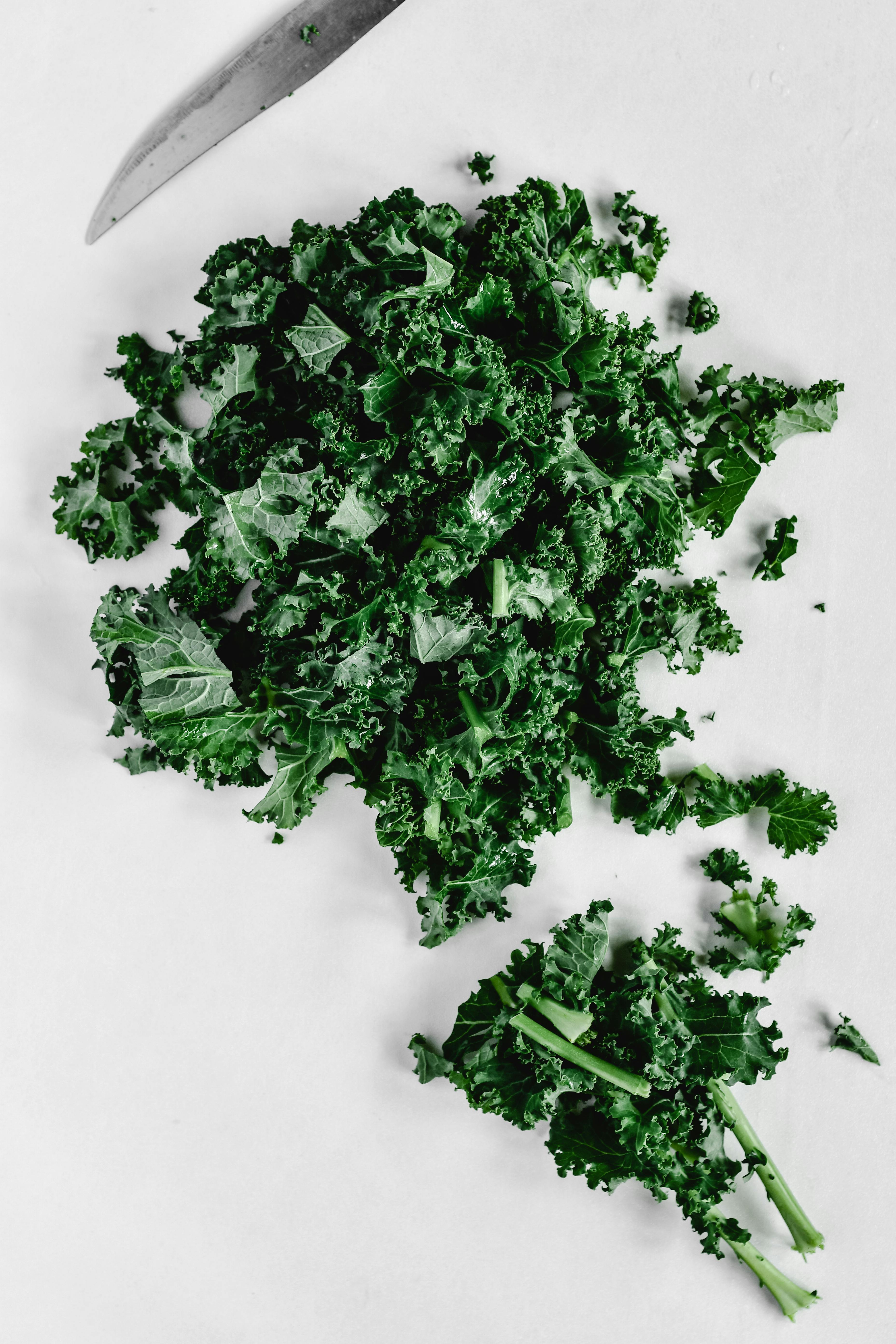
Raw Kale Versus Cooked Kale: Which Is Harder on Your System?
Raw kale delivers the highest concentration of vitamins and antioxidants, but its tough fiber and nutrient density are double-edged swords for sensitive digestive tracts. Eating too much raw kale can lead to increased bloating, especially in those not used to high-fiber, cruciferous vegetables. Baby kale and tuscan kale might be a little gentler, but curly kale is especially fibrous and likely to cause more issues.
On the flip side, cooked kale loses a small portion of heat-sensitive nutrients, but the process of steaming, sautéing, or boiling softens those tough fibers and breaks down some complex sugars. This makes cooked kale easier to digest and less likely to bother your bowel movements. If you love a kale salad but suffer digestive side effects, experiment with lightly steaming or sautéing the leaves—options like olive oil and lemon juice add both flavor and additional health benefits with fewer side effects.
Table: Comparing the Fiber Content, Nutrients, and Side Effects of Raw Kale vs Cooked Kale
Raw Kale |
Cooked Kale |
|
|---|---|---|
Fiber Content (per cup) |
2.6g (high) |
2.6g (density softened) |
Main Nutrients |
Vitamins A, C, K, antioxidants |
Vitamins A, K (slightly reduced C), minerals |
Potential Side Effects |
More gas, bloating, indigestion in sensitive gut |
Lower risk of gas, easier to digest |

The Role of Fiber Content in Kale and Bloating
Fiber is an essential part of digestive health—its benefits are well-documented, from regulating bowel movements to feeding beneficial gut bacteria. However, kale’s high fiber content—particularly insoluble fiber—can overwhelm some digestive systems. The rapid fermentation of these fibers and sugars is a main cause of gas. If you eat kale often, your body may adapt over time, but sudden increases in your diet can shock your digestive tract, causing bloating and cramps.
Understanding how much kale is too much for your individual needs is key. Both raw kale and cooked kale offer benefits, but for those struggling with gas, moderated intake and varied preparation methods—like steaming, sautéing in olive oil, or even massaging baby kale for salads—can make it easier to digest. Rotating your leafy greens also supports a diverse gut microbiome, further enhancing your digestive health.
Common Side Effects of Eating Kale
Gas and bloating
Changes in bowel movements
Potential thyroid interference (rare)
Indigestion or stomach cramps
Quote: Dr. Lina Patel, Registered Dietitian
"In my practice, even healthy eaters can experience digestive discomfort when they suddenly increase their intake of leafy greens like kale — moderation and preparation methods matter."
The Science Behind Why Kale Causes Gas—Current Studies on Kale, Fiber Content, and Digestive Health
Current research highlights the role of kale’s fiber content and fermentable sugars in gas production. According to studies published in journals such as Frontiers in Nutrition and the American Journal of Clinical Nutrition, complex carbohydrates, including raffinose and cellulose, are poorly digested in the small intestine.
When these food particles reach the colon, gut bacteria break them down, producing gasses as natural byproducts. The more kale (and other high fiber foods) you eat, the higher the likelihood of these side effects, especially if your digestive tract isn’t used to digesting leafy greens regularly.
The studies also reveal that cooking methods can influence how eating kale impacts your body. Boiling, steaming, or sautéing can lower the concentration of certain fermentable sugars and tough fibers, making kale less likely to trigger bloating. Despite occasional digestive upsets, researchers consistently affirm kale’s significant health benefits, from lowering cholesterol to promoting a healthy gut microbiome through its prebiotic effects.
Quote: Dr. James O’Connor, Gastroenterologist
"Certain fibers and natural sugars found in kale ferment in the digestive system, which can lead to gas and bloating in many individuals."

Balancing Kale’s Health Benefits With Its Side Effects
Finding balance between kale’s renowned health benefits and its sometimes uncomfortable side effects requires both awareness and experimentation. Consuming kale—raw in a kale salad, lightly cooked, or blended—can boost your intake of antioxidants, vitamins, and minerals, while supporting your heart and immune system. But knowing your own limits, pacing your portion size, and adjusting for personal digestive quirks lets you harness the benefits of this leafy green without paying the price of gas and bloating.
If you experience discomfort after eating kale, start small and try cooked versions first. Diversity is important: branching out to other leafy greens or rotating types of kale (curly kale, tuscan kale, baby kale) helps your gut adapt and sustains digestive health over time.
How Cooking Kale Changes Its Side Effects
One major way to manage the side effects of kale is to cook it. Cooking kale softens tough fibers and reduces the concentration of complex sugars like raffinose. Whether sautéed with olive oil, stewed, or added to soups, cooked kale is easier on the digestive system and much less likely to cause bloating or discomfort. Pairing kale with digestive aids such as lemon juice or a drizzle of healthy fat helps, too, as these elements support nutrient absorption and can make kale’s fibers gentler for sensitive stomachs.
"Cooking kale can break down tough fibers, making it easier to digest and less likely to cause bloating or gas." - Quote: Dr. Mia Chen, Nutrition Researcher
Practical Tips to Minimize Gas When You Eat Kale or Other Leafy Green Vegetables
Start with small servings and gradually increase: Let your digestive system adjust—ramp up your leafy greens slowly over a few weeks.
Try cooking kale before eating: Lightly sauté, steam, or boil. Cooking kale makes it easier to digest and helps prevent gas.
Drink plenty of water: Hydration supports the passage of fiber through your digestive tract and can help ease bowel movements.
Try digestive enzymes or probiotic supplements: These can support digestive health by helping your body break down fibers and promoting good gut bacteria.

"If you’re new to eating kale, sauté it lightly with olive oil and garlic to enhance not only the flavor but also the digestibility." - Quote: Chef Alana Rodriguez, Healthy Eating Author
People Also Ask: How do you get rid of gas from kale?
Digestive system tips: Immediate strategies for relief from gas after eating kale
If you’re experiencing gas after eating kale, try these strategies: Drink a large glass of water to help move fiber along. Light exercise, such as a brisk walk, can stimulate digestion and help pass excess gas.
Gentle stretches or poses like the “wind-relieving pose” can ease belly discomfort. For rapid relief, opt for cooked kale over raw kale in the future and consider including probiotic foods or supplements to bolster your gut bacteria for smoother digestion.
People Also Ask: What are the worst foods for gas and bloating?
List of notorious foods including kale, beans, broccoli, and others affecting digestive health
Kale is not alone in its bloating effects. Other common offenders include:
Beans and lentils (high in oligosaccharides)
Broccoli, cauliflower, and other cruciferous vegetables
Onions and garlic (rich in fructans)
Carbonated drinks
Whole grains and high fiber bran cereals
Cabbage and Brussels sprouts
Dairy (for those who are lactose intolerant)
Each of these foods can challenge digestive health for some people, leading to gas and bloating, but they also offer important health benefits if enjoyed mindfully.

People Also Ask: Does kale cause stinky gas?
Sulfur compounds in kale and their impact on digestive system and gas odor
Kale contains natural sulfur compounds (such as glucosinolates), especially in raw form. When digested, gut bacteria break down these compounds, sometimes producing hydrogen sulfide—a gas notorious for its unpleasant, “rotten egg” smell. Not everyone will notice this, and cooking kale can help reduce the concentration of these sulfur-rich compounds.
However, if you consistently notice stinky gas after eating kale, you may want to moderate your portion size or stick to cooked varieties to reduce the odor and support smoother digestive health.
People Also Ask: How long does kale gas last?
Timeline of digestive effects after eating kale
The onset and duration of kale-induced gas varies based on your unique digestive system and other foods consumed. Generally, most people will notice symptoms of gas and bloating within 2 to 6 hours of eating kale, with effects dissipating within 12 to 24 hours after digestion is complete.
Staying well-hydrated, choosing cooked kale, and gradually increasing fiber intake can significantly reduce the duration and intensity of these side effects. If issues persist, consult a registered dietitian for personalized advice.
Frequently Asked Questions About Kale, Gas, and Digestive Health
How much kale is too much for the digestive system?
Most digestive experts recommend a serving of 1 to 2 cups of chopped kale per meal, especially when starting out. If you experience persistent gas or discomfort after increasing your intake, scale back and allow your gut bacteria to adjust before adding more leafy greens. Eating kale alongside other vegetables—and always with adequate hydration—can help your digestive system process high fiber foods more efficiently.
Is kale more likely to cause gas if eaten raw or cooked?
Raw kale is more likely to cause gas and bloating than cooked kale, due to its tough fibers and high levels of complex sugars like raffinose. Cooking kale makes it easier to digest by breaking down these plant compounds. If you love kale salads but struggle with digestive side effects, try lightly steaming or sautéing your greens for gentler digestion and fewer side effects.
Are there any groups who should avoid kale because of side effects?
While most people can tolerate moderate amounts of kale, individuals with preexisting thyroid issues or compromised digestive systems may need to limit intake. Kale contains goitrogens that can interfere with thyroid function in rare cases, especially when eaten raw in large amounts. Always consult with a healthcare provider or registered dietitian if you are unsure how kale fits into your individualized nutrition plan.

Key Takeaways: Managing Gas and Enjoying Kale's Health Benefits
Start small, cook well, and listen to your body when you eat kale.
Scientific evidence supports both kale’s health benefits and digestive side effects.
If symptoms persist, discuss with a registered dietitian or healthcare provider.
Final Thoughts and Next Steps
Picture it as adjusting the sails on a windy day — small tweaks to how much and how you cook kale let you ride the breeze of its benefits without getting knocked around by gas.
"For those curious or cautious about dietary changes, information is your ally. Take what you’ve learned and apply it in ways that best suit your digestive health and personal wellness." – Michelle Evans, Wellness Writer
If you’re inspired to take a more holistic approach to your well-being, consider how gentle movement and lifestyle changes can further support your digestive and overall health. Our guide on gentle exercises for joint comfort offers practical routines that not only ease stiffness but can also promote better digestion and energy.
Exploring these strategies alongside mindful eating can help you build a foundation for long-term vitality. Continue your wellness journey by integrating both nutrition and movement for a balanced, thriving lifestyle.
Continue Exploring: Resources and Studies on Kale, Healthy Eating, and Digestive Health
To continue your learning, you’ll find more articles and guides at NCWellnessHub.com
References & Further Reading
Frontiers in Nutrition – The Impact of Kale Fibers on Gut Health
National Institutes of Health – Dietary Fiber and Health Outcomes
Harvard Health Publishing – The Benefits and Drawbacks of Kale
Academy of Nutrition and Dietetics – Should You Be Eating More Leafy Greens?
Kale, a nutrient-dense leafy green, is celebrated for its health benefits but can cause gas and bloating in some individuals. This is primarily due to its high fiber content and the presence of raffinose, a complex sugar that ferments in the large intestine, producing gas.
Cooking kale can help break down these fibers and sugars, making it easier to digest and reducing the likelihood of discomfort. (recipes.howstuffworks.com)
Additionally, kale contains sulfur compounds, which, when digested, can produce hydrogen sulfide gas, contributing to bloating and flatulence. Introducing kale gradually into your diet and ensuring proper hydration can also help mitigate these effects. (apollo247.com)
For more trusted health and wellness content, visit: NCWellnessHub.com



Write A Comment