

Chronic headaches can feel isolating and frustrating. If you're struggling to find answers, understanding how hypothyroidism might be part of the cause is crucial. Discovering this link can bring relief and guide you toward effective solutions that improve your well-being and daily comfort.
This comprehensive guide will explore the science behind the relationship between an underactive thyroid and headaches, explain key symptoms, review what experts and research reveal, and provide actionable tips to help you manage—so you can reclaim your daily life.
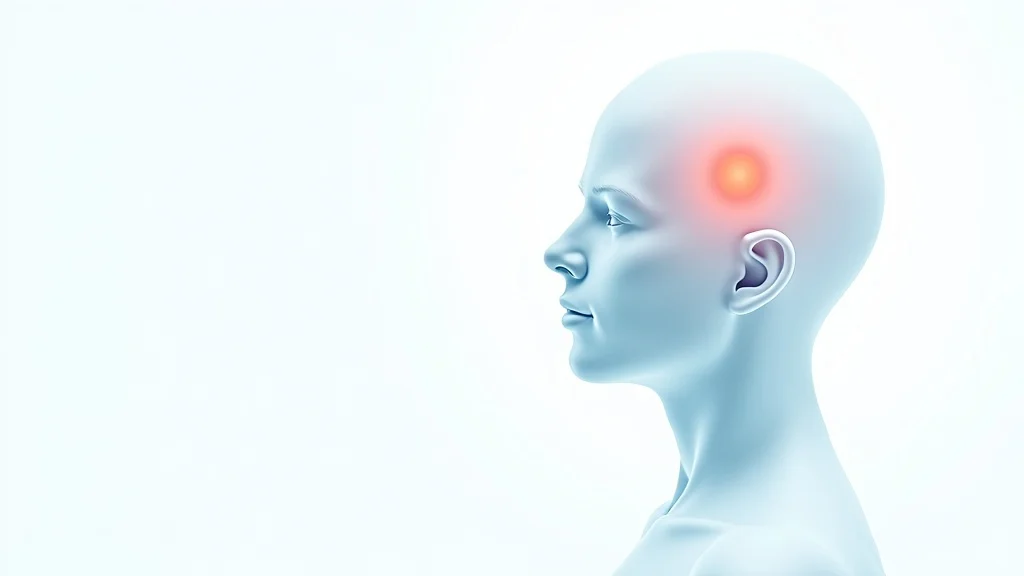
Understanding the Link: Can Hypothyroidism Cause Headaches?
When asking can hypothyroidism cause headaches, it's vital to understand how the thyroid gland plays a fundamental role in your body's balance. Many people are surprised to discover that frequent or persistent headaches can be linked to a thyroid disorder, especially if other symptoms such as fatigue or mood changes are present.
The thyroid gland produces hormones regulating metabolism, energy, and even how pain is processed in your nervous system. When thyroid hormone levels are too low—a hallmark of underactive thyroid or hypothyroidism—multiple body systems are affected, sometimes resulting in headache disorders or migraine-like pain.
Recent discussions among medical professionals and increasing research underline the importance of not overlooking the connection between hypothyroidism and chronic headaches. For those experiencing unexplained headaches, doctors often recommend evaluating thyroid function through specific blood tests, such as measuring TSH (thyroid stimulating hormone) levels.
Identifying an underlying thyroid issue can be a key step in developing a tailored treatment plan that offers real relief and restores quality of life. Keep reading to find out exactly how your thyroid and head pain might be connected, and what you should watch for.
How hypothyroidism can contribute to headaches and migraines
Key symptoms and warning signs
When to see a doctor
What current research and experts say about the connection
Tips to manage headaches in hypothyroidism
If you’re interested in supporting your thyroid health beyond medication, there are also natural strategies that may help balance hormone levels and potentially reduce headache frequency. For practical tips on lifestyle and dietary adjustments, explore these natural ways to balance thyroid for optimal health and see how small changes can make a meaningful difference.

Chronic Headaches and Hypothyroidism: The Overlooked Connection
Many people with persistent, unexplained headaches may not realize that an underactive thyroid could be at the root of their discomfort. Hypothyroidism, resulting from insufficient thyroid hormone production, can quietly exert its effects for years, sometimes surfacing primarily as recurrent headaches or even full-blown migraines. Unfortunately, these cases are often misdiagnosed as primary headache disorders, delaying effective treatment and causing unnecessary frustration.
What makes the relationship between headaches and thyroid disease so complex is that the symptoms may be subtle, and not everyone experiences them the same way. Studies suggest that individuals with thyroid dysfunction—and especially women—are at higher risk of developing migraine headaches and other chronic headache disorders. This means that for those who haven't responded to typical headache therapies, evaluating thyroid function may reveal an overlooked cause.
"Unrecognized hypothyroidism can often present as persistent, unexplained headaches — making thyroid testing an important step in evaluation." — Dr. Alice Harper, Endocrinologist
What Is Hypothyroidism? Exploring Thyroid Function and Disorders
Understanding Thyroid Gland Function: The Basics
The thyroid gland is a small, butterfly-shaped organ located at the base of your neck. Despite its size, it produces thyroid hormones (mainly T4 and T3) that oversee metabolism, energy production, and temperature regulation. These hormones also influence key neurochemical processes in your brain, which affect mood, focus, and pain perception. Proper thyroid function ensures that every cell in your body receives the signal to operate efficiently.
When your thyroid gland does not produce enough hormones—a condition known as hypothyroidism or an underactive thyroid—your body’s processes begin to slow down. This hormonal imbalance can lead to a wide range of symptoms, including changes in appetite, sensitivity to cold, weight fluctuations, and notably, disruptions in how you process and experience pain, possibly triggering thyroid headaches.
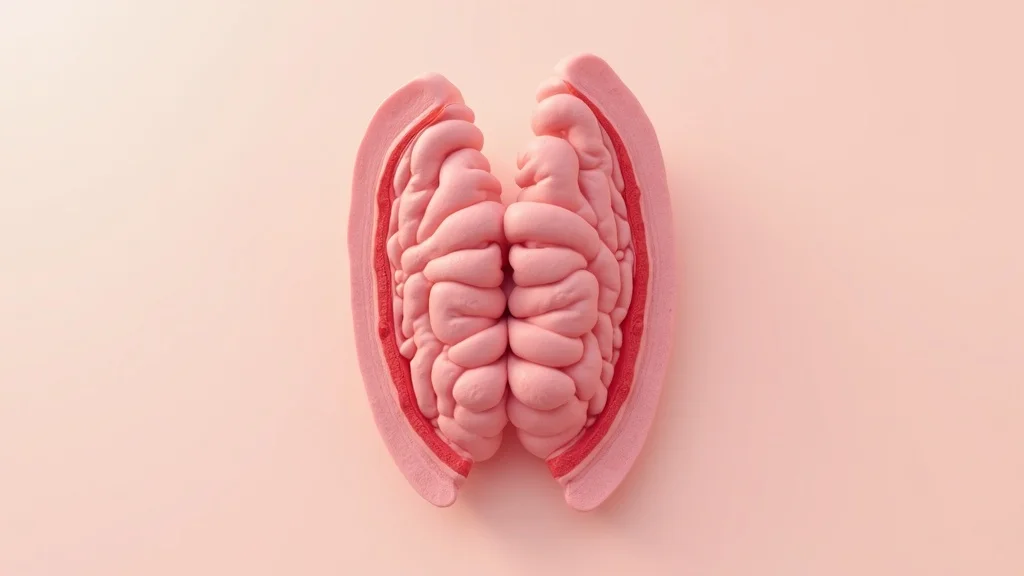
What Causes an Underactive Thyroid?
Several factors can contribute to a thyroid disorder like hypothyroidism. The most common cause in many regions is an autoimmune condition known as Hashimoto’s thyroiditis, where the body’s immune system attacks the thyroid gland. Other causes include surgical removal of the thyroid (often due to nodules or cancer), certain medications, iodine deficiency, and radiation therapy to the neck.
Each of these risk factors reduces the gland's ability to create enough thyroid hormones to keep your body operating smoothly, increasing the risk of developing symptoms such as headaches, fatigue, and more.
It’s important to remember that even subtle shifts in hormone level—as seen in subclinical hypothyroidism, where blood tests may only show slightly abnormal TSH level—can still result in bodily and neurological symptoms, including increased susceptibility to headache disorders. Recognizing these risk factors is the first step in seeking an accurate diagnosis.
Common Thyroid Disorders and Their Symptoms
The thyroid gland can be affected by several conditions, but the most frequent are hypothyroidism (underactive thyroid) and hyperthyroidism (overactive thyroid). Common symptoms of an underactive thyroid include fatigue, unexplained weight gain, dry skin, hair loss, cold intolerance, constipation, and slowed heart rate. Psychological effects are also prevalent, with many reporting symptoms like depression, mental fog, and memory challenges.
Alongside these, frequently overlooked symptoms such as chronic headaches, muscle aches, and heightened migraine risk often persist until proper blood tests confirm thyroid dysfunction. Given that symptoms can vary widely, an accurate diagnosis depends on considering both physical complaints and detailed lab work focusing on TSH levels and thyroid hormone production.

How Can Hypothyroidism Cause Headaches? Science and Symptoms
Headaches and Thyroid: Why They May Be Connected
Many people wonder: can hypothyroidism cause headaches? Research and clinical experience suggest a compelling connection. When your thyroid hormone levels drop, your metabolism slows and blood vessels in the brain may constrict, altering the way your nervous system perceives pain. These changes may present as general headaches or even full-blown migraine attacks, especially among people already susceptible to migraine headaches.
Patients with thyroid dysfunction often report increased frequency and severity of headaches. For some, these headaches are dull and persistent, while others describe them as pulsing and migraine-like. The underlying mechanisms may involve hormone-driven changes in blood flow and neurotransmitter activity, as well as heightened sensitivity to normal pain signals—a complex interplay that continues to be unraveled by medical research.

TSH Level Fluctuations and Headache Patterns
The TSH level—short for thyroid stimulating hormone—is a critical marker in assessing thyroid function and diagnosing hypothyroidism. When thyroid hormone supply drops, the body raises TSH in an attempt to stimulate the gland to produce more hormone. Fluctuations in TSH levels can correspond with changes in headache patterns: Some individuals may notice an increase in headache frequency or a transformation in their usual headache disorder when their thyroid is not well regulated.
Scientific studies have indicated that abnormal TSH levels often coincide with neurological symptoms such as headaches, cognitive fog, and even dizziness. While not all headaches are caused by thyroid dysfunction, if you experience new or worsening headaches alongside classic signs of hypothyroidism, it’s wise to discuss thyroid evaluation with your care professional.
"Emerging research suggests a notable correlation between abnormal TSH levels and increased headache frequency." — Journal of Clinical Endocrinology & Metabolism
Migraine and Hypothyroidism: What Does the Evidence Show?
The medical community has taken increasing interest in the potential overlap between migraine and hypothyroidism. Several research studies have identified that people with hypothyroidism have a higher risk of experiencing chronic migraine and related headache disorders than the general population. Not only are they more likely to develop migraines, but their symptoms may also be more resistant to standard migraine treatments when the underlying thyroid disease is untreated.
This evidence suggests a bidirectional relationship: chronic migraine may predispose individuals to thyroid dysfunction, and thyroid dysregulation can worsen the severity or frequency of headaches. Recognizing this association enables both patients and healthcare providers to consider thyroid hormone imbalances during the workup for persistent migraine headaches, potentially unlocking new paths to relief.
Recognizing the Symptoms: When Thyroid Disease Affects the Brain
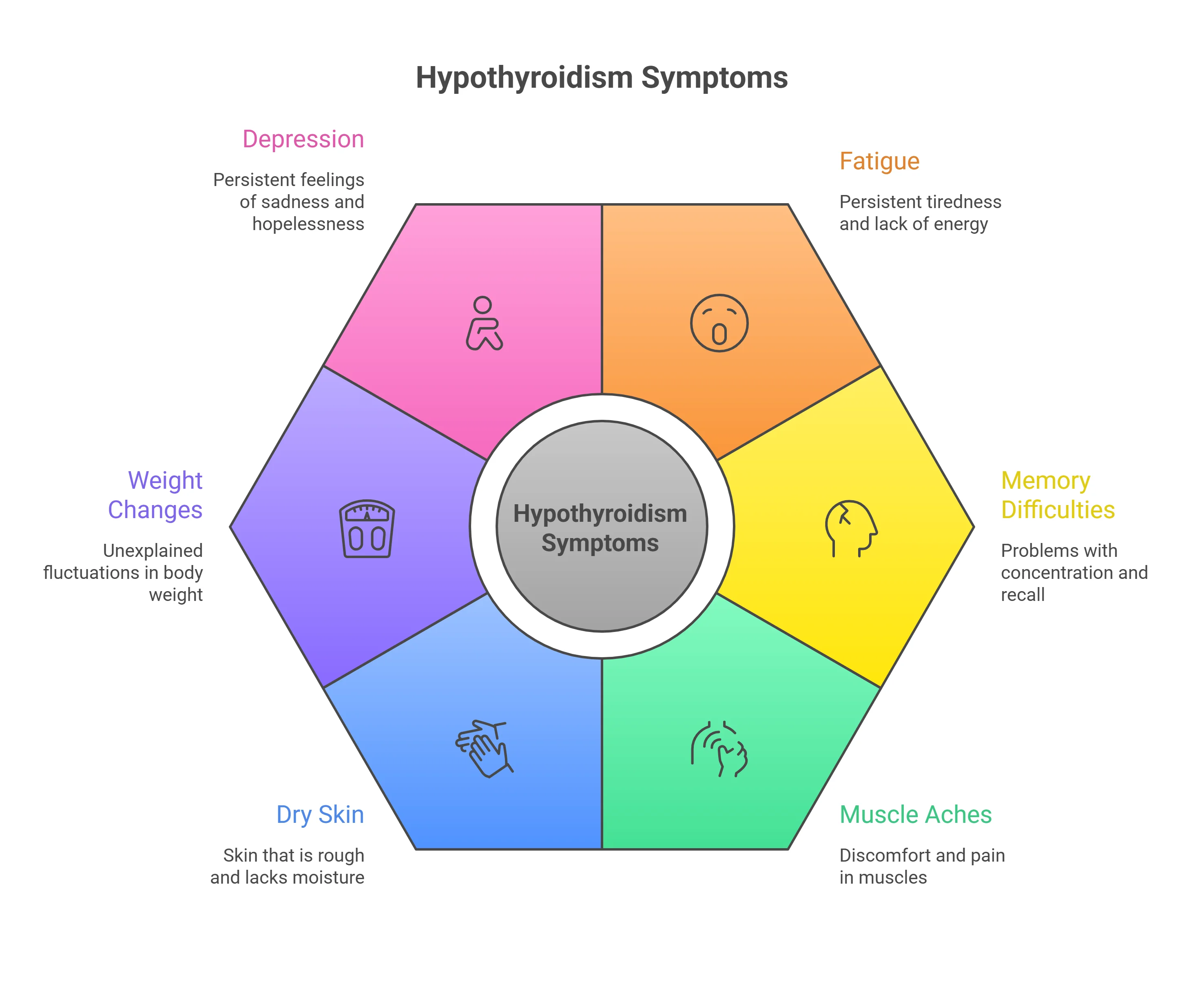
Symptoms of Hypothyroidism Beyond Headaches
Fatigue
Memory difficulties
Muscle aches
Dry skin
Weight changes
Depression
In addition to headaches, people with a thyroid issue may notice a variety of other symptoms. Fatigue is often profound, making daily tasks feel exhausting. Memory difficulties and a sense of mental “fog” are common, as is muscle soreness or weakness—even without exertion.
Dry skin and brittle hair reflect slowed cellular turnover, while weight gain can occur due to a slowed metabolism. Changes in mood, such as depression or feeling emotionally flat, are also frequent, reflecting how thyroid hormones influence brain function and neurotransmitter balance.

What Does a Hypothyroid Headache Feel Like?
A thyroid headache often presents as a dull, persistent ache throughout the head or focused in the forehead and temples. Unlike classic migraine attacks that may be sharp and throbbing, these headaches typically carry a sensation of heaviness, pressure, or tightness. They are frequently accompanied by fatigue, trouble concentrating, and sometimes neck or facial discomfort.
Some individuals may also experience a sensation of fullness or swelling in the neck area, especially if the thyroid gland is enlarged. While not every person with an underactive thyroid develops headaches, recognizing this pattern is critical for early diagnosis and effective treatment.
How Are Thyroid Headaches Different? Hypothyroidism and Migraine
Feature |
Hypothyroid Headache |
Classic Migraine |
Tension-Type Headache |
|---|---|---|---|
Location |
Generalized, or front/temple |
One side or behind eye |
Forehead, band-like |
Quality |
Dull, persistent, heavy |
Throbbing, pulsating |
Dull, aching |
Associated Symptoms |
Fatigue, mental fog, neck pain |
Nausea, light/sound sensitivity |
Scalp or neck tenderness |
Triggers |
Hormone level changes, stress |
Certain foods, hormonal shifts |
Stress, poor posture |
Duration |
Hours to days |
4-72 hours |
30 min to several days |
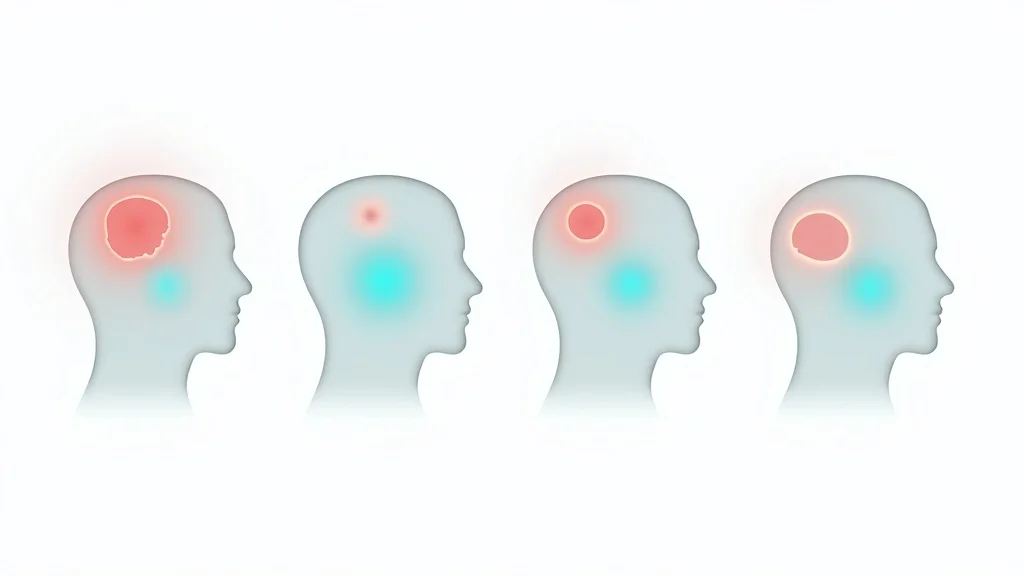
Thyroid headaches are more likely to be constant and less affected by typical migraine triggers like strong odors or flashing lights. Because thyroid hormone levels influence numerous systems in the body, these headaches often come bundled with other hypothyroid symptoms that set them apart from primary headache disorders. If your headaches change with your thyroid function or respond to thyroid hormone therapy, the diagnosis becomes even clearer.
Diagnosis: How Doctors Identify the Link Between Hypothyroidism and Headaches
Testing the Thyroid Gland: TSH Levels, Free T4, and Thyroid Function
The cornerstone of hypothyroidism diagnosis is evaluating TSH levels through a blood test. High TSH means the body is working harder to stimulate the thyroid gland—an early sign of underactivity. Doctors often order free T4 and, if needed, free T3 tests to assess how much hormone the gland produces.
Consistently abnormal results confirm thyroid dysfunction. When headaches are part of the clinical picture, these blood tests are crucial in distinguishing between headache disorders and secondary symptoms due to thyroid problems.

Sometimes, additional imaging or antibody tests are used to rule out autoimmune causes or structural issues in the thyroid gland. An accurate assessment ensures you receive the right treatment plan and rules out other disorders that might mimic the symptoms of an underactive thyroid.
Evaluating Headache Frequency, Duration, and Severity
Doctors meticulously track the frequency, duration, and severity of your headaches to better understand if endocrine imbalance is a root cause. They may ask you to keep a headache diary, noting when symptoms occur and any coinciding features such as neck pain, mood changes, or abnormal tiredness. By cross-referencing this data with thyroid function results, healthcare providers can uncover whether recurring headaches are tied to hormone level fluctuations or other thyroid issues.
If headaches persist despite common treatments, or if they worsen in the presence of classic hypothyroid symptoms, most neurologists and endocrinologists will recommend a full thyroid panel blood test to check for underlying thyroid disease. This collaborative approach ensures that all contributing factors are evaluated and the most appropriate and effective interventions are offered.
"I always screen chronic headache patients for underlying thyroid dysfunction, especially when other symptoms are present." — Dr. Miguel Ramos, Neurologist
Treatment and Management: Coping with Headaches Caused by Hypothyroidism
Thyroid Disorder Treatment: How Rebalancing Thyroid Function Can Help
Restoring your thyroid hormone levels to normal can bring significant relief from headaches caused by hypothyroidism. For most, this involves taking a carefully dosed synthetic hormone replacement, such as levothyroxine (Synthroid), to replace what the body is missing. Once hormone levels stabilize with the right treatment plan, many individuals find their thyroid headache frequency and intensity decrease dramatically, often alongside improvements in mood, energy, and cognitive sharpness.

It’s vital to follow up regularly with your care professional for blood tests, particularly when starting or adjusting medication. This helps fine-tune the dosage to ensure ideal thyroid hormone balance, minimizing the risk of ongoing pain or side effects.
Medications: Synthroid and Alternatives for Underactive Thyroid
The most common medication for underactive thyroid is synthetic levothyroxine, available under brands like Synthroid. This medication mimics natural T4, allowing your body to normalize hormone levels over time. Some patients, after discussion with their doctor, may use combination therapies containing both T4 and T3 (such as liothyronine).
A smaller group explores natural desiccated thyroid products, though these are less commonly prescribed. Whatever the specific therapy, the goal is tailored hormone replacement that relieves all symptoms, including headaches.
Remember, it’s important not to adjust medication or add supplements without clear guidance from your healthcare provider, as the wrong dose can worsen symptoms or lead to other hormonal imbalances.
Lifestyle and Dietary Changes to Reduce Headaches
Medication is only part of the solution. Lifestyle modifications can make a profound difference in managing both migraine and hypothyroidism. Prioritize regular sleep patterns, drink enough water, and eat a balanced diet rich in anti-inflammatory foods (like leafy greens, berries, and whole grains). Avoid skipping meals, and minimize processed foods and added sugars, which can worsen both headache frequency and hormone fluctuations.
Gentle exercise, such as walking or yoga, may decrease stress and improve overall hormone level balance. Stress management techniques—like mindfulness, meditation, or deep-breathing practices—can further prevent headache disorders from spiraling out of control. Always coordinate these changes with your treatment plan for the best results.
How to Stop Thyroid Headaches: Evidence-Based Strategies

Doctor-Recommended Approaches for Headaches and Thyroid
Medication adherence
Hydration
Regular sleep
Stress management
Exercise
Consistently taking prescribed thyroid medication is the foundation for relief. Track your doses daily, and never skip or change amounts without consulting your provider. Staying hydrated, getting 7-9 hours of restful sleep, and practicing stress-relief techniques further promote hormonal balance and headache reduction. Light to moderate physical activity supports a healthy metabolism and may reduce the likelihood of recurring headaches.
How Long Does a Thyroid Headache Last?

The duration of a thyroid headache varies from person to person. Some people experience relief within a few hours when thyroid levels are properly managed, while others may have ongoing headaches until hormone levels stabilize with treatment—a process that could take a few days or weeks. Persistent or severe headaches that do not improve with optimized therapy should always be reviewed by a doctor, as other underlying causes may be present.
The Importance of Monitoring: When to Consult Your Doctor
Warning Signs and When to Seek Medical Help
If you notice new or worsening headaches, changes in intensity, or headaches accompanied by symptoms such as vision changes, confusion, chest pain, or sudden weakness, these can be warning signs of a more serious issue and warrant prompt evaluation. Anyone with a known thyroid disease who experiences changes in symptom pattern, including headache disorders, should check in with their provider to rule out medication issues, hormone fluctuations, or other complications.
"Sudden changes in headache patterns or severity should always prompt re-evaluation, especially for patients with thyroid disease." — Dr. Jenna Li, Family Medicine

Frequently Asked Questions: Can Hypothyroidism Cause Headaches?
What are the worst symptoms of hypothyroidism?
The worst symptoms often include extreme fatigue, severe depression, significant weight gain, cardiovascular changes (such as altered heart rate), and sensitivity to cold. These can severely impact daily life and warrant medical attention.
What does a hypothyroid headache feel like?
A hypothyroid headache tends to be persistent and dull, usually described as a sensation of heaviness in the head, sometimes with accompanying fatigue or mental fog. It often lacks the sharp or throbbing quality seen in classic migraines.
How long does a thyroid headache last?
Thyroid headaches can last anywhere from a few hours to several days, depending on how stable your thyroid hormone levels are and how well treatment is working. Adjusting medication or lifestyle factors can help shorten the duration.
How to stop thyroid headaches?
To stop thyroid headaches, the most effective approach is optimizing your thyroid hormone levels through medication, embracing a consistent lifestyle routine, and working with your care professional for regular evaluation. Hydration, sleep, and stress management further support headache relief.
People Also Ask About Can Hypothyroidism Cause Headaches
What does a hypothyroid headache feel like?
A hypothyroid headache is often persistent and dull, with a feeling of heaviness, sometimes accompanied by fatigue or mental fog.
What are the worst symptoms of hypothyroidism?
The worst symptoms may include extreme fatigue, severe depression, significant weight gain, altered heart rate, and sensitivity to cold.
How long does a thyroid headache last?
Thyroid headaches may last anywhere from a few hours to several days, depending on thyroid function stability and treatment.
How to stop thyroid headaches?
Managing thyroid headaches requires optimizing thyroid hormone levels through medication, lifestyle modifications, and regular monitoring.
Key Facts About Can Hypothyroidism Cause Headaches
Hypothyroidism is an underrecognized cause of headaches
Migraines are more common in people with thyroid dysfunction
Thyroid hormone therapy can alleviate related headaches
Consultation with healthcare providers is essential for diagnosis and management
Case Study Video: Hashimoto's with Headaches, Fatigue, Depression
Summary and Next Steps
If you experience persistent headaches and suspect a thyroid issue, consult a medical professional for evaluation. Optimizing thyroid function can offer relief and improve your quality of life.
Understanding the connection between hypothyroidism and headaches is just one piece of the puzzle when it comes to your overall health. If you’re curious about how thyroid health fits into the bigger picture of cardiovascular wellness and long-term vitality, you may want to learn about the role of lipoprotein(a) in heart disease risk.
Delving into how lipoprotein(a) affects heart disease can provide valuable insights for anyone managing thyroid issues or seeking to optimize their well-being. Take the next step in your health journey by exploring how interconnected your body’s systems truly are.
Discover more trusted information like this at: NCWellnessHub.com
Sources
Recent studies have explored the connection between hypothyroidism and headaches, revealing that individuals with hypothyroidism may experience headaches more frequently.
For instance, a study published in Headache: The Journal of Head and Face Pain found that people with migraines were 41% more likely to have hypothyroidism, and those with other headache disorders had a 21% increased risk. (sciencedaily.com)
Additionally, research indicates that hypothyroidism can lead to tension-type headaches characterized by a dull, throbbing pain on both sides of the head. Managing the underlying thyroid condition through hormone replacement therapy often alleviates these headaches. (medicalnewstoday.com)
Understanding the link between hypothyroidism and headaches is crucial for effective diagnosis and treatment. If you’re experiencing persistent headaches alongside other symptoms of hypothyroidism, consulting a healthcare professional for a comprehensive evaluation is recommended. NCWellnessHub.com
Also see:
Spotting Silent Signs of Thyroid Imbalance: What You Need to Know
The Connection Between Hypothyroidism and Your Health: 10 Key Symptoms





Write A Comment