


Imagine feeling truly balanced, with energy and wellness flowing effortlessly. The endocrine system quietly orchestrates this harmony, like a postal service delivering vital messages throughout your body. Understanding this intricate network is key to unlocking your health’s full potential.
Unlocking Balance: The Endocrine System and Its 'Postal Service' Role
Imagine feeling truly balanced, with energy and wellness flowing effortlessly. The endocrine system quietly orchestrates this harmony, like a postal service delivering vital messages throughout your body. Understanding this intricate network is key to unlocking your health’s full potential.
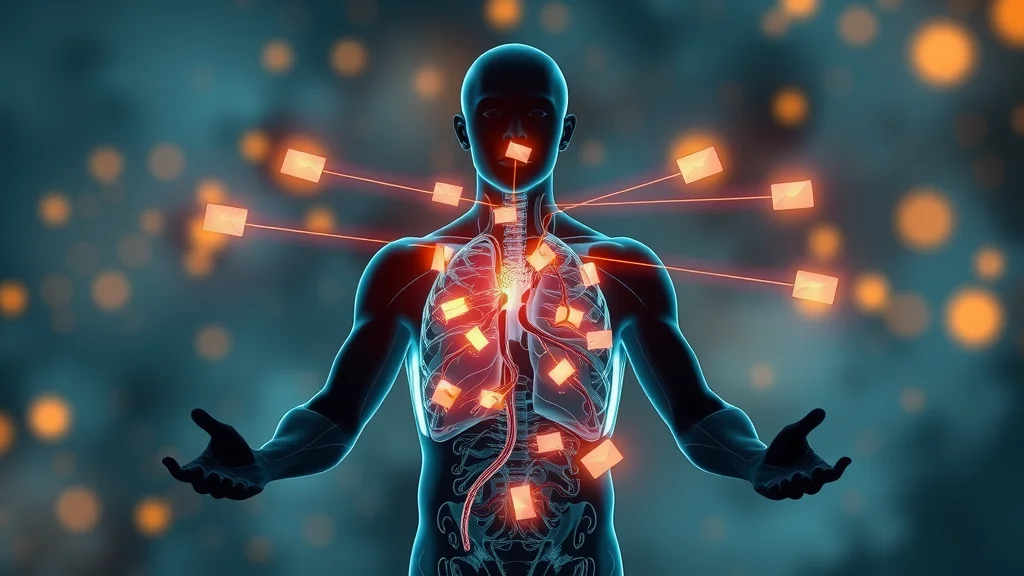
What You'll Learn About How the Endocrine System Works Like a Postal Service
The comparison between the endocrine system and a postal service
Key functions of the endocrine system in the body
The roles of chemical signals, target cells, and endocrine glands
Common endocrine disorders and their management
Overview: The Endocrine System as the Body’s Mailroom
Defining the Endocrine System: Analogies and Core Components
The endocrine system acts like the body’s internal mailroom, sending vital chemical messages through the bloodstream to coordinate all your organs and tissues. Glands such as the pituitary gland, thyroid gland, adrenal glands, and pancreas work much like post offices, each responsible for their own types of “mail”—the hormones.
These hormones travel to target cells, adjusting processes like blood sugar control, growth, and stress response. Imagine tiny packages filled with instructions being sent from one gland to another, ensuring every “department” within your body operates smoothly.
This powerful network keeps your internal environment in balance, enabling everything from a stable mood to regulated blood pressure. By understanding which endocrine organs send which messages, you’ll get a clearer picture of how essential this delivery system is for your well-being.
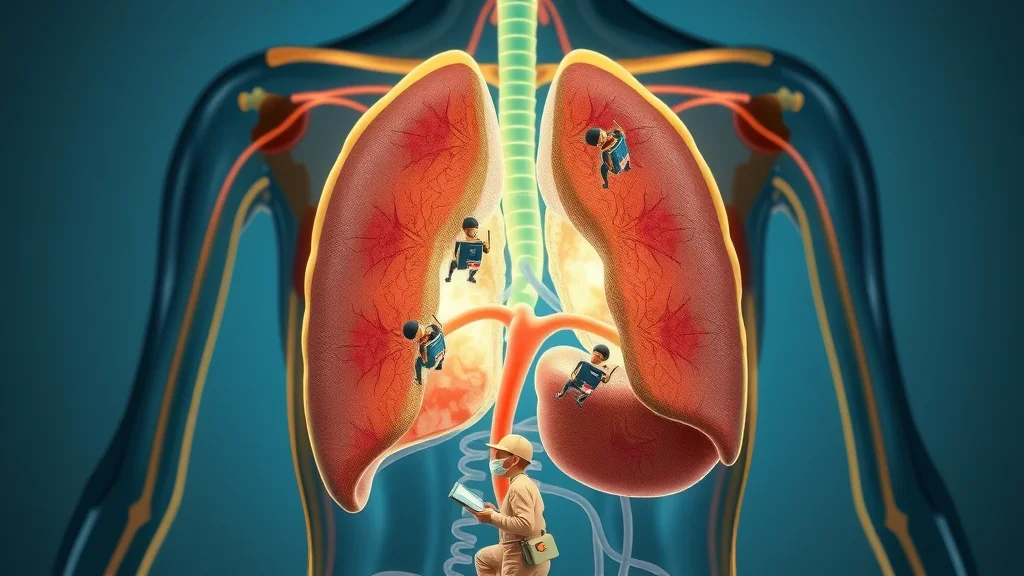
Why the Endocrine System Is Like a Postal Service
The comparison between the endocrine system and a postal service runs deep. Hormones are the key chemical signals, acting as “letters” filled with information. These letters are carefully packed and dispatched from endocrine glands—the body’s post offices—to specific “addresses” (target cells) via the bloodstream.
Just like a real postal network, accuracy and timeliness are crucial; messages must reach the proper recipients or else vital functions could be disrupted. If a feedback loop malfunctions, it’s as if mail is delivered to the wrong address, potentially triggering endocrine disorders. Hormone levels must be managed as carefully as mail sorting schedules, as mistimed or misplaced deliveries impact essential bodily functions.
This analogy provides an accessible way to visualize how seamless hormonal communications maintain balance, and what might go wrong if the system is disrupted or overwhelmed.
The Role of Endocrine Glands in Message Delivery
What Is an Endocrine Gland?
An endocrine gland is a specialized organ that produces and releases hormones directly into the bloodstream. Unlike exocrine glands, which use ducts to send substances like sweat or digestive enzymes outside the bloodstream, endocrine glands dispatch chemical messages throughout the internal environment. Examples include the pituitary gland, the “master” controller; the thyroid gland, which governs metabolism; and the adrenal glands, which help manage stress.
Each endocrine gland plays an important role, making sure that bodily functions—like growth, reproduction, energy use, and response to stress—are precisely regulated. The unique structure of these glands allows for a highly effective method of releasing hormones for efficient, body-wide communication.
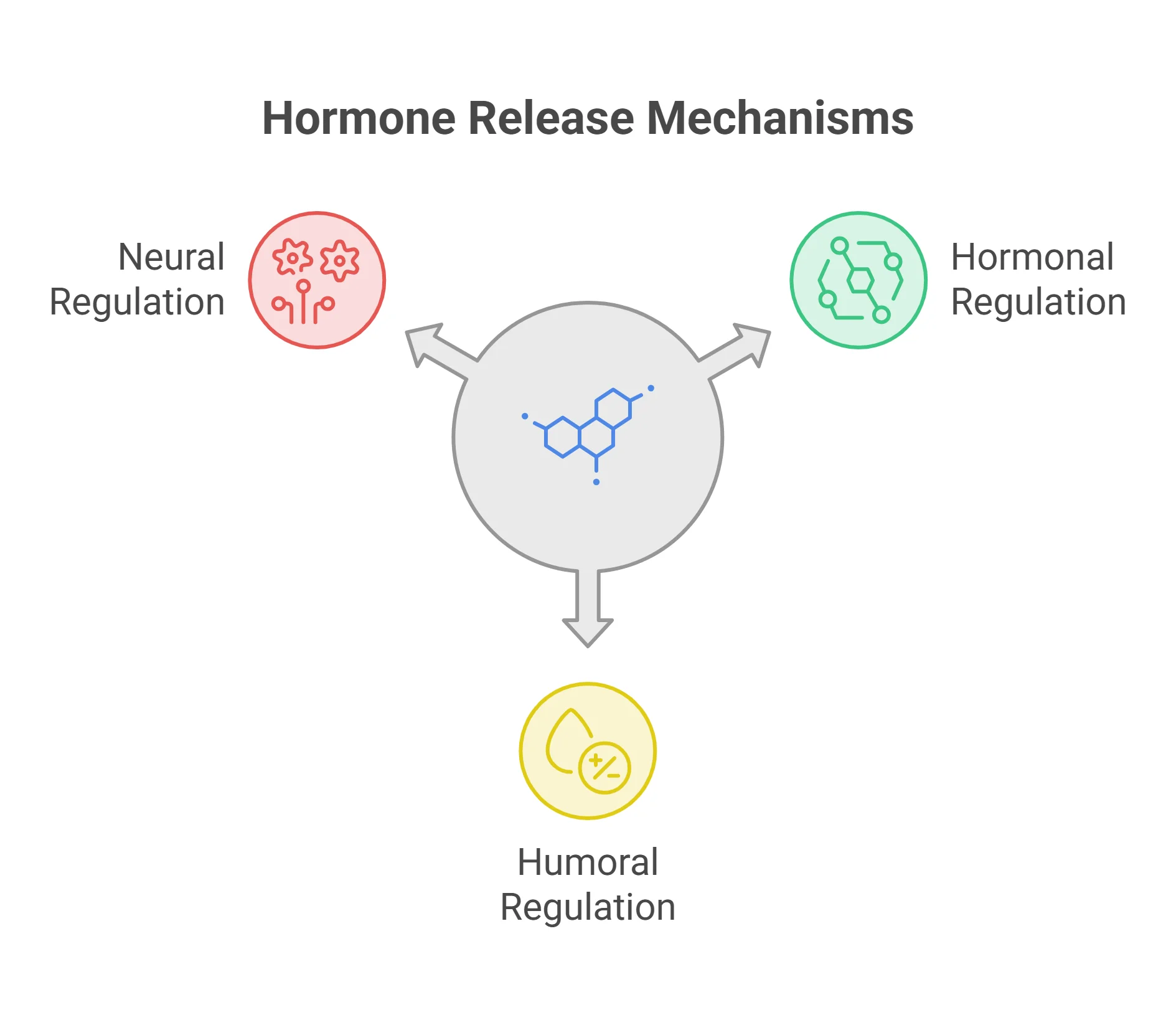
How Endocrine Glands Dispatch Chemical Signals
Endocrine glands release chemical signals, or hormones, in response to various cues—such as changes in your blood sugar, body temperature, or emotional state. When your body needs to react (say, to a frightening situation or a drop in blood sugar), glands like the adrenal gland or pancreas quickly “mail” out instructions via hormones. These hormones travel through your bloodstream to specific target cells, where they attach to receptor sites much like correctly delivered mail finding its recipient.
Whether the goal is to signal muscles to use more energy, fat cells to store energy, or organs to adjust their activity, these chemical messengers make the body’s internal communication system both precise and adaptable. By coordinating hormone release, endocrine glands ensure that your body can swiftly respond to challenges and restore balance.
While the endocrine system’s messaging is vital, the fuel you provide your body also plays a significant role in hormone production and energy balance. For a deeper look at how nutrition directly influences your hormones and overall vitality, explore how dietary choices can support hormonal health and longevity.
Step-by-Step: How the Endocrine System Works Like a Postal Service
Hormone Production: Mailing the Message
Hormones are the “letters” prepared and packed in the endocrine glands. When a signal triggers hormone release—such as stress activating the adrenal glands or changing blood sugar prompting pancreatic cells—the gland “writes” a message by synthesizing the necessary chemical. For example, when your body needs to lower blood sugar, the pancreas manufactures insulin and prepares it for release.
This process is highly regulated by feedback loops that ensure the right hormone levels are produced, much like a postal office checks and sorts mail for accuracy before sending. By crafting the exact amount of hormone needed, your endocrine system maintains internal stability and readiness to handle new demands. This precision highlights why healthy hormone production is so crucial for growth, stress management, and metabolic balance.

Transport Through the Body: The Postal Route
Once hormones are packed, they enter the circulation, embarking on the postal route through your bloodstream. Unlike the electrical signals of the nervous system, which travel rapidly along nerves, hormone “packages” move more deliberately in blood vessels, allowing for a broad and sustained effect. The bloodstream acts as a river, carrying each hormone to its intended target cells spread across various organs, including muscle cells, liver cells, or fat (adipose tissue). Each hormone circulates until it finds its specific receptor, delivering the message so the recipient cell knows how to respond. This coordinated delivery ensures that no matter how far or unique the address, your internal mail system gets every message where it needs to go. Proper transport and timing are essential for a balanced internal environment, influencing everything from mood swings to blood sugar regulation.
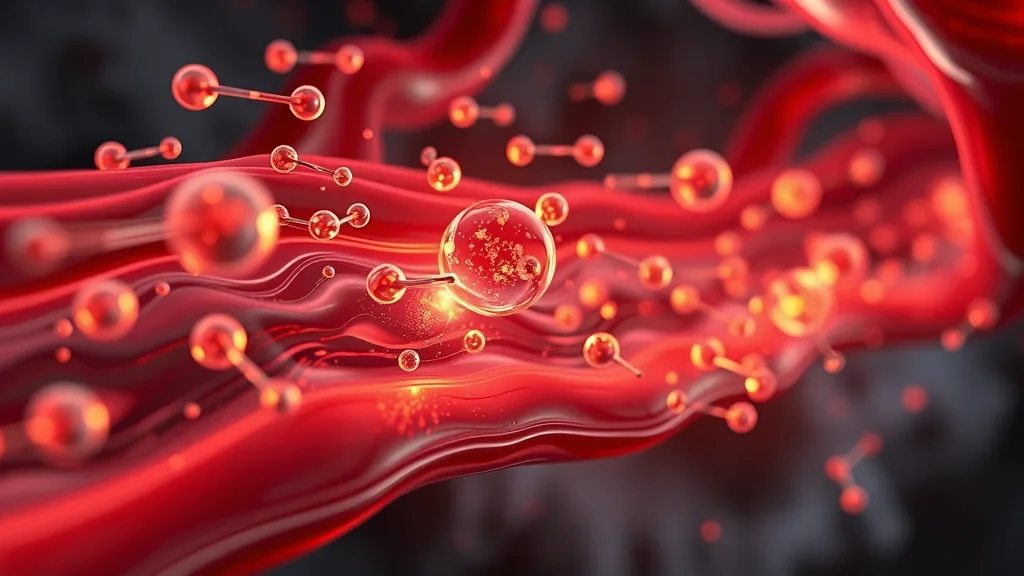
Target Cells — The Final Recipients
Every hormone released by the endocrine system is designed for specific target cells—the unique cell “addresses” capable of responding to particular messages. These cells have matching receptors, similar to a mailbox that only accepts authorized letters. For example, insulin binds to receptors on muscle and fat cells, instructing them to absorb glucose, which helps regulate blood sugar.
If the “mail” cannot be delivered (due to faulty receptors or a lack of hormone), messages are lost and bodily functions begin to falter—a classic sign of an endocrine disorder like diabetes or thyroid disease. By understanding the journey and specificity of hormone delivery, you can better appreciate the crucial role target cell recognition plays in your health.
Feedback Loops: Adjusting Service for Accuracy
Feedback loops are the built-in quality control of the endocrine postal service. Much like a postal system tracks and adjusts deliveries for lost or late mail, your body uses feedback mechanisms to increase or decrease hormone output. For instance, when blood sugar levels drop too low, the pancreas is signaled to release glucagon, raising glucose until normal levels are restored.
When levels rise too high, insulin is dispatched. Failures in these feedback loops can lead to chronic endocrine disorders—much like mail chaos when addresses get mixed up. Monitoring and correcting hormone levels is key to keeping bodily systems—like growth, stress response, and metabolism—precisely coordinated, which is why feedback regulation is so essential for health and stability.
Core Players: The Major Endocrine Organs and Glands
Pituitary Gland: The Postmaster
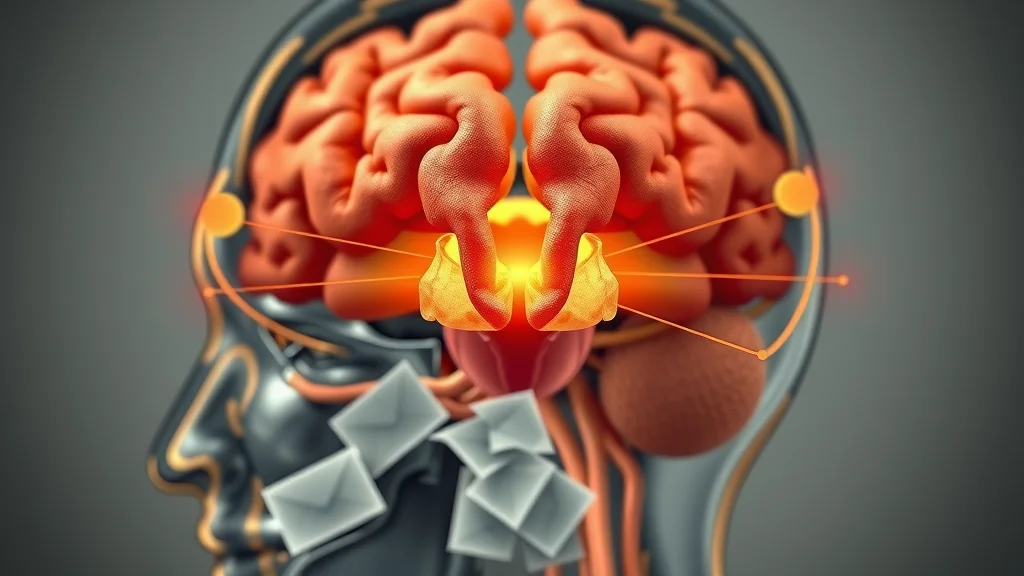
The pituitary gland is often called the “master gland” or postmaster of the endocrine system. Located at the base of the brain, it orchestrates the functions of many other glands by dispatching “instructional letters” (releasing hormones), such as growth hormone, thyroid-stimulating hormone, and more. These trigger further hormone releases from other glands—like mail from the central office directing branch offices.
Because it regulates growth, metabolism, stress, and reproductive cycles, the pituitary gland’s health has a ripple effect throughout the entire system. Its crucial “mail-handling” underscores why disruptions can impact so many aspects of health, including development and energy levels.
Thyroid Gland: Controlling Metabolic Mail
The thyroid gland, shaped like a butterfly at the base of the neck, sends “metabolic mail” in the form of thyroid hormones (like T3 and T4). These govern your body’s speed of metabolism, influencing how quickly you burn energy, regulate temperature, and even how efficiently your heart beats. Mail sent from the thyroid gland ensures that every cell knows the pace at which to work.
If hormone production is too high (hyperthyroidism) or too low (hypothyroidism), the “mailroom” either floods the body with urgent messages or leaves cells under-informed. The thyroid gland’s hormones are especially important in growth, energy regulation, and the control of blood sugar, making timely and accurate mail delivery vital for your overall wellness.
Adrenal Glands: Stress Responders
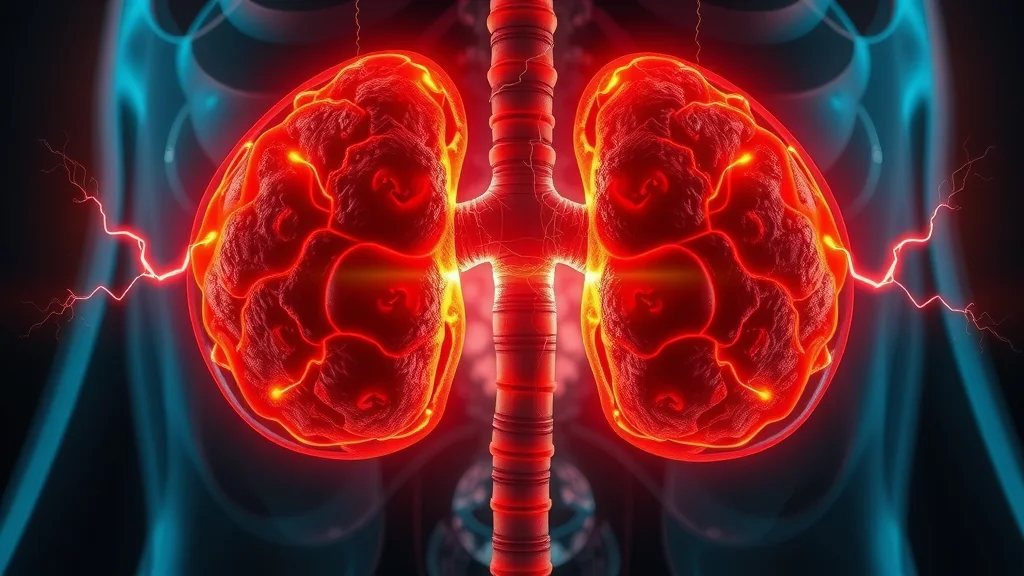
Perched above your kidneys, the adrenal glands are the emergency response centers of the endocrine system. When you face stress—physical or emotional—these glands rapidly dispatch hormones such as adrenaline and cortisol, giving your body the push it needs to react, focus, or recover. These hormone “letters” also play an important role in balancing salt, water, and blood pressure.
Continuous activation due to chronic stress can overwork these glands, resulting in health consequences such as fatigue, hormonal imbalance, or high blood pressure. By sending fast, targeted responses, the adrenal glands help you adapt and survive sudden challenges, while lasting health depends on proper function and recovery.
Comparing Endocrine and Exocrine Glands
Endocrine glands release their hormones directly into the bloodstream, allowing for rapid, whole-body communication without ducts. In contrast, exocrine glands (like sweat or salivary glands) deliver their products through ducts to the surface of the body or into the digestive tract.
While exocrine delivery is localized (think sweat cooling your skin), endocrine messaging is global—ensuring every cell that needs the “letter” gets the message. This difference underscores why disruptions in the endocrine system have widespread effects, while exocrine issues usually affect specific regions or organs.
Endocrine Hormones: Chemical Signals and Their Targets
Exploring Chemical Signals

Chemical signals in the endocrine system are the language of hormones. These molecules are uniquely crafted for each task, from controlling blood sugar with insulin and glucagon, to influencing growth with growth hormone, or stress with adrenaline. Each hormone is designed to find and bind to its target cell, evoking precise responses.
When the chemical signal reaches the proper address, the cell reads it and acts—much like opening a letter with step-by-step instructions. Any breakdown in this communication—such as resistance at the receptor or hormone deficiency—impacts essential processes, potentially resulting in disorders that require intervention or hormone replacement therapy.
How Hormones Recognize Target Cells
A hormone’s journey culminates at its target cells. These cells possess specialized receptors that the hormone “locks” into, triggering a cascade of specific changes—like a relay switch turning on the right appliance. Muscle cells, liver cells, and even adipose tissue can all be target cells, depending on the hormone. If a hormone level is too high or low, or if receptors are blocked or missing, those instructions fail to be delivered, disturbing your body’s harmony.
This precision is what allows hormones to have such targeted effects, despite being carried system-wide in the bloodstream. Proper recognition and response by target cells are crucial for balanced energy, metabolism, and long-term health.
Thyroid Hormone and Blood Sugar Regulation
Thyroid hormones influence many body systems, including the management of blood sugar. They work with other hormones, like insulin and glucagon, to ensure energy is made available during times of need or stored during surplus. When the thyroid gland produces too much (hyperthyroidism) or too little (hypothyroidism), you may notice swings in weight, energy, and even sensitivity to cold.
Disruptions to this delicate balance can be a sign of an endocrine disorder or require ongoing monitoring with your healthcare provider. Maintaining just the right levels guarantees every “mail delivery” gets where it’s needed, powering you through daily tasks with steady energy and focus.

FAQs: How the Endocrine System Works Like a Postal Service
Why is the endocrine system compared to mailing a letter?
The endocrine system is compared to mailing a letter because hormones act like specifically addressed messages, each destined for a particular target cell. Just like a postal system ensures each letter gets to the right address, the endocrine system sends chemical signals from glands to the correct cells, enabling precise control over vital functions—such as growth, metabolism, and stress response. This analogy helps explain the importance of accuracy in hormonal communication for maintaining your health.
How does the endocrine system work step by step?
The endocrine system works in a series of organized steps: First, an endocrine gland detects a need or receives a stimulus (such as low blood sugar). It then “packs” the chemical signal (hormone) and releases it into the bloodstream. This hormone circulates until it reaches its target cell, which recognizes it via special receptors.
After the target cell acts on the message, feedback loops inform the original gland whether more or less hormone should be sent, thereby fine-tuning your internal balance—a bit like adjusting postal delivery based on demand or recipient feedback.
Can an endocrinologist treat anxiety?
An endocrinologist can help treat anxiety if it’s linked to a hormone imbalance or endocrine disorder. Conditions like hyperthyroidism, adrenal dysfunction, or issues with hormone levels may cause symptoms such as anxiety, restlessness, or nervousness. A healthcare provider will assess hormone levels, review symptoms, and recommend appropriate therapies to restore balance and ease emotional or mental stress.
Does menopause affect the pituitary gland?
Yes, menopause affects the pituitary gland. During menopause, the ovaries decrease hormone production, which prompts the pituitary to change its release of certain hormones (like LH and FSH) in an attempt to spur the ovaries to work. This shift in hormonal signals is part of the reason symptoms like hot flashes and mood changes may occur. Consulting a healthcare provider can help you manage these changes and ensure healthy adaptation.
The Interplay Between the Endocrine System and the Nervous System
Similarities and Differences in Signal Delivery
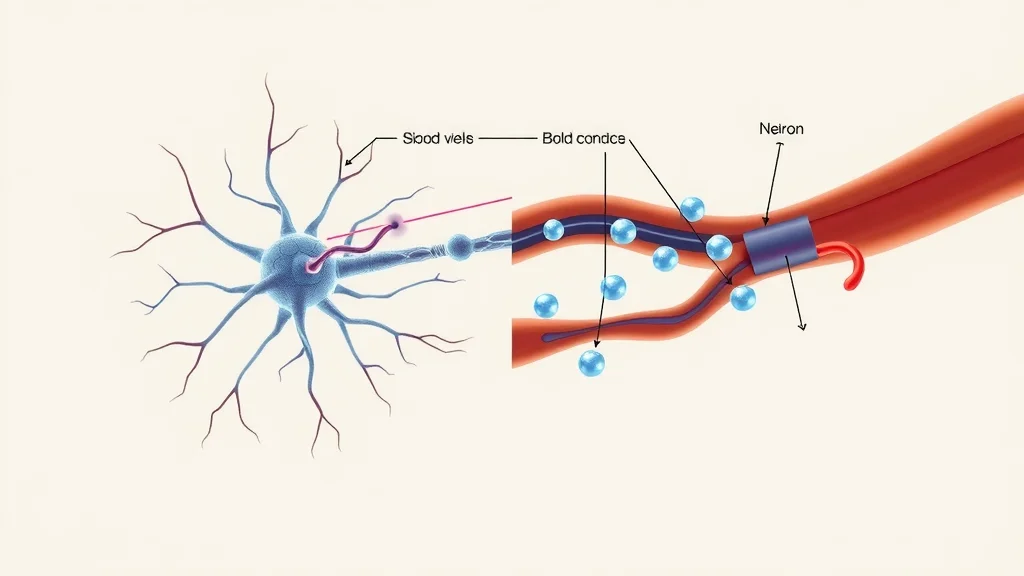
The endocrine system and nervous system are both crucial communication networks, but they work in different ways. The nervous system uses fast, electrical signals (like instant emails or texts) to trigger immediate responses—think of pulling your hand away from a hot stove. The endocrine system, in contrast, sends slower, longer-lasting chemical signals via hormones, much like letters that affect cells and organs with broader, lasting instructions.
While both systems sometimes communicate with the same target tissues (like muscles), the endocrine system’s reach and duration set it apart. This synergy ensures your body can react quickly when necessary but maintain lasting changes for growth, metabolism, or mood stability.
How the Nervous System Supports Endocrine Function
The nervous system and endocrine system are intricately linked. For example, the hypothalamus, a part of the brain, acts as a bridge—receiving neural signals and then sending out hormones to the pituitary gland. This partnership ensures that hormonal “mail” delivery is triggered or adjusted quickly in response to thoughts, feelings, or changes in the environment.
Efficient cooperation between these systems is essential for regulating your internal environment—from keeping your blood sugar stable to controlling stress reactions—showing just how complex and vital your body’s communication strategies are.
Common Endocrine Disorders and the Importance of Seeking Healthcare Providers
Overview of endocrine disorders impacting message delivery (e.g., diabetes, thyroid disease)
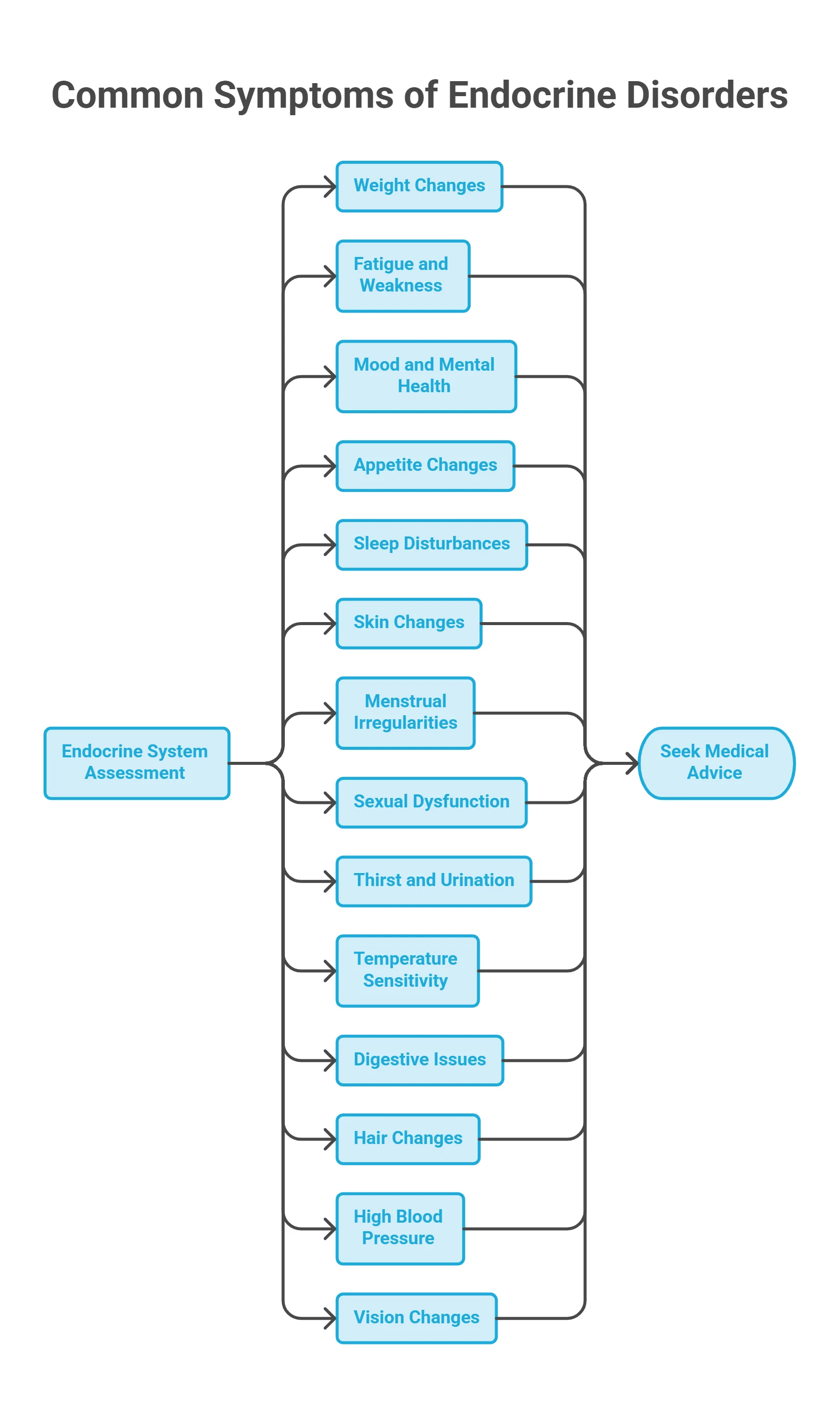
Recognizing symptoms and when to consult a healthcare provider
Many health issues arise when the endocrine system’s “mail delivery” system malfunctions. Diabetes occurs when the pancreas cannot properly manage blood sugar, either from a lack of insulin or poor response from target cells. Thyroid disorders (such as hypo- or hyperthyroidism) occur when missing or excess thyroid hormones cause issues with energy, metabolism, and weight.
Adrenal gland disorders can impact your stress response, blood pressure, or even cause chronic fatigue. Recognizing symptoms—like unexplained weight changes, frequent thirst, fatigue, or mood swings—is essential. Early intervention from a healthcare provider allows for the diagnosis and management of these conditions, including monitoring hormone levels, providing hormone replacement therapies, or adjusting medications. Proactive care protects your body’s communication network and ensures that all processes run smoothly.
List: Symptoms That May Indicate Endocrine Issues
Persistent fatigue
Major weight changes
Frequent mood swings
Unusual thirst or urination
Irregular heart rate
Quote: Medical Expert Insights on How the Endocrine System Works Like a Postal Service
"The endocrine system is like a global postal network inside our bodies—each gland sends targeted messages that maintain our vital functions." — Dr. Lin Chen, Endocrinologist
"Hormones are the letters—specific, urgent, and accurate—delivered only to the right recipient cells." — Dr. Avery Patel, Hormone Specialist
"When feedback loops break down, it’s as if the postal service is delivering mail to the wrong address—leading to health chaos." — Dr. Maria Gomez, Internal Medicine
Table: Key Endocrine Glands, Their 'Mail' (Hormones), and the Health Impact
Endocrine Gland |
Main Hormones ("Mail") |
Primary Target Cells/Organs |
Health Impact |
|---|---|---|---|
Pituitary Gland |
Growth Hormone, TSH, ACTH |
Many (thyroid, adrenal glands, bones) |
Controls growth, metabolism, and stress response |
Thyroid Gland |
T3 (Triiodothyronine), T4 (Thyroxine) |
All body cells |
Regulates metabolic rate, energy, and development |
Adrenal Glands |
Adrenaline, Cortisol, Aldosterone |
Muscles, heart, kidneys |
Manages stress, blood pressure, water/salt balance |
Pancreas |
Insulin, Glucagon |
Liver, muscle, adipose tissue |
Regulates blood sugar levels |
Ovaries/Testes |
Estrogen, Testosterone |
Reproductive organs, skeletal tissue |
Controls sexual development and reproduction |
Key Takeaways: How the Endocrine System Works Like a Postal Service
The endocrine system delivers critical chemical messages throughout the body, much like a postal service coordinates mail.
Understanding hormones and their pathways helps in recognizing symptoms of endocrine disorders.
Consult a healthcare provider if you suspect an issue with your endocrine 'mailroom.'
Conclusion: Mastering the Body’s Messaging System for Better Health
A strong endocrine system is central to lifelong wellness—maintain it like you would trust your most important mail deliveries.
If you’re inspired to take your understanding of the body’s communication systems even further, consider how hormonal health intersects with other aspects of well-being, such as fertility and reproductive planning. Gaining insight into when and why to pursue fertility testing can empower you to make informed decisions for your future.
For a comprehensive guide on this important topic, discover key insights on fertility testing and proactive reproductive health—an essential next step for anyone interested in holistic wellness and long-term vitality.
Explore More: Your Path to Wellness
Your path to better wellness continues—browse additional topics at: NCWellnessHub.com
Sources
Hormone Health Network – https://www.hormone.org/your-health-and-hormones/endocrine-system
National Library of Medicine – https://www.ncbi.nlm.nih.gov/books/NBK278958/
The Endocrine Society – https://www.endocrine.org/patient-engagement/endocrine-library
CDC – https://www.cdc.gov/diabetes/library/features/truth-about-insulin.html
The endocrine system functions as the body’s internal postal service, delivering chemical messages (hormones) through the bloodstream to specific target cells, much like how mail is sent to designated addresses. This analogy helps illustrate the system’s role in maintaining homeostasis by coordinating various bodily functions.
For a comprehensive understanding of this concept, the article “Hormones and Endocrine System” provides detailed insights into how hormones act as chemical messengers, traveling through the blood to target specific organs and instructing them on their functions.
Additionally, “8.1: Overview of the Endocrine System” offers an in-depth look at the endocrine system’s components and their roles in regulating homeostasis.
If you’re interested in exploring how the endocrine system orchestrates bodily functions through hormone delivery, these resources will provide valuable information.





Write A Comment