


Did you know trace amounts of estrogen in water can disrupt hormones and health? Understanding estrogen contamination in water supplies is crucial for protecting yourself and your family from hidden risks. This article reveals what you need to know and how to stay safe.
Understanding Estrogen Contamination in Water Supplies
Did you know trace amounts of estrogen in water can disrupt hormones and health?
Explore why discussing estrogen contamination in water supplies matters for you and your family.
Estrogen contamination in water supplies is an issue that has slipped under the radar for years. While most of us take for granted the cleanliness of our drinking water, the reality is that low concentrations of estrogenic compounds—both natural estrogen and synthetic estrogens—are increasingly common in municipal water sources. These compounds, often present in trace amounts, can act as endocrine disruptors, meaning they have the potential to interfere with the hormonal systems of both humans and wildlife.
This has significant implications for human health, especially for sensitive populations such as children, pregnant individuals, and those with compromised endocrine systems. Investigating estrogenic compounds in drinking water is far more than a scientific curiosity—it's a vital public health concern that requires our attention and action.
The concern is not just theoretical. Studies in the United States and worldwide have shown that environmental estrogens and other endocrine disruptors are present in surface water and, in some areas, even in treated drinking water. As water sources become increasingly vulnerable to contamination due to population growth, industrial processes, and insufficient wastewater treatment, understanding how these compounds enter our water and what can be done to mitigate risks is essential for protecting everyone in your household.

What You'll Learn About Estrogen Contamination in Water Supplies
The sources and types of estrogenic compounds found in drinking water
Potential health implications of estrogen contamination
Water treatment processes and their effectiveness
How you can minimize personal risk
Sources of Estrogen Contamination in Water Supplies
Where do these estrogenic compounds come from? The answer is surprisingly complex. Natural estrogens are produced by all living organisms, including humans and animals, and find their way into water sources primarily through sewage and runoff. However, the story doesn't stop there.
Synthetic estrogens, such as those found in birth control pills, hormone replacement therapies, and certain agricultural chemicals, also make their way into wastewater systems and ultimately into surface water—sometimes even bypassing water treatment plants' defenses.
Wastewater treatment facilities, designed primarily to handle traditional pollutants, were not built to address the unique challenges posed by synthetic hormone residues and other pharmaceuticals. Human activities, from medication consumption to agricultural runoff, set the stage for a persistent flow of estrogenic compounds into our environment. As Dr. Elena Morrison, Environmental Scientist, puts it:
"It's alarming how both natural and synthetic estrogens make their way into our water systems," says Dr. Elena Morrison, Environmental Scientist.
Role of surface water and wastewater treatment plants
Human health activities impacting water supply
Types of Estrogenic Compounds in Drinking Water
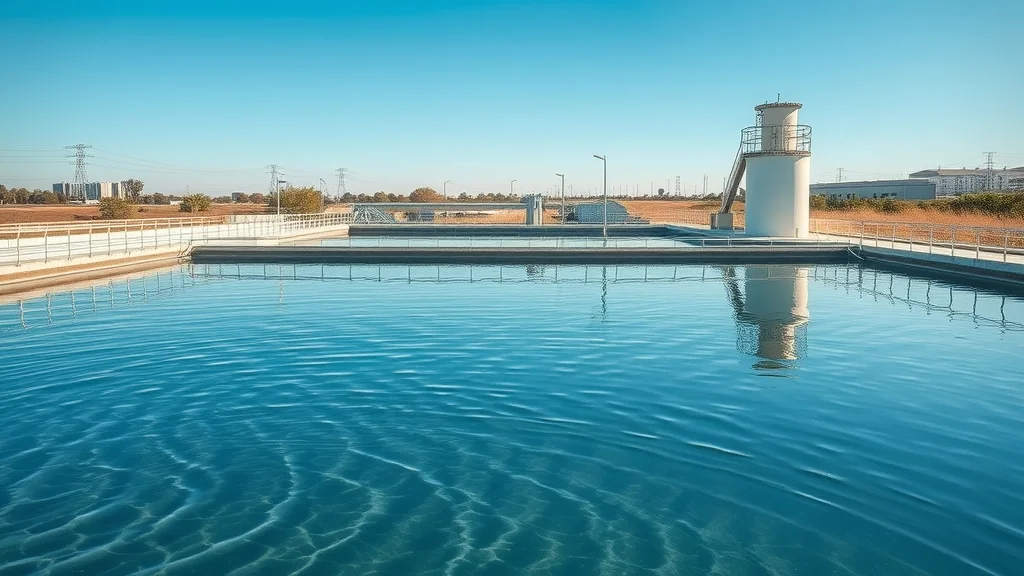
When examining the chemical cocktail present in our drinking water, it's crucial to distinguish between different estrogenic compounds. The main players are natural estrogens like estradiol and estrone, which are produced by human and animal bodies and excreted into wastewater. Synthetic estrogens, including ethinylestradiol (used in oral contraceptives and hormone replacement therapies), and other man-made chemicals, present unique challenges due to their persistent and potent nature.
These compounds are classified as endocrine disruptors because even at low concentrations, they can interfere with the body's endocrine system, potentially impacting the reproductive system, development, and overall human health. Of special concern is the fact that many water treatment plants and wastewater treatment facilities do not completely eliminate these estrogenic compounds. This is why Dr. Lester Wang, Water Treatment Specialist, stresses:
"Current wastewater treatment plants are not fully equipped to eliminate all estrogenic compounds," states Dr. Lester Wang, Water Treatment Specialist.
Endocrine disruptors and estrogenic compounds
Synthetic estrogen and its sources
It's important to note that estrogenic compounds are not the only contaminants of concern in our water systems. For example, PFAS chemicals from landfills can also persist in the environment and pose significant health risks, highlighting the broader challenge of emerging contaminants in our water supply. To understand more about how PFAS-contaminated landfills threaten our health, explore this in-depth overview: PFAS-Contaminated Landfills Health Risks.

Why Is Estrogen Contamination in Water Supplies an Issue?
The biggest issue with estrogen contamination in water supplies is that these substances operate as "silent invaders": you can't see, taste, or smell them, but their effects on your body and the environment can be significant.
Estrogenic compounds act as endocrine disruptors, meaning they can mimic or inhibit natural hormones, leading to potential disruptions in hormone balance. This has been well-documented in scientific studies, which have linked low-level exposure to estrogenic compounds in water sources with abnormalities in aquatic wildlife and raising concerns about human health.
Compounding the risk is the fact that humans are rarely exposed to just one type of estrogenic compound at a time. Instead, we're exposed to mixtures with synergistic or additive effects that can amplify potential health risks, especially for those with sensitive endocrine systems. This cumulative exposure through drinking water and other sources is now a focus for medical researchers and public health agencies alike.
Impacts on hormones and human health
Components of estrogenic compound mixtures
Human Health Risks: Estrogenic Compounds in Drinking Water
Potential Health Effects of Estrogen Contamination
The possible human health effects from long-term exposure to estrogenic compounds in drinking water are a source of ongoing research and growing concern. Exposure has the potential to cause developmental, reproductive, neurological, and immune issues in both children and adults. Sensitive populations, such as young children, pregnant individuals, and people with compromised immune or endocrine systems, may be particularly vulnerable to low concentrations of these chemicals in their water supply.
Reproductive system abnormalities, early onset of puberty, decreased fertility, and increased risk for chronic diseases have all been associated with exposure to synthetic estrogens and other endocrine disruptors. Even though the concentrations are often very low, the persistent and cumulative exposure is where the real risks lie. Dr. Ava Harrison, Medical Toxicologist, underscores the urgency:
"There is growing evidence suggesting that long-term exposure to low-level estrogenic compounds can pose health risks," comments Dr. Ava Harrison, Medical Toxicologist.
Developmental, reproductive, and chronic disease risks
Sensitive populations and children

Estrogen Contamination in Water Supplies: Environmental Consequences
Ecological Disruption and Wildlife Concerns
Estrogenic compounds in water supplies do not just pose a threat to human health—they also disrupt the ecological balance of aquatic environments. Even trace amounts of natural estrogen or synthetic estrogens introduced into surface water can affect fish and other aquatic organisms, leading to the phenomenon known as "intersex" in male fish, reproductive failures, and even population declines. Water treatment plants are not always equipped to fully remove these persistent contaminants, allowing them to enter rivers, lakes, and streams and accumulate in sensitive wildlife.
Studies in both the United States and internationally highlight the visible impact these endocrine disruptors can have on local ecosystems. When wastewater treatment plants discharge even partially treated water, fragile aquatic systems bear the burden, especially during low-flow periods when dilution is less effective. The comparison of natural and synthetic estrogens' ecological effects further underscores the urgency of addressing this issue at the water source level.
Surface water and water treatment plant influences
Impact on aquatic life
Comparison of Natural vs. Synthetic Estrogen Effects in Ecosystems
Type of Estrogen |
Source |
Primary Ecosystem Effects |
|---|---|---|
Natural Estrogen |
Humans, animals |
Hormone disruption in aquatic fauna, feminization of male fish |
Synthetic Estrogen |
Pharmaceuticals (e.g., birth control, HRT) |
Stronger, persistent endocrine disruption, reproductive failure, altered reproductive system development |

How Effective Is Water Treatment at Removing Estrogenic Compounds?
Water Treatment Plants and Wastewater Treatment Limitations
Unfortunately, most conventional water treatment plants and wastewater treatment systems were not designed to target estrogenic compounds. While some technologies reduce levels of these endocrine disruptors, many compounds are resistant to standard purification methods.
While treatments such as activated carbon filtration, ozonation, and advanced oxidation processes show promise, they are not used universally across all treatment plant facilities. This incomplete removal means that trace amounts of natural estrogen and synthetic estrogens often slip through into our drinking water supply.
Efficiency largely depends on the treatment process employed. Conventional chlorination, for instance, does little to remove many estrogenic compounds. Newer membrane filtration and activated carbon techniques can improve removal rates but involve significant infrastructure upgrades that are not yet widespread. Thus, while treatment plants do make a difference, they do not guarantee estrogen-free water for all communities.
Technologies used in drinking water treatment
Efficiency in removing endocrine disruptors
Granular Activated Carbon (GAC)
Reverse Osmosis (RO)
Advanced Oxidation Processes (AOPs)
Ozonation
Ultrafiltration or membrane filtration
Typical Removal Rates of Estrogenic Compounds by Water Treatment Method
Treatment Process |
Average Removal Rate (%) |
|---|---|
Sand Filtration |
10–30% |
Granular Activated Carbon (GAC) |
50–95% |
Ozonation |
60–98% |
Reverse Osmosis |
80–99% |
Advanced Oxidation Process |
70–99% |

Detecting Estrogen Contamination in Your Water Supply
Testing Methods for Estrogenic Compounds
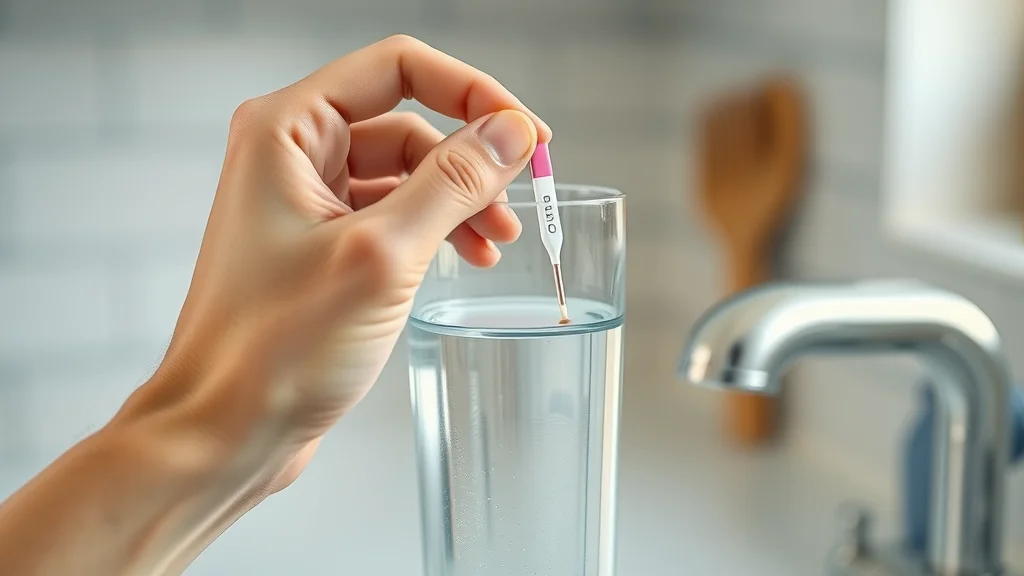
If you are concerned about estrogenic compounds in your household water, reliable detection methods are available. At-home testing kits can provide initial indicators, but laboratory testing remains the gold standard for accurately quantifying estrogen contamination. Water that tastes or smells off, or exhibits unusual color or residue, may also warrant further investigation; however, estrogenic compounds are often undetectable by the senses and require chemical analysis.
Testing, though sometimes costly, empowers consumers to advocate for their own safety and raises public awareness about contamination issues. Ultimately, knowing what’s in your water is the first step in reducing your exposure to potential endocrine disruptors from both natural and synthetic estrogens.
At-home test kits vs. lab testing
Indicators of estrogen contamination in drinking water
How Can You Protect Yourself from Estrogen Contamination in Water Supplies?
Practical Steps and Water Filters
While waiting for regulatory bodies and treatment plants to catch up, individuals can take important action at the household level. Water filter options such as activated carbon systems, reverse osmosis, and certain pitcher filters can reduce exposure to estrogenic compounds. Always check product claims and certifications: not all filters are effective for these specific contaminants.
Safe water practices, such as using certified filters, regularly maintaining filtration devices, and staying informed about water quality reports in your region, provide the best defense. Involving your community in advocacy for improved municipal water treatment is also an effective way to protect public health on a larger scale.
Household water filter options
Best practices for water safety
Install a certified water filter with activated carbon or reverse osmosis functionality
Regularly change filter cartridges according to manufacturer instructions
Request and review your local water quality report
Dispose of unwanted pharmaceuticals responsibly; never flush them
Advocate for upgrading your community's water treatment plant

Policies and Regulations: Tackling Estrogen Contamination in Water Supplies
Regulatory Standards for Drinking Water and Estrogenic Compounds
Currently, water quality regulations in the United States and across the world lag behind the growing scientific understanding of endocrine disruptors. Most countries have not established enforceable limits for estrogenic compounds in drinking water, and monitoring is sporadic at best. The Environmental Protection Agency (EPA) and agencies abroad have begun to prioritize endocrine disruptors for risk assessment, but actionable guidelines remain slow to materialize.
Internationally, approaches to estrogen contamination in water supplies differ—some countries have begun to mandate additional testing for pharmaceuticals and hormones, while others rely on voluntary monitoring. Regulatory agencies must move decisively to update water quality standards and support wastewater treatment plant upgrades that specifically target these contaminants. As Dr. Markus Klein, Regulatory Analyst, insists:
"Policy advances are crucial for safeguarding public and environmental health against estrogenic compounds," emphasizes Dr. Markus Klein, Regulatory Analyst.
Current rules for water quality
International approaches to endocrine disruptors

Controversies and Debates: Are We Doing Enough about Estrogen Contamination in Water Supplies?
Public Perception vs. Scientific Consensus
The debate over estrogen contamination in water supplies is marked by conflicting views. While some argue that low concentrations are not enough to warrant action, scientific consensus is shifting towards caution—particularly as evidence mounts regarding risks to sensitive populations and wildlife. Public concern rises as more research surfaces, yet clear, standards-based solutions are still far from universal adoption.
Water experts agree on the importance of regular water source monitoring, upgrading treatment technologies, and prioritizing transparency in public health communications. Until regulations catch up with science, it remains largely a personal responsibility to reduce risk, monitor water quality, and advocate for improved community safeguards.
Conflicting views on human health and safety
Expert opinions on water source monitoring
Innovation & Future Directions for Reducing Estrogen Contamination in Water Supplies
Emerging Technologies in Water Treatment
Hope is on the horizon thanks to innovative technologies designed to specifically target endocrine disruptors in our water supply. Advanced membrane filtration, improved adsorption materials, and real-time contaminant monitoring are making headway in research labs and progressive municipal systems. Upgrades for existing wastewater treatment plants, including the integration of advanced oxidation and bioreactor processes, hold promise for more complete removal of both natural and synthetic estrogen compounds.
As investment in research and technology grows, so too does the potential for more effective, affordable, and sustainable solutions. The future depends on industry innovation, scientific advancement, and public demand for water safety reforms at the treatment plant and policy levels.
Breakthroughs for removing synthetic and natural estrogen
Wastewater treatment plant upgrades on the horizon
People Also Ask: Your Top Questions Answered
Can water filtration remove estrogenic compounds from drinking water?
A look at filtration technologies, their capabilities, and limitations in addressing estrogen contamination in water supplies.
Modern filtration technologies, such as activated carbon, reverse osmosis, and advanced oxidation, can reduce—but not always completely eliminate—estrogenic compounds in drinking water. While these methods are more effective than traditional sand filtration or chlorination, the best results come from combining technologies.
It's always important to check a filter's certification to ensure it targets endocrine disruptors, and to understand that not all home systems are created equal. Ultimately, while you can greatly reduce exposure, regular filter maintenance and water testing are also needed to keep your water as safe as possible.
How do estrogenic compounds get into the water supply?
Explains how human health activities, wastewater treatment, and surface water runoff introduce estrogenic compounds into water sources.
Estrogenic compounds enter water supplies primarily through human and animal excretion, which reaches wastewater treatment plants. Industrial and agricultural runoff, improper pharmaceutical disposal, and even leaching from landfills introduce these substances into surface water.
While treatment plants remove some of these chemicals, incomplete elimination means estrogenic compounds can persist as contaminants in surface water and, ultimately, in our drinking water supply.
What are the signs of estrogen contamination in drinking water?
Outlines indicators in water appearance and taste, as well as testing and monitoring for estrogenic compound presence.
There are generally no visible signs of estrogen contamination in drinking water—estrogenic compounds are colorless, tasteless, and odorless at the concentrations typically found in water supplies.
The best way to determine if your water is contaminated is through testing, either by using at-home kits or by sending samples to a certified lab. Reviewing your municipality’s water quality reports can also provide insight into potential contamination risks in your area.
Are certain populations more at risk from estrogen contamination in water supplies?
Describes why children, pregnant individuals, and sensitive populations may be more affected by exposure to estrogenic compounds.
Yes, certain groups—including young children, pregnant people, the elderly, and individuals with hormonal imbalances—are especially sensitive to the effects of endocrine disruptors like estrogenic compounds in drinking water. Vulnerabilities arise because these populations may have developing or compromised endocrine and reproductive systems, making them more susceptible to hormonal disruption, even at low concentrations.

Estrogen Contamination in Water Supplies: Frequently Asked Questions
What are estrogenic compounds and endocrine disruptors?
Estrogenic compounds are natural or synthetic chemicals that mimic the hormone estrogen, while endocrine disruptors are substances that can interfere with the normal function of the body's hormone system.Can boiling water remove estrogen?
No, boiling water does not remove estrogenic compounds or other endocrine disruptors. Advanced filtration or chemical treatment is required.What water treatment methods are most effective?
Reverse osmosis, granular activated carbon, and advanced oxidation processes are among the most effective at removing estrogenic compounds from drinking water.Are bottled waters free from estrogen contamination?
Bottled water is not always free from contamination—some bottled waters come from the same sources as tap water, and plastic bottles themselves may leach endocrine disruptors.Is legislation keeping up with science in regulating estrogenic compounds?
No, current legislation is lagging behind scientific findings. There is a need for clearer safety standards and regulatory guidelines.
Key Takeaways: Estrogen Contamination in Water Supplies
Estrogen contamination in water supplies is a growing concern with implications for human health and the environment.
Water treatment plants reduce but rarely eliminate all estrogenic compounds.
Simple personal actions and policy changes can help address the risks.
Stay Informed and Protected Against Estrogen Contamination in Water Supplies
Stay curious and informed—discover more trusted information like this at: NCWellnessHub.com
In summary: Understanding and acting on the risks of estrogen contamination in water supplies is essential for public health. Stay informed, test your water, and support policy innovation to keep your home and family safe.
If you’re interested in taking a more holistic approach to water safety, it’s worth exploring how other factors—like well water quality—can impact your health. From understanding potential contaminants to learning about best practices for safe water consumption, expanding your knowledge can empower you to make smarter choices for your household.
For a comprehensive look at well water safety and actionable insights, visit Understanding Safe Well Water: Key Facts and Insights. By staying proactive and informed, you can better safeguard your family’s health and well-being for years to come.
Sources
NIH/NLM – https://www.ncbi.nlm.nih.gov/pmc/articles/PMC4280593/
ACS Publications – https://pubs.acs.org/doi/10.1021/es0481169
Nature Water – https://www.nature.com/articles/s41545-021-00124-z
Estrogen contamination in water supplies is a growing concern due to its potential impact on human health and the environment. To delve deeper into this issue, consider exploring the following resources:
The article “New report Don’t blame The Pill for estrogen in drinking water” published by the American Chemical Society, examines the various sources of estrogen in drinking water, highlighting that birth control pills contribute less than 1% to the overall estrogen levels.
The study “Are endocrine disrupting compounds a health risk in drinking water?” available on PubMed, discusses the presence of endocrine-disrupting compounds in freshwater and wastewater, and their potential health risks, emphasizing the need for effective water treatment processes.
If you really want to understand mitigating the risks associated with estrogen contamination in water supplies, these resources will provide you with comprehensive insights and practical information.





Write A Comment