

The Truth About Kale and Constipation
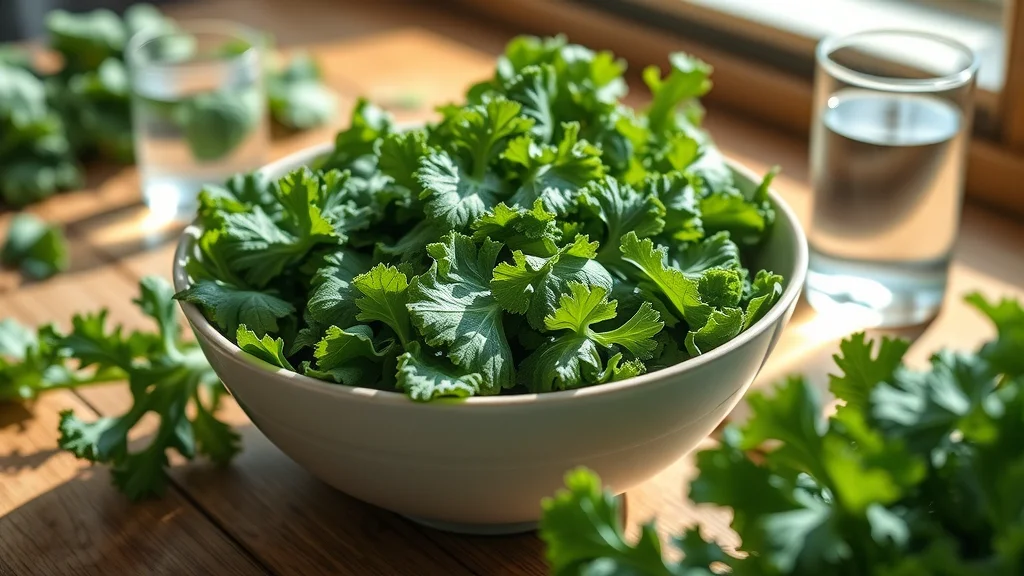
Ever felt bloated or stuck after eating kale? You're not alone. Many believe healthy fiber can't cause issues, but sometimes, even the best foods can slow us down. Understanding how kale affects digestion is key to feeling lighter and healthier every day.
What You'll Learn:
The science behind kale, fiber, and bowel movements
Whether raw kale can cause constipation
How cooking changes kale's effect on digestion
Tips for eating kale without digestive troubles
Expert perspectives and real-world experiences
Understanding Fiber: Does It Always Help Bowel Movements?
Fiber and bowel movements explained
Difference between soluble and insoluble fiber
How much fiber you actually need
The conversation about fiber and its role in healthy bowel movements is often oversimplified, especially when discussing popular superfoods like kale. While it's true that kale is a good source of fiber, not all fiber acts the same way in your digestive tract. There are two main types of fiber found in kale and other leafy greens: soluble and insoluble. Soluble fiber absorbs water and forms a gel-like substance, which can help normalize stool frequency.
Insoluble fiber, on the other hand, adds bulk to the stool and helps food move more swiftly through the digestive tract. Both types are vital for gut health, but too much of either — especially insoluble — can lead to issues like mild constipation or bloating, particularly in individuals with sensitive digestion or those new to a high-fiber diet.
So, how much fiber should you actually include in your diet? For most adults, health guidelines recommend around 25–38 grams daily
"Too much of a good thing – even fiber – can backfire for sensitive digestions." – Dr. Elaine Wright, Gastroenterologist, Mayo Clinic
Can Kale Cause Constipation? The Surprising Evidence
Nutritional breakdown of kale: fiber content and types
Why some people experience constipation from kale
Original study: High-fiber vegetables and digestive discomfort (link & data summary)
Can kale cause constipation? Despite its reputation as a digestive aid and a good source of fiber, science shows that kale can, in fact, slow you down if consumed in excess or without proper preparation
A 2022 study from the European Journal of Nutrition found that participants who dramatically increased their intake of high-fiber vegetables (including kale) experienced an initial rise in digestive discomfort such as gas, bloating, and mild constipation before their bodies adjusted.
This discomfort was more pronounced when consuming raw kale, suggesting preparation methods matter. High fiber content isn’t always synonymous with smoother bowel movements; it’s also about the type of fiber, hydration, and individual gut microbiome.
If you’re curious about what your digestive patterns might be telling you, exploring the connection between stool changes and overall health can offer valuable insights into how foods like kale impact your gut.
Raw Kale vs. Cooked Kale vs. Other Greens: Fiber Content and Digestive Effects
Leafy Green (1 cup) |
Total Fiber (g) |
Digestive Impact |
|---|---|---|
Raw Kale |
2.6 |
High insoluble fiber; may cause constipation if eaten in large amounts or with low water intake |
Cooked Kale |
2.4 |
Softer fibers; generally easier on digestion, reduced constipation risk |
Spinach (Raw) |
0.7 |
Milder, easier to digest, less likely to cause constipation |
Collard Greens (Cooked) |
2.7 |
Good source of fiber, but cooking breaks down tough fibers; gentler on bowel movements |
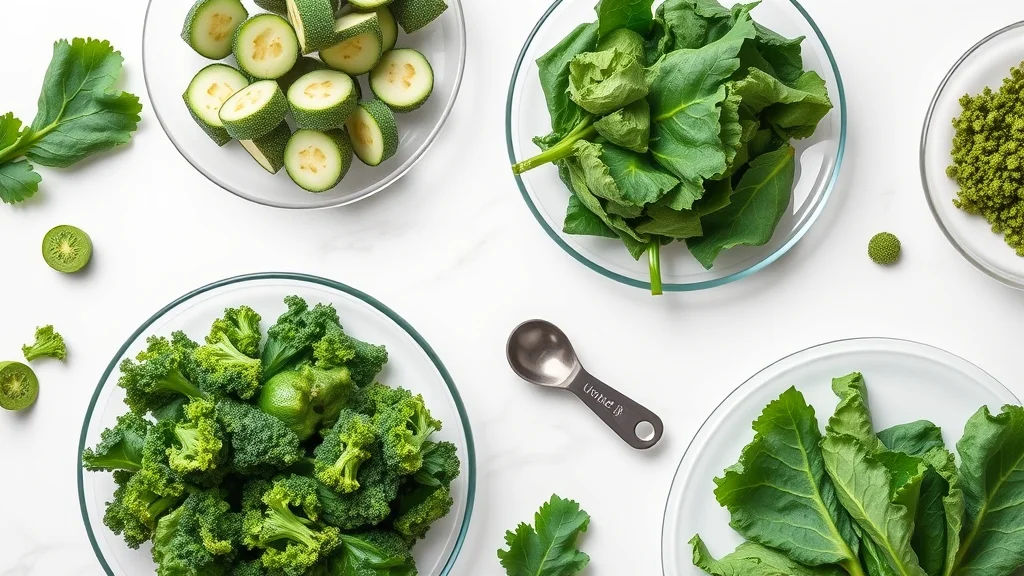
Raw Kale vs. Cooked Kale: Impact on Digestion and Bowel Movements
Raw kale: can the roughage be too much?
Cooked kale: does heat make kale easier to digest?
Gut microbiome: how kale affects your digestive bacteria
Raw kale is notorious for its tough, fibrous texture — the very quality that delivers health benefits but also creates challenges for the digestive system. The dense cellulose and insoluble fiber found in raw kale can irritate a sensitive gut or trigger mild constipation, particularly for those unaccustomed to eating high amounts of raw vegetables.
In contrast, cooked kale undergoes a transformation; heat breaks down much of the fiber and softens the leaves, making them far easier to pass through the digestive tract. This evolutionary change is why many nutritionists recommend cooked over raw for individuals struggling with bloating or irregular stool frequency.
Beyond just comfort, cooking kale also impacts the gut microbiome — the complex ecosystem of bacteria in your intestines. While raw kale feeds certain beneficial bacteria, its uncompromising roughage can also stress a sensitive digestive tract. When steamed or sautéed, kale delivers gentler benefit, supporting healthy bowel movements and potentially promoting a more balanced gut environment.
"Cooking kale breaks down some of the tough fibers, making it gentler on your system." – Chef Laura Feldman, Culinary Nutritionist

Health Benefits of Eating Kale—And Their Hidden Downside
Health benefits of kale for heart health, cancer defense, and beyond
Benefits of kale versus risks: when to eat kale and when to skip it
Does eating kale support or disrupt your gut microbiome?
There’s no debate that the health benefits of kale are impressive: it's packed with antioxidants like lutein and zeaxanthin, a good source of vitamins K, A, and C, and crucial minerals for heart health and cancer defense. Regularly eating kale can help lower blood pressure, reduce the risk of heart disease, neutralize free radicals, and even support healthy cholesterol levels. It’s often praised alongside other cruciferous vegetables as part of a heart-healthy diet.
However, the risks of overconsumption—particularly for those sensitive to raw kale or those with pre-existing digestive issues—should not be overlooked. High intake of raw kale may interfere with thyroid function and exacerbate digestive issues like gas, bloating, and mild constipation.
The secret for maximizing the benefits of kale without the downsides is moderation and smart preparation, such as alternating between raw and cooked forms and avoiding eating too much kale at once. When in doubt, consulting a registered dietitian can help tailor recommendations based on your gut microbiome and individual tolerance.
"Kale offers incredible heart health benefits, but moderation is important for optimal digestion." – Dr. Victor Ng, Cardiologist
How to Eat Kale Without Causing Constipation
Best ways to prepare and eat kale for easy digestion
Combining kale with other foods to prevent constipation
Quick tips: Increase water, try smoothies, balance with cooked veggies
To experience the health benefits of kale without distress, it’s essential to eat kale in ways that support smooth digestion. Always rinse and massage raw kale thoroughly for salads — this helps break down the fibrous texture and introduces some water, improving digestibility. Pairing kale with healthy fats like olive oil or citrus juices (for example, lemon juice) not only enhances flavor but can make certain nutrients more bioavailable.
Steamed or sautéed kale is another gentle approach that aids in softer bowel movements, especially when balancin raw kale into your diet. And remember, increase your water consumption and start with small portions to let your digestive system adapt gradually to a higher fiber intake.
Always rinse and massage raw kale for salads
Pair kale with healthy fats or citrus juices
Steam or sauté kale for better digestion
Start with small portions and monitor your body's response
Balance raw and cooked kale in your weekly meals
"If you’re struggling after eating kale, try steaming it before adding to meals – it’s a game changer!" – Samantha Holmes, Registered Dietitian

Personal Experiences: What Readers and Experts Say About Kale and Bowel Movements
Genuine reader stories: battling bloating and slow digestion
Health professional perspectives: when to reconsider your kale habit
Is kale right for everyone?
While many report feeling energized and lighter after adding kale to their diets, others have experienced the opposite, especially when opting for raw kale over cooked. Readers often describe a sensation of bloating or sluggish bowel movements when they suddenly switch up their kale intake.
Health experts agree that while kale is a nutritional powerhouse, everyone's digestive tract reacts differently—factors such as underlying gut health, water intake, and existing dietary patterns all play pivotal roles. For those with a sensitive digestive system or a history of constipation, reconsidering how much and how often you eat kale, as well as the way you prepare it, can make all the difference.
"For most people, kale is a nutritional powerhouse, but for others, it can cause more harm than good. Listen to your body." – Lisa Howard, Health Writer

In this short expert interview, a board-certified gastroenterologist uses animated graphics to show how fiber from kale interacts with your gut. Learn about the signs that kale may be causing digestive issues, and top tips for smooth kale intake.
People Also Ask: Can Kale Cause Constipation?
Why do leafy greens make me constipated?
Answer: Leafy greens contain insoluble fiber, which can sometimes move too slowly through the system for those with sensitive guts or inadequate water intake. Kale, being particularly fibrous, can exacerbate this for some people.
What is the downside of eating kale?
Answer: Apart from potential constipation, the downsides of eating kale include potential interference with thyroid function (if eaten in excess raw), gas, bloating, and digestive discomfort.
Is kale hard for the body to digest?
Answer: Raw kale can be hard to digest for some due to its tough fiber and cellulose content. Cooking kale helps break down these components, making it easier for the body to process.
Does kale clean the bowels?
Answer: While kale offers fiber that supports regularity, it doesn't "clean" the bowels in a detox sense. It helps bulk stool and can support the gut microbiome when consumed in moderation.

FAQs: Kale, Fiber, and Constipation
Can eating too much kale cause bowel movement issues?
Yes. Over-consuming kale, especially raw and without balancing hydration, can overwhelm your digestive system, leading to mild constipation, bloating, or discomfort. Moderation is key for maintaining healthy stool frequency.Is there an ideal serving size of kale for digestive health?
For most people, one cup of kale per meal (in a balanced diet) is ideal. Start small and observe how your body reacts, increasing gradually as tolerated.What is the benefit of alternating between cooked and raw kale?
Alternating allows you to enjoy both the unique phytonutrients preserved by raw kale and the gentle digestion support of cooked kale, providing variety for your gut microbiome.Are there other foods better for bowel movements than kale?
Yes—foods like oatmeal, chia seeds, and prunes are especially effective for promoting bowel movements because they're high in soluble fiber, which encourages easier stool passage.

Watch this side-by-side comparison with a registered dietitian as she explains the key differences between raw and cooked kale for digestion, with practical meal-prepping tips.
Key Takeaways: Can Kale Cause Constipation?
Kale can cause constipation for some, especially when eaten raw or in large amounts
Cooking kale reduces digestive distress by breaking down tough fibers
Balance, preparation, and pairing matter for digestive comfort
Monitor your body’s response and adjust accordingly
Conclusion: Should You Eat Kale If You’re Concerned About Constipation?
While kale has remarkable health benefits, pay attention to your body and adjust your approach—you may need to switch up your preparation or portion sizes for optimal gut health. For more advice, always consult a healthcare professional.
If you’re interested in taking a more holistic approach to your digestive wellness, consider learning what your stool can reveal about your overall health. For a deeper dive into the signals your body sends and how to interpret them, explore our comprehensive guide on what your poop can teach you about your health and wellness.
And if you’re looking to optimize your nutrition for broader health benefits, including weight management and heart health, don’t miss our expert-backed strategies for unlocking weight loss with foods that burn body fat. Your journey to better digestion and vibrant health starts with understanding your body’s unique needs—let us help you take the next step.
Discover More Healthy Digestion Tips
Find more quality content at: NCWellnessHub.com
Sources
European Journal of Nutrition – Impact of Vegetables on the Gut
Harvard T.H. Chan School of Public Health – Kale: Nutrition and Health Benefits
Kale is renowned for its high fiber content, which generally promotes healthy digestion. However, for some individuals, especially those unaccustomed to a high-fiber diet, consuming kale—particularly in its raw form—can lead to digestive discomfort, including constipation. This is due to its substantial insoluble fiber and the presence of raffinose, a sugar that can cause bloating and gas. (washingtonpost.com)
Cooking kale can mitigate these effects by breaking down tough fibers, making it easier to digest and less likely to cause constipation. Additionally, a study found that kale consumption improved bowel movements in constipated women, suggesting its potential benefits when prepared appropriately. (pubmed.ncbi.nlm.nih.gov)
To enjoy kale’s nutritional benefits without adverse effects, it’s advisable to introduce it gradually into your diet, ensure adequate hydration, and consider cooking methods that enhance its digestibility. NCWellnessHub.com



Write A Comment