

Did you know over 3 billion people rely on fish as their main protein source—yet few know which species deliver the most? If you’re looking to make smart, health-driven dietary choices, learning which fish give you the highest grams of protein per serving can make a significant impact.
In this article, you’ll discover the top 5 fish with the most protein. We’ll compare them head-to-head, unpack their health benefits, and offer easy cooking tips to help you boost your protein intake—deliciously and sustainably.
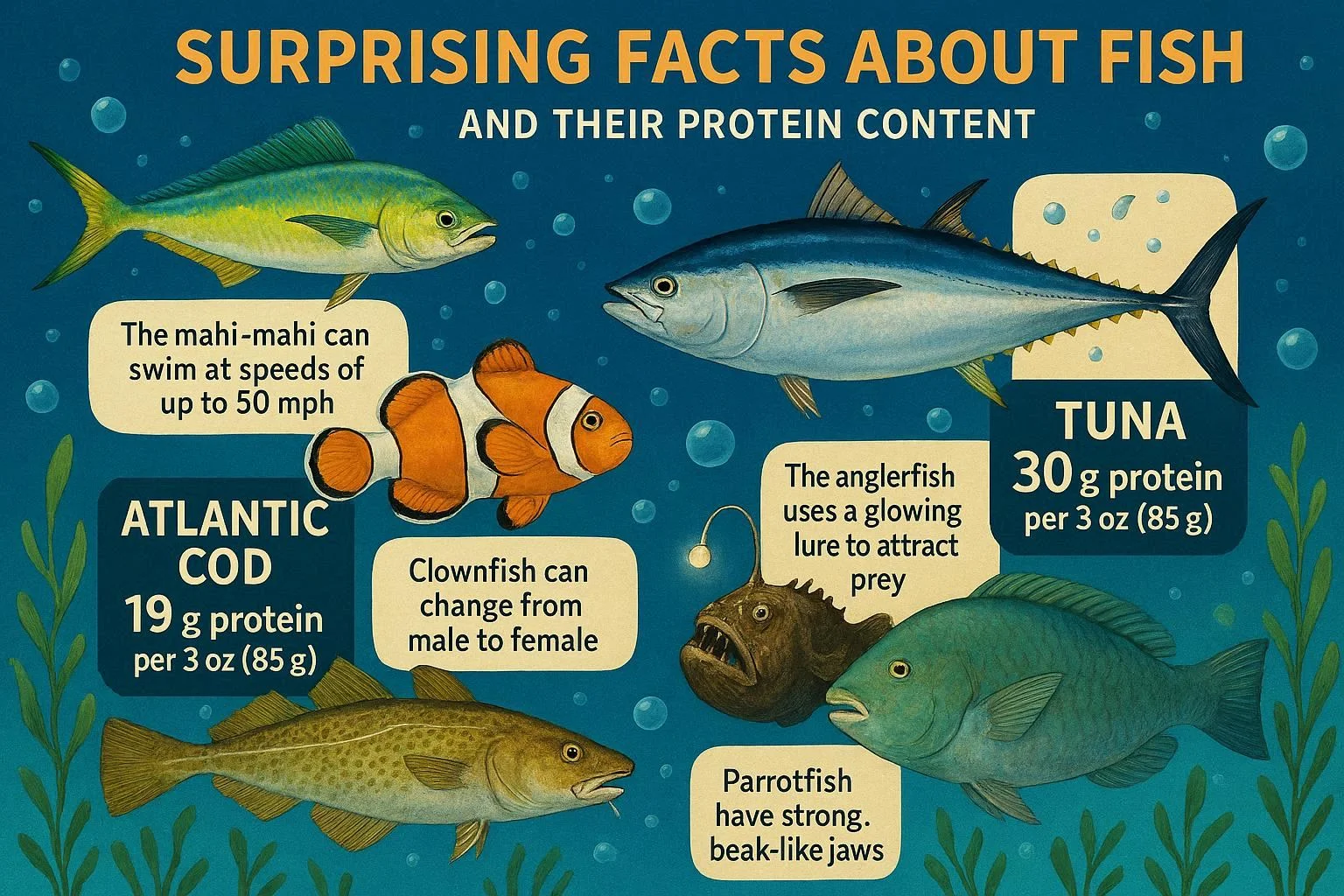
Surprising Facts About Fish and Protein: Why the '5 Fish With the Most Protein' Matter
"Over 3 billion people rely on fish as their primary source of protein, yet few know which fish pack the biggest nutritional punch."
Fish and seafood are a good source of protein and nutritional powerhouses, offering a unique combination of high protein, heart-healthy fatty acids, and low levels of saturated fat. Including the 5 fish with the most protein in your menu isn’t just about muscle mass: it’s a holistic path toward better heart health, metabolic function, and long-term wellness. These protein fish are also a great source of essential nutrients like omega-3s and B vitamins.
As global demand for fish and seafood grows, knowing which options provide maximum protein content per ounce serving helps you make the most efficient, cost-effective, and environmentally conscious choices for your diet. Read on to learn why these five stand above the rest!

Understanding High Protein Fish and Seafood: Nutritional Benefits for Your Health
High protein fish aren’t just satisfying—they’re nutrient-dense foods that help support strong muscles, a robust immune system, and optimal brain function. Why are these fish so important? Unlike many animal proteins, fish tend to be low in calories and low in fat, while delivering all the amino acids our bodies require. Incorporating the highest protein fish into your diet means you benefit from a complete amino acid profile and gain vital fatty acids that reduce inflammation and help secure your heart health.
The protein content of fish directly supports muscle maintenance and recovery, making it ideal for athletes, growing children, and anyone seeking to build or preserve lean muscle mass. When you choose species known for their high protein—like tuna, salmon, and cod—you’re making a choice that fuels your body, boosts immunity, and supports overall well-being.
For those interested in maximizing the immune-boosting effects of their diet, pairing high protein fish with other nutrient-rich foods can be especially beneficial. For example, combining seafood with ingredients like garlic and ginger may further enhance your body's natural defenses—learn more about the top benefits of garlic and ginger for immunity and how they complement a protein-rich meal plan.
How 5 Fish With the Most Protein Compare to Other Protein Sources
Complete amino acid profile in high protein fish
Omega-3 fatty acids and heart health
Lean protein benefits for muscle maintenance
When you’re seeking the best source of protein, high protein fish offer advantages over many land-based options, making them a superior source of protein. Unlike fatty meats that may carry higher saturated fat, most seafood is low in fat while being a good source of omega-3 fatty acids. Fish such as tuna can even beat chicken breast for grams of protein per calorie, making them an excellent source for anyone aiming to increase their protein intake without added calories.
"Fish and seafood are among the best sources of lean protein and essential nutrients." – Nutritionist Dr. Laura Kim
Criteria for Ranking: How We Selected the 5 Fish With the Most Protein
Not all fish are created equal in the protein department. For this list, we used specific criteria to ensure you’re getting the very best for your body and your planet. We compared the protein content per 100g serving for each fish, then looked at nutritional value beyond protein, including omega-3 fatty acids, key vitamins (like B12 and D), as well as availability and sustainability to make sure your choice is as responsible as it is healthy.
Protein content per 100g serving
Availability and sustainability
Nutritional value beyond protein
Good source of vitamins and minerals
Choosing protein fish that are both a good source of protein and sustainably sourced helps protect marine environments and ensures these benefits are available for generations to come. With these criteria in mind, let’s dive into the 5 fish with the most protein and see how they stack up!
The 5 Fish With the Most Protein (Ranked)
1. Tuna – The Ultimate High Protein Fish
Protein Content and Benefits
Tuna is, hands down, the king of high protein fish—with many varieties, such as yellowfin, delivering up to 30g of protein per 100g cooked portion. Its lean protein quality makes it a go-to for athletes and anyone focused on preserving muscle mass while maintaining a low-fat diet. Plus, tuna is naturally low in calories, so it lets you increase your protein intake without expanding your waistline.
Beyond protein, tuna is a good source of B vitamins and selenium, and it’s packed with omega-3 fatty acids that give your heart health a major boost. This high protein content and suite of essential nutrients put tuna at the top for efficient, effective nutrition in every ounce serving.
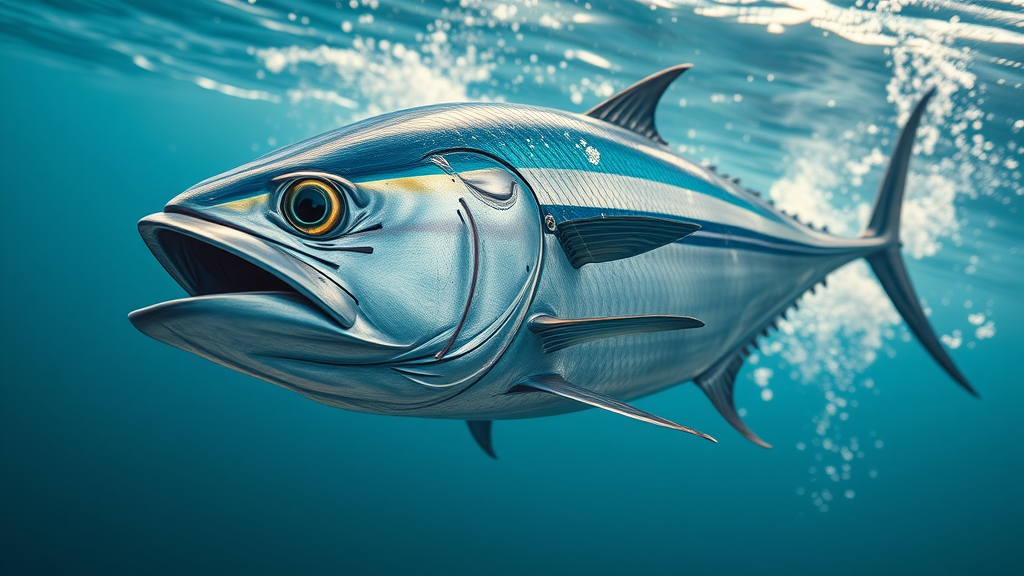
Best Ways to Prepare Tuna as a Good Source of Protein
Enjoy the versatility of tuna by incorporating it into salads, sushi, grilled steaks, or a classic niçoise. Canned tuna is also a convenient, protein-packed staple—just watch for mercury levels, especially in larger species. Tuna’s mild taste makes it easy to blend with bold spices, herbs, and healthy fats, allowing you to build meals that are as flavorful as they are nutritious.
Sustainability and Sourcing Considerations
Not every tuna population is equally healthy—some are overfished. To make a sustainable seafood choice, look for labels like MSC (Marine Stewardship Council) certification, which ensure that your purchase supports responsible fisheries. Skipjack tends to have lower mercury levels and is more widely available as a sustainable seafood option.
2. Salmon – Protein Fish Packed With Healthy Fats
Nutritional Profile: Salmon as a Top Source of Protein
Salmon is celebrated not only for its excellent source of protein (approximately 25g per 100g serving) but also as an oily fish brimming with omega-3 fatty acids. These fatty acids are linked to improved heart health, cognition, and anti-inflammatory effects—giving salmon a dual role in both protein and overall wellness.
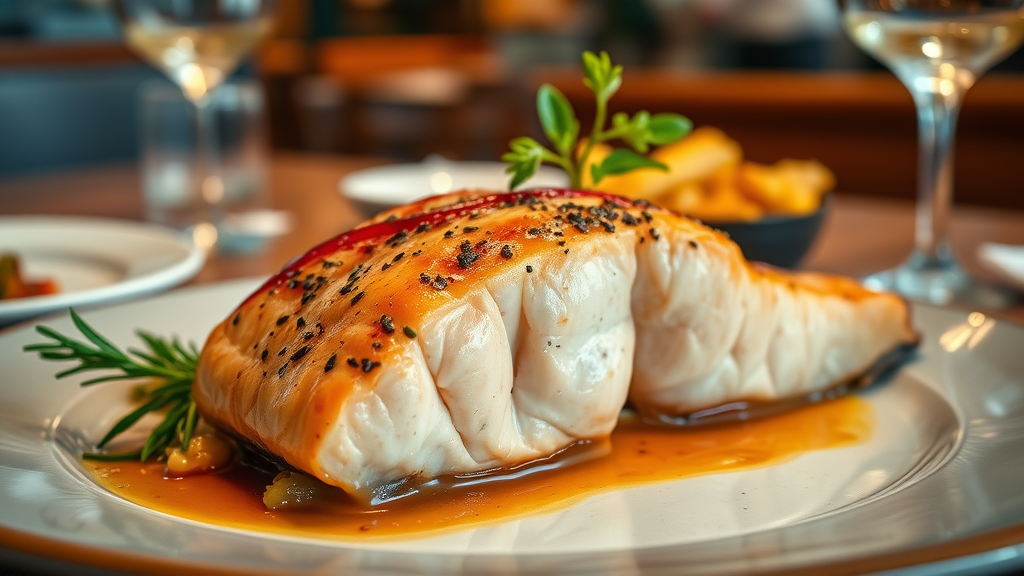
In addition to its protein, salmon delivers a robust punch of vitamin D, selenium, and B vitamins. This makes it a great source of not just protein, but also of key nutrients to support immune and nervous system functions. For those concerned about fat content, know that healthy fats found in salmon are beneficial and often lacking in many modern diets.
Delicious and Healthy Salmon Recipes
Try roasting salmon fillets with lemon and dill, baking it on cedar planks, or tossing leftover cooked salmon into whole grain salads and wraps. Raw salmon in sushi or poke bowls is a popular way to maximize both the flavor and nutrients, preserving the delicate amino acid chains and healthy fats.
Wild vs. Farmed Salmon: What to Choose?
While both yield high protein content, wild salmon generally has higher omega-3 levels and a more diverse nutrient profile, while farmed salmon is often more affordable and readily available. When possible, select wild-caught salmon to ensure a richer flavor and increased nutritional density, but responsibly farmed salmon is still a good source.
3. Halibut – Lean Protein and Versatile Cooking Options
Protein Data and Health Impact
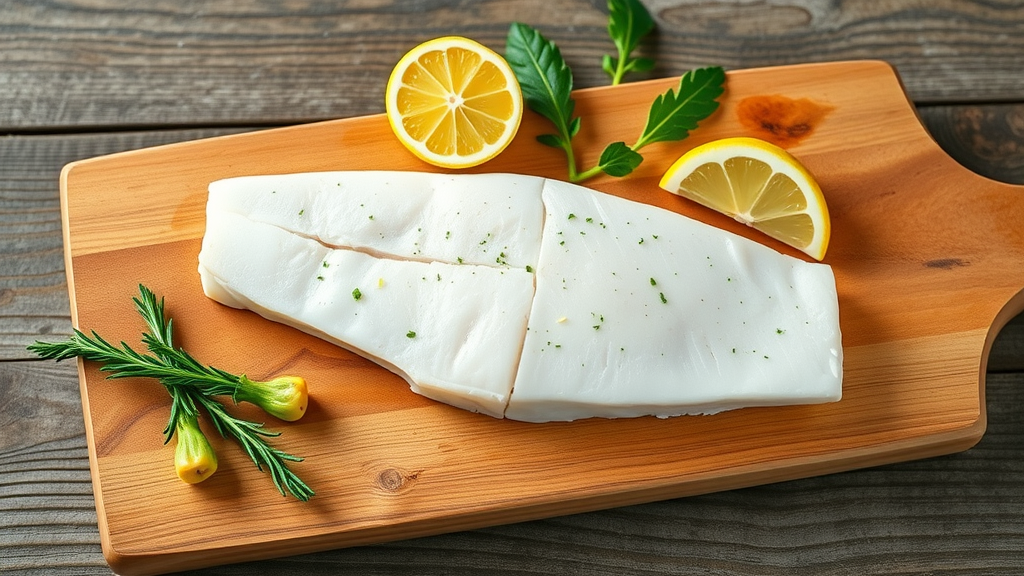
Halibut offers about 23g of protein per 100g serving, making it one of the most high in protein white fish varieties available. Its low fat and calorie content make it a favorite for low-fat diets focused on clean protein intake. Halibut’s nutrient profile includes heart-friendly minerals like magnesium and potassium, and it’s also a good source of B vitamins. Being low in calories yet satisfying, halibut provides prolonged satiety without excess calories.
With its mild flavor and meaty texture, halibut is easy to use in everything from tacos to hearty stews. It’s a great source for anyone wanting to boost protein without introducing strong fishy flavors. Its composition makes it ideal for post-workout meals or high-protein diet plans.
Best Ways to Include Halibut in High Protein Meals
Halibut’s firmness holds up well to grilling, baking, and pan-searing. Pair it with bold citrus glazes, fresh herbs, and seasonal vegetables for vibrant and nutrient-dense meals. It also absorbs marinades efficiently, so you can easily infuse global flavors and avoid monotony in your meal planning.
4. Snapper – Good Source of Protein and Nutrients
Why Snapper Stands Out for Protein Fish
Snapper packs in about 21g of protein per 100g portion, making it a good source of protein and placing it firmly among the best protein fish for overall nutrition. It is also a good source of vitamin B12, potassium, and selenium, which all contribute to energy production and immune system health. With a subtle, almost sweet taste and firm flesh, snapper is beloved by chefs and home cooks alike.
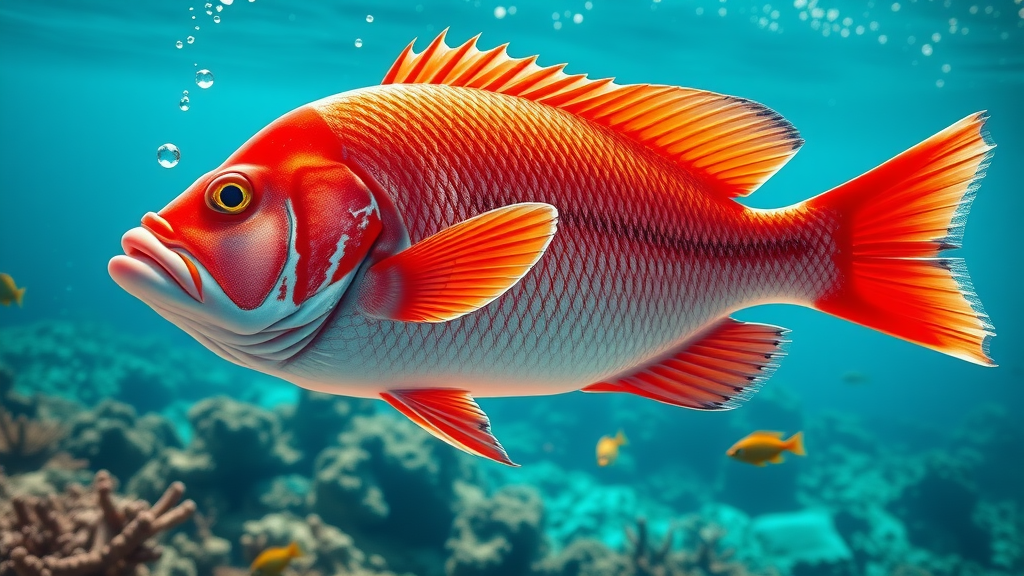
This white fish is naturally low in fat yet provides enough umami to anchor any dish, and it’s generally lower in mercury than some larger predatory fish. Snapper's diverse amino acid profile aids in muscle growth and cell repair, making it an ideal choice for anyone seeking high protein from seafood.
Cooking Tips for Maximizing Protein Retention
To keep the most protein content intact, favor gentle cooking methods like steaming or shallow baking. Overcooking can denature some proteins and affect tenderness. Snapper is often featured in Mediterranean and Latin cuisine, where it’s paired with tomatoes, olives, and citrus for a burst of nutrients and flavor.
5. Cod – Low-Calorie Fish High in Protein
Protein Content per Serving and Other Health Benefits
Cod delivers about 18g of protein per 100g serving, making it an ideal pick for those who prefer mild, low in fat fish. It’s also low in calories, so you can increase your protein without excess fat. As a white fish, cod is a good source of B vitamins—especially B6 and B12—as well as phosphorus and selenium, which help support thyroid function and energy metabolism.
Cod’s light texture and neutral profile make it especially suitable for family meals and for introducing kids to high protein fish without strong flavors. Its low mercury levels also make it a safer seafood choice for regular consumption.
Cod in Everyday Meals for Better Nutrition
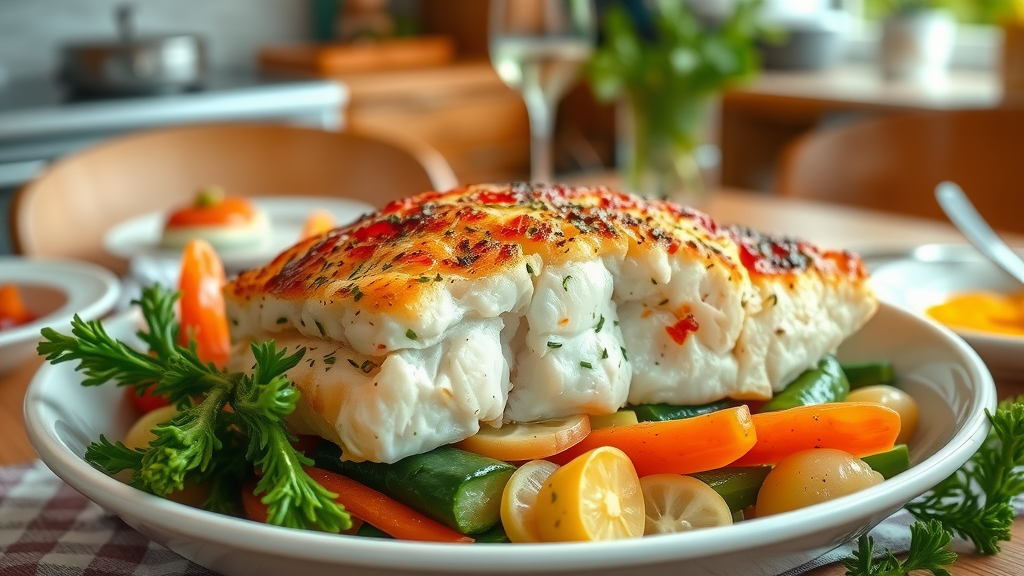
Try baked, steamed, or poached cod for maximum nutrition with minimal added fats. Cod flakes beautifully in chowders, tacos, and even protein-rich fish cakes. With such versatility, cod is among the easiest ways to add high protein to your weekly meal plan without culinary fuss.
Table: Nutrition Comparison of the 5 Fish With the Most Protein (Per 100g)
Fish |
Protein (g) |
Calories |
Omega-3 (mg) |
Key Vitamins |
|---|---|---|---|---|
Tuna |
30 |
132 |
900 |
B12, D, Selenium |
Salmon |
25 |
206 |
2200 |
D, B12, Selenium |
Halibut |
23 |
140 |
500 |
B12, Magnesium, Potassium |
Snapper |
21 |
110 |
400 |
B12, Potassium, Selenium |
Cod |
18 |
82 |
150 |
B6, B12, Phosphorus |

Key Health Benefits of Eating Protein Fish and Seafood Regularly
Supports muscle growth and repair
Boosts heart and brain function
Supports weight management and satiety
Regularly including high protein fish, a good source of protein, in your diet is linked to improved cardiovascular health, better brain function, and more successful weight management.
These source of protein options are nutrient-dense, supporting the immune system and helping you feel full on fewer calories. The omega-3 fatty acids found in protein-rich oily fish especially contribute to lower inflammation, healthier cholesterol levels, and happier moods.

Tip:
If you’re chasing the most protein per bite, these five fish are hard to beat (approximate protein per 100 g cooked): tuna (~29–30 g), anchovies (~28–29 g), swordfish (~27–28 g), halibut (~26–27 g), and red snapper (~26 g). Mahi-mahi, haddock, and salmon aren’t far behind, typically landing in the 24–26 g range depending on cooking method.
Quick notes: protein numbers vary with cooking (water loss concentrates protein), and mercury matters. Swordfish and big tunas tend to be higher in mercury — better as occasional choices — while anchovies are both protein-dense and very low in mercury. If you want a safer weekly staple with good omega-3s, rotate in salmon, sardines, or trout. However you slice it — grilled, baked, or canned — these options make it easy to hit your protein goals.
See the 5 fish with the most protein in action: compare nutritional facts, discover smart preparation methods, and get inspired for your next high protein meal!
People Also Ask: 'Which fish are highest in protein?'
Which fish are highest in protein?
"The fish with the highest protein content include tuna, salmon, halibut, snapper, and cod, each offering unique nutritional benefits as a source of protein."
Tuna ranks at the top as a source of protein for grams of protein per serving, followed by salmon, halibut, snapper, and cod. These selections provide a combination of lean protein, vital minerals, vitamins, and heart-healthy fatty acids, making them some of the most efficient ways to increase your protein intake with seafood.
People Also Ask: 'What is the top 5 healthiest fish?'
What is the top 5 healthiest fish?
"The healthiest fish are those low in mercury and high in omega-3s and protein, including salmon, sardines, mackerel, cod, and rainbow trout."
Beyond just protein content, the healthiest fish to eat are those that also offer high levels of beneficial omega-3 fatty acids and remain low in contaminants. Salmon, cod, sardines, mackerel, and rainbow trout are considered some of the best overall for health benefits—including for the brain, heart, and immune system.
People Also Ask: 'What fish food has the most protein?'
What fish food has the most protein?
"Fish food highest in protein are typically made with fish meal, shrimp meal, or krill. For pets, always check protein percentages on the label."
For aquarium enthusiasts and pet owners, high-protein fish food is usually labeled as containing fish meal, krill, or shrimp meal as the top ingredients. Protein levels for these foods can range between 35% and 55%, supporting strong growth and health for aquatic species.
People Also Ask: 'Which fish has more protein than chicken?'
Which fish has more protein than chicken?
"Tuna, for example, often has a higher protein content per serving than chicken breast, making it a superior source of protein for muscle growth."
If you compare a standard 100g serving, tuna often surpasses chicken breast as a source of protein for grams of protein, especially when using cooked or canned variations. This makes tuna particularly powerful for athletes, bodybuilders, or anyone seeking to maximize protein with minimal fat intake.

FAQs About the 5 Fish With the Most Protein
Are there high protein fish that are low in mercury?
Yes, fish like cod and salmon are generally considered low mercury options that still deliver plenty of protein. Stick to smaller tuna species such as skipjack, and check local guidelines for advisories on mercury level in specific fish.What portion size delivers maximum protein benefits?
A standard serving of fish is about 3–4 ounces cooked (85–113g), providing roughly 17–30g of high quality protein per meal, depending on species.How can I incorporate more protein fish into my diet?
Explore easy recipes like grilled fish, fish tacos, or protein bowls and keep canned tuna or salmon, both a good source of protein, on hand for convenient meals. Substituting fish for other animal proteins once or twice weekly can significantly raise your protein intake.Are frozen or canned options just as protein-rich?
Absolutely. Both frozen and canned fish retain their protein content and nutritional value, making them practical, affordable alternatives when fresh fish isn’t available.
Key Takeaways: Why Choose the 5 Fish With the Most Protein?
Including these fish increases overall protein intake
High protein fish offer vital nutrients beyond protein
Choosing sustainable options benefits both health and environment

Conclusion: Making the 5 Fish With the Most Protein A Staple of a Healthy Diet
Choose any of these protein fish, a good source of protein, and enjoy meals that are healthy, delicious, and fundamentally nourishing.
Ready to Boost Your Health? Start Adding the 5 Fish With the Most Protein to Your Meals Today!
Now that you know the top 5 fish with the most protein, it’s time to revamp your meal planning and enjoy the many benefits of a nutrient-rich, protein-focused diet. Your body—and your taste buds—will thank you!
If you’re inspired to take your nutrition even further, consider exploring how other essential nutrients can impact your overall health and vitality. Understanding the signs of vitamin deficiencies, such as those related to vitamin C, can help you create a truly balanced and resilient diet.
For a deeper dive into how missing nutrients might affect your well-being, discover the key symptoms of vitamin C deficiency and how to address them. Building a foundation of high-protein fish alongside a spectrum of vital nutrients is a powerful way to support lifelong wellness.
Sources
To further enhance your understanding of high-protein fish, consider exploring the following resources:
“40 High-Protein Fish: Which Provide the Most?” (nutrition-advance.com)
“High Protein Fish” (thefishsociety.co.uk)
These articles offer detailed insights into various fish species rich in protein, their nutritional profiles, and practical tips for incorporating them into your diet. If you’re aiming to optimize your protein intake through seafood, these resources will provide valuable guidance. NCWellnessHub.com




Write A Comment