


Did you know that regular coffee consumption may reduce your risk of Parkinson’s disease by up to 30%? Recent studies on caffeine consumption suggest your daily cup of coffee might be more potent than you think—possibly shielding your brain from one of the most challenging neurodegenerative diseases of our time.
In this article, we’ll dive into the science, new research, and expert opinions on coffee, caffeine consumption, and Parkinson’s disease, helping you make informed choices about your morning ritual.

Why Coffee and Parkinson's Disease Are Making Headlines: The Surprising Connection
The relationship between coffee consumption and the risk of Parkinson’s disease has been making waves in scientific circles and mainstream media alike, highlighting the impact of caffeine consumption on neurodegenerative health. With millions affected by this progressive movement disorder across the globe, any insight into effective prevention captures immediate attention.
Recent landmark studies, such as the PIC4PD cohort study involving over 184,000 participants, have sparked renewed interest by showing a clear association: those who consume more coffee tend to have a lower risk of Parkinson’s disease.
So, why is this connection so surprising? For decades, coffee was mostly known for its energy-boosting caffeine, but emerging data reveals a host of neuroprotective properties that extend beyond simply keeping us awake.
As neurologists and researchers peel back the layers, it’s becoming evident that drinking coffee could play a crucial role in safeguarding our brains from neurodegenerative diseases like Parkinson’s. Whether you’re a long-time coffee drinker or someone reconsidering your beverage habits, understanding the data and its practical implications can empower your daily decisions.
-
What You'll Learn About Coffee, Caffeine Consumption, and Parkinson's Disease:
How landmark studies explore the link between coffee and Parkinson’s disease risk
The specific compounds in coffee that offer possible neuroprotection
How your genes, lifestyle, and coffee habits interact
What recommendations experts have for coffee drinkers and Parkinson’s patients

The Science Behind Coffee and Risk of Parkinson: Parsing the Evidence
Parkinson’s disease is a common and challenging movement disorder that affects millions worldwide, manifesting through tremors, stiffness, and difficulty with movement due to the gradual loss of dopamine neurons in the basal ganglia area of the brain. The prevalence of this neurodegenerative disease is rising, with aging populations and environmental factors at play.
Understanding risk factors—such as genetic predispositions, environmental toxin exposures, and lifestyle choices like coffee consumption and caffeine consumption—gives researchers a wider lens through which to examine prevention strategies.
But why does coffee, specifically, capture so much scientific curiosity? Compounds in coffee—namely caffeine, but also polyphenols and other antioxidants—appear to have neuroprotective effects. Caffeine, for instance, has been demonstrated in mptp model animal studies to protect dopamine-producing neurons, possibly by blocking adenosine receptors that modulate neural signaling.
Meanwhile, epidemiological studies consistently show that drinking coffee is associated with a lower risk of Parkinson’s, even after accounting for variables like age, sex, and genetic background. The latest research is now probing deeper, analyzing how much coffee is needed, what types (caffeinated vs. decaf) offer the greatest protective effects, and whether these benefits extend to tea and other caffeinated beverages.
Overview of Parkinson's Disease and Its Global Prevalence
How Risk Factors Like Genetics and Lifestyle Interact
The Role of Neuroprotection: Coffee’s Compounds Beyond Caffeine

A Closer Look at Coffee Consumption: What Do The Numbers Say?
Statistical evidence forms the backbone of claims connecting coffee consumption and a lower risk of developing Parkinson’s disease. Take the PIC4PD cohort study—which followed over 184,000 individuals over many years—revealing that those with the highest coffee intake exhibited a hazard ratio of 0.63 compared to non-coffee drinkers. In practical terms, this translates to a 37% reduction in risk.
Similarly, the Honolulu Heart Program, tracking over 8,000 Japanese-American men for three decades, found that the rate of Parkinson’s diagnosis dropped precipitously from 10.4 per 10,000 person-years for non-coffee drinkers to just 1.9 per 10,000 among those consuming 28 ounces or more daily.
Such consistent findings are echoed in analysis from platforms like Psychology Today, stressing that participants with low caffeine consumption were two to three times more likely to develop Parkinson’s compared to regular coffee drinkers. While these associations don’t prove causation, the robust size of these studies and their replication across diverse populations lend significant credibility.
These numbers underscore coffee’s possible neuroprotective effect and fuel ongoing research into which subgroups—by age, gender, or genetic background—stand to benefit the most from caffeine intake. Let’s compare key study findings below.
For those interested in the broader safety profile of caffeine and how it may impact your overall health, you might find it helpful to review scientific insights on caffeine consumption and its safety considerations. This can provide additional context as you weigh the benefits and potential risks of your daily coffee routine.
Comparing Studies on Coffee Consumption and Parkinson’s Disease
Study |
Population & Duration |
Coffee Intake Groups |
Parkinson’s Disease Risk |
|---|---|---|---|
PIC4PD Cohort Study |
184,024 individuals; multiple years |
High vs. non-consumers |
Hazard ratio 0.63 for highest intake group (37% lower risk) |
Honolulu Heart Program |
8,004 Japanese-American men; 30 years |
28+ oz/day vs. none |
1.9 vs. 10.4 per 10,000 person-years (significantly reduced incidence with coffee) |
Psychology Today (Meta-Analysis) |
Multiple cohort sources |
Coffee drinkers vs. non |
Non-drinkers 2-3x more likely to develop Parkinson’s |
"In the PIC4PD cohort study, the highest coffee intake group showed a 37% lower risk of Parkinson’s disease compared to non-consumers." – Neurology

How Does Caffeine Consumption Impact the Risk of Parkinson’s Disease?
What’s happening inside the human brain when we enjoy that morning cup? The biological mechanisms linking caffeine consumption to a lower risk of Parkinson’s are rooted in dopamine preservation. Caffeine, acting as an adenosine receptor antagonist, protects the dopaminergic neurons of the basal ganglia—which are typically compromised in Parkinson’s disease.
By blocking adenosine A2A receptors, caffeine enhances dopamine signaling and thus supports normal movement and mood regulation. These mechanisms are further supported by animal models like the mptp model, in which caffeine intake consistently reduced neurodegeneration.
But what about decaf coffee and other caffeinated beverages? While some of the neuroprotection may extend to decaf—thanks to non-caffeine compounds like polyphenols—the weight of evidence indicates that caffeinated coffee delivers the most pronounced effects.
Soda and energy drinks lack many of coffee’s beneficial bioactive compounds, and excessive sugar or additives may counteract possible gains. Furthermore, lifestyle factors such as exercise, a balanced diet, and not smoking significantly influence overall risk; coffee drinkers with healthy habits may experience additive benefits, but coffee alone is not a miracle cure.
The Biological Mechanisms at Play (Dopamine Preservation, Adenosine Receptors)
Are Decaf Coffee and Other Beverages Effective?
Caffeine Consumption vs. Other Lifestyle Factors
Opinion: Should You Start Drinking Coffee to Lower Parkinson’s Disease Risk?
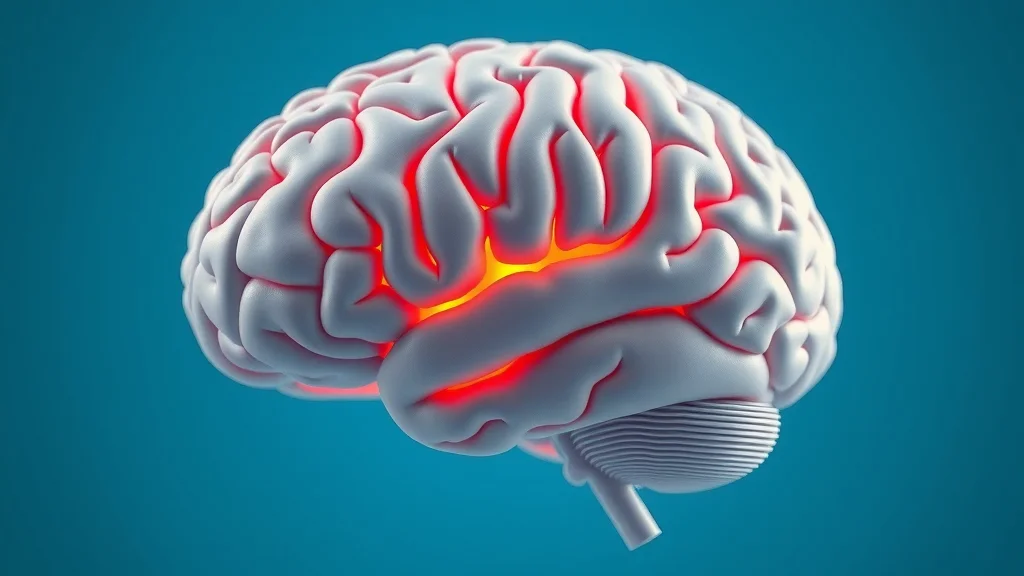
The evidence is compelling, but should everyone start drinking coffee as a preventive strategy against Parkinson disease? The answer is nuanced. While studies on caffeine consumption suggest there is indeed a lower risk of developing Parkinson’s among regular coffee drinkers, this does not mean coffee is universally beneficial—or harmless—for all. Individual genetics dictate how our bodies metabolize caffeine; some people experience jitteriness, insomnia, gastrointestinal discomfort, or a rapid heart rate after just a modest amount of coffee. Others possess genetic variations that allow them to tolerate (and benefit from) higher caffeine consumption without adverse effects.
"While the correlation is compelling, coffee consumption alone won't eradicate Parkinson’s risk, but it may be one smart preventive tool among many." – Dr. Elaine Thomas, Neurologist
Moreover, overconsumption can bring problems: excessive caffeine may raise blood pressure, disrupt sleep, or interfere with medication absorption—especially in older adults or those sensitive to stimulants. The protective effect of coffee may also rely on drinking habits over decades rather than a quick lifestyle change later in life.
Therefore, moderation is the golden rule. If you already enjoy coffee and tolerate it well, consider it one of several potentially smart choices—alongside exercise, a balanced diet, and regular checkups—that could collectively reduce the risk of neurodegenerative disorders.
Balancing the Benefits and Potential Drawbacks
Understanding Individual Differences in Caffeine Sensitivity
Why Moderation Remains Key

Risk of Developing Parkinson's Disease: Can Coffee Make a Real Difference?
The crux of the debate is whether these striking associations translate into real-world protection for individuals. Looking at the numbers, there’s little doubt: people who avoid coffee have a significantly higher risk of developing Parkinson’s disease. Let’s look at relative risk reduction data from landmark studies.
For instance, both the PIC4PD and Honolulu Heart Program indicated that non-coffee drinkers had a significantly higher risk of developing Parkinson’s disease than those who regularly consumed coffee. The consistency of these findings across ethnicities, genders, and regions suggests something meaningful is at play.
However, physicians caution that coffee is just one potential piece of a much larger puzzle. Other factors such as genetics, environmental exposures, and overall lifestyle choices play equally important roles. While coffee consumption shows promise as a modifiable risk factor, it is not a guarantee. For those with a family history of Parkinson’s or other vulnerabilities, pairing coffee with regular medical monitoring, exercise, and a healthy diet remains the wisest path. Here’s a look at how relative risk shifts between coffee drinkers and non-drinkers:
Relative Risk Reduction of Parkinson’s Disease by Caffeine and Non-Caffeine Consumers
Group |
Relative Risk of Parkinson’s |
Key Findings |
|---|---|---|
High Coffee/Caffeine Consumers |
Significantly Lowered |
Hazard ratio 0.63 (PIC4PD); 1.9 per 10,000 person-years (Honolulu) |
Non-Consumers |
Substantially Higher |
2-3x greater risk; 10.4 per 10,000 person-years |
"People who didn't drink coffee were two to three times more likely to develop Parkinson’s compared to coffee drinkers." – Psychology Today

What Drinks Should Parkinson’s Patients Avoid?
Evaluating the Risks: Coffee, Sugary Beverages, Alcohol, and Beyond
While coffee shows promise as a protective effect against Parkinson’s, not all beverages are created equal—especially for those already living with the disease. Sugary drinks can cause spikes in blood glucose, which may interfere with some medications and worsen movement symptoms. Alcohol, particularly in excess, can further impair coordination, risk falls, and sometimes interact dangerously with Parkinson’s treatments.
Energy drinks and sodas, although caffeinated, often lack the antioxidants found in coffee and instead introduce artificial ingredients and sugars with potential negative effects. For those with Parkinson’s, drinking too much coffee may also cause unwanted agitation or insomnia, particularly when consumed in large quantities later in the day.
Coffee remains unique among stimulants, largely due to its combination of caffeine and other beneficial phytochemicals. Unlike energy drinks or cola, black coffee contains virtually no sugar, no fats, and zero artificial flavors. Thus, for patients seeking to support brain health, opting for plain brewed coffee or tea—and limiting processed, high-sugar beverages—remains a sensible strategy.
Why Some Drinks Can Negatively Impact Parkinson's Symptoms
The Unique Role of Coffee Compared to Other Stimulants

Expert Recommendations on Beverage Choices for Parkinson’s Patients
Neurologists with the American Academy of Neurology and other leading institutions recommend keeping hydration a priority, as dehydration can exacerbate movement disorder symptoms and reduce the effectiveness of Parkinson’s medications. Water, herbal teas, and moderate coffee or tea are viewed as safe, generally beneficial choices.
When incorporating coffee, experts advise not exceeding 3–4 cups daily and avoiding high-calorie creamers or sweeteners that may counteract the benefits. Caffeine should be consumed earlier in the day to avoid sleep disruption, and its role should be carefully considered if a patient experiences heart problems, severe tremors, or issues with medication absorption.
Ultimately, the safest daily drinks for Parkinson’s patients promote hydration, steady energy, and minimal interference with medication schedules. Discuss your preferred beverages with your care team to tailor choices to your unique health needs.
Supporting Hydration and Medication Absorption
How to Choose the Safest Daily Drinks
The Debate Around Coffee Consumption: Controversies and Limitations in Parkinson’s Disease Research
Despite the robust associations between coffee consumption and lower risk of Parkinson’s, controversy and caution remain. Some experts question whether benefits are overstated, or if coffee drinkers simply have other healthy habits or genetic advantages not fully accounted for in observational data.
For example, confounding factors—such as socioeconomic status, diet, exercise, or exposure to environmental toxins—can affect outcomes. These variables are difficult to fully control outside of randomized trials, which are rare in nutrition research due to the time and cost requirements.
Further critiques highlight limitations of self-reported coffee intake (which can be unreliable) and the potential for recall bias. Ethical concerns also make it hard to assign people to high- or no-caffeine diets for decades. As such, while studies suggest there is a robust connection, experts urge caution in making drastic lifestyle changes based solely on observational data.
The consensus: integrating coffee as part of a balanced, healthy lifestyle may be a wise move for many, but sweeping recommendations must await more definitive cause-effect proof from future research.
Are Coffee Benefits Overstated? Examining Critiques
Confounding Factors: Genetics, Environment, and Uncontrolled Variables
Shortcomings of Observational Studies Versus Randomized Trials

List: Key Takeaways on Coffee, Risk of Parkinson’s, and Your Health
Frequent coffee consumption is consistently linked to a lower risk of Parkinson’s disease.
Not all individuals will reap the same benefits from caffeine due to genetic and metabolic factors.
The neuroprotective effects of coffee may extend beyond caffeine content alone.
Lifestyle and diet in combination with coffee drinking can impact the risk of developing Parkinson's.
Further research is needed before making broad health recommendations.
Frequently Asked Questions About Coffee, Parkinson’s Disease, and Caffeine Consumption
How much coffee is considered beneficial in lowering the risk of Parkinson’s disease?
Research indicates that drinking 2–4 cups of regular coffee daily is associated with the greatest reduction in risk without increasing negative side effects for most adults. Individual tolerance varies, so start with a modest cup and see how you feel.Does decaf coffee offer the same protective effect?
Decaf coffee contains beneficial polyphenols and antioxidants, but most studies find that caffeinated coffee shows the most pronounced protective effect. The role of caffeine seems central, though decaf might offer partial benefits due to other compounds present.Can starting coffee later in life still help reduce Parkinson’s risk?
Some evidence suggests that beginning coffee consumption and caffeine consumption at any adult age may yield modest benefits, but the greatest effects are observed in those with long-term, consistent habits. Talk to your doctor before making changes if you have any pre-existing conditions.Are there risks in increasing coffee consumption suddenly?
Yes, rapidly increasing caffeine intake can cause insomnia, digestive upset, increased heart rate, and anxiety in some people. It's best to introduce coffee gradually and monitor for side effects, consulting with your healthcare provider.

Conclusion: The Truth About Coffee, Parkinson’s Disease, and Your Next Cup
Coffee may not be a cure-all, but regular coffee consumption and caffeine consumption stand out as smart, enjoyable habits with the potential to lower your risk of Parkinson’s disease. Choose wisely, drink in moderation, and make coffee part of an all-around healthy lifestyle.
Ready for More? Discover More Trusted Wellness Information at NCWellnessHub.com
Want to learn more about how daily choices influence your health? Discover more trusted wellness information at NCWellnessHub.com
If you’re curious about other natural ways to support brain health and mental clarity, consider exploring the unique benefits of matcha. Our in-depth guide on how matcha can energize your mind and help stop brain fog offers practical tips and science-backed insights for those seeking to optimize cognitive wellness beyond coffee. Take the next step in your wellness journey and discover new strategies to keep your mind sharp and resilient.
Sources
Recent studies have explored the relationship between coffee consumption and the risk of developing Parkinson’s disease. A comprehensive examination by researchers at the Harvard School of Public Health found that moderate caffeine intake is associated with a reduced risk of Parkinson’s disease in both men and women. Specifically, men who consumed four to five cups of caffeinated coffee daily nearly halved their risk compared to non-coffee drinkers. (news.harvard.edu)
Further research published in the Annals of Clinical and Translational Neurology indicates that higher coffee consumption may delay the age at onset of Parkinson’s disease. This study suggests a potential causal effect of increased coffee intake on postponing the development of the disease, though no significant association was found with the overall risk or progression of Parkinson’s. (pubmed.ncbi.nlm.nih.gov)
Additionally, a study funded by the National Center for Complementary and Integrative Health discovered that two compounds found in coffee—eicosanoyl-5-hydroxytryptamide (EHT) and caffeine—when combined, may protect against nerve cell damage in animal models of Parkinson’s disease and dementia with Lewy bodies. This combination appeared to reduce the accumulation of harmful proteins in the brain, suggesting a synergistic neuroprotective effect. (nccih.nih.gov)
These findings highlight the potential neuroprotective properties of coffee and its components, offering promising avenues for further research into dietary factors that may influence the development and progression of Parkinson’s disease. NCWellnessHub.com
Disclaimer
The content on this site is for general health and wellness information only. It is not medical advice, diagnosis, or treatment.
Always consult a qualified healthcare professional for personal medical concerns. Never ignore or delay professional advice based on anything you read here.
If you have a medical emergency, contact a doctor or emergency services immediately.




Write A Comment