


Changing what we cook feels risky, but choosing healthy swaps shouldn’t mean giving up flavor. I’ve learned that with the right ingredients, health and taste can go hand in hand — making every meal a nourishing joy rather than a compromise.
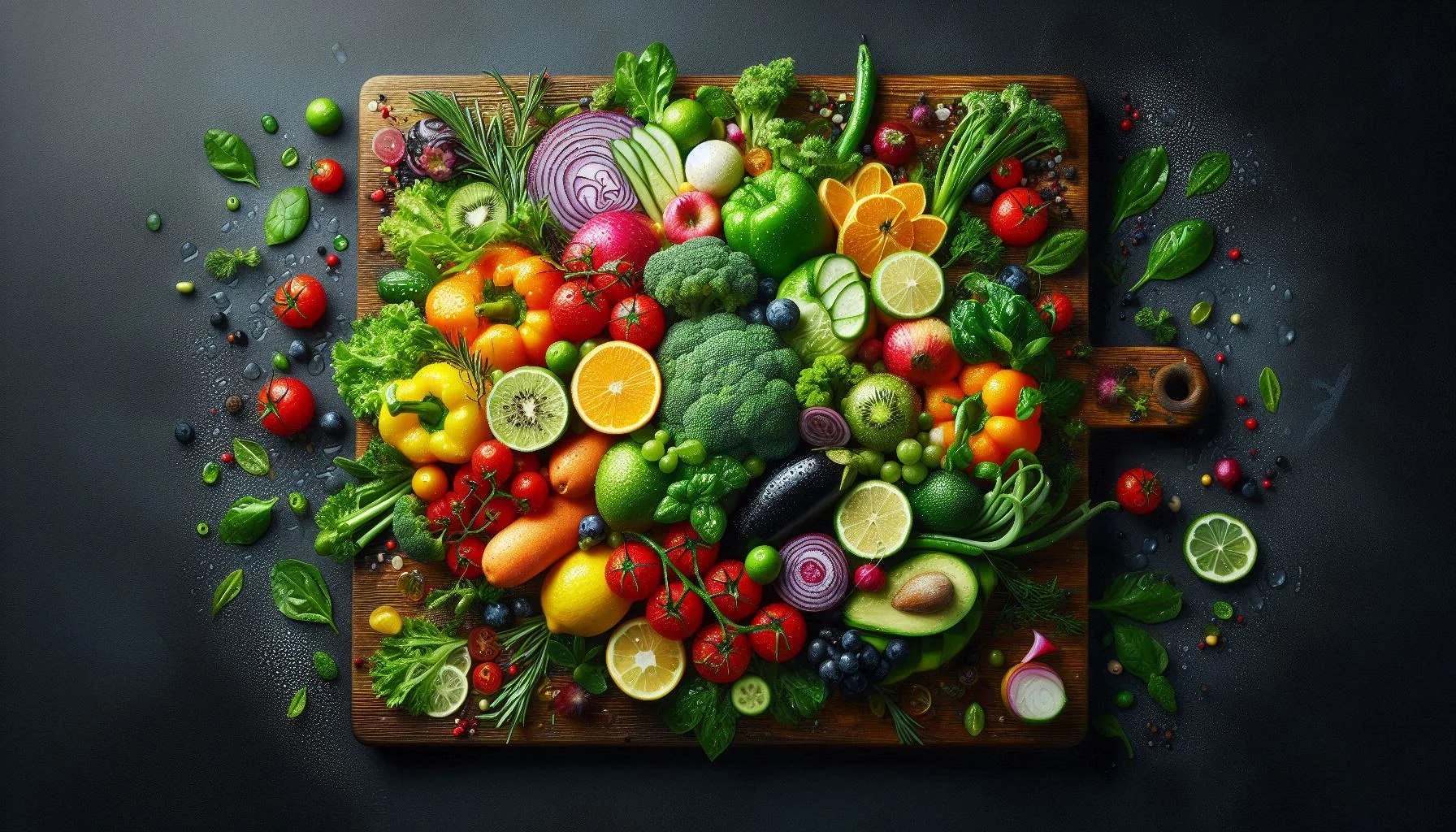
Redefining Flavor: Healthy Ingredient Swaps That Don’t Compromise Taste
If you’ve ever wondered whether healthy ingredient swaps can really keep your favorite dishes delicious, you’re not alone. The good news? Modern nutrition research and savvy home cook strategies have shown simple ingredient swaps can cut down on calories, saturated fat, or sugar—without packing on the pounds or sacrificing your love of flavorful food.
By focusing on the natural goodness of whole grains, healthy fats, and smart alternatives, you empower yourself to make foods that actually taste better because they’re fresh, vibrant, and nourishing—key benefits of healthy ingredient swaps. No matter your skill in the kitchen, these easy swaps and techniques can put everyday meals and treats on track for both nutrition and pleasure.
"Changing what we cook feels risky, but choosing healthy swaps shouldn’t mean giving up flavor. I’ve learned that with the right ingredients, health and taste can go hand in hand — making every meal a nourishing joy rather than a compromise."
Whether you’re whipping up baked goods, a weeknight dinner, or even snacks for movie night, learning to embrace healthy ingredient swaps means you’ll enjoy every bite with less guilt and more vitality. This guide delivers proven swaps, the science behind each ingredient swap, and tons of real-world advice for cooking and baking with confidence.
What You'll Learn About Healthy Ingredient Swaps
The science behind healthy ingredient swaps
How to make simple ingredient swaps for favorite recipes
Top easy swaps for both cooking and baking
How healthy ingredient swaps benefit your diet and well-being
Actionable guides for common ingredient swap scenarios
Expert tips for maximizing flavor and nutrition
Understanding Healthy Ingredient Swaps: Why Make the Change?
When we talk about healthy ingredient swaps, it’s not just about limiting foods or restricting what we love. Instead, it’s about making simple ingredient choices that transform recipes into something more nourishing, without losing the qualities that make your meals enjoyable. By swapping certain ingredients, you can lower added sugar, saturated fat, and calories—elements tied to issues like heart disease and excess weight gain—while bumping up fiber, healthy fats, and essential nutrients.
"Healthy ingredient swaps are about enriching, not restricting. Embracing simple ingredient choices transforms everyday meals into something both delicious and nutritious."
Health advantages of ingredient swaps: Improve your intake of vitamins, minerals, and heart-healthy fatty acids.
Reducing fat, sugar, and calories with easy swaps: Enjoy classic flavors and textures while minimizing the negative impact of added sugar and saturated fats.
Maintaining texture and taste with simple ingredient swaps: The best swaps are so subtle, your friends or family may not even notice the difference—except they’ll feel better after eating.
As you start to experiment with ingredient swaps, you might notice changes in your appetite or how satisfied you feel after meals. If you’re curious about the underlying reasons for persistent hunger and how nutrition choices play a role, you’ll find practical insights in this guide to understanding why you might feel hungry all the time.

The Foundations: Simple Ingredient Swap Science for Home Cooks
Great simple ingredient swaps start with understanding why an ingredient swap can be healthier, especially when cooking and baking with whole foods. For many baked goods and savory meals, using whole wheat instead of white flour ups your fiber and nutrients. Greek yogurt provides creaminess and protein so you can use less fat cheese or sour cream without sacrificing taste. Relying on reduced-fat cheese or plant oils, you decrease saturated fat and empty calories, while still achieving the mouthfeel that you love. The key? Balancing nutrition and flavor, so every easy swap feels like an upgrade instead of a sacrifice.
Traditional Ingredient |
Healthy Ingredient Swap |
Benefit |
|---|---|---|
White flour |
Whole wheat flour |
More fiber and nutrients |
Sour cream |
Greek yogurt |
Higher protein, less fat |
Full-fat cheese |
Reduced fat cheese |
Lower calories, less saturated fat |
What makes an ingredient healthier? Higher in fiber, healthy fats, plant-based nutrients, and lower in saturated fats and added sugars.
Balancing flavor and nutrition: Try combining several ingredient swaps—whole wheat for flour, Greek yogurt for sour cream, and olive oil for butter—in the same dish to boost both taste and nutrition!
Healthy Ingredient Swaps for Cooking: Easy Swaps for Savory Dishes
Easy Swaps: Whole Grains for Refined Grains
One of the easiest swaps to elevate your diet is simply swapping refined grains—like white bread or regular pasta—for whole grain versions, a popular easy swap for healthier cooking and baking. This ingredient swap increases fiber for healthy digestion and leaves you feeling full longer. By choosing brown rice over white rice or whole-wheat pasta instead of standard pasta, you also get more vitamins, minerals, and a “nutty” flavor that pairs well with savory recipes. Over time, these healthy ingredient swaps may even reduce the risk of heart disease and help manage blood sugar.
Ingredient Swap: Yogurt Instead of Sour Cream
A common ingredient swap in both cooking and baking is using Greek yogurt instead of sour cream, a simple ingredient swap that reduces saturated fat while maintaining creaminess. Greek yogurt brings the same tangy creaminess you crave but with less saturated fat and more protein. This swap works beautifully on baked potatoes, as a base for dressings, in sauces, or even in dips mixed with herbs, lemon juice, and spices. It’s a smart way to cut back on calories and fat cheese, maintaining the silky feel in recipes while boosting the nutrition—making it an ideal choice for health-conscious chefs and home cooks alike.
Simple Ingredient Swaps: Reducing Fat with Lean Proteins
Cutting down on calories and harmful saturated fat in your savory dishes begins with the protein you choose. Instead of using fatty cuts of red meat or processed meats that add unnecessary saturated fats, try swapping in lean alternatives like skinless chicken breast, turkey, or even plant proteins such as beans and lentils. These healthy ingredient swaps help you build satisfying recipes that fill you up and pack in nutrition, while reducing the risk of chronic diseases. Season liberally with herbs, spices, or even a drizzle of heart-healthy olive oil to layer in more flavor.
Fat Cheese: Making Lower Fat Choices
You don’t have to give up fat cheese entirely to eat healthfully; using reduced fat cheese is an easy swap that keeps flavor and texture intact. Instead of full-fat cheese, use reduced fat cheese or part-skim mozzarella for toppings, baking, or sauces. You’ll save calories and saturated fat—without sacrificing stretchiness or flavor. Lower fat cheese can be grated or melted over dishes just like the classic version, making it one of the simplest healthy swaps for cooking. Pair with plenty of veggies, whole grains, and lean proteins for balanced, flavorful meals that leave you satisfied.

Healthy Ingredient Swaps for Baking: Simple Ingredient Swaps That Work
Cooking and Baking: Apple Sauce in Place of Oil or Butter
When it comes to baked goods, apple sauce can be a game-changer. Swapping apple sauce for oil or butter works in cakes, muffins, or brownies, dramatically lowering calories and fat. This easy swap helps keep baked treats moist and tender, using natural fruit sugars instead of heavy fats. The result? Healthier desserts that are kid-approved, plus they include more fiber and antioxidants, making every bite a little bit better for your body.
Easy Swaps: Honey or Maple Syrup for White Sugar
Another fantastic ingredient swap is replacing white sugar with honey or maple syrup, two natural sweeteners that enhance flavor and reduce added sugar. Both natural sweeteners include trace minerals and antioxidants and have a gentler impact on blood sugar than refined sugars. Use about 3/4 as much honey or maple syrup as you would white sugar, and reduce the liquid in your recipe slightly to maintain texture. Besides boosting nutrition and adding unique flavors, these healthy ingredient swaps help you minimize added sugar—making every indulgence a little more wholesome.
Simple Ingredient: Dark Chocolate Instead of Milk Chocolate
Craving chocolate chips in cookies or a bar in your homemade treats? Opt for dark chocolate instead of milk chocolate for a higher dose of heart-healthy antioxidants and less added sugar. Darker chocolate—look for at least 70% cacao—is richer in polyphenols and healthy fats, as well as fiber, making it a worthwhile swap in both cooking and baking scenarios. Enjoy all the taste with a bigger nutritional bang for your buck!
Healthy Ingredient Swaps for Dairy and Fat: Lowering Saturated Fat Without Losing Taste
Reduced Fat Cheese: Finding Balance
Instead of skipping fat cheese altogether, try reduced fat cheese in sandwiches, omelets, baked dishes, or pizza for a simple ingredient swap that lowers calories and saturated fat. It delivers the desired melt and creamy finish, at a fraction of the calories and fat in traditional cheese. Coupled with plenty of colorful veggies and whole grains, this simple ingredient swap allows you to keep classic favorites on the table, with fewer repercussions for your heart and waistline.
Ingredient Swap: Plant-Based Milks vs. Dairy
Switching to plant-based milks (like almond, soy, or oat milk) instead of whole dairy not only cuts saturated fat, but offers different flavors and extra nutrients—such as vitamin E, added calcium, and even fiber, depending on the type you choose. These milks work perfectly in coffee, cereal, baking recipes, and sauces. This is an ideal ingredient swap if you are lactose intolerant, vegan, or simply seeking to diversify your nutrients.
Yogurt Instead of Sour Cream: Creaminess and Protein
Don’t forget the power of yogurt instead of sour cream for achieving creaminess without all of the saturated fats and calories found in sour cream or heavy cream. Whether as a topping for chili, blended into dips, or dolloped on baked potatoes, yogurt stands up to every use—with added protein and lower fat. You can also stir in herbs or lemon juice for a tangy twist, making this a winning healthy swap for dairy lovers.

Healthy Ingredient Swaps for Snacks: Smart Choices for Crunch and Satisfaction
Easy Swaps: Popcorn for Chips
Craving something crunchy at snack time? Try swapping out potato chips—which are high in calories, saturated fat, and added salt—for air-popped popcorn. Popcorn offers fiber, whole-grain nutrition, and loads of volume for much fewer calories than typical chips. It satisfies the need for a crunchy snack, supports weight management, and avoids the “pack on the pounds” pitfalls of processed chips. Sprinkle your popcorn with a pinch of sea salt, paprika, or a dash of cinnamon for a flavor boost.
Simple Ingredient Swaps: Homemade Trail Mix Over Candy
To cut down on added sugars and unhealthy fats in snack time, swap sugary candy or chocolate bars for a homemade trail mix. Use nuts and seeds, dried fruits, and a handful of dark chocolate chips to build a nutritious snack. This simple ingredient swap provides healthy fats, protein, and slow-digesting carbs, which keep energy steady and cravings at bay. Portion your mix to avoid overdoing calories—and enjoy guilt-free crunch between meals!

Healthy Ingredient Swaps for Sauces & Spreads: Simple Ingredient Upgrades
Beans or Peas for Cream in Dips
For a tasty dip or spread, skip heavy cream cheese or mayonnaise and blend beans or peas. Pureed white beans, chickpeas, or even peas create a creamy, protein-rich base for dips that are just as indulgent as their fattier counterparts. This healthy swap packs in fiber and nutrients, perfectly pairing with veggies or whole grain crackers for a more balanced bite.
Avocado Spread Instead of Butter
Instead of topping bread or toast with butter or margarine, mash ripe avocado and spread it on thickly for an infusion of healthy fats and creamy texture. Avocado’s mildly nutty flavor complements savory or even sweet toppings (think sliced tomatoes, nuts, or a sprinkle of crushed red pepper flakes). Plus, you’ll cut out saturated fat while adding potassium, fiber, and a dose of heart-healthy fatty acids.
Easy Swaps: Mustard Over Mayonnaise
Another easy swap for spreads and dressings: opt for mustard or Greek yogurt instead of mayonnaise, slashing calories and saturated fat. Mustard delivers bold flavor with less than 10 calories per tablespoon, compared to 90+ calories in the same amount of mayo. Mix with herbs, vinegar, or garlic for a punchy, customizable condiment that’s as healthy as it is delicious.

Nutritional Value: How Healthy Ingredient Swaps Improve Your Diet
Swap Type |
Nutritional Improvement |
|---|---|
Refined -> Whole Grains |
More fiber & micronutrients |
Animal Fat -> Plant Oils |
Healthier fat profile |
Full-fat Dairy -> Low-fat |
Reduced saturated fat |
Cooking and Baking Tips: Making Healthy Ingredient Swaps Easy and Delicious
Taste test new swaps before serving to guests
Combine ingredient swaps for layered nutrition
Keep the balance of moisture and structure in baking
Season creatively with herbs and spices
"Even the best healthy ingredient swaps require a little experimentation — don’t be afraid to try, taste, and tweak!"
People Also Ask About Healthy Ingredient Swaps
What are the best healthy ingredient swaps for baking?
Answer: Popular healthy ingredient swaps for baking include using Greek yogurt instead of sour cream or oil, applesauce for butter, whole wheat flour for white flour, and honey instead of refined sugar. These swaps add nutrition and help maintain great taste and texture.
How can I make creamy dishes healthier without losing flavor?
Answer: Replace heavy cream or high-fat cheese with Greek yogurt or puréed cauliflower; use low-fat cottage cheese blended smooth for creaminess in sauces. These healthy ingredient swaps add protein and a similar texture while reducing saturated fat.
Are there easy swaps for lowering sugar in desserts?
Answer: Yes! Use pureed fruits like dates, bananas, or applesauce as a natural sweetener. Cinnamon or vanilla extract can enhance sweetness perception, allowing you to reduce the amount of added sugar.
What can I use to replace high-fat cheese in recipes?
Answer: Try reduced-fat cheese, part-skim ricotta, or nutritional yeast for a cheesy flavor with fewer calories and less fat. These ingredient swaps retain flavor and mouthfeel.
List of Must-Try Healthy Ingredient Swaps (Quick Reference)
Whole-wheat pasta for white pasta
Brown rice for white rice
Greek yogurt for mayonnaise or sour cream
Olive oil spray instead of butter
Mashed avocado for margarine
Spaghetti squash for noodles
Keeping Healthy Ingredient Swaps Sustainable in Everyday Cooking
Start with one simple ingredient swap at a time
Stock your pantry for healthy ingredient swaps
Experiment and adapt recipes to your preferences
Share successes and tips with friends and family
Key Takeaways for Healthy Ingredient Swaps
Healthy ingredient swaps can elevate nutrition without sacrificing taste
Many easy swaps work for both savory and sweet dishes
-
Balance, taste, and willingness to try new things are keys to success

FAQs: Most Common Healthy Ingredient Swap Questions
What is the easiest healthy ingredient swap for beginners?
Switching from white to whole wheat flour or using olive oil instead of butter are simple changes even novice cooks can make. These swaps boost nutrition, are easy to find at any grocery store, and rarely alter the taste or texture in a noticeable way.
Can healthy ingredient swaps help with weight management?
Absolutely. Many ingredient swaps reduce calories, fat, or sugar content in your favorite recipes, making it easier to manage your weight and promote overall health. By eating more fiber, protein, and healthy fats, you’ll feel satisfied with less food.
Do healthy swaps really taste the same as the original?
In most cases, yes—especially when using smart, balanced swaps like Greek yogurt for sour cream, or dark chocolate for milk chocolate chips. Some swaps even enhance flavor, providing a richer experience. Experiment to see which simpler ingredient upgrades you prefer in your own kitchen!
Are there healthy swaps for popular holiday recipes?
Yes, you can use applesauce for butter in cookies, swap whole wheat flour for white, or substitute yogurt for mayonnaise in holiday salads. Even classic dishes can be made more nutritious without losing their nostalgic taste by incorporating these healthy swaps.
Ready to Transform Your Cooking? Try Healthy Ingredient Swaps Today!
Try one easy swap this week, and see the difference it makes—in taste, texture, and how you feel—by incorporating healthy ingredient swaps into your cooking and baking. The best healthy ingredient swaps blend seamlessly into your meals, giving you the flavor you love with nutritional benefits that last. NCWellnessHub.com
Conclusion
Healthy ingredient swaps are simple, effective, and rewarding, especially when you use simple ingredient swaps that enhance both nutrition and flavor. Start experimenting and enjoy guilt-free cooking that never feels like a compromise!
If you’re ready to take your healthy eating habits beyond the home kitchen, there’s even more you can do to make smart choices when dining out or on the go. Discover practical, doctor-approved strategies for navigating fast food menus and making better decisions in real-world situations by exploring this fast food survival guide for healthier eating.
With these tips, you’ll be equipped to maintain your nutrition goals wherever life takes you—proving that healthy swaps and mindful choices are possible anytime, anywhere.
Sources
Healthline – https://www.healthline.com/nutrition/healthy-baking-substitutes
EatRight – https://www.eatright.org/food/nutrition/healthy-eating/the-best-foods-for-weight-loss
National Institutes of Health – https://www.ncbi.nlm.nih.gov/pmc/articles/PMC6313445/
To further enhance your understanding of healthy ingredient swaps, consider exploring the following resources:
The American Heart Association’s article, “Healthy Swaps for Common Foods,” offers practical tips on substituting less healthy ingredients with more nutritious options, such as using nontropical vegetable oils instead of saturated fats.
Healthline’s guide, “8 Healthy Swaps for Everyday Food and Drinks,” provides simple substitutions to improve your diet, like choosing whole grain, sprouted bread over white bread.
These resources offer valuable insights and practical tips to help you make healthier choices in your cooking and baking endeavors. NCWellnessHub.com




Write A Comment