
Add Row
Add Element
NC Wellness Hub
update
North Carolina Wellness Hub
update
Add Element
  • Home
  • Categories
    • Wellness
    • General Health
    • Holistic
    • News
    • Living & Travel
    • Lifestyle
    • Fitness & Exercise
    • Mental Health
    • Stress Management
    • FEATURE
    • Sleep
    • Allergies
    • Medicines & Supplements
    • Weight Loss
    • Kids Health
    • Fertility & Pregnancy
    • Cancer
    • Heart Health
    • Skin & Hair
    • Arthritis
    • Dental
    • Vision
  • Bone Health
  • Digestive
March 17.2026
1 Minute Read

Is Diet Coke Bad for You? The Truth Revealed Now

Is your daily Diet Coke actually harming your health more than helping your diet? Discover the surprising truths behind this popular beverage and what it means for your well-being. Are you ready to rethink your favorite fizzy drink?

Unveiling the Mystery: Is Diet Cola Bad for You?

The question “is Diet Coke bad for you?” is more relevant today than ever, as millions reach for diet soda in the hope of satisfying cravings without extra calories or sugar. While Diet Coke is promoted as a sugar-free alternative to regular soda, scientific debates persist about its ingredients and their potential health impacts.

This article examines the latest scientific evidence, scrutinizes the role of artificial sweeteners, and explores health risks associated with consuming Diet Coke. You'll also find expert opinions and global perspectives, giving you a comprehensive view to make informed choices.

With concerns about body weight, high blood sugar, and chronic disease risk, it’s vital to understand what goes into each can of Diet Coke. We'll tackle complex questions about metabolic health, weight loss, gut bacteria, and even international agency regulation, using data-driven approaches and firsthand accounts. By the end, you’ll know whether Diet Coke deserves a space in your diet—or if healthier alternatives are a better bet.

What You'll Learn About Whether Diet Coke Is Bad for You

  • The science behind Diet Coke and health risks

  • Comparisons with regular soda and diet soda alternatives

  • Insights from medical professionals on artificial sweeteners

  • Global variations in Diet Coke regulations

  • Actionable tips if you're concerned about Diet Coke consumption

The Rise of Diet Coke: Why It’s So Popular

How Diet Soda Became a Staple in Modern Diets

Diet Coke quickly became an icon after its launch in the early 1980s, riding the wave of the low-calorie and sugar-free movement. The beverage was embraced by those seeking to manage their body weight without sacrificing the taste and fizz of regular soda. Aggressive marketing and the increasing prevalence of diet culture turned Diet Coke, and other diet sodas, into common fixtures in fridges worldwide. The convenience and appeal of diet soda soared with claims of “no sugar” and “zero calories,” making it a go-to for individuals looking to avoid high blood sugar and reduce extra calories from their drinks.

But is the popularity justified? For many, drinking diet soda seemed to offer a guilt-free way to maintain a balanced diet or pursue weight loss. Yet, the story is nuanced. Growing bodies of research began questioning if substituting artificial sweeteners and sugar substitutes for real sugar is truly risk-free. As dietary trends evolve and more consumers prioritize health over marketing hype, Diet Coke’s widespread acceptance highlights the public’s need for clarity about what these beverages actually do to the body.

Diet Coke and other sodas on supermarket shelves, with shoppers browsing a lively beverage aisle

Is Diet Coke Bad for You? Key Ingredients and How They Work

Diet Coke’s ingredient list includes carbonated water, caramel color, phosphoric acid, aspartame (an artificial sweetener), natural flavor, caffeine, and sometimes potassium benzoate. Unlike regular soda, which contains high sugar content, Diet Coke uses sugar substitutes to provide sweetness without calories. Each ingredient serves a specific function—carbonated water gives fizz, caramel color adds signature appearance, phosphoric acid imparts tang, and artificial sweeteners like aspartame supply the taste.

Compared to other diet sodas (which may use different artificial sweeteners) and regular soda (which relies primarily on sugar or high-fructose corn syrup), Diet Coke’s formulation is designed to deliver a particular flavor profile and calorie-free experience. However, questions have been raised about the safety of long-term aspartame consumption and the impact of other additives on health, including metabolic syndrome and possible vascular events. The debate continues as research evolves and consumer demand for transparency increases.

Diet Coke vs. Regular Soda vs. Other Diet Sodas: Key Ingredients and Health Impact

Beverage

Main Sweetener

Calories (per 12oz)

Key Additives

Typical Health Risks

Diet Coke

Aspartame (artificial sweetener)

0

Caramel color, phosphoric acid, caffeine

Possible metabolic disruption, long-term risks still debated

Regular Soda

Sugar or High-Fructose Corn Syrup

140-180

Caramel color, phosphoric acid, caffeine

High blood sugar, increased body weight, higher risk of metabolic syndrome

Other Diet Sodas

Aspartame, sucralose, acesulfame potassium, etc.

0

Varies

Similar concerns as Diet Coke, varies by sweetener used

Artificial Sweetener in Diet Coke: What Does Science Say?

Aspartame and Other Artificial Sweeteners: Separating Fact From Fiction

The backbone of Diet Coke’s appeal is its use of aspartame, a widely-used artificial sweetener hundreds of times sweeter than sugar. Many consumers worry about potential health risks, especially regarding cancer or metabolic disruption. Research presents mixed findings: while the Food and Drug Administration (FDA) and World Health Organization (WHO) generally recognize aspartame as safe within acceptable daily intake levels, some studies suggest links to altered gut bacteria, changes in insulin sensitivity, and possible association with higher risk of certain diseases.

“Studies have found that aspartame and other artificial sweeteners in diet soda show mixed results, with some links to metabolic disruption, but the evidence isn’t clear-cut.” — Dr. Renee Matthews, Registered Dietitian
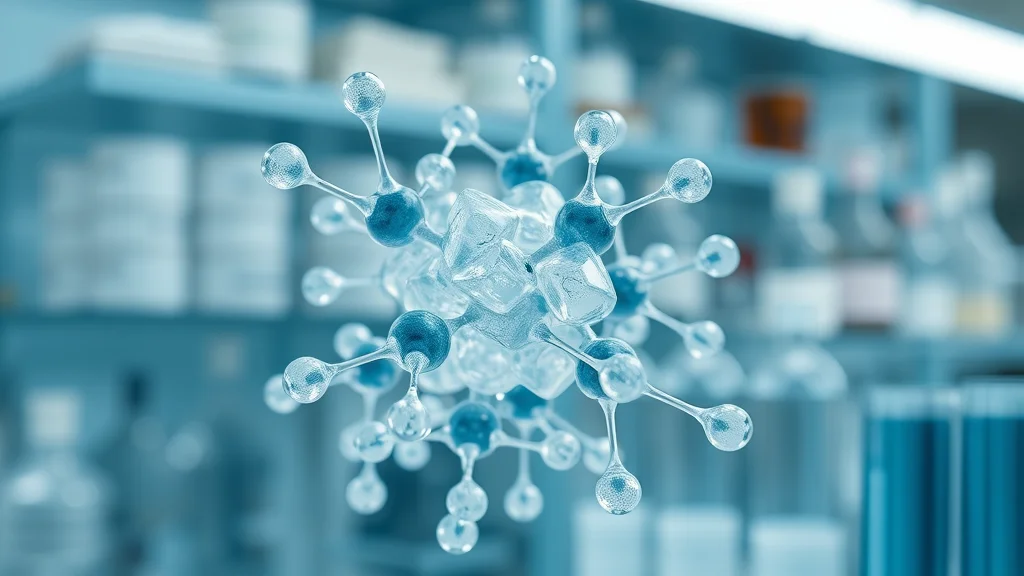
Detailed molecular model of aspartame, highlighting artificial sweetener structure in lab glassware

Comparing Diet Soda and Regular Soda: Health Effects and Nutritional Value

Comparing diet soda and regular soda is not just about calories or sugar. Regular soda supplies a hefty dose of sugar, which drives up blood sugar quickly, increases body weight, and contributes to metabolic syndrome and a higher risk of diabetes or heart disease. On the other hand, diet sodas eliminate sugars but substitute them with artificial sweeteners and acids like phosphoric acid, which can have their own implications for health.

While diet sodas, including Diet Coke, don’t directly cause a spike in blood sugar, some studies indicate that regular, frequent intake may affect gut bacteria and disrupt metabolic regulation, possibly influencing appetite and food choices. Unlike regular sodas, diet sodas don’t add extra calories, yet concerns exist about compensatory eating—individuals might unconsciously eat more or choose less healthy foods, negating the calorie savings of diet soda. The nutritional value of both options is low, but their long-term effects differ and depend greatly on the rest of your balanced diet and overall lifestyle.

If you find yourself reaching for Diet Coke to curb cravings or manage your calorie intake, it may be helpful to explore practical ways to address food cravings more holistically. For actionable tips on managing cravings and supporting your wellness journey, check out these effective strategies to manage food cravings that can complement your approach to healthier beverage choices.

Exploring the Health Myths: Is Diet Coke Bad for You Long Term?

Does Diet Coke Affect Weight Loss or Weight Gain?

Many believe that switching from regular soda to diet soda—and specifically Diet Coke—will yield automatic weight loss. The logic is simple: cut calories from sugar and you’ll slim down. Scientific studies, however, suggest a more complex reality. While diet sodas do not provide extra calories, research indicates that some users engage in compensatory behaviors, like eating more overall, which can offset any dietary benefit gained from dropping sugar-sweetened drinks.

“Clients often believe switching to diet soda alone will help with weight loss, but research suggests compensatory eating may offset the calorie deficit.” — Dr. Joshua Kim, Endocrinologist

Diet Coke Consumption and Chronic Diseases: Diabetes, Heart Disease, and More

Beyond body weight, the question “is Diet Coke bad for you?” often centers around chronic disease risk. Several cohort studies have explored associations between diet soda consumption and increased risk of conditions like diabetes, high blood pressure, and cardiovascular disease. While some research finds a possible link between long-term, high-volume diet soda intake and higher risk of metabolic and vascular events, causality remains unproven. It’s unclear if the beverage itself or correlated lifestyle factors (like poor nutrition or lack of physical activity) are responsible.

Though the World Health Organization and International Agency for Research on Cancer occasionally review artificial sweeteners’ safety, their updates often stress ongoing research and the importance of moderation. For most people, occasional Diet Coke isn’t likely to cause harm, but those with preexisting conditions—especially those affecting high blood sugar or metabolic health—should consult a healthcare provider before making diet soda a regular part of their day.

Daily Consumption: Is It Bad to Drink One Diet Coke Every Day?

Moderation Versus Habit: Expert Opinions

For those wondering if it’s dangerous to drink one Diet Coke every day, most health professionals emphasize moderation. Drinking Diet Coke occasionally is unlikely to cause immediate harm for the majority of healthy adults. However, making it a daily habit, at the expense of more nutrient-rich beverages like water, milk, or unsweetened tea, may crowd out opportunities for good hydration and beneficial nutrients. Moreover, the cumulative impact of exposure to artificial sweeteners, acids, and caffeine is still debated in scientific circles.

“Occasional consumption isn’t likely to cause harm for most people, but it’s not a substitute for water or nutrient-rich beverages.” — Dr. Lila Chen, Licensed Nutritionist

International Perspectives: Why Is Diet Coke Not Allowed in Europe?

Regulatory Differences on Artificial Sweeteners Across the Globe

Not all diet sodas are created equal when it comes to international policies. Diet Coke and other similar beverages are scrutinized by regulatory bodies across the world, primarily due to the artificial sweeteners they use. While agencies like the U.S. Food and Drug Administration (FDA) and WHO have declared aspartame safe within set thresholds, some countries in the European Union (EU) restrict or limit the types, quantities, and use of certain artificial sweeteners based on newer studies and localized risk assessments.

The variations in regulation result from a mix of precaution, consumer protection, and differences in interpretation of scientific data. The EU tends to enforce the precautionary principle, resulting in stricter labeling, mandatory warnings, or outright bans if evidence even tentatively points to a higher risk. Such policies have driven reformulation or restricted sales of some beverages, including certain types of Diet Coke or other artificial-sweetened sodas, to align with regional safety standards.

Case Study: Artificial Sweeteners and Diet Coke Bans in the EU

While Diet Coke itself is not uniformly banned across Europe, some EU countries have introduced restrictions on specific artificial sweeteners, particularly aspartame and cyclamate, used in various formulas of diet sodas. Official reviews by the European Food Safety Authority (EFSA) tend to be more precautionary, prompting the reformulation of certain recipes or tighter limits on acceptable daily intake amounts.

These policies mirror regional differences in interpreting new evidence, especially research on cancer and metabolic health. In some areas, especially those following EFSA’s guidance strictly, certain Diet Coke variants may not be available, or packages may carry warning labels. The ongoing debate illustrates the evolving global attitude toward artificial sweeteners and highlights the importance of context-specific regulation.

Officials reviewing Diet Coke labels at a European regulatory office with official paperwork and cans on a polished table

People Also Ask: Is Diet Coke Bad for You?

How unhealthy is diet coke?

Diet Coke can be considered a better alternative for those seeking to avoid the sugar in regular soda, as it provides zero calories and doesn’t spike blood sugar. However, its regular use comes with unique risks. It contains artificial sweeteners, acids, and additives that may, in the long run, be linked to altered gut bacteria, possible metabolic disruption, and health concerns, particularly when consumed in excess. The lack of nutritional value, along with inconclusive research on long-term impacts, suggests that Diet Coke should not be seen as a health beverage, but rather an occasional treat within a balanced diet.

Diet Coke’s Health Profile in Comparison to Diet Soda and Regular Soda

When compared to other diet sodas and regular soda, Diet Coke stands out for its distinct taste and exclusive use of aspartame. While both types of soda lack essential nutrients and vitamins, regular soda adds extra calories and sugar, posing a direct risk for high blood sugar and weight gain. Other diet sodas may contain different artificial sweeteners, such as sucralose or saccharin, which can have their own side effects. Ultimately, none of these choices provide significant health benefits, but choosing Diet Coke over regular soda can help limit sugar and calorie intake, especially if consumed in moderation and as part of an overall balanced diet.

What is the #1 unhealthiest soda?

The unhealthiest soda is generally considered to be regular sugar-sweetened soda due to its high calorie and sugar content, which contribute to obesity, high blood sugar, type 2 diabetes, and increased risk of metabolic syndrome and heart disease. While diet sodas, including Diet Coke, avoid these risks by using artificial sweeteners rather than sugar, they aren’t risk-free. Scientific consensus supports minimizing intake of all sugar-sweetened beverages to avoid adverse health outcomes.

Which Soda Holds the Top Spot for Unhealthiness and Why?

Regular soda, such as traditional cola or fruit-flavored varieties, consistently ranks as the most unhealthy because a single can contain more than the daily recommended sugar intake. Excessive consumption is directly linked to unhealthy weight gain, higher risk of vascular events, tooth decay, and metabolic syndrome. While diet soda may raise its own concerns about artificial sweeteners, the overwhelming risks of regular soda due to sugar content put it at the top of the "unhealthiest" list.

Is it bad to drink one diet coke every day?

Drinking one Diet Coke daily is unlikely to cause major health problems for most healthy adults, provided it doesn’t replace more nutritious beverages or become a gateway to increased processed food consumption. However, because scientific understanding of the long-term effects of artificial sweetener intake and cumulative additives is still evolving, the best advice is moderation and variety within your beverage choices. When in doubt, water and unsweetened tea remain the safest daily staples.

Expert Guidance on Daily Diet Coke or Diet Soda Consumption

Experts agree that while periodic diet soda or Diet Coke is acceptable, using it as your main hydration source is not recommended. Because diet sodas provide no essential nutrients, hydration and health are best maintained through water and nutrient-rich drinks. Special populations—such as children, pregnant women, and those with certain metabolic conditions—should be especially cautious. For these groups, the risks associated with aspartame and other artificial sweeteners warrant additional medical consultation.

Why is diet coke not allowed in Europe?

The idea that Diet Coke is universally banned in Europe is misleading. While most European countries allow the sale of Diet Coke, some have stricter regulations or warning requirements for artificial sweeteners like aspartame due to precautionary interpretations of emerging health data. This flexible regulation is informed by reviews from EU food safety agencies, which periodically reassess the acceptable daily intake and require clear labeling for products containing high levels of specific sweeteners.

Understanding European Policy on Artificial Sweeteners and Diet Soda

European policies on artificial sweeteners are guided by the principle of consumer safety and err on the side of caution. When new evidence emerges—such as studies on cancer or metabolic effects—national agencies may restrict sales, demand reformulation, or require prominent warning labels. As a result, some variants of Diet Coke may not be available everywhere in Europe, but outright bans are rare and mostly targeted at certain sweeteners rather than the entire product line.

Debunking Common Diet Coke Myths: What the Data Shows

  • Diet Coke causes cancer: Separating truth from alarmist claims, current research—including reviews by agencies for research on cancer—shows no conclusive evidence linking moderate aspartame consumption in Diet Coke to cancer in healthy individuals. Vigilance continues with periodic reviews by agencies like the International Agency for Research on Cancer.

  • Diet soda is healthier than regular soda: While it's true that diet sodas remove sugar and calories, their health benefits are limited. Artificial sweeteners have unique risks and don’t supply nutrients. The best alternative is water or unsweetened beverages.

  • Switching to Diet Coke guarantees weight loss: Without other lifestyle changes, research shows some people compensate by eating more calories elsewhere, dulling any real impact on body weight or health.

Family enjoying various beverages at breakfast, including Diet Coke, water, and regular soda in a bright kitchen

Case Studies and Original Data: Real-World Effects of Diet Coke

Consumer Experiences: Short- and Long-Term Impacts

First-hand reports from Diet Coke consumers reveal a diversity of outcomes. Some individuals, after switching from regular soda to Diet Coke, note initial weight loss or stable body weight due to a reduction in calories consumed from beverages. Others experience “taste fatigue” and gradually return to sugar-sweetened options or adopt a wider variety of artificially sweetened products in their diets.

A smaller group report mild digestive changes or cravings for sweeter foods, supporting findings that diet soda may influence appetite and possibly gut bacteria. However, very few long-term users report serious adverse effects when limiting Diet Coke consumption to one or two servings a day, with benefits most pronounced when the switch was part of broader healthy changes.

Adults reflecting on Diet Coke versus water and juice at a casual dining table with health magazines and varied drink choices

Synthesizing Research Data on Diet Soda and Health

Scientific analysis—including a 2022 meta-analysis published in a leading nutrition journal—confirms mixed results. Some studies find neutral or moderate benefits for body weight and blood sugar stabilization when diet sodas replace regular sodas, while others suggest persistent habitual consumption may coincide with higher risk of metabolic syndrome or heart disease. These findings are complicated by confounding lifestyle variables and differences in the study population.

Ultimately, most reviews by health organizations—such as the World Health Organization and major academic centers—emphasize the value of moderation. Diet Coke is not inherently dangerous but is also not a health food. Consuming a limited amount, especially combined with a varied, balanced diet, is unlikely to increase substantial risk among the general population.

Watch as leading medical experts review the evidence on Diet Coke, artificial sweeteners, and long-term health implications. The video features credible commentary from registered dietitians, endocrinologists, and public health professionals, coupled with clear infographics that break down research findings for easy understanding. The experts offer actionable tips for moderation and point to areas where more research is needed.

This informative video explains the journey of Diet Coke in your body—from your first sip to digestion and metabolic effects. Medical illustrations highlight how aspartame is processed, what happens to gut bacteria, and how the drink impacts blood sugar and body weight. Ideal for anyone who wants a deeper, visual understanding of the ongoing discussions around diet soda.

FAQs: Is Diet Coke Bad for You? Everything You Need to Know

  • Does Diet Coke contain any calories or sugar?
    No, Diet Coke contains zero calories and no added sugars. Instead, it uses an artificial sweetener, aspartame, to provide sweetness without extra calories, differentiating it from regular soda.

  • Can Diet Coke increase your risk of disease?
    The evidence is mixed. Some studies associate frequent diet soda intake with higher risk of certain metabolic or cardiovascular outcomes, but direct causality isn’t proven. Moderation remains key.

  • Is Diet Soda safe for children or pregnant women?
    While agencies like the FDA and EFSA generally consider aspartame safe within set daily intake limits, children and pregnant women should consult a healthcare professional before regularly consuming diet soda, as their tolerance and exposure thresholds may differ.

  • Should you avoid all artificial sweeteners?
    It's not necessary for everyone to avoid all artificial sweeteners, but those with specific sensitivities, health conditions, or concerns about long-term cumulative effects may prefer natural, unsweetened beverages.

Key Takeaways: Is Diet Coke Bad for You?

  • Evidence is mixed, and moderation is crucial.

  • Artificial sweeteners may pose some risks to specific populations.

  • Global regulations and consumer choices continue to evolve.

Is Diet Coke Bad for You? Final Thoughts and Next Steps

How to Make Informed Beverage Choices Moving Forward

When it comes to diet coke or any diet soda, informed choices are best. Rely on balanced data, trusted health sources, and your own health needs. If you’re aiming for a healthy lifestyle, prioritize water, herbal teas, or drinks with low added sugars—and enjoy diet sodas in moderation.

As you continue to refine your approach to nutrition and beverage choices, consider how your overall dietary habits can support your wellness goals. Exploring the role of nutrient-dense foods and understanding how your body responds to different ingredients can make a significant difference in your health journey.

For those interested in optimizing fat metabolism and making smarter choices beyond beverages, discover how certain superfoods can help you melt visceral fat while you sleep. This deeper dive into nighttime nutrition offers actionable insights for anyone seeking to elevate their well-being and achieve lasting results.

References and Credible Sources to Learn More
  • CDC – Nutrition, Physical Activity, and Obesity

  • FDA Food Additive Status List

  • European Food Safety Authority: Sweeteners

  • World Health Organization – Healthy Diet

  • JAMA Network: Artificially Sweetened Beverages and Health Risks

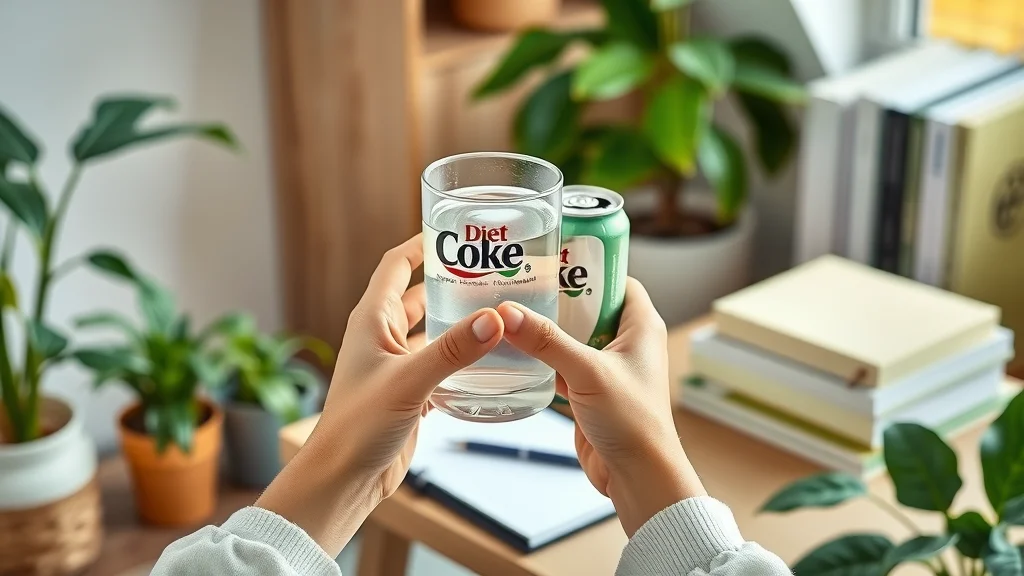
Nutritionist holding a glass of water with Diet Coke nearby, wellness books and green plants in the background

Ready to make healthier choices?

Recent studies have raised concerns about the health effects of diet sodas, including Diet Coke. Research indicates that regular consumption may be associated with an increased risk of metabolic syndrome, type 2 diabetes, and cardiovascular issues. For instance, a study found that individuals who drank at least one diet soda daily had a 34% higher risk of metabolic syndrome compared to non-drinkers. (prevention.com)

Additionally, the World Health Organization has classified aspartame, a common sweetener in Diet Coke, as “possibly carcinogenic,” though this classification pertains to high consumption levels without definitive consensus. (time.com)

While occasional intake may not pose significant health risks, experts advise moderation and suggest prioritizing water or unsweetened beverages for optimal health. NCWellnessHub.com

Nutrition & Foods

0 Comments

Write A Comment

*
*
Please complete the captcha to submit your comment.
Related Posts All Posts

Discover 5 Fish With the Most Protein to Boost Your Health

Did you know over 3 billion people rely on fish as their main protein source—yet few know which species deliver the most? If you’re looking to make smart, health-driven dietary choices, learning which fish give you the highest grams of protein per serving can make a significant impact.In this article, you’ll discover the top 5 fish with the most protein. We’ll compare them head-to-head, unpack their health benefits, and offer easy cooking tips to help you boost your protein intake—deliciously and sustainably.Surprising Facts About Fish and Protein: Why the '5 Fish With the Most Protein' Matter"Over 3 billion people rely on fish as their primary source of protein, yet few know which fish pack the biggest nutritional punch."Fish and seafood are a good source of protein and nutritional powerhouses, offering a unique combination of high protein, heart-healthy fatty acids, and low levels of saturated fat. Including the 5 fish with the most protein in your menu isn’t just about muscle mass: it’s a holistic path toward better heart health, metabolic function, and long-term wellness. These protein fish are also a great source of essential nutrients like omega-3s and B vitamins.As global demand for fish and seafood grows, knowing which options provide maximum protein content per ounce serving helps you make the most efficient, cost-effective, and environmentally conscious choices for your diet. Read on to learn why these five stand above the rest!Understanding High Protein Fish and Seafood: Nutritional Benefits for Your HealthHigh protein fish aren’t just satisfying—they’re nutrient-dense foods that help support strong muscles, a robust immune system, and optimal brain function. Why are these fish so important? Unlike many animal proteins, fish tend to be low in calories and low in fat, while delivering all the amino acids our bodies require. Incorporating the highest protein fish into your diet means you benefit from a complete amino acid profile and gain vital fatty acids that reduce inflammation and help secure your heart health.The protein content of fish directly supports muscle maintenance and recovery, making it ideal for athletes, growing children, and anyone seeking to build or preserve lean muscle mass. When you choose species known for their high protein—like tuna, salmon, and cod—you’re making a choice that fuels your body, boosts immunity, and supports overall well-being.For those interested in maximizing the immune-boosting effects of their diet, pairing high protein fish with other nutrient-rich foods can be especially beneficial. For example, combining seafood with ingredients like garlic and ginger may further enhance your body's natural defenses—learn more about the top benefits of garlic and ginger for immunity and how they complement a protein-rich meal plan.How 5 Fish With the Most Protein Compare to Other Protein SourcesComplete amino acid profile in high protein fishOmega-3 fatty acids and heart healthLean protein benefits for muscle maintenanceWhen you’re seeking the best source of protein, high protein fish offer advantages over many land-based options, making them a superior source of protein. Unlike fatty meats that may carry higher saturated fat, most seafood is low in fat while being a good source of omega-3 fatty acids. Fish such as tuna can even beat chicken breast for grams of protein per calorie, making them an excellent source for anyone aiming to increase their protein intake without added calories."Fish and seafood are among the best sources of lean protein and essential nutrients." – Nutritionist Dr. Laura KimCriteria for Ranking: How We Selected the 5 Fish With the Most ProteinNot all fish are created equal in the protein department. For this list, we used specific criteria to ensure you’re getting the very best for your body and your planet. We compared the protein content per 100g serving for each fish, then looked at nutritional value beyond protein, including omega-3 fatty acids, key vitamins (like B12 and D), as well as availability and sustainability to make sure your choice is as responsible as it is healthy.Protein content per 100g servingAvailability and sustainabilityNutritional value beyond proteinGood source of vitamins and mineralsChoosing protein fish that are both a good source of protein and sustainably sourced helps protect marine environments and ensures these benefits are available for generations to come. With these criteria in mind, let’s dive into the 5 fish with the most protein and see how they stack up!The 5 Fish With the Most Protein (Ranked)1. Tuna – The Ultimate High Protein FishProtein Content and BenefitsTuna is, hands down, the king of high protein fish—with many varieties, such as yellowfin, delivering up to 30g of protein per 100g cooked portion. Its lean protein quality makes it a go-to for athletes and anyone focused on preserving muscle mass while maintaining a low-fat diet. Plus, tuna is naturally low in calories, so it lets you increase your protein intake without expanding your waistline.Beyond protein, tuna is a good source of B vitamins and selenium, and it’s packed with omega-3 fatty acids that give your heart health a major boost. This high protein content and suite of essential nutrients put tuna at the top for efficient, effective nutrition in every ounce serving.Best Ways to Prepare Tuna as a Good Source of ProteinEnjoy the versatility of tuna by incorporating it into salads, sushi, grilled steaks, or a classic niçoise. Canned tuna is also a convenient, protein-packed staple—just watch for mercury levels, especially in larger species. Tuna’s mild taste makes it easy to blend with bold spices, herbs, and healthy fats, allowing you to build meals that are as flavorful as they are nutritious.Sustainability and Sourcing ConsiderationsNot every tuna population is equally healthy—some are overfished. To make a sustainable seafood choice, look for labels like MSC (Marine Stewardship Council) certification, which ensure that your purchase supports responsible fisheries. Skipjack tends to have lower mercury levels and is more widely available as a sustainable seafood option.2. Salmon – Protein Fish Packed With Healthy FatsNutritional Profile: Salmon as a Top Source of ProteinSalmon is celebrated not only for its excellent source of protein (approximately 25g per 100g serving) but also as an oily fish brimming with omega-3 fatty acids. These fatty acids are linked to improved heart health, cognition, and anti-inflammatory effects—giving salmon a dual role in both protein and overall wellness.In addition to its protein, salmon delivers a robust punch of vitamin D, selenium, and B vitamins. This makes it a great source of not just protein, but also of key nutrients to support immune and nervous system functions. For those concerned about fat content, know that healthy fats found in salmon are beneficial and often lacking in many modern diets.Delicious and Healthy Salmon RecipesTry roasting salmon fillets with lemon and dill, baking it on cedar planks, or tossing leftover cooked salmon into whole grain salads and wraps. Raw salmon in sushi or poke bowls is a popular way to maximize both the flavor and nutrients, preserving the delicate amino acid chains and healthy fats.Wild vs. Farmed Salmon: What to Choose?While both yield high protein content, wild salmon generally has higher omega-3 levels and a more diverse nutrient profile, while farmed salmon is often more affordable and readily available. When possible, select wild-caught salmon to ensure a richer flavor and increased nutritional density, but responsibly farmed salmon is still a good source.3. Halibut – Lean Protein and Versatile Cooking OptionsProtein Data and Health ImpactHalibut offers about 23g of protein per 100g serving, making it one of the most high in protein white fish varieties available. Its low fat and calorie content make it a favorite for low-fat diets focused on clean protein intake. Halibut’s nutrient profile includes heart-friendly minerals like magnesium and potassium, and it’s also a good source of B vitamins. Being low in calories yet satisfying, halibut provides prolonged satiety without excess calories.With its mild flavor and meaty texture, halibut is easy to use in everything from tacos to hearty stews. It’s a great source for anyone wanting to boost protein without introducing strong fishy flavors. Its composition makes it ideal for post-workout meals or high-protein diet plans.Best Ways to Include Halibut in High Protein MealsHalibut’s firmness holds up well to grilling, baking, and pan-searing. Pair it with bold citrus glazes, fresh herbs, and seasonal vegetables for vibrant and nutrient-dense meals. It also absorbs marinades efficiently, so you can easily infuse global flavors and avoid monotony in your meal planning.4. Snapper – Good Source of Protein and NutrientsWhy Snapper Stands Out for Protein FishSnapper packs in about 21g of protein per 100g portion, making it a good source of protein and placing it firmly among the best protein fish for overall nutrition. It is also a good source of vitamin B12, potassium, and selenium, which all contribute to energy production and immune system health. With a subtle, almost sweet taste and firm flesh, snapper is beloved by chefs and home cooks alike.This white fish is naturally low in fat yet provides enough umami to anchor any dish, and it’s generally lower in mercury than some larger predatory fish. Snapper's diverse amino acid profile aids in muscle growth and cell repair, making it an ideal choice for anyone seeking high protein from seafood.Cooking Tips for Maximizing Protein RetentionTo keep the most protein content intact, favor gentle cooking methods like steaming or shallow baking. Overcooking can denature some proteins and affect tenderness. Snapper is often featured in Mediterranean and Latin cuisine, where it’s paired with tomatoes, olives, and citrus for a burst of nutrients and flavor.5. Cod – Low-Calorie Fish High in ProteinProtein Content per Serving and Other Health BenefitsCod delivers about 18g of protein per 100g serving, making it an ideal pick for those who prefer mild, low in fat fish. It’s also low in calories, so you can increase your protein without excess fat. As a white fish, cod is a good source of B vitamins—especially B6 and B12—as well as phosphorus and selenium, which help support thyroid function and energy metabolism.Cod’s light texture and neutral profile make it especially suitable for family meals and for introducing kids to high protein fish without strong flavors. Its low mercury levels also make it a safer seafood choice for regular consumption.Cod in Everyday Meals for Better NutritionTry baked, steamed, or poached cod for maximum nutrition with minimal added fats. Cod flakes beautifully in chowders, tacos, and even protein-rich fish cakes. With such versatility, cod is among the easiest ways to add high protein to your weekly meal plan without culinary fuss.Table: Nutrition Comparison of the 5 Fish With the Most Protein (Per 100g)FishProtein (g)CaloriesOmega-3 (mg)Key VitaminsTuna30132900B12, D, SeleniumSalmon252062200D, B12, SeleniumHalibut23140500B12, Magnesium, PotassiumSnapper21110400B12, Potassium, SeleniumCod1882150B6, B12, PhosphorusKey Health Benefits of Eating Protein Fish and Seafood RegularlySupports muscle growth and repairBoosts heart and brain functionSupports weight management and satietyRegularly including high protein fish, a good source of protein, in your diet is linked to improved cardiovascular health, better brain function, and more successful weight management.These source of protein options are nutrient-dense, supporting the immune system and helping you feel full on fewer calories. The omega-3 fatty acids found in protein-rich oily fish especially contribute to lower inflammation, healthier cholesterol levels, and happier moods.Tip:If you’re chasing the most protein per bite, these five fish are hard to beat (approximate protein per 100 g cooked): tuna (~29–30 g), anchovies (~28–29 g), swordfish (~27–28 g), halibut (~26–27 g), and red snapper (~26 g). Mahi-mahi, haddock, and salmon aren’t far behind, typically landing in the 24–26 g range depending on cooking method.Quick notes: protein numbers vary with cooking (water loss concentrates protein), and mercury matters. Swordfish and big tunas tend to be higher in mercury — better as occasional choices — while anchovies are both protein-dense and very low in mercury. If you want a safer weekly staple with good omega-3s, rotate in salmon, sardines, or trout. However you slice it — grilled, baked, or canned — these options make it easy to hit your protein goals.See the 5 fish with the most protein in action: compare nutritional facts, discover smart preparation methods, and get inspired for your next high protein meal!People Also Ask: 'Which fish are highest in protein?'Which fish are highest in protein?"The fish with the highest protein content include tuna, salmon, halibut, snapper, and cod, each offering unique nutritional benefits as a source of protein."Tuna ranks at the top as a source of protein for grams of protein per serving, followed by salmon, halibut, snapper, and cod. These selections provide a combination of lean protein, vital minerals, vitamins, and heart-healthy fatty acids, making them some of the most efficient ways to increase your protein intake with seafood.People Also Ask: 'What is the top 5 healthiest fish?'What is the top 5 healthiest fish?"The healthiest fish are those low in mercury and high in omega-3s and protein, including salmon, sardines, mackerel, cod, and rainbow trout."Beyond just protein content, the healthiest fish to eat are those that also offer high levels of beneficial omega-3 fatty acids and remain low in contaminants. Salmon, cod, sardines, mackerel, and rainbow trout are considered some of the best overall for health benefits—including for the brain, heart, and immune system.People Also Ask: 'What fish food has the most protein?'What fish food has the most protein?"Fish food highest in protein are typically made with fish meal, shrimp meal, or krill. For pets, always check protein percentages on the label."For aquarium enthusiasts and pet owners, high-protein fish food is usually labeled as containing fish meal, krill, or shrimp meal as the top ingredients. Protein levels for these foods can range between 35% and 55%, supporting strong growth and health for aquatic species.People Also Ask: 'Which fish has more protein than chicken?'Which fish has more protein than chicken?"Tuna, for example, often has a higher protein content per serving than chicken breast, making it a superior source of protein for muscle growth."If you compare a standard 100g serving, tuna often surpasses chicken breast as a source of protein for grams of protein, especially when using cooked or canned variations. This makes tuna particularly powerful for athletes, bodybuilders, or anyone seeking to maximize protein with minimal fat intake.FAQs About the 5 Fish With the Most ProteinAre there high protein fish that are low in mercury?Yes, fish like cod and salmon are generally considered low mercury options that still deliver plenty of protein. Stick to smaller tuna species such as skipjack, and check local guidelines for advisories on mercury level in specific fish.What portion size delivers maximum protein benefits?A standard serving of fish is about 3–4 ounces cooked (85–113g), providing roughly 17–30g of high quality protein per meal, depending on species.How can I incorporate more protein fish into my diet?Explore easy recipes like grilled fish, fish tacos, or protein bowls and keep canned tuna or salmon, both a good source of protein, on hand for convenient meals. Substituting fish for other animal proteins once or twice weekly can significantly raise your protein intake.Are frozen or canned options just as protein-rich?Absolutely. Both frozen and canned fish retain their protein content and nutritional value, making them practical, affordable alternatives when fresh fish isn’t available.Key Takeaways: Why Choose the 5 Fish With the Most Protein?Including these fish increases overall protein intakeHigh protein fish offer vital nutrients beyond proteinChoosing sustainable options benefits both health and environmentConclusion: Making the 5 Fish With the Most Protein A Staple of a Healthy DietChoose any of these protein fish, a good source of protein, and enjoy meals that are healthy, delicious, and fundamentally nourishing.Ready to Boost Your Health? Start Adding the 5 Fish With the Most Protein to Your Meals Today!Now that you know the top 5 fish with the most protein, it’s time to revamp your meal planning and enjoy the many benefits of a nutrient-rich, protein-focused diet. Your body—and your taste buds—will thank you!If you’re inspired to take your nutrition even further, consider exploring how other essential nutrients can impact your overall health and vitality. Understanding the signs of vitamin deficiencies, such as those related to vitamin C, can help you create a truly balanced and resilient diet.For a deeper dive into how missing nutrients might affect your well-being, discover the key symptoms of vitamin C deficiency and how to address them. Building a foundation of high-protein fish alongside a spectrum of vital nutrients is a powerful way to support lifelong wellness.SourcesUSDA FoodData CentralSeafoodSource.comHarvard Nutrition Source: FishMarine Stewardship Council Fisheries StandardHealthline: 11 Health Benefits of FishTo further enhance your understanding of high-protein fish, consider exploring the following resources:“40 High-Protein Fish: Which Provide the Most?” (nutrition-advance.com)“High Protein Fish” (thefishsociety.co.uk)These articles offer detailed insights into various fish species rich in protein, their nutritional profiles, and practical tips for incorporating them into your diet. If you’re aiming to optimize your protein intake through seafood, these resources will provide valuable guidance. NCWellnessHub.com

Why Professional Chefs Never Use Non-Stick Pans (And What They Use Instead)

Did you know most professional chefs avoid non-stick pans? Despite their popularity among home cooks, non-stick pans can actually hinder both cooking performance and pan longevity. If you want to upgrade your kitchen skills, understanding why experts choose alternatives—and what those alternatives are—could be your first major step toward restaurant-quality results at home.Mastering Cookware: The Surprising Truth About Non-Stick PansThe enduring popularity of non-stick pans is easy to understand: they’re marketed as easy to use, quick to clean, and practical for a variety of dishes. Yet, in restaurant kitchens, it’s rare to spot a chef reaching for a nonstick pan during crucial cooks—especially when searing, browning, or deglazing. Instead, professionals turn to pans like stainless steel and cast iron for their reliability, heat tolerance, and cooking performance. Why? The answer lies both in science and safety.While non-stick coating makes it easy to release eggs or pancakes, these surfaces break down under high temperatures, releasing fumes and degrading rapidly—especially in high-output kitchens. Even more, the best dishes often require the fond and caramelization a frying pan or fry pan with a robust surface delivers, something a traditional non-stick pan simply cannot match. As chef Angela Brooks explains, “In a busy kitchen, we need frying pans that handle extreme heat and deglazing—non-stick pans just don’t make the cut.” If you’re looking to emulate professional results, understanding why experts bypass non-stick is key.For those interested in a deeper dive into the potential health implications of various cookware materials—including non-stick, ceramic, and metals—you may find it helpful to review a comprehensive guide on the health risks associated with your cookware. This resource explores what every health-conscious cook should know about safe kitchen tools."Many common non-stick pans release fumes at high heat, which can compromise indoor air quality and potentially health." – Dr. Laura Kim, MD, Preventive MedicineWhat You'll Learn About Non-Stick Pans and Professional Chef PreferencesThe science behind non-stick pans versus chef-preferred optionsDurability, safety, and cooking results of various pan types such as stainless steel, frying pan, and ceramic nonstickExpert insights and case studies on non-stick coating risksHow oven safe alternatives can improve your culinary skillsFactors influencing professional chefs’ cookware choicesUnderstanding Non-Stick Pans: Features, Benefits, and Common DrawbacksNonstick Pan Basics: Materials and Nonstick Coating TechnologyThe essential appeal of a non-stick pan starts with its surface. Most use a coating of PTFE (best known as Teflon) or a relatively new ceramic nonstick coating. These coatings create a low-friction surface that makes cooking with little or no oil easy, appealing to the health-conscious home cook. However, not all nonstick surfaces are equal: PTFE can degrade above 500°F, releasing harmful fumes, while ceramic coatings—made from silica—are heat-resistant but prone to chipping with rough use. Fry pans with aluminum core construction heat quickly but often lack the durability of pure stainless steel or cast iron pans.Despite innovations like healthy ceramic nonstick pans and newer proprietary blends (like GreenPan Venice Pro), all non-stick cookware shares key limitations: risk of scratching with metal utensils and the reduction in nonstick performance over time. Proper care—no abrasive sponges or high-heat cooking—can make it easy to extend the life of your pan, but even the best ceramic nonstick pan eventually loses its effortless release.Key Benefits and Popularity of Nonstick Pans for Home CooksFor breakfast foods and gentle sautéing, non-stick pans shine. Their ability to cook delicate items like eggs and pancakes without sticking is a huge benefit for new cooks, and cleaning up afterwards is a breeze. In fact, for the average home cook, a lightweight, comfortable-to-hold pan is often the single most used piece in the kitchen. Modern ceramic nonstick pans are often marketed as both eco-friendly and “healthy ceramic” thanks to their lack of PTFE and PFOA chemicals—but these pans require careful maintenance and typically last only a couple of years in regular use.Comparatively, a stainless steel frying pan or cast iron pan requires more technique—think proper pre-heating and oiling—but can handle high heat, oven use, and develop beautiful browning. The best pan set for a home kitchen often includes at least one non-stick for breakfast foods and a stainless steel or cast iron pan for everything else. The table below summarizes key differences:FeatureNon-Stick PansStainless Steel Frying PansCeramic Nonstick PansSurface MaterialPTFE, CeramicStainless SteelCeramic CoatingOven SafeLimitedOften YesUsually YesEase of CleaningVery HighMediumHighDurabilityLowHighMediumRisks and Health Concerns With Non-Stick PansHealth Effects of Nonstick Coating at High TemperaturesOne major reason chefs avoid traditional non-stick pans is health-related. When heated above "medium heat" or especially over 500°F, PTFE-based nonstick coatings can start to break down, emitting fumes that have been linked to "polymer fume fever" in humans and can be fatal to pet birds. Over time, even minor scratches or nicks expose the underlying surface, further increasing risk. As Dr. Matt Johnson, Public Health Analyst, observes: “Overheating conventional nonstick cookware can release chemical particles that may not be safe for long-term exposure.” This becomes especially concerning in busy kitchens where pans are regularly exposed to high burners. In contrast, alternatives like stainless steel and cast iron can handle extreme high temperatures without risk of off-gassing or coating damage.For home cooks, proper nonstick pan use means never heating the pan empty, always cooking at medium or lower settings, and discarding pans with scratched coatings. Deterioration of the coating is not just a cosmetic issue: flaking particles can enter food, raising potential long-term health concerns. This is why industry experts and health professionals suggest limiting use of damaged nonstick pans and gravitating towards oven safe alternatives with greater durability.Evaluating Ceramic Nonstick Pan SafetyCeramic nonstick pans are often marketed as a safer, eco-friendly alternative to Teflon pans. Their coating—typically made from sand-derived silica—lacks PTFE and PFOA entirely. While they perform admirably for low and medium heat cooking, their biggest drawback is rapid wear: frequent use, dishwasher cleaning, or exposure to high temperatures can shorten their lifespan to as little as one year. These pans are generally considered a safer option as they do not release dangerous fumes, but the trade-off is less robust nonstick performance over time and frequent replacement.For households looking for 100% non-toxic solutions, pans with pure ceramic coating, stainless steel, or well-seasoned cast iron are most recommended. These options are generally oven safe, easy to clean with practice, and when properly cared for, can deliver decades of safe, reliable service."Overheating conventional nonstick cookware can release chemical particles that may not be safe for long-term exposure." – Dr. Matt Johnson, Public Health AnalystIs It Healthy to Use Non-Stick Pans?Potential chemical release and fumesImpact of scratched or damaged coatingsAlternatives considered 100% non-toxicWhen used as directed, modern non-stick pans are very safe for home cooking. However, the risks increase as these pans age, coatings wear thin, or improper techniques (such as preheating empty or using high heat) become common. Health experts now recommend careful monitoring: replace any frying pan with visible scratches or flaking; never use metal utensils that could damage the surface; and never heat any nonstick pan above "medium heat." Consider upgrading to a pan set with oven safe or non-toxic alternatives for greater peace of mind, especially if you cook daily or for large groups.Why Professional Chefs Prefer Alternatives to Non-Stick PansPerformance Limits of Nonstick Pans During High-Temperature CookingIn professional kitchens, intense, consistent heat is a necessity—whether you’re searing a steak or creating flavor-building fond for sauces. Non-stick pans falter under these conditions, as their coatings degrade and their performance drops drastically above 450°F. Professional chefs demand cookware that can go from stovetop to oven (oven safe) and handle rapid deglazing for complex dishes, which non-stick options simply can’t manage. This is why the fry pan of choice is rarely non-stick but rather stainless steel or carbon steel—both of which excel in high heat, durability, and versatility.Temperature uniformity is another challenge. Non-stick surfaces often have an aluminum core, which heats quickly but unevenly, leading to inconsistent results in demanding settings. Chefs need robust, thick pans that distribute and retain heat evenly, allowing for precise control—a non-negotiable in professional food preparation.The Role of Fry Pan and Stainless Steel in Professional KitchensStainless steel frying pans and cast iron have a hallowed status among culinary professionals. These pans don’t just survive but thrive under rigorous daily use, offering superior browning and resilience to heavy scraping during deglazing or sauce making. Unlike nonstick pans, stainless steel pans develop a patina over time that enhances their natural nonstick properties with proper seasoning and maintenance.Furthermore, oven safe materials allow for recipes that require transferring the pan from stovetop to oven—a daily necessity in restaurants serving dishes like frittatas or roasted proteins. The versatility and life span (often measured in decades) make these frying pans a smart investment for any serious cook, home or professional."In a busy kitchen, we need frying pans that handle extreme heat and deglazing—non-stick pans just don't make the cut." – Chef Angela Brooks, Certified Culinary InstructorDurability and Cost-Efficiency in Pan Set SelectionWhile the initial cost of a quality stainless steel frying pan or full pan set may be higher than a basic non-stick, these pans require replacement only every 10 years or longer, as opposed to every 1-3 years for most nonstick cookware. For both home cooks and professionals, this means fewer pans in landfills, less money spent over the long run, and better, more consistent cooking results with each use. Additionally, stainless steel and cast iron respond well to all utensils and are usually dishwasher-safe or easy to clean with little effort.For busy households, oven safe and multi-piece sets offer maximum flexibility: sear your meat on the stovetop, finish in the oven, and use the same pan for sauces or vegetables. A great pan set will “make it easy” for home cooks to master a wide variety of recipes—from gentle sautéing to intense roasting.What Chefs Use Instead of Non-Stick Pans: Industry Favorites RevealedStainless Steel Frying Pan AdvantagesStainless steel pans represent the gold standard for professional and home cooks alike. Their all-metal construction brings durability and even heat distribution, two invaluable assets for precision cooking. You can achieve a gorgeous sear, create rich, caramelized sauces, and deglaze without fear of damaging a nonstick coating. And because these pans are oven safe, you can use them for everything from pan-roasted meats to baked pastas. The only catch: mastering their use requires a willingness to experiment with pre-heating and using the right amount of oil or butter for stick resistance.For everyday use, a stainless steel fry pan can replace up to three or four inferior pans, offering longevity that makes even an expensive pan a smart buy over its lifespan. Look for trusted brands with thick, multi-layer cores for best results—these handle high heat, heavy loads, and dishwasher cleaning without a hitch.Cast Iron, Carbon Steel, and Ceramic Nonstick: An Expert ComparisonCast iron frying pans are celebrated for their legendary heat retention and ability to be used both on the stovetop and in the oven. Seasoned correctly, they develop a naturally nonstick surface that gets better with age. Enameled cast iron pans, like those from Le Creuset, offer the advantage of easy cleanup with added durability.Carbon steel pans, favored by French chefs, are lightweight, highly responsive to heat, and form a slick cooking surface after multiple uses. They perform almost identically to cast iron but require less muscle power for tossing ingredients. Ceramic nonstick remains an excellent choice for health-conscious home cooks wanting a PTFE- and PFOA-free option—but only for low to medium heat tasks.Choosing the Best Oven Safe Pan Set for Various Cooking ApplicationsStainless steel: Searing, browning, sauce reductionsCast iron: Heat retention and oven safetyCarbon steel: All-purpose performanceCeramic nonstick: Health-conscious optionsCase Study: Non-Stick Pans Versus Professional Cookware PerformanceTo showcase the practical implications of material choice, consider these real-world results from side-by-side testing in a busy kitchen. Below, we compare a standard non-stick pan, a stainless steel frying pan, and a cast iron fry pan across four benchmarks:TestNon-Stick PanStainless Steel Frying PanCast Iron Fry PanSearing SteakInconsistentExcellentVery GoodDeglazingNot RecommendedExcellentGoodOven UseLimitedOven SafeOven SafeLifespan1-3 years10+ yearsDecadesPeople Also Ask: Professional Chefs and Non-Stick PansWhat is the best type of non-stick pan?Ceramic nonstick and PTFE-coated pans are most popular at home; for professional use, however, chefs favor pans with advanced durability like stainless steel or carbon steel, depending on dish and cooking style.Is it healthy to use non-stick pans?Modern non-stick pans are generally considered safe under moderate conditions, but overheating or damaging the nonstick coating can lead to chemical exposure. Health experts recommend using undamaged pans and never heating empty.Which cookware is 100% non-toxic?100% non-toxic choices include thoroughly vetted stainless steel, cast iron, and pure ceramic fry pans, all of which offer stable performance without chemical coatings.Why do chefs not use nonstick pans?Chefs avoid nonstick pans due to durability constraints, limited heat tolerance, and the superior performance of pans like stainless steel, which can handle higher temperatures and more rigorous use.Watch this in-depth demonstration to understand how nonstick coatings behave at the microscopic level and why professional chefs rely on sturdier alternatives for performance and safety.In our exclusive Chef’s Choice Cookware Showdown, experts team up to test a bistro’s worth of frying pans—from non-stick to stainless and cast iron—on common kitchen challenges. See which pan reigns supreme in head-to-head tests for searing, deglazing, and flavor development.Expert Tips for Selecting the Right Fry Pan Set for Home and Professional UseLook for oven safe and dishwasher-safe labelsConsider thickness for even heat distributionWeigh cost versus expected lifespanReview health certifications and nonstick coating typesEssential FAQs About Non-Stick Pans and Cookware SafetyWhat’s the safest temperature to use for non-stick pans? Stick to low to medium heat (up to 400°F) to avoid breaking down the nonstick surface and releasing fumes.Which nonstick coating lasts the longest? Traditional PTFE-based coatings generally last longer than ceramic nonstick but require careful use.How to properly care for frying pans and stainless steel cookware? Always allow pans to cool before cleaning, avoid harsh abrasives, and handwash when possible to extend the life of your cookware.Are ceramic nonstick pans truly non-toxic? Most high-quality ceramic nonstick pans are free from PTFE and PFAS chemicals, but only when purchased from reputable brands with transparent manufacturing.Can I use non-stick pans in the oven, and which ones are best for it? Some non-stick and ceramic nonstick pans are oven safe up to moderate temperatures, but always check the manufacturer’s instructions before using in the oven.Key Takeaways: Non-Stick Pans Versus Professional CookwareNon-stick pans offer convenience but lag in durability and temperature toleranceProfessional chefs use stainless steel, carbon steel, and cast iron for best resultsHealth concerns from nonstick coatings are minimal when used properly, but alternative pans provide peace of mindChoosing the right pan set elevates home cooking to professional quality"Switching to multi-material pan sets—like stainless steel and cast iron—empowers home cooks to tackle recipes with greater confidence and flavor." – Dr. Sarah Beale, Clinical NutritionistReady to Upgrade? Explore Our Top-Rated Oven Safe and Chef-Approved Pan SetsIf you’re ready to say goodbye to mediocre results and invest in your cooking journey, check out our curated selection of oven safe and chef-approved pan sets. The right tools are just a click away from transforming your everyday meals into culinary masterpieces.ConclusionBy understanding the limitations and risks of non-stick pans, and upgrading to professional-grade alternatives, you can enjoy safer, more flavorful cooking for years to come. NCWellnessHub.comIf you’re passionate about making your kitchen a healthier, more efficient space, there’s even more to discover beyond cookware choices. Explore how innovative appliances can further support your wellness goals by reading about the benefits of nontoxic air fryers for health-conscious cooks. Uncover new ways to prepare your favorite meals with less oil and fewer chemicals, and take your healthy cooking journey to the next level with expert-backed recommendations.SourcesHealthline – https://www.healthline.com/nutrition/nonstick-cookware-safetyConsumer Reports – https://www.consumerreports.org/appliances/cookware/cookware-safety-nonstick-and-ceramic-a3702523779/Eater – https://www.eater.com/2019/12/15/21010685/nonstick-pans-cookware-safety-teflon-ceramicSerious Eats – https://www.seriouseats.com/stainless-steel-cookware-gear-guideProfessional chefs often avoid non-stick pans due to concerns about durability, heat tolerance, and cooking performance. Non-stick coatings can degrade at high temperatures, releasing harmful fumes and limiting the pan’s lifespan. Additionally, these pans are prone to scratching, especially when used with metal utensils, making them less suitable for the rigorous demands of a professional kitchen. (tastingtable.com)Instead, chefs prefer alternatives like stainless steel, cast iron, and carbon steel pans. These materials offer superior heat distribution, durability, and the ability to develop a natural non-stick surface over time. For instance, carbon steel pans are lightweight, heat up quickly, and, with proper seasoning, become highly non-stick, making them ideal for high-heat cooking techniques. (kitchencuddle.com)For a comprehensive understanding of when to use non-stick pans and their alternatives, you might find the video “When to Use (And Not Use) Non-Stick Pans” by Chef Jacob Burton insightful. When to Use (And Not Use) Non-Stick Pans

Discover High-Protein Pizzas That Fuel Your Body Fast

Feeling sluggish after meals? I once believed pizza was a guilty pleasure until I found high-protein pizzas that nourish my body and energize my day. Discover how these tasty, protein-packed options can transform your meals and fuel your active lifestyle effortlessly. With the right ingredients and a simple approach, high protein pizza options let you satisfy your pizza craving while helping you achieve your nutrition and fitness goals—no guilt required.Why High-Protein Pizzas Are a Game Changer for Active LifestylesHigh-protein pizzas are revolutionizing the typical pizza night, turning what was once considered a comfort indulgence into a legitimate source of nutritious, high-energy fuel. Unlike traditional options that often leave you sluggish, high-protein pizza recipes are crafted for those who want to feel energized—whether you’re a busy professional, athlete, or simply striving for better health. By swapping out refined bases and high-fat meats for protein-rich crusts, sauces, and toppings, you can enjoy your favorite food without abandoning your goals.What sets high-protein pizzas apart is their incredible balance of flavor and nutrition. The addition of ingredients such as greek yogurt, cottage cheese, and lean meats not only increases protein per serving but also keeps you satisfied longer, stabilizing energy and curbing overeating.For anyone seeking extra protein, these pizzas fit seamlessly into a high-protein diet, with customizable options for a wide range of dietary needs and preferences. Dietitians frequently recommend high-protein meals to support muscle repair and sustained energy—making this pizza a winning choice both for recovery and daily vitality."Feeling sluggish after meals? I once believed pizza was a guilty pleasure until I found high-protein pizzas that nourish your body and energize your day."What Makes a Pizza High-Protein? Essential Ingredients and NutritionA true high-protein pizza isn’t just about adding chicken or turkey pepperoni on top—it’s built from the ground up to maximize protein in every bite. The secret starts with the high protein pizza crust, often made using greek yogurt or cottage cheese combined with rising flour or self-rising flour.These ingredients provide not only a notable protein boost but also a creamy texture and satisfying chew. Next comes the sauce: a high protein pizza sauce might blend in cottage cheese, greek yogurt, or even finely ground lean meats or plant-based alternatives for an extra protein punch.Toppings complete the transformation, with options ranging from diced chicken breast to turkey pepperoni, lean ground beef, or plant-based meat alternatives—all keeping the focus on protein without sacrificing taste. Each innovative swap delivers more grams of protein than you’d expect in a traditional slice.Whether you’re following a structured fitness plan or just want your meals to work harder for you, the blend of high-protein ingredients creates a pizza that not only fuels your body but also delivers comfort and satisfaction for every pizza craving.If you’re looking to further streamline your healthy eating habits, especially at the start of your day, you might find inspiration in simple, protein-rich breakfast ideas. For practical tips on building a nutritious morning routine that complements your high-protein pizza nights, explore these easy breakfast strategies for better health.Key high-protein ingredients: Greek yogurt, cottage cheese, lean meats, high protein pizza crust, protein pizza sauceHigh-Protein Pizza Crust: From Rising Flour to Greek Yogurt InnovationsThe backbone of any high-protein pizza starts with the crust. Classic pizza crust uses all-purpose flour, but high-protein versions swap in rising flour fortified with extra protein—often through the creative addition of greek yogurt or cottage cheese.These innovations infuse the crust with greater protein density and a delightfully chewy texture without compromising the golden brown finish pizza lovers crave. You can even find store-bought options or recipes that use high-protein flour blends, making it easy to boost your protein intake while enjoying your favorite comfort food.Another advantage of high-protein pizza crust recipes is their simplicity. Many require just a handful of ingredients—greek yogurt, self-rising flour (or rising flour with baking powder), and sometimes cottage cheese—resulting in a dough that’s easy to make, requires no long proofing time, and bakes up fluffy and golden.Substituting these high protein ingredients for traditional flour-based pizza crusts not only provides more grams of protein per serving but also supports your active lifestyle, making every pizza night an opportunity to nourish your body and satisfy your pizza craving the smart way.Comparing High-Protein Pizza Crust Recipes: Which Is Best for You?With so many variations available, choosing the best high-protein pizza crust for your needs can be exciting and delicious. Greek yogurt-based pizza crusts are wildly popular—they deliver a pillowy rise and subtle tang that perfectly complements savory toppings.Cottage cheese crusts, meanwhile, create a slightly denser, ultra-moist foundation with even more protein per bite. Both options outperform standard pizza dough in nutritional value, but the right choice depends on your desired taste and dietary needs.If you want a gluten-free or lower-carb option, consider using protein blends or almond flour mixed with greek yogurt for added structure. Making the dough at home lets you experiment with combinations that fit your lifestyle, such as including egg whites for extra protein or mixing in whole grain flour for fiber.Ultimately, high-protein pizza crust innovations let you enjoy classic flavors with a boost that supports muscle-building goals, active routines, and the satisfaction of wholesome, nutrient-rich pizza."Incorporating ingredients like greek yogurt and cottage cheese into pizza dough turns a classic favorite into a protein powerhouse."Making the Dough: Building Protein Pizza Dough and Crust at HomeCrafting high protein pizza dough at home is surprisingly easy to make and yields incredible results. Start with basic ingredients: greek yogurt, self-rising flour (or a combo of all-purpose flour and baking powder), and, for an extra protein boost, add cottage cheese. Blend until just combined, then transfer to a lightly floured surface for kneading. Use gentle, steady pressure to create a soft, pliable dough—don’t overwork it, or you’ll miss out on that signature tender texture.Once kneaded, let your pizza dough rest beneath a sheet of plastic wrap or a clean towel to relax the gluten and allow moisture to distribute evenly. This step ensures a silky, uniform pizza crust when rolled out and baked. For best results, roll your dough onto parchment paper to prevent sticking and achieve even cooking. Try adjusting the ratios—add a little more greek yogurt for a softer bite or extra baking powder for more rise. With just a few steps and minimal ingredients, you can make the dough that supports your nutrition and performance goals.Step-by-step high protein pizza dough recipeIngredients: greek yogurt, self-rising flour, cottage cheese, and moreTips for kneading and textureGround Chicken Crust Pizza RecipeYou can make a solid, high-protein chicken crust with just a few ingredients. Mix 1 lb ground chicken with 1 egg, 1/4 cup grated Parmesan, 1/2 cup shredded mozzarella (optional but helps bind), 1 tsp each garlic powder and Italian seasoning, plus salt and pepper.Line a sheet pan with parchment, lightly oil it, then press the mixture into a thin, even circle (about 10–12 inches). Bake at 425°F (220°C) for 12–15 minutes until set and lightly browned, carefully flip (peel off parchment if needed), and bake another 5–10 minutes to get it golden and firm.Add a thin layer of sauce, cheese, and pre-cooked toppings (avoid watery veggies), then bake 5–8 minutes more until melty. Pro tips: squeeze moisture from the chicken if it’s very wet, don’t make the crust too thick, let it rest a few minutes before slicing, and broil briefly for crispy edges. Shortcut version: use well-drained canned chicken, dry it in a skillet or microwave, then mix with egg and Parmesan and bake the same way.Crafting High-Protein Pizza Sauce: Easy Boosts for Every SliceStandard tomato-based pizza sauce delivers classic flavor, but with a little kitchen creativity, you can easily turn it into a high-protein powerhouse. Try blending cottage cheese or greek yogurt into your pizza sauce for creaminess and a subtle tang—this simple swap adds valuable protein per serving while maintaining a familiar taste. Another clever approach: cook lean ground turkey into your sauce for even more protein, or stir in pureed white beans for a plant-based twist.Layering these high-protein upgrades doesn’t complicate pizza night, either. With just a few extra steps, your pizza sauce can deliver both nutrition and bold flavor. Consider using reduced-sodium tomato sauce as your base, then whisk in your chosen protein sources until smooth.Season with herbs, garlic, and red pepper flakes—then spread generously atop your high-protein pizza crust before adding toppings. Whether blending, mixing, or sautéing, making the most out of your pizza sauce is a small trick that brings big nutritional benefits to every slice.Ways to add protein to pizza sauce (blended cottage cheese, high protein Greek yogurt, lean ground turkey, and beans)Top High-Protein Pizza Toppings for Maximum Nutritional ImpactOnce your crust and sauce are set, it’s time to pile on the best high-protein pizza toppings. Each topping can contribute to your daily grams of protein, and choosing lean cuts like chicken breast or turkey pepperoni is key.Lean ground beef provides hearty flavor while keeping calories in check. For a creamy element, dollops of greek yogurt or crumbles of cottage cheese add texture and moisture as well as essential nutrients.For plant-forward eaters or those craving variety, modern meat alternatives pack impressive protein—think tofu cubes or plant-based sausage. Layer these with your favorite vegetables for even more color and nutrition.Whether you’re planning a fully loaded pizza night or a simple weeknight meal, these toppings transform every slice into nutritious, muscle-friendly fuel. Mix and match these components, adjust for dietary preferences, and get creative with your favorite topping combos—your high-protein pizza can be as unique as your goals.Chicken breastTurkey pepperoniLean ground beefGreek yogurt dollopsCottage cheese crumblesPlant-based meat alternativesList: 5 Creative High-Protein Pizza Recipes to Try TonightVariety is the spice of great pizza. Discover these five creative high-protein pizza recipes that blend delicious taste with robust nutrition, ideal for fueling your next workout or simply enjoying an upgraded pizza night:Protein pizza with cottage cheese crustProtein pizza with greek yogurt doughBuffalo chicken high-protein pizzaMediterranean veggie high-protein pizzaBBQ turkey high-protein pizzaEach protein pizza recipe focuses on maximizing protein content while offering familiar, crowd-pleasing flavors for every palate. Experiment with dough bases and topping combinations for meals that work hard for you—delivering everything you love about pizza, plus the added benefit of high-protein fuel.Table: Comparing Protein, Calories & Taste in Popular Protein Pizza BrandsPizza BrandProtein per ServingCaloriesMain High-Protein IngredientTaste RatingPowerCrust Pizza20g290Whey protein crust4.5/5Mighty Slice18g300Greek yogurt and chicken4.3/5LeanCrust21g285Cottage cheese dough4.2/5Fitness Pie Co.22g320Plant-based protein blend4.0/5People Also Ask: What Pizza Has the Most Protein?Answer: Meat-loaded protein pizzas featuring lean chicken or turkey, high-protein crusts, and cheese alternatives typically offer the most protein per slice.If maximum protein is your goal, choose protein pizza recipes or brands combining lean meats, high protein pizza crust, and lower-fat cheese substitutes. These stacked slices can deliver well over 20 grams of protein per serving—often more than double traditional pizza. Experiment with topping quantities and crust choices to create your personal high-protein champion.People Also Ask: Is Pizza Good for a High Protein Diet?Answer: Yes, when made with lean protein toppings, high-protein crusts (often containing greek yogurt or cottage cheese), and reduced-fat cheese, pizza can be part of a high-protein diet.A well-constructed high protein pizza becomes a fitness-friendly meal that fits right into your nutrition plan, supporting your muscle-building or weight management journey. Simply choose recipes focused on lean and clean ingredients, and enjoy pizza night without compromise.People Also Ask: What Meat Is Highest in Protein for Pizza?Answer: Chicken breast, lean ground turkey, and extra-lean beef provide the highest protein per ounce for pizza toppings.When selecting meats for your next homemade or store-bought protein pizza, opt for chicken breast or lean ground turkey to get the most protein with the least additional fat. These protein-packed options are easy to prepare, universally loved, and deliver top nutrition for gym-goers, athletes, and families alike.People Also Ask: What Are High Protein Pizza Toppings?Answer: High protein pizza toppings include grilled chicken, turkey pepperoni, cottage cheese, greek yogurt, tofu, plant-based sausage, and eggs.Go beyond basic meat—diversify your pizza with cottage cheese crumbles, dollops of greek yogurt, or cubes of tofu for plant-based protein. Topping with eggs adds both flavor and nutritional value, making every pizza highly customizable and protein-focused.How to Store and Reheat High-Protein Pizza for Best ResultsProper storage is the secret to keeping your high-protein pizza at peak freshness and texture, whether you’re saving leftovers for lunch or meal-prepping ahead. Always cool your pizza completely before transferring slices to an airtight container or sealable glass box. This step prevents condensation and sogginess, keeping your pizza crust golden brown and tender.When reheating, skip the microwave for best results—instead, warm slices in the oven or a skillet to retain their chewy texture and vibrant flavor. To preserve the nutrients in your high-protein ingredients, cover with foil if reheating in the oven, or reheat gently over low heat if using a stovetop pan. This process keeps protein sources intact and maintains a freshly baked feel, guaranteeing a crave-worthy slice every time.Storage best practices for maintaining protein freshnessBest ways to reheat without losing texture or nutrientsDebunking Myths: High-Protein Pizza vs. Traditional PizzaIt’s a common myth that healthy pizza can’t taste as good—or that high-protein options are just another fleeting trend. In reality, high-protein pizzas are engineered for flavor, satisfaction, and nutrition—without unnecessary carbs, fats, or fillers. They deliver everything you love about classic pizza but with smarter, body-friendly choices.Whether you’re swapping rising flour for greek yogurt, trading fatty meats for lean ground turkey, or creatively blending plant-based alternatives, high-protein recipes have something for everyone. Consider this your permission slip to eat pizza—and feel great about it. With every slice, you’re feeding your muscle, satisfying your pizza craving, and transforming dinner into a health-boosting event."High-protein pizzas are not just another health trend—they can deliver the satisfaction you crave without sacrificing nutrition."FAQs About High-Protein PizzasHow much protein is in a typical high-protein pizza slice?Depending on the crust and toppings, a single slice can pack from 12g to 22g of protein—over double the amount in most traditional pizzas. Ingredients like greek yogurt in the dough and chicken or plant-based meat alternatives on top contribute to this boost.Do high protein pizzas taste like regular pizza?With smart ingredient swaps and balanced seasoning, high-protein pizzas taste remarkably similar to, or even better than traditional pies. Expect a slightly creamier crust and a heartier, more satisfying bite with every slice.Are there gluten-free high-protein pizza options?Absolutely! Many recipes use almond flour blends, chickpea flour, or gluten-free self-rising flour combined with greek yogurt or cottage cheese to create delicious gluten-free, high-protein bases suitable for any diet.Key Takeaways: How High-Protein Pizzas Can Fuel Your Body FastHigh-protein pizzas are easy to make, nutritious, and energizingMain high-protein components include pizza crust, dough, sauce, and toppingsCustomizable for dietary preferences and lifestyle goalsConclusion: Upgrade Your Routine With High-Protein PizzasTransform your meals, boost your energy, and indulge guilt-free with high-protein pizzas.If you’re ready to take your nutrition and fitness journey even further, consider exploring the science behind effective fat loss and how strategic food choices can accelerate your results. High-protein pizzas are just one piece of the puzzle—understanding the latest research on supplements and holistic approaches can help you optimize your health goals.For a deeper dive into evidence-based strategies and the top fat loss supplements for the coming year, check out this comprehensive guide to the best fat loss supplements of 2025. Empower your routine with advanced insights and make every meal—and every effort—count.SourcesHigh-protein pizzas are transforming traditional comfort food into nutritious meals that support active lifestyles. By incorporating protein-rich ingredients like Greek yogurt, cottage cheese, and lean meats, these pizzas offer sustained energy and aid in muscle repair.For a variety of high-protein pizza recipes, consider exploring Healthline’s article, “5 High-Protein Pizzas.” This resource provides diverse options, including chicken pesto and buffalo chickpea pizzas, each containing over 22 grams of protein per serving.Also, Eliya Eats offers a recipe for a “High Protein Pizza” that boasts over 40 grams of protein and less than 500 calories for the entire pizza, making it a quick and satisfying meal option.If you’re ready to upgrade your meals with something that’s both tasty and muscle-friendly, these resources have your back. Think of them as your personal menu of high-protein pizza creations—perfect for keeping you energized, satisfied, and feeling like a fitness-loving foodie. 🍕💪 NCWellnessHub.com

Terms of Service

Privacy Policy

Core Modal Title

Sorry, no results found

You Might Find These Articles Interesting

T
Please Check Your Email
We Will Be Following Up Shortly
*
*
*